
Benefits and Potential Risks
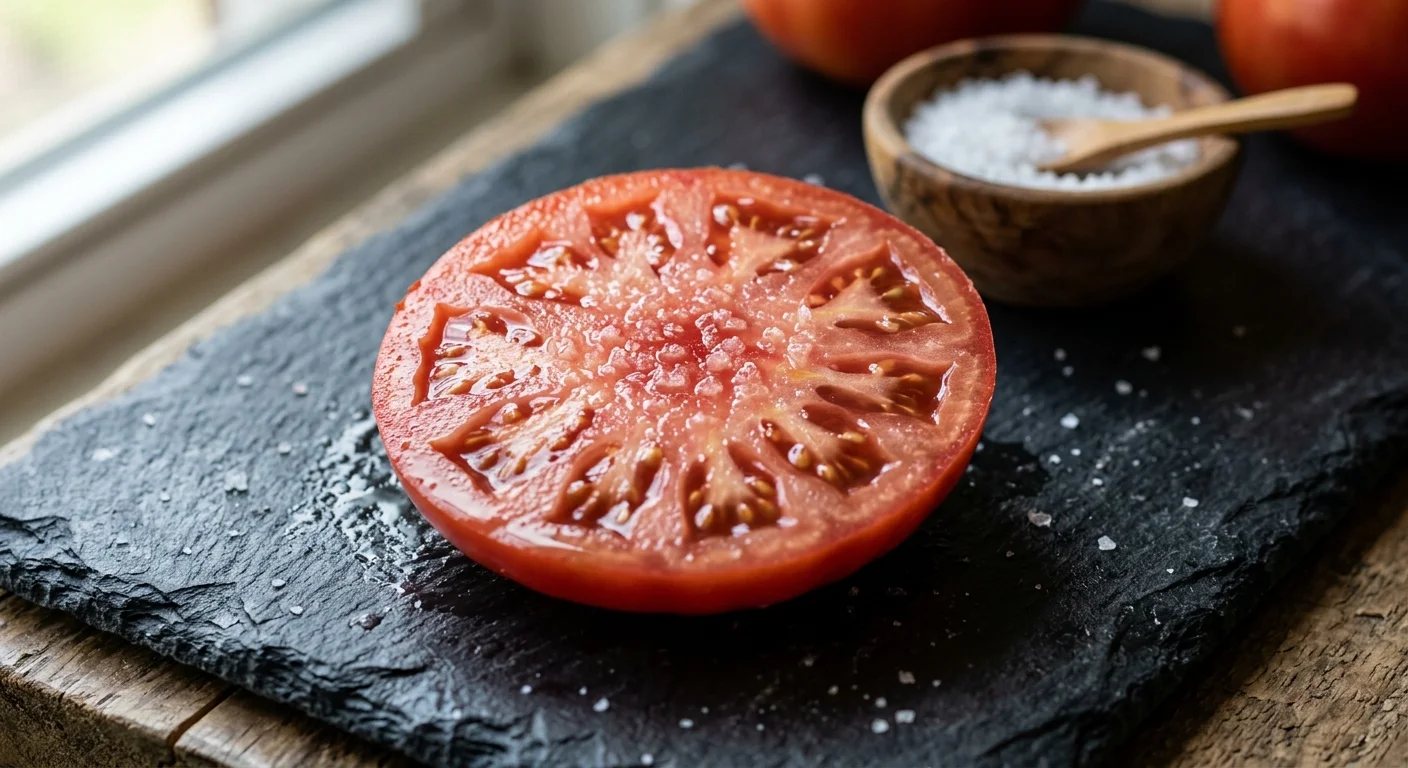
The primary benefit of storing these six fruits at room temperature is the preservation of their peak sensory qualities. You will experience richer flavors, softer textures, and more enticing aromas. Beyond culinary enjoyment, proper storage ensures you absorb the maximum amount of nutrients available. For example, allowing a tomato to ripen fully outside the fridge ensures the highest possible concentration of lycopene, an antioxidant linked to reduced inflammation and improved cardiovascular health.
However, countertop storage does carry certain risks that you must manage proactively. The most obvious downside is the accelerated rate of spoilage once the fruit reaches peak ripeness. A peach can transition from perfectly ripe to dangerously rotten in a matter of a few days. Rotten fruit attracts pests like fruit flies, which can quickly multiply and become a nuisance in your kitchen.
More importantly, overripe fruit that has split open or developed mold poses a genuine health risk. Mold spores can spread rapidly in warm environments, and consuming spoiled fruit can lead to foodborne illness. As an older adult, your immune system may not fight off pathogens as aggressively as it once did, making you more susceptible to severe complications from food poisoning. It is crucial to monitor your room-temperature fruit daily and discard any items that show signs of fuzzy mold, severe bruising, or a fermented, vinegary odor.





Please remove my email from all your messages and advertisements. Thank you
If my bananas get too ripe on the counter, I peel them, put them in a produce bag (plastic bag) and put them in the freezer. You can eat them like ice cream.