
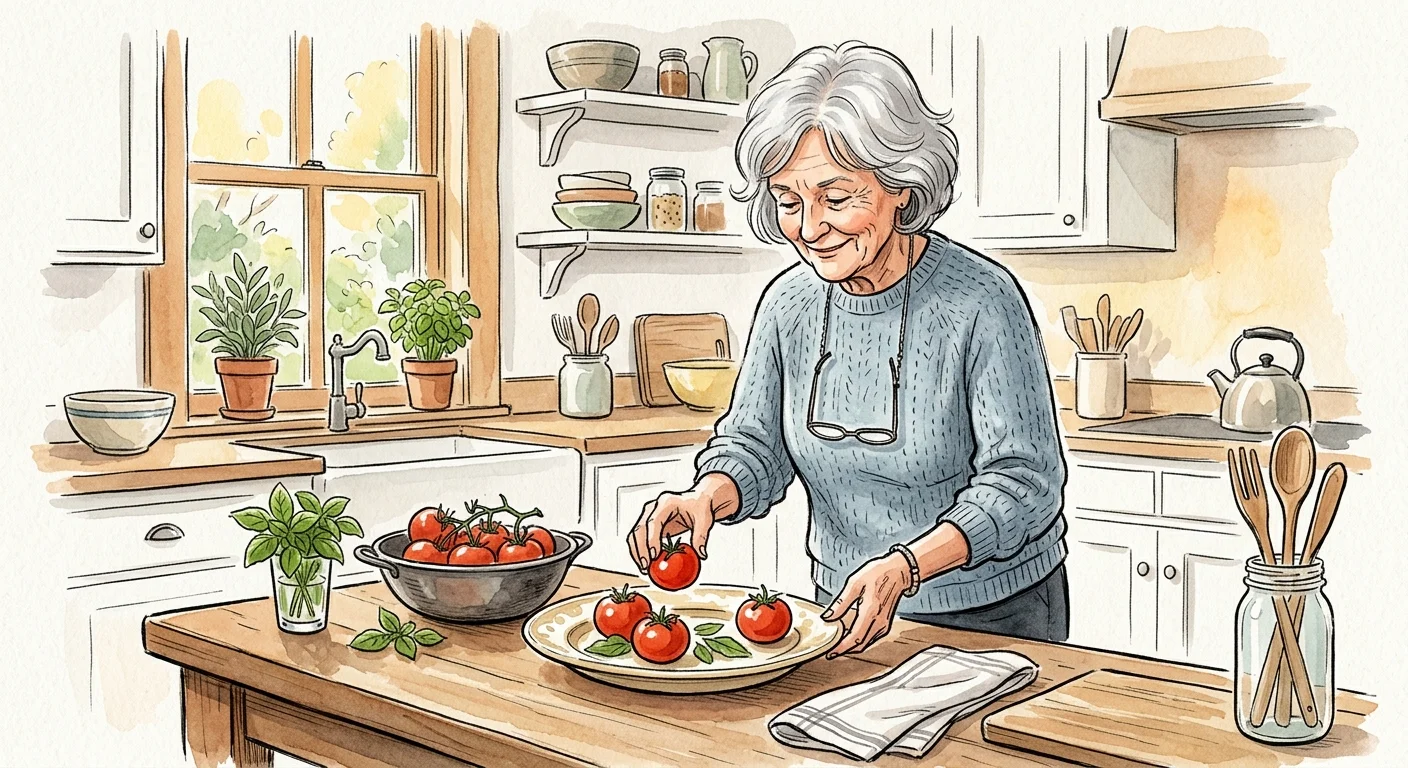
Key Considerations for Seniors
As you age, your dietary needs, physical capabilities, and lifestyle habits naturally shift, making proper food storage even more impactful. Dental health is a primary consideration for many older adults. Whether you have natural teeth that have become sensitive, crowns, or wear dentures, biting into hard, unripe fruit can be physically painful or entirely impossible. Allowing fruits like peaches, mangoes, and avocados to soften properly on the counter ensures they reach a tender, yielding texture that is easy to chew and swallow safely. This significantly reduces the risk of choking and makes eating a much more pleasant experience.
Digestive health also plays a crucial role in how you should consume fruit. Ripe fruits contain higher levels of soluble fiber and simpler sugars compared to their unripe counterparts. The biological ripening process effectively pre-digests the complex starches, making the fruit much gentler on a senior’s gastrointestinal tract. Eating underripe, chilled fruit can lead to bloating, gas, and digestive discomfort, whereas fully ripe fruit promotes smooth digestion and regular bowel movements.
Furthermore, older adults often navigate fixed incomes and prefer to limit their trips to the grocery store. Throwing away expensive produce because it became mealy in the refrigerator or rotted prematurely on the counter is frustrating and costly. By mastering the exact storage requirements for these specific fruits, you can extend your grocery budget, maximize the yield of every purchase, and maintain a robust supply of fresh, nutrient-dense foods in your home without needing to shop every few days.



Please remove my email from all your messages and advertisements. Thank you
If my bananas get too ripe on the counter, I peel them, put them in a produce bag (plastic bag) and put them in the freezer. You can eat them like ice cream.