What are you looking for?

Search through our content to find what you need

6 Fruits You Shouldn’t Refrigerate

Discover the 6 fruits you should never refrigerate. Learn how proper countertop storage preserves flavor, protects texture, and maximizes nutritional benefits.

Proper produce storage saves you money, preserves essential nutrients, and protects the delicate textures of your favorite fresh fruits. As an older adult mindful of grocery budgets and nutritional intake, keeping certain fruits out of the refrigerator ensures you get the most flavor and health benefits from every bite. Cold temperatures can halt the ripening process, ruin cellular structures, and diminish the taste of many popular fruits you likely buy every week. Understanding exactly which items thrive on the kitchen counter instead of the crisper drawer helps you reduce food waste and enjoy perfectly ripe produce. Learning these basic storage rules empowers you to optimize your daily diet effortlessly.
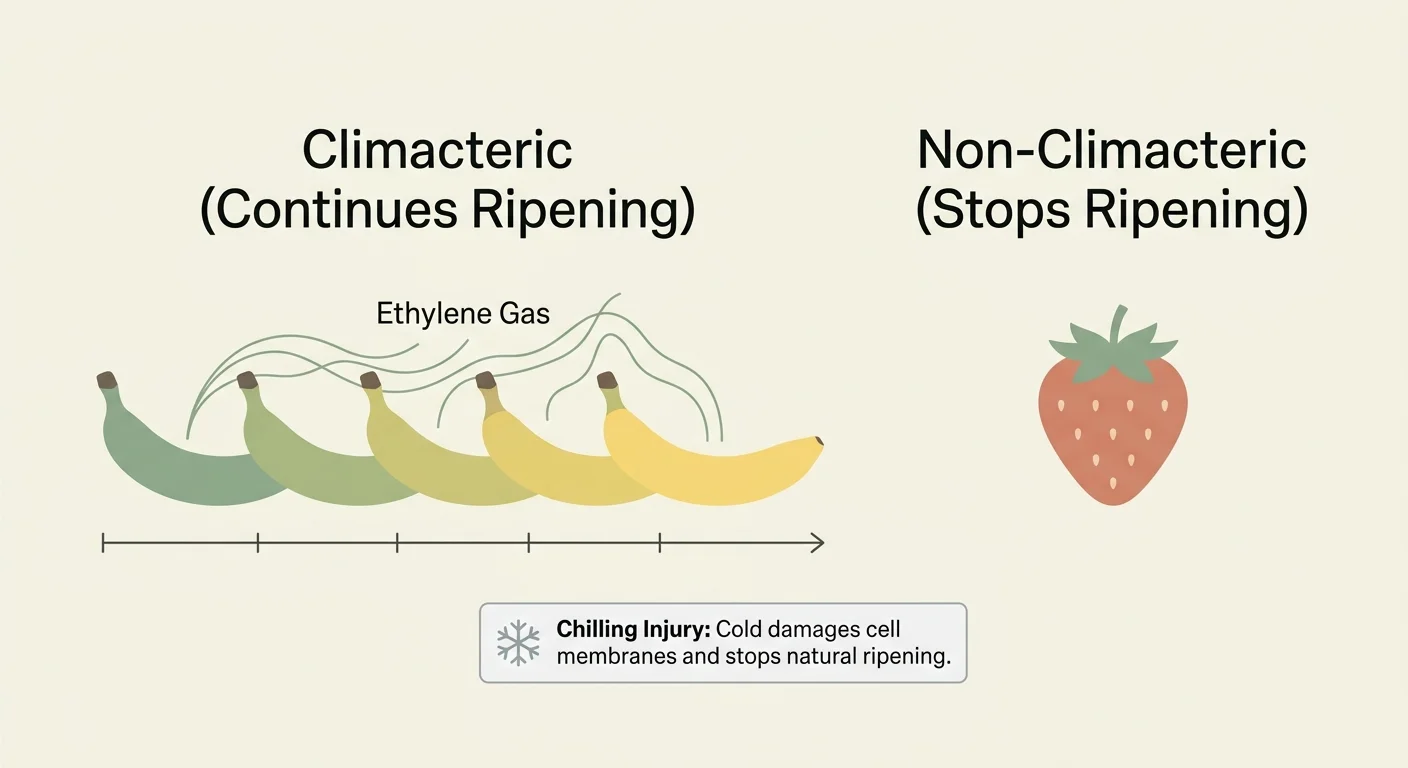
A minimalist diagram comparing climacteric and non-climacteric fruit ripening processes, using clean icons and sage green tones.
This diagram shows how ethylene gas ripens bananas, compared to a non-climacteric strawberry.

Understanding the Basics: The Science of Fruit Storage

To make the best decisions about your grocery storage, you need to understand the fundamental biology of how fruit ripens. Fruits generally fall into two categories: climacteric and non-climacteric. Climacteric fruits continue to ripen long after they are harvested from the plant. They undergo complex chemical changes, converting starches into sugars and reducing acids, which ultimately makes the fruit softer, sweeter, and more aromatic. This process is driven by ethylene—a naturally occurring gas produced by the fruit itself. Cold temperatures drastically slow down or entirely halt this ethylene production and the associated enzymatic reactions.

When you place certain climacteric or tropical fruits into the cold environment of a refrigerator, they experience what agricultural scientists call chilling injury. Chilling injury damages the cellular walls of the produce. This damage leads to a loss of natural juices, a mealy or grainy texture, and the destruction of volatile compounds that give the fruit its distinctive flavor. Understanding this biological reality helps explain why the following six fruits require a room-temperature environment to reach their peak deliciousness.

1. Tomatoes

While botanically classified as a fruit, tomatoes are treated as vegetables in the kitchen—and they are notoriously sensitive to the cold. The optimal temperature for a tomato is between 55 and 70 degrees Fahrenheit. When you place a tomato in a refrigerator, the cold air permanently damages the delicate cell membranes inside the fruit. This structural breakdown causes the tomato to develop a spongy, mealy texture that ruins its culinary appeal. Furthermore, chilling halts the activity of enzymes responsible for producing the rich, savory flavor compounds that make fresh tomatoes so enjoyable. A refrigerated tomato often tastes watery and bland compared to one kept on the kitchen counter. For the best culinary experience, store your tomatoes stem-side down on a flat surface away from direct sunlight.

2. Bananas

Bananas are tropical fruits accustomed to warm, humid environments. The ripening process of a banana is highly dependent on ambient warmth. If you place a green or partially yellow banana in the refrigerator, the cold temperatures will immediately suspend the ripening process. The starches will not convert into sweet sugars, leaving the fruit hard and bitter. Additionally, cold air damages the cell walls in the banana peel, causing an enzyme called polyphenol oxidase to oxidize and turn the skin completely black within hours. While the flesh inside a blackened refrigerated banana might still be safe to eat, the texture and flavor will not improve. Keep your bananas on the counter, ideally hanging from a hook to promote even airflow and prevent bruising.

3. Avocados

Avocados are classic climacteric fruits; they are intentionally harvested when they are rock hard and rely entirely on room-temperature storage to soften into a creamy, edible state. Putting an unripe avocado in the refrigerator brings this vital softening process to a grinding halt. The cold temperature paralyzes the enzymes responsible for breaking down the avocado’s complex carbohydrates into smooth, rich fats. If you slice into an avocado that has been chilled before ripening, you will encounter a rubbery, tasteless flesh that is nearly impossible to mash or spread. You should only move avocados into the refrigerator after they yield slightly to gentle pressure in the palm of your hand. Once ripe, the cold will help preserve that perfect state for an additional day or two.

4. Whole Melons

Watermelons, cantaloupes, and honeydew melons require room-temperature storage when they are whole and uncut. Storing whole melons on your countertop allows them to continue developing their flavors and prevents their flesh from becoming overly dense and chilled. More importantly, keeping melons at room temperature maximizes their nutritional profile. Research shows that watermelons stored at room temperature continue to produce lycopene and beta-carotene—powerful antioxidants that support heart and eye health. Refrigerating a whole melon stops this nutrient production. However, it is absolutely critical to remember that once you cut a melon, the exposed flesh must be refrigerated immediately to prevent dangerous bacterial growth.

5. Stone Fruits (Peaches, Plums, and Nectarines)

Stone fruits are highly prized for their juicy, sweet flesh, but they are incredibly vulnerable to internal breakdown when exposed to cold temperatures too early. If you place unripe peaches, plums, or nectarines in the crisper drawer, they suffer from chilling injury. This disrupts the natural breakdown of pectin, a structural carbohydrate in the fruit. The result is a condition known as mealiness, where the fruit becomes dry, stringy, and devoid of juice, despite looking perfectly fine on the outside. To enjoy the meltingly tender texture of a good stone fruit, you must leave it on the counter until the flesh feels soft around the stem and the skin emits a strong, sweet fragrance.

6. Mangoes

Like bananas, mangoes are native to warm tropical climates and have absolutely no natural defense against cold temperatures. An unripe mango placed in the refrigerator will never become sweet or soft. Instead, the chill will shock the fruit, causing the skin to develop unsightly dark pits and the interior flesh to remain tough, fibrous, and tart. To achieve the buttery, succulent texture that makes mangoes so popular, they must be stored at room temperature. You will know your mango is perfectly ripe when it feels slightly soft to the touch and gives off a fruity aroma at the stem end.

A cozy watercolor illustration of an older woman with silver hair happily organizing fresh tomatoes on a plate in her sunlit kitchen.
A senior woman arranges fresh tomatoes on her kitchen counter to preserve their rich flavor.

Key Considerations for Seniors

As you age, your dietary needs, physical capabilities, and lifestyle habits naturally shift, making proper food storage even more impactful. Dental health is a primary consideration for many older adults. Whether you have natural teeth that have become sensitive, crowns, or wear dentures, biting into hard, unripe fruit can be physically painful or entirely impossible. Allowing fruits like peaches, mangoes, and avocados to soften properly on the counter ensures they reach a tender, yielding texture that is easy to chew and swallow safely. This significantly reduces the risk of choking and makes eating a much more pleasant experience.

Digestive health also plays a crucial role in how you should consume fruit. Ripe fruits contain higher levels of soluble fiber and simpler sugars compared to their unripe counterparts. The biological ripening process effectively pre-digests the complex starches, making the fruit much gentler on a senior’s gastrointestinal tract. Eating underripe, chilled fruit can lead to bloating, gas, and digestive discomfort, whereas fully ripe fruit promotes smooth digestion and regular bowel movements.

Furthermore, older adults often navigate fixed incomes and prefer to limit their trips to the grocery store. Throwing away expensive produce because it became mealy in the refrigerator or rotted prematurely on the counter is frustrating and costly. By mastering the exact storage requirements for these specific fruits, you can extend your grocery budget, maximize the yield of every purchase, and maintain a robust supply of fresh, nutrient-dense foods in your home without needing to shop every few days.

A close-up photograph of a freshly sliced, juicy heirloom tomato on a rustic wooden cutting board, capturing its rich natural texture.
Sprinkling salt on a fresh tomato slice highlights the rich flavor that refrigeration quickly ruins.

Benefits and Potential Risks

The primary benefit of storing these six fruits at room temperature is the preservation of their peak sensory qualities. You will experience richer flavors, softer textures, and more enticing aromas. Beyond culinary enjoyment, proper storage ensures you absorb the maximum amount of nutrients available. For example, allowing a tomato to ripen fully outside the fridge ensures the highest possible concentration of lycopene, an antioxidant linked to reduced inflammation and improved cardiovascular health.

However, countertop storage does carry certain risks that you must manage proactively. The most obvious downside is the accelerated rate of spoilage once the fruit reaches peak ripeness. A peach can transition from perfectly ripe to dangerously rotten in a matter of a few days. Rotten fruit attracts pests like fruit flies, which can quickly multiply and become a nuisance in your kitchen.

More importantly, overripe fruit that has split open or developed mold poses a genuine health risk. Mold spores can spread rapidly in warm environments, and consuming spoiled fruit can lead to foodborne illness. As an older adult, your immune system may not fight off pathogens as aggressively as it once did, making you more susceptible to severe complications from food poisoning. It is crucial to monitor your room-temperature fruit daily and discard any items that show signs of fuzzy mold, severe bruising, or a fermented, vinegary odor.

A watercolor illustration of an open botanical notebook showing sketches of an avocado and a banana with handwritten storage tips.
An illustrated journal page reveals expert tips for storing avocados and bananas at room temperature.

What the Experts Say

Leading health organizations consistently emphasize the importance of eating abundant fresh fruits while adhering to safe handling guidelines. The World Health Organization strongly advocates for diets rich in fresh produce to combat cardiovascular diseases and manage chronic conditions associated with aging. Proper ripening ensures that these recommended foods remain palatable and accessible to older populations who might otherwise avoid them due to poor texture or flavor.

When it comes to the safety and nutritional efficacy of produce, the National Institutes of Health provides extensive literature on how the bioavailability of vitamins changes as fruit ripens. Their data supports the concept that allowing certain fruits to fully mature at room temperature breaks down tough cellular walls, thereby releasing trapped vitamins and antioxidants so your body can absorb them more easily during digestion.

From a food safety perspective, the Centers for Disease Control and Prevention frequently issues guidance on proper produce handling to prevent illness. They emphasize that while whole melons should be kept on the counter for optimal quality, you must thoroughly wash the tough outer rind under running water before slicing into them. This prevents a knife from dragging harmful bacteria from the rind into the sweet, edible flesh. They also mandate that any cut fruit must be refrigerated within two hours to prevent rapid bacterial proliferation.

An organized kitchen counter featuring bananas on a hanger, tomatoes stored stem-side down on a plate, and an avocado in a clay bowl.
Store bananas, tomatoes, and avocados on the counter to maintain their optimal flavor and texture.

Practical Steps and Actionable Advice

Establish a Dedicated Ripening Zone: Designate a specific, well-ventilated area on your kitchen counter exclusively for ripening fruits. Keep this area away from direct sunlight, as excessive heat from the sun can essentially cook the fruit, causing it to rot rather than ripen evenly. A simple wire or wooden bowl allows for excellent air circulation, which prevents moisture from accumulating at the base of the fruits.

Master the Paper Bag Technique: If you purchase rock-hard avocados or peaches and need them to ripen quickly for a specific meal, place them in a loosely closed brown paper bag. The paper bag traps the natural ethylene gas the fruit emits, creating a concentrated micro-environment that speeds up the softening process. Do not use plastic bags, as they trap moisture and encourage rapid mold growth.

Manage Ethylene Producers Wisely: Bananas are notorious for producing massive amounts of ethylene gas. If you place a bunch of bananas next to a pile of fresh peaches, the peaches will ripen—and potentially rot—much faster than you anticipate. If you want to slow down the ripening of your other fruits, keep your bananas isolated on a different counter or hang them from a standalone banana hook.

Wash Only Before Eating: It is a common habit to wash all groceries immediately upon returning home, but you should avoid doing this with countertop fruits. Washing adds unnecessary moisture to the skin of the fruit, which provides a perfect breeding ground for bacteria and mold. Leave the fruits unwashed in their natural state on the counter, and rinse them thoroughly under running water only in the moments right before you plan to slice and eat them.

Transition to the Fridge Strategically: Countertop storage is only meant for the ripening phase. Once an avocado yields to gentle pressure, a peach smells incredibly sweet, or a mango feels soft, the ripening process is complete. If you are not ready to eat the fruit that exact day, you should move it into the refrigerator. At this stage, the fruit is already ripe, so the cold will not cause chilling injury; instead, it will act as a pause button, extending the life of the perfectly ripe fruit for another few days.

Frequently Asked Questions

Can I put these fruits in the refrigerator after they are fully ripe?

Yes; in fact, you should. The rule against refrigeration applies primarily to the ripening phase. Once an avocado, peach, or melon has reached its absolute peak of ripeness on your counter, transferring it to the refrigerator will slow down the decay process. The cold air will give you a window of two to three additional days to consume the fruit before it spoils.

Does washing fruit before counter storage make it spoil faster?

Absolutely. Moisture is the enemy of fresh produce stored at room temperature. If you wash a batch of tomatoes or peaches and leave them on the counter, the residual water trapped around the stems or in tiny skin abrasions will encourage mold spores to bloom rapidly. Always keep your countertop fruit dry and delay washing until immediately before consumption.

How can I keep fruit flies away from my room-temperature produce?

Fruit flies are highly attracted to the fermenting sugars of overripe fruit. The most effective prevention method is vigilance—eat or refrigerate fruit the moment it becomes perfectly ripe, leaving nothing out to over-ripen. You can also cover your fruit bowls with a breathable mesh dome. If flies do appear, a small bowl filled with apple cider vinegar and a drop of dish soap placed near the fruit bowl acts as an excellent, non-toxic trap.

Are there any fruits that absolutely must be refrigerated immediately?

Yes. Berries—such as strawberries, blueberries, raspberries, and blackberries—do not ripen after being picked and are highly susceptible to mold. They should go straight into the refrigerator. Additionally, apples and grapes prefer cold environments and will last significantly longer when kept in the crisper drawer rather than on the counter.

How long do tomatoes and avocados generally last on the kitchen counter?

The timeline depends entirely on how ripe the fruit was when you purchased it. A completely hard, green avocado might take four to five days to soften at room temperature. A relatively firm tomato might take two to three days to develop its full aroma and slight softness. Check your counter fruits daily by giving them a gentle visual and tactile inspection to gauge their progress.

The Path to Better Fruit Storage

Taking control of your kitchen storage habits transforms the way you experience fresh produce. By keeping tomatoes, bananas, avocados, whole melons, stone fruits, and mangoes out of the cold environment of your refrigerator, you actively preserve their intended textures, maximize their nutritional availability, and unlock their deepest flavors. As an older adult prioritizing health, comfort, and culinary enjoyment, these simple adjustments to your grocery routine provide immediate and daily benefits. Monitor your fruit bowls closely, enjoy your produce at its absolute peak, and savor the superior taste of properly ripened foods.

This article is intended for informational and educational purposes only and is not a substitute for professional medical advice, diagnosis, or treatment. Always consult with a qualified healthcare provider regarding any health concerns or before making any decisions related to your health or treatment.

Leave a Reply

Your email address will not be published. Required fields are marked *