
You probably pay hundreds or thousands of dollars in health insurance premiums every year, yet you might leave valuable medical benefits and cash-saving perks completely untouched. Modern insurance policies—including standard commercial plans, Medicare, and Medicare Advantage—routinely fund extensive wellness programs, preventive screenings, mental health therapies, and everyday healthcare items without requiring high copayments. Many policyholders mistakenly assume their coverage only kicks in after catastrophic illness or injury occurs. By learning to identify underused benefits and hidden plan features, you can significantly reduce your out-of-pocket expenses while actively improving your physical health, longevity, and overall daily quality of life.
Understanding the Basics of Health Plan Value
Health insurance functions as much more than a financial safety net for medical emergencies. In past decades, insurance models operated strictly on a fee-for-service sickness model; you visited a doctor when you felt unwell, and the insurer covered a fraction of the cost after you satisfied a high deductible. Modern healthcare legislation, medical research, and insurance structures have fundamentally shifted this dynamic toward preventive, whole-person care.
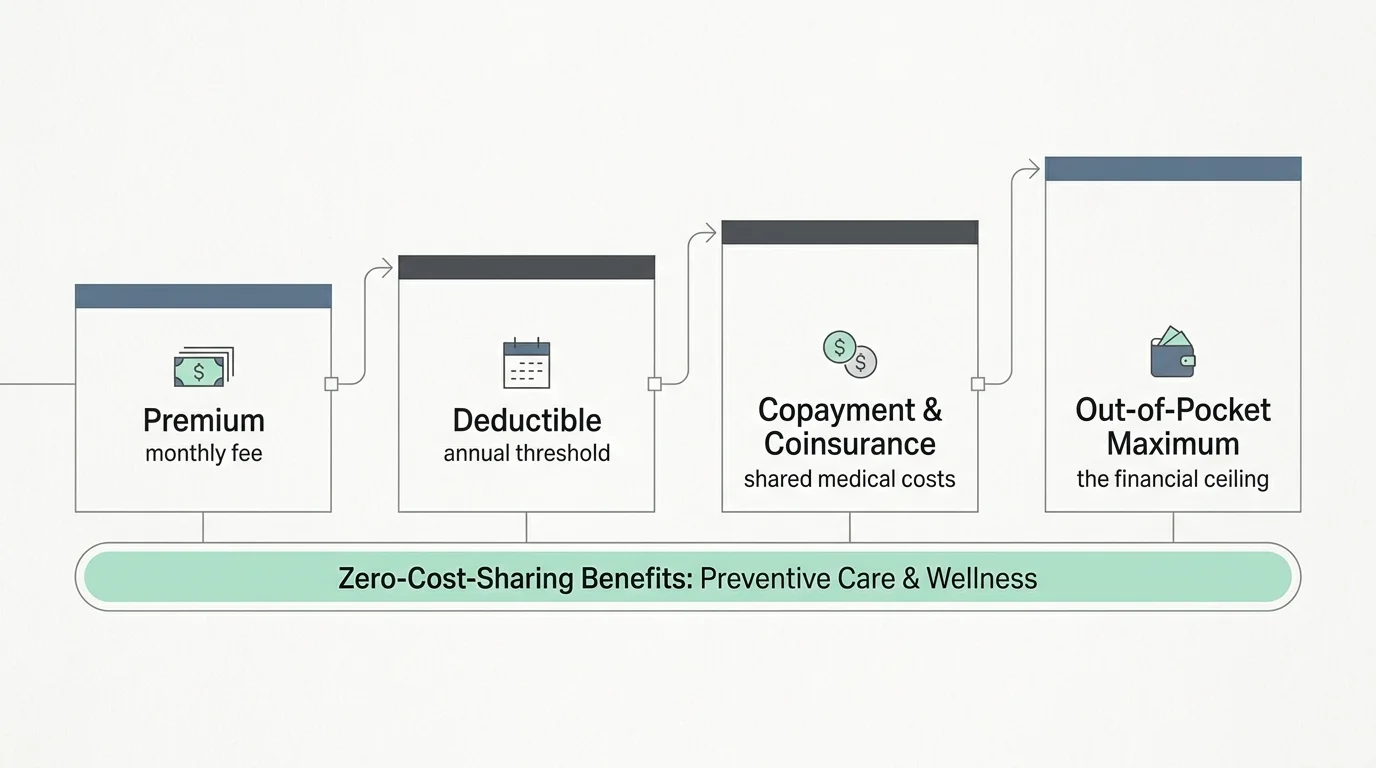
To capture the full value of your policy, you must first understand the primary mechanisms governing your coverage. Your premium represents the monthly fee you pay to maintain your policy. Your deductible is the annual amount you must spend on covered medical services before your insurer begins sharing costs. A copayment is a fixed dollar amount you pay for a specific service, such as a doctor visit or prescription fill, while coinsurance is your percentage share of a medical bill. The out-of-pocket maximum caps the total amount you can spend on covered in-network services during a plan year.
The crucial turning point for modern coverage involves zero-cost-sharing benefits. Federal regulations require health plans to pay for specific preventive and wellness interventions without charging you a deductible, copayment, or coinsurance. Insurers provide these services because keeping you healthy costs substantially less over time than treating advanced diseases. However, insurers rarely market these benefits aggressively. You must actively look for them in your plan paperwork, known as the Summary of Benefits and Coverage.

Key Considerations for Seniors and Caregivers
As you age, your medical needs naturally become more complex, making thorough coverage exploration vital. Adults over age sixty often navigate multiple chronic conditions, such as hypertension, osteoarthritis, cardiovascular disease, and metabolic changes. Managing these issues requires regular physician visits, routine diagnostic testing, prescription therapies, and targeted lifestyle modifications. If you do not utilize the preventive and supplementary benefits written into your policy, your annual out-of-pocket medical expenses can escalate rapidly.
For seniors enrolled in Medicare or Medicare Advantage plans, coverage options differ significantly from employer-sponsored commercial insurance. Traditional Medicare Part B covers standard medical screenings and physician services, but private Medicare Advantage plans frequently package extra allowances for dental checkups, hearing aids, corrective eyewear, transportation to medical appointments, and fitness memberships. Family caregivers assisting aging parents often overlook these supplemental programs, which can alleviate significant emotional and financial strain.
Cognitive changes and mobility limitations can also create practical barriers to accessing care. When insurance plans offer home-based assessments, virtual doctor visits, and durable medical equipment coverage, seniors can manage their health safely from home. Understanding exactly what your policy allows empowers you to make informed decisions, maintain your physical independence, and safeguard your retirement savings against unexpected medical bills.

The 7 Signs Your Insurance Covers More Than You Realize
Most policyholders only utilize a small fraction of their available benefits. By learning to recognize these seven clear indicators, you can uncover hidden value, access essential treatments, and maximize your health investments.
1. You Have Access to 100% Covered In-Network Preventive Screenings
Under Section 2713 of the Affordable Care Act, non-grandfathered private health insurance plans must cover evidence-based preventive services rated A or B by the U.S. Preventive Services Task Force at absolute zero out-of-pocket cost. This means you do not pay a copayment, coinsurance, or deductible when you receive these services from an in-network healthcare provider. The Centers for Disease Control and Prevention highlights regular screening as one of the most effective methods for catching life-threatening illnesses in their earliest, most treatable stages.
These fully covered preventive services include annual wellness checkups, routine blood pressure monitoring, cholesterol lipid panels, type 2 diabetes screenings, bone density scans for osteoporosis, and mammograms. Crucially, federal guidelines now mandate full coverage for colorectal cancer screenings starting at age 45, encompassing both non-invasive stool tests and screening colonoscopies. Immunizations recommended by public health authorities—such as annual influenza shots, COVID-19 boosters, pneumonia vaccines, and shingles immunizations—are also covered at zero out-of-pocket cost under qualifying plans.
2. Your Plan Funds Intensive Nutrition and Weight Management Counseling
If your body mass index falls into the overweight or obese category, or if you carry cardiovascular risk factors such as high blood pressure or abnormal cholesterol levels, your insurance likely covers comprehensive dietary counseling at zero cost. Clinical task forces assign high grades to behavioral weight-loss interventions, legally obligating qualifying commercial plans to provide dietary and lifestyle counseling sessions without cost-sharing.
Under these provisions, your doctor can refer you to a registered dietitian or a certified nutrition specialist for individualized meal planning, metabolic monitoring, and behavioral modification strategies. Instead of paying out of pocket for commercial weight-loss clubs, you can receive science-backed nutritional guidance overseen by medical professionals and funded entirely through your health plan.
3. You Qualify for Structured Diabetes Prevention Programs
Prediabetes affects tens of millions of older adults, yet many never realize their health plan covers proven interventions to reverse this condition. The National Diabetes Prevention Program, spearheaded by federal health agencies, offers year-long lifestyle change curricula designed to cut the risk of developing type 2 diabetes by more than half. Independent research from the National Institutes of Health confirms that lifestyle modifications delivered through these programs outperform standard medications in preventing diabetes progression among older adults.
Medicare Part B covers the Medicare Diabetes Prevention Program with zero copayments and no deductible for beneficiaries with qualifying blood glucose markers, such as a hemoglobin A1C between 5.7% and 6.4%. Major commercial insurers, including Blue Cross Blue Shield, Aetna, and Cigna, also cover recognized prevention programs at 100%. These programs provide peer support groups, a trained lifestyle coach, and dozens of structured lessons covering physical activity, stress management, and healthy eating.
4. Mental and Behavioral Health Services Carry Strict Parity Protections
Many policyholders incorrectly believe that mental health therapy and psychiatric services face strict annual limits or dramatically higher copayments than physical medical care. Under the Mental Health Parity and Addiction Equity Act—strengthened by federal rules implemented in late 2024—group health plans cannot impose more restrictive benefit limitations on mental health or substance use disorder treatments than they apply to standard medical and surgical benefits.
This federal parity protection means that if your plan charges a standard copayment for an office visit with a cardiologist, it cannot arbitrarily charge a higher copayment for an appointment with a licensed therapist or psychiatrist. Furthermore, insurers cannot enforce stricter prior authorization rules or separate annual visit caps for behavioral healthcare. Many insurance networks now provide zero-copay or low-cost virtual mental health visits, giving you direct access to licensed counselors from the comfort of your living room.
5. Tobacco Cessation Support Comes With Full Prescription and Counseling Coverage
If you or an aging loved one wants to quit smoking or using tobacco products, your health insurance provides extensive resources without charging you out of pocket. Federal preventive health guidelines mandate that health plans cover at least two comprehensive tobacco cessation attempts per year at zero cost-sharing.
A covered cessation attempt includes at least four individual or group counseling sessions and a full 90-day supply of all Food and Drug Administration-approved tobacco cessation medications. This mandate covers over-the-counter nicotine replacement therapies—such as nicotine transdermal patches, chewing gum, and lozenges—as well as prescription treatments like bupropion and varenicline. When prescribed properly by an in-network physician, your pharmacy must dispense these smoking cessation aids with zero copayments.
6. Your Policy Offers Wellness Stipends, Fitness Memberships, and Lifestyle Perks
While basic preventive mandates stem from federal law, many commercial insurers and Medicare Advantage carriers compete for members by offering generous lifestyle allowances. A majority of Medicare Advantage plans and numerous employer-sponsored health policies provide access to fitness programs like SilverSneakers or Renew Active. These benefits grant you free, unlimited access to thousands of participating gyms, community fitness centers, and online workout classes.
Additionally, modern insurance carriers frequently offer annual wellness stipends ranging from $150 to $500. Insurers distribute these funds as direct reimbursements or loaded debit cards when you complete basic wellness milestones, such as completing an annual physical or logging daily physical activity on a wearable tracker. Some Medicare Advantage policies also incorporate specialized riders that cover non-emergency medical transportation, post-hospitalization meal delivery, and bathroom safety modifications like grab bar installations.
7. Pre-Tax Accounts Pay for Everyday Over-the-Counter Healthcare Essentials
Following updates under the CARES Act, consumers can permanently use pre-tax funds from Flexible Spending Accounts and Health Savings Accounts to purchase everyday over-the-counter medical supplies without a doctor’s prescription. While this benefit operates through tax-advantaged accounts rather than direct claim reimbursement, it represents a substantial financial advantage that reduces your annual healthcare expenses by your effective tax rate.
You can purchase hundreds of daily essentials using your pre-tax spending cards, including pain relievers, allergy medications, cold remedies, acid reflux treatments, first aid bandages, heating pads, blood pressure monitors, pulse oximeters, and sunscreens. You can also use pre-tax funds to purchase mobility equipment, hearing aid batteries, reading glasses, and orthopedic shoe inserts, making daily health maintenance considerably more affordable.
Benefits and Potential Risks of Exploring Extended Coverage
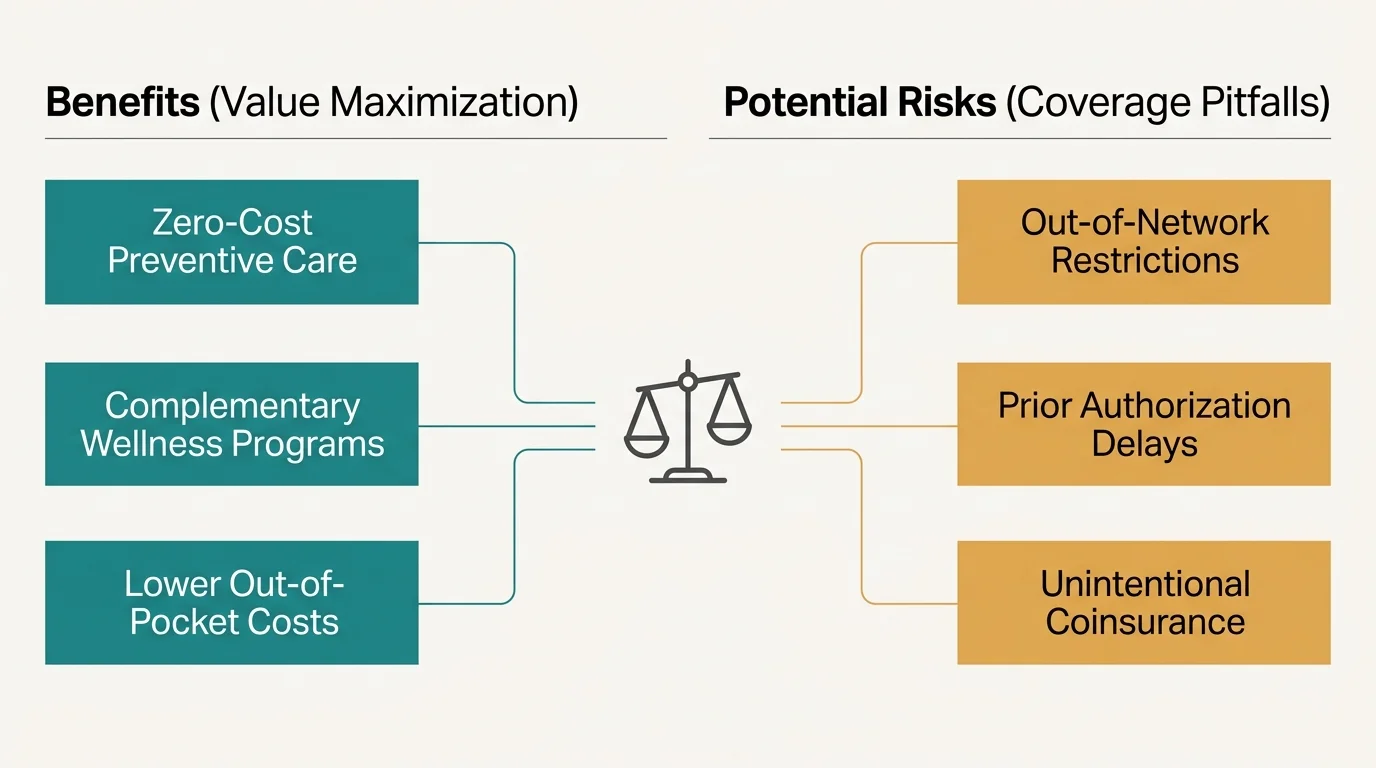
Actively auditing and utilizing your health insurance benefits offers immense physical and financial rewards. Taking advantage of preventive screenings and lifestyle programs leads to early disease detection, prevents catastrophic hospitalizations, and lowers lifetime out-of-pocket spending. Engaging with covered dietitians, fitness centers, and diabetes prevention coaches gives you actionable tools to maintain your vitality and functional independence well into your retirement years.
However, navigating complex insurance benefits carries potential pitfalls that require careful attention. The most common risk involves unexpected medical billing caused by billing code discrepancies. If you visit your primary care provider for a fully covered Annual Wellness Visit, but you bring up a new medical complaint or ask for a diagnosis of a specific symptom, the clinic may bill that portion of the visit as a diagnostic evaluation. Diagnostic evaluations trigger standard copayments, coinsurance, and deductible requirements, resulting in an unexpected bill for a visit you believed was completely free.
Another risk involves out-of-network provider assignments. Even if your insurance plan covers a specific service at 100%, that guarantee applies strictly to in-network doctors, testing laboratories, and therapy clinics. If your physician sends your blood work to an out-of-network laboratory, or if you receive behavioral therapy from a clinician outside your insurer’s network, you may face substantial out-of-pocket costs. Always verify network participation and billing codes before scheduling specialized wellness services.

What the Experts Say About Maximizing Plan Benefits
Leading healthcare institutions, including the Mayo Clinic and the World Health Organization, emphasize that proactive preventive healthcare dramatically reduces the incidence of chronic disease and premature mortality. Clinical trials consistently show that routine cardiovascular screenings, metabolic monitoring, and early lifestyle interventions reduce the rate of heart attacks, strokes, and kidney complications far more effectively than late-stage pharmacological management alone.
Health economists and public health researchers stress that underutilization of covered benefits harms both patients and the broader healthcare system. When policyholders skip covered screenings due to fear of hidden costs, they miss critical windows for early intervention. Medical experts advocate for open dialogue between patients and healthcare providers, encouraging individuals to review their summary of benefits annually and collaborate with their clinical team to schedule all eligible preventive services.
Practical Steps to Uncover Your Hidden Benefits
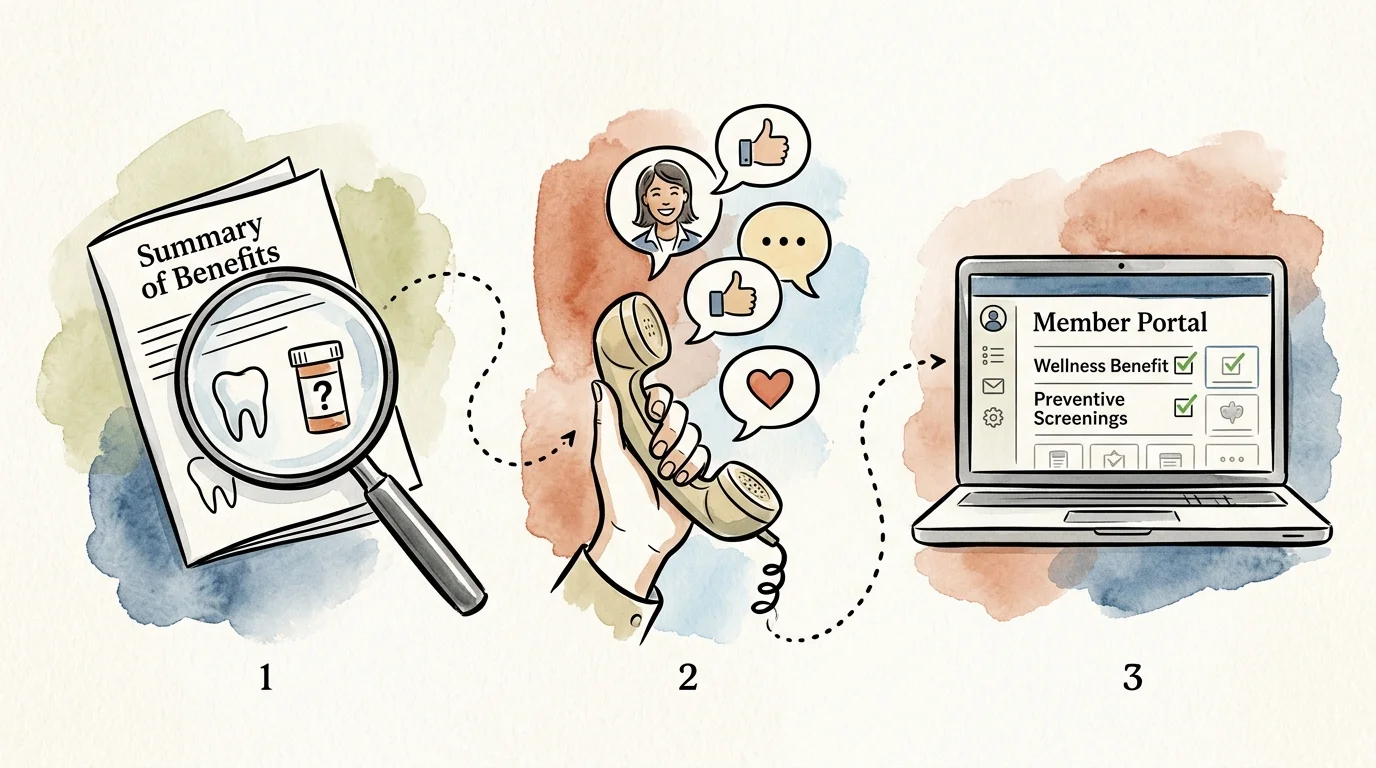
You can take immediate, practical actions to audit your health insurance policy and claim every covered benefit available to you. Start by logging into your insurance provider’s online member portal. Navigate to the section labeled Summary of Benefits and Coverage, Evidence of Coverage, or Wellness Rewards. These documents contain detailed lists of everything your insurer covers, including specialized programs, fitness benefits, and telehealth options.
Call the customer service phone number printed on the back of your insurance card. Ask the representative specific, direct questions regarding your benefits. Inquire whether your plan includes fitness club memberships, annual wellness gift card rewards, over-the-counter spending allowances, or covered nutrition counseling visits. Request an in-network provider directory for specialized services like registered dietitians or behavioral therapists.
When scheduling your annual checkup, explicitly inform the clinic receptionist that you are booking an Annual Preventive Exam or Medicare Annual Wellness Visit. Remind your doctor at the start of your appointment that you wish to focus strictly on preventive health maintenance, age-appropriate screenings, and immunizations. If you have separate medical symptoms or chronic pain that require diagnostic investigation, consider scheduling a separate diagnostic visit so your preventive exam remains entirely cost-free.
Carefully review your Explanation of Benefits statements whenever you receive medical care. An Explanation of Benefits is not a bill; it is a document detailing what your provider charged, what your insurance paid, and what you may owe. If you notice a copayment or coinsurance charge for a mandated preventive screening—such as a routine mammogram or screening colonoscopy—call your insurer and your doctor’s billing department immediately to request a billing code review.
Frequently Asked Questions
Why did I receive a bill for a preventive screening that was supposed to be completely free?
You may receive a bill if your doctor used a diagnostic billing code rather than a preventive screening code. For example, if a doctor discovers and removes a polyp during a routine screening colonoscopy, some billing departments mistakenly reclassify the entire procedure as diagnostic. Contact the medical provider’s billing office and your insurance company to request that they resubmit the claim using appropriate preventive billing modifiers under Affordable Care Act guidelines.
Does Original Medicare Part B cover gym memberships and fitness stipends?
Original Medicare Part A and Part B do not cover fitness center memberships, gym stipends, or wellness gear. However, many private Medicare Advantage (Part C) plans and select Medicare Supplement (Medigap) plans include fitness programs like SilverSneakers, Silver&Fit, or Renew Active as extra value-added benefits. Check your specific plan materials to confirm whether your policy offers gym access.
How do I find out if my insurance covers registered dietitian visits for weight loss?
Contact your insurer’s customer service department and ask whether your plan covers medical nutrition therapy or intensive behavioral counseling for obesity under preventive service guidelines. Ask which medical diagnoses—such as an elevated body mass index, prediabetes, or high blood pressure—qualify you for zero-cost-sharing visits, and request a list of in-network registered dietitians in your local area.
Can I use my Flexible Spending Account or Health Savings Account for over-the-counter vitamins?
Standard daily multivitamins and dietary supplements taken for general health maintenance are generally not eligible for pre-tax reimbursement unless a licensed physician writes a formal prescription or letter of medical necessity diagnosing a specific deficiency, such as iron-deficiency anemia or severe vitamin D deficiency. However, specialized over-the-counter medicines like pain relievers, allergy pills, and antacids do qualify for direct purchase without a prescription.
What is the difference between a Medicare Annual Wellness Visit and a comprehensive physical exam?
A Medicare Annual Wellness Visit focuses on creating or updating a personalized disease prevention plan, reviewing your medical history, evaluating fall risks, assessing cognitive function, and updating your immunization schedule. It does not typically include an intensive hands-on physical exam, blood draws, or treatment of new medical conditions. Knowing this distinction helps ensure your visit is billed correctly without unexpected out-of-pocket charges.
Summary and Actionable Insights
Your health insurance policy contains a wealth of valuable resources designed to protect your physical health, enhance your daily wellness, and safeguard your household budget. From fully covered cancer screenings and diabetes prevention programs to mental health parity protections, wellness debit cards, and fitness memberships, these underused benefits deliver tangible value every single month. Take the initiative today to review your plan documents, call your insurer to clarify your covered perks, and partner closely with your healthcare providers. By actively claiming the benefits you pay for, you can live a healthier, more vibrant life while keeping your medical expenses firmly under control.
This article is intended for informational and educational purposes only and is not a substitute for professional medical advice, diagnosis, or treatment. Always consult with a qualified healthcare provider regarding any health concerns or before making any decisions related to your health or treatment.