
Sudden dizziness can compromise your independence and turn routine daily activities into hazardous challenges. Identifying the prescription drugs that destabilize your balance helps you resolve unsteady symptoms before a dangerous fall occurs.
Many daily medications alter blood circulation, suppress inner ear balance centers, or slow down brain signaling. Knowing which pharmaceuticals cause lightheadedness enables you to partner with your doctor to adjust dosages safely.
This comprehensive guide details eleven widespread drug classes responsible for dizziness in older adults. You will discover practical ways to protect your mobility without sacrificing essential medical treatment.
Understanding Medication-Induced Dizziness and Balance Loss
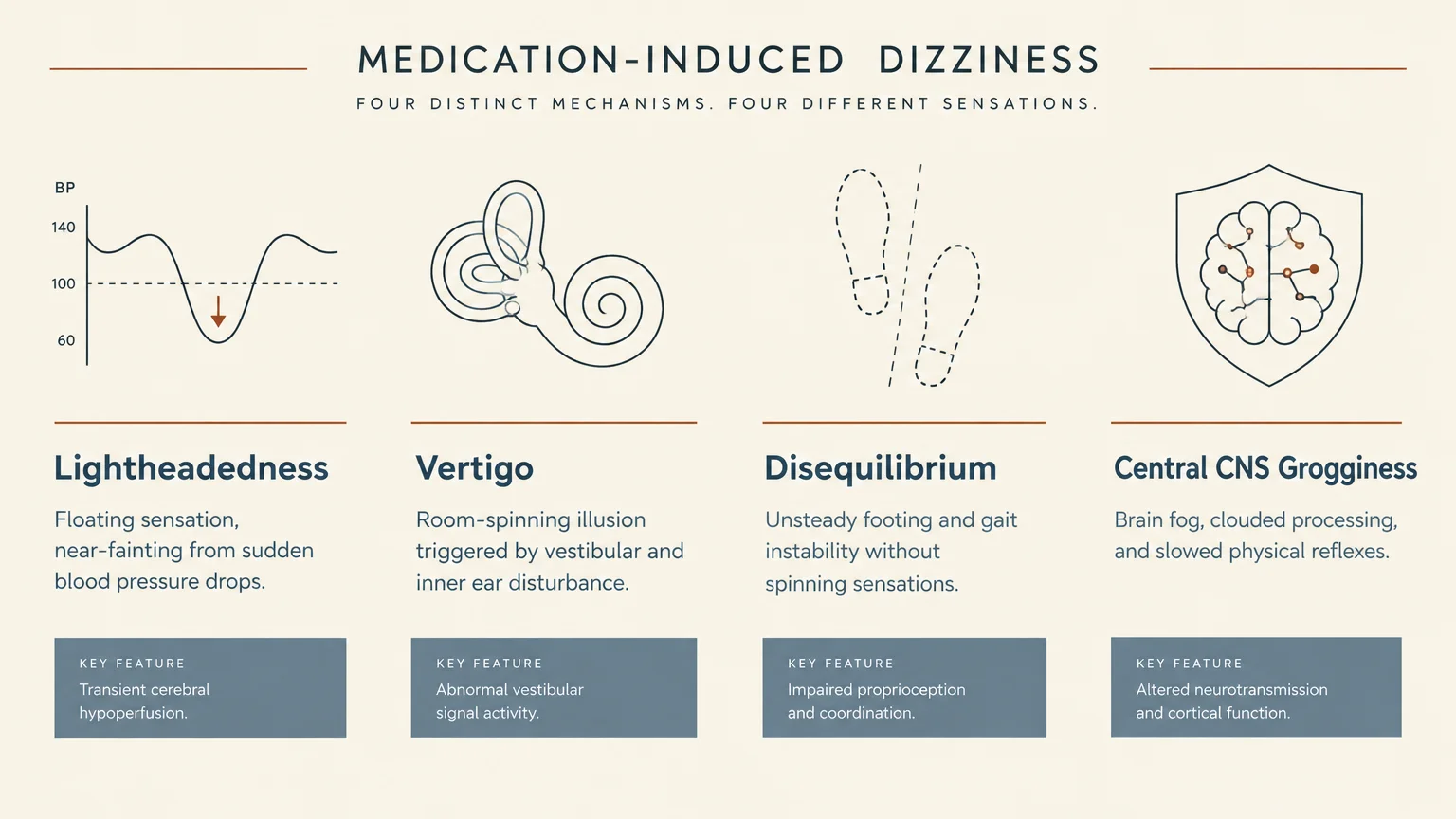
Dizziness is not a single disease; rather, it represents a symptom triggered by disrupted physiological processes. When pharmaceuticals interfere with your senses, you may experience disorienting sensations that compromise steady walking.
Clinicians divide dizziness into distinct categories to diagnose its root cause accurately. Understanding these specific categories helps you describe your physical symptoms clearly to your healthcare team.
Lightheadedness creates a floating sensation or the feeling that you might suddenly faint. Medications that drop your blood pressure often provoke this sensation when you stand up rapidly.
Vertigo produces a false sensation of spinning, as if the surrounding room is rotating around you. Certain pharmaceuticals disturb inner ear structures or vestibular nerves, directly generating this disorienting illusion of movement.
Disequilibrium refers to feeling off-balance or unsteady on your feet without a spinning sensation. Sedating drugs frequently impair muscle coordination and joint position senses, which triggers this chronic instability.
Central nervous system grogginess clouds clear cognitive processing and slows your physical reflexes. Medications that cross the blood-brain barrier often induce this heavy, foggy state during waking hours.
Why Older Adults Experience Greater Medication Sensitivity
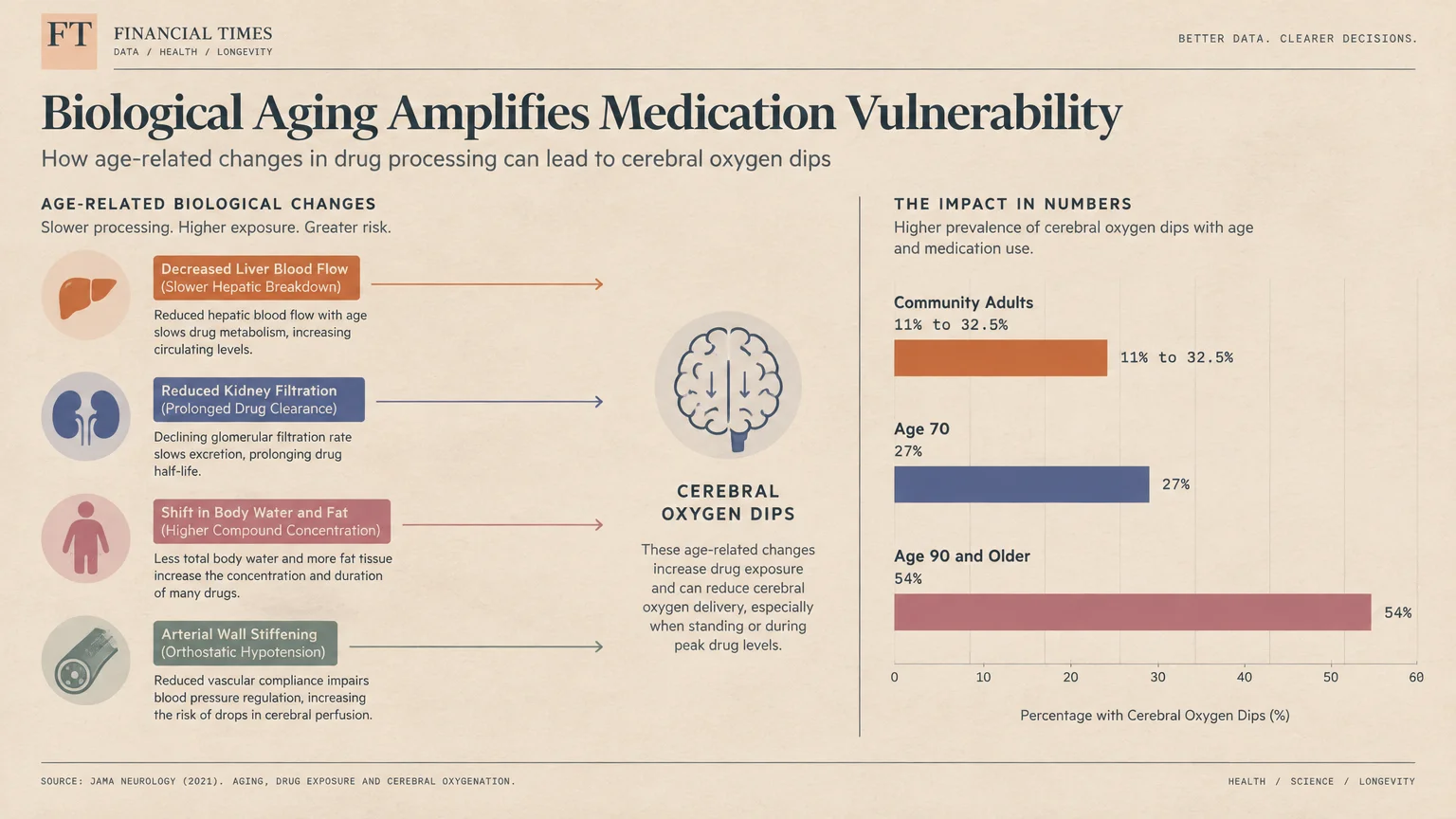
Aging transforms how your gastrointestinal tract, liver, and kidneys process prescription drugs. Over time, decreased liver blood flow slows down the hepatic breakdown of chemical compounds.
Your kidneys also filter metabolic waste at a slower rate as the decades advance. Consequently, standard therapeutic doses remain active within your bloodstream far longer than drug manufacturers originally intended.
Body composition changes alter how chemical compounds distribute throughout your tissues as you age. Decreased total body water concentrates water-soluble drugs, while increased body fat stores fat-soluble sedatives for prolonged durations.
Your cardiovascular reflexes also lose flexibility as your arterial walls naturally stiffen. Arteries cannot constrict as rapidly to pump blood upward when you move from sitting to standing.
Medical experts refer to this sudden drop in standing blood pressure as orthostatic hypotension. Because cerebral blood flow dips momentarily, your brain experiences temporary oxygen deprivation that triggers severe lightheadedness.
Population studies show that dizziness affects roughly 11% to 32.5% of community-dwelling older adults. This balance disruption rises to 27% among adults aged 70 and climbs to 54% among those aged 90 and older.

The Serious Scope of Medication Fall Risks
Medication side effects represent a primary driver of accidental physical injuries among seniors nationwide. The CDC reports that 3 out of every 4 older adults take at least one medication linked to falls or crashes.
When you take five or more daily prescriptions—a practice known as polypharmacy—your vulnerability rises substantially. Chemical compounds interact unpredictably, multiplying their sedative and hypotensive side effects within your body.
More than 14 million older adults in the United States report falling every single year. Shockingly, less than half of those individuals ever inform their primary care physician about these balance events.
Unintentional falls generate roughly 3 million emergency department visits and over 800,000 hospitalizations each year. Furthermore, adverse drug events across all medication categories trigger more than 600,000 emergency room visits annually.
These accidents carry profound personal and systemic consequences across our communities. Federal injury records show the age-adjusted fall death rate among older adults rose by 21% between 2018 and 2024.
That alarming trend represents an increase from 64.7 to 78.4 fall-related deaths per 100,000 older individuals. Addressing medication fall risk proactively offers an effective way to reverse this troubling trajectory.
11 Medications That Commonly Cause Dizziness
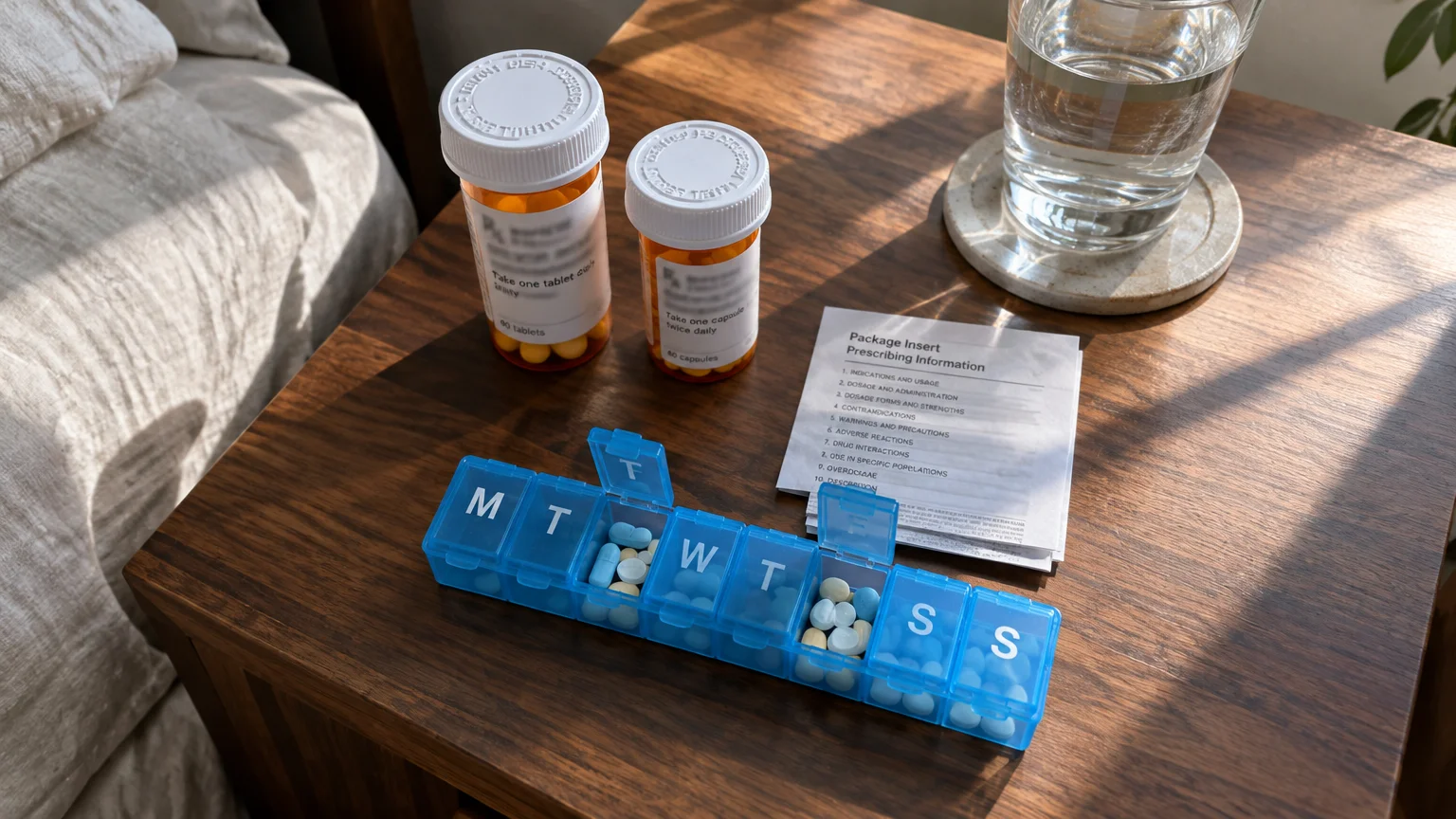
Many essential prescriptions carry dizziness as a frequent, unintended side effect. Review the following eleven pharmaceutical classes to evaluate your personal prescription regimen alongside your doctor.
1. Blood Pressure Medications
Antihypertensive drugs protect against cardiovascular events, yet they rank among the top causes of lightheadedness. Classes such as ACE inhibitors, angiotensin receptor blockers, and calcium channel blockers relax vascular tension.
Diuretics also lower fluid volume by flushing excess water and sodium through your urine. If your blood pressure drops excessively low, your brain experiences inadequate perfusion during routine postural adjustments.
Beta-blockers slow your heart rate to reduce cardiac workload during physical exertion. However, keeping the heart rate from rising when you stand up quickly can leave you woozy and unstable.
Your physician can monitor your standing vital signs to confirm whether your dizziness stems from over-medication. Subtle dosage reductions frequently restore full physical stability while preserving critical cardiovascular protection.
2. Alpha-1 Blockers
Physicians frequently prescribe alpha-1 blockers like tamsulosin, doxazosin, and terazosin for benign prostatic hyperplasia. These targeted medications relax smooth muscle tissue around the bladder neck and prostate gland to improve urinary flow.
Unfortunately, alpha-1 receptors also line your peripheral blood vessel walls to control vascular constriction. Blocking these receptors prevents blood vessels from tightening promptly when you rise from your favorite chair.
This biological mechanism creates pronounced orthostatic hypotension, especially during nighttime bathroom visits. Waking up in darkness while lightheaded drastically increases your risk of catastrophic bone fractures.
Taking your dose at bedtime or exploring newer, uroselective options can minimize severe dizziness. Always pause at the bedside for thirty seconds before standing up completely to permit circulatory stabilization.
3. Benzodiazepines
Doctors prescribe benzodiazepines such as diazepam, lorazepam, and alprazolam for severe anxiety, panic, or muscle spasms. These sedative compounds enhance the neurotransmitter GABA to quiet excessive electrical firing across the brain.
While effective for short-term calming, benzodiazepines broadly suppress central nervous system function. They disrupt fine motor coordination, delay cognitive reflexes, and impair inner ear balance processing.
Because older bodies clear these fat-soluble molecules sluggishly, the sedating drug accumulates steadily over time. A dose ingested on Monday evening can easily destabilize your balance on Wednesday morning.
Medical safety panels urge caution with benzodiazepine therapy in older adults due to substantial fall risks. Your physician can guide a gradual, monitored taper toward safer non-pharmacological anxiety management tools.
4. Non-Benzodiazepine Sleep Aids
Commonly referred to as Z-drugs, medications like zolpidem and eszopiclone promise quick relief from frustrating insomnia. Many individuals believe these modern sleep aids are inherently safer than traditional tranquilizers.
Clinical evidence demonstrates that Z-drugs trigger many of the same cognitive and motor balance impairments. They frequently cause persistent morning grogginess, visual disorientation, and delayed balance correction during nighttime awakenings.
You might wake up disoriented in the middle of the night to use the restroom. Your suppressed nervous system cannot compensate rapidly enough when your foot catches on a rug.
Behavioral sleep interventions and natural circadian rhythm management offer superior long-term results for sleep quality. Eliminating nighttime sedatives significantly protects your daily stability and cognitive clarity.
5. Antidepressants
Antidepressant therapy manages clinical depression, chronic neuropathy, and generalized anxiety disorders. Selective serotonin reuptake inhibitors, or SSRIs, along with serotonin-norepinephrine reuptake inhibitors, frequently cause mild unsteadiness.
These modern medications can alter sodium regulation in your bloodstream, resulting in mild hyponatremia. Low serum sodium levels commonly manifest as chronic confusion, muscle weakness, and persistent gait instability.
Older tricyclic antidepressants such as amitriptyline and nortriptyline cause even more pronounced balance disturbances. Tricyclics block cholinergic receptors and alpha receptors simultaneously, driving orthostatic blood pressure drops and blurred vision.
If you experience lightheadedness after initiating an antidepressant, notify your prescriber immediately. Adjusting the dosage timing or switching to an agent with fewer anticholinergic effects can restore equilibrium.
6. Anticonvulsants and Nerve Pain Drugs
Clinicians widely prescribe gabapentin and pregabalin to manage diabetic peripheral neuropathy, sciatica, and post-shingles pain. Although developed to control seizures, their unique neural properties soothe irritated, hypersensitive nerve fibers.
These compounds work by modulating voltage-gated calcium channels throughout your central nervous network. As an unintended secondary effect, this neural dampening frequently triggers noticeable dizziness and motor ataxia.
Patients often report feeling intoxicated or disconnected from their physical balance mechanisms when starting treatment. Combining these pain drugs with other brain-acting medications magnifies balance instability considerably.
Starting at ultra-low dosages and titrating upward slowly gives your neurological pathways time to adapt. Never discontinue nerve medications abruptly, as sudden cessation can trigger severe rebound discomfort.
7. Muscle Relaxants
Skeletal muscle relaxants like cyclobenzaprine, methocarbamol, and baclofen treat acute back spasms and persistent muscular stiffness. Rather than acting directly on muscle fibers, they produce therapeutic effects by depressing the brainstem.
This generalized neurological depression inevitably slows balance reflexes, creates significant lethargy, and dulls physical alertness. Furthermore, many skeletal relaxants possess potent anticholinergic properties that worsen mental grogginess.
The resulting muscular weakness and unsteady gait significantly heighten physical fall vulnerabilities. The therapeutic benefit for chronic pain rarely outweighs the associated physical balance hazards in mature adults.
Gentle physical rehabilitation, localized heat therapy, and targeted stretches provide safer alternatives for back tension. Discussing non-pharmacological physical therapies with your clinician safeguards your day-to-day stability.
8. Overactive Bladder Anticholinergics
Prescription medications for overactive bladder, such as oxybutynin and tolterodine, quiet involuntary bladder contractions. They operate by blocking acetylcholine, a key chemical messenger controlling smooth muscle contractions.
Unfortunately, your brain relies heavily on acetylcholine for memory retrieval, visual accommodation, and vestibular balance coordination. Blocking this essential neurotransmitter triggers blurred vision, mental disorientation, and acute dizziness.
Impaired visual focus combined with inner ear miscommunication makes navigating steps and uneven floorboards treacherous. Dry mouth and severe constipation frequently accompany the physical unsteadiness caused by these anticholinergic pills.
Modern alternatives, such as beta-3 adrenergic agonists, target bladder contractions without blocking central acetylcholine pathways. Exploring these modern therapies with your urologist can successfully control urinary urgency without destabilizing balance.
9. Opioid Pain Medications
Physicians occasionally prescribe opioid analgesics such as tramadol, oxycodone, and hydrocodone for severe chronic pain. These potent controlled substances bind directly to mu-opioid receptors within the brain and spinal cord.
By dampening the central perception of pain, opioids concurrently slow brainstem respiratory centers and motor control. Drowsiness, profound lightheadedness, and marked postural instability represent predictable secondary consequences of opioid therapy.
Tramadol also influences serotonin and norepinephrine reuptake, introducing additional dizziness mechanisms into the body. When combined with blood pressure therapies, opioids can trigger acute orthostatic fainting spells.
Comprehensive pain management plans should prioritize non-opioid strategies, topical analgesics, and physical therapy whenever feasible. If you must use opioids, your doctor should prescribe the lowest effective dose briefly.
10. Vestibular Sedatives and Motion Sickness Drugs
Meclizine and dimenhydrinate treat acute episodes of spinning vertigo and motion sickness by suppressing inner ear activity. They intentionally quiet vestibular nerve signals to prevent unpleasant nausea and spatial disorientation.
While helpful for brief inner ear infections, prolonged daily use paradoxically worsens chronic unsteadiness. Your brain requires clear sensory feedback from the inner ear to recalibrate natural equilibrium mechanisms.
Continuing vestibular suppressants for weeks shuts down your central nervous system’s natural balance adaptation processes. This continuous suppression leaves you in a persistent state of disequilibrium and fatigue.
Specialized vestibular rehabilitation physical therapy provides far superior long-term outcomes for stubborn inner ear conditions. Targeted head and eye movement exercises retrain your balance centers without sedating medications.
11. Over-the-Counter Antihistamines and Sleep Aids
Many widely accessible over-the-counter products contain first-generation antihistamines like diphenhydramine or doxylamine. Manufacturers frequently market these inexpensive compounds as non-prescription sleep aids or nighttime cold remedies.
These first-generation drugs cross the protective blood-brain barrier rapidly and bind tightly to central histamine receptors. This action produces profound sedation, prolonged next-day mental fogginess, and severe balance unsteadiness.
Their intense anticholinergic side effects also trigger dilated pupils and blurred vision, degrading your depth perception. You might easily trip over low furniture or miss a step on the staircase.
Avoid assuming that over-the-counter availability equates to therapeutic safety for your daily balance. Always ask your pharmacist to review non-prescription product labels before adding them to your nightstand.
The Prescribing Cascade: When Side Effects Masquerade as New Illnesses
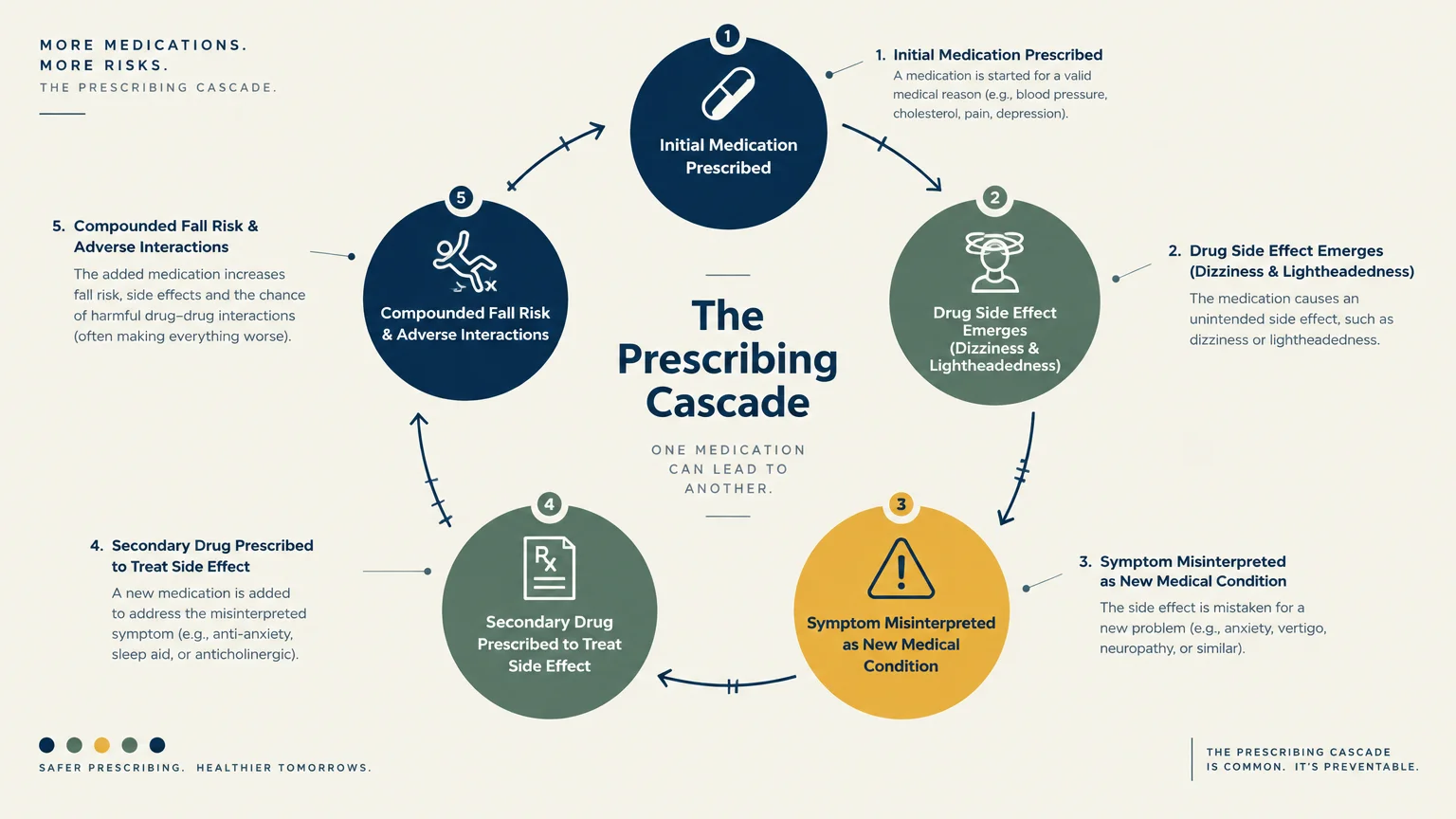
A prescribing cascade occurs when a clinician mistakes a drug side effect for a brand-new medical condition. Instead of tapering the offending pill, the provider prescribes an additional drug to treat those symptoms.
A July 2025 study analyzing over 533,000 older adults highlighted this exact concern with dizziness-inducing drugs. Patients prescribed alpha-1 blockers were 63% more likely to subsequently receive a prescription for a vestibular sedative.
Instead of addressing the orthostatic blood pressure drop caused by the prostate drug, doctors prescribed balance suppressants. This secondary medication dampened central vestibular processing, compounding the patient’s walking instability.
A June 2025 cohort study published by King’s College London researchers analyzed over 15,000 older adults. They found that 82.2% were taking dizziness-associated medications, while 71.2% took blood pressure-lowering medications.
Crucially, each additional dizziness- or hypotension-inducing medication increased the risk of all-cause emergency hospitalizations by 4%. Adding new chemical compounds to silence unrecognized drug side effects carries immense physical danger.
You can break this cascade by asking a simple question whenever a new physical symptom suddenly emerges. Inquire whether your newest daily pill could possibly be generating that unexpected balance or blood pressure problem.
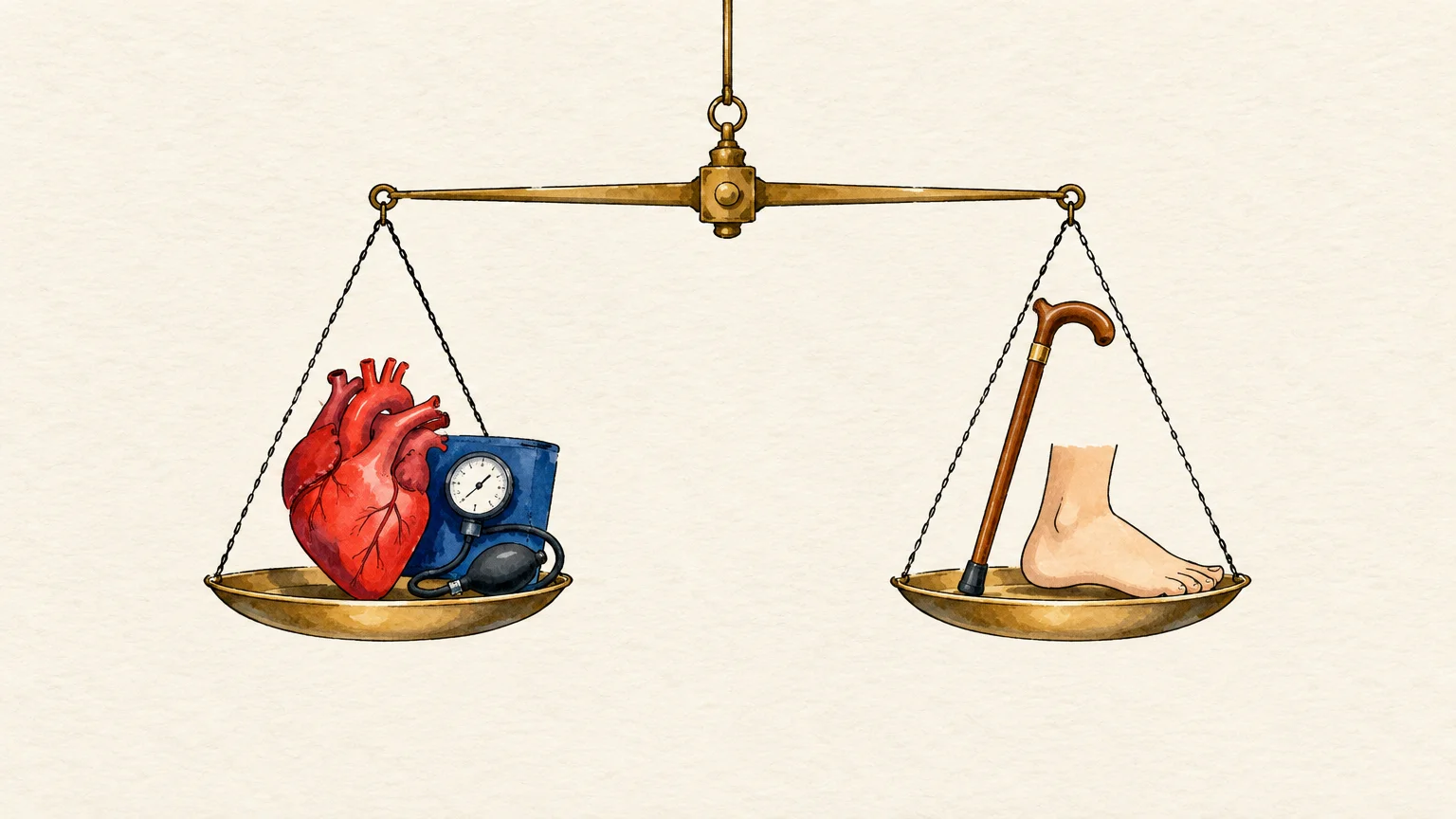
Balancing Treatment Benefits Against Fall Risks
Prescription drugs provide life-saving benefits, from preventing ischemic strokes to controlling dangerous cardiac arrhythmias. Never stop taking your prescribed therapies abruptly simply because dizziness is listed as a potential side effect.
Discontinuing heart medications cold turkey can trigger dangerous rebound hypertension or severe cardiac events. Abruptly stopping anticonvulsant or antidepressant therapy can induce withdrawal syndromes and severe neurological instability.
Managing fall risks requires a collaborative medical strategy known as deprescribing. Clinicians systematically review your regimen to taper unnecessary pills, lower dosages, or switch to safer chemical alternatives.
Your physician weighs your clinical risk of disease complications against your statistical probability of experiencing an injurious fall. This personalized assessment ensures your medical plan maintains cardiovascular health while keeping you steady on your feet.

Clinical Guidelines and Safer Alternatives
Leading healthcare organizations provide clear roadmaps to help doctors prescribe safely for maturing bodies. The American Geriatrics Society maintains the Beers Criteria to identify potentially inappropriate medications for seniors.
The foundational 2023 AGS Beers Criteria explicitly cautions against using benzodiazepines, Z-drugs, anticholinergics, and muscle relaxants in older populations. These high-risk pharmaceutical classes present proven fall liabilities that outweigh therapeutic advantages.
In July 2025, the society published the AGS Beers Criteria Alternatives List in their flagship medical journal. This update shifts the clinical focus from simply avoiding risky drugs to adopting evidence-based alternatives for twenty conditions.
For instance, cognitive behavioral therapy for insomnia replaces sedating sleep prescriptions safely without lingering balance consequences. Similarly, non-sedating topical creams replace systemic muscle relaxants for managing localized musculoskeletal discomfort.
The National Institutes of Health supports proactive medication reviews as an indispensable element of senior healthcare. Integrating medication modification and fall-risk screenings can reduce future patient falls by nearly 25%.

Actionable Steps to Protect Your Stability
You can implement practical, proactive steps today to minimize dizziness and secure your physical safety at home. Start by scheduling a comprehensive brown bag medication review with your primary doctor or pharmacist.
Gather every prescription pill, over-the-counter medicine, herbal extract, and vitamin supplement you ingest into one bag. Request that your pharmacist evaluate the full collection for drug interactions that provoke unsteadiness.
Track your blood pressure at home while adopting different physical postures throughout the morning and afternoon. Measure your readings while seated comfortably, and then measure again after standing upright for two full minutes.
Share these positional measurements with your doctor to pinpoint whether orthostatic hypotension causes your periodic morning wooziness. Adjusting the timing of your cardiovascular doses often resolves these postural blood pressure dips.
Practice steady movement habits whenever you transition between lying down, sitting, and standing. Sit on the edge of your mattress for thirty seconds every morning before rising onto your feet.
Optimize your home environment by removing throw rugs, securing electrical cords, and installing illuminated nightlights along hallways. Adding stable grab bars beside your shower and toilet provides immediate physical support during dizzy spells.
Clinical data confirms that combining regular balance screening with vitamin D supplementation reduces fall rates by nearly 25%. Ask your doctor if checking your serum vitamin D levels could support muscle strength and bone density.
Frequently Asked Questions
Should I immediately stop taking my medication if I feel dizzy?
You should never abruptly stop taking essential prescription medications without direct medical supervision from your doctor. Discontinuing therapies suddenly can trigger life-threatening rebound effects, so contact your prescribing clinic promptly to plan a safe adjustment.
How can I tell if my dizziness stems from medication or an inner ear problem?
Inner ear disorders frequently trigger intense spinning vertigo provoked by specific head turns, often accompanied by ringing in your ears. Medication-induced balance issues typically cause faintness, generalized unsteadiness, or postural wooziness that intensifies whenever you stand up quickly.
Why does my daily medication make me dizzy now when it never did before?
Your body composition, kidney filtration rates, and liver metabolism shift naturally as the years advance. A maintenance dose that suited your physiology five years ago may now circulate at higher, dizziness-inducing blood concentrations.
What should I ask my doctor if my medications make me feel unsteady?
Ask your physician directly if any of your current prescriptions appear on the AGS Beers Criteria list. Inquire whether your dosage can be lowered or if safer non-sedating therapeutic alternatives exist for your condition.
Can drinking more water help reduce my daily medication dizziness?
Mild dehydration reduces your total circulating blood volume, which worsens orthostatic blood pressure drops caused by antihypertensive drugs. Staying consistently hydrated helps maintain adequate cerebral blood flow, though you should verify your fluid targets if you have heart failure.
Empowering Your Mobility and Safety
Dizziness and gait instability should never be accepted as unavoidable consequences of aging. By recognizing which pharmaceuticals compromise your equilibrium, you can take decisive control of your physical well-being.
Maintain an ongoing, open dialogue with your healthcare providers regarding all subtle dizziness symptoms you experience. Simple dosage adjustments or medication substitutions frequently restore physical confidence and clear mental focus.
Protecting your stability enables you to stay active, maintain your personal independence, and enjoy daily activities. Take proactive ownership of your medicine cabinet today to safeguard your health, balance, and vitality.
Medical Disclaimer
This article is intended for informational and educational purposes only and is not a substitute for professional medical advice, diagnosis, or treatment. Always consult with a qualified healthcare provider regarding any health concerns or before making any decisions related to your health or treatment.