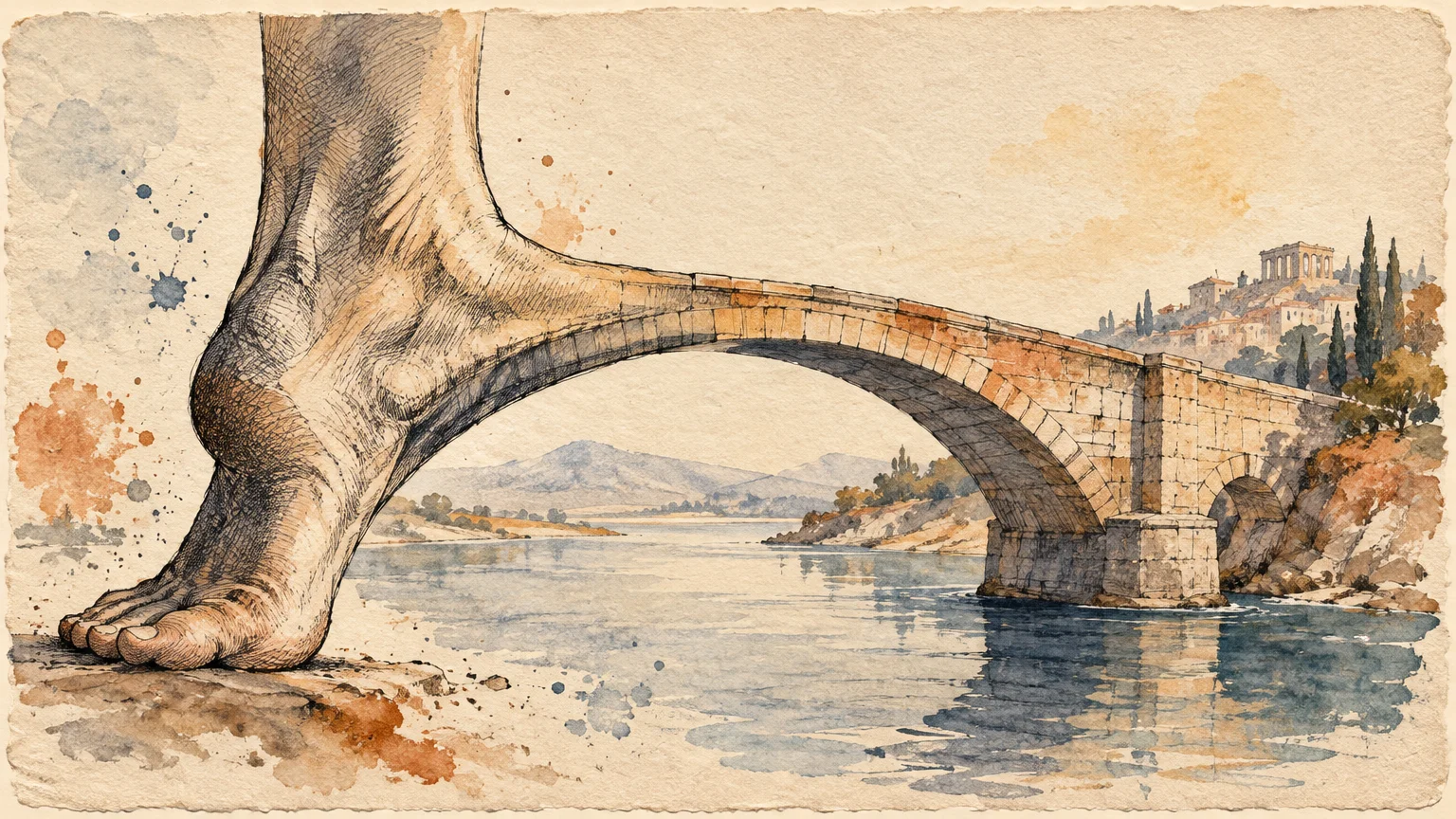
Persistent foot pain is never a mandatory consequence of getting older. Addressing unexpected foot discomfort right away protects your independent mobility and helps you avoid devastating falls.
Your feet carry your entire body weight through decades of daily activity. When chronic discomfort develops, it frequently points toward an underlying systemic issue that demands targeted medical care.
Knowing whether your discomfort stems from everyday fatigue or a serious medical condition can save your joints and preserve your active lifestyle. Let us examine the vital warning signs you must never overlook.
Understanding the Basics of Foot Health
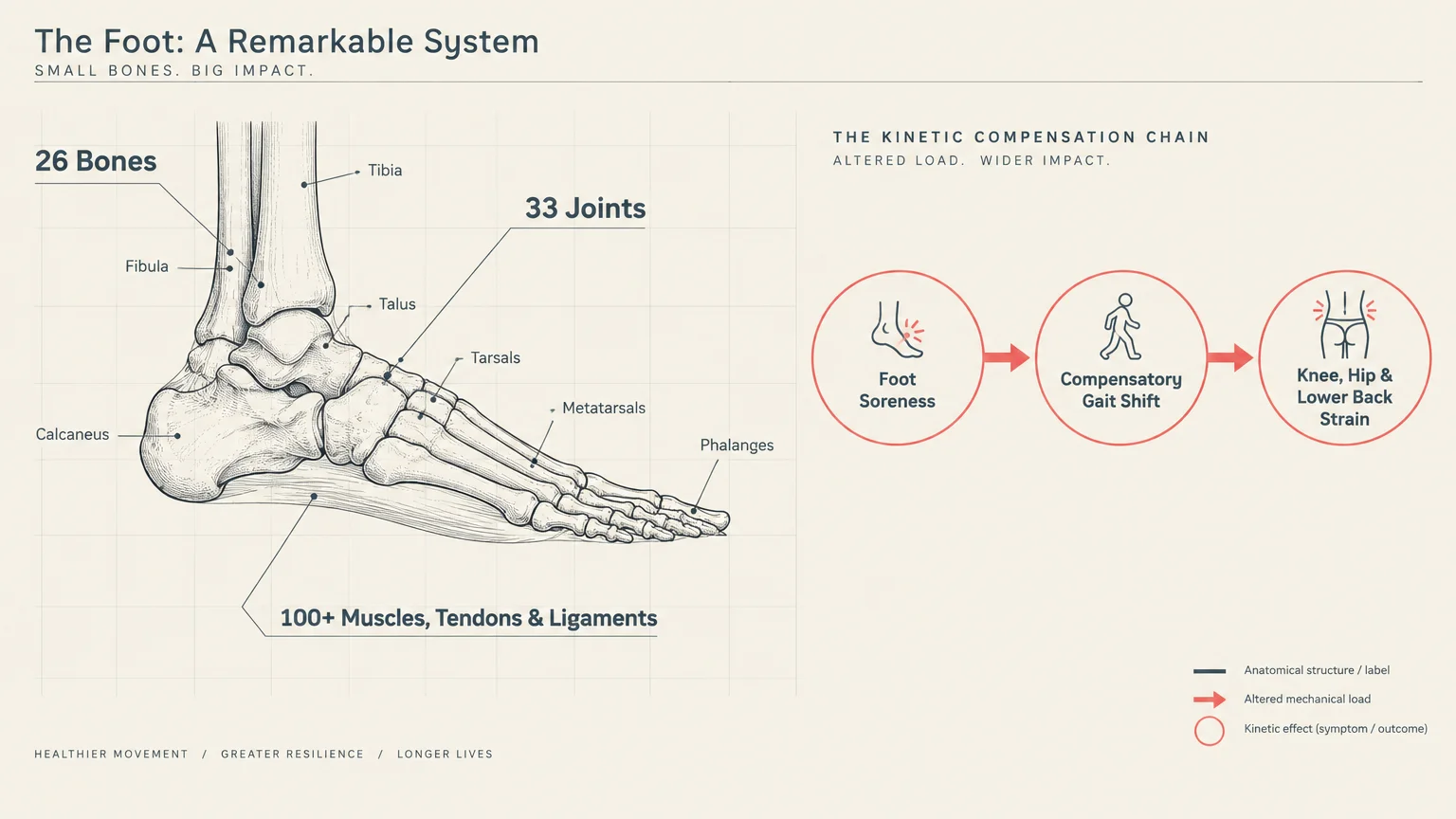
Your foot is a sophisticated mechanical marvel containing twenty-six bones, thirty-three joints, and more than one hundred muscles, tendons, and ligaments; these intricate structures collaborate seamlessly to support your balance and absorb physical shock.
When even one small component experiences damage, your body instinctively alters its movement patterns to protect that area. This subtle compensation forces other tendons, joints, and soft tissues to bear unnatural physical loads.
Over time, these compensatory shifts trigger widespread discomfort, creating secondary aches in your knees, hips, and lower back. What began as localized foot soreness quickly morphs into an entire postural misalignment.
Pain serves as your body’s early alert system, indicating localized inflammation or progressive structural wear. Ignoring this discomfort allows minor mechanical strains to evolve into severe tissue breakdown or persistent disability.
Many common foot pain causes stem from simple mechanical stress, such as unsupportive footwear or walking on hard flooring. However, other pain triggers originate from systemic disorders, including autoimmune inflammation, metabolic disease, or arterial blockages.
Healthy feet provide constant sensory feedback to your central nervous system, helping you adjust your posture across uneven ground. When pain or numbness disrupts this sensory stream, your natural stability deteriorates rapidly.
Recognizing the core mechanics of your feet empowers you to distinguish harmless muscular fatigue from serious tissue damage. Protecting your foundational base keeps your entire body mobile, balanced, and resilient.
Key Considerations for Seniors
Aging naturally reshapes the anatomy and physiological resilience of your feet over time. After decades of bearing your body weight, the protective fat pads beneath your heels and forefoot progressively thin out.
This thinning process, known clinically as plantar fat pad atrophy, drastically reduces your foot’s natural shock absorption. As a result, your metatarsal bones and sensitive plantar nerves absorb harsh, unbuffered mechanical forces directly.
Tendons and ligaments also undergo cellular changes as the years advance, losing moisture and collagen elasticity. Consequently, the foot pain seniors experience often lingers significantly longer and requires targeted physical rehabilitation.
Circulatory changes further complicate foot health for adults over age sixty. Slower arterial circulation delays the delivery of oxygen and healing nutrients to lower extremities, impairing tissue recovery after routine wear.
Because tissue repair slows down, minor skin fissures or friction blisters can quickly develop into chronic, dangerous wounds. Swiftly addressing emerging foot symptoms prevents simple superficial injuries from advancing into deep tissue infections.
Diminished peripheral nerve sensitivity also represents a serious concern for aging adults. When sensory nerves lose sharpness, you might not feel localized pressure, hot spots, or foreign objects pressing against your skin.
Untreated foot pain directly undermines your physical stability, representing a leading contributor to accidental falls. Favoring an aching heel or throbbing joint destabilizes your walking stride and increases your risk of catastrophic bone fractures.
Remaining mobile remains vital for preserving your cardiovascular stamina, social engagement, and emotional wellness. Protecting your foot comfort is an indispensable step toward maintaining your everyday personal independence.
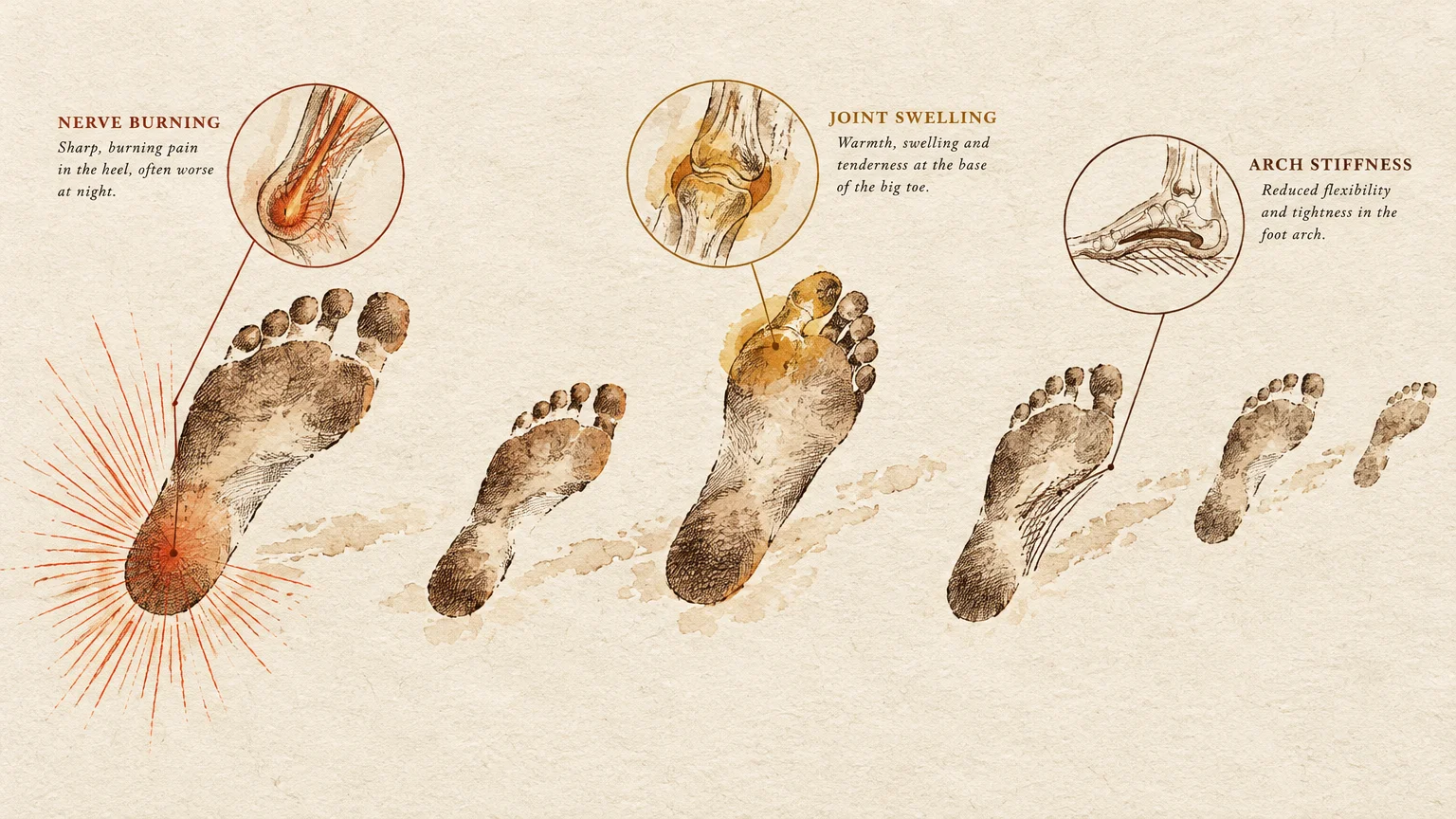
12 Signs Your Foot Pain Is Something More
Occasional muscle tiredness after an unusually active afternoon is completely expected. However, distinct foot pain warning signs point toward underlying structural damage, nerve dysfunction, or systemic conditions that require clinical intervention.
1. Sharp, Stabbing Morning Heel Pain
Experiencing an acute, knife-like pain in your heel during your first morning steps often signals plantar fasciitis—a condition involving the inflammation of the thick fibrous band supporting your longitudinal arch.
The inflamed ligament contracts and tightens while you sleep at night. Stepping out of bed stretches these contracted fibers violently, causing painful micro-tears at the heel bone attachment.
The pain often subsides into a dull throb after several minutes of walking, only to flare up again after resting. Ignoring this condition can trigger secondary bone spurs and chronic, disabling heel soreness.
Prompt evaluation enables conservative interventions such as night splints, supportive orthotics, and targeted calf stretches. These simple measures relieve mechanical strain and encourage healthy tissue remodeling.
2. Persistent Tingling, Numbness, or “Pins and Needles”
A chronic sensation of pins and needles creeping through your toes or soles often indicates peripheral neuropathy. This nerve impairment disrupts normal communication between your feet and your central nervous system.
Neuropathy frequently develops as a complication of diabetes, vitamin deficiencies, or localized spinal nerve impingement. Many patients describe the sensation as walking on crushed glass or wearing crumpled, invisible socks.
Because sensory loss numbs pain signals, small pebbles or blister-causing friction can go completely unnoticed. These undetected irritations can quickly evolve into deep, infected tissue ulcers.
Consulting a healthcare provider allows for comprehensive neurological testing and blood work. Identifying the root cause early helps prevent permanent, irreversible nerve fiber deterioration.
3. Burning Aches or a Feeling Like You Are Stepping on a Pebble
A burning sensation beneath the ball of your foot often indicates Morton’s neuroma. This condition involves a painful, benign swelling of the protective tissue encasing the nerve between your metatarsal heads.
You may constantly feel as though a marble or folded seam is trapped under your forefoot. Tight footwear and narrow toe boxes squeeze your metatarsal bones together, aggravating the swollen nerve.
While slipping off your shoe and massaging your forefoot provides brief relief, the discomfort returns when walking resumes. Over time, untreated inflammation can cause permanent nerve enlargement and constant burning pain.
Custom orthotics with metatarsal pads can lift and spread your bones, relieving mechanical nerve pressure. Wearing footwear with wide toe boxes prevents further nerve compression and inflammation.
4. Sudden, Fiery Inflammation in the Big Toe Joint
Waking up to a hot, throbbing, and intensely swollen big toe joint often signals an acute gout attack. Gout is a painful form of inflammatory arthritis driven by excess uric acid forming needle-like crystals in joints.
The affected joint typically appears purplish-red and radiates intense heat. Even the sheer weight of a light bedsheet resting on your toe can produce intolerable agony.
Repeated flare-ups can permanently damage your joint cartilage and cause chalky uric acid deposits called tophi. These structural complications severely restrict joint motion and create persistent daily discomfort.
Prescription medications quickly control acute inflammation and lower systemic uric acid levels over the long term. Dietary adjustments, such as limiting purine-rich foods, also dramatically reduce your flare-up frequency.
5. Pinpoint Bone Tenderness with Localized Swelling
Severe, localized tenderness directly over a specific foot bone often indicates a stress fracture. These hairline skeletal cracks develop when repetitive mechanical stress overpowers the natural remodeling capacity of bone.
Unlike general muscular soreness, stress fracture pain intensifies with weight-bearing and does not warm up with light movement. You may also observe subtle puffiness and skin warmth directly over the affected metatarsal.
Seniors with reduced bone mineral density face an elevated risk for these skeletal micro-injuries. Continuing to bear weight on an unstable fracture can cause the bone to displace completely.
Early diagnosis with diagnostic imaging ensures proper offloading through a protective boot or cast. Timely immobilization allows the delicate bone matrix to heal without lasting structural deformity.
6. Non-Healing Sores, Cracks, or Persistent Blisters
Any break in the skin that fails to heal after several days warrants immediate professional attention. Slower cell turnover and compromised arterial blood flow hinder your body’s natural wound-healing cascade.
Friction blisters or deep heel fissures can rapidly expand into dangerous, full-thickness ulcers. Invasive bacteria can easily penetrate these openings and travel into deep soft tissues or underlying bone.
This risk is especially high for seniors managing diabetes or peripheral circulatory disease. Clinical debridement and specialized wound dressings are crucial to prevent aggressive bone infections like osteomyelitis.
Never attempt to treat deep wounds or calluses at home with chemical pads or blades. Professional medical care protects fragile tissues and keeps localized skin infections from turning systemic.
7. Cold Feet, Pale or Bluish Skin, and Rest Pain
Consistently cold feet accompanied by pale, purplish, or glossy skin often indicate peripheral artery disease. This circulatory condition occurs when arterial plaque narrows blood vessels, restricting circulation to your lower extremities.
You might notice a complete loss of hair on your toes along with thickened, slow-growing toenails. Severe arterial narrowing causes continuous aching or throbbing in your feet, even while resting in bed.
Hanging your feet over the bed edge often provides temporary relief as gravity draws down blood flow. However, this symptom signals advanced vascular compromise that requires prompt specialist intervention.
Vascular screenings evaluate blood pressure differentials between your ankles and arms to gauge arterial health. Restoring proper blood flow preserves your limbs and lowers your broader cardiovascular risks.
8. Deep Morning Joint Stiffness and Arthritic Aches
Waking up with stiff, aching midfoot or ankle joints that take hours to loosen points toward osteoarthritis. Years of mechanical friction wear away smooth articular cartilage, allowing bare bone surfaces to rub against each other.
You may observe visible bony bumps forming over your arches or near your toe bases. Movement may produce an audible crunching or grinding sound called crepitus alongside sharp shooting pains.
Left unchecked, osteoarthritic changes make normal walking strides increasingly rigid and unstable. This progressive joint degradation alters your balance and limits your daily walking range.
Targeted low-impact exercise and stiff-soled shoes minimize joint motion and shield damaged cartilage. Working with physical therapists helps you preserve your remaining joint mobility and overall strength.
9. Searing Aches or Morning Tenderness Behind Your Ankle
Stiffness and burning pain along the back of your heel often signal Achilles tendinopathy. The Achilles tendon connects your calf muscles to your calcaneus, absorbing immense forces with every stride.
Age-related decreases in tendon vascularity and elasticity make these dense collagen fibers susceptible to micro-tearing. You may feel noticeable tightness during morning steps or after sitting for prolonged periods.
Persistent pain accompanied by a visible nodule along the tendon suggests advancing structural degeneration. Continuing heavy exertion without treatment elevates your risk of experiencing a catastrophic tendon rupture.
Eccentric calf exercises, gentle stretching, and slight heel lifts reduce tensile stress along the tendon. These conservative methods support gradual healing and restore structural strength to the connective fibers.
10. Heavy Arch or Calf Cramping During Modest Walks
Experiencing tight, cramping pain in your calves or arches after walking a set distance indicates intermittent claudication. This condition develops when narrowed arteries cannot deliver enough oxygen to fuel contracting muscles.
The aching sensation forces you to halt your walk, resolving within several minutes of resting. When you resume walking, the identical cramping pattern returns at the very same distance.
This predictable pattern distinguishes vascular claudication from standard musculoskeletal fatigue or arthritis. It indicates significant circulatory blockages that require comprehensive cardiovascular and vascular evaluation.
Supervised exercise programs and blood-thinning medications can substantially expand your pain-free walking distances. Diligent medical management keeps your circulatory pathways functioning and preserves leg muscle tissue.
11. Asymmetrical Swelling Accompanied by Heat and Redness
While mild puffiness in both ankles after travel is common, sudden swelling in only one foot is alarming. Unilateral swelling paired with heat, redness, and calf tenderness may signal a dangerous deep vein thrombosis—a serious blood clot requiring immediate medical intervention.
This serious blood clot blocks venous outflow and carries the risk of traveling directly to your lungs. Sudden localized redness and warmth can alternatively indicate cellulitis, a fast-spreading bacterial skin infection.
Both medical conditions demand immediate emergency room care to prevent devastating systemic complications. Never attempt to massage or apply tight wraps to an acutely swollen, hot extremity.
Emergency ultrasound imaging quickly identifies deep clots, allowing physicians to administer essential anticoagulant therapies. Timely antibiotic treatment halts soft-tissue infections before they enter your bloodstream.
12. Rapid Arch Flattening and Ankle Instability
A noticeable collapse of your foot arch over a few months often points toward posterior tibial tendon dysfunction. This vital tendon supports your medial arch and locks your foot for stable push-off.
As the tendon stretches and weakens, your heel rolls outward and your arch drops toward the ground. You may experience persistent aching along the inside of your ankle and midfoot.
Without early intervention, the flexible flatfoot becomes rigid and fixed in a deformed position. This structural change severely hampers your balance and causes painful arthritis in surrounding joints.
Custom-molded arch supports and ankle braces relieve tension on the recovering tendon. Beginning non-surgical stabilization early prevents the need for complex reconstructive joint surgeries.

Benefits of Early Intervention and Potential Risks
Diagnosing foot problems early provides profound physical advantages, helping you maintain a dynamic and independent lifestyle. Correcting faulty gait mechanics relieves abnormal stresses on your ankles, knees, hips, and lumbar spine.
A stable, comfortable foundation dramatically reduces your likelihood of suffering devastating balance-related falls. Preserving your walking endurance also safeguards your cardiovascular stamina and helps regulate healthy blood sugar levels.
Identifying vascular or neurological warning signs early enables medical providers to uncover undiagnosed systemic diseases. Timely treatments halt progressive nerve deterioration and restore vital blood flow before complications arise.
Conversely, ignoring persistent foot symptoms carries substantial health hazards for aging adults. Limping inevitably shifts physical stress onto neighboring joints, accelerating painful wear-and-tear arthritis throughout your body.
Restricting your physical activity due to chronic pain promotes muscle wasting, weight gain, and cardiovascular decline. Becoming homebound also increases risks for emotional depression and distressing social isolation.
For seniors living with diabetes, underestimating minor blisters or numbness can lead to tragic medical outcomes. Chronic ulcers and deep tissue infections remain leading causes of avoidable hospitalizations and limb amputations.
Relying on ill-advised home treatments or generic insoles can also worsen underlying tendon damage or nerve compression. Professional diagnosis ensures that your treatment plan matches your specific anatomical needs.
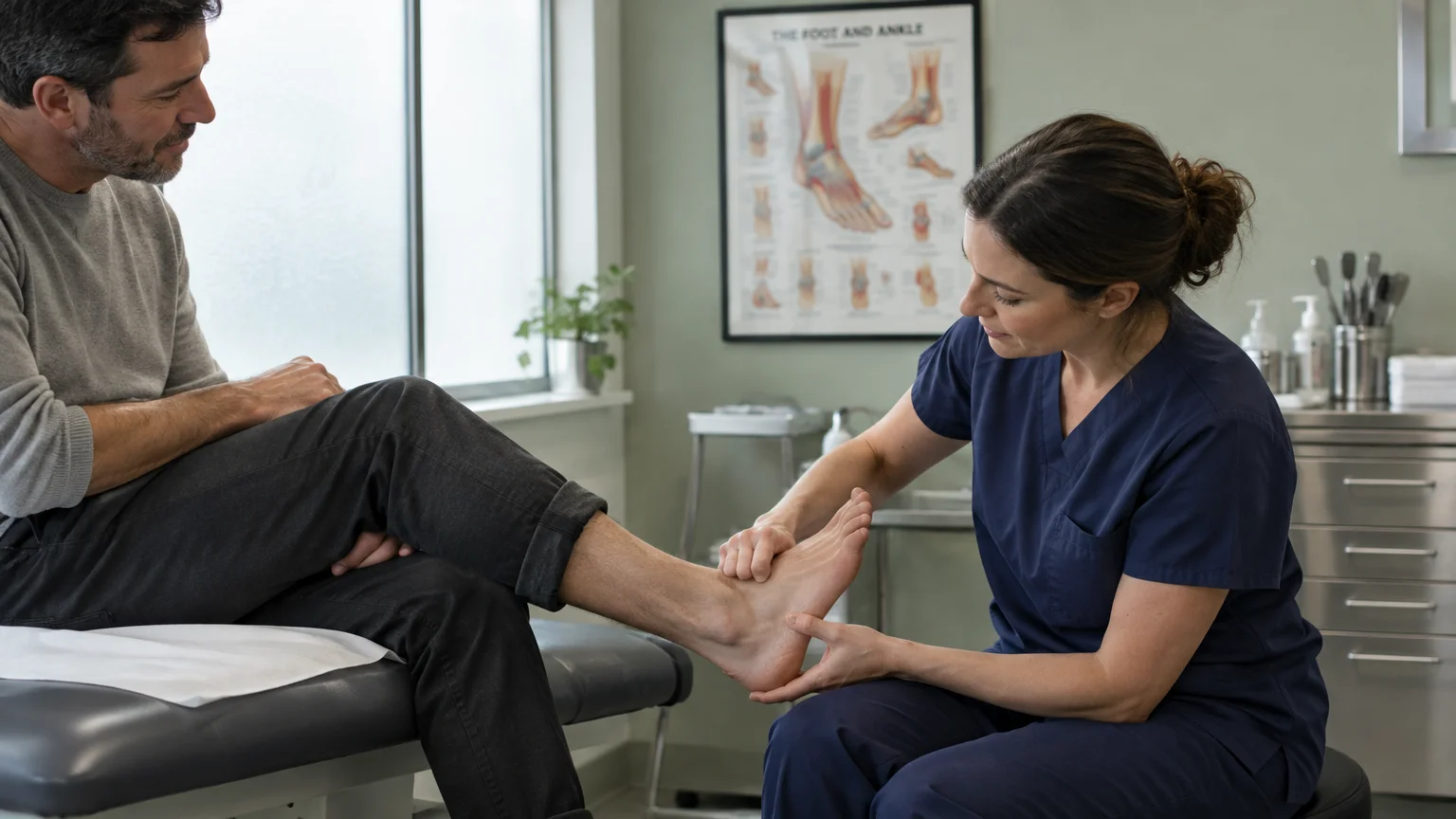
What the Experts Say
Leading medical authorities emphasize that severe or chronic foot pain should never be dismissed as an inevitable reality of aging. The National Institutes of Health highlights that early professional triage dramatically improves patient outcomes across various chronic conditions.
Podiatric specialists note that the feet reflect overall vascular, metabolic, and systemic health. Because small vessels and nerves reside in your feet, early systemic diseases often show their first symptoms there.
Clinical researchers at the Centers for Disease Control and Prevention stress the direct connection between foot discomfort and debilitating accidental falls. Gait instability caused by untreated foot disorders remains a primary risk factor for hip fractures.
Expert guidelines recommend routine clinical foot screenings for all older adults, especially those with cardiovascular or metabolic challenges. Periodic examinations detect microvascular impairment and sensory loss long before visible ulcerations develop.
Orthopedic research confirms that non-surgical conservative treatments succeed in the vast majority of foot conditions. Custom orthotics, physical therapy, and targeted stretches resolve most foot pain causes without requiring surgical intervention.
Specialists strongly advise against self-treating corns, calluses, or ingrown toenails with over-the-counter blades or harsh acid pads. Professional podiatric care prevents dangerous tissue damage and safeguards sensitive skin.

Practical Steps and Actionable Advice
Taking proactive control of your foot health requires adopting sensible daily habits and scheduling prompt medical evaluations. Simple routine adjustments protect your feet from unnecessary wear and prevent serious clinical complications.
Inspect your feet every evening. Use a handheld mirror or ask a caregiver to inspect your soles and heels for cracks, redness, or blisters.
Avoid walking barefoot indoors. Wear supportive, cushioned house shoes or slippers to protect your natural fat pads from hard tile and wood floors.
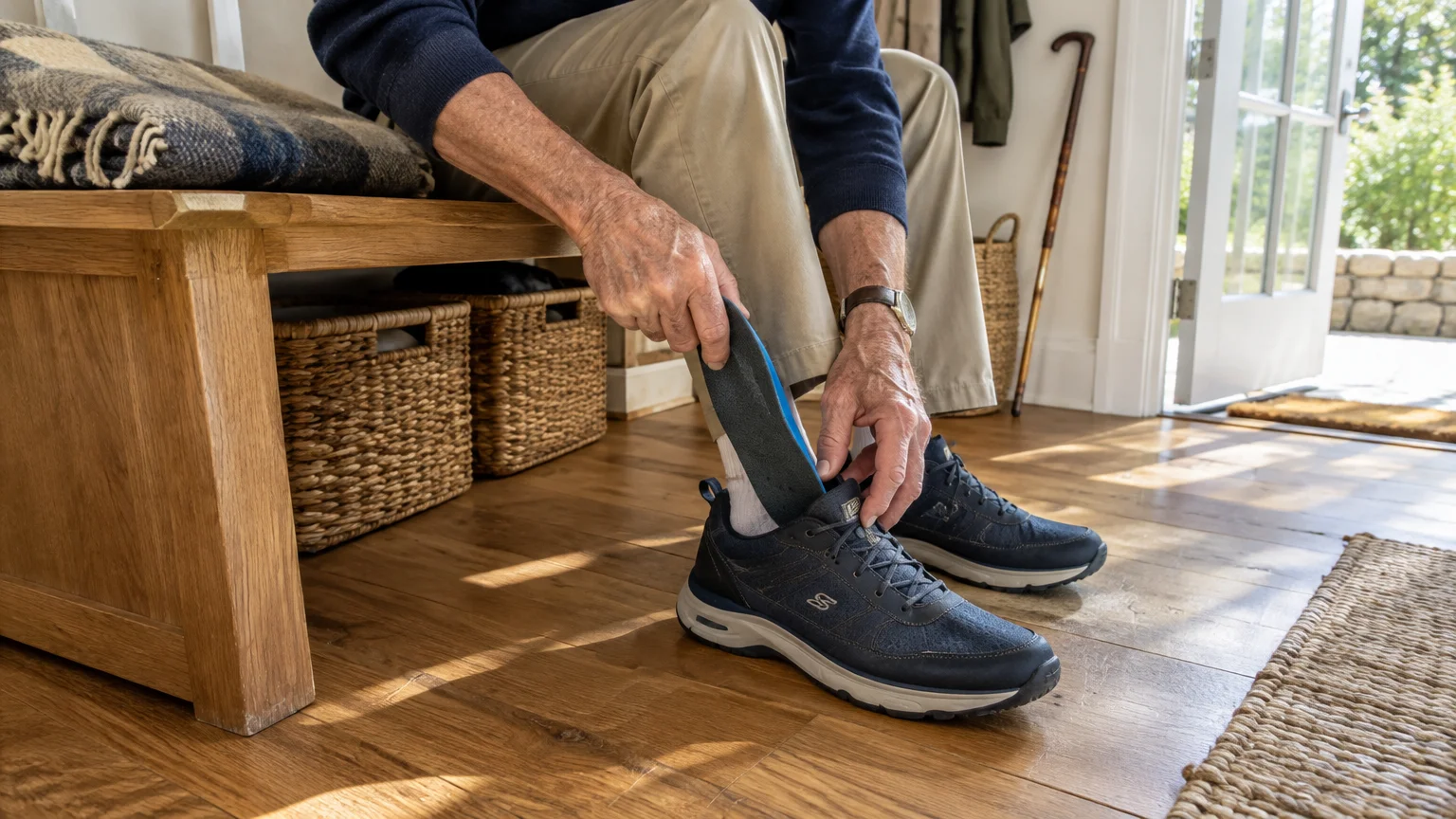
Choose shoes with wide toe boxes and arch support. Avoid narrow or completely flat footwear, which compresses your delicate nerves and strains your plantar fascia.
Moisturize your feet daily to prevent fissures. Apply an emollient cream to your heels and soles, but avoid leaving excess lotion between your toes.
Replace worn walking shoes regularly. Cushioning and arch support degrade long before the outer sole looks worn, so replace your walking shoes every six months.
Perform gentle calf and foot stretches daily. Keeping your Achilles tendon and plantar tissues supple eases mechanical strain and preserves your joint flexibility.
Learn when to see a podiatrist promptly. Seek expert care if you notice sudden swelling, persistent numbness, deep redness, or non-healing skin breaks.
Prepare key questions for your doctor. Inquire whether custom orthotics, diagnostic ultrasound, or specialized physical therapy would best restore your mobility and comfort.
Frequently Asked Questions
Is chronic foot pain an unavoidable part of getting older?
No, persistent foot pain is never a mandatory consequence of aging. Discomfort always indicates an underlying mechanical fault, joint disorder, or systemic illness that medical professionals can effectively manage.
Can wearing poorly fitted shoes cause permanent nerve injury?
Yes, tight shoes with cramped toe boxes can compress interdigital nerves and cause Morton’s neuroma. Over time, chronic friction and compression trigger permanent nerve thickening and lasting numbness.
How can I differentiate a foot sprain from a stress fracture?
Sprains typically stem from sudden twisting trauma and trigger widespread bruising across soft tissues. Stress fractures produce sharp pinpoint bone tenderness that steadily worsens under sustained weight-bearing activity.
What is the most effective way to ease morning heel pain?
Stretch your calf muscles gently before swinging your legs out of bed, and never step onto hard floors barefoot. Supportive orthotics and night splints also provide remarkable relief.
When does foot swelling become a dangerous medical emergency?
Seek emergency care immediately if swelling appears suddenly in only one leg, especially with skin warmth, redness, or calf tightness. These warning signs often indicate a deep vein thrombosis.
Empowering Your Steps and Protecting Your Mobility
Your feet form the structural bedrock of your daily independence, carrying you through countless moments of life. Paying close attention to their warning signals ensures that you retain confident mobility and freedom of movement.
Never dismiss persistent arch aching, sole numbness, or structural joint changes as harmless signs of aging. Taking proactive steps today transforms minor mechanical issues into manageable conditions rather than permanent physical restrictions.
Partner with your healthcare provider to address underlying causes and implement personalized protective routines. By giving your feet the specialized attention they require, you protect every future step you take.
This article is intended for informational and educational purposes only and is not a substitute for professional medical advice, diagnosis, or treatment. Always consult with a qualified healthcare provider regarding any health concerns or before making any decisions related to your health or treatment.