
A scratchy throat or sudden wave of exhaustion during the 2026–2027 flu season raises an urgent question. Knowing the early flu signs lets you act within the narrow 48-hour window when prescription treatments work best.
Public health surveillance shows respiratory activity climbing earlier than usual this autumn. Recognizing how influenza announces itself helps you separate a mild cold from an infection that deserves prompt medical attention.
For older adults, that distinction carries real protective weight. Learning what happens inside your body during those first hours gives you a clear roadmap for faster recovery and safer aging.
Understanding Influenza and the 2026–2027 Flu Season
Influenza is not just a stubborn cold; it is a contagious viral infection that targets your nose, throat, and lungs. Unlike mild rhinoviruses that linger in your upper airways, influenza triggers a body-wide inflammatory response.
In the Northern Hemisphere, a typical Centers for Disease Control and Prevention (CDC) flu season runs from October through May. Activity usually reaches its peak between December and February, when indoor gatherings help respiratory viruses spread easily.
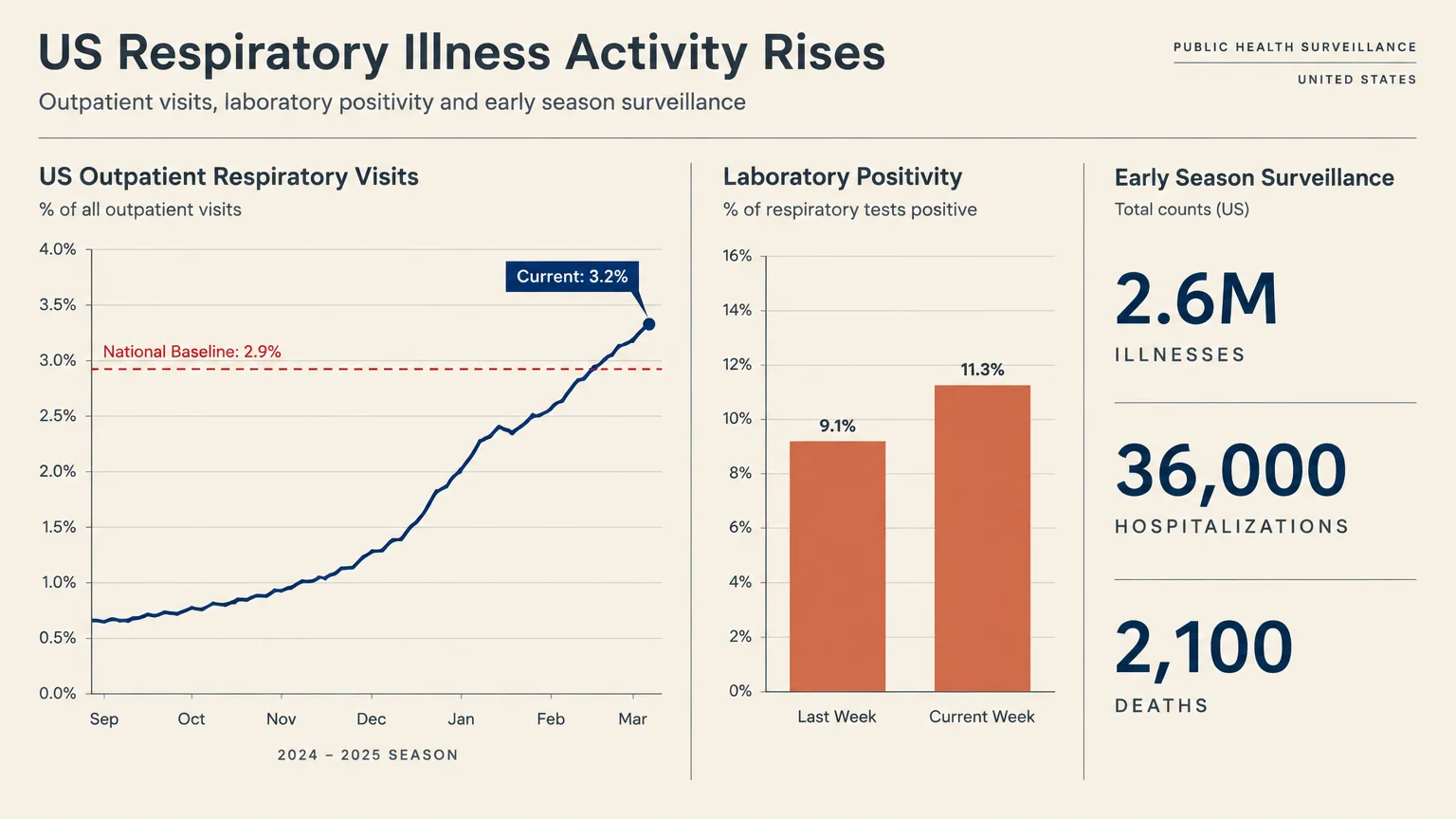
This year, however, activity accelerated ahead of schedule. By the week ending November 7, 2026, CDC surveillance showed outpatient visits for influenza-like illness reaching 3.2 percent, climbing past the 2.9 percent national baseline.
Laboratory test positivity also rose to 11.3 percent from 9.1 percent the previous week, driven mainly by influenza A viruses. Early CDC estimates for the 2026–2027 season already count at least 2.6 million illnesses, 36,000 hospitalizations, and 2,100 deaths.
Across the Atlantic, the European Centre for Disease Prevention and Control reported similar early movement. Detections in Europe rose above interepidemic levels starting in week 37, reaching roughly 5 percent test positivity dominated by A(H1N1)pdm09, though overall regional activity remains low.
These early signals arrive on the heels of a heavy 2025–2026 season. Between October 2025 and May 2026, the CDC estimated 32 million to 57 million US flu illnesses and 390,000 to 800,000 hospitalizations.
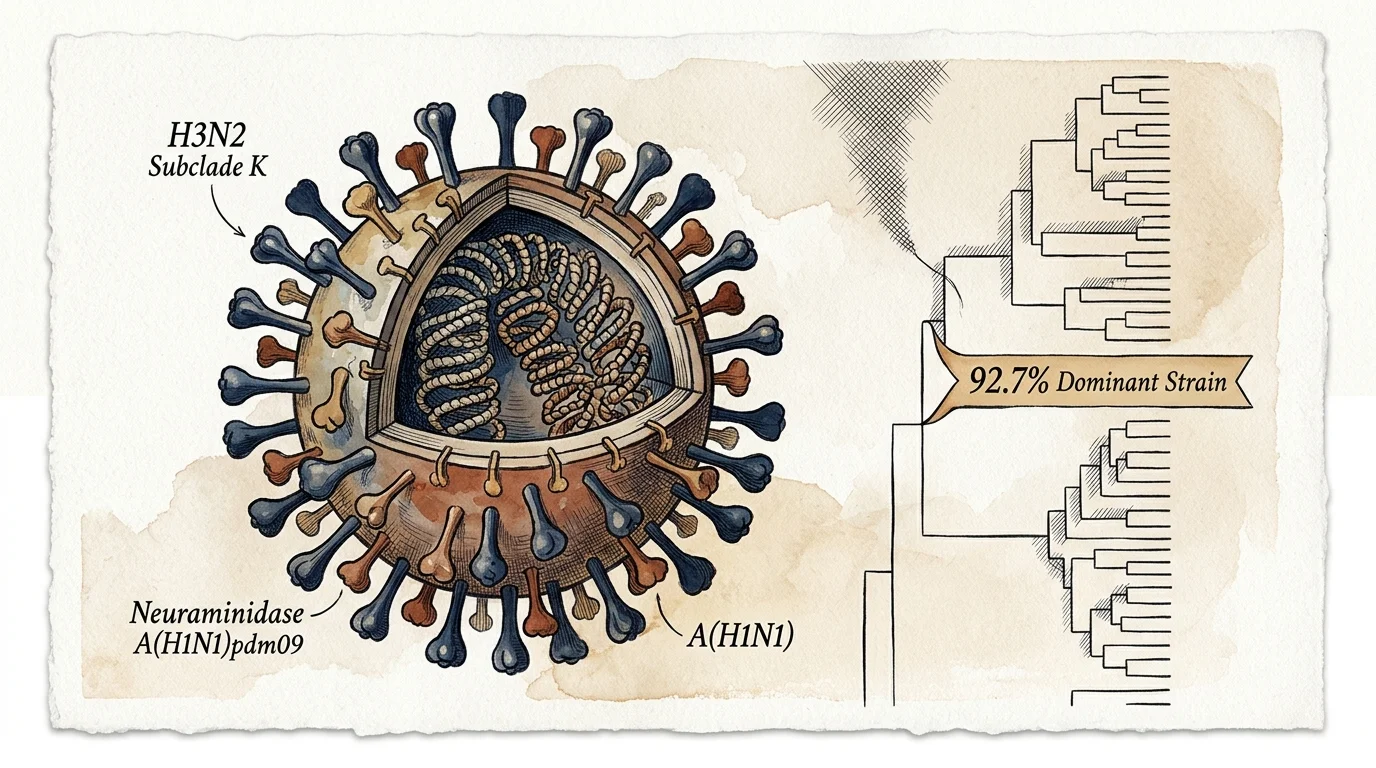
During that previous season, 92.7 percent of collected influenza A viruses belonged to a drifted H3N2 subclade K strain. Globally, the World Health Organization (WHO) estimates about 1 billion seasonal flu cases and 290,000 to 650,000 respiratory deaths every year.
In the United States, long-term data from 2010 through 2025 show influenza infecting roughly 8 percent of the population annually. Older adults carry the heaviest share of that burden, accounting for 70 to 85 percent of deaths and 50 to 70 percent of hospitalizations.
Early Flu Signs and How the Virus Moves Through Your Body
Understanding flu symptoms 2026 starts with timing, because the virus moves rapidly once it enters your airway. After exposure, symptoms typically appear in about two days, though the incubation period ranges from one to four days.
Think of incubation as a quiet staging phase inside your respiratory lining. While the virus copies itself inside your cells, you feel completely healthy even as viral levels climb.
The Sudden Shift That Signals Early Flu
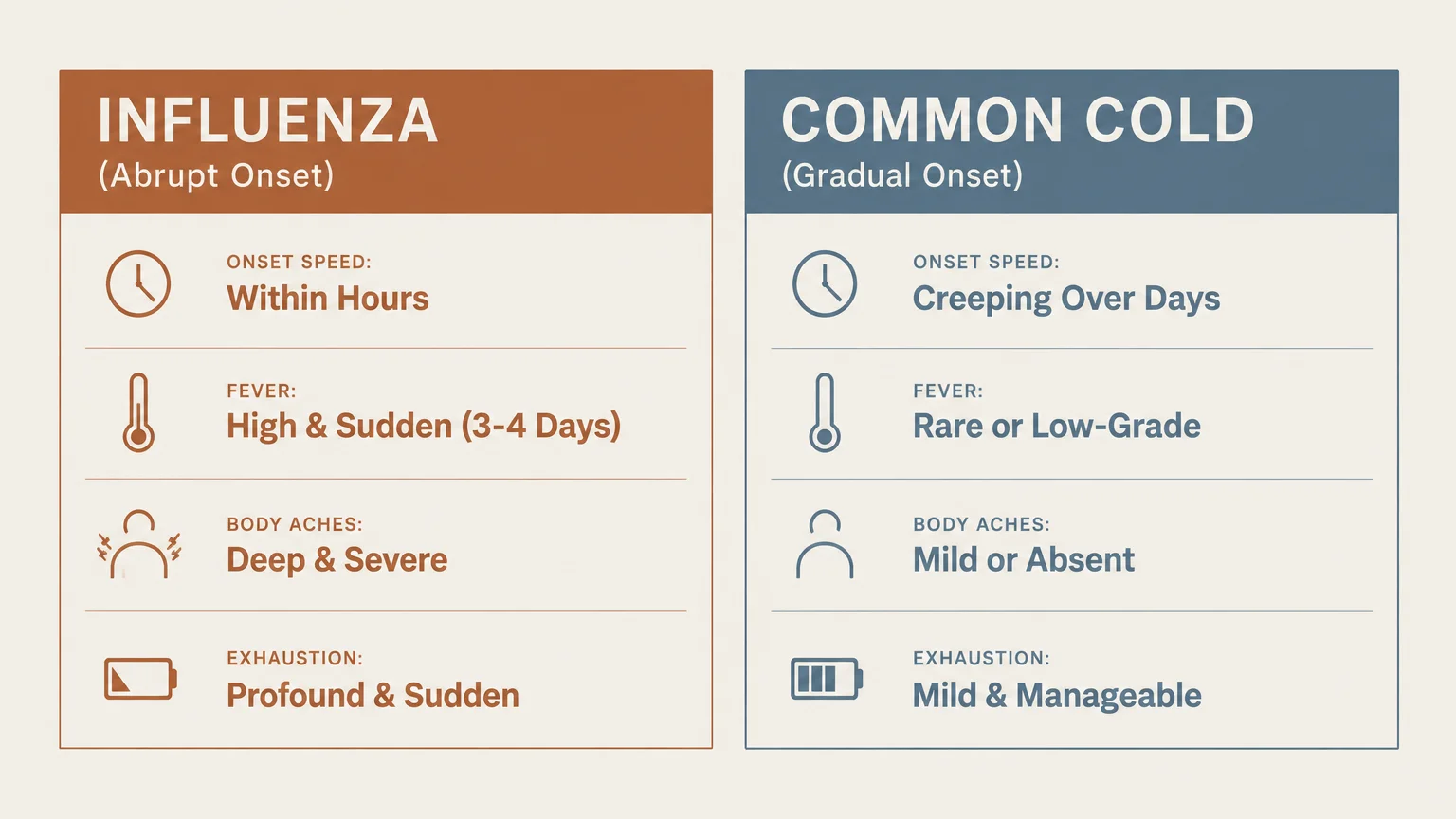
The clearest early flu sign is the speed of onset. Whereas a common cold creeps in gradually over a couple of days, influenza tends to strike abruptly, often making you feel fine at breakfast and miserable by dinner.
Core early flu signs include a fever or feeling feverish with chills, deep muscle or body aches, headaches, and profound fatigue. A dry cough, sore throat, and runny or stuffy nose frequently accompany those whole-body symptoms.
When fever and chills do appear, they generally last three to four days. Gastrointestinal symptoms such as vomiting and diarrhea can happen too, though doctors observe them more often in children than in adults.
Why You Cannot Rely on a Thermometer Alone
Many people assume that a normal temperature rules out influenza, yet the CDC emphasizes that not everyone with the flu develops a fever. Relying solely on a thermometer can delay testing and treatment when you need it most.
In fact, a CDC household study spanning the 2017 through 2023 seasons found that 8 percent of people who tested positive had no symptoms at all. Others experience only mild fatigue or a cough while their immune system quietly fights the virus.
When You Become Contagious
Viral shedding—the process of releasing microscopic viral particles from your respiratory tract—begins before you even realize you are sick. Infected adults can spread influenza starting one full day before symptoms appear.
Contagiousness peaks during the first three days of illness, when coughing, sneezing, or talking sends respiratory droplets up to roughly six feet away. Most adults continue shedding virus for five to seven days after falling ill.
Young children and people with weakened immune systems may shed influenza for even longer periods. Recognizing these early timelines helps you protect vulnerable spouses, grandchildren, and neighbors before symptoms escalate.
Flu vs Cold: How to Tell the Difference Early
Sorting out flu vs cold during the first 24 hours can feel tricky because both illnesses share upper respiratory complaints. Looking closely at the pattern and intensity of your symptoms offers reliable clues.
A helpful way to picture the difference is comparing a localized brushfire to a system-wide power surge. Common colds stay mostly in your nose and throat, while influenza sends inflammatory chemical messengers—called cytokines—circulating throughout your bloodstream.
Speed, Fever, and Systemic Aches
According to CDC clinical criteria, onset speed is your first checkpoint. Flu starts abruptly, whereas a cold develops gradually.
Fever is common with influenza and usually persists for three to four days, while fever with a common cold is rare. Similarly, chills are fairly common with the flu and uncommon with a cold.
Muscle aches and headaches provide another sharp contrast. With influenza, body aches are common and often severe, and headaches occur frequently; with a cold, aches are slight and headaches are rare.
Fatigue also tells a distinct story. Exhaustion and weakness are usual early hallmarks of the flu, whereas cold-related fatigue is only occasional.
Throat, Nose, and Chest Clues
Interestingly, classic head-cold complaints point away from influenza when they appear by themselves. Sneezing, a stuffy nose, and a sore throat are common with colds, yet occur only sometimes with the flu.
Chest discomfort and cough move in the opposite direction. A cold typically brings mild to moderate coughing, whereas with influenza chest discomfort and cough are common and can be severe.
Because symptoms still overlap—and other viruses like COVID-19 circulate alongside influenza—a rapid diagnostic test at your clinic or pharmacy remains the surest way to confirm what you have. Knowing early gives you immediate leverage over your recovery.
Why Age Changes Your Flu Risk and Recovery
Healthy aging changes how your immune system detects and clears respiratory invaders. Scientists refer to this gradual shift as immunosenescence—not a failure of immunity, but a slower, less coordinated response to unfamiliar viral strains.
Think of your immune system as a seasoned fire department whose dispatch radios have grown slightly staticky over the decades. The crew still responds, yet organizing a rapid, targeted defense takes longer, giving the virus extra time to replicate deeper in your lungs.
Because older adults sometimes mount a blunted fever response, serious influenza infections in people 65 and older may start with unusual clues. Sudden confusion, loss of appetite, unsteadiness, or extreme weakness can appear before a cough ever develops.
Influenza also places heavy temporary stress on existing health conditions. Systemic inflammation can destabilize blood sugar in people with diabetes, irritate airways in those with asthma or chronic lung disease, and strain the cardiovascular system.
That biological ripple effect explains why older adults face steep hospitalization and mortality risks during flu season. Staying alert to subtle shifts in your daily energy and breathing gives you a critical head start.
Flu Treatment and the Critical 48-Hour Window
Effective flu treatment hinges on timing. Prescription antiviral medications work directly inside your cells to stop the virus from multiplying, giving your immune system room to catch up.
According to CDC guidance, antivirals perform best when started within one to two days—48 hours or less—of symptom onset. Starting within that window shortens your illness by about one day and lowers your risk of severe complications.
In hospitalized adults, early antiviral therapy also shortens hospital stays and reduces mortality. Waiting three or four days to see if symptoms fade on their own often misses the peak benefit of these medications.
Special Guidance for Adults 65 and Older
If you are 65 or older—or live with chronic heart disease, lung disease, diabetes, or weakened immunity—you do not need to wait for a lab test result to begin treatment. Both the CDC and the Infectious Diseases Society of America (IDSA) advise starting antivirals promptly.
The same priority applies to children under five—especially those under two—and people who are pregnant or up to two weeks postpartum. Clinicians also recommend starting antivirals quickly for anyone hospitalized or experiencing severe, worsening illness.
Importantly, if you fall into a higher-risk group and more than 48 hours have passed, do not give up on calling your doctor. Official guidelines note that antivirals may still provide meaningful protection even when started later.
Four FDA-Approved Flu Antivirals
Doctors currently rely on four CDC-recommended, FDA-approved antiviral medications tailored to different ages and health needs. Your clinician will choose the safest option based on your medical history and kidney or lung function.
Oseltamivir phosphate—available generically or as Tamiflu—is taken as an oral pill or liquid, typically twice daily for five days in adults. Baloxavir marboxil, known as Xofluza, offers an oral single-dose treatment approved within 48 hours for patients aged five and older.
For patients who prefer an inhaled option and have no underlying breathing disorders like asthma, zanamivir (Relenza) is delivered as an inhaled powder. In hospital settings where oral medicine is impractical, peramivir (Rapivab) is given as an intravenous solution.
What Does Not Treat Influenza
Knowing what to skip saves both money and valuable recovery time. Antibiotics target bacteria, not viruses, so they will not cure influenza unless a secondary bacterial infection like pneumonia develops later.
Similarly, prescription antivirals designed for COVID-19 are not effective or approved for treating influenza. Over-the-counter pain relievers, decongestants, and cough suppressants can ease discomfort while you rest, yet they do not slow down viral replication.
Emergency Warning Signs and When to Seek Immediate Care
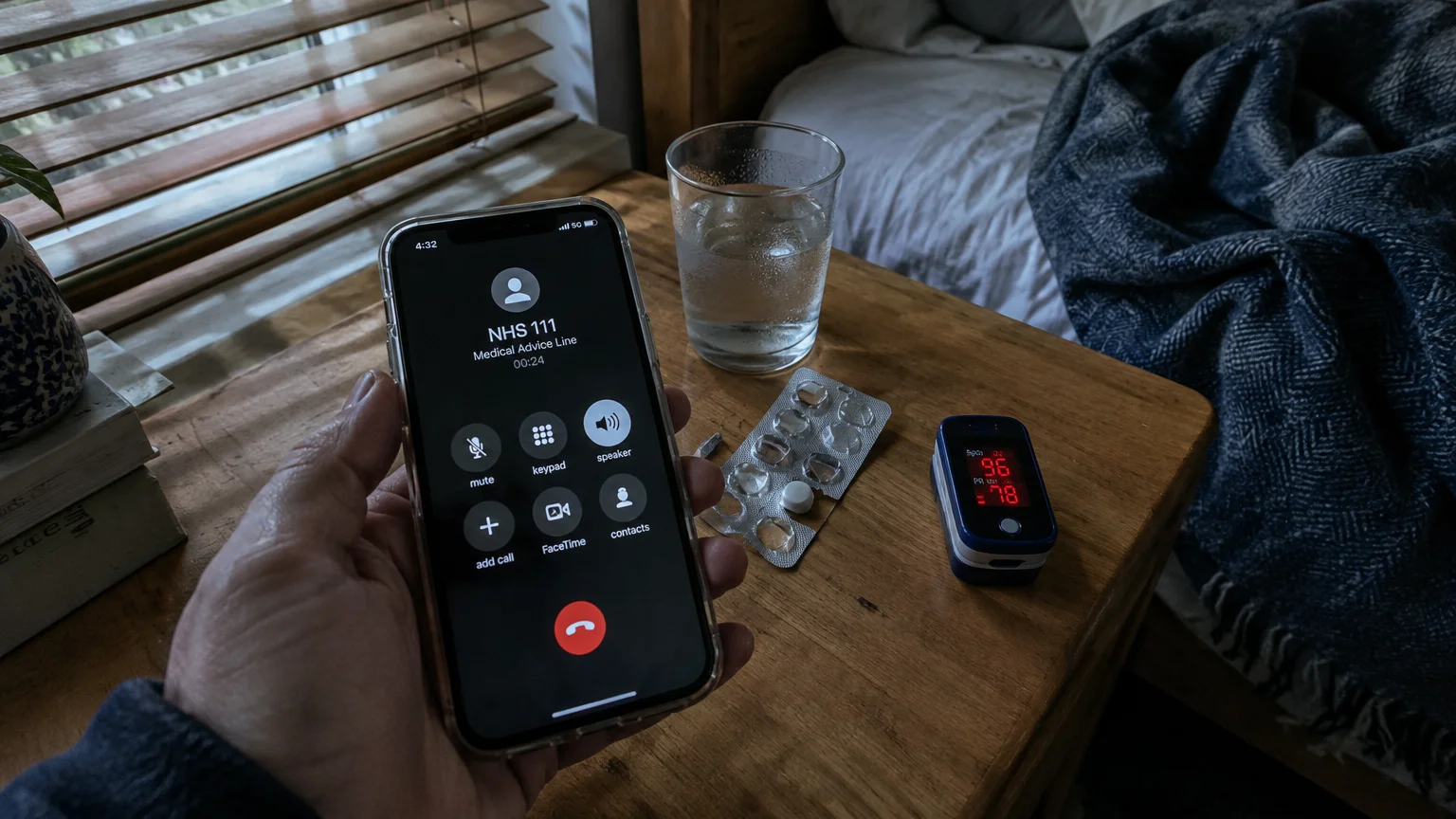
While most people recover from influenza within a week or two, certain red flags signal that your body needs urgent medical evaluation. Knowing these warning signs beforehand prevents dangerous hesitation during a frightening night.
Urgent Warning Signs in Adults
According to the CDC, adults should seek emergency medical care right away if they experience difficulty breathing, shortness of breath, or persistent pain or pressure in the chest or abdomen. Persistent dizziness, confusion, inability to stay awake, seizures, or stopping urination also require immediate help.
Severe muscle pain, profound weakness, or unsteadiness on your feet can indicate serious muscle or systemic complications. Watch closely for a fever or cough that improves for a day or two and then suddenly returns worse than before.
That rebound pattern often points to a secondary bacterial infection taking advantage of irritated airways. Any sudden worsening of chronic medical conditions—such as spiking blood glucose or flaring heart failure symptoms—also warrants prompt emergency care.
Urgent Warning Signs in Children
If you help care for grandchildren during flu season, keeping pediatric warning signs in mind is equally vital. Seek emergency care if a child shows fast or troubled breathing, bluish lips or face, or ribs pulling inward with each breath.
Chest pain, severe muscle pain that makes a child refuse to walk, or signs of dehydration—such as no urine for eight hours, a dry mouth, or crying without tears—require immediate attention. Lack of alertness when awake or seizures are also medical emergencies.
In addition, seek urgent care for a fever above 104 degrees Fahrenheit not controlled by fever-reducing medicine, or any fever at all in an infant younger than 12 weeks. Just as in adults, returning fever or worsening chronic conditions signal trouble.
Proactive Measures for This Flu Season and Beyond
Preventing severe influenza combines timely vaccination with practical everyday habits. Even as respiratory activity climbs during the 2026–2027 season, several evidence-backed steps strengthen your defense.
Getting the Updated 2026–2027 Flu Vaccine
The CDC, alongside major medical groups including the American Academy of Pediatrics, American Academy of Family Physicians, and American College of Obstetricians and Gynecologists, recommends an annual flu shot for everyone aged six months and older. Ideally, you should get vaccinated in September or October.
If you have not rolled up your sleeve yet, vaccination remains beneficial throughout the season as long as flu viruses continue circulating. You can safely receive your flu vaccine and an updated COVID-19 shot during the same appointment.
For the 2026–2027 season, health authorities—including the WHO, the US Food and Drug Administration, and the European Medicines Agency—updated all three components of the Northern Hemisphere vaccine. Notably, the formula now targets the influenza A(H3N2) subclade K strain that drove last winter’s surge.
If you are 65 or older, ask your pharmacist or physician for a high-dose, recombinant, or adjuvanted flu vaccine. The CDC preferentially recommends these enhanced formulations for older adults because they spark stronger immune protection.
Manufacturers projected up to 135 million doses for the US market this season, with 99 percent thimerosal-free and 27 percent produced without eggs. Even if you have an egg allergy, official guidance confirms you may receive any age-appropriate flu vaccine.
Smart Recovery and Isolation Habits
When early flu signs appear, staying home protects both your recovery and your community. Under the CDC’s unified Respiratory Virus Guidance, remain at home until two conditions are met simultaneously for at least 24 hours.
First, your symptoms must be improving overall, and second, you must be fever-free without relying on fever-reducing medications. Once you meet both benchmarks and resume normal activities, take added precautions for the next five days.
Helpful precautions include wearing a well-fitting mask around others, opening windows or running air purifiers to boost ventilation, keeping physical distance, and washing your hands often. Pairing simple hygiene with rest and hydration supports your immune system through full recovery.
What Scientists Are Tracking for Future Flu Seasons
Influenza viruses never stand still, which is why researchers monitored by the National Institutes of Health (NIH), CDC, and WHO track viral genetics year-round. Small genetic shifts—known as antigenic drift—gradually alter surface proteins, allowing strains like H3N2 subclade K to slip past older antibodies.
Global surveillance also tracks which viral lineages disappear. Starting in the 2024–2025 season, Northern Hemisphere vaccines shifted from four components to a trivalent formula covering two influenza A strains—H1N1 and H3N2—and one B/Victoria strain.
Scientists removed the B/Yamagata lineage because global surveillance networks have not detected it since March 2020. Continuous genetic tracking helps vaccine makers update formulations every spring so seasonal shots stay aligned with circulating viruses.
Frequently Asked Questions About Early Flu Signs and Treatment
Can you have the flu without running a fever?
Yes, you can have influenza with a completely normal body temperature. The CDC notes that not everyone develops a fever, and older adults in particular may show sudden fatigue, body aches, cough, or confusion without a temperature spike.
Do antibiotics help speed up recovery from the flu?
No, antibiotics only treat bacterial infections and have zero effect against influenza viruses. Taking unnecessary antibiotics can cause side effects like digestive upset without shortening your flu illness, though doctors may prescribe them if a secondary bacterial pneumonia develops.
Is it too late to get a flu shot once the season has started?
It is not too late to benefit from vaccination during autumn or winter. While September or October is ideal, getting vaccinated later still builds protection against strains circulating through spring, including the updated 2026–2027 H3N2 subclade K component.
Can older adults take flu antivirals after the 48-hour window?
Yes, clinicians still consider antivirals after 48 hours for adults 65 and older, hospitalized patients, and people with chronic medical conditions. Official CDC and IDSA guidelines note that later treatment can still reduce severe outcomes, so call your doctor promptly.
How long are you contagious with the flu?
Most adults can spread influenza starting one day before symptoms begin and continuing for five to seven days afterward. Contagiousness is highest during the first three days of illness, while young children and immunocompromised individuals may shed virus even longer.
Can people with egg allergies safely receive a flu shot?
Yes, people with egg allergies can safely receive any age-appropriate flu vaccine. In addition, roughly 27 percent of the projected 2026–2027 US flu vaccine supply is manufactured using non-egg-based technology, giving patients and clinicians even more flexible choices.
Protecting Your Health Through Early Awareness
Spotting early flu signs gives you control during a respiratory season that has started ahead of schedule. When sudden fatigue, body aches, or chills strike, treating those first 48 hours as an actionable window makes a measurable difference.
Pairing timely medical guidance and enhanced senior vaccines with practical recovery habits helps safeguard your independence and energy. Listening closely to your body’s earliest signals remains one of the smartest habits in healthy aging.
This article is for informational purposes only and is not a substitute for professional medical advice, diagnosis, or treatment.