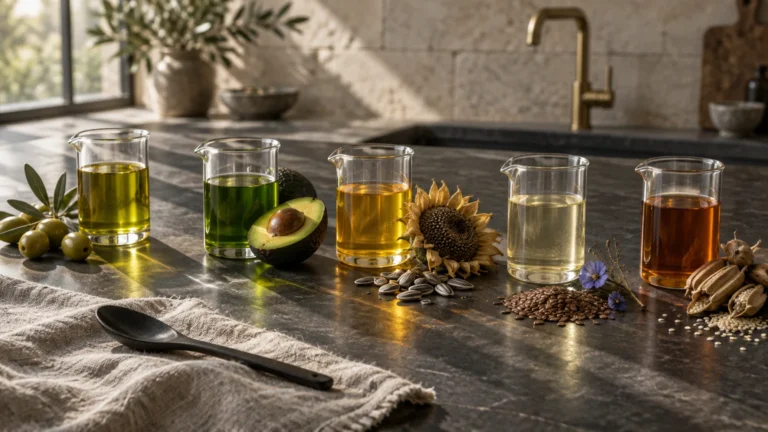
Drizzling rich extra virgin olive oil into your daily meals provides your brain and heart with life-extending vitality. Influencers across social media now claim that drinking a raw shot every morning supercharges these benefits.
Gulping undiluted oil on an empty stomach sounds simple, yet your digestive system processes concentrated fat in distinct ways. Scientific studies reveal a clearer, more comfortable path to harness these nutritional perks without unpleasant morning surprises.
Explore what really happens inside your body after an oil shot and discover how to optimize this golden elixir for lifelong wellness.
Why Healthy Fats Matter More Than Ever After Sixty
Your body undergoes profound physiological shifts as you cross sixty. Aging cell membranes naturally lose their flexibility, which impairs communication between cells and alters nutrient transport.
Consuming high-quality dietary fats restores elasticity to these cellular walls. Monounsaturated fats strengthen cell membranes across your brain, cardiovascular system, and vital organs.
Healthy fats also help your digestive tract absorb vital fat-soluble micronutrients. Without adequate dietary lipids, you cannot absorb fat-soluble vitamins effectively, even if you eat nutrient-dense meals.
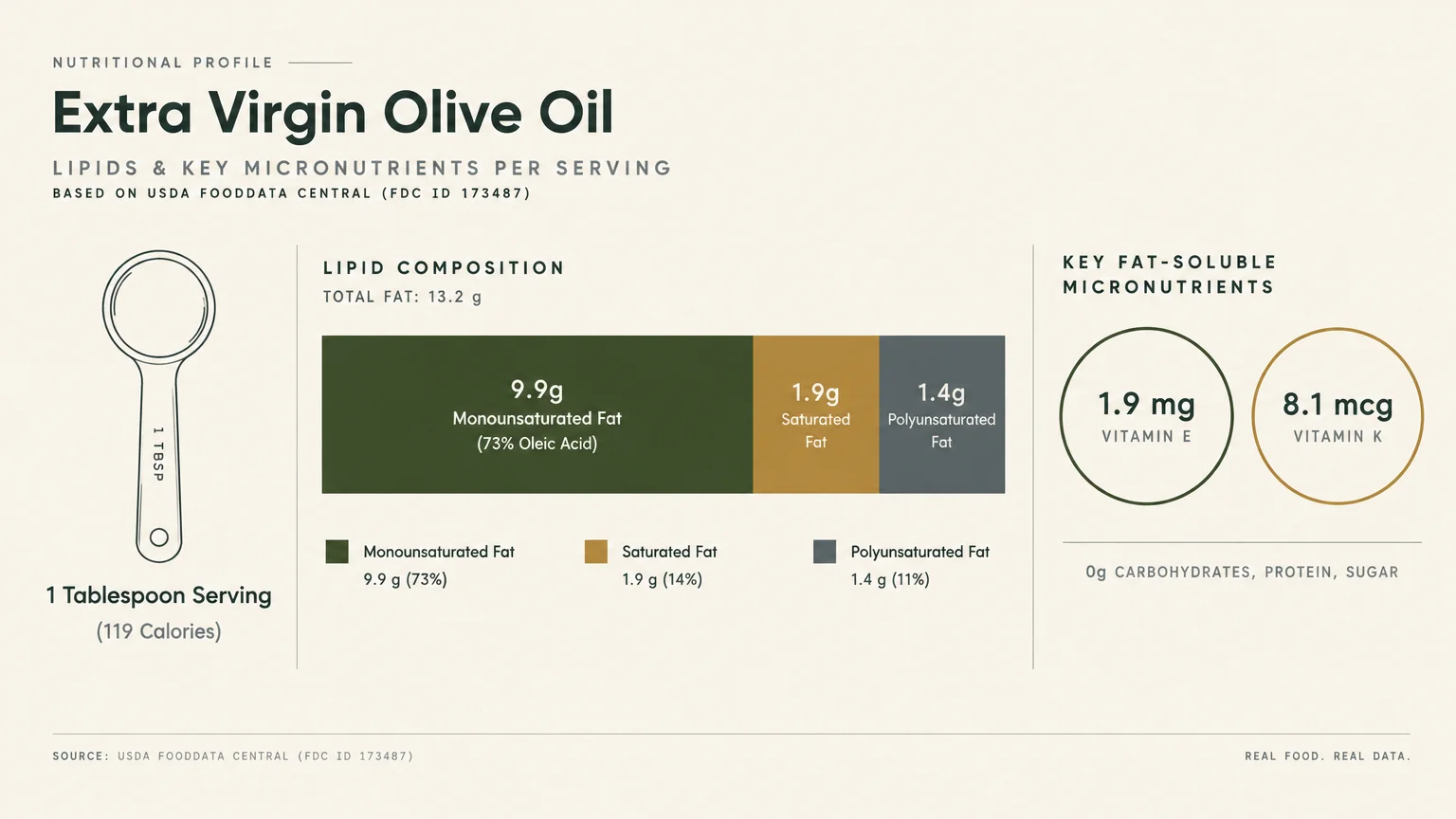
According to nutritional data from the USDA FoodData Central, a single tablespoon of extra virgin olive oil delivers exceptional nourishment. That single serving provides 119 calories and roughly 13.5 to 14 grams of total fat.
Monounsaturated fat accounts for approximately 9.9 grams of this total, which represents about 73% of the oil. This monounsaturated fraction consists primarily of oleic acid, a fatty acid celebrated for cardiovascular support.
The remaining lipid profile contains roughly 1.4 grams of polyunsaturated fat and 1.9 grams of saturated fat. Extra virgin olive oil contains zero grams of carbohydrates, protein, or sugar.
You also receive valuable micronutrients in every tablespoon. Each standard serving supplies 1.9 milligrams of Vitamin E and 8.1 micrograms of Vitamin K to support immune defense and bone health.
Maintaining strong bones and vibrant tissues requires steady supplies of these exact fat-soluble vitamins. Incorporating high-grade plant lipids into your daily routine offers a practical way to nourish your aging body.
The Morning Olive Oil Shot: Separating Internet Hype from Biological Fact
Social media feeds frequently showcase wellness advocates gulping raw shot glasses of olive oil at dawn. Enthusiasts claim this morning ritual flushes toxins, speeds weight loss, and ignites your metabolism.
The human body does not rely on morning oil shots for detoxification. Your liver and kidneys operate continuous, highly sophisticated filtration systems that work around the clock without liquid fat flushes.
Traditional Mediterranean cultures hold legendary reputations for longevity and cardiovascular health. Yet Greek and Italian centenarians never historically consumed shot glasses of raw oil on an empty stomach.
Instead, Mediterranean populations integrate olive oil directly into wholesome family meals. They pour generous streams over leafy greens, simmer it with lentils, and dip hearty whole-grain bread into it.
Clinical nutrition reviews confirm an essential truth: no scientific evidence shows that drinking olive oil straight on an empty stomach provides superior advantages over eating it with food. The remarkable biological benefits depend on total daily intake rather than taking a morning shot.
Swallowing liquid fat without solid food can actually create unnecessary friction in your gastrointestinal tract. Understanding the true benefits allows you to bypass fads and adopt practices backed by authentic clinical science.
Top Seven Evidence-Based Benefits of Olive Oil for Mature Adults
1. Powerful Cardiovascular Protection
Protecting your heart becomes increasingly vital as your arteries naturally stiffen over time. The predominant fat in olive oil—oleic acid—supports healthy arterial function and helps preserve normal blood pressure.
The U.S. Food and Drug Administration established a qualified health claim for olive oil in 2004, updating it in November 2018 for high-oleic oils containing at least 70% oleic acid. This guidance affirms that consuming about 1.5 tablespoons, or 20 grams, daily may reduce coronary heart disease risk.
To secure this heart benefit, you must use olive oil to replace dietary saturated fats without increasing your total daily calories. Substituting plant oils for butter lowers harmful low-density lipoproteins while preserving protective high-density lipoproteins.
Oleic acid also shields your blood vessel linings from chronic oxidative injury. This vascular defense keeps blood flowing smoothly toward your brain, heart, and working muscles.
2. Significant Defense Against Cognitive Decline
Maintaining sharp memory and rapid recall represents a cornerstone of independence after sixty. Extra virgin olive oil provides targeted neuroprotection by dampening neuroinflammation and curbing oxidative damage in brain tissue.
A landmark study led by the Harvard T.H. Chan School of Public Health and published May 6, 2024, in JAMA Network Open, tracked 92,383 U.S. adults over 28 years. The researchers uncovered extraordinary data regarding brain preservation.
Adults who consumed at least 7 grams of olive oil daily—just over half a tablespoon—exhibited a 28% lower risk of dementia-related death compared to those who rarely consumed it. This cognitive protection occurred regardless of overall diet quality.
Replacing just a small portion of commercial spreads with olive oil safeguards your delicate neural pathways. This simple dietary swap delivers measurable defense for your long-term cognitive health.
3. Whole-Body Longevity and Lower Mortality
Daily olive oil consumption actively promotes systemic longevity across multiple organ systems. The unique combination of monounsaturated lipids and bioactive antioxidants supports cellular repair throughout your body.
A major Harvard study published January 2022 in the Journal of the American College of Cardiology analyzed 60,582 women and 31,801 men from 1990 to 2018. The researchers documented profound reductions in death from major diseases.
Participants consuming more than 7 grams daily experienced a 19% lower risk of all-cause and cardiovascular disease mortality. They also enjoyed a 17% lower risk of cancer mortality and an 18% lower risk of respiratory disease mortality.
Remarkably, these individuals demonstrated a 29% lower risk of neurodegenerative disease mortality. The researchers determined that replacing 10 grams daily of butter, margarine, mayonnaise, or dairy fat with olive oil lowered overall mortality risk by 8% to 34%.
These expansive findings demonstrate that modest daily portions yield massive dividends for healthy aging. You do not need extreme rituals; you simply need steady, high-quality replacement.
4. Cellular Protection via Potent Polyphenols
Extra virgin olive oil contains a dense network of polyphenols that act as protective plant compounds. These polyphenols protect your tissues from premature cellular breakdown caused by lifestyle and environmental stress.
Under European Food Safety Authority Commission Regulation (EU) 432/2012, olive oil polyphenols hold official recognition for protecting blood lipids from oxidative stress. This protective benefit applies to oils supplying at least 5 milligrams of hydroxytyrosol and its derivatives per 20 grams.
Hydroxytyrosol intercepts unstable free radicals before they can degrade circulating cholesterol particles. Preventing lipid oxidation helps keep your arterial walls supple and free from dangerous plaque accumulations.
Refined cooking oils lose these protective molecules during high-heat processing. Choosing unrefined extra virgin varieties ensures you receive this scientifically verified cellular shield every single day.
5. Superior Absorption of Fat-Soluble Nutrients
Your digestive tract requires fat molecules to shuttle specific vitamins through the intestinal wall into your bloodstream. These fat-soluble nutrients include Vitamins A, D, E, and K.
Many older adults struggle with suboptimal Vitamin D status, which threatens bone density and physical balance. Consuming leafy greens, carrots, or salmon alongside olive oil dramatically amplifies your absorption of these essential vitamins.
Drinking a shot of oil into an empty digestive tract provides no immediate mealtime vitamins to absorb. Pairing the oil with nutrient-rich vegetables maximizes the nutritional return from every bite on your plate.
The natural fatty acids bind seamlessly with fat-soluble nutrients during stomach transit. This biological partnership ensures that your supplements and fresh meals deliver their complete therapeutic potential.
6. Soothing Systemic and Joint Inflammation
Low-grade, systemic inflammation frequently flares as we age, manifesting as morning stiffness and joint discomfort. Olive oil contains a natural phenolic compound known as oleocanthal, which demonstrates remarkable anti-inflammatory properties.
Oleocanthal mirrors the biological actions of mild anti-inflammatory compounds by inhibiting inflammatory enzymes. Regular intake helps dampen circulating inflammatory cytokines that aggravate aching hips, knees, and fingers.
Dampening chronic inflammation also relieves strain across your vascular network. By calming irritated tissues, your circulatory system moves oxygen and nutrients with far greater ease.
Consistent daily intake creates a cumulative soothing effect within your joints. This gentle cellular support helps you stay physically active, independent, and engaged in your favorite hobbies.
7. Encouraging Gentle Digestive Regularity
Digestive motility often slows as the decades advance, leading to frustrating bouts of constipation. Concentrated fats stimulate natural mucosal lubrication within the small intestine and colon.
Extra virgin olive oil encourages muscular contractions along the intestinal wall, helping waste move efficiently. It also nourishes beneficial bacterial strains within your gut microbiome, reinforcing healthy gut-barrier integrity.
Unlike stimulant laxatives, olive oil supports your digestive tract without triggering harsh cramping or dependency. It softens stools naturally while feeding protective microbes that produce beneficial short-chain fatty acids.
Integrating healthy fats into your daytime meals establishes a reliable, comfortable morning rhythm. Your entire digestive process becomes smoother and far more predictable over time.
What Actually Happens When You Drink Olive Oil on an Empty Stomach
Swallowing an undiluted shot of olive oil immediately upon waking initiates a rapid physiological chain reaction. Liquid fat enters your empty stomach without dietary fiber, carbohydrates, or protein to cushion its arrival.
Within ten minutes, your stomach detects a sudden surge of concentrated lipids and releases cholecystokinin, a potent digestive hormone. Cholecystokinin immediately signals your gallbladder to contract vigorously and expel stored bile into the upper small intestine.
For many older adults, this rapid, forceful gallbladder contraction triggers sudden nausea, heartburn, or sharp upper-abdominal discomfort. If you have dormant gallstones, this abrupt squeeze can provoke intense biliary colic.
Without solid food to slow gastric emptying, the concentrated bolus of oil rushes rapidly into the small intestine. This rapid lipid surge can overwhelm your digestive enzymes, drawing excess water into the bowel lumen.
The outcome is often urgent osmotic diarrhea or greasy loose stools within thirty to sixty minutes. Rather than detoxifying your system, your intestines are simply reacting to an unbuffered overload of pure fat.
Portion control also presents a significant challenge when drinking straight oil from a glass. A single tablespoon contains 119 calories and roughly 13.5 to 14 grams of fat, while a casual pour can easily exceed two tablespoons.
The U.S. Dietary Guidelines for Americans recommend a total daily allowance of 27 grams—just under 2 tablespoons—of all added oils for a 2,000-calorie diet. A single heavy-handed morning shot can exhaust your entire daily oil budget before breakfast begins.
Drinking liquid fat on an empty stomach also robs you of mealtime satiety. When you consume fats with fiber and protein, they promote steady fullness, whereas an undiluted liquid shot rarely satisfies your appetite.
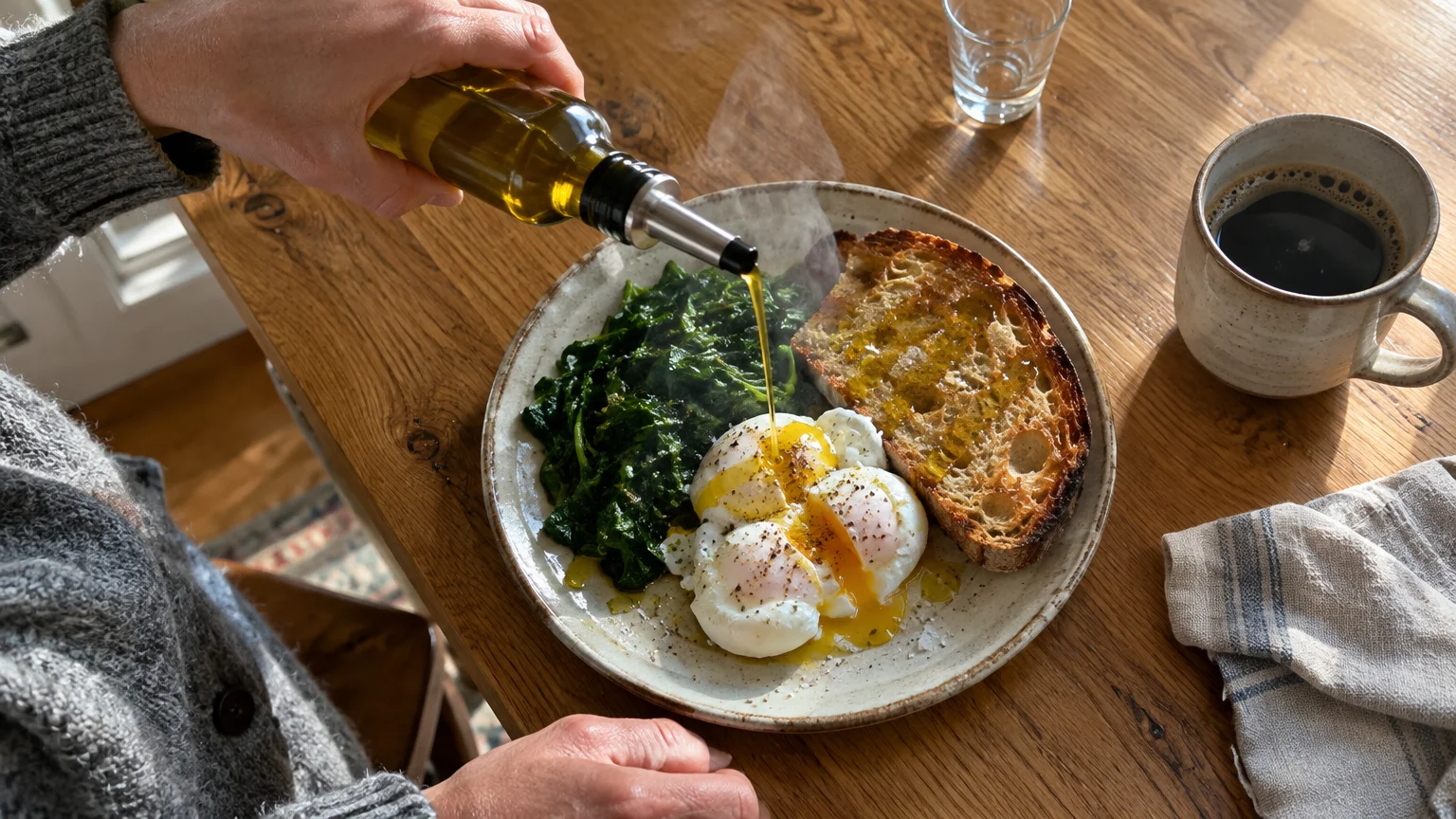
Straight Morning Shot vs. Enjoying Olive Oil with Meals
Clinical nutritionists consistently advise against swallowing straight olive oil shots on an empty stomach. The biological benefits do not require uncomfortable gastrointestinal distress or morning nausea.
Consuming olive oil alongside solid food dramatically changes how your digestive system handles fat. Dietary fiber, complex carbohydrates, and proteins act as natural sponges, pacing the release of lipids into your intestines.
This buffered pacing allows your gallbladder to release bile gradually, eliminating painful cramping and queasiness. Your pancreas can then deploy lipase enzymes smoothly, breaking down triglycerides without overwhelming your bowel.
Pairing olive oil with food also unlocks extraordinary culinary synergy. Research shows that healthy fats enhance the bioavailability of antioxidants found in colorful produce, such as lycopene in tomatoes and lutein in spinach.
Registered dietitians at the Academy of Nutrition and Dietetics emphasize that balanced dietary patterns yield superior long-term adherence. Forcing down a greasy shot often leads to burnout, while delicious meals bring lasting satisfaction.
Enjoying olive oil as a culinary enhancement lets you savor your food while reaping verified cardiovascular and cognitive rewards. Healthy eating should feel joyful and nourishing, never like an unpleasant morning chore.
Subtle Signs You Need More Healthy Fats in Your Routine
Many older adults spent decades exposed to outdated low-fat dietary advice. Restricting healthy fats too severely can quietly undermine your vitality and accelerate age-related complaints.
Dry, itchy, or flaking skin often serves as an early indicator of dietary fat insufficiency. Your skin requires essential fatty acids to construct the lipid barrier that locks in moisture and fends off environmental irritants.
Brittle nails and lackluster, thinning hair also signal that your diet lacks nourishing lipids. Without adequate fats, your follicles cannot produce the natural oils that maintain structural resilience.
Stiff, achy joints that crackle in the morning can reflect persistent systemic inflammation. A diet devoid of monounsaturated fats and polyphenols misses an opportunity to cool chronic inflammatory pathways.
Brain fog, forgetfulness, and sluggish mental processing can also stem from insufficient dietary fats. Your brain tissue contains roughly 60% fat, requiring steady lipid replenishment to maintain sharp neurotransmission.
Constant hunger shortly after finishing a meal indicates your plate lacked healthy fats. Adding a moderate amount of extra virgin olive oil slows stomach emptying, keeping you comfortably full between meals.
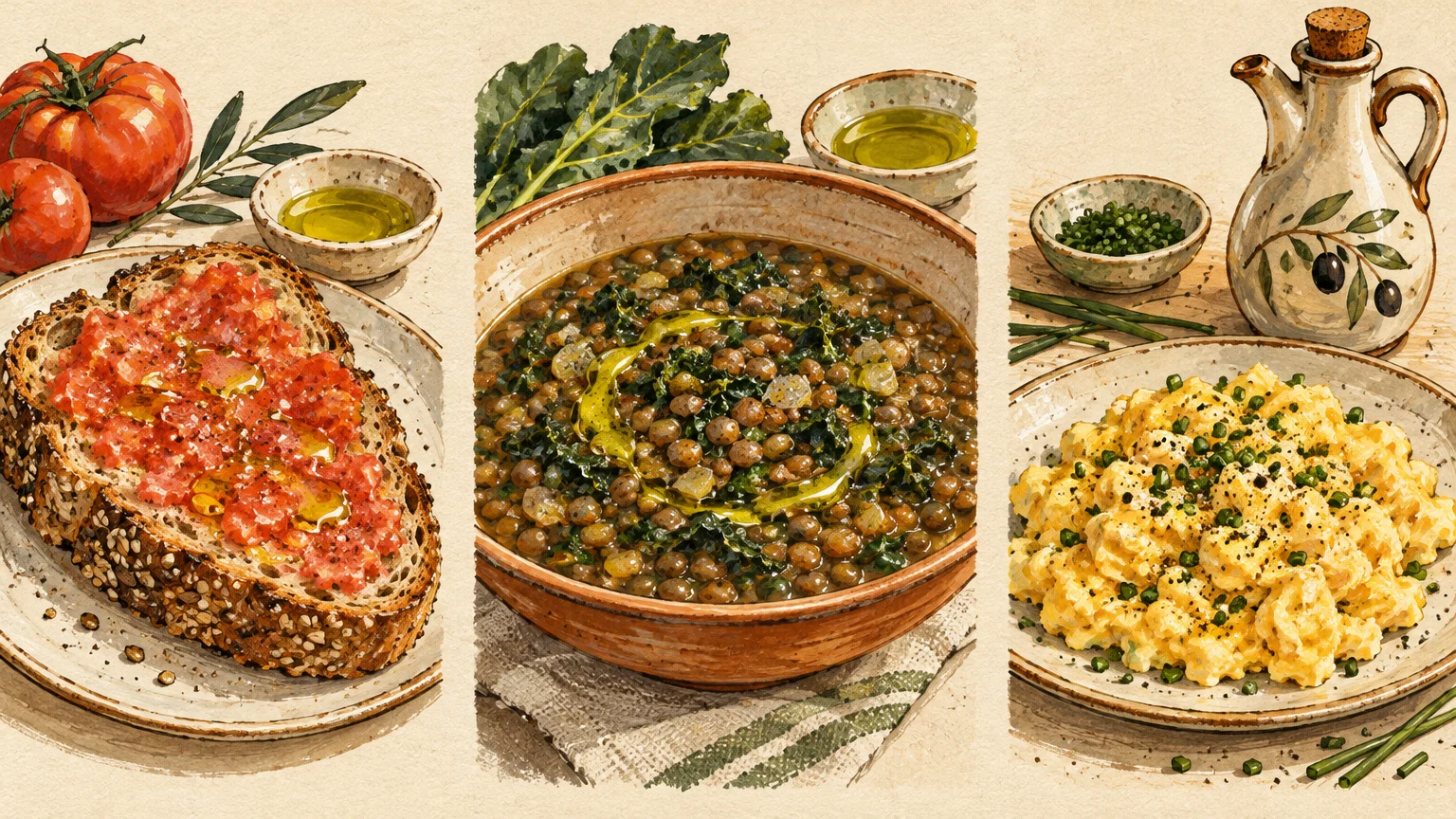
Practical and Delicious Ways to Add Olive Oil to Your Morning
You can easily welcome olive oil into your morning routine without ever swallowing a raw shot. Gentle culinary methods protect your digestion while delivering exquisite flavor to your palate.
Drizzle a measured tablespoon of extra virgin olive oil over warm scrambled eggs or poached eggs just before serving. The delicate heat releases fragrant aromas while coating the protein with velvety richness.
Pour a golden stream over toasted whole-grain sourdough bread instead of spreading hard, chilled butter. Add a sprinkle of cracked black pepper and fresh herbs for an authentic Mediterranean breakfast.
Whisk extra virgin olive oil with fresh lemon juice, Dijon mustard, and a pinch of sea salt. Drizzle this bright dressing over a morning bowl of baby spinach, sliced avocado, and hard-boiled eggs.
Stir a teaspoon of mild, fruity olive oil into warm steel-cut oats alongside toasted walnuts and chopped apples. This unexpected combination creates an exceptionally creamy texture with sustained morning energy.
Toss diced sweet potatoes in olive oil and bake them until golden and tender. Enjoy these nutrient-rich roasted cubes alongside your breakfast protein to fuel your morning walks.
How to Select and Store the Highest Quality Olive Oil
The health-promoting polyphenols that protect your cells are delicate and degrade easily under poor conditions. Selecting the right bottle at the grocery store ensures you receive genuine therapeutic value.
Always inspect the label for the term extra virgin, which guarantees the oil was extracted mechanically without harsh solvents. Avoid bottles labeled simply pure olive oil or light olive oil, as these have undergone extensive industrial refining.
Search for a clear harvest date printed directly on the glass or label. High-polyphenol oils maintain their peak biological activity within twelve to eighteen months of harvest.
Purchase olive oil packaged exclusively in dark amber, dark green, or opaque metal containers. Clear glass bottles allow ultraviolet light to penetrate, which oxidizes fragile fatty acids and destroys polyphenols.
Store your oil in a cool, dark kitchen cabinet away from the heat of your stove, oven, or microwave. Heat speeds molecular rancidity, turning beneficial fats into unpleasant, inflammatory compounds.
Seal the cap tightly after every use to prevent airborne oxygen from degrading the oil. Aim to finish an opened bottle within two months to experience its brightest flavor and highest antioxidant potency.

Crucial Health Considerations and When to Consult Your Doctor
While extra virgin olive oil offers remarkable health benefits, it is not suitable in large doses for everyone. Your unique medical history dictates how your digestive and metabolic systems handle concentrated fats.
Individuals with a history of gallstones or gallbladder inflammation should avoid drinking concentrated liquid fat shots entirely. Sudden gallbladder contractions can wedge stones into the bile duct, triggering an acute medical emergency.
Those managing pancreatic conditions or chronic malabsorption syndromes must pace their fat consumption carefully. Consulting your physician helps determine the exact fat threshold your digestive enzymes can manage comfortably.
Olive oil can exert mild blood-pressure-lowering effects and enhance your body’s sensitivity to insulin. If you take medications for hypertension or diabetes, monitor your numbers alongside your healthcare provider.
Remember that olive oil remains a calorie-dense food, providing 119 calories per tablespoon. Simply pouring oil over an unchanged, high-calorie diet can promote unintended weight gain over time.
The goal is substitution rather than blind addition; replace butter, margarine, and commercial mayonnaise with extra virgin olive oil. For personalized dietary advice tailored to your medical history, consult a registered dietitian or your primary physician.
Leading institutions like the National Institutes of Health emphasize that lasting wellness springs from consistent lifestyle patterns. Build an open dialogue with your healthcare team before adopting intensive dietary regimens.
Frequently Asked Questions About Morning Olive Oil
How much olive oil should you consume each day for optimal health?
Clinical studies indicate that consuming between half a tablespoon and 1.5 tablespoons daily yields substantial health benefits. Consuming about 20 grams, or roughly 1.5 tablespoons, satisfies the FDA qualified health claim for heart support.
You should use this oil to replace saturated fats rather than simply adding excess calories to your day. This modest amount easily fits within the 27-gram daily added-oil allowance recommended for standard 2,000-calorie diets.
Does drinking olive oil on an empty stomach burn stubborn belly fat?
No scientific evidence supports the claim that drinking olive oil melts abdominal adipose tissue. Fat loss requires a consistent caloric deficit alongside balanced nutrition and regular physical activity.
Swallowing liquid fat on an empty stomach provides concentrated calories without promoting satiety. You will achieve far better appetite regulation by eating olive oil alongside fiber-rich vegetables and lean proteins.
Is warm olive oil mixed with lemon juice effective for liver cleansing?
Drinking warm olive oil with lemon juice does not detoxify or cleanse your liver. Your liver neutralizes metabolic byproducts continuously through internal enzymatic pathways that do not require external citrus-oil flushes.
This mixture often triggers stomach upset, acid reflux, or diarrhea due to the acidic oil combination hitting an empty stomach. Enjoy lemon juice and olive oil as a delicious salad dressing instead.
Can olive oil replace prescribed cardiovascular or cholesterol medications?
Olive oil acts as a potent dietary ally, but it cannot replace medications prescribed by your cardiologist. Never discontinue blood pressure pills, statins, or blood thinners without direct medical supervision.
Consuming olive oil alongside prescribed therapies provides complementary support for your vascular endothelium. Discuss your dietary habits with your physician to ensure safe coordination with your medical plan.
What should you do if an olive oil shot makes you feel nauseated?
Stop taking undiluted morning shots immediately if you experience queasiness, cramping, or loose bowels. Your body is signaling that an unbuffered rush of pure lipid is overwhelming your gallbladder and pancreas.
Transition toward incorporating small amounts of olive oil directly into whole-food meals. Drizzling a teaspoon over toast or eggs provides the same nutrients without digestive distress.
Are cheap refined olive oils just as good as extra virgin varieties?
Refined olive oils lack the potent antioxidant polyphenols that give extra virgin varieties their clinical power. The chemical refining process strips away heat-sensitive compounds like hydroxytyrosol and oleocanthal.
While refined oils still contain monounsaturated fats, they offer minimal protection against lipid oxidation. Invest in certified extra virgin olive oil to secure the complete spectrum of anti-inflammatory benefits.
Your Three-Step Action Plan for a Healthier Routine
Step one invites you to audit your kitchen pantry today and remove inflammatory, highly processed fats. Replace commercial margarine, hydrogenated shortening, and processed salad dressings with authentic, dark-bottled extra virgin olive oil.
Step two encourages you to abandon the uncomfortable trend of raw morning shots. Instead, measure one level tablespoon of extra virgin olive oil and incorporate it directly into your wholesome breakfast.
Drizzle it over warm eggs, swirl it across avocado toast, or toss it with fresh breakfast vegetables. This simple culinary method ensures seamless digestion, optimal vitamin absorption, and sustained physical energy throughout your morning.
Step three focuses on consistent, moderate enjoyment across your entire weekly menu. Use olive oil to roast evening vegetables, dress crisp midday salads, and finish warm bean soups.
Making this golden Mediterranean oil a delicious staple of your shared meals enriches your physical vitality. Savor the journey toward vibrant health with every mindful, flavorful bite.
This article is for informational purposes only. Consult with a healthcare provider before making significant changes to your diet, exercise routine, or supplement regimen.