You can transform your nighttime rest by making simple, intentional adjustments to your evening plate and cup. Deep, uninterrupted sleep restores your daytime energy and protects your long-term vitality.
Many adults struggle with restless nights as natural hormone production shifts across the decades. Fortunately, specific bedtime foods and soothing beverages supply the exact nutrients your brain requires to trigger relaxation.
Choosing the right natural sleep aids can quiet a racing mind and ease physical tension before bed. Discover five powerful, wholesome options that you can enjoy this evening for deeper sleep tonight.
Why Restful Sleep Matters After 60
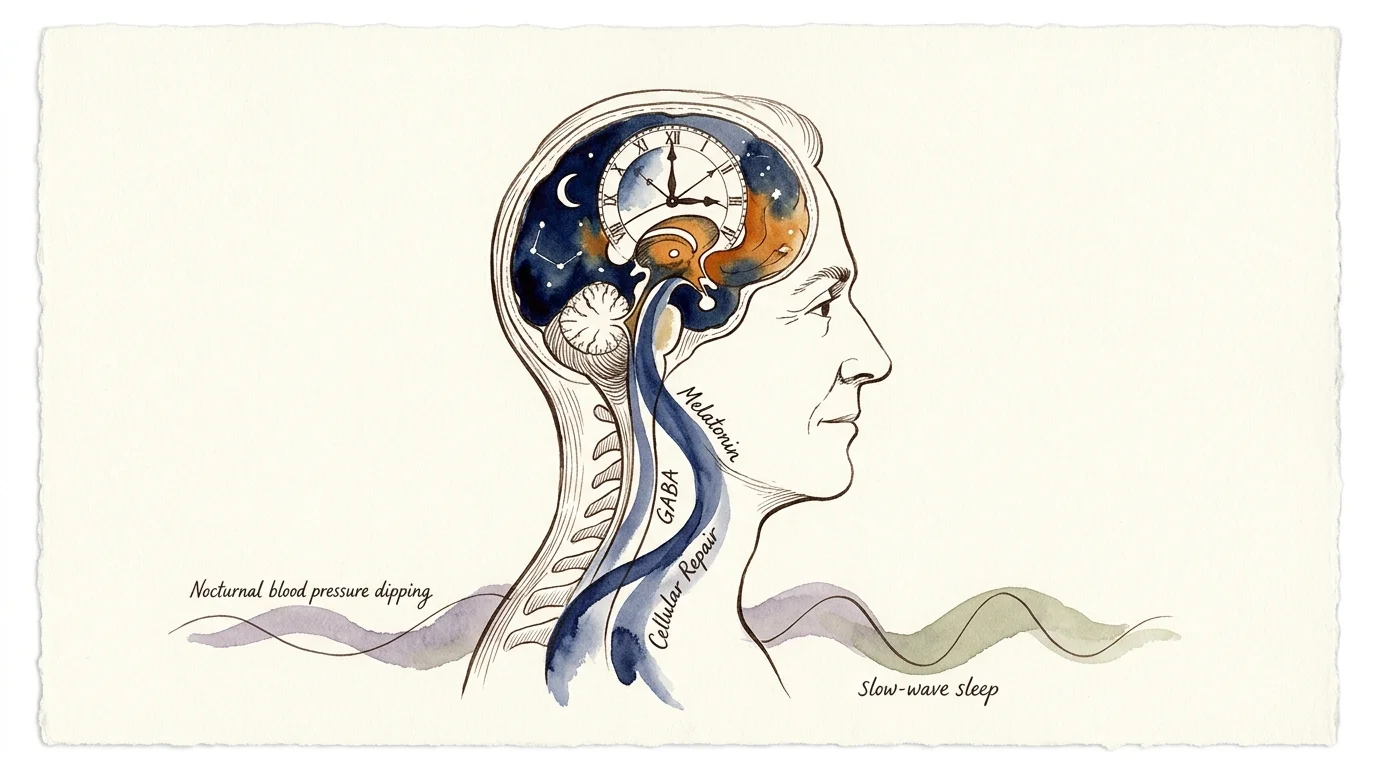
Your body undergoes noticeable physiological shifts as you age, particularly in how your brain regulates sleep architecture. The internal biological clock located in your hypothalamus gradually produces lower amounts of melatonin; this shift often leads to lighter, more fragmented slumber.
Seniors frequently experience altered circadian rhythms, which can cause you to feel drowsy earlier in the evening and awake before dawn. Research from the National Institutes of Health confirms that older adults need just as much restorative rest as younger individuals.
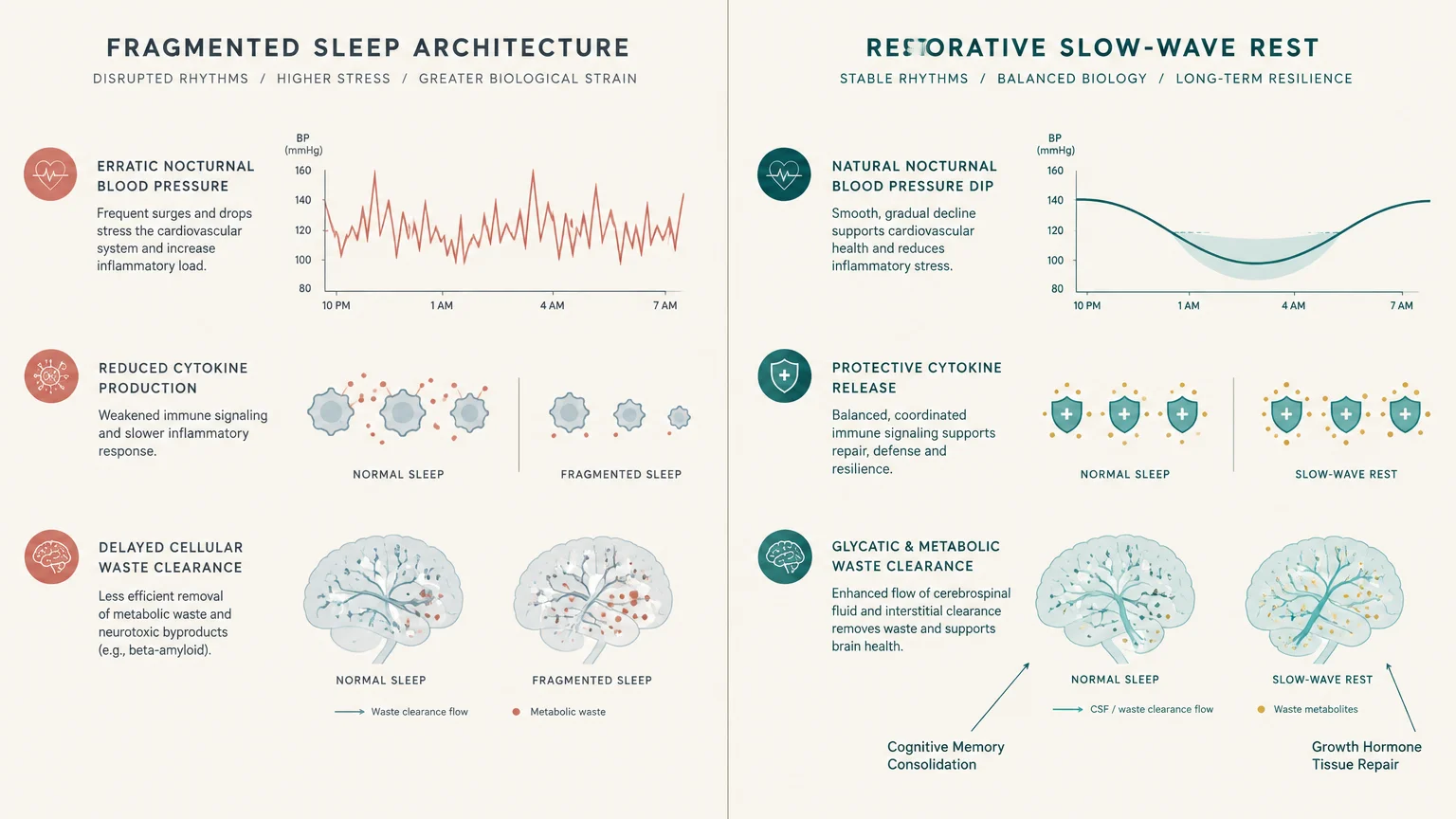
Deep sleep serves as the primary window for your brain to clear metabolic waste and repair damaged cellular structures. Without adequate time spent in slow-wave sleep stages, your cognitive speed, memory consolidation, and physical reflexes can decline.
In addition to cognitive effects, poor sleep directly impairs your immune defense mechanisms. When you miss out on quality rest, your body produces fewer protective cytokines, leaving you more vulnerable to everyday infections.
Musculoskeletal recovery also depends heavily on the nighttime release of growth hormones. Consistent sleep deprivation slows down tissue repair; this delay can aggravate chronic joint discomfort and morning stiffness.
Cardiovascular health is another critical area deeply influenced by nighttime rest patterns. Blood pressure naturally dips during deep sleep, providing your heart and arterial walls with essential relief from daytime strain.
Persistent sleep disruption prevents this nocturnal blood pressure reduction, raising your long-term cardiovascular risks. Prioritizing restful nights is therefore an essential strategy for maintaining healthy blood pressure levels as you mature.
Emotional health and daily patience also depend directly on your sleep quality. Restorative slumber balances neurotransmitters that regulate mood, helping you handle daily challenges with greater calm and ease.
Fortunately, your dietary choices hold tremendous power over your neurochemistry and nightly relaxation. Certain micronutrients serve as biological building blocks for the neurotransmitters that calm your nervous system.
Magnesium relaxes tight muscle fibers and regulates neurotransmitters like gamma-aminobutyric acid, commonly known as GABA. Meanwhile, the amino acid tryptophan serves as an indispensable precursor for both serotonin and melatonin production.
Targeted bedtime nutrition delivers these critical compounds directly into your bloodstream when your body needs them most. By feeding your brain the right precursors, you encourage smoother transitions into restorative sleep cycles.
The 5 Best Foods and Drinks for Better Sleep
1. Tart Cherry Juice
Tart cherry juice—especially the Montmorency variety—stands out as one of nature’s most concentrated sources of natural melatonin. Drinking this ruby-red juice signals your brain that night has arrived, prompting a natural cascade of sleepiness.
Unlike synthetic sleep supplements, tart cherries deliver melatonin alongside potent plant pigments called anthocyanins. These specialized antioxidants inhibit an enzyme that degrades tryptophan, allowing more of this sleep-inducing amino acid to reach your brain.
Tart cherries also contain unique procyanidins that decrease inflammation throughout your body. Lower inflammation levels allow your vascular system to relax, fostering the physical ease necessary for sleep.
Clinical investigations demonstrate that drinking tart cherry juice consistently can extend total sleep duration and reduce nocturnal awakenings. Older adults who consume it regularly often report waking up feeling clearer and more refreshed.
The anti-inflammatory properties of anthocyanins provide an added bonus for aging joints and muscles. By reducing systemic inflammation, tart cherry juice helps soothe the nighttime aches that frequently disrupt deep slumber.
For the best results, look for pure, unsweetened tart cherry concentrate or 100 percent tart cherry juice. Avoid cocktail blends that pack added sugars, which can destabilize your blood glucose levels right before bed.
Sip a small serving—about four to eight ounces—roughly one hour before you head to your bedroom. This timing allows your digestive system to absorb the nutrients without overburdening your bladder overnight.
You can enjoy it chilled, or mix it with warm water for a soothing, tart evening elixir. This simple beverage provides an effortless way to upgrade your nightly sleep preparation.
2. Almonds and Walnuts
Almonds and walnuts deliver an exceptional blend of minerals, healthy fats, and sleep-promoting hormones. Just a small handful of these crunchy nuts supplies a meaningful dose of magnesium, melatonin, and zinc.
Magnesium plays an indispensable role in calming the central nervous system; it binds to GABA receptors to quiet overactive neural firing. Without adequate magnesium, your muscles struggle to relax, which can contribute to nighttime leg cramps.
Walnuts in particular contain high amounts of alpha-linolenic acid, an essential omega-3 fatty acid. Your body converts these healthy fats into compounds that stimulate serotonin production, laying the groundwork for continuous sleep.
In addition, walnuts supply direct dietary melatonin that your brain absorbs efficiently. Pairing walnut melatonin with its natural zinc content creates an optimal biochemical balance for healthy sleep onset.
Nutritional guidelines from the U.S. Department of Agriculture highlight tree nuts as nutrient-dense powerhouses for healthy aging. Their balanced combination of protein and fat also helps stabilize your blood sugar throughout the night.
When blood sugar drops dramatically during sleep, your adrenal glands release cortisol and adrenaline to compensate. This survival response can wake you suddenly at two or three in the morning with a racing heart.
Eating an ounce of almonds or walnuts helps sustain steady glucose levels, preventing those abrupt midnight awakenings. Choose raw or dry-roasted varieties without heavy coatings of salt, sugar, or synthetic flavorings.
If chewing whole nuts feels tough on your teeth, consider a tablespoon of smooth, unsweetened almond butter. Spread it over a few whole-grain crackers or a celery stick for a gentle, satisfying evening snack.
3. Chamomile Tea
Chamomile tea has served as a trusted herbal remedy for restlessness across countless generations. Modern biochemical research reveals that this delicate floral tea exerts measurable, sedative-like effects on the human brain.
The primary therapeutic compound in chamomile is an antioxidant called apigenin. Apigenin binds directly to specific benzodiazepine receptors in your brain, diminishing anxious thoughts and initiating physical tranquility.
Because chamomile is completely caffeine-free, your brain’s adenosine receptors remain free to register natural fatigue. You do not risk the accidental stimulant effects associated with black or green teas.
Unlike pharmaceutical sedatives, chamomile works gently without creating grogginess or dependency the next morning. It fosters a relaxed mental state that allows you to drift off naturally when your head hits the pillow.
The warm temperature of freshly brewed tea also provides an important physiological cue for rest. Drinking warm liquids triggers peripheral blood vessels to dilate, which slightly cools your core body temperature—an essential signal for sleep.
Inhaling the fragrant steam while sipping chamomile also engages your olfactory senses, encouraging slower and deeper breathing. This brief mindful ritual helps shift your autonomic nervous system from sympathetic fight-or-flight into parasympathetic rest.
To brew an effective cup, steep two chamomile tea bags or loose flowers in hot water for ten minutes. Keeping the mug covered while steeping preserves the delicate volatile oils responsible for its calming properties.
Drink your tea about forty-five minutes before bed to maximize relaxation while giving your body time to void excess fluids. Chamomile represents a reliable cornerstone for any soothing nighttime winding-down routine.
4. Kiwi Fruit
Kiwi fruit is one of the most surprising and effective bedtime foods supported by modern sleep science. This vibrant, fuzzy fruit packs an impressive concentration of antioxidants, potassium, folate, and serotonin.
Serotonin serves as a vital neurotransmitter that regulates your sleep-wake cycles and sets the stage for deep sleep. Kiwis provide both serotonin and the metabolic precursors your body requires to synthesize more of it naturally.
Research indicates that eating two ripe kiwis an hour before bed significantly shortens the time it takes to fall asleep. Participants in clinical studies also achieved substantial increases in total sleep duration and sleep efficiency.
High levels of vitamin C and carotenoids in kiwis help suppress the chronic oxidative stress that can disrupt nocturnal rest. Neutralizing free radicals allows your cellular repair machinery to operate uninterrupted throughout the night.
Kiwis also provide a generous dose of potassium, an electrolyte mineral that relaxes blood vessels and muscle fibers. Maintaining optimal potassium levels helps prevent painful nocturnal foot and calf cramps that shatter rest.
Kiwis also offer a healthy serving of soluble and insoluble dietary fiber, which supports gentle, regular morning digestion. Good gut health correlates strongly with balanced neurotransmitter synthesis, establishing a strong gut-brain connection for sleep.
Unlike heavy, sugary desserts, a serving of two kiwis contains very few calories and maintains a low glycemic impact. This balance prevents digestive distress or uncomfortable heartburn when you recline in bed.
Simply slice two ripe kiwis in half and scoop out the green or golden flesh with a spoon. Enjoy them as a refreshing, palate-cleansing treat as part of your post-dinner wind-down routine.
5. Warm Dairy or Fortified Plant Milk
Warm milk remains a classic bedtime staple for good reason; its physiological and biochemical benefits are well-documented. Dairy milk provides a rich concentration of tryptophan, the essential amino acid your brain transforms into melatonin.
Milk also contains bioavailable calcium, which directly assists your brain cells in utilizing tryptophan to produce sleep hormones. This synergy makes dairy an exceptionally efficient delivery vehicle for natural sleep induction.
Bioactive milk peptides, such as alpha-casozepine, exert calming effects on the central nervous system. These natural peptides help lower cortisol levels, reducing feelings of stress and tension before bed.
If you avoid dairy due to lactose sensitivity, fortified soy or oat milk provides an outstanding alternative. Many plant milks come fortified with calcium and vitamin D, both of which support healthy circadian signaling.
Soy milk in particular contains generous amounts of plant-based tryptophan and isoflavones. These compounds help support balanced estrogen and hormone levels, which can reduce nighttime hot flashes or restless wakeups in seniors.
The comforting warmth of the drink also carries powerful psychological associations with security and relaxation. Heating your milk gently on the stove creates an intentional, calming pause at the end of a bustling day.
To enhance its sleep-inducing power, sprinkle a dash of ground nutmeg or cinnamon over your mug. Nutmeg contains myristicin, a natural compound that promotes gentle sedation and muscle relaxation.
Aim for a modest six-ounce serving about forty minutes before retiring to your bedroom. This portion satisfies evening hunger without causing fluid retention or nighttime trips to the bathroom.
Signs of Poor Sleep and the Benefits of Deep Rest
Recognizing the warning signs of insufficient sleep allows you to address subtle deficiencies before they compromise your independence. Frequent morning fatigue, midday sluggishness, and irritability often indicate that you are spending too little time in slow-wave sleep.
Physical clues can also manifest as balance instability, slower gait speed, and increased clumsiness during daily tasks. When your nervous system lacks restorative downtime, neuromuscular coordination and reaction times suffer noticeably.
Cognitive slips—such as forgetting common words, misplacing household items, or struggling with focus—frequently stem from poor sleep quality. Your brain consolidates short-term memories into long-term storage primarily during non-REM sleep stages.
Chronic sleep deficits also dysregulate appetite hormones like ghrelin and leptin, sparking cravings for refined sugars and carbohydrates. This hormonal imbalance can make steady weight management significantly more difficult as you age.
On the other hand, securing restorative slumber yields transformative health benefits across every physiological system. Consistent sleep strengthens your immune resistance, enabling your body to fight seasonal bugs and viral threats effectively.
Deep sleep also optimizes insulin sensitivity and glucose metabolism, helping you maintain stable energy levels throughout the afternoon. This metabolic stabilization reduces unwanted food cravings and supports long-term vascular health.
Furthermore, regular, quality sleep protects brain longevity by activating the glymphatic system to flush away toxic protein deposits. You awake with sharper mental clarity, a brighter mood, and greater enthusiasm for physical activity.
Cellular detoxification in your liver and kidneys also accelerates while you sleep soundly. This natural internal cleansing leaves your tissues refreshed and primed for vibrant daytime performance.
How to Easily Add Bedtime Foods to Your Nightly Routine
Integrating these sleep-promoting foods and beverages requires very little preparation or disruption to your established schedule. The key lies in creating predictable, repeatable habits that train your body to expect rest.
Begin by setting a consistent evening nourishment window roughly sixty to ninety minutes before your planned bedtime. This timing ensures your stomach digests the food comfortably while your bloodstream circulates the calming nutrients.
Keep your bedtime portions small and focused; an evening snack should never resemble a full meal. A modest snack prevents digestive strain, reflux, and gastrointestinal discomfort while you lie flat.
Consider pairing complementary items together to amplify their soporific impact. For instance, pairing a small handful of walnuts with a sliced kiwi provides both magnesium and direct serotonin precursors.
Alternatively, steep a mug of chamomile tea and pair it with a single tablespoon of almond butter. This combination delivers soothing warmth, nervous system-calming apigenin, and sustained blood sugar support.
Prepare your snacks in a calm, dimly lit kitchen to support the onset of natural drowsiness. Lowering overhead kitchen lights signals your pineal gland to initiate melatonin production without delay.
Stock your pantry and refrigerator during your weekly grocery run with these sleep-supportive items. Keep unsweetened tart cherry juice, raw nuts, ripe kiwis, and herbal teas visible and easily accessible.
Replace sugary desserts or caffeinated evening snacks with these nutrient-dense choices. Over time, your brain will associate these flavors and aromas with comfort, safety, and deep, restorative sleep.

What to Consider: Timing, Portions, and Medications
While whole foods offer gentle, natural support for sleep, several practical factors warrant careful consideration. Always evaluate your personal medical history, gastrointestinal sensitivities, and prescription medications before introducing new dietary habits.
Individuals with gastroesophageal reflux disease, commonly called GERD, must pay special attention to timing and food volume. Consuming acidic tart cherry juice or eating too close to lying down can trigger uncomfortable heartburn.
If acid reflux bothers you, finish all snacks at least two hours before reclining in bed. Opt for non-acidic options like chamomile tea or a small spoonful of almond butter instead.
Fluid management is equally important for seniors looking to minimize nighttime awakenings caused by frequent urination. Limit your evening beverage intake to four to six ounces to protect your bladder comfort throughout the night.
Check the labels of packaged bedtime snacks to avoid hidden sugars or excess sodium. Sodium can raise blood pressure and cause nighttime thirst, while refined sugar disrupts smooth sleep cycles.
Be mindful of potential interactions between therapeutic foods and specific prescription drugs. For example, tart cherries and kiwis contain moderate potassium levels, which requires monitoring if you take certain blood pressure medications.
Registered dietitians certified by the Academy of Nutrition and Dietetics emphasize whole foods over high-dose synthetic supplements. Food sources provide balanced nutrient cofactors that work synergistically without overwhelming your liver or kidneys.
Always talk openly with your primary care physician or a registered dietitian regarding persistent insomnia or sleep disturbances. Dietary adjustments work best as part of an integrated medical and lifestyle wellness plan.
Frequently Asked Questions About Sleep Nutrition
How far in advance of bedtime should I consume these foods?
Aim to consume your sleep snacks sixty to ninety minutes before turning off the lights. This window allows your digestive tract to process nutrients and release sleep-regulating compounds into your bloodstream.
Drinking liquids too close to bedtime can wake you for midnight bathroom trips. Finishing your chamomile tea or cherry juice an hour before sleep prevents this disruption.
Can I drink tart cherry juice if I have diabetes?
Yes, but you should select unsweetened varieties and monitor your carbohydrate intake closely. Pure tart cherry juice has a moderate glycemic index and contains natural fruit sugars.
Diluting two to four ounces of juice with plain sparkling or warm water helps manage glucose spikes. You can also pair it with raw almonds to slow down carbohydrate absorption.
Are frozen kiwis and dried cherries as effective as fresh options?
Frozen fruits retain nearly all of their original vitamins, antioxidants, and serotonin precursors. Thawing frozen kiwi or adding it to a light evening puree works wonderfully for sleep support.
Dried tart cherries also retain beneficial polyphenols, but they are far more concentrated in natural sugars. Limit dried cherry portions to two tablespoons to avoid late-night blood sugar swings.
What if warm dairy milk upsets my digestion?
If lactose intolerance creates gas, bloating, or stomach discomfort, choose warm unsweetened soy or almond milk. Fortified soy milk offers comparable amounts of tryptophan without causing digestive irritation.
Lactose-free cow’s milk is another excellent option that provides the exact same calcium and protein benefits. Heating any gentle, plant-based milk provides the same soothing psychological cue for bedtime.
How do bedtime foods compare to over-the-counter sleep aids?
Over-the-counter sleep medications often contain antihistamines that can cause morning grogginess, dry mouth, and confusion in older adults. Whole foods support your body’s natural hormonal rhythms gently without lingering side effects.
While whole foods may work more subtly than pharmaceutical sedatives, they build sustainable, long-term sleep health. They nourish your neurological system rather than forcibly knocking your brain into an artificial sleep state.
Can eating nuts right before bed cause weight gain?
A modest one-ounce portion of almonds or walnuts will not cause weight gain when kept within your daily energy budget. Their healthy unsaturated fats and protein actually promote satiety and prevent midnight pantry raids.
Avoid mindless snacking straight from a large container by measuring your portion beforehand. Placing a single handful in a small dish keeps your calories controlled and your sleep on track.
Steps for Better Sleep Tonight
Achieving deep, rejuvenating rest does not require complicated regimens or harsh medications. Nourishing your body with targeted, nutrient-rich foods and beverages aligns your biological systems for effortless rest.
Tonight, select just one item from this guide to incorporate into your evening wind-down routine. Whether you sip a mug of chamomile tea or enjoy two kiwis, observe how your body responds.
Dim your living room lighting an hour before bed to encourage natural melatonin release alongside your snack. Pair your nourishing choice with a calm, screen-free activity like reading or gentle stretching.
Keep your bedroom cool, dark, and quiet to support the drop in core temperature that deep sleep requires. A comfortable sleeping environment works synergistically with the sleep-promoting nutrients you consume.
Maintain consistent bed and wake times throughout the week to reinforce your body’s circadian clock. Regular sleep timing magnifies the benefits of every healthy dietary choice you make.
You possess the tools to reclaim peaceful, restorative sleep and awaken with vibrant daytime energy. Take your first deliberate, delicious step tonight and give your body the rest it truly deserves.
This article is for informational purposes only. Consult with a healthcare provider before making significant changes to your diet, exercise routine, or supplement regimen.