
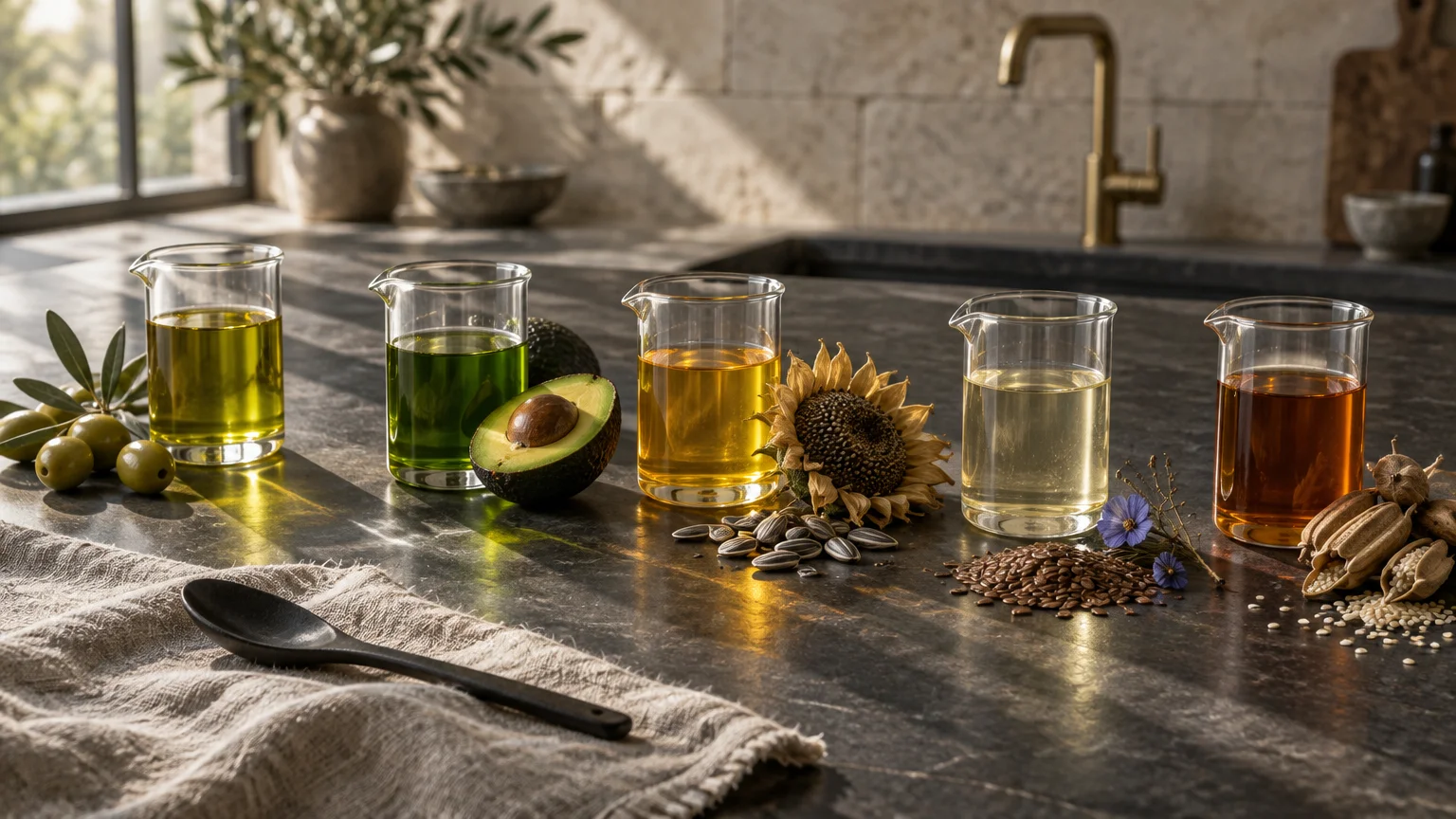
Choosing the right cooking oil can transform your cardiovascular health and sharpen your culinary results instantly. High-quality fats protect your arteries, sustain steady energy, and keep your vital organs functioning smoothly.
When you heat cooking oils past their thermal limits, unstable chemical bonds break down into harmful free radicals. By selecting the best heat-tolerant oils, you safeguard your body against cellular inflammation and arterial stiffness.
This comprehensive guide reveals the top five evidence-based oils for sautéing, roasting, and frying so you can savor delicious meals with absolute confidence.

Why Healthy Cooking Oils Matter After 60
Your body undergoes noticeable physiological shifts as you age, especially regarding cardiovascular elasticity and metabolic processing. Healthy dietary fats provide the necessary building blocks for hormone production, cell membrane integrity, and long-term brain health.
The Dietary Guidelines for Americans released on January 7, 2026, emphasize that adults must limit saturated fat to less than 10% of total daily calories. They explicitly recommend replacing solid animal fats with nutrient-dense vegetable oils rich in essential fatty acids.
When you cook with unrefined or minimally processed plant oils, you deliver powerful monounsaturated and polyunsaturated fats directly to your bloodstream. These beneficial lipids actively lower low-density lipoprotein cholesterol while preserving your protective high-density lipoproteins.
Fat-soluble vitamins such as vitamins A, D, E, and K require dietary lipids for efficient digestive absorption. Without adequate culinary fats, your body cannot fully absorb the nutrients present in leafy greens, carrots, and cruciferous vegetables.
Chronic low-grade inflammation often accelerates joint stiffness and cardiovascular disease during your senior years. Premium culinary oils contain rich concentrations of natural polyphenols that neutralize oxidative stress before it harms delicate vascular linings.
Your brain consists of nearly sixty percent fat, requiring a continuous supply of clean fatty acids to maintain sharp cognitive function. Selecting the correct oils prevents cognitive sluggishness while nourishing vital neural pathways throughout your golden years.
Digestive efficiency also changes over time, meaning heavy, greasy meals cooked in inferior fats can trigger uncomfortable acid reflux. High-grade cooking oils digest smoothly, providing clean fuel without burdening your gastrointestinal tract.
Prioritizing pure, unadulterated cooking oils in your kitchen represents one of the simplest, most rewarding preventive health strategies available. Every meal you prepare becomes an active opportunity to defend your heart and nurture your physical vitality.
The Science of Heat: Understanding Smoke Points and Stability
The smoke point marks the exact temperature at which a heated oil stops shimmering and begins to visibly burn. Once an oil smokes, its chemical structure fractures, creating unpleasant acrid flavors along with toxic compounds like acrolein.
Many home cooks mistakenly believe that smoke point represents the single most important factor when selecting a frying oil. However, clinical researchers at the National Institutes of Health evaluate oxidative stability alongside temperature thresholds.
Oxidative stability describes how well an oil resists chemical breakdown when exposed to prolonged heat and oxygen. Oils packed with antioxidants and monounsaturated fats resist oxidation far better than fragile, polyunsaturated alternatives—even under high heat.
When unstable oils oxidize, they generate harmful lipid peroxides and secondary aldehydes that trigger cellular stress inside your blood vessels. Consuming oxidized fats over time accelerates arterial plaque buildup and impairs circulatory health.
Saturated fats resist oxidation effectively because their carbon atoms are completely saturated with hydrogen bonds; however, they elevate cardiac risk factors. Monounsaturated fats provide the ultimate middle ground—exceptional molecular stability combined with proven cardiovascular benefits.
Gentle pan-sautéing typically occurs between 250°F and 320°F, whereas deep frying and high-heat roasting require temperatures between 350°F and 400°F. Matching your cooking technique to an oil with compatible heat tolerance guarantees both delectable flavor and safe nutrition.
Investing in stable oils ensures that your hot skillet enhances your dinner rather than degrading its nutrient value. You preserve the inherent vitamins in your fresh vegetables while keeping your culinary space free of irritating, rancid fumes.
The 5 Best Oils for Frying and Cooking
Nutrition experts evaluate cooking oils based on their fatty acid profiles, refining methods, culinary adaptability, and scientific safety data. The following five options stand out as premier choices for health-conscious cooks seeking superior flavor and cardiovascular defense.
1. Extra Virgin Olive Oil: The Mediterranean Gold Standard
Extra virgin olive oil serves as the cornerstone of the heart-healthy Mediterranean diet, renowned worldwide for promoting longevity. Cold-pressed without harsh chemical solvents, this exceptional oil retains its full spectrum of bioactive antioxidants and aromatic plant compounds.
Extra virgin olive oil features prominently at the center of the federal food guide graphic released in early 2026. Federal guidelines encourage home cooks to prioritize this monounsaturated staple over butter and shortened fats across all daily meals.
Under the updated rule effective February 25, 2025, the U.S. Food and Drug Administration officially permits 100% olive oil packaging to carry the voluntary healthy claim. The agency shifted focus toward reduced saturated fat content rather than restricting total dietary fat.
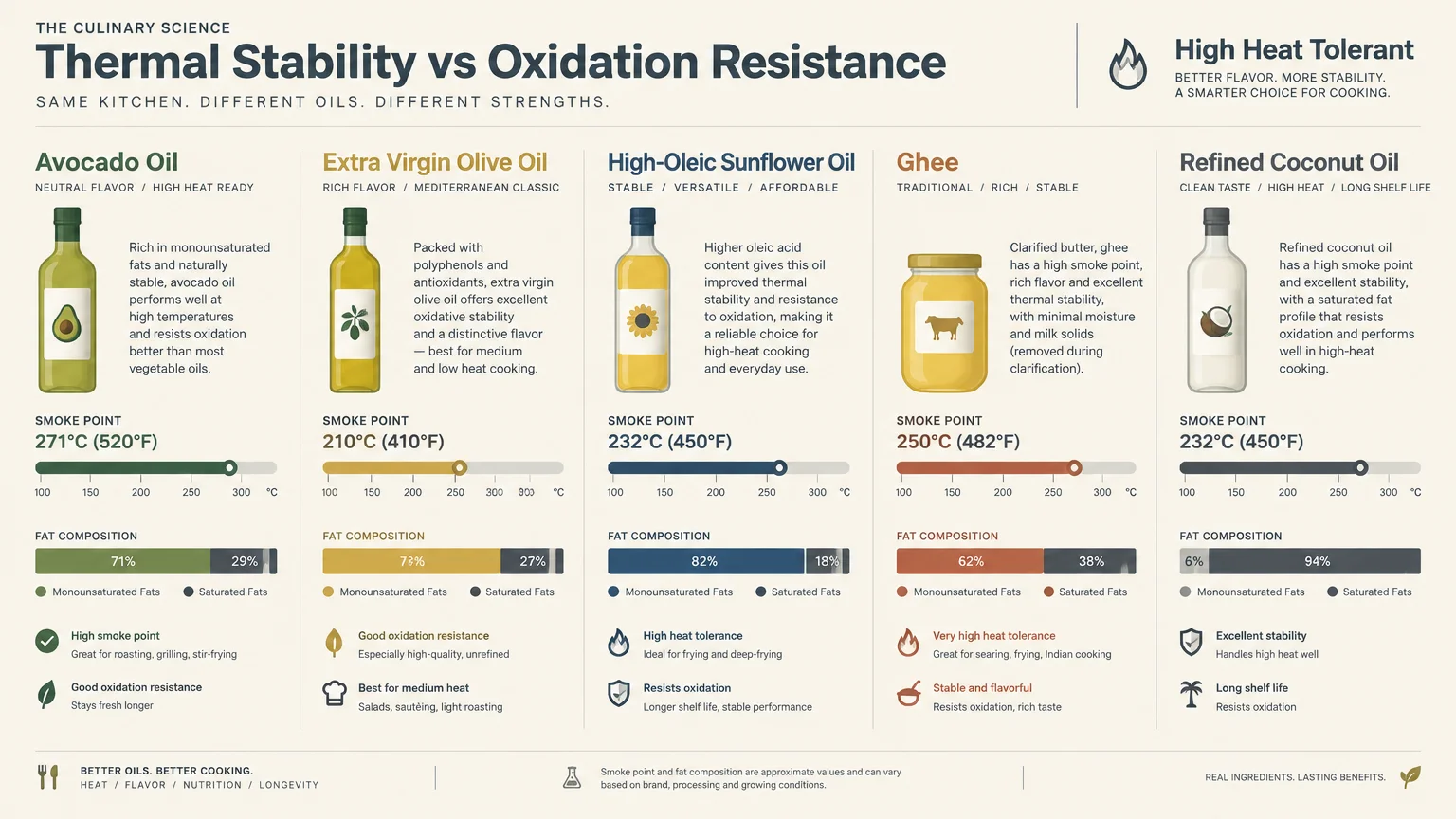
Contrary to an enduring culinary myth, high-quality extra virgin olive oil handles medium-high cooking temperatures with remarkable resilience. Its dense concentration of polyphenols and high oleic acid content protect the liquid from thermal degradation up to approximately 410°F.
You can confidently use extra virgin olive oil for pan-searing poultry, roasting vibrant vegetables, and executing delicate stovetop sautés. Its signature peppery finish indicates the presence of oleocanthal, a natural compound that exhibits anti-inflammatory properties similar to ibuprofen.
To protect consumers against deceptive adulteration, the FDA introduced strict proposed regulations in June 2026 governing olive oil purity and identity. These rigorous purity standards ensure that bottles labeled extra virgin contain genuine, uncompromised olive extract rather than cheap seed blends.
Regular consumption of authentic olive oil helps maintain supple arterial walls, regulates systolic blood pressure, and supports healthy gut bacteria. Incorporating two tablespoons into your daily cooking routine delivers measurable, long-term cardiovascular defense.
When shopping, select dark glass bottles or tins that shield the delicate green liquid from degrading light. Check the label for a clear harvest date within the past twelve to eighteen months to guarantee peak antioxidant potency.
2. Avocado Oil: The High-Heat Powerhouse
Extracted straight from the fleshy pulp of ripe avocados, avocado oil boasts one of the most impressive nutritional resumes. Like olive oil, it consists primarily of monounsaturated oleic acid, making it exceptionally gentle on your cardiovascular system.
Refined avocado oil provides an astonishingly high smoke point that reaches up to 520°F without smoking or degrading. This extraordinary heat tolerance makes it the undisputed champion for high-temperature stir-frying, indoor searing, and oven roasting.
Unrefined virgin avocado oil retains an emerald hue and offers a mild, buttery flavor with a lower smoke point near 375°F. It serves beautifully in warm skillet dressings, light baking, and gentle stovetop preparations where subtle flavor shines.
Avocado oil delivers generous quantities of lutein, a specialized carotenoid antioxidant that accumulates directly within your eye retinas. Adequate lutein intake protects aging eyes against oxidative blue-light damage and reduces the progression of age-related macular degeneration.
Because avocado oil has a completely neutral aroma when refined, it will never overpower your delicate culinary creations. You can sear wild-caught salmon fillets or brown tender chicken breasts without altering the authentic herbs and spices in your recipe.
Recent labeling audits show that avocado oil purity varies widely, so you must select reputable brands with verified sourcing. Look for certifications from independent third-party laboratories on the label to ensure your bottle contains purely extracted avocado lipids.
Swapping conventional vegetable shortening for versatile avocado oil reduces saturated fat intake instantly while eliminating dietary trans fat exposure. It behaves wonderfully in high-temperature cast-iron skillets where other common culinary oils would rapidly burn and scorch.
3. High-Oleic Safflower and Sunflower Oils: Balanced Performance
Traditional sunflower and safflower oils contain high levels of fragile polyunsaturated linoleic acid, which makes them susceptible to heat oxidation. However, plant breeders developed high-oleic varieties that completely transform the nutritional architecture of these golden seed oils.
High-oleic versions contain up to eighty percent monounsaturated fatty acids, matching the protective lipid profile found in premium olives. This genetic composition gives high-oleic safflower and sunflower oils phenomenal resistance to high-temperature thermal breakdown.
With clean smoke points hovering comfortably around 450°F, high-oleic safflower oil handles deep frying and baking with effortless grace. It creates wonderfully crisp coatings on oven-baked fish and pan-fried cutlets without leaving any greasy aftertaste.
These seed oils deliver exceptional amounts of natural alpha-tocopherol, the most biologically active form of vitamin E. Vitamin E serves as your body’s primary fat-soluble antioxidant, defending cell membranes against oxidative wear and immune decline.
Seniors managing elevated blood glucose levels benefit greatly from swapping saturated fats for high-oleic seed oils. Clinical nutrition studies show that monounsaturated fatty acids improve insulin sensitivity, aiding in steady blood sugar regulation following carbohydrate-rich meals.
Always verify that the bottle explicitly states high-oleic on the front label before purchasing sunflower or safflower products. Standard, non-high-oleic versions lack comparable oxidative stability and degrade quickly when subjected to vigorous skillet heat.
Because high-oleic safflower oil remains liquid even under cold temperatures, you can easily blend it into homemade vinaigrettes. It offers maximum kitchen utility, transitioning smoothly from high-heat frying pans to chilled salad bowls without solidifying.
4. Peanut Oil: The Classic Choice for Crisp Frying
Culinary professionals have long revered refined peanut oil as the gold standard for batch frying and high-temperature wok cooking. Its smoke point sits reliably at 450°F, allowing foods to cook rapidly on the outside while remaining tender inside.
Peanut oil features a harmonious balance of monounsaturated oleic acid and polyunsaturated linoleic acid, offering dependable thermal strength. Its unique composition prevents rapid polymer formation, meaning it does not become sticky or gummy across prolonged cooking sessions.
Highly refined peanut oil undergoes specialized processing that strips away the allergenic peanut proteins that trigger acute immunological reactions. Consequently, major food safety authorities note that refined peanut oil does not trigger allergies in the vast majority of sensitive individuals.
This golden oil contains notable quantities of resveratrol, the celebrated polyphenol compound also found in red grape skins. Resveratrol supports cerebral blood flow, protects fragile micro-vessels in the brain, and combats inflammatory signaling throughout your vascular network.
Because peanut oil resists flavor transfer between different ingredients, commercial chefs and experienced home cooks reuse it successfully during single-session frying. You can crisp seasoned potatoes and then fry fish cutlets without imparting cross-flavors between the dishes.
When cooking at home, choose expeller-pressed refined peanut oil to avoid the harsh chemical extractions associated with discount brands. Use it selectively for weekend family stir-fries or pan-crisped lean proteins to achieve restaurant-quality texture at home.
Keep your peanut oil tightly sealed in a dark cupboard between uses to prevent atmospheric moisture from encouraging hydrolytic rancidity. Proper care guarantees that this classic culinary workhorse remains fresh, fragrant, and fully ready for high-heat performance.
5. Toasted and Refined Sesame Oil: Flavor Meets Function
Sesame oil holds an honored place in traditional Asian culinary and medicinal traditions, offering remarkable health perks alongside irresistible flavors. To unlock its full kitchen potential, you must understand the crucial distinction between refined and toasted varieties.
Refined light sesame oil features a neutral aroma, pale amber tint, and an impressive smoke point of approximately 410°F. This makes it an outstanding selection for active skillet sautéing, quick pan-frying, and light oven roasting.
Conversely, dark toasted sesame oil boasts an intoxicating nutty aroma, deep brown color, and a delicate, lower smoke point. Reserve toasted sesame oil exclusively as an aromatic finishing touch, drizzling it over warm dishes immediately before serving.
Sesame lipids contain two extraordinary, naturally occurring antioxidants named sesamol and sesaminol, which possess legendary thermal stability. These specialized lignans actively inhibit lipid peroxidation, preventing the oil from degrading even when exposed to demanding culinary heat.
Cardiologists admire sesame oil for its ability to foster healthy endothelial function, promoting relaxed, dilated arteries that regulate pressure. The monounsaturated and polyunsaturated fatty acids work harmoniously to keep arterial walls flexible and free from calcified buildup.
Adding a splash of toasted sesame oil to steamed broccoli, brown rice, or roasted squash transforms simple ingredients into culinary masterpieces. This intense burst of natural flavor allows you to drastically cut back on added sodium without sacrificing eating pleasure.
Because sesame oil contains powerful natural preservatives in its lignan profile, it resists spoilage longer than many competing seed extracts. Storing a bottle in your refrigerator ensures its delicate flavor profile remains pristine for months of culinary enjoyment.
Olive Oil vs. Avocado Oil: Which One Belongs in Your Skillet?
Home cooks frequently debate whether extra virgin olive oil or refined avocado oil deserves the primary spot beside their stovetop. Both culinary oils deliver spectacular cardiovascular benefits, yet their distinct physical attributes suit them for slightly different cooking tasks.
Avocado oil wins the heat tolerance contest decisively, withstanding intense temperatures up to 520°F compared to olive oil’s 410°F limit. If you plan to sear steaks in cast iron or char vegetables under a fiery broiler, avocado oil represents your safest choice.
Extra virgin olive oil takes top honors regarding polyphenol diversity, containing dozens of unique anti-inflammatory compounds absent in avocado pulp. For everyday skillet cooking, medium-heat roasting, and raw dressing preparations, olive oil delivers superior disease-fighting biological power.
From a culinary standpoint, olive oil imparts a distinct personality—ranging from grassy and bright to peppery and robust—to your finished dishes. Avocado oil remains delightfully understated and completely neutral, allowing the subtle natural tastes of your ingredients to occupy center stage.
Cost considerations also play an authentic role in your decision-making, as pure avocado oil often commands a higher retail price per ounce. Many thrifty seniors keep both bottles ready: economical olive oil for everyday cooking and avocado oil for scorching high-heat applications.
Both oils fulfill the strict criteria outlined in the updated FDA healthy food labeling frameworks with flying colors. By rotating between these two monounsaturated powerhouses, you give your body a wide spectrum of fat-soluble antioxidants and essential lipids.
Neither oil is inherently superior across every culinary scenario; their individual utility depends entirely on your cooking technique and taste preferences. Embracing both oils provides the flexibility needed to master any healthy recipe without compromising safety or flavor.

Cooking Oils to Limit or Eliminate From Your Kitchen
While beneficial oils actively strengthen your physical resilience, inferior fats introduce unnecessary metabolic stress and inflammation into your body. Recognizing which products to eliminate from your pantry is just as vital as identifying which healthy bottles to buy.
Partially hydrogenated oils represent the single most dangerous dietary fat ever introduced into the modern food supply. The FDA revoked their Generally Recognized as Safe status in 2015, effectively banning industrial trans fats from domestic grocery shelves.
Despite the comprehensive trans fat prohibition, you must still remain vigilant against residual trans lipids formed during abusive industrial refining. Always scan ingredient panels carefully and discard any lingering packaged products that list partially hydrogenated shortening or margarines.
Heavily refined, generic vegetable oils—often sold in clear plastic jugs labeled simply vegetable oil—consist primarily of low-grade soybean or corn extracts. These oils contain excessive quantities of omega-6 linoleic acid, which promotes systemic inflammation when consumed without adequate omega-3 balance.
Repeatedly heating the same batch of frying oil represents another hazardous practice frequently encountered in fast-food establishments and commercial kitchens. Reheated frying oil accumulates toxic cyclic fatty acid monomers and polar compounds that disrupt hepatic function and irritate blood vessels.
Solid tropical fats like coconut oil and palm kernel oil contain over eighty percent saturated fatty acids per tablespoon. While they resist heat breakdown nicely, their high saturated fat content can elevate low-density lipoprotein cholesterol if consumed without strict moderation.
Avoid buying cooking oils stored in transparent plastic containers exposed to direct supermarket fluorescent lighting for extended periods. Bright lighting penetrates flimsy plastic, catalyzing photo-oxidation that degrades delicate fatty acids before you even unscrew the cap at home.
Purging these inflammatory fats from your kitchen creates immediate space for nourishing alternatives that respect your cardiovascular system. Your arteries will thank you for making clean, minimally processed choices every single time you cook.
Signs You Need More Healthy Fats in Your Diet
Many seniors who grew up during the low-fat diet craze of the late twentieth century still harbor an irrational fear of dietary fats. Restricting dietary lipids too severely starves your system of vital structural materials, producing noticeable physical symptoms of deficiency.
Persistent dry, flaky, or itchy skin often signals that your cutaneous lipid barrier lacks sufficient monounsaturated and essential fatty acids. Adequate healthy oil intake moisturizes skin from within, restoring cellular elasticity and promoting a vibrant, healthy complexion.
Stiff, aching joints can also worsen when your daily diet lacks the anti-inflammatory fatty acids found in cold-pressed plant oils. Healthy culinary oils lubricate connective tissues, cushion delicate joint cartilage, and temper the localized production of painful inflammatory cytokines.
Experiencing frequent mental fog or difficulty concentrating may indicate that your brain tissue is yearning for clean lipid fuel. Incorporating stable monounsaturated fats into your morning and midday meals sharpens mental alertness and supports steady neurotransmitter synthesis.
Chronically low levels of fat-soluble vitamins—particularly vitamin D deficiency confirmed through standard blood panels—frequently stem from inadequate fat absorption. Consuming colorful vegetables alongside wholesome cooking fats unlocks these fat-soluble nutrients so your intestinal villi can absorb them.
Uncontrolled hunger pangs and constant cravings for sugary snacks often indicate that your previous meals lacked sufficient lipid content. Dietary fats stimulate the release of satiety hormones like cholecystokinin, keeping you pleasantly full and satisfied between balanced meals.
Cold intolerance can also emerge when extremely low-fat diets compromise subcutaneous insulation and downregulate thyroid hormone conversion. Reintroducing wholesome, heart-healthy cooking oils provides the dense caloric energy required to sustain robust, comfortable core body heat.
How to Store and Handle Cooking Oils for Maximum Freshness
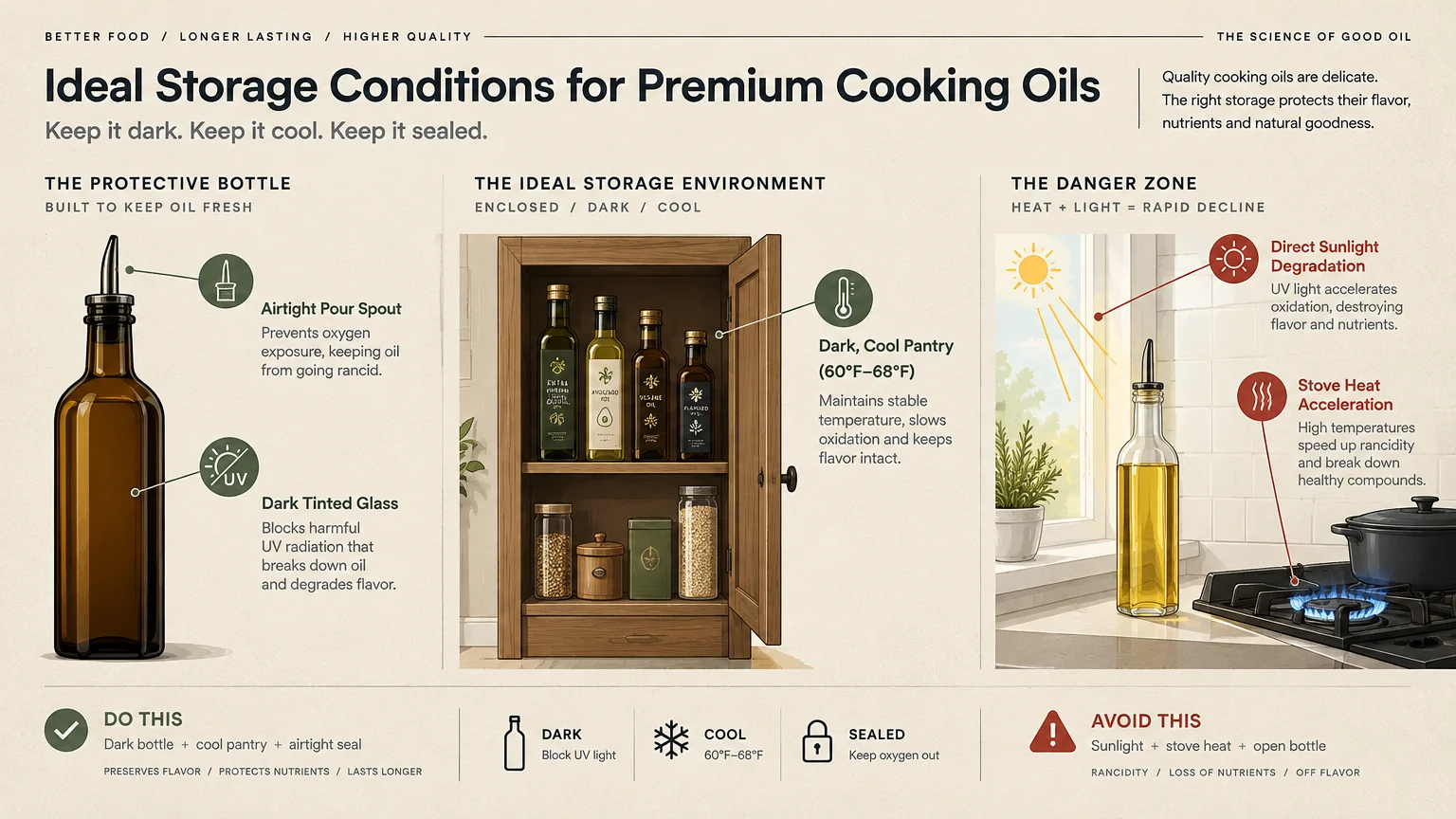
Even the finest cooking oil will quickly lose its nutritional value and develop unpleasant flavors if handled incorrectly at home. Oxygen, heat, light, and time represent the four deadly enemies of oil freshness, accelerating the inevitable process of rancidity.
Always store your culinary oils in a cool, dark kitchen cabinet located well away from your stovetop and oven. Storing expensive oils on the counter directly next to a radiant range exposes them to continuous heat fluctuations that hasten decay.
Choose products packaged in dark amber glass, opaque ceramic, or tin containers that completely block out ambient kitchen light. If you purchase bulk oil in clear jugs, decant a small portion into an opaque dispenser for daily cooking.
Tightly screw the cap back onto your oil container immediately after measuring out the portion required for your recipe. Leaving bottles uncapped exposes the lipid surface to fresh atmospheric oxygen, initiating an invisible cascade of oxidative breakdown reactions.
Most cold-pressed oils maintain peak culinary and biological quality for approximately six to twelve months after opening the container. Mark the opening date directly on the label with a permanent marker so you can track freshness without guesswork.
Learn to use your senses of smell and taste to identify rancidity before drizzling questionable oil into your hot pan. Rancid oil loses its fruity, pleasant aroma, developing an offensive scent reminiscent of wet cardboard, crayons, or stale paint varnish.
Never discard old or spoiled cooking oil down your kitchen sink, as congealed fats create stubborn blockages inside household plumbing. Pour unwanted oils into a sealable container and dispose of them responsibly inside your regular municipal waste bin.
Practical Daily Cooking Strategies for Older Adults
Adopting healthier cooking oils does not require dramatic culinary overhauls or complicated kitchen equipment to execute successfully. Making small, habitual adjustments to your daily meal preparation yields profound cardiovascular dividends across months and years.
Begin your morning by coating your nonstick skillet with a teaspoon of extra virgin olive oil rather than conventional butter. Gently cook your farm-fresh eggs over medium-low heat to create a silky, nutrient-packed breakfast that fuels your active morning.
When preparing dinner, toss broccoli florets, sliced carrots, and baby red potatoes with a tablespoon of avocado oil before roasting. Roast at 400°F for twenty-five minutes to achieve irresistible caramelized edges packed with heat-stable eye-protecting lutein.
Elevate your weekly lunchtime salads by crafting simple homemade dressings that abandon inflammatory commercial additives, emulsifiers, and preservatives. Vigorously whisk three tablespoons of extra virgin olive oil with one tablespoon of balsamic vinegar, Dijon mustard, and cracked pepper.
If you enjoy using modern air fryers, apply refined avocado or high-oleic safflower oil using a pump-style oil mister. Avoid aerosol cooking sprays containing chemical propellants, which can degrade nonstick basket coatings and introduce petroleum byproducts into food.
Prepare flavorful pan-seared white fish, such as cod or haddock, using a light coat of high-oleic sunflower oil. The neutral oil promotes an appetizing golden crust while letting the delicate, sweet seafood flavors shine without competition.
Infuse plain extra virgin olive oil with fresh rosemary sprigs, crushed garlic, or dried chili flakes inside a sterilized glass jar. Drizzle this savory infused oil over warm whole-grain sourdough bread as a heart-smart substitute for salted table butter.
Keep a dedicated measuring spoon inside your oil caddy to maintain effortless visual awareness of your overall portion sizes. While healthy plant oils deliver unmatched vitality perks, each tablespoon supplies approximately 120 calories that you should track mindfully.

What to Consider: Medications, Digestion, and Professional Guidance
Dietary changes interact dynamically with your existing physiological systems, particularly if you manage chronic medical conditions or take daily pharmaceuticals. Consulting an expert affiliated with the Academy of Nutrition and Dietetics helps tailor choices to your unique metabolic profile.
Individuals who have undergone gallbladder removal surgery must introduce healthy cooking fats gradually across small, evenly spaced meals. Without a gallbladder to store concentrated bile, processing large boluses of fat at once can prompt uncomfortable loose stools.
If you take anticoagulant medications like warfarin, monitor your dietary intake of vitamin K from plant oils conscientiously. Extra virgin olive oil contains modest amounts of vitamin K, so maintaining consistent daily consumption prevents unwanted fluctuations in clotting times.
Older adults taking prescription statins to manage hypercholesterolemia will find that monounsaturated oils amplify their medication’s cholesterol-lowering efficacy. Replacing saturated animal fats with plant oils helps reduce low-density lipoprotein markers safely under clinical supervision.
Digestive enzyme output naturally decreases over time, making it helpful to pair healthy oils with digestion-stimulating herbs and dietary fiber. Seasoning your oil-cooked meals with digestive aids like ginger, lemon, and fennel promotes smooth, effortless intestinal assimilation.
Discuss your daily fat choices openly with your primary care physician during your routine annual wellness examinations and lipid screenings. Sharing your dietary habits allows your healthcare team to interpret your cardiovascular lab trends with comprehensive, individualized context.
Frequently Asked Questions About Cooking Oils
Clear up everyday kitchen uncertainties with these concise, expert-backed answers regarding cooking oil selection, safety, and everyday culinary preparation.
Can you safely reuse cooking oil after frying at home?
You should avoid reusing cooking oil whenever possible, especially if the oil was heated near its smoke point during cooking. Reheating oil multiple times accelerates chemical degradation, generating inflammatory polar compounds and oxidized polymers that harm your blood vessels.
If you must reuse oil after light frying, filter it through fine cheesecloth to remove charred food particles immediately. Store the strained liquid in a sealed glass jar inside your refrigerator, and discard it completely after one brief reuse.
Does heating extra virgin olive oil destroy all of its health benefits?
Heating extra virgin olive oil does not destroy its primary health benefits, provided you keep temperatures below its 410°F smoke threshold. Its dominant monounsaturated oleic acid remains completely structurally intact and stable across all typical home stovetop applications.
While prolonged high-temperature exposure slightly reduces specific heat-sensitive polyphenols, a substantial percentage survives intact into your finished meal. You still absorb abundant anti-inflammatory compounds, making warm olive oil far healthier than any refined seed or animal fat.
Is butter healthier than vegetable oil for high-heat skillet cooking?
Butter is not healthier than vegetable oil for high heat because milk solids burn aggressively at temperatures above 300°F. Burned milk proteins produce bitter acrid flavors alongside advanced glycation end-products that trigger cellular inflammation throughout your body.
Furthermore, butter contains approximately fifty percent saturated fatty acids, which elevate cardiovascular disease risk when consumed in significant amounts. Choose high-smoke-point avocado oil or high-oleic safflower oil instead to achieve superior crispness with exceptional arterial safety.
How much cooking oil should you consume per day?
Most nutrition experts recommend consuming approximately two to three tablespoons of healthy, unsaturated plant oils across your total daily meals. This allocation supplies essential fatty acids and facilitates fat-soluble vitamin absorption without delivering excessive caloric density.
Remember that this suggested amount includes all oils used for pan sautéing, baking, roasting, and whisking into salad dressings. Measuring your oil with standard culinary spoons prevents unintentional overpouring while keeping your total daily energy intake well balanced.
What is the absolute best oil to use in an air fryer?
Refined avocado oil stands as the undisputed best choice for air fryers due to its remarkable 520°F smoke point. Air fryers circulate intensely hot air at high velocities, rapidly burning delicate, unrefined oils with lower temperature thresholds.
Lightly coating your cut vegetables or lean proteins with avocado oil creates an irresistibly crispy exterior that mimics commercial deep-frying. High-oleic safflower oil also performs brilliantly in air fryers, offering reliable thermal protection at an economical price point.
Simple Action Steps for Better Kitchen Health This Week
Transforming your nutritional habits becomes completely manageable when you break your overarching goals down into small, practical behavioral changes. Implement these three straightforward action items this week to upgrade your kitchen safety and support your cardiovascular longevity.
First, inspect your pantry shelves thoroughly and discard any bottles containing partially hydrogenated fats, rancid oils, or expired seed blends. Replace them immediately with a certified bottle of extra virgin olive oil and a bottle of high-heat refined avocado oil.
Second, establish an optimal storage location in your kitchen that shields your fresh oils from degrading sunlight and radiant stove heat. Relocate your culinary oils into a cool, enclosed lower cupboard, keeping the caps screwed tightly shut between every single use.
Third, commit to replacing butter and margarine with heart-healthy extra virgin olive oil across all your stovetop cooking this week. Note how much lighter and more energized you feel after enjoying meals seasoned with pure, anti-inflammatory plant lipids.
This article is for informational purposes only. Consult with a healthcare provider before making significant changes to your diet, exercise routine, or supplement regimen.


