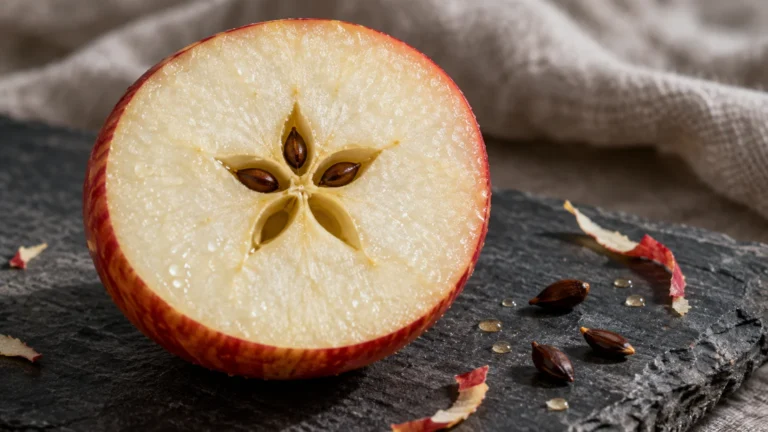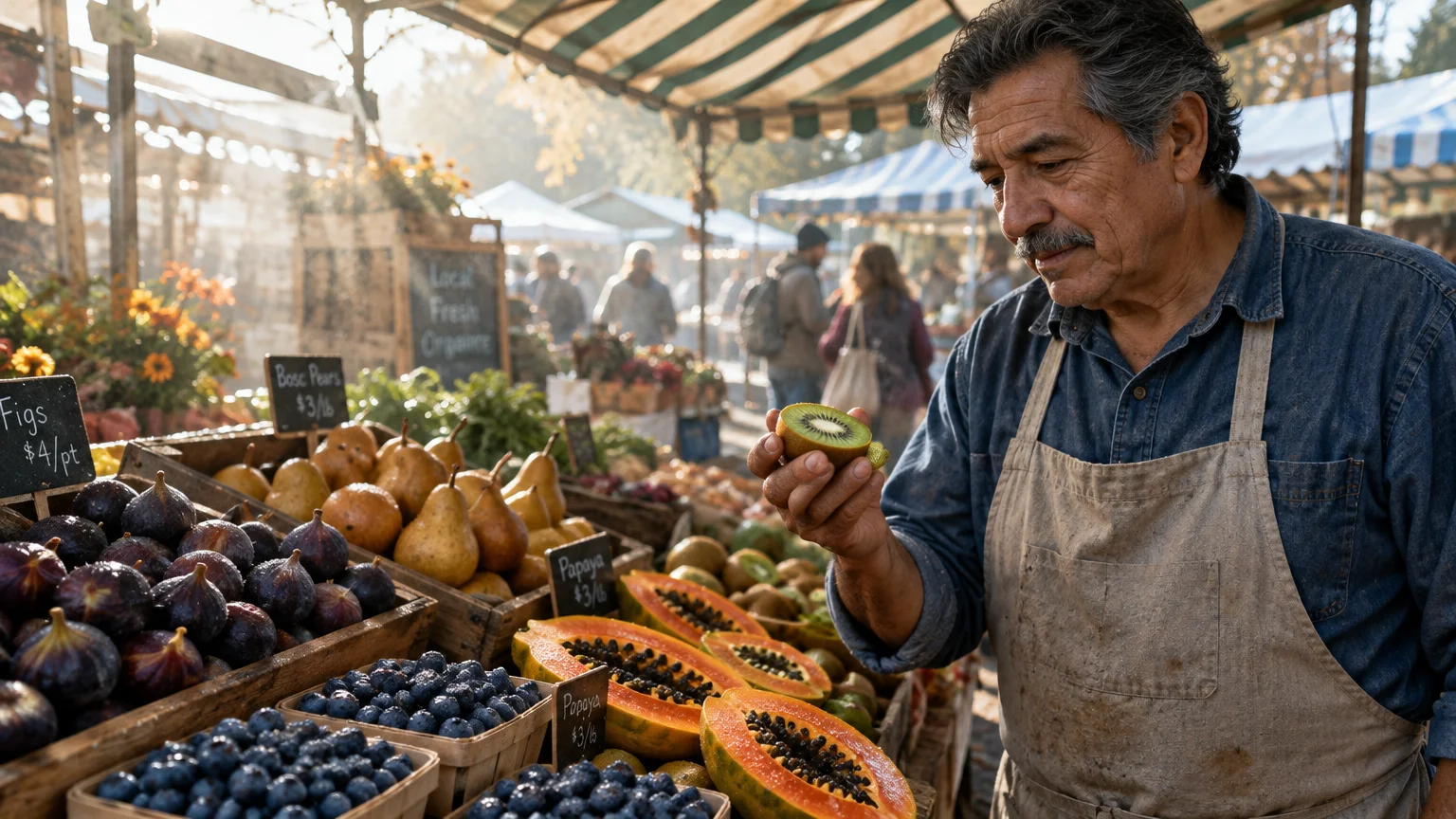
Choosing the right fruits can soothe chronic digestive discomfort and restore dependable daily regularity. Whole fruits deliver specialized plant fibers and natural enzymes that actively nourish your protective intestinal microbes.
As you grow older, your gastrointestinal tract naturally slows down and demands targeted nutritional support. Dietitians prioritize specific digestion-friendly fruits that enhance motility without causing painful gas or sudden blood sugar spikes.
Adding these six nutrient-dense fruits to your daily routine will strengthen your intestinal lining and revitalize your digestive comfort. Simple dietary adjustments offer lasting relief and support your overall vitality.
Understanding the Basics of Gut Health
The Marvel of Your Gut Microbiome
Your gut microbiome houses trillions of microscopic organisms that regulate nutrient absorption, immune defenses, and emotional well-being. When beneficial bacteria thrive, your entire body operates with greater resilience and efficiency.
Beneficial gut microbes depend on indigestible plant carbohydrates to survive and multiply. Without adequate dietary fuel, these protective organisms diminish, leaving your digestive barrier vulnerable to irritation.
Soluble Versus Insoluble Dietary Fiber
Dietary fiber falls into two main functional categories: soluble and insoluble. Both forms play vital, complementary roles in maintaining seamless bowel movements and gut integrity.
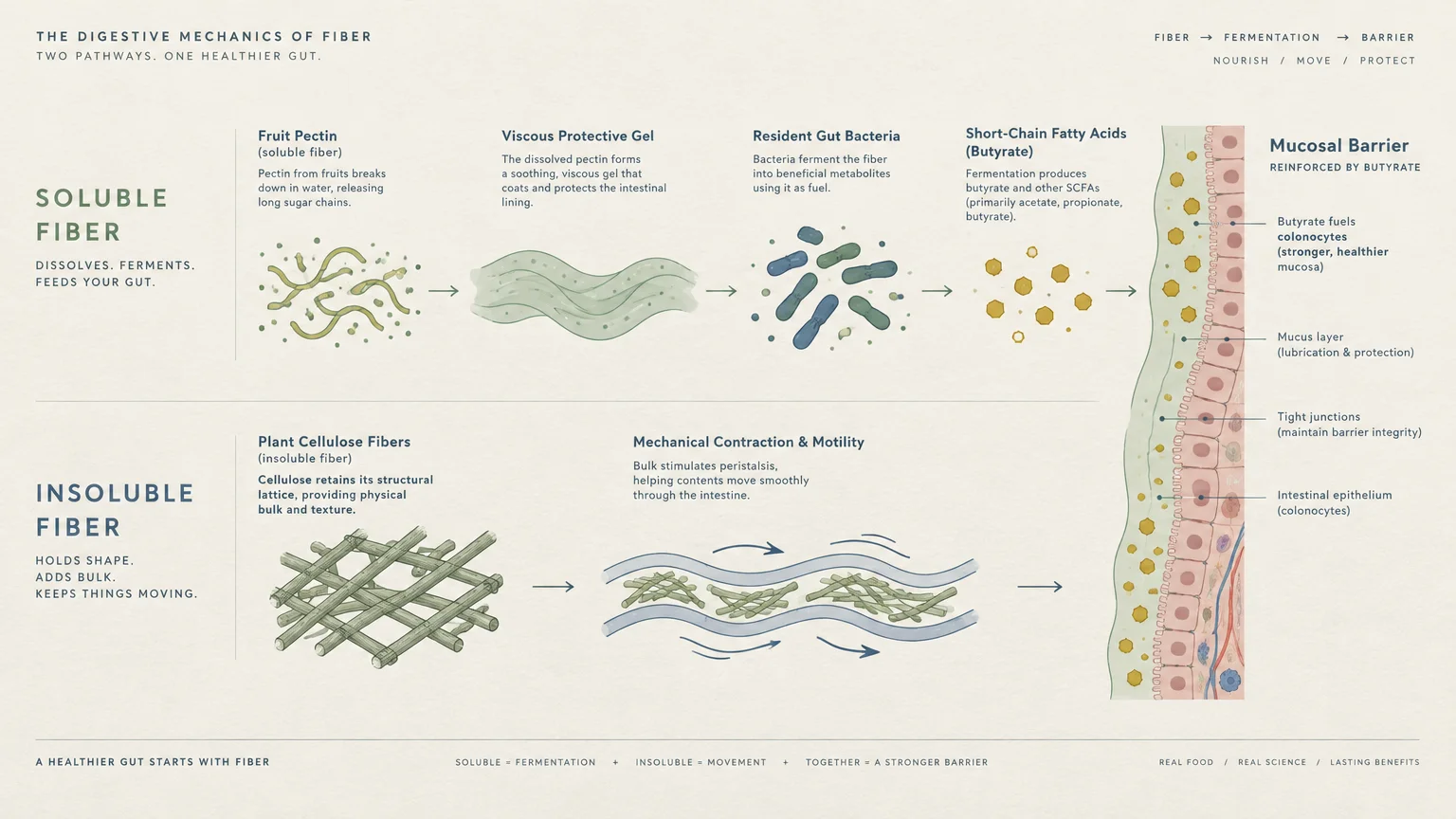
Soluble fiber dissolves in water to form a soothing, viscous gel that softens stools and stabilizes post-meal glucose absorption. This gel-like substance also serves as premium fuel for beneficial colon bacteria.
Insoluble fiber, on the other hand, does not dissolve; it sweeps through the digestive tract to provide essential bulk. This gentle mechanical stimulation prompts your intestinal muscles to contract smoothly.
The Crucial Role of Prebiotics
Prebiotics are specialized plant fibers that selectively nourish your native probiotic bacteria. Rather than introducing foreign bacteria, prebiotics fertilize the helpful strains already residing within your colon.
As bacteria ferment these prebiotic fibers, they generate short-chain fatty acids like butyrate. Butyrate acts as the primary fuel source for your colonic lining, actively dampening systemic inflammation.
How Gut Microbes Produce Vital Metabolites
When beneficial gut bacteria digest prebiotic fruit fibers, they produce specialized signaling molecules known as short-chain fatty acids. These metabolites enter your bloodstream, helping regulate your appetite and supporting healthy blood pressure levels.
In addition, these metabolic compounds nourish your nervous system via the gut-brain axis. A balanced internal microbiome directly fosters sharper mental focus and more balanced daily moods.
The Protective Mucosal Barrier
Your gastrointestinal tract is lined with a delicate layer of protective mucus that shields underlying tissues from harmful irritants. Soluble fibers from fresh fruits stimulate specialized cells to keep this protective barrier thick and resilient.
A well-maintained mucosal lining prevents unwanted systemic inflammation and minimizes food sensitivities. Nourishing this protective shield through diet preserves your digestive comfort across the decades.
Why Fruits Excel for Digestive Wellness
Whole fruits provide a balanced matrix of natural water, active enzymes, protective antioxidants, and diverse fiber strands. This complex structural matrix delivers nutrients gradually, protecting your system from erratic digestive stress.
Unlike synthetic fiber powders, fruits supply bioavailable vitamins and hydration simultaneously. This dual action softens waste while nourishing the mucosal lining of your intestines.

Key Digestive Considerations for Adults Over 60
Natural Changes in Gastrointestinal Motility
Advancing age naturally alters the rhythmic contractions of your digestive tract, often causing food to transit much slower than before. Slower transit times draw excess moisture from stool, increasing your vulnerability to stubborn constipation.
Diminished physical mobility and weakened abdominal wall muscles can further compound this sluggish movement. Strategic dietary choices restore natural rhythm without relying on harsh over-the-counter laxatives.
Shifts in Stomach Acid and Digestive Enzymes
Many older adults experience hypochlorhydria, a natural reduction in gastric acid secretion. Lower stomach acid hinders the breakdown of dense proteins and limits the release of critical micronutrients like vitamin B12.
Pancreatic enzyme production also declines gradually over time. Eating fruits with native digestive enzymes eases this workload, sparing you from persistent post-meal fullness and heavy bloating.
The Impact of Daily Medications
Routine pharmaceuticals—such as blood pressure medications, diuretics, pain relievers, and cholesterol agents—frequently alter gut motility. Certain prescriptions actively dry out mucosal tissues or disrupt normal bacterial balances.
Integrating hydrating, gut-friendly foods creates a protective buffer against medication-induced irritation. This consistent nutritional safeguard preserves delicate intestinal tissues without interfering with medical therapies.
Hydration Deficits and Thirst Sensation
The biological thirst mechanism becomes noticeably blunted as the decades advance. Older adults often consume inadequate daily fluids, forcing the colon to scavenge moisture directly from stool.
Water-dense fruits bridge this physiological gap by supplying structured biological hydration alongside beneficial roughage. This moisture keeps stools pliable, enabling comfortable and predictable elimination.
Shifts in Microbial Diversity Over Time
Scientific research indicates that the overall composition of your microbiome naturally becomes less diverse as you age. Beneficial species often decline, while less desirable microbes can proliferate if your diet lacks adequate roughage.
Consuming a varied spectrum of plant fibers counteracts this age-related decline by feeding diverse bacterial strains. Daily dietary variety keeps your microbial population vibrant, robust, and adaptable.
Managing Slower Nutrient Absorption
Age-related structural thinning of your intestinal lining can impair the absorption of essential micronutrients and trace minerals. Choosing easily digestible fruits helps your body assimilate critical compounds without requiring excessive digestive energy.
Natural fruit acids, such as malic and citric acid, also enhance the bioavailability of dietary minerals like iron and zinc. This gentle biochemical assistance supports your overall vitality and muscular strength.
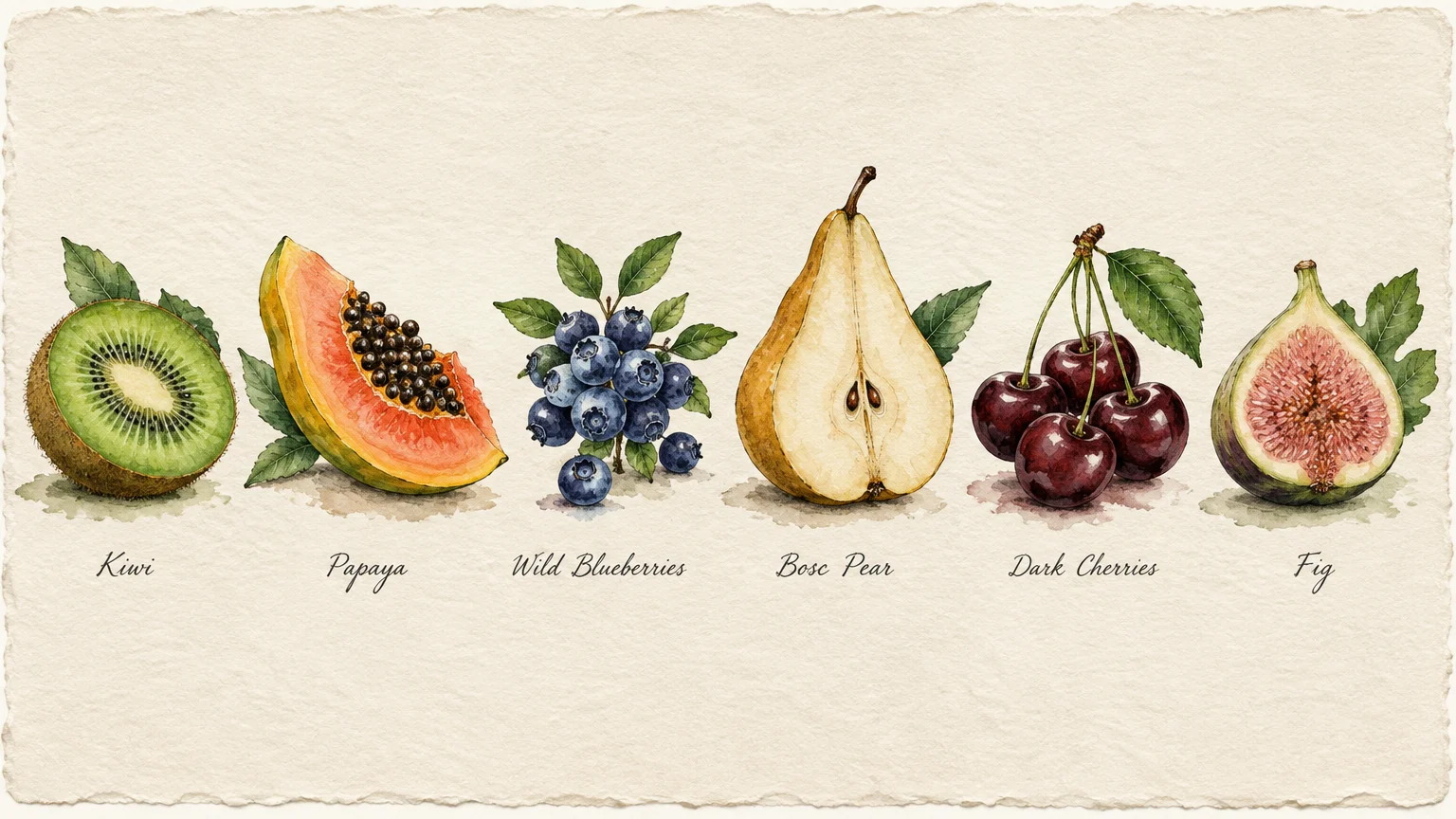
6 Gut-Friendly Fruits a Dietitian Recommends
1. Green Kiwifruit: The Motility Powerhouse
Green kiwifruit stands as a premier dietitian recommendation for relieving sluggish bowel habits. This fuzzy fruit provides a unique combination of soluble and insoluble fibers that swell significantly in your intestines.
Kiwifruit contains actinidin, a natural proteolytic enzyme that accelerates the breakdown of dietary proteins in your stomach and small intestine. This enzymatic action prevents heavy indigestion and speeds gastric emptying.
Clinical researchers frequently commend kiwi because it promotes regular bowel movements without causing loose stools or severe cramping. The fruit’s gentle mucilage lubricates the intestinal pathway naturally.
Enjoying two small green kiwifruits daily offers remarkable digestive support for seniors struggling with chronic irregularity. You can slice them in half and scoop out the vibrant emerald flesh with a spoon.
If you tolerate the texture, eating the clean skin dramatically magnifies your total fiber intake. However, peeling the fruit remains completely effective for delicate stomachs.
Store firm kiwifruits at room temperature until they yield slightly to gentle pressure. Once ripe, keep them in your refrigerator to preserve their delicate enzymes and high vitamin C content.
2. Crisp Apples: Pectin for Cellular Renewal
Apples deliver abundant quantities of pectin, a soluble fiber celebrated for its profound prebiotic capabilities. Pectin remains largely undigested until it reaches your colon, where eager beneficial bacteria ferment it into nourishing short-chain fatty acids.
These fatty acids actively fortify your intestinal epithelial barrier, preventing undesirable particles from crossing into your bloodstream. A robust gut barrier minimizes systemic inflammation throughout your aging body.
Always keep the peel intact when enjoying apples, as the exterior skin houses the highest concentration of insoluble fiber and protective polyphenols. These compounds work synergistically to maintain optimal digestive momentum.
If chewing whole, crisp apples presents dental challenges, gently stewing them with cinnamon offers an ideal solution. Warm, stewed apples retain their full pectin content while becoming tender, soothing, and easily digestible.
Pair your sliced apple with a spoonful of smooth almond butter to temper the natural fruit sugars. This wholesome combination sustains energy while nurturing your gut flora.
Choose diverse apple varieties throughout the month to expose your microbiome to varying polyphenol compounds. Granny Smith, Honeycrisp, and Gala apples each provide slightly different prebiotic benefits.
3. Wild Blueberries: Polyphenol Protection
Wild blueberries pack an immense concentration of anthocyanins, the deep blue pigments that deliver exceptional antioxidant and anti-inflammatory properties. These potent polyphenols travel down to your colon, where they directly modulate microbial diversity.
Research reveals that blueberry polyphenols encourage the growth of beneficial Bifidobacteria while suppressing pathogenic bacteria. This selective microbial nourishment fosters a calm, balanced gastrointestinal ecosystem.
Blueberries are naturally modest in sugar compared to many tropical fruits, making them exceptionally friendly for glucose regulation. Their tender skins provide gentle, non-abrasive roughage that will not scratch sensitive intestinal linings.
You can easily toss fresh or frozen blueberries into warm morning oatmeal, chia pudding, or plain yogurt. Frozen berries retain their complete nutritional and antioxidant profiles, providing year-round digestive support.
Their soft texture makes them effortless to chew, presenting zero difficulties for individuals with sensitive teeth or dentures. Add half a cup to your breakfast to nourish your microbiome effortlessly.
Rinse fresh berries just before serving to prevent mold growth on delicate skins during storage. Keep them in a ventilated container in your refrigerator crisper drawer.
4. Gently Ripened Bananas: Gentle Electrolyte Support
Bananas serve as a classic, universally tolerated remedy for unsettled stomachs and sensitive digestive tracts. They offer abundant potassium, a vital electrolyte that regulates smooth muscle contractions along your colon.
When slightly green or freshly yellow, bananas contain resistant starch, a potent prebiotic compound that bypasses early digestion. This starch reaches your lower bowel intact, where it feeds beneficial butyrate-producing microbes.
As bananas ripen and develop brown speckles, their resistant starch converts into easily assimilable simple sugars. These fully ripe bananas offer immediate soothing relief during acute flare-ups of digestive upset or acid reflux.
Their soft, creamy texture requires minimal chewing effort, making them accessible to any older adult. Bananas also contain natural fructooligosaccharides, further reinforcing your internal probiotic colonies.
Slice a banana over whole-grain toast or blend it into a gentle morning smoothie. This versatile staple provides reliable gastrointestinal comfort at any time of day.
Avoid storing unripened bananas in the refrigerator, which halts natural ripening and darkens the peel prematurely. Keep them on your countertop away from direct sunlight.
5. Tropical Papaya: Enzymatic Ease
Tropical papaya is celebrated across world traditions for its remarkable capacity to calm irritable, bloated stomachs. This luscious orange fruit contains papain, a naturally occurring proteolytic enzyme that rapidly digests tough protein fibers.
If diminished stomach acid leaves you feeling uncomfortably heavy after lunch or dinner, fresh papaya offers prompt relief. Eating a small portion alongside your meal supports natural gastric digestion and curbs distressing gas formation.
Papaya also provides rich reserves of water and soluble fiber, which help soften dense stools. Its vibrant orange color reflects abundant beta-carotene, an antioxidant that supports mucosal tissue repair throughout your digestive tract.
The silky, melting texture of ripe papaya is effortless to swallow and gentle on fragile oral tissues. Dietitians frequently recommend it for seniors recovering from illness or navigating chronic appetite loss.
Squeeze a dash of fresh lime juice over ripe papaya wedges to enhance both flavor and nutrient absorption. Incorporate this soothing tropical fruit whenever your digestion feels sluggish or strained.
Select papayas with reddish-orange skin that yield gently to thumb pressure for immediate eating. Store cut papaya in an airtight glass container in your refrigerator for up to three days.
6. Juicy Pears: Nature’s Gentle Osmotic Relief
Pears are among the most fiber-dense fruits in the orchard, delivering substantial amounts of both soluble pectin and insoluble grit. This dual-action fiber structure sweeps waste through your bowels while providing vital prebiotic fuel.
Beyond their high fiber content, pears boast significant levels of natural sorbitol and fructose. Sorbitol functions as a gentle, natural osmotic agent; it draws water into the colon to soften hard, dry stools naturally.
This natural hydration effect makes pears exceptionally valuable for older adults managing chronic, stubborn constipation. Rather than turning to synthetic laxatives, eating a whole pear provides smooth, dependable relief.
Keep the delicate skin intact, as the peel houses the majority of the pear’s insoluble roughage and protective flavonoids. Choose varieties like Bartlett, Bosc, or Anjou when they yield slightly to gentle thumb pressure.
If firm pears are difficult to chew, consider poaching them gently in warm water with a splash of vanilla. Poached pears retain their bowel-stimulating sorbitol while becoming wonderfully tender and elegant.
Check the neck of the pear near the stem to determine ripeness accurately. When the neck yields softly to light pressure, the fruit is sweet, juicy, and ready to enjoy.
Weighing the Benefits and Potential Risks
Transformative Digestive and Metabolic Benefits
Integrating these specialized fruits into your daily nutrition provides comprehensive benefits that extend far beyond simple bowel regularity. A flourishing microbiome improves nutrient absorption, ensuring your body extracts maximum calcium, magnesium, and vital vitamins from your food.
Short-chain fatty acids generated by microbial fermentation enter your circulation, dampening systemic inflammation and enhancing insulin sensitivity. A calmer gut also supports immune defenses, keeping seasonal bugs and opportunistic infections at bay.
Furthermore, the natural water and fiber within whole fruits promote stable satiety between your regular meals. This natural fullness supports healthy weight management without leaving you feeling deprived or fatigued.
Balancing Blood Sugar While Supporting the Gut
Older adults managing type 2 diabetes or insulin resistance must be mindful of natural fruit sugars. Eating fruit alongside healthy fats or lean proteins slows carbohydrate absorption, preserving steady glucose readings throughout the afternoon.
Berries and kiwifruit rank exceptionally low on the glycemic index, offering gut-nourishing prebiotic benefits without causing erratic glucose swings. Spreading your fruit intake evenly across your meals prevents unnecessary metabolic stress.
Navigating Potential Sensitivities and FODMAPs
While whole fruits offer profound health advantages, certain individuals must navigate specific digestive sensitivities with care. Fruits high in fructose or sorbitol—such as pears and ripe apples—fall under the category of fermentable carbohydrates, known as FODMAPs.
If you live with Irritable Bowel Syndrome (IBS), consuming excessive FODMAPs may trigger abdominal cramping, audible gurgling, and distressing flatulence. In such cases, prioritizing lower-FODMAP options like blueberries, kiwifruit, and firm bananas proves far more comfortable.
Recognizing Early Signs of Fiber Overload
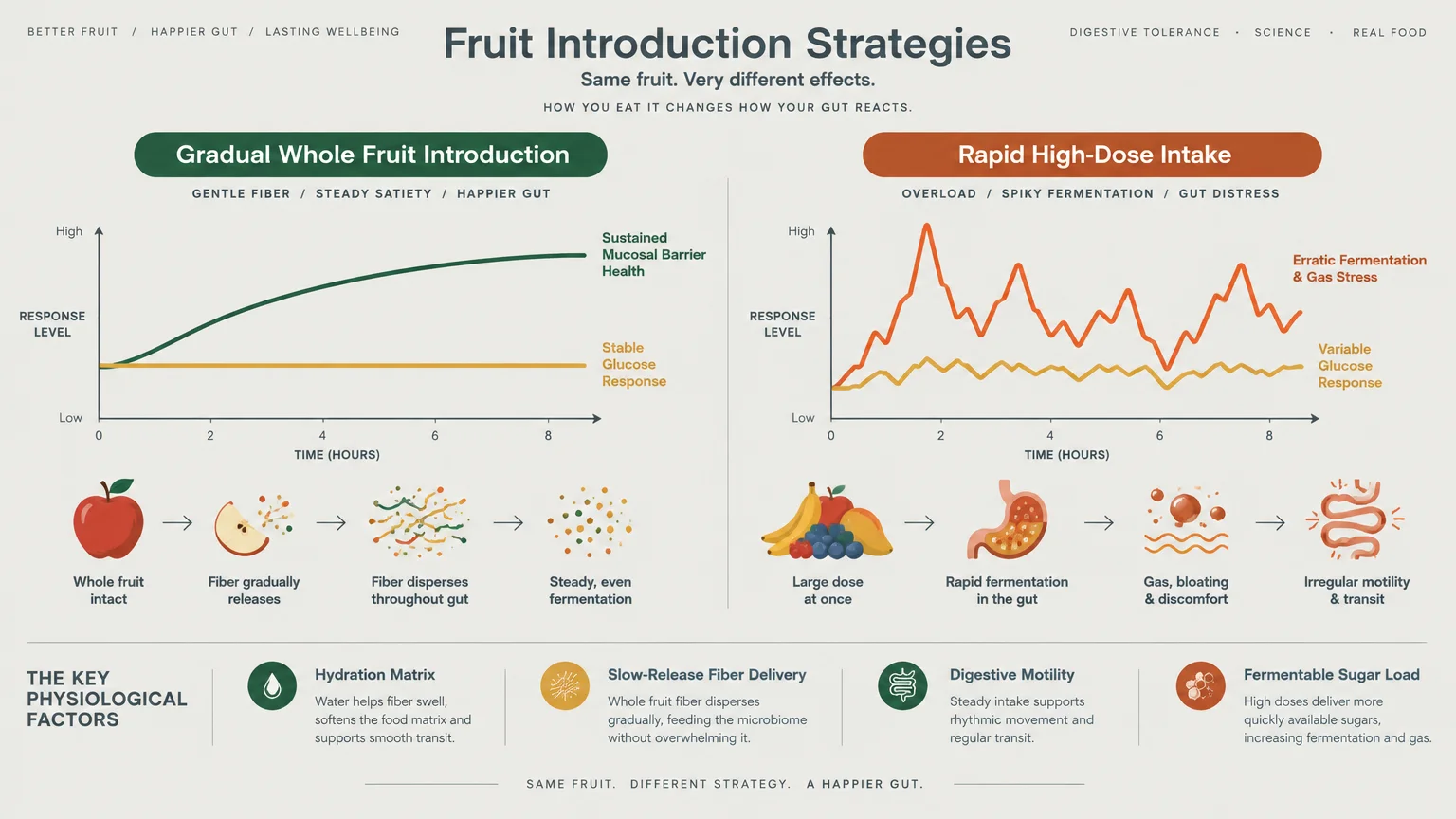
Another common misstep involves increasing dietary fiber too abruptly. Shifting from a low-fiber diet to large fruit servings overnight can overwhelm unprepared gut bacteria, resulting in temporary abdominal distension.
If you notice unusual bloating or mild cramping, simply reduce your serving sizes for several days. Allowing your microbiome adequate time to adjust ensures smooth, comfortable digestion over the long term.
Diverticular Considerations and Fruit Seeds
Past medical advice frequently warned individuals with diverticulosis to avoid fruits containing small seeds, such as kiwifruit and berries. However, modern clinical consensus has completely overturned this outdated restriction.
Current scientific guidelines confirm that tiny seeds do not lodge in diverticular pouches or cause painful infections. You can safely enjoy seed-bearing fruits to absorb their valuable prebiotic fiber and protective antioxidants.
What Leading Health Authorities Say
Scientific Consensus on Dietary Diversity
Leading medical authorities, including the National Institutes of Health, emphasize that microbial diversity reflects overall gastrointestinal health. Consuming a wide variety of plant foods each week feeds distinct bacterial families, fostering a resilient internal ecosystem.
Research supported by major institutions highlights that individuals who eat diverse plant fibers demonstrate greater resistance against pathogenic infections. Variety matters just as much as sheer quantity when nourishing your gut flora.
Clinical Guidance from Major Medical Centers
Specialists at the Mayo Clinic consistently advise obtaining dietary fiber primarily from whole food sources rather than relying on isolated supplements. Whole fruits provide water, minerals, and phytonutrients that work in synergy to promote comfortable elimination.
Dietary fiber from whole foods also supports metabolic stability and helps lower circulating low-density lipoprotein cholesterol. These multifaceted rewards make whole fruits an indispensable pillar of senior preventive wellness.
Public Health Perspectives on Nutrition
The Centers for Disease Control and Prevention underscores the broader systemic benefits of consistent fruit consumption, including enhanced cardiovascular wellness and reduced chronic disease risk. Prioritizing digestion-friendly fruits safeguards both your gut and your heart.
Gastroenterology organizations stress that lifestyle interventions—including dietary fiber and adequate hydration—serve as the first-line defense against common age-related bowel complaints. Medications should complement, not replace, these foundational daily habits.
Practical Steps and Actionable Advice
Start Low and Increase Slowly
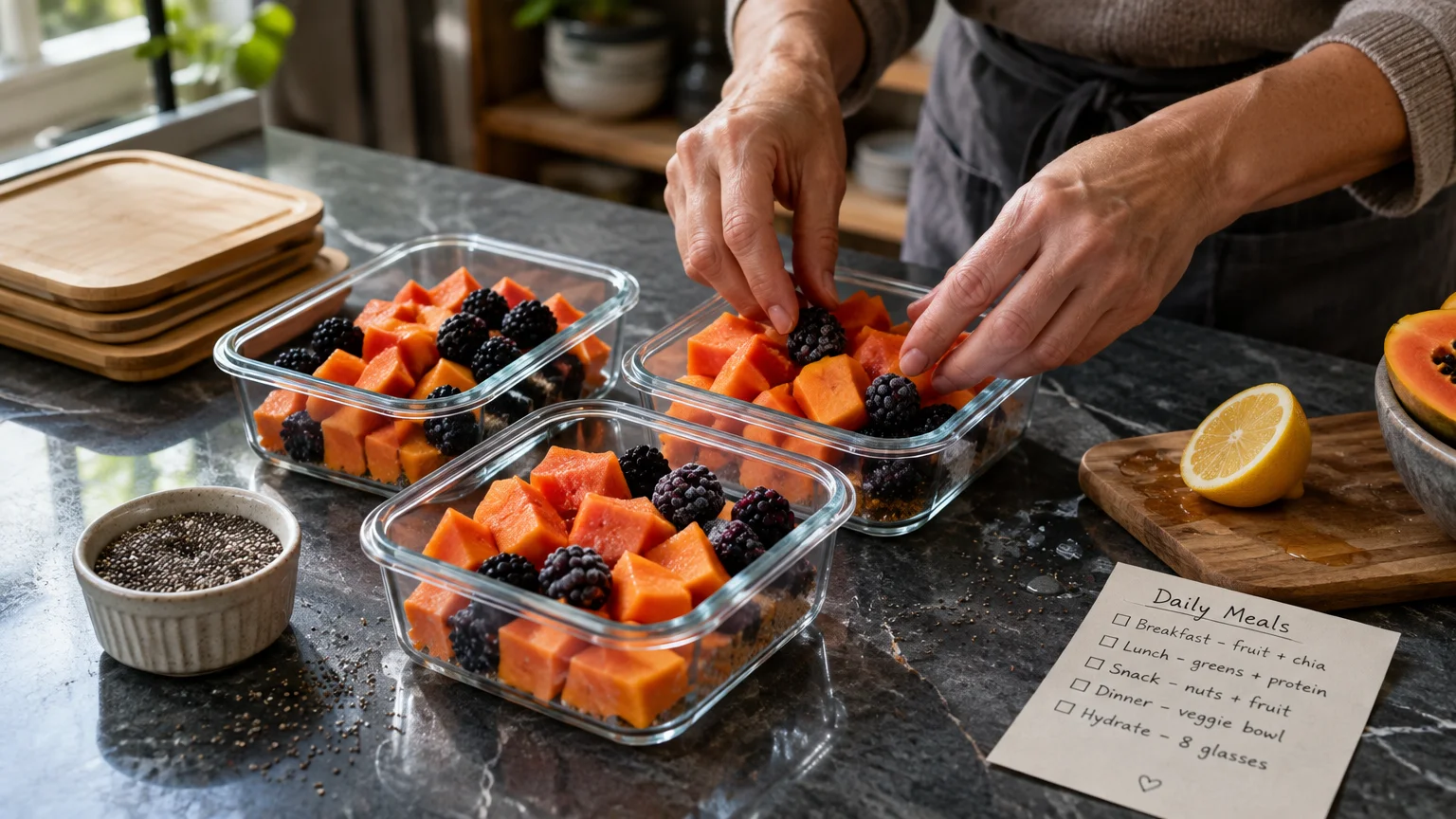
When introducing these gut-friendly fruits into your routine, gradual progression is essential for lasting success. Begin by adding just one modest serving of a single fruit every few days, allowing your microbiome time to adapt.
Sudden dietary overhauls often cause needless discomfort and discourage healthy long-term habits. Step-by-step additions ensure that your digestive enzymes and resident bacteria adjust smoothly to new fiber sources.
Match Fiber Intake with Generous Hydration
Fiber requires ample fluid to function properly; without adequate water, fiber can compact within the colon and worsen constipation. Always drink an extra glass of water whenever you elevate your daily fruit consumption.
Keep a filled water pitcher or reusable bottle within easy reach throughout your day. Sipping warm herbal teas or room-temperature water provides an effortless way to keep your digestive tract lubricated.
Strategic Pairing for Blood Sugar Stability
Never eat high-carbohydrate fruits in complete isolation if you struggle with erratic blood sugar fluctuations. Combine your fruit with a handful of walnuts, a cup of Greek yogurt, or a tablespoon of pumpkin seeds.
Dietary fats and proteins slow the rate of gastric emptying, preventing sharp glucose spikes and prolonged energy dips. This balanced pairing also keeps you satisfied and energized for several hours after eating.
Modify Textures to Suit Your Needs
If chewing tough fruit skins irritates your gums or dentures, adjust your preparation methods without sacrificing nutrition. Peeling, steaming, stewing, or pureeing fruits softens structural fibers while preserving their valuable prebiotic power.
Blending berries and bananas into a gentle morning smoothie breaks down tough cell walls mechanically. This simple kitchen technique allows your body to absorb essential micronutrients with minimal digestive exertion.
Safe Preparation and Food Hygiene for Seniors
Washing fresh produce thoroughly under running cool water removes potential surface residues and harmful bacteria. This simple sanitation step protects older adults, whose immune defenses can be more vulnerable to foodborne pathogens.
Dry washed fruits with a clean paper towel before peeling or slicing them on a sanitized cutting board. Discard any fruit displaying visible mold, severe bruising, or uncharacteristic discoloration.
Keep a Simple Food and Symptom Journal
Tracking your daily meals alongside any digestive symptoms helps you identify which fruits suit your digestive system best. Note the time you eat, the specific fruit consumed, and your general abdominal comfort throughout the afternoon.
Reviewing this written record after several weeks reveals clear patterns and eliminates dietary guesswork. You can then tailor your weekly grocery list to reflect the exact fruits that keep you feeling vibrant.
Questions to Ask Your Healthcare Team
Discuss your dietary goals openly with your physician or a registered dietitian during your next appointment. Ask whether your current medications produce constipating side effects that require specific counter-strategies.
Inquire whether a temporary low-FODMAP protocol might help pinpoint the specific foods responsible for persistent gas or bloating. A licensed professional can tailor fruit choices precisely to your unique medical profile.
You might also ask if working with a digestive specialist could help optimize your daily nutrient assimilation. Personalized professional guidance ensures you achieve maximum vitality with complete peace of mind.
Frequently Asked Questions
Can I drink fruit juice instead of eating whole fruit?
Fruit juice lacks the beneficial dietary fiber present in whole fruit flesh and edible skins. Juicing strips away the structural matrix that slows sugar absorption, often leading to rapid glucose spikes and loose stools.
Whole, blended, or gently stewed fruits remain far superior for gut health because they retain intact prebiotic fiber. Stick to whole fruits whenever possible to genuinely nourish your microbiome.
What is the ideal time of day to eat fruit for digestion?
You can enjoy fruit at whatever time fits naturally into your daily routine and personal digestive comfort. Many people find that eating fruit with breakfast or as a mid-morning snack encourages predictable daytime bowel movements.
If you experience nighttime acid reflux, avoid eating large fruit portions right before lying down to sleep. Allow at least two hours between your evening fruit snack and bedtime.
Will eating fruits cause painful gas or bloating?
Experiencing mild, temporary gas can occur when you suddenly introduce new prebiotic fibers to dormant gut bacteria. This temporary symptom usually resolves within a week or two as your bacterial populations balance out.
To minimize discomfort, introduce one fruit at a time in small portions while drinking plenty of water. If severe bloating persists, consult your physician to evaluate potential food intolerances.
Are frozen or canned fruits as beneficial as fresh varieties?
Frozen fruits are flash-frozen at peak ripeness, preserving virtually all of their original fiber, vitamins, and protective polyphenols. They offer an affordable, convenient, and deeply nutritious alternative to fresh market produce.
Canned fruits can also support gut health, provided you choose products packed in water or pure fruit juice rather than heavy syrup. Always drain and rinse canned fruits to eliminate excess added sugars.
Can fruits help if I suffer from chronic diarrhea?
Fruits rich in soluble fiber—such as bananas, peeled apples, and blueberries—help absorb excess water and firm up loose stools. Soluble fiber creates a gentle gel that slows intestinal transit, restoring comfortable bowel consistency.
Conversely, avoid high-sorbitol fruits like pears and prunes during active diarrhea episodes, as they draw additional water into the intestines. Discuss persistent changes in bowel habits promptly with your doctor.
Do fruit seeds cause diverticulitis flare-ups?
Medical research has definitively disproven the old theory that small seeds become trapped in diverticular pockets and cause inflammation. Modern gastrointestinal guidelines actively encourage seniors with diverticulosis to eat seed-bearing fruits for their valuable fiber content.
Berries and kiwifruit provide gentle, non-irritating roughage that helps prevent diverticular complications by keeping stools soft and bulky. You can comfortably enjoy these nutritious fruits without fear of triggering flare-ups.
Sustaining Lifelong Digestive Wellness
Cultivating robust digestive vitality does not require complicated cleanses, restrictive diets, or expensive synthetic supplements. Embracing the wholesome goodness of kiwifruit, apples, wild blueberries, bananas, papaya, and pears provides dependable nourishment for your gut.
These six dietitian-approved fruits deliver the ideal harmony of soluble fiber, native digestive enzymes, vital electrolytes, and prebiotic fuel. Their regular presence on your plate empowers your microbiome and supports lasting digestive ease.
Listen attentively to your body’s signals as you introduce these colorful, nutrient-dense foods into your weekly meal rotation. Small, consistent dietary choices yield extraordinary dividends for your long-term vitality, independence, and overall quality of life.
Make the choice today to support your gut with delicious, natural whole foods. Your digestive tract will reward you with smoother mornings, steady daily energy, and renewed well-being.
Medical Disclaimer
This article is intended for informational and educational purposes only and is not a substitute for professional medical advice, diagnosis, or treatment. Always consult with a qualified healthcare provider regarding any health concerns or before making any decisions related to your health or treatment.