Turning 70 often brings a quiet worry about how much control you still have over your health. Research shows your daily choices shape your strength, memory, and independence far more than luck does.
Doctors see clear patterns in patients who stay active and sharp well into their eighties. Small, steady habits protect your heart, steady your balance, and keep your mind engaged.
You do not need extreme routines or expensive plans to age well. Focusing on ten doctor-backed habits gives you a clear, practical roadmap for stronger, healthier years ahead.
Move, Eat, and Hydrate for Strength
1. Combine Cardio, Strength, and Balance Exercise
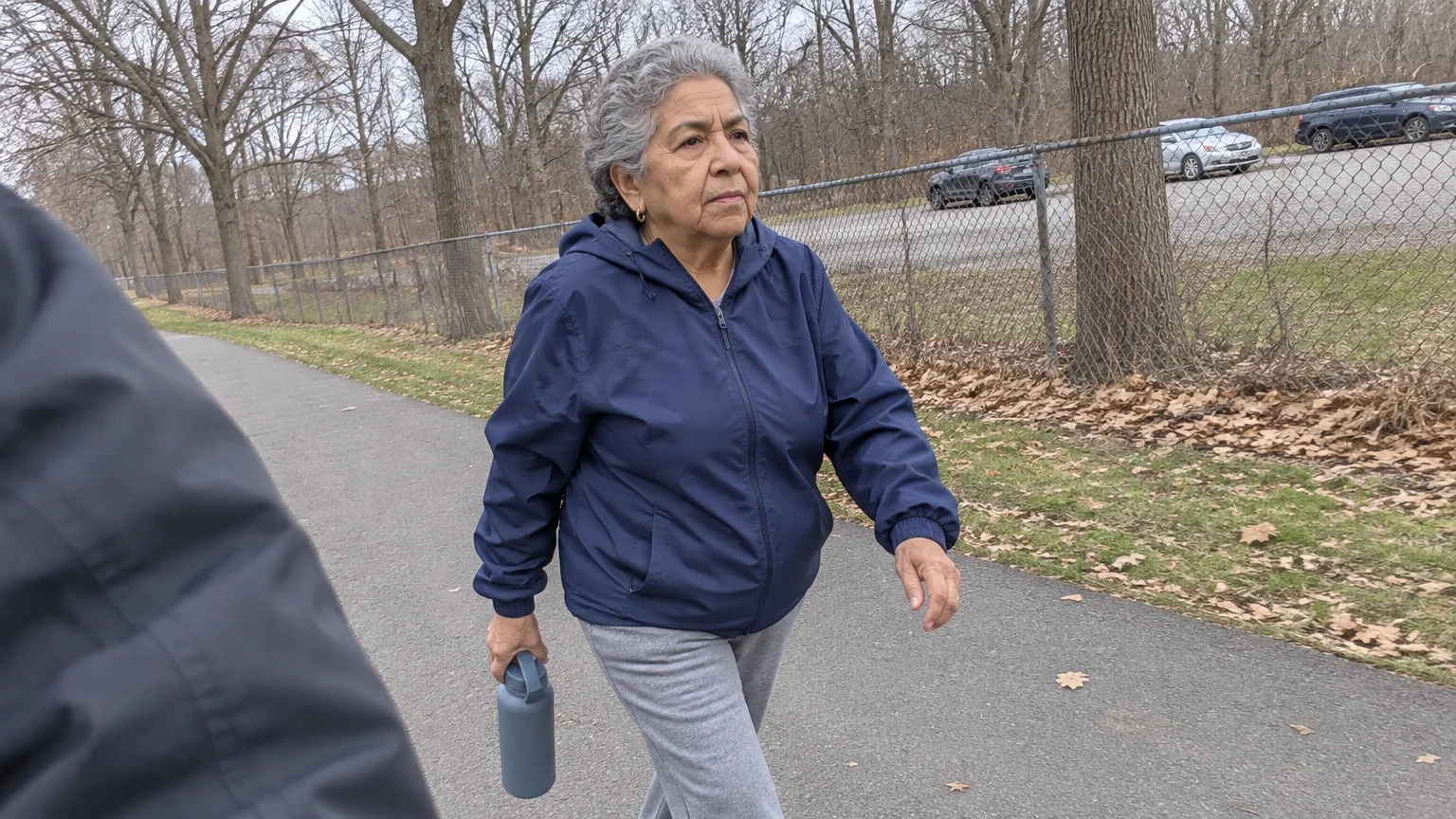
The Centers for Disease Control and Prevention (CDC) recommends at least 150 minutes of moderate aerobic exercise weekly after 65. A brisk 30-minute walk five days a week meets that goal.
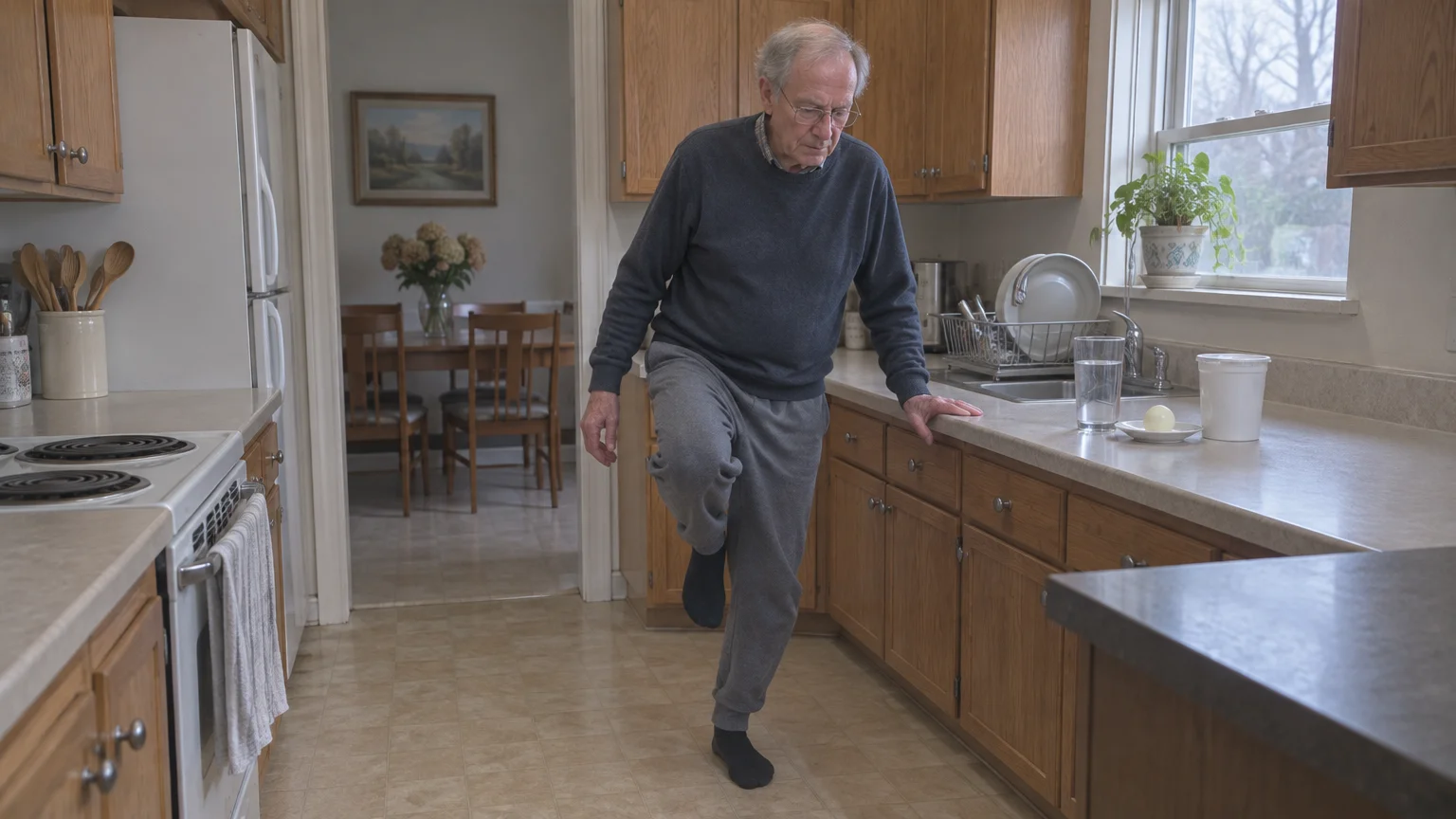
Add muscle-strengthening activities on two days and weekly balance exercises. Simple moves like heel-to-toe walking, standing on one leg, or practicing tai chi build steady legs.
Over 14 million older adults fall each year, and CDC data shows fall deaths rose 21 percent between 2018 and 2024. Falls also cause over 95 percent of hip fractures in older adults.
2. Eat More Protein, Produce, and Fiber
Your body needs extra protein after 70 to hold onto muscle. The 2025–2030 Dietary Guidelines for Americans set daily protein goals at 1.2 to 1.6 grams per kilogram of body weight.
For a 150-pound adult, that means roughly 82 to 109 grams of protein from foods like fish, eggs, beans, or yogurt. Ask your doctor first if you have kidney trouble.
Guidelines also call for five daily servings of fruits and vegetables plus 25 to 38 grams of fiber. Swap packaged snacks for whole foods, keep sodium under 2,300 milligrams daily, and drink less alcohol.
3. Drink Fluids Throughout the Day
Thirst fades with age, and some drugs increase fluid loss, notes the National Institute on Aging. Waiting until you feel thirsty often leaves you mildly dehydrated.
The National Academy of Medicine advises about 13 cups of drinks daily for men 51 and older. Women in that group need about 9 cups from beverages, with more water coming from food.
Keep a filled glass near your favorite chair so you sip steadily. Herbal tea, light broth, and water-rich produce help prevent dizziness, confusion, and urinary infections.
Protect Your Heart, Brain, and Sleep
4. Aim for Seven to Eight Hours of Sleep
Both the National Sleep Foundation and the CDC recommend 7 to 8 hours of sleep nightly after 65. Yet CDC data shows 30.5 percent of U.S. adults get less.
Sleeping under seven hours raises risks for high blood pressure, heart disease, stroke, and diabetes. Deep sleep also gives your brain time to clear waste and repair tissue.
Keep a steady bedtime and wake time every day. A cool, dark room and skipping afternoon caffeine help you rest better.
5. Keep Blood Pressure in a Safe Range
Nearly half of U.S. adults live with high blood pressure, which silently strains blood vessels in the heart, kidneys, and brain. Updated 2025 American Heart Association guidelines define normal readings as under 120/80 mm Hg.
Doctors aim for a treatment goal below 130/80 mm Hg for most adults. After 70, a systolic target between 130 and 140 may be safer to prevent dizziness when standing.
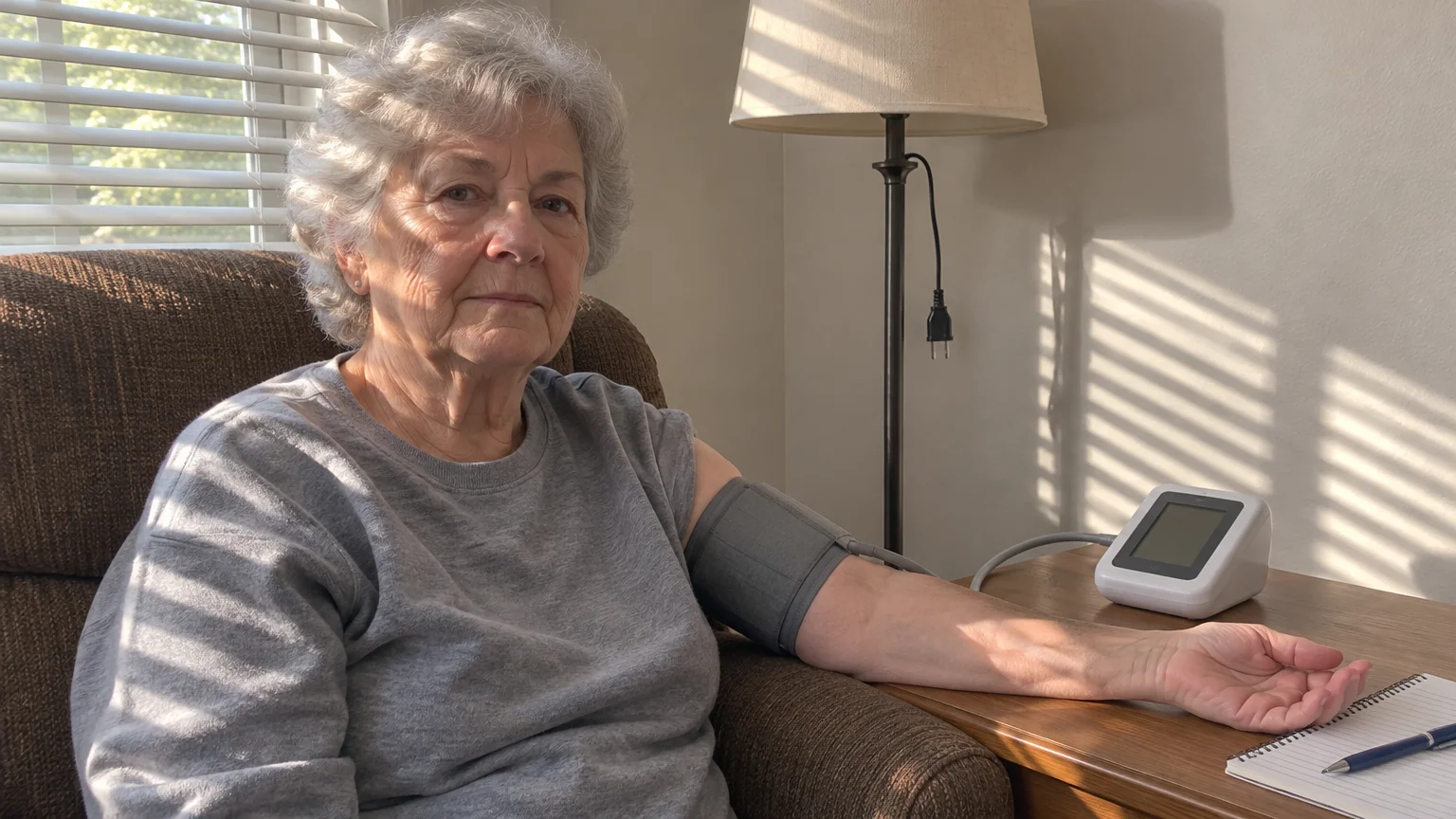
Check your blood pressure at home a few times weekly. Bring your written log to every medical visit so your doctor can fine-tune your care.
6. Guard Your Brain Through Daily Habits
A 2024 Lancet Commission report found addressing 14 changeable risks could prevent or delay 45 percent of dementia cases. Memory loss is not a guaranteed part of aging.
Your brain keeps neuroplasticity, meaning it builds new connections throughout life. Reading, strategy games, or learning a new skill keeps those pathways active.
Keeping systolic blood pressure at 130 or lower from midlife helps protect thinking. Managing high LDL cholesterol, wearing needed hearing aids, and fixing poor vision also reduce daily brain strain.
7. Stay Socially Connected Every Week
About 28 percent of U.S. seniors live alone. A U.S. Surgeon General advisory warns that lacking social ties harms health like smoking up to 15 cigarettes daily.
Long-term loneliness and isolation link to a 50 percent higher dementia risk. They also raise heart disease risk by 29 percent and stroke risk by 32 percent.
Schedule a weekly coffee date, volunteer locally, or join a walking club. Meaningful contact with two or three close people makes a real difference.
Stay Ahead with Preventive Care
8. Keep Up with Vaccines and Screenings
The CDC recommends a yearly flu shot, with high-dose versions preferred after 65, plus two shingles doses. You also need a tetanus booster every 10 years and a pneumococcal shot if never vaccinated.
Adults 75 and older need one RSV shot. Because over 81 percent of COVID-19 deaths happen past 65, the CDC advises two updated doses six months apart.
Cancer checks change after 70 based on your health. Routine colon screening runs through age 75, while mammograms continue every two years through 74.
Women 65 and older need bone density scans, and former smokers may need lung scans through 80. Men 65 to 75 who ever smoked should ask about a one-time abdominal ultrasound, and adults through age 79 should have a one-time Hepatitis C test.
9. Schedule Regular Comprehensive Eye Exams
Untreated vision loss in later life raises dementia risk and increases dangerous falls. Clear sight helps you spot uneven sidewalks, stairs, and rugs before you trip.
Silent eye diseases like glaucoma, cataracts, and macular degeneration often start with zero symptoms. The American Academy of Ophthalmology advises a full eye exam every one to two years after 65.
The American Optometric Association recommends going once every year. If you have diabetes, the National Eye Institute (NEI) urges a yearly dilated exam to protect your sight.
10. Review Every Medication Once a Year
A USC-led study found 35.7 percent of adults aged 62 to 85 take five or more prescriptions. Over one in five face potentially major drug interactions.
CDC figures show adults 65 and older make over 600,000 emergency room visits yearly from drug reactions. Blood thinners, diabetes drugs, and antibiotics cause the most trouble.
Johns Hopkins Medicine advises bringing every prescription, vitamin, and supplement to a yearly review. Your doctor can safely stop pills you no longer need.
Building Your Routine Without Overwhelm
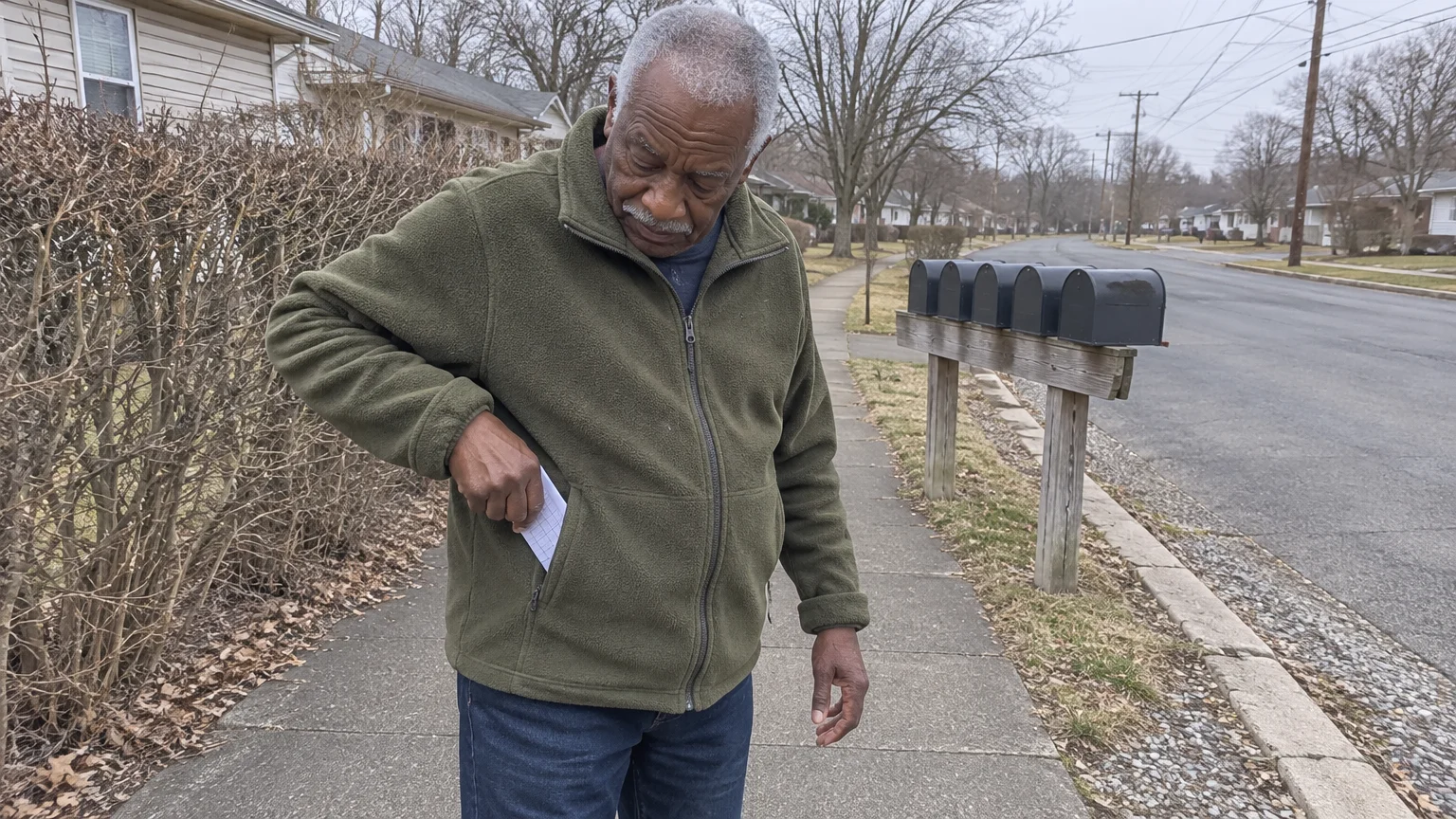
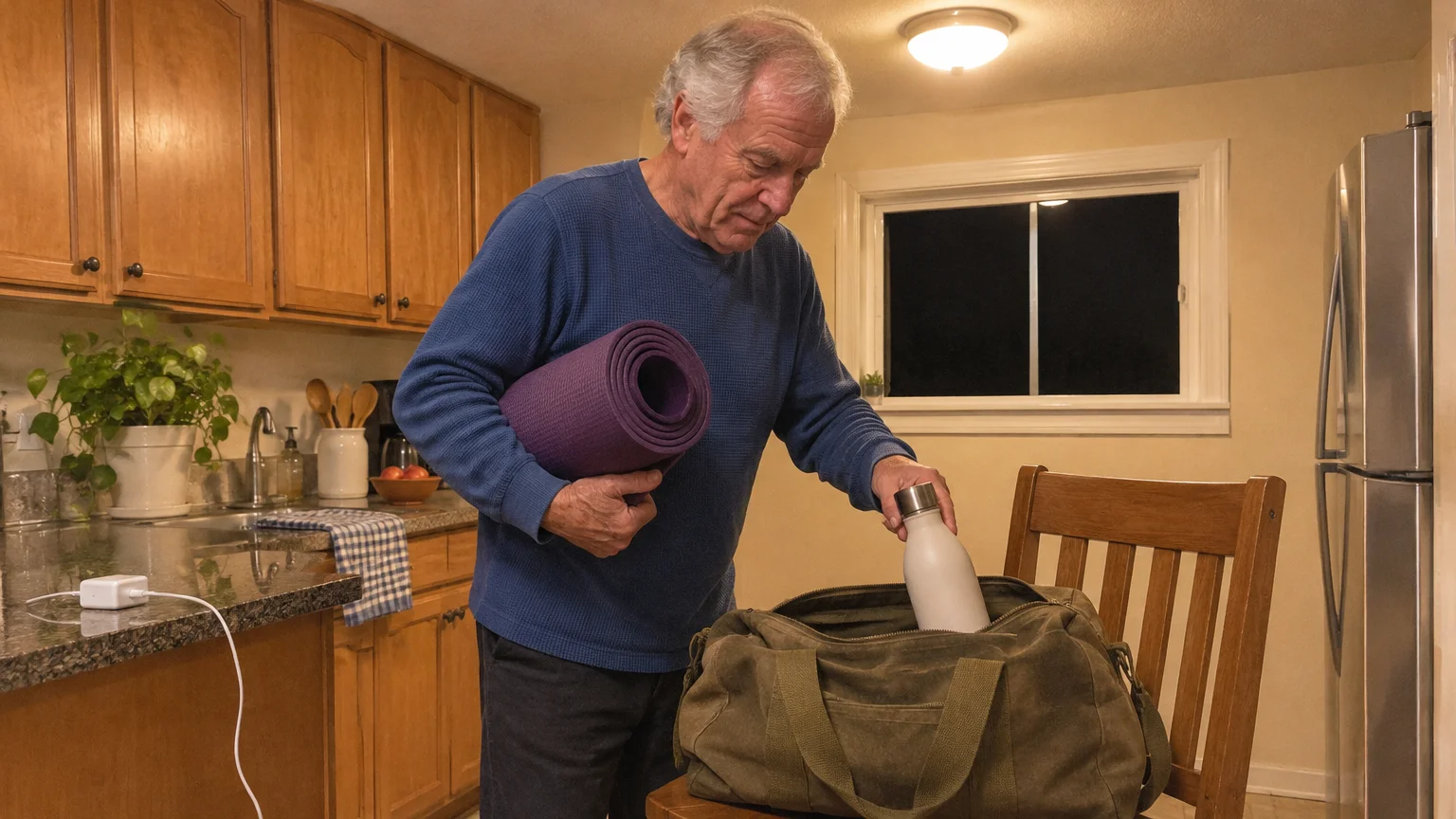
Doctors never expect you to change every habit in one week. Pick one easy step today, like filling a morning water bottle or booking an eye exam.
Add a second habit next month once the first feels natural. Researchers continue studying how combining exercise, nutrition, and social ties multiplies long-term brain benefits.
The World Health Organization (WHO) stresses that healthy aging means keeping the freedom to do what you value.

Common Questions About Healthy Aging After 70
Is it too late to start exercising in my 70s?
No, your heart and muscles respond to movement at any age. Short walks, water aerobics, or chair exercises still build real strength.
Check with your doctor first if you have chest pain or joint trouble. A physical therapist can design safe moves for your body.
Do I really need fewer screenings after age 75?
Often yes, because test risks can outweigh benefits past 75. Some procedures cause stress or complications while searching for slow-growing conditions.
Routine breast and colon screenings shift to personal choices past age 74 or 75. Routine PSA prostate screening is usually no longer advised past 70.
How much protein is safe with kidney concerns?
Guidelines suggest 1.2 to 1.6 grams per kilogram daily for older adults, yet people with weak kidneys may need less. Too much protein can make impaired kidneys work harder.
Review your recent lab results with your doctor before raising protein intake. A registered dietitian can give you a safe daily target.
Can I stop a medication if I feel fine?
Never stop blood pressure, heart, or diabetes pills on your own. Many chronic conditions cause zero symptoms even while silently straining your organs.
Bring your questions to a yearly medication review instead. Your doctor can lower doses safely or taper drugs you truly no longer need.
Moving Forward with Confidence
Healthy aging after 70 comes from steady, practical choices rather than perfection. Track your blood pressure, guard your sleep, stay active, and keep close social ties.
Pair those daily habits with regular medical, eye, and medication checkups. Start with one small step this week to protect your independence.
This article is for informational purposes only and is not a substitute for professional medical advice, diagnosis, or treatment.