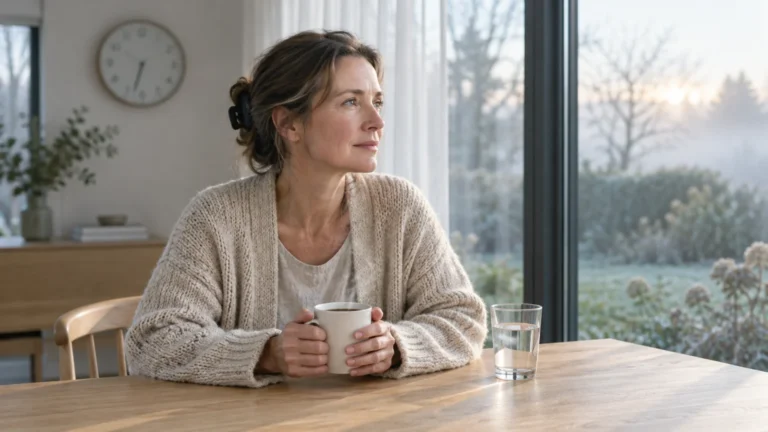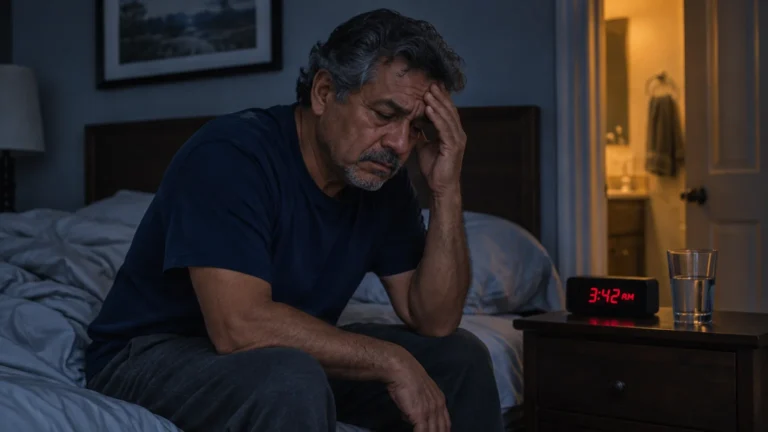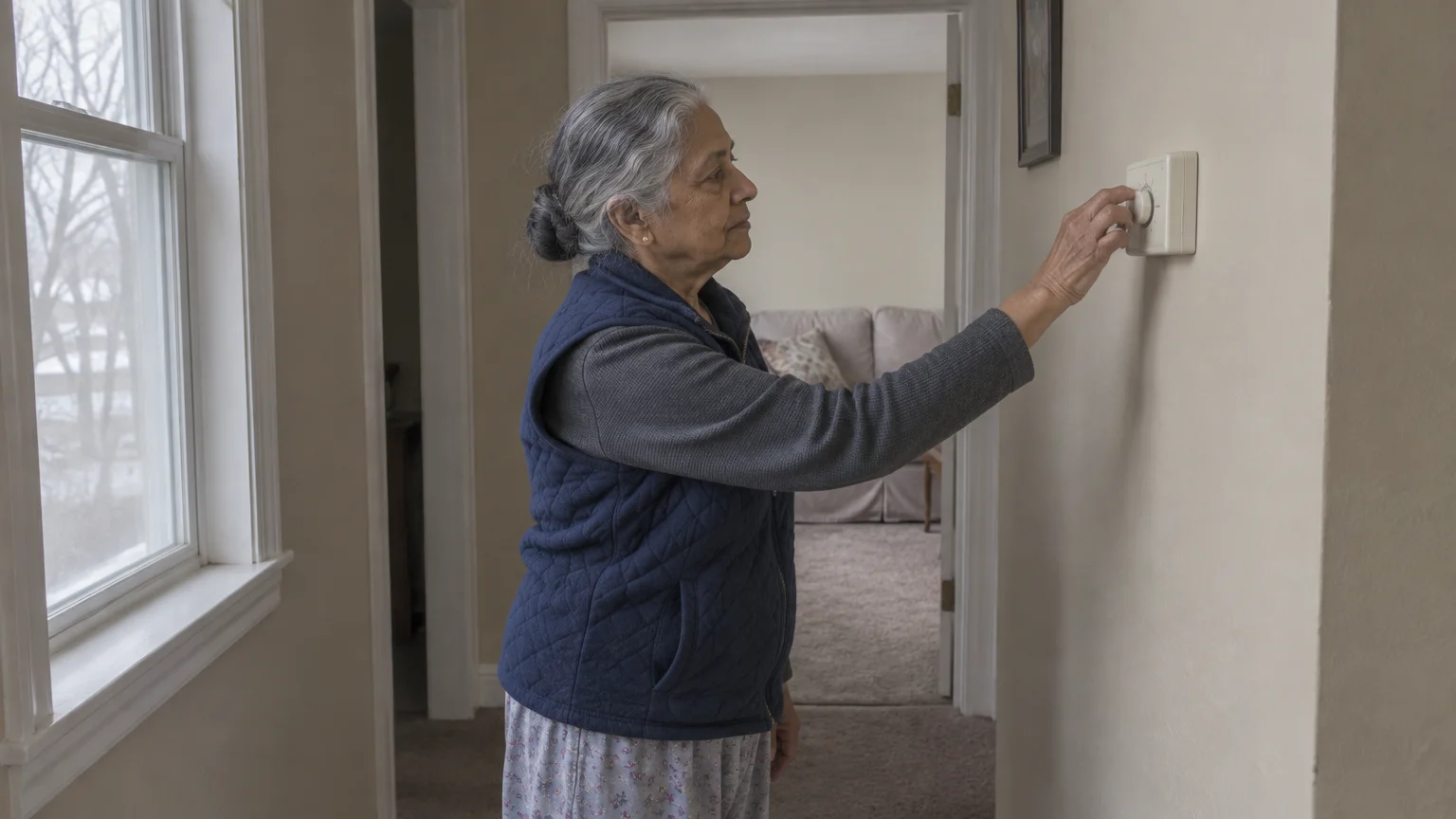
Most people picture hypothermia striking during blizzards, yet roughly 20% of cold-exposure injuries happen inside your own home. Cool indoor rooms can lower your core temperature faster than you expect.
As you age, your body loses its natural ability to sense dropping temperatures and generate protective heat. You might feel only mild fatigue while your temperature silently slips toward dangerous territory.
Knowing the subtle warning signs of hypothermia lets you act before a winter chill turns into an emergency. You can protect your health all season with practical home adjustments and safe warming habits.
Understanding How Hypothermia Develops in Older Adults
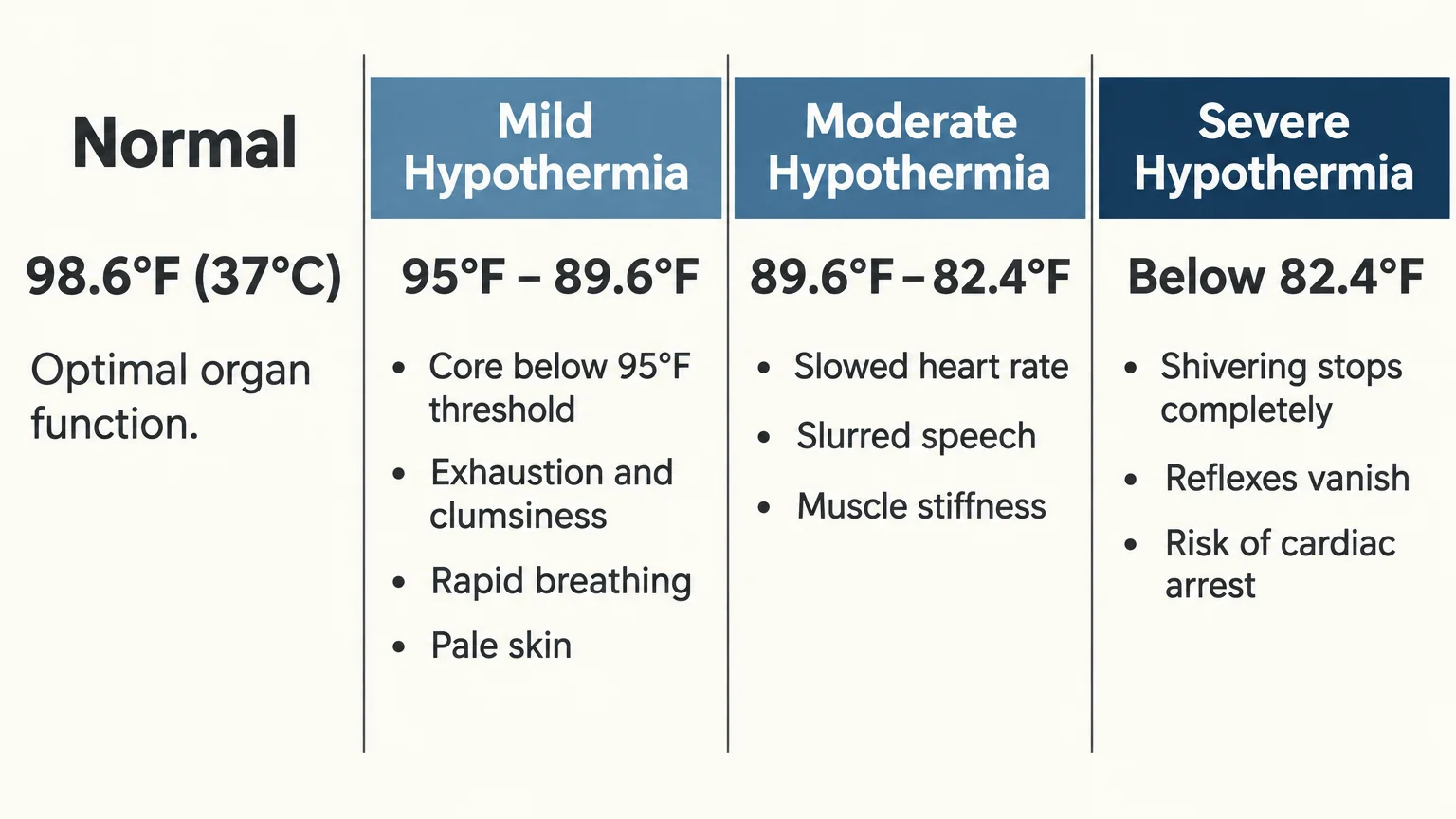
Your body normally maintains an internal temperature near 98.6°F (37°C) so your heart, brain, and organs work smoothly. Medical experts at the Centers for Disease Control and Prevention define hypothermia as a core temperature dropping below 95°F (35°C).
Doctors divide this drop into three distinct stages based on how cold your body becomes. Mild hypothermia occurs between 95°F and 89.6°F, bringing exhaustion, clumsiness, pale skin, rapid breathing, and poor judgment.
Moderate hypothermia develops when your core temperature falls between 89.6°F and 82.4°F. At this stage, your heart rate and breathing slow down, your speech slurs, and your muscles grow stiff.
Severe hypothermia sets in below 82.4°F, causing shivering to stop completely and reflexes to vanish. Blood pressure drops sharply, fluid can build up in the lungs, and cardiac arrest becomes an immediate threat.
Recent national data show why older adults must treat winter cold seriously. In 2023, excessive cold or hypothermia caused 1,024 U.S. deaths, with fatalities peaking in January at 19.9% of the yearly total.
Between 1999 and 2022, U.S. age-adjusted cold-related mortality rates more than doubled, driven by a 12.1% annual rise from 2017 onward. Adults aged 75 years and older faced the highest death rate of any group in 2022 at 4.23 per 100,000 people.
Why Aging Changes Your Body’s Cold Response
Think of your body’s heat regulation like a home thermostat connected to a furnace. With age, both the sensor and the heating system lose precision, making it harder to detect a chill and respond quickly.
Younger bodies narrow surface blood vessels rapidly and shiver vigorously to trap and generate warmth. In older adults, blood vessels constrict more slowly, subcutaneous fat thins out, and shivering often becomes weak or disappears altogether.
Cold also clouds your thinking before you realize anything is wrong. As brain temperature dips, confusion sets in and blunts your judgment, so you may forget to put on a sweater or turn up the heat.
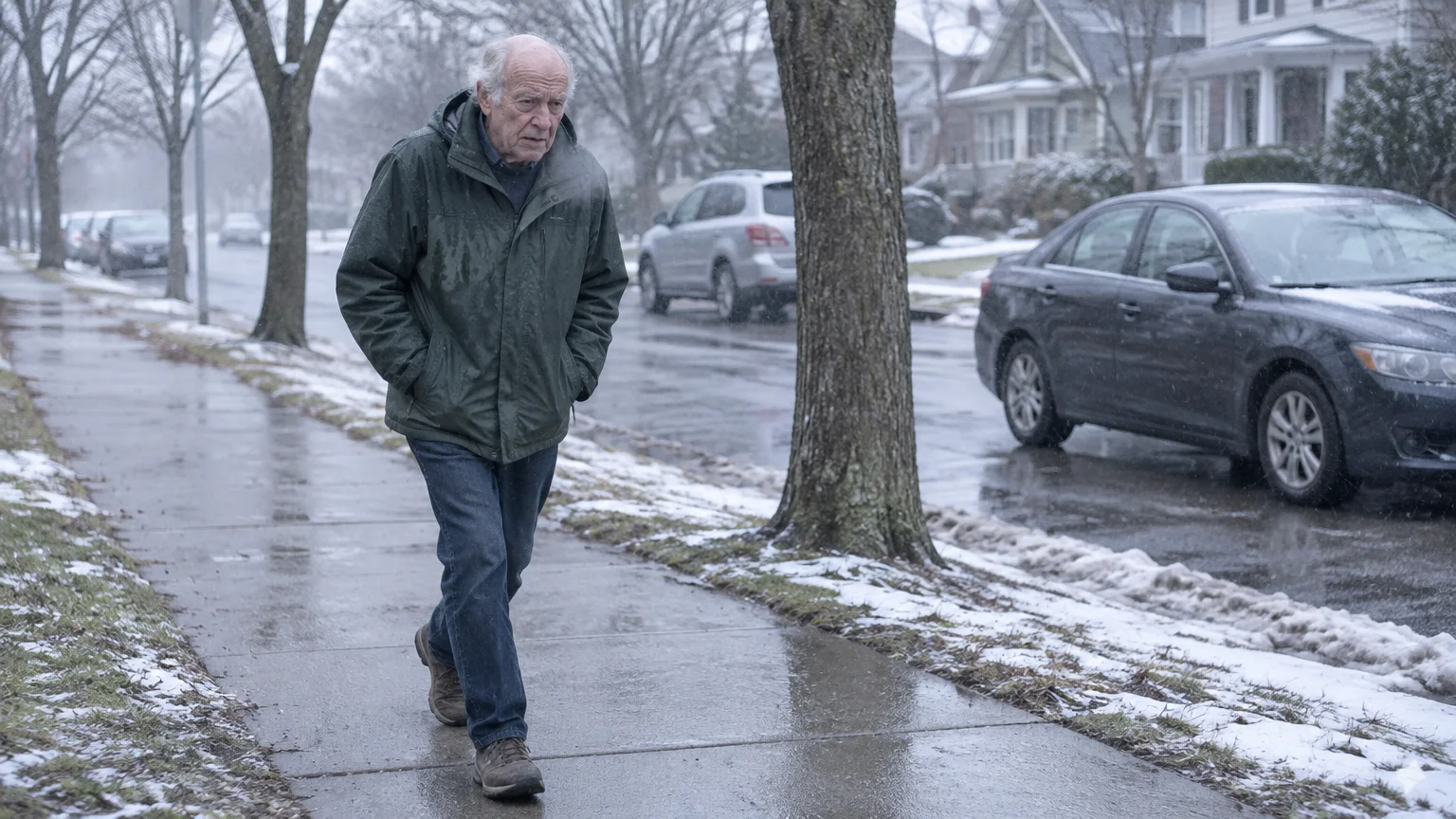
You do not need freezing outdoor air to develop dangerous hypothermia. The National Institute on Aging notes that cool temperatures above 40°F can trigger hypothermia if rain, sweat, or cold water chills your skin.
Moisture speeds up heat loss dramatically during damp winter afternoons. Water pulls heat away from your body at least 24 times faster than dry air, turning a brisk walk in sleet or damp clothes into a real hazard.
Even a mildly cool living room set between 60°F and 65°F can gradually drain your core warmth over several hours. Because indoor cooling happens slowly, family members often mistake early hypothermia for ordinary tiredness.
Early and Late Signs of Hypothermia to Watch For
Spotting hypothermia early gives you time to warm up safely before vital organs suffer stress. Pay close attention to both physical changes and sudden shifts in mood or alertness.
Early Warning Signs
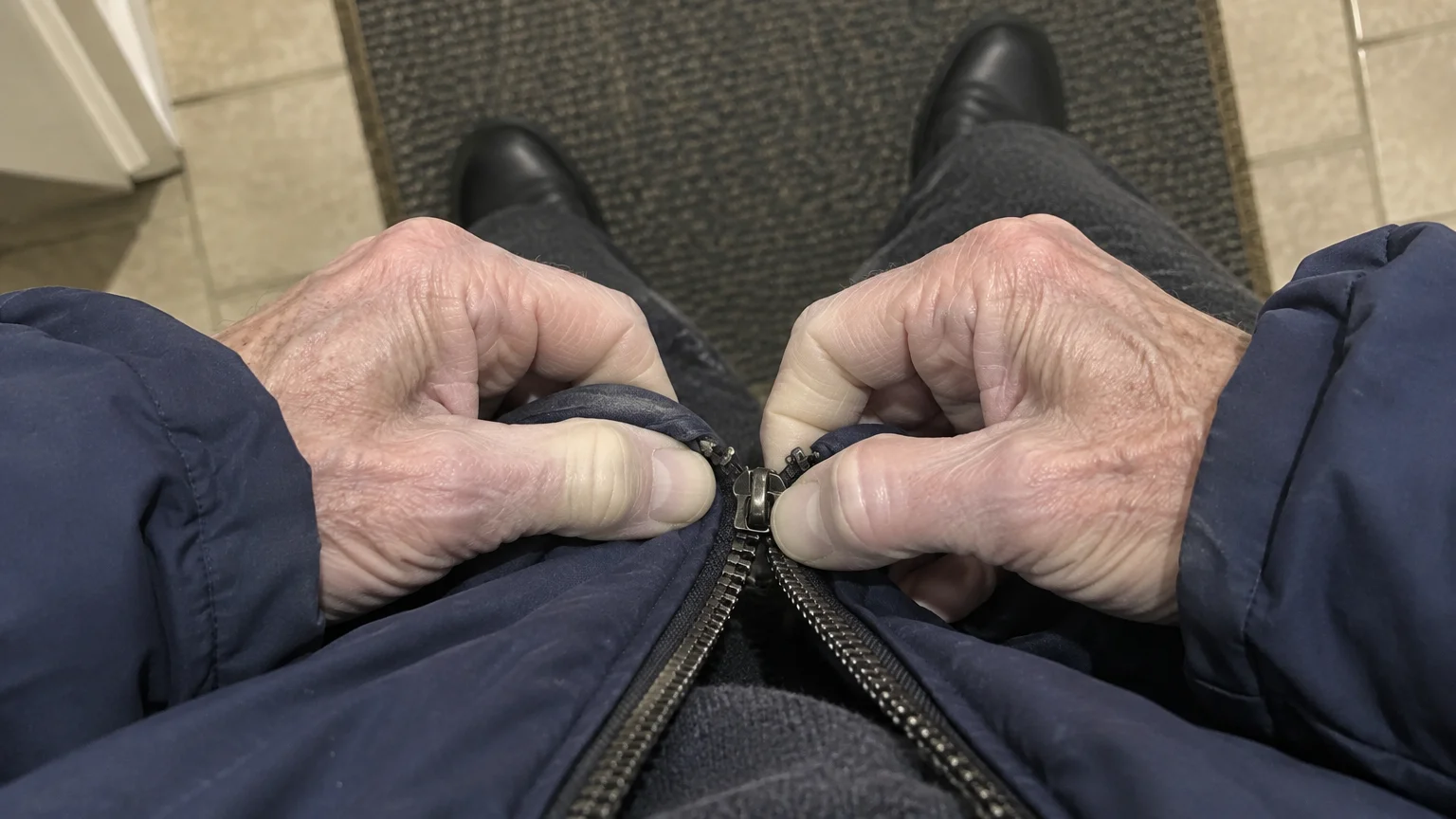
Your extremities usually show the first clues when your body starts conserving heat for your core. Watch for cold feet and hands paired with pale skin or a puffy, swollen face.
You may notice shivering or shaking, though remember that some older adults never shiver at all. Frequent urination can also appear early as cold narrows peripheral blood vessels and increases fluid pressure.
Mental and speech changes often surface alongside these physical symptoms. Look out for slowed or slurred words, unusual clumsiness, sleepiness, or sudden bursts of anger and confusion.
Moderate and Severe Emergency Signs
If body heat continues falling, symptoms shift from subtle discomfort to obvious neurological and muscular distress. Arm and leg movements become stiff and jerky, and skin may take on a bluish tint.
Pulse and breathing rates drop noticeably during moderate and severe stages, and pupils may dilate. Hallucinations, declining mental function, and loss of consciousness signal an urgent medical crisis.
Dropping to 95°F or lower puts intense strain on your entire circulatory system. According to guidance from the National Institute on Aging, this level of cooling can trigger irregular heartbeats, heart failure, kidney problems, or liver damage.
Health Conditions and Medications That Raise Your Risk
Existing medical conditions frequently interfere with how well you produce and hold onto heat. Diabetes reduces circulation to your hands and feet, while thyroid disorders slow your body’s natural metabolism.
Conditions affecting movement and memory add another layer of winter vulnerability. Parkinson’s disease and arthritis make bundling up or moving to a warmer room harder, and cognitive decline can cause someone to overlook cold-weather precautions.
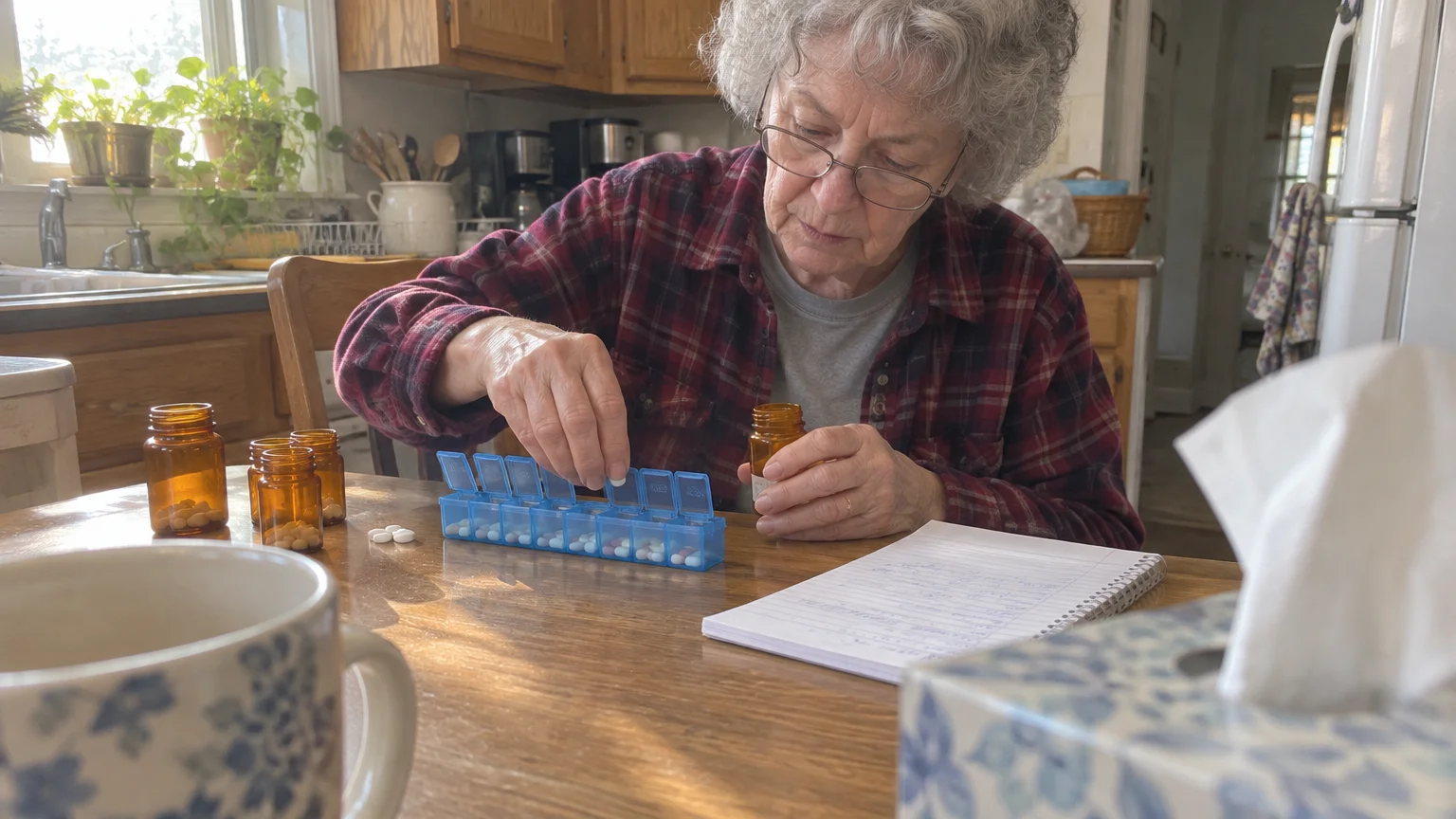
Your daily medicine cabinet can also alter your internal thermostat without obvious warning. Both prescription drugs and over-the-counter cold remedies can impair your body’s ability to regulate heat.
Antipsychotic medications carry a well-documented hypothermia risk, particularly during the first 7 to 10 days after starting treatment or raising a dose. Antidepressants, sedatives, opioids, and anti-anxiety medications such as benzodiazepines can similarly dull your cold defenses.
Blood pressure drugs—including beta-blockers and alpha-2 adrenergic agonists—can blunt shivering and blood-vessel responses. Oral diabetes medications may also trigger low blood sugar, which can lead to secondary hypothermia during cold nights.
Reviewing your full medication list with a doctor or pharmacist before winter arrives helps you understand your personal risk. Never stop taking a prescribed drug on your own, as your clinician can advise you on safe seasonal precautions.
Proactive Measures You Can Take This Winter
Small adjustments inside your home create a reliable buffer against winter cold. Start by checking your thermostat settings and preparing an emergency action plan.
Keep Your Home Safely Heated
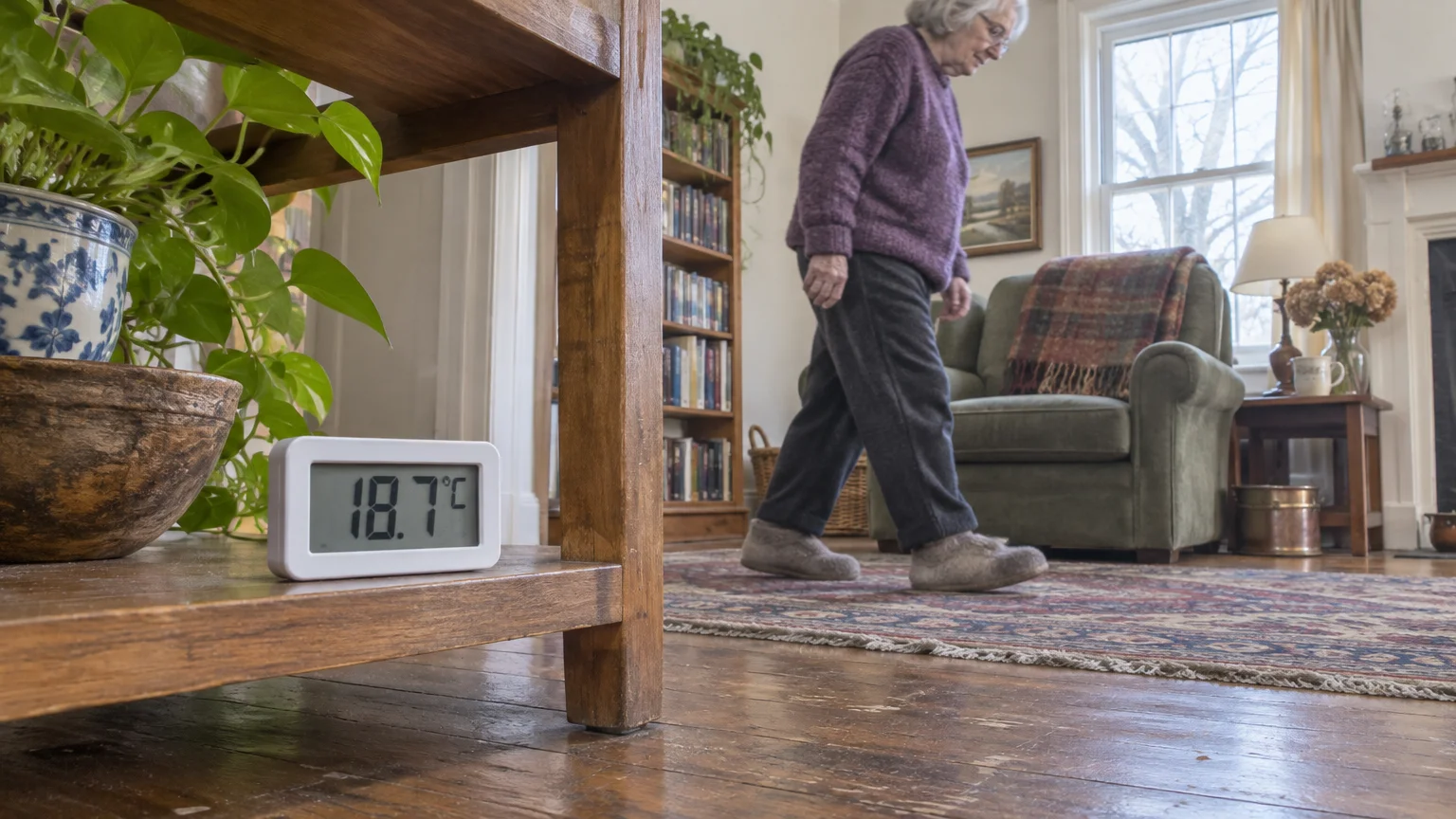
Federal aging experts recommend keeping your indoor thermostat set to at least 68°F to 70°F throughout winter. Even if you wear a sweater, rooms cooler than 65°F pose a measurable risk if you sit still for hours.
Public health guidance from the World Health Organization and UK health agencies highlights 18°C (64.4°F) as a minimum threshold for sedentary adults wearing warm layers. Indoor temperatures below 18°C raise blood pressure and blood-clotting risks linked to heart attacks and strokes.
High utility bills lead many older adults to turn down the heat to save money. If heating costs strain your budget, look into the federal Low Income Home Energy Assistance Program for seasonal bill support.
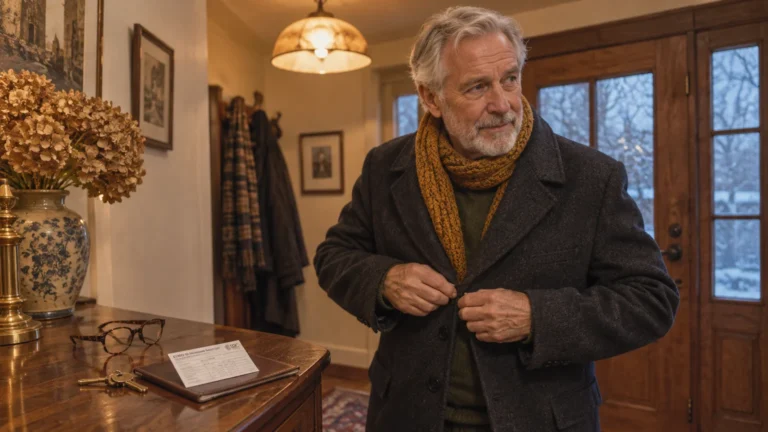
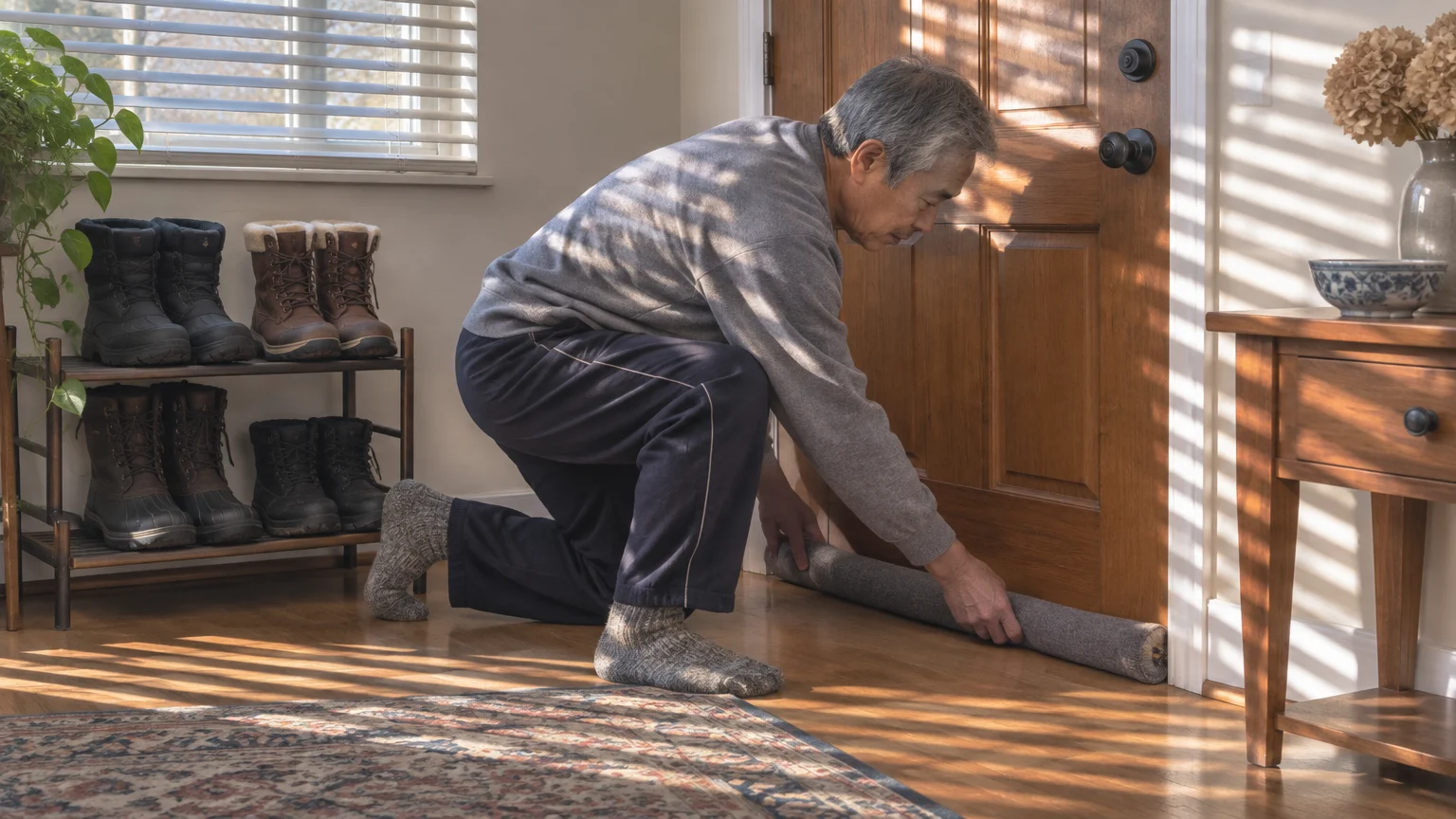
Seal drafty windows, keep interior doors closed to hold warmth in living areas, and dress in loose, dry layers indoors. Wearing warm socks, slippers, and a lightweight hat or scarf inside helps prevent steady heat loss.
Know the Safe Emergency Steps
If you suspect hypothermia in yourself or another older adult—or see a thermometer reading below 95°F—call 911 immediately. Medical teams at the Mayo Clinic stress that severe cooling requires professional emergency care.
While waiting for paramedics, move the person gently into a warm room and avoid jarring movements. Rough handling can jostle a chilled heart and trigger dangerous irregular rhythms.
Remove any wet clothing right away and warm the center of the body first—focusing on the chest, neck, head, and groin. Use dry blankets, towels, coats, an electric blanket, or gentle skin-to-skin contact.
If the person is fully alert and able to swallow, offer a warm, sweet drink without alcohol or caffeine. If they are unresponsive and show no signs of breathing, begin CPR right away.
Avoid several common warming mistakes that can worsen the crisis. Never place someone in a hot bath, use a heating lamp, or press bare heating pads directly against fragile skin.
Do not rub or warm the arms and legs first, because pushing cold blood back toward the heart can dangerously lower core temperature further. Never give alcohol, caffeine, or cigarettes, and never offer fluids to someone who is unconscious.
Frequently Asked Questions About Senior Hypothermia
Can you get hypothermia indoors with the heat on?
Yes, roughly 20% of cold-exposure injuries happen inside homes, often when thermostats sit between 60°F and 65°F. Sitting still for long periods in cool rooms can gradually drop an older adult’s core temperature below 95°F.
Why do some seniors not shiver when they are dangerously cold?
Normal aging reduces muscle mass and weakens nerve signals that trigger shivering. Certain medications—such as beta-blockers, sedatives, and antipsychotics—can also suppress your shivering reflex even as your body cools.
Is a hot bath a good way to warm up after being chilled?
No, rapid warming in a hot bath or under a heating lamp can shock the cardiovascular system and burn numb skin. Warm the chest, neck, head, and groin gradually with dry blankets instead.
What indoor temperature is safest for adults over 65?
Keep your thermostat at 68°F to 70°F or warmer to stay safely protected. Even if you layer your clothing, letting indoor air fall below 64°F increases heart, stroke, and hypothermia risks.
Should you give someone warm coffee or brandy to fight a chill?
No, both alcohol and caffeine interfere with circulation and speed up heat loss rather than restoring core warmth. Offer warm water, broth, or sweet herbal tea only if the person is alert and swallowing safely.
Protecting Your Health Through Every Cold Snap
Winter cold poses a quiet but preventable threat as your body ages. By keeping your home at 68°F or higher, checking medications with your doctor, and watching for early signs like confusion or slurred speech, you stay firmly in control.
Check in regularly with older friends and neighbors during cold snaps, and keep a digital thermometer handy. This article is for informational purposes only and is not a substitute for professional medical advice, diagnosis, or treatment.