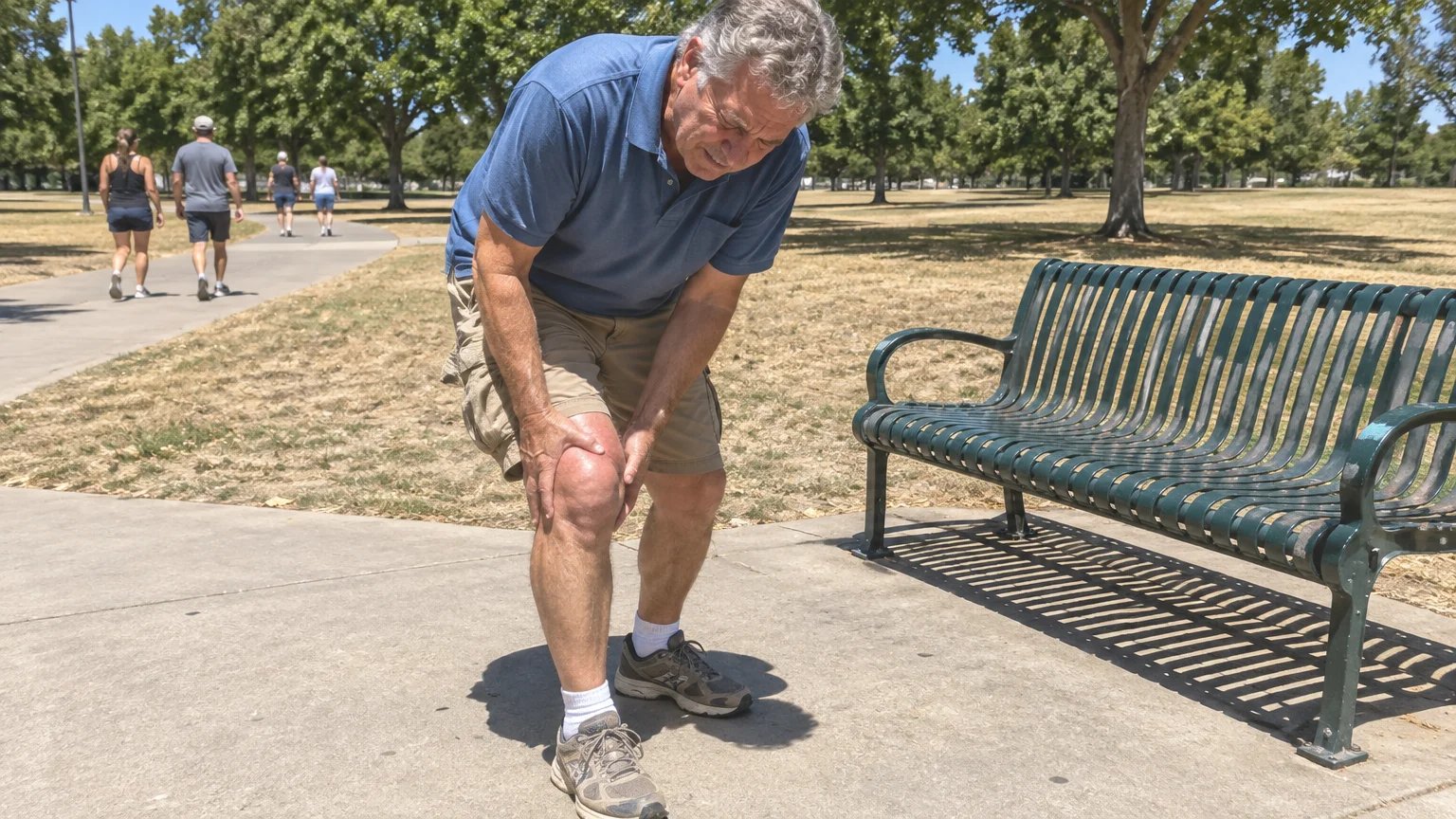
Waking up with stiff, aching joints makes simple routines exhausting, yet knowing which condition you face changes everything. Osteoarthritis and rheumatoid arthritis feel similar at first, but they require completely different medical care.
Roughly 1 in 5 U.S. adults with diagnosed arthritis do not know which subtype they have, according to CDC data. Past age 75, nearly 54% of adults live with joint disease.
Spotting the right clues early protects your mobility and prevents lasting damage. Here is how both conditions affect your body—and seven clear signs that set them apart.

What Happens Inside Your Joints?
Osteoarthritis is a degenerative joint disease—meaning the smooth cartilage cushioning your bones wears down over time. It affects 33 million U.S. adults, and roughly 73% of patients globally are older than 55.
Rheumatoid arthritis is a chronic autoimmune condition in which your immune system mistakenly attacks the synovium, the thin lining surrounding your joints. Per the National Institutes of Health, this immune assault sparks destructive inflammation.
Rheumatoid arthritis affects up to 1.5 million U.S. adults and strikes women nearly three times more often than men. Although onset commonly occurs between ages 30 and 50, symptoms can start later in life.
7 Ways to Tell Osteoarthritis and Rheumatoid Arthritis Apart
1. How Long Morning Stiffness Lasts
Pay attention to your joints right after waking up. In osteoarthritis, morning stiffness stays brief—lasting less than 30 minutes and easing quickly once you begin moving around.
Rheumatoid arthritis keeps joints locked down far longer after sleep. Stiffness typically lasts longer than 30 to 60 minutes and can linger for hours during active flares.
2. Whether Pain Matches on Both Sides
Joint pain causes often show up through symmetry. Osteoarthritis usually begins asymmetrically, bothering one knee, one hip, or one hand far more than the other.
Rheumatoid arthritis follows a mirror pattern across your body. When one wrist or set of knuckles swells, the exact same joints on the opposite side usually hurt too.
3. Which Specific Joints Are Targeted
Osteoarthritis favors weight-bearing joints like your knees, hips, and spine. In your hands, it targets the fingertip joints, middle finger joints, and the base of your thumb.
Rheumatoid arthritis starts in smaller joints—including your wrists, feet, main knuckles, and middle finger joints. Notably, it almost always spares the joints closest to your fingertips.
4. How Swollen Joints Look and Feel
Touching a swollen joint offers a clear clue. Osteoarthritis creates hard, bony lumps called osteophytes—or bone spurs—including Heberden’s nodes at fingertips and Bouchard’s nodes at middle finger joints.
Worn joints also produce crepitus, a grating or crackling sensation during movement. Rheumatoid arthritis instead causes soft, warm, spongy swelling from inflamed synovial tissue.
5. How Quickly Symptoms Start and Flare
Osteoarthritis develops gradually over years and worsens with physical strain. Pain flares after long walks or climbing stairs, then eases once you sit down to rest.
Rheumatoid arthritis escalates faster, often over weeks or a few months. Instead of improving with rest, stiffness and throbbing worsen after long stretches of sitting still.
6. Whole-Body Warning Signs
Osteoarthritis stays confined to your joints and does not cause body-wide illness. Feeling run-down or feverish alongside aching joints points away from simple cartilage wear.
Rheumatoid arthritis is systemic, meaning inflammation travels through your bloodstream. Up to 40% of people with RA develop non-joint symptoms—including fatigue, low-grade fevers, anemia, dry eyes, or firm skin bumps called rheumatoid nodules.
This systemic inflammation can also affect your lungs, blood vessels, and heart. People with rheumatoid arthritis face roughly a 50% higher risk of cardiovascular disease than the general public.
7. What Drives the Underlying Damage
In osteoarthritis, mechanical wear and tissue remodeling alter bone structure locally without an immune attack. Consequently, standard blood tests for inflammation stay normal.
In rheumatoid arthritis, misfiring immune cells release inflammatory chemicals continuously. Left untreated, that ongoing assault steadily erodes cartilage, ligaments, and bone.
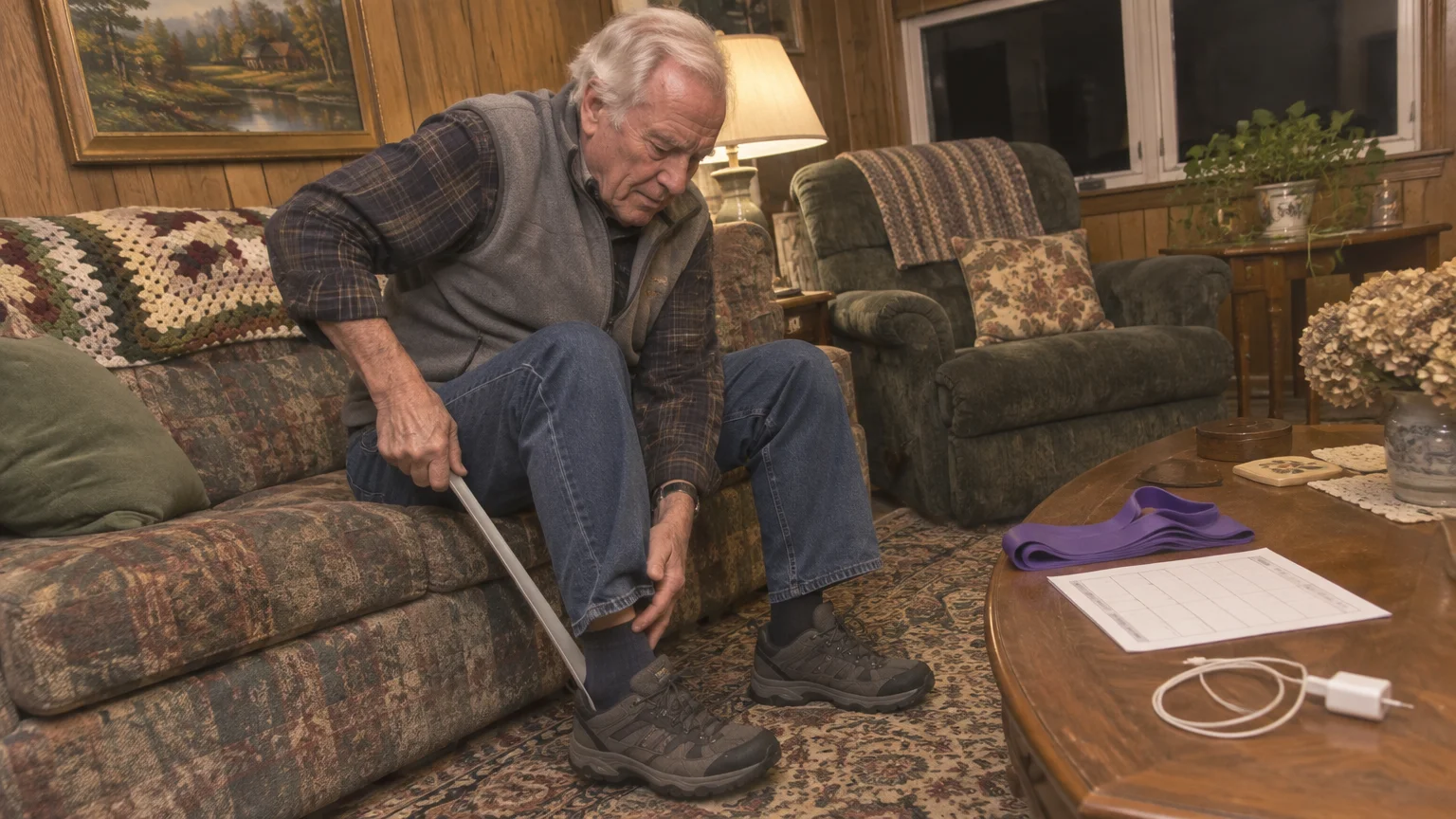
Common Risk Factors for Older Adults
Age strongly drives arthritis symptoms across the population. According to the Centers for Disease Control and Prevention, diagnosed arthritis climbs from 29% in adults aged 50 to 64 to 53.9% past age 75.
Women face higher odds for both conditions—accounting for 60% of global osteoarthritis cases and roughly 75% of rheumatoid arthritis diagnoses. Genetics and old joint injuries add further risk.
Excess weight and smoking represent two major preventable drivers. A body mass index of 25 or higher accounts for 35.8% of osteoarthritis disability worldwide in adults aged 55 and older.
Meanwhile, cigarette smoking acts as a biological trigger for rheumatoid arthritis, especially alongside inherited risk genes. Smoking accounts for 7.1% of global disability tied to rheumatoid arthritis.
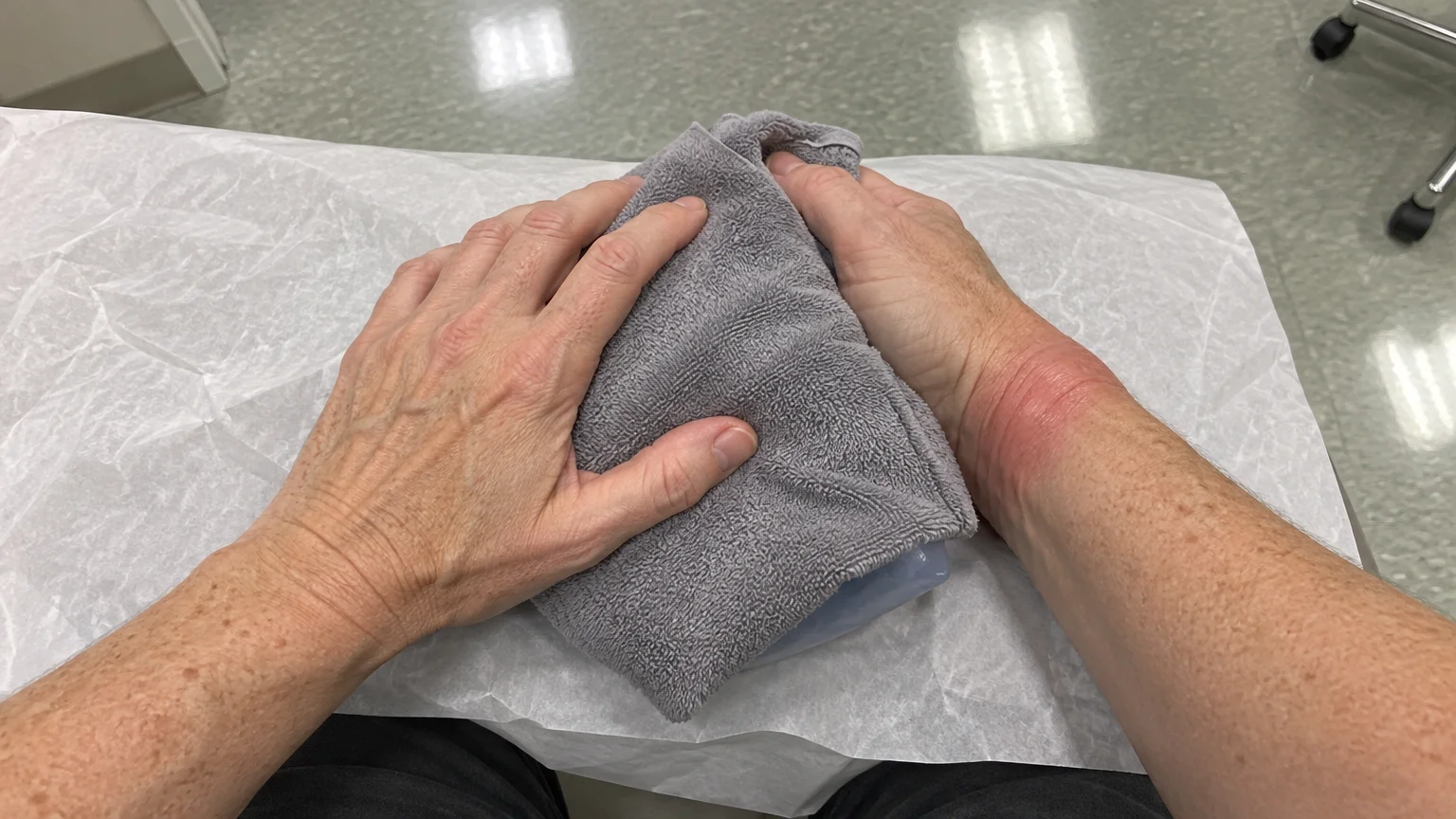
How Doctors Diagnose and Manage Each Condition
No blood test detects osteoarthritis; doctors rely on physical exams and X-rays showing narrowed joint spaces and bone spurs. Bloodwork is mainly used to rule out autoimmune arthritis.
Rheumatoid arthritis evaluations check rheumatoid factor, anti-CCP antibodies, and inflammation markers called ESR and CRP. Because early X-rays can look normal, doctors often use ultrasound or MRI to spot lining inflammation.
Sampling joint fluid also helps when symptoms overlap, since white blood cell counts stay low in osteoarthritis and spike in rheumatoid arthritis. Once diagnosed, treatment paths diverge sharply.
Updated 2026 guidelines from the American College of Rheumatology recommend exercise, weight loss, topical or oral NSAIDs (nonsteroidal anti-inflammatory drugs), and steroid injections for osteoarthritis. Clinicians may also consider GLP-1 medications for knee osteoarthritis with obesity.
Rheumatoid arthritis requires early disease-modifying antirheumatic drugs—known as DMARDs—to halt immune damage and reach remission. First-line care strongly favors methotrexate monotherapy before adding biologic or targeted therapies.
Medication safety matters deeply for arthritis seniors managing daily prescriptions. Keep total acetaminophen below 4,000 mg in 24 hours, and avoid three or more daily alcoholic drinks to protect your liver, per the U.S. Food and Drug Administration.
Take NSAIDs cautiously, as FDA warnings note higher risks of stomach bleeding, kidney injury, heart attack, and stroke—especially past age 65. Oral JAK inhibitors for rheumatoid arthritis also carry serious heart and blood-clot warnings past age 50.
Proactive Steps to Protect Your Joints
Steady movement benefits both arthritis types more than almost any single habit. Regular physical activity reduces joint pain and improves daily function by 40% while strengthening muscles around vulnerable joints.
Federal guidelines recommend 150 minutes per week of moderate aerobic exercise—such as brisk walking, cycling, or water aerobics—plus two days of muscle strengthening. Adding balance drills helps older adults prevent dangerous falls.
Even modest weight loss relieves tremendous mechanical stress on aching knees. Wake Forest University researchers found that losing 1 pound removes roughly 4 pounds of knee pressure per step.
Quitting smoking further protects your joints and lowers cardiovascular risk. Combining daily movement with nutrient-rich meals helps keep flare-ups calmer and energy steadier.

When to Contact a Doctor
Never dismiss persistent joint pain as inevitable aging. Book a medical visit promptly if morning stiffness exceeds 30 minutes or swelling strikes matching joints on both sides.
Seek prompt evaluation as well if joints turn warm and spongy, or if pain accompanies unexplained fatigue, weight loss, or fever. Starting rheumatoid arthritis therapy early sharply raises your chance of remission.
Frequently Asked Questions
Can you have osteoarthritis and rheumatoid arthritis at the same time?
Yes, having both conditions simultaneously is possible and fairly common with age. Chronic rheumatoid inflammation can damage cartilage and trigger secondary osteoarthritis, or wear-and-tear knee pain can appear alongside autoimmune hand flares.
What tests confirm which type of arthritis I have?
Osteoarthritis relies on a physical exam and X-rays showing narrowed joint spaces and bone spurs. Rheumatoid arthritis testing pairs bloodwork—rheumatoid factor, anti-CCP antibodies, ESR, and CRP—with ultrasound or MRI scans.
Can either type of arthritis be cured or reversed?
Neither condition has a permanent cure, and lost cartilage does not regenerate. Still, early DMARD medications can put rheumatoid arthritis into remission, while exercise and weight control significantly ease osteoarthritis symptoms.
Are supplements like glucosamine worth taking for knee pain?
The 2026 American College of Rheumatology guidelines strongly advise against glucosamine, chondroitin, stem cell injections, and platelet-rich plasma for osteoarthritis. Proven steps like physical therapy, exercise, and topical NSAIDs work far better.

Moving Forward with Clarity
Understanding osteoarthritis vs rheumatoid arthritis comes down to tracking morning stiffness, symmetry, affected joints, and body-wide symptoms. Jotting down those details before your appointment gives your doctor a valuable head start.
With the right diagnosis—whether autoimmune medication or joint-friendly movement—lasting comfort stays within reach. Partner closely with your healthcare team so you can keep doing the activities you love.
This article is for informational purposes only and does not constitute medical advice. Please consult a healthcare professional for any health concerns.