
Managing blood sugar does not mean giving up nature’s sweetest gifts entirely. However, certain fruits pack concentrated sugars that trigger rapid glucose spikes, jeopardizing your energy and vascular health.
If you live with diabetes, recognizing which fruits carry the highest glycemic punch protects your daily readings. Selecting the right produce keeps your vitality high and your A1C within a safe range.
This comprehensive guide breaks down the ten fruits that demand caution, explaining how to protect your health without sacrificing refreshing flavor.
Understanding the Basics of Fruit and Blood Sugar
Carbohydrates in fruit consist primarily of fructose, glucose, and sucrose. Your digestive system converts these sugars into blood glucose, which fuels your cells.
While fruit contains valuable vitamins and minerals, different fruits interact with your metabolism in distinct ways. The speed of sugar absorption determines how drastically your readings fluctuate.
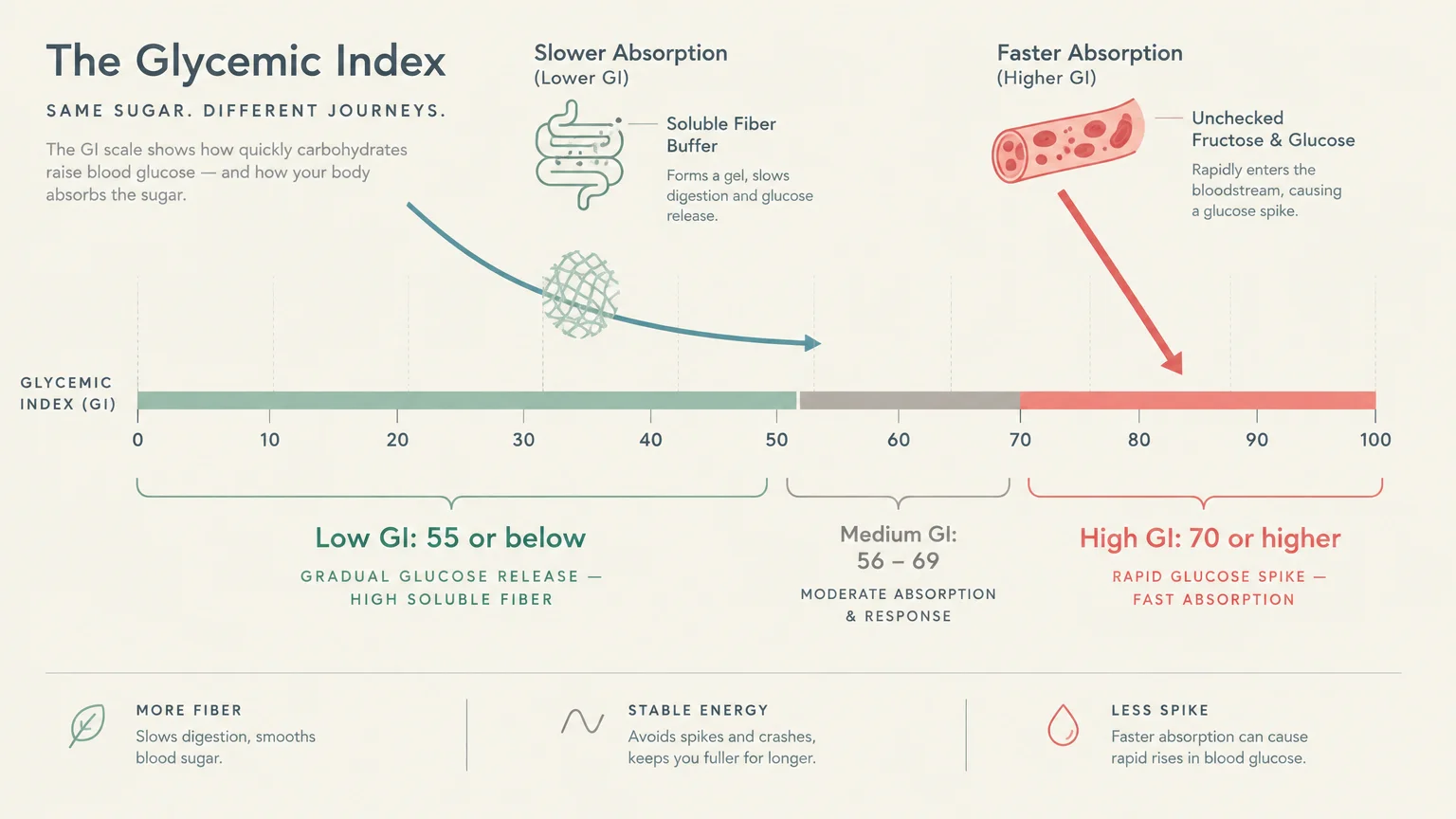
Medical experts use the glycemic index (GI) to measure how rapidly carbohydrates elevate blood glucose levels. Foods score on a scale from zero to one hundred based on this biological speed.
Low-glycemic fruits score fifty-five or below, releasing sugar gradually into your bloodstream. High-glycemic fruits score seventy or higher, causing sharp and sudden glucose elevations.
Glycemic load (GL) provides an even more practical picture by evaluating portion size alongside glycemic speed. This metric reveals the actual metabolic impact of a typical serving.
Dietary fiber plays a decisive role in moderating these physiological responses. Soluble fiber forms a gel-like substance in your digestive tract, slowing carbohydrate digestion and absorption.
Insoluble fiber adds structural bulk to your digestive system, supporting regular transit. When a fruit lacks sufficient fiber, its natural sugars enter your circulation unchecked.
Fructose presents a unique metabolic hurdle because your liver processes it directly. Excessive fructose intake can strain liver function and increase visceral fat accumulation over time.
Recognizing the balance between fiber, total carbohydrate volume, and sugar concentration empowers your dietary decisions. Knowledge transforms your grocery cart into a reliable tool for metabolic control.
Key Considerations for Seniors Managing Diabetes
Aging alters how your body processes carbohydrates and manages circulating insulin. Your pancreas produces less insulin over time, while your peripheral tissues become less responsive to hormonal signals.
Sarcopenia, the age-related loss of skeletal muscle mass, directly impacts blood sugar stability. Skeletal muscle serves as your body’s primary reservoir for clearing glucose from circulation.
When muscle volume declines, your body struggles to absorb post-meal glucose surges efficiently. Consequently, sweet fruits that once caused mild increases can trigger severe hyperglycemia in older adults.
Kidneys also undergo structural and functional changes as the decades advance. Reduced filtration capacity makes it harder for your system to clear excess circulating glucose safely.
Dehydration represents another hidden danger for mature adults managing type 2 diabetes. Diminished thirst sensation leads to concentrated blood volume, which artificially inflates glucose readings.
Many seniors take prescription medications to manage hypertension, cardiovascular health, or cholesterol. High-sugar fruits can complicate these therapeutic regimens or amplify medication side effects.
If you take insulin or sulfonylureas, sudden sugar spikes often trigger reactive hypoglycemia hours later. These erratic swings increase your risk of dizziness, disorientation, and dangerous falls.
Protecting your cognitive health requires shielding your delicate cerebral blood vessels from chronic glycemic fluctuations. Steady blood sugar supports mental clarity, mood stability, and restorative nighttime sleep.
Evaluating fruit choices through the lens of senior physiology helps you avoid preventable complications. Thoughtful adjustments safeguard your physical independence and everyday resilience.
Top 10 Worst Fruits for Diabetics
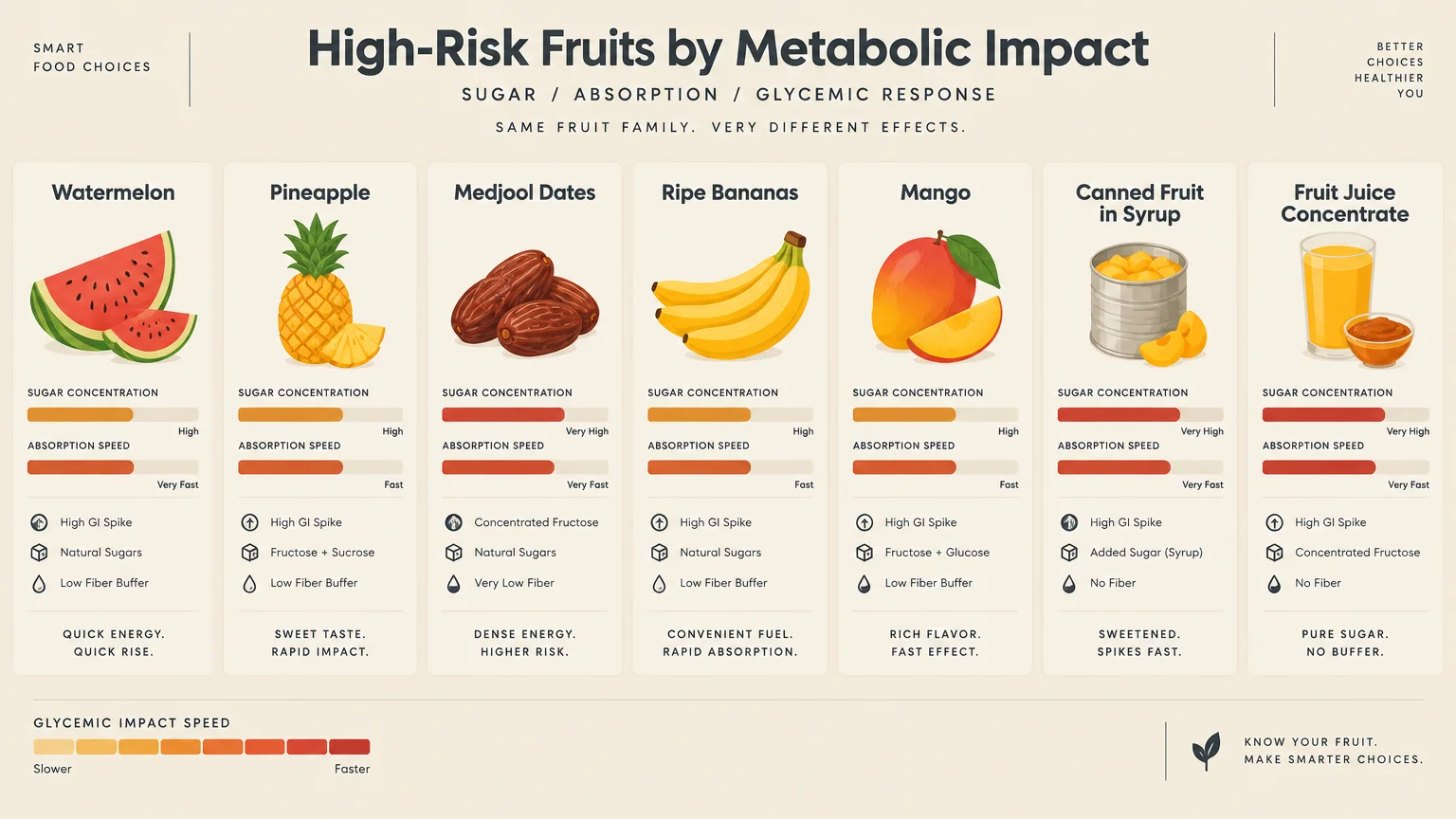
Certain fruits demand strict portion control or outright avoidance due to their concentrated sugar content. Here are the ten fruits most likely to disrupt your glycemic stability.
1. Dried Dates and Raisins
Dehydrating fruit removes water while concentrating all of its natural sugars into a tiny package. A small quarter-cup serving of raisins delivers over twenty-five grams of fast-acting sugar.
Dates score near the top of the glycemic index, breaking down almost instantly in your digestive tract. They deliver a concentrated glucose surge that demands immediate insulin intervention.
Because dried fruits lack volume and moisture, you can easily consume three or four servings without feeling full. This mindless grazing quickly overwhelms your body’s glucose disposal mechanisms.
Older adults often eat prunes or dates to relieve occasional digestive sluggishness. However, relying on them regularly can destabilize your fasting blood sugar readings.
Satisfy your craving for chewiness by choosing raw walnuts or pumpkin seeds instead. If you need digestive support, choose ground flaxseed mixed into unsweetened plain yogurt.
2. Watermelon
Watermelon sounds innocent because of its high water content, but it carries a glycemic index value above seventy. This high rating means its carbohydrates enter your bloodstream with exceptional speed.
The fruit contains virtually no dietary fiber to slow down the release of simple sugars into your gut. A large wedge triggers an immediate, steep spike in circulating glucose.
Seniors often eat generous slices during warm weather gatherings to stay hydrated. Unfortunately, this seasonal treat can disrupt your glucose management for several hours.
The high glycemic speed forces your cardiovascular system to manage sudden osmotic fluid shifts. These rapid changes can place unnecessary strain on aging kidneys and blood vessels.
If you crave melon, select cantaloupe or honeydew in strictly measured half-cup portions. Pairing melon with a slice of low-fat cheese blunts the sharp glycemic impact.
3. Overripe Bananas
Bananas change their biochemical makeup as they sit on your kitchen counter. Underripe green bananas contain resistant starch, which digests slowly and acts like prebiotic fiber in your colon.
As bananas ripen and turn yellow with brown speckles, that beneficial resistant starch converts into free sugars. An overripe banana can cause a dramatic post-meal glucose surge.
Many older adults prefer ripe bananas because their soft texture is gentle on sensitive teeth and dental work. However, this convenience comes with a heavy metabolic cost.
A single large ripe banana can contain over thirty grams of total carbohydrates. That single piece of fruit accounts for most of your carbohydrate allowance for an entire meal.
If you enjoy bananas, eat them while the peel still displays a greenish tint. You can also eat half a small banana spread with natural almond butter to slow digestion.
4. Mangoes
Mangoes deliver rich tropical flavor, but a single whole fruit contains roughly forty-five grams of natural sugar. That amount equals the carbohydrate content of several slices of commercial white bread.
The predominant sugar in mangoes is fructose, which your liver must work diligently to process. Consuming large portions can raise circulating triglycerides alongside your daily blood sugar levels.
Seniors with decreased physical activity levels struggle to burn off this concentrated carbohydrate load quickly. The resulting glucose plateau can linger well into the afternoon.
Mango pulp also contains relatively little insoluble roughage compared to its high liquid sugar content. Your body absorbs these sugars rapidly, leaving you hungry shortly after eating.
Limit your mango intake to two or three thin slices as an occasional garnish on grilled fish or chicken. Alternatively, switch to fresh papaya, which carries a lower glycemic impact.
5. Pineapple
Pineapple combines intense sweetness with natural acidity, but it scores high on the glycemic index scale. Its cellular structure breaks down rapidly, releasing sugars straight into your digestive system.
A single cup of fresh pineapple chunks delivers more than sixteen grams of rapidly absorbed sugar. Canned varieties packed in juice contain even higher concentrations per serving.
Many people believe the enzyme bromelain cancels out pineapple’s sugar content, but this is a nutritional myth. Enzymes assist with protein breakdown, not carbohydrate clearance.
The rapid glucose spike from pineapple can trigger postprandial fatigue in older adults. You might feel energetic for thirty minutes, followed by a sudden wave of sluggish exhaustion.
Replace sweet pineapple with fresh raspberries or blackberries in your morning fruit bowl. Berries deliver rich antioxidant protection with only a fraction of the sugar content.
6. Seedless Grapes
Seedless table grapes are bite-sized sugar capsules that encourage continuous, mindless snacking. A standard cup provides more than twenty-three grams of fast-acting carbohydrates with negligible dietary fiber.
The thin skins offer little structural resistance during digestion, allowing glucose to enter your system immediately. Eating a full bowl can cause a sharp spike in postprandial blood readings.
Because grapes are effortless to chew and swallow, older adults frequently eat far beyond a standard serving size. This habit places unnecessary strain on your daily insulin management.
Grapes also lack the satiety signals provided by fruits that require thorough chewing and peeling. You consume dozens of grapes before your brain registers that you have consumed a full meal’s worth of sugar.
Swap grapes for fresh blueberries, which contain potent anthocyanins that support vascular health. Measure a half-cup portion and eat each berry mindfully to savor the flavor.
7. Sweet Cherries
Sweet Bing cherries offer luscious flavor, but they pack concentrated fructose into every bite. Eating a cup of sweet cherries delivers nearly twenty grams of carbohydrate directly to your bloodstream.
Their dark red skins provide beneficial polyphenols, but the high natural sugar content can overshadow these perks. Without portion limits, cherries can derail your target glycemic range.
Seniors often purchase fresh cherries by the bag during summer months, snacking freely from the refrigerator. This habit can create unpredictable blood sugar patterns that confuse your doctor.
The high fructose load in sweet cherries can also cause gastrointestinal distress in seniors with sensitive digestion. Bloating and gas frequently accompany large servings of stone fruits.
Choose tart Montmorency cherries over sweet varieties whenever possible, as they contain significantly less sugar. You can also enjoy a small handful of strawberries for a safer sweet treat.
8. Lychees
Lychees are prized for their floral sweetness, but they rank among the most sugary tropical fruits available. One cup of fresh lychees delivers nearly twenty-nine grams of simple carbohydrates.
The fruit contains virtually no roughage to slow gastric emptying, leading to swift intestinal absorption. This biochemical profile makes lychees particularly problematic for older adults with insulin resistance.
Canned lychees in syrup are even more hazardous, combining native sugars with heavy sucrose baths. These canned preparations can spike blood sugar to dangerous thresholds.
The delicate texture of lychees makes overeating easy, especially when served as dessert in restaurant meals. A single serving can instantly undo your careful dietary choices for the day.
If you encounter fresh lychees, limit yourself to one or two individual fruits as a rare delicacy. Balance them with a tall glass of water and a small handful of raw almonds.
9. Canned Fruit in Heavy Syrup
Canned fruit remains a household staple for many older adults due to its long shelf life and affordability. However, fruits packed in heavy syrup absorb excessive amounts of added refined sugars.
The high-heat canning process degrades natural dietary fiber while drenching peach and pear slices in liquid sweetness. A half-cup serving can easily rival a slice of frosted cake in sugar content.
Consuming canned fruits regularly promotes chronic systemic inflammation and accelerates arterial stiffness in seniors. These cardiovascular risks make syrup-packed fruits especially hazardous for diabetics.
The soft texture of canned fruit requires zero chewing, accelerating stomach emptying and glucose absorption. Your body absorbs these liquid sugars within minutes of ingestion.
Always inspect product labels and purchase fruit packed in one hundred percent water or unsweetened juice. Rinse canned fruit under cold tap water before eating to remove residual syrup.
10. Commercial Fruit Juices and Fruit Smoothies
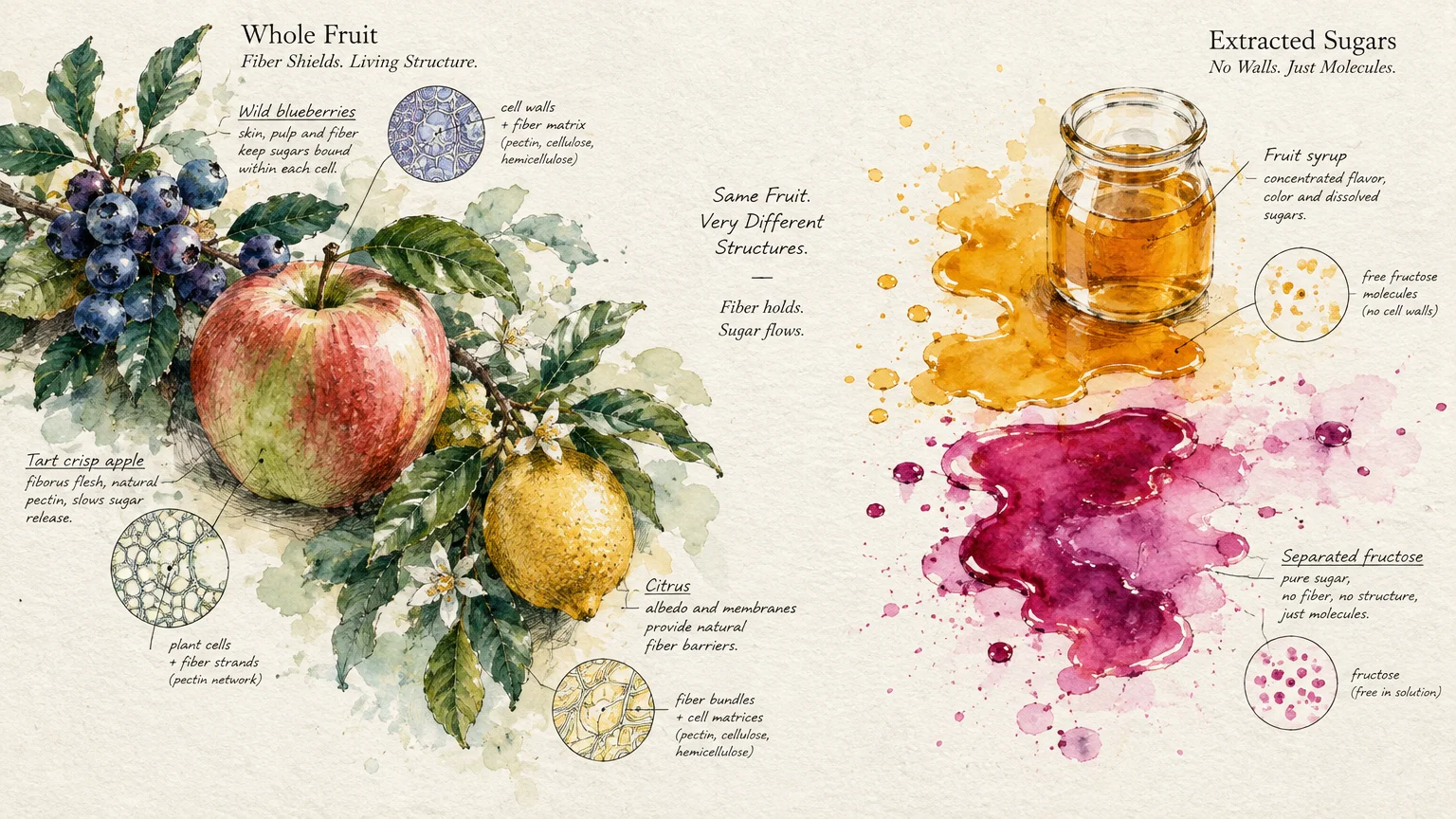
Drinking your fruit strips away nature’s most important metabolic defense: dietary fiber. An eight-ounce glass of orange or apple juice delivers around twenty-five grams of pure, unbuffered sugar.
Without insoluble fiber to slow transit, your digestive tract absorbs liquid fructose and glucose within minutes. This rapid influx forces your pancreas into an emergency hormonal response.
Store-bought fruit smoothies often present a health halo while concealing immense carbohydrate totals. Many commercial bottles contain more than fifty grams of sugar per serving.
Seniors who consume liquid fruit frequently experience steep glucose spikes followed by exhausting energy crashes. This cycle promotes excessive hunger, irritability, and elevated long-term A1C levels.
Satisfy your thirst with cold water infused with lemon wedges, fresh mint leaves, or cucumber slices. Whole fruit will always serve your body better than processed liquid alternatives.
Benefits and Potential Risks of Dietary Fruit
Completely removing fruit from your daily routine can do more harm than good. Whole fruits supply vital micronutrients, including vitamin C, potassium, and protective plant bioflavonoids.
Potassium supports healthy blood pressure by counteracting dietary sodium in your vascular walls. Many seniors struggle with hypertension, making dietary potassium an essential ally for cardiovascular longevity.
The dietary fiber in whole fruit also feeds beneficial bacteria residing in your gut microbiome. A thriving microbiome promotes lower baseline inflammation and supports reliable bowel regularity.
However, unchecked fruit consumption poses real threats to older adults living with diabetes. Hyperglycemia damages the tiny blood vessels that nourish your eyes, kidneys, and peripheral nerves.
Chronic blood sugar elevations also accelerate the formation of advanced glycation end-products. These harmful compounds stiffen blood vessels, weaken immune responses, and accelerate visible physical aging.
Excessive fructose intake strains liver metabolism, predisposing older adults to non-alcoholic fatty liver disease. Your liver converts surplus fructose into triglycerides, elevating cardiovascular disease risks.
The secret lies in finding a balanced middle ground that respects your body’s metabolic limits. Choosing nutrient-dense, low-sugar options provides essential vitamins without overwhelming your delicate endocrine system.

What the Experts Say About Fruit and Diabetes
Major medical institutions agree that adults managing diabetes must approach fruit thoughtfully. Clinical guidelines emphasize portion awareness, carbohydrate counting, and prioritizing low-glycemic varieties.
Researchers at the National Institutes of Health emphasize that whole fruit behaves differently than isolated sugars. Their clinical findings confirm that natural fiber matrices moderate post-meal metabolic stress.
Specialists at the Mayo Clinic advise diabetics to treat fruit as part of their total carbohydrate allowance. They recommend spreading fruit consumption throughout the day rather than eating large portions at once.
The Centers for Disease Control and Prevention highlights the value of pairing fruits with proteins. This combined approach stabilizes digestive transit, preventing rapid glycemic spikes in older adults.
Global guidance from the World Health Organization stresses reducing free sugars in your daily diet. They urge older adults to distinguish clearly between whole, fibrous fruit and processed juices.
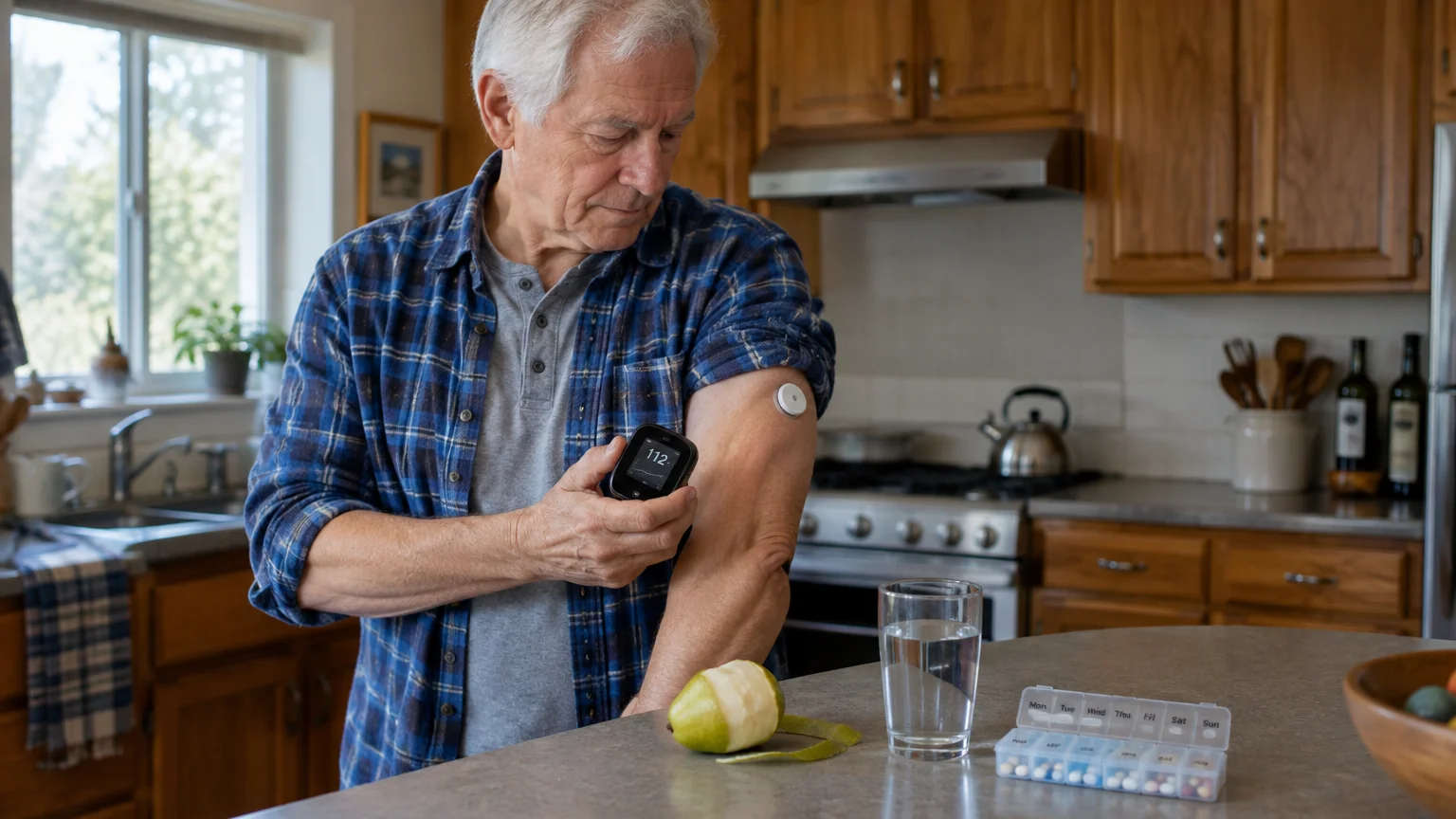
Endocrinologists recommend using continuous glucose monitors or fingerstick meters to measure your individual biological responses. Your personal genetics, medication regimen, and activity level influence how you process specific fruits.
These authoritative viewpoints share a common conclusion: fruit belongs in a balanced diet when chosen wisely. Education and portion discipline transform potential dietary hazards into nourishing fuel.
Practical Strategies to Protect Your Blood Sugar
Managing your fruit intake does not require complex arithmetic or intense deprivation. Implementing simple, repeatable mealtime strategies allows you to enjoy fruit safely every single day.
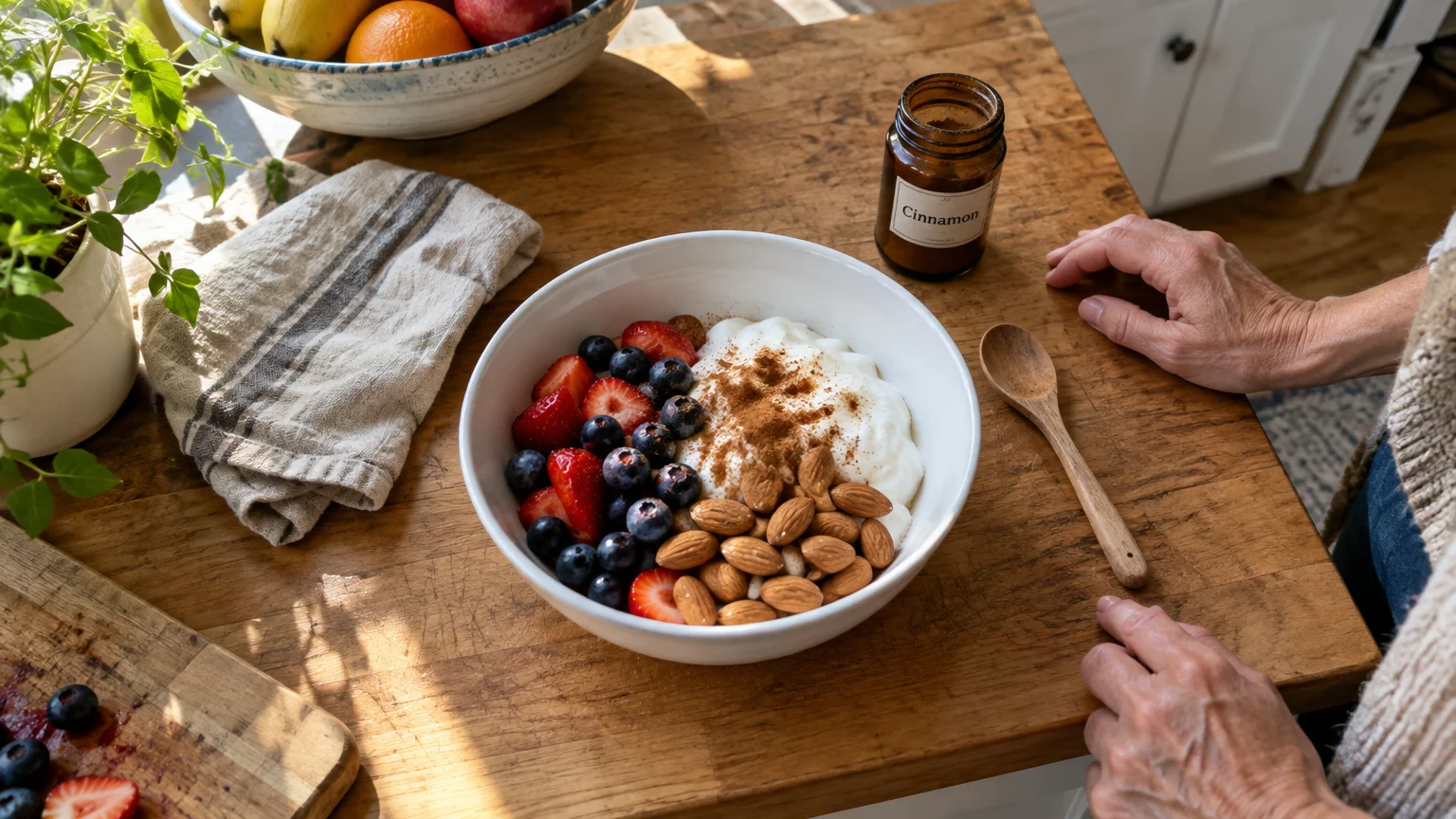
Always pair your fruit with a clean source of dietary protein or healthy fat. Adding a handful of raw almonds or walnuts slows down carbohydrate absorption in your small intestine.
You can also pair fresh fruit slices with plain, unsweetened Greek yogurt or cottage cheese. The protein and fat content creates a physical barrier that prevents sudden glucose spikes.
Never eat high-glycemic fruit on an empty stomach first thing in the morning. Your cortisol levels peak upon waking, which naturally increases temporary insulin resistance.
Instead, consume modest fruit portions as a dessert immediately following a fiber-rich, balanced lunch or dinner. The existing meal mass delays gastric emptying, smoothing out your glycemic curve.
Take a brisk ten-minute walk immediately after eating a serving of sweet fruit. Physical muscle contraction pulls glucose directly from your bloodstream without requiring additional insulin.
Use standard measuring cups rather than estimating serving sizes with your eyes. Visual estimation consistently underestimates carbohydrate amounts, leading to accidental glucose spikes.
Keep a food and blood sugar log for two weeks when introducing different fruits. Recording your two-hour post-meal readings reveals exactly which fruits your body handles with ease.
Stock your refrigerator with low-sugar alternatives like blackberries, raspberries, strawberries, and tart green apples. Having safe options ready prevents impulsive choices when sugar cravings strike.
Frequently Asked Questions
Can seniors reverse a sudden blood sugar spike caused by eating sweet fruit?
You can blunt an active spike by drinking two large glasses of fresh water immediately. Hydration dilutes circulating blood sugar and assists your kidneys in filtering out excess glucose.
Engaging in light aerobic movement, such as walking or gentle pedaling, also clears glucose rapidly. Never administer extra medication without explicit instructions from your healthcare provider.
Why are berries considered superior to tropical fruits for diabetes?
Berries have an exceptionally low glycemic index and provide dense structural fiber per serving. A cup of raspberries contains eight grams of fiber, drastically moderating glucose absorption.
In contrast, tropical fruits like mangoes and lychees pack high amounts of simple sugars with minimal fiber. Berries also deliver potent polyphenols that protect your aging blood vessels from oxidative stress.
Does blending whole fruit into a homemade smoothie make it unhealthy?
Blending whole fruit ruptures its insoluble fiber walls, accelerating the rate at which your gut absorbs sugars. Even if you retain all pulp, pulverized fruit digests far more rapidly than whole fruit.
Furthermore, drinking a smoothie bypasses oral chewing, which normally signals satiety hormones to your brain. You end up consuming several fruit servings in minutes without feeling truly full.
Should you eliminate all fruit if your A1C reading is above target?
You do not need to eliminate all fruit, even with an elevated A1C test result. Total deprivation often triggers intense cravings and robs your body of vital micronutrients and prebiotics.
Instead, temporarily eliminate high-glycemic fruits like watermelon, dates, and mangoes until your readings stabilize. Focus on small half-cup portions of blackberries or strawberries paired with healthy fats.
How does fruit ripeness influence glycemic response in older adults?
As fruit ripens, complex starches naturally break down into simple sucrose, fructose, and glucose molecules. A firm, green banana contains resistant starch that nourishes gut bacteria without raising blood sugar.
Once that same banana develops yellow skin and brown spots, those starches become fast-acting sugars. Selecting slightly underripe fruits provides better glycemic control for older adults.
Empowering Your Nutritional Choices
Navigating diabetes after age sixty requires mindful choices rather than severe dietary deprivation. Understanding how different fruits interact with your physiology gives you control over your health.
By swapping high-sugar culprits for fiber-rich alternatives, you protect your vascular system and maintain steady vitality. Small adjustments at the grocery store yield profound dividends for your long-term independence.
Treat every meal as an opportunity to support your heart, brain, and metabolic health. With the right knowledge and practical habits, you can enjoy delicious food while staying vibrant and healthy.
This article is intended for informational and educational purposes only and is not a substitute for professional medical advice, diagnosis, or treatment. Always consult with a qualified healthcare provider regarding any health concerns or before making any decisions related to your health or treatment.