You can savor delicious comfort food every evening while actively protecting your cardiovascular health and boosting your daily vitality. Whole potatoes offer an affordable, nutrient-rich foundation for dozens of satisfying dishes that streamline your weekly meal preparation.
When you apply wholesome cooking techniques, these humble root vegetables deliver essential minerals like potassium and dietary fiber without loading your plate with unhealthy fats.
Explore these twenty-three reliable recipes designed to nourish your body, ease kitchen cleanup, and bring immense culinary joy to your dining table every week.
Understanding the Nutritional Power of Potatoes
Many people mistakenly classify the potato as an empty carbohydrate that offers little more than starch. In reality, the humble potato represents a complex botanical powerhouse packed with essential micronutrients and dietary hydration.
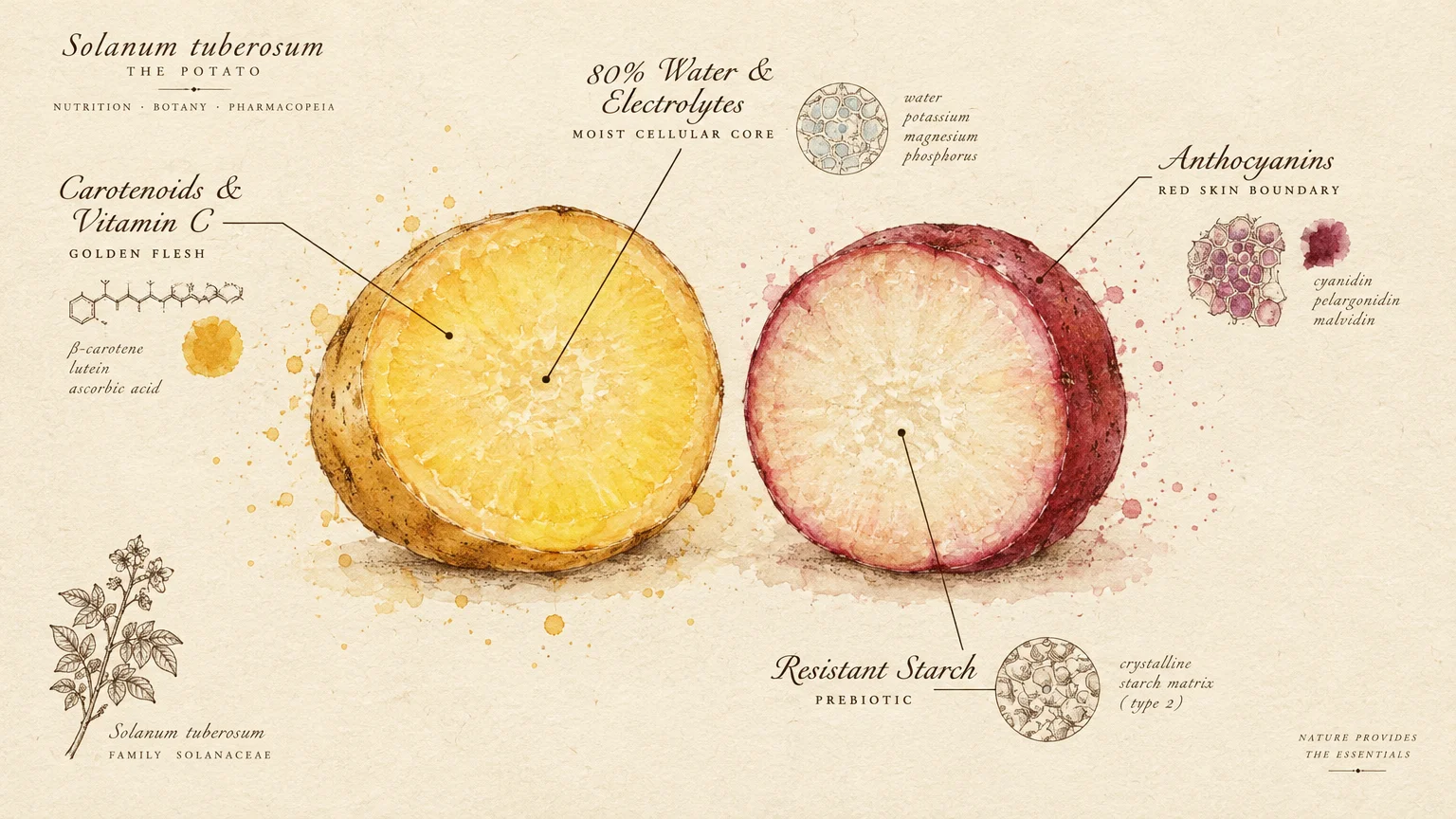
Fresh potatoes consist of roughly eighty percent water, which supports your cellular hydration while providing sustained physical energy. They also deliver vital electrolytes that maintain fluid balance across your muscle tissues.
A medium potato provides generous amounts of vitamin C, an essential antioxidant that supports your immune system and skin integrity. It also supplies vitamin B6, which plays a pivotal role in cellular metabolism and cognitive function.
The type of starch inside potatoes also changes depending on how you cook and cool them. Cooking and subsequently chilling potatoes creates resistant starch, a unique prebiotic fiber that feeds beneficial bacteria in your digestive tract.
Unlike simple sugars, resistant starch bypasses digestion in your small intestine and ferments inside your large bowel. This fermentation process produces short-chain fatty acids that actively nourish the cells lining your colon.
Choosing different varieties adds diverse phytonutrients to your weekly menu. Golden potatoes provide carotenoids that protect your eyesight, while red-skinned varieties offer anthocyanins that combat cellular inflammation.
Key Dietary Considerations for Older Adults
Aging naturally alters how your body processes macronutrients, regulates blood sugar, and absorbs vital minerals. Understanding these physiological changes allows you to enjoy potatoes while proactively managing your overall metabolic health.
Blood sugar stability becomes increasingly critical as insulin sensitivity naturally declines with age. While plain potatoes have a relatively high glycemic index, pairing them with dietary protein and healthy fats blunts any sudden glucose spikes.
Chewing and swallowing difficulties, clinically known as dysphagia, affect many older adults due to muscular changes or dental work. Mashed, puréed, or soft-baked potatoes offer an exceptionally safe, gentle texture that prevents choking hazards.
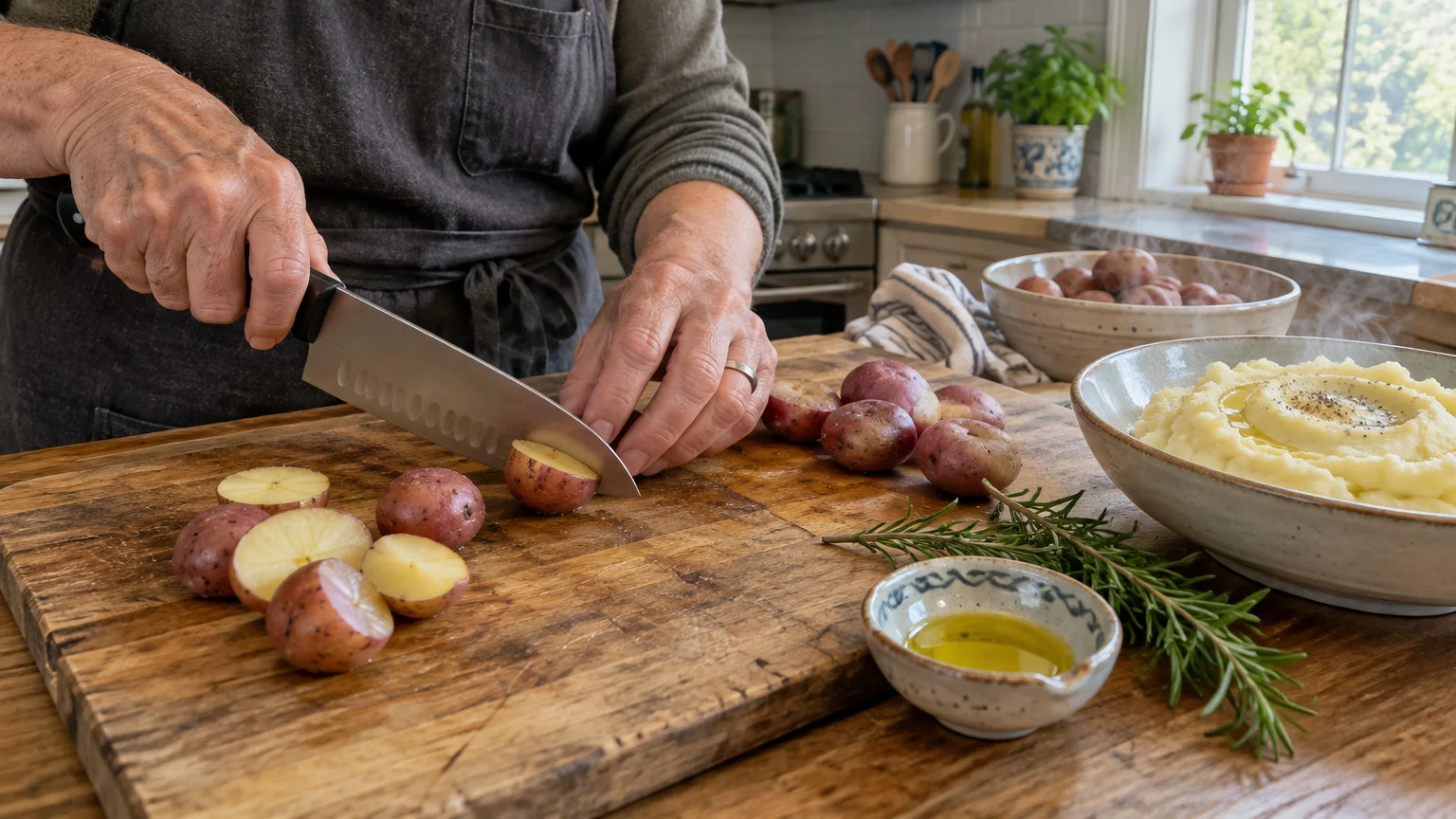
Hand fatigue and joint stiffness from osteoarthritis can make peeling and slicing large vegetables difficult or painful. Selecting thin-skinned baby potatoes or using microwave par-cooking techniques removes the physical barrier to preparing fresh meals.
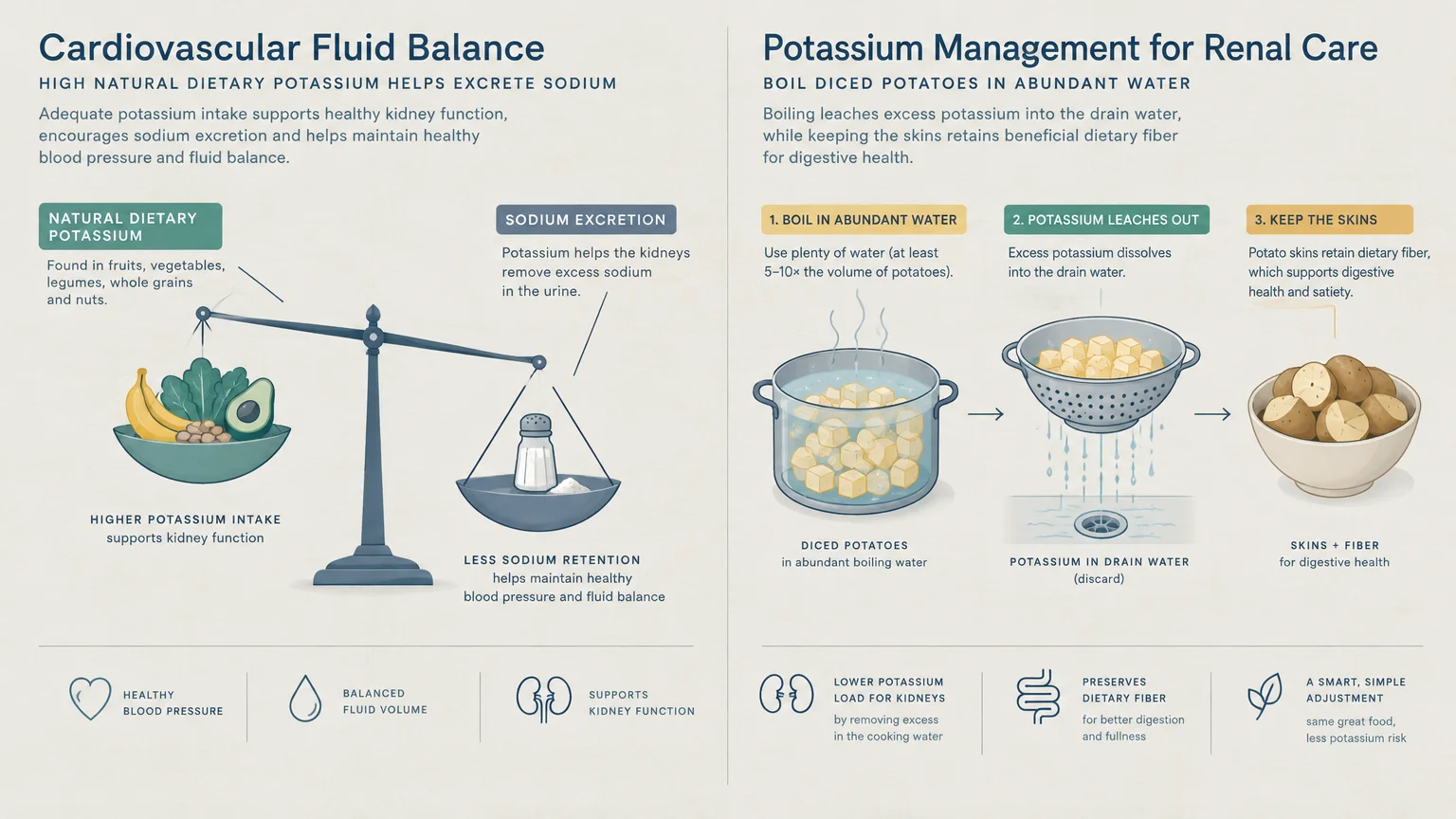
Kidney function often declines gradually as the body matures, requiring thoughtful monitoring of mineral intake. If your physician has placed you on a potassium-restricted diet, boiling diced potatoes in abundant water effectively reduces their potassium content.
Digestive transit times also slow as you age, making dietary fiber essential for preventing chronic constipation. Retaining the tender skins on roasted or steamed potatoes ensures you receive optimal fiber to keep your bowels moving smoothly.
Health Benefits and Potential Nutritional Risks
Potatoes offer numerous cardiovascular advantages when you prepare them without excessive butter, heavy cream, or processed meats. Their natural abundance of potassium helps your body excrete excess sodium and dilates arterial walls to lower blood pressure.
High potassium intake directly balances sodium levels in your bloodstream, supporting your heart and reducing stroke risks. Additionally, potatoes provide dietary magnesium, which promotes muscle relaxation and supports healthy sleep cycles.
The high satiety index of potatoes helps you feel full and satisfied on fewer total calories. This natural fullness prevents unintentional overeating, making weight management much simpler and far more enjoyable as your metabolic rate slows.
Despite these remarkable benefits, certain preparation methods introduce significant health hazards. Deep-fried potatoes, such as commercial French fries and chips, contain harmful trans fats and advanced glycation end-products that accelerate cellular aging.
Heavy restaurant-style toppings like sour cream, cheddar cheese, and bacon bits can quickly transform a heart-healthy tuber into a sodium bomb. Excess saturated fat promotes arterial plaque accumulation and increases your risk of cardiovascular events.
Improper storage presents another potential health risk that warrants your attention. Potatoes exposed to light produce solanine, a toxic compound visible as green skin, which can trigger severe gastrointestinal distress if consumed.
What the Medical Experts Say
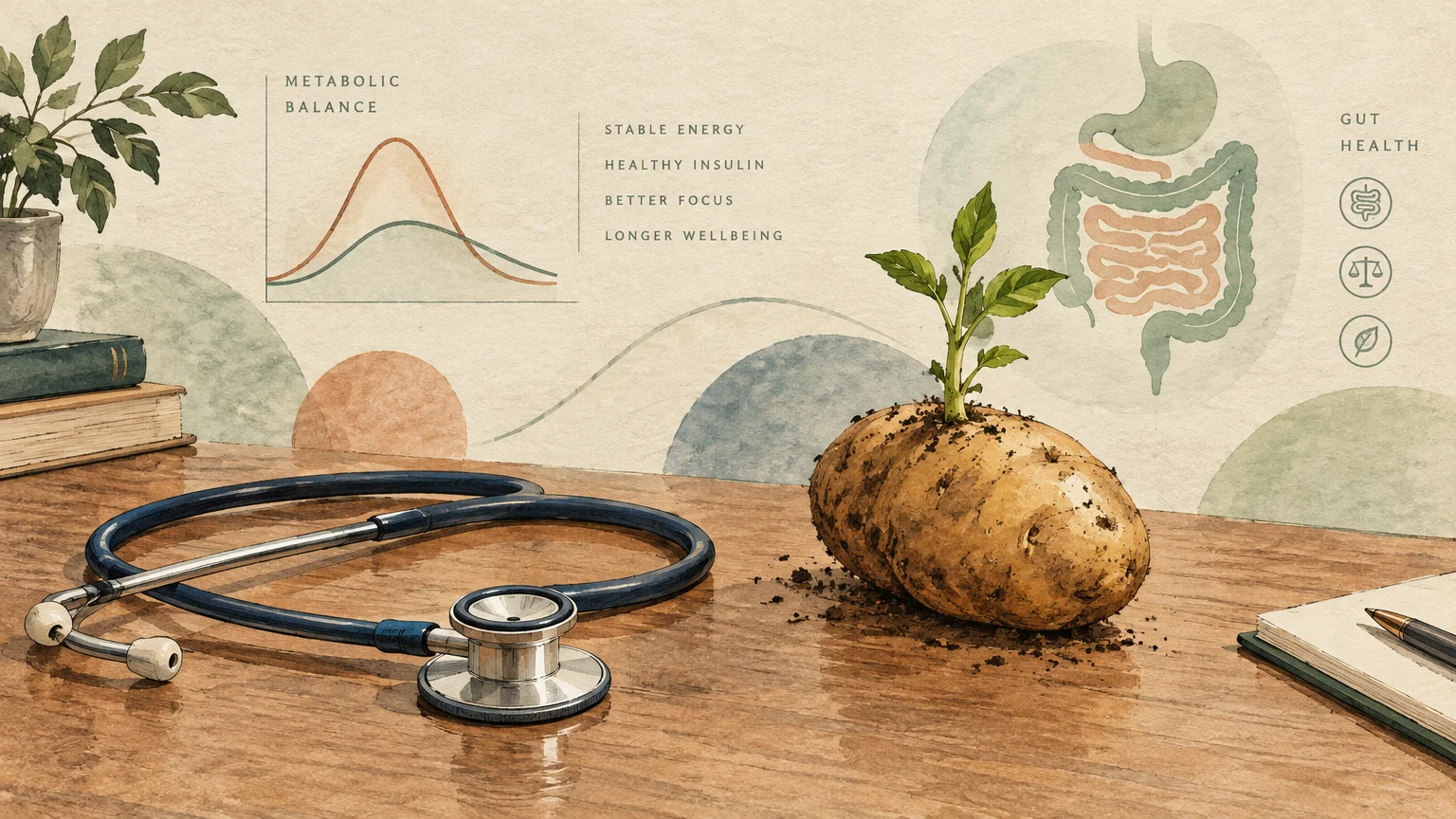
Leading global health authorities emphasize whole, unprocessed plant foods as the foundation of longevity and chronic disease prevention. Researchers at the National Institutes of Health highlight dietary potassium as an essential counterweight to modern excess sodium consumption.
Clinical nutritionists at the Mayo Clinic recommend combining starchy vegetables with lean proteins and non-starchy vegetables. This balanced plate approach ensures a steady, gradual release of glucose into your bloodstream after every meal.
The American Heart Association advises substituting saturated cooking fats with heart-healthy monounsaturated oils, such as extra-virgin olive oil. Roasting potatoes in olive oil enhances nutrient absorption while keeping your cholesterol profiles within optimal targets.
Furthermore, guidelines published by the Centers for Disease Control and Prevention underline the importance of manageable home cooking for maintaining nutritional independence. Preparing simple, whole-food recipes at home significantly lowers your exposure to hidden preservatives and processed additives.
23 Potato Recipes You’ll Make Again and Again
1. Herb-Roasted Yukon Gold Wedges
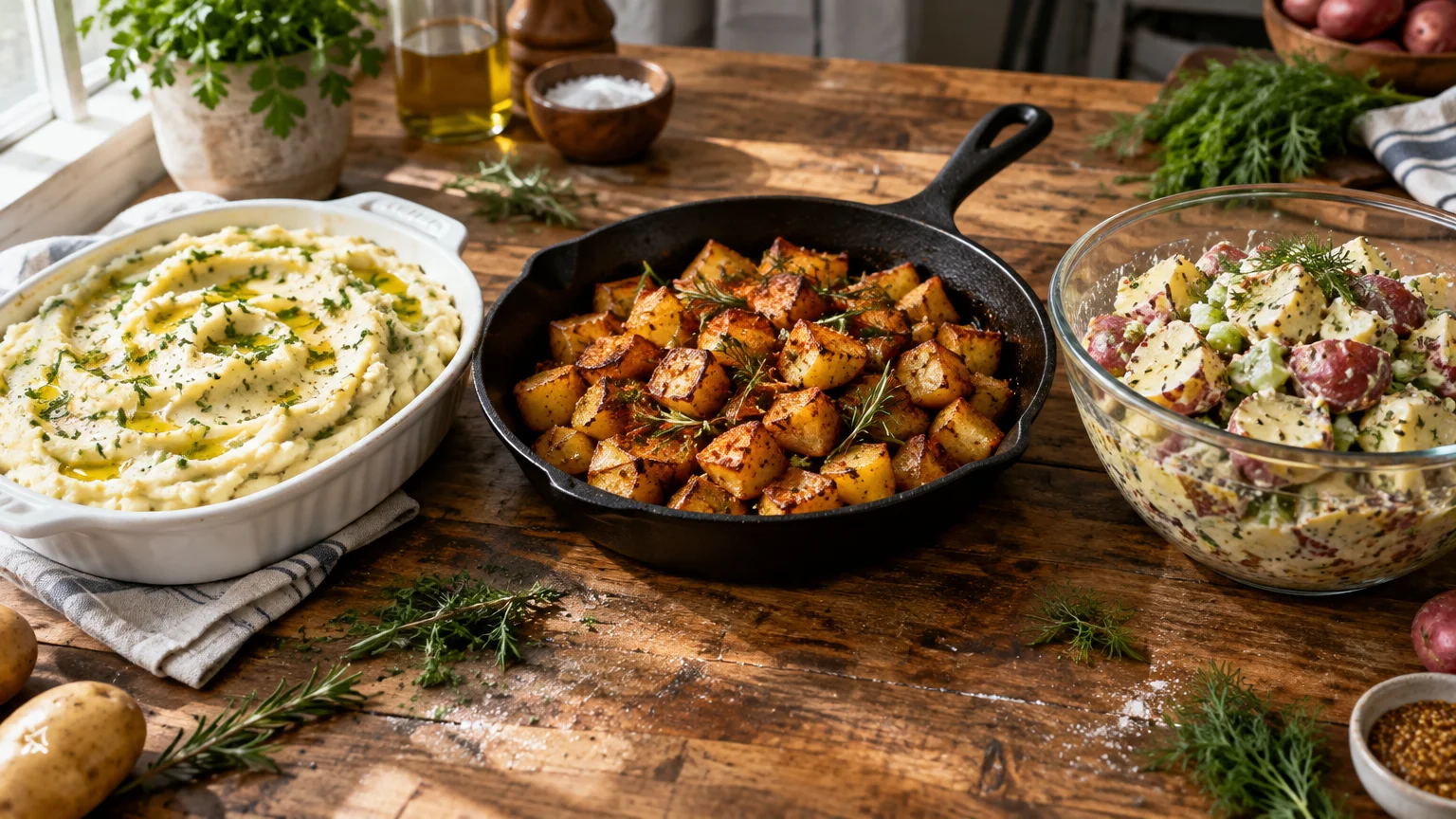
Slice creamy Yukon Gold potatoes into thick wedges and toss them with extra-virgin olive oil, dried oregano, and minced rosemary. Roast them at four hundred degrees until the exterior turns golden and crisp while the interior remains pillowy.
The naturally buttery flavor of Yukon Golds eliminates any need for dairy butter. Rosemary provides potent anti-inflammatory compounds that protect your joints, making this simple side dish an enduring household favorite.
2. Creamy Garlic and Greek Yogurt Mash
Boil peeled russet potatoes with four whole cloves of peeled garlic until fork-tender. Mash the mixture thoroughly using plain nonfat Greek yogurt, a drizzle of warm olive oil, and freshly cracked black pepper.
Greek yogurt delivers rich creaminess alongside high-quality protein and gut-friendly probiotics without the artery-clogging saturated fat found in traditional heavy cream. The cooked garlic infuses subtle sweetness while supporting your immune health.
3. Low-Sodium Loaded Baked Potato
Bake a scrubbed russet potato directly on your oven rack until the skin is crisp and the center yields to gentle pressure. Split it open and fluff the steaming flesh with a fork.
Top your potato with seasoned black beans, fresh diced tomatoes, chopped scallions, and a dollop of unsweetened avocado purée. This fiber-dense arrangement offers bold southwestern flavor while protecting your cardiovascular system from excess sodium.
4. Olive Oil and Rosemary Smashed Potatoes
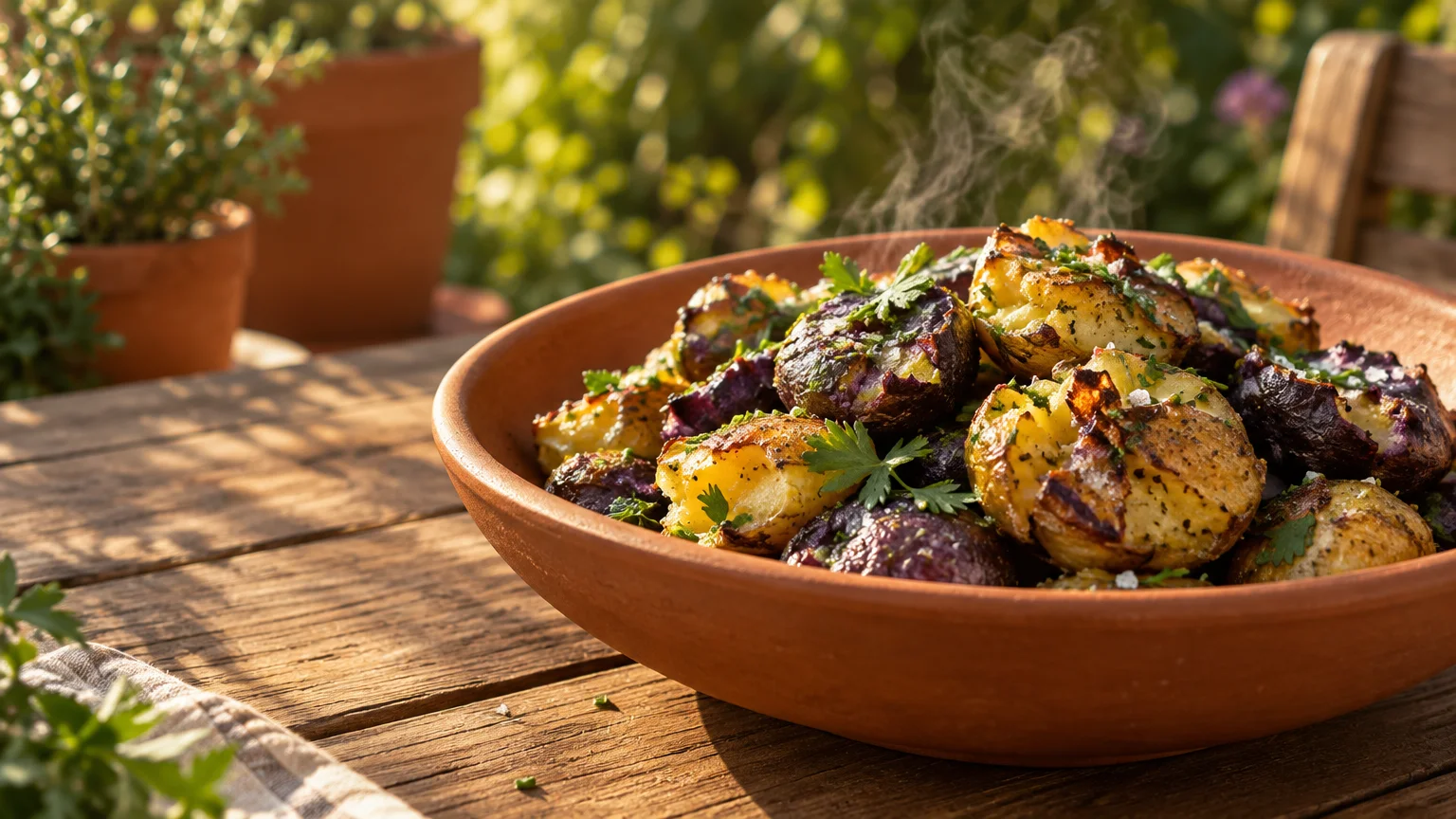
Boil petite red potatoes whole until tender, then flatten each one gently with the bottom of a heavy glass. Drizzle them with heart-healthy olive oil and sprinkle with minced fresh rosemary and cracked pepper.
Bake them on a rimmed baking sheet until the craggy edges turn wonderfully crunchy. Leaving the red skins intact maximizes your intake of dietary fiber and disease-fighting anthocyanin antioxidants.
5. Golden Turmeric Potato Soup
Simmer diced yellow potatoes, chopped carrots, and sweet onions in low-sodium vegetable broth infused with ground turmeric and ginger. Blend half the soup to achieve a luxurious, velvety texture without adding dairy.
Curcumin, the active compound in golden turmeric, provides exceptional relief for arthritic joints and systematic inflammation. This soothing, golden potage warms your body thoroughly on chilly evenings while being remarkably easy to swallow.
6. Gentle Steamed Dill Fingerlings
Place whole fingerling potatoes into a steamer basket over boiling water for roughly fifteen minutes until tender. Transfer them to a warm serving bowl and toss with fresh chopped dill and extra-virgin olive oil.
Steaming preserves heat-sensitive vitamin C and water-soluble minerals that boiling often leaches away. Fresh dill imparts bright garden flavor that naturally reduces your desire to reach for the salt shaker.
7. Slow-Cooker Vegetable and Potato Stew
Combine quartered red potatoes, baby carrots, celery, crushed tomatoes, and dried thyme inside your slow cooker. Cook on low heat for six hours until the root vegetables become meltingly soft and deeply flavorful.
This effortless recipe minimizes time spent standing at the kitchen stove and requires zero complicated cooking techniques. The slow simmering process allows potato starch to naturally thicken the rich, nutrient-dense broth.
8. Silky Leek and Potato Potage
Sauté sliced leeks in a teaspoon of olive oil until soft, then simmer them with diced russet potatoes in low-sodium broth. Purée the mixture until completely smooth, seasoning with ground white pepper and a touch of nutmeg.
Leeks contain prebiotic fibers that foster a thriving gut microbiome, while soft puréed potatoes provide comforting warmth. This refined soup is exceptionally gentle on delicate digestive systems and requires minimal chewing effort.
9. Sheet-Pan Lemon Herb Salmon and Potatoes
Toss halved baby potatoes with olive oil and roast them on a rimmed sheet pan for twenty minutes. Add wild salmon fillets seasoned with fresh lemon juice and dill, then bake for an additional twelve minutes.
This single-pan dinner pairs energizing complex carbohydrates with anti-inflammatory omega-3 fatty acids that protect brain and heart health. Cleanup takes only minutes, saving your energy and protecting your joints from tedious dishwashing.
10. Oven-Baked Crispy Paprika Rounds
Slice unpeeled russet potatoes into thin medallions and toss them with olive oil, smoked paprika, and garlic powder. Arrange them in a single layer on parchment paper and bake until golden brown and crisp.
Smoked paprika delivers deep, savory flavor along with carotenoid antioxidants that benefit cellular health. These homemade potato rounds provide the satisfying crunch of commercial chips without harmful industrial oils or staggering sodium levels.
11. Tender Potato and White Bean Skillet
Sauté par-boiled potato cubes with rinsed cannellini beans, baby spinach, and minced garlic in a cast-iron skillet. Cook until the greens wilt and the potatoes develop a light golden crust.
Cannellini beans boost the protein and soluble fiber content of the dish, effectively stabilizing post-meal blood sugar levels. This hearty meatless dinner satisfies your appetite while keeping grocery costs remarkably low.
12. Sweet and Russet Potato Breakfast Hash
Dice equal parts sweet potatoes and russet potatoes, then sauté them in olive oil with bell peppers and onions. Cook until tender, seasoning with ground cumin and a pinch of black pepper.
Combining sweet and white potatoes provides a wider array of vitamins, including beta-carotene for immune and eye health. Serve this colorful medley beneath a poached egg for a balanced, protein-rich morning meal.
13. Light Shepherd’s Pie with Cauliflower Mash
Simmer lean ground turkey with diced carrots, peas, and low-sodium tomato paste in a shallow casserole dish. Top the meat layer with a velvety blend of equal parts mashed russet potatoes and steamed cauliflower.
Bake at three hundred seventy-five degrees until the top peaks brown delicately. Blending cauliflower into your potato topping cuts overall carbohydrates while doubling essential glucosinolates that support cellular detoxification.
14. Traditional Crustless Potato and Spinach Frittata
Layer thinly sliced, cooked Yukon Gold potatoes across an oven-safe skillet alongside baby spinach. Pour whisked whole eggs and unsweetened almond milk over the vegetables, then bake until firm and golden.
Eggs provide complete protein and choline, a nutrient crucial for memory retention and healthy cognitive function. This crustless frittata slices neatly, offering convenient leftovers you can reheat quickly for breakfast or lunch.
15. Zesty Dijon and Herb Warm Potato Salad
Boil halved red-skinned potatoes until tender, then dress them while still warm with stone-ground Dijon mustard, white wine vinegar, and olive oil. Fold in finely chopped flat-leaf parsley and diced celery for crisp texture.
Unlike mayonnaise-heavy potato salads that spoil quickly and burden digestion, this European-style vinaigrette salad stays fresh and light. The warm potatoes absorb the tangy dressing deeply, delivering immense flavor without excess sodium.
16. Pan-Seared Salmon and Potato Patties
Combine canned wild salmon, chilled mashed potatoes, an egg, and fresh chopped dill in a medium mixing bowl. Form the mixture into small patties and sear them in olive oil until a golden crust forms.
Canned salmon with soft bones provides bioavailable calcium to maintain bone density and ward off osteoporosis. The chilled potato acts as a natural binder while supplying beneficial resistant starch for your digestive microbiome.
17. Hearty Lentil and Diced Russet Chili
Simmer brown lentils, diced russet potatoes, kidney beans, and crushed tomatoes with chili powder and ground cumin. Let the chili simmer gently until the lentils soften and the potato starches create a thick, comforting stew.
Lentils deliver folate and iron, supporting healthy red blood cell production and combating age-related fatigue. The potatoes absorb the aromatic spices completely, providing a hearty texture that makes meat completely unnecessary.
18. Soft-Braised Potatoes in Herbed Broth
Arrange halved Yukon Gold potatoes flat-side down in a wide sauté pan with garlic and fresh thyme sprigs. Pour in low-sodium vegetable stock until halfway up the potatoes, cover, and simmer until remarkably tender.
Braising infuses the potatoes with rich herbal aromatics while producing a meltingly soft interior. This cooking method requires zero oil, making it an exceptional choice for anyone monitoring daily fat intake.
19. Classic Chilled or Warm Vichyssoise
Simmer peeled white potatoes and sliced leeks in low-sodium broth until completely tender. Purée the soup in a blender with unsweetened oat milk, seasoning with white pepper and fresh chives.
You can enjoy this elegant soup warm during winter or thoroughly chilled during warm summer afternoons. Chilling the puréed soup increases its resistant starch content, which helps regulate blood glucose and feeds beneficial gut flora.
20. Roasted Root Medley with Carrots and Potatoes
Chop red potatoes, sweet carrots, and parsnips into uniform bite-sized pieces and toss with olive oil and dried sage. Roast at four hundred degrees until caramelization develops across the edges of the roots.
Root vegetables deliver diverse forms of soluble and insoluble fiber that support healthy bowel movements and cholesterol elimination. The natural sweetness of roasted carrots complements the savory earthy tones of the potatoes beautifully.
21. Baked Russet Boats Stuffed with Greens
Bake large russet potatoes, scoop out the warm centers, and mash the flesh with steamed kale and nutritional yeast. Spoon the nutrient-dense mixture back into the potato skins and broil for five minutes.
Kale delivers vitamin K and lutein to protect your bone matrix and retinal health as you mature. Nutritional yeast imparts a distinct cheesy, savory taste while providing critical B-complex vitamins without added sodium.
22. Fluffy Sweet Potato and Russet Duchess Swirls
Mash equal amounts of cooked sweet potatoes and russet potatoes with an egg yolk and a hint of nutmeg. Pipe or spoon the mixture into mounds on a baking sheet and bake until lightly browned.
The egg yolk provides lutein and choline while creating an elegant, crisp exterior that holds its shape. This visually appealing presentation makes weeknight meals feel special while providing steady energy and essential vitamins.
23. Morning Egg Scramble with Diced Herbed Potatoes
Sauté pre-boiled diced potatoes in olive oil until golden, then pour in whisked eggs and baby spinach. Stir gently over low heat until the eggs set into soft curds and the spinach wilts.
Starting your day with balanced carbohydrates and complete protein prevents mid-morning energy crashes and sustains mental focus. Pre-boiling the potatoes ahead of time makes this wholesome morning scramble come together in under ten minutes.
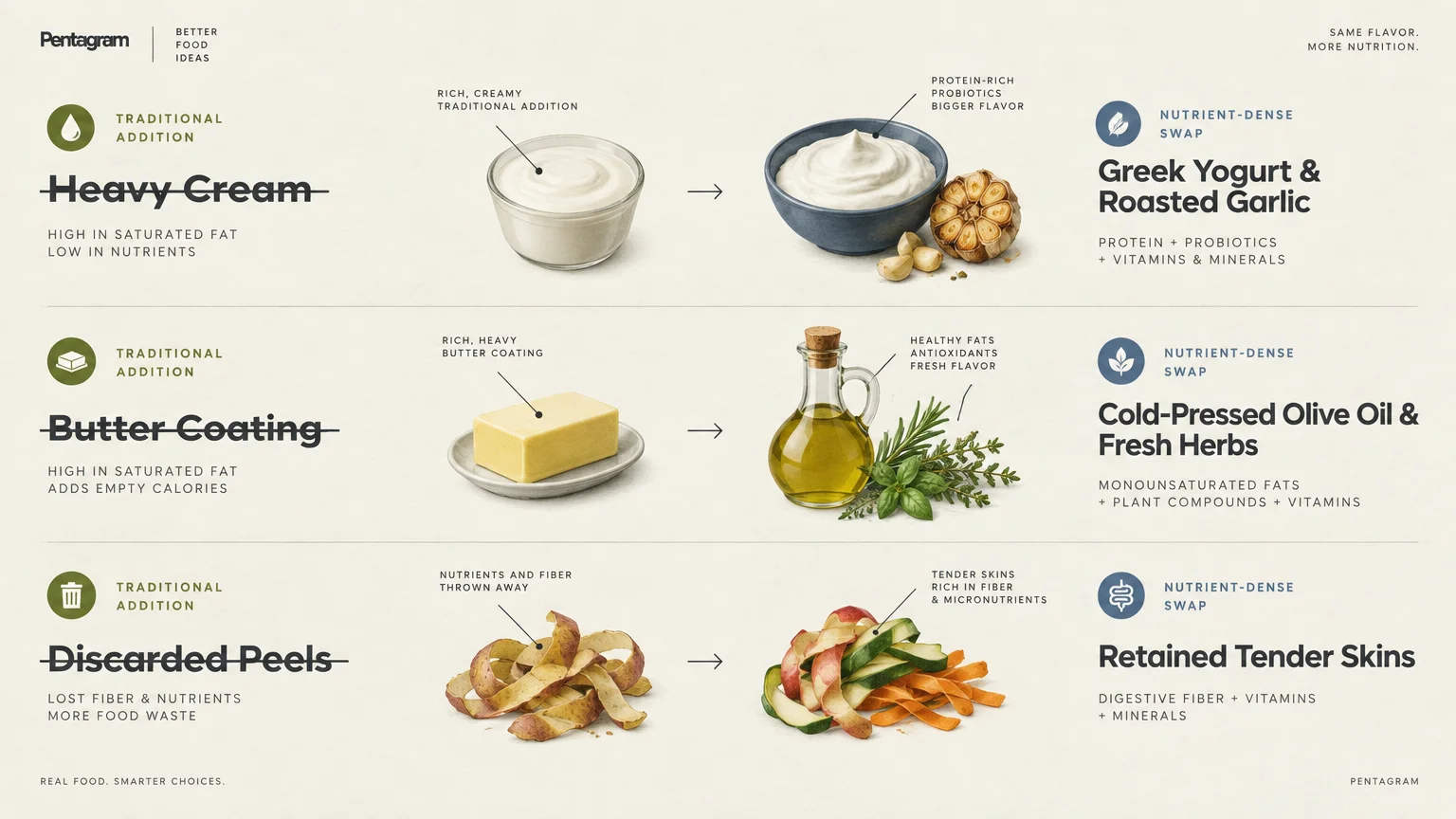
Practical Kitchen Strategies and Healthy Cooking Swaps
Preparing potatoes should enhance your vitality rather than strain your hands, back, or schedule. Adopting smart culinary habits ensures you enjoy wholesome home-cooked meals while preserving your physical energy.
Choose thin-skinned varieties like red potatoes, fingerlings, or Yukon Golds whenever possible to skip tedious peeling. Leaving the skins intact saves significant kitchen preparation time while locking in valuable dietary fiber and antioxidants.
Invest in ergonomic kitchen tools, such as lightweight rocker knives and non-slip cutting boards, to reduce wrist fatigue. Pre-cooked or microwave-steamed potatoes also soften root vegetables quickly, making cutting effortless and safe for arthritic hands.
Replace sodium-heavy table salt with robust aromatics like garlic powder, smoked paprika, cracked pepper, and fresh herbs. A splash of apple cider vinegar or lemon juice right before serving awakens earthy potato flavors without elevating blood pressure.
Swap heavy cream and butter for plain Greek yogurt, vegetable broth, or extra-virgin olive oil in mashed dishes. These wholesome alternatives reduce arterial-clogging saturated fats while introducing beneficial probiotics and healthy monounsaturated fatty acids.
Cook potatoes in batches, cool them thoroughly in your refrigerator, and reheat them for future weeknight meals. This simple batch-cooking method creates digestion-friendly resistant starch while streamlining your daily cooking routine.
Frequently Asked Questions About Potatoes and Aging
Can older adults with diabetes safely consume potatoes?
Yes, you can safely enjoy potatoes if you manage portions and balance your plate with protein, healthy fats, and fiber. Pairing boiled or roasted potatoes with grilled fish, poultry, or leafy greens prevents sudden post-meal blood sugar surges.
Cooling cooked potatoes before eating also increases resistant starch, which improves insulin sensitivity and tempers glycemic impact. Discuss your personal carbohydrate targets with your physician or registered dietitian.
Should seniors always eat the potato skins?
Eating clean potato skins provides extra dietary fiber, potassium, and antioxidants that benefit your heart and gut health. However, you should always peel potatoes that exhibit any green discoloration to avoid consuming solanine.
If you experience chewing challenges or digestive distress from rough textures, peeling your potatoes remains completely acceptable. You will still receive generous amounts of vitamin C, vitamin B6, and potassium from the tender potato flesh.
What is the healthiest way to cook potatoes for heart health?
Steaming, baking, and roasting in moderate amounts of extra-virgin olive oil represent the healthiest preparation methods for cardiovascular wellness. These techniques preserve essential micronutrients without generating dangerous trans fats or excess calories.
Avoid commercial deep-frying and limit restaurant-style toppings like processed bacon bits, cheddar cheese, and salted butter. Seasoning with herbs and spices keeps your sodium intake well within doctor-recommended limits.
Why do cooled potatoes have unique digestive benefits?
Cooling cooked potatoes alters their molecular structure through retrogradation, converting standard starches into beneficial resistant starch. This prebiotic compound travels undigested into your colon, where it feeds beneficial gut bacteria.
Fermenting resistant starch produces short-chain fatty acids that reduce colon inflammation and strengthen your mucosal intestinal barrier. You can gently reheat chilled potatoes without completely losing these valuable prebiotic properties.
How should you store fresh potatoes to keep them safe?
Store raw potatoes in a cool, dark, and well-ventilated space like a pantry, cellar, or cardboard box. Avoid storing them near onions or inside plastic bags, as trapped moisture promotes rapid sprouting and mold growth.
Never store uncooked potatoes in your refrigerator, because cold temperatures convert starches into reducing sugars that alter flavor and cooking performance. Discard any potatoes that feel soft, wrinkled, or show deep green patches.
Embracing Comfort and Vitality in Your Kitchen
Potatoes offer an exceptional balance of satisfying comfort, versatile culinary potential, and dense nutritional value for your golden years. Embracing whole-food preparation techniques allows you to celebrate your favorite traditional flavors while actively protecting your cardiovascular system.
From velvety Greek yogurt mashes to crispy herb-roasted wedges, these simple recipes prove that wholesome cooking never requires sacrificing flavor. Small dietary adjustments in your kitchen yield powerful dividends for your long-term independence, mobility, and vitality.
Step into your kitchen with confidence, experiment with fresh herbs and colorful varieties, and enjoy every nourishing bite. Your path toward sustained wellness can easily begin with the humble, delicious potato on your dinner plate tonight.
Disclaimer: This article is intended for informational and educational purposes only and is not a substitute for professional medical advice, diagnosis, or treatment. Always consult with a qualified healthcare provider regarding any health concerns or before making any decisions related to your health or treatment.