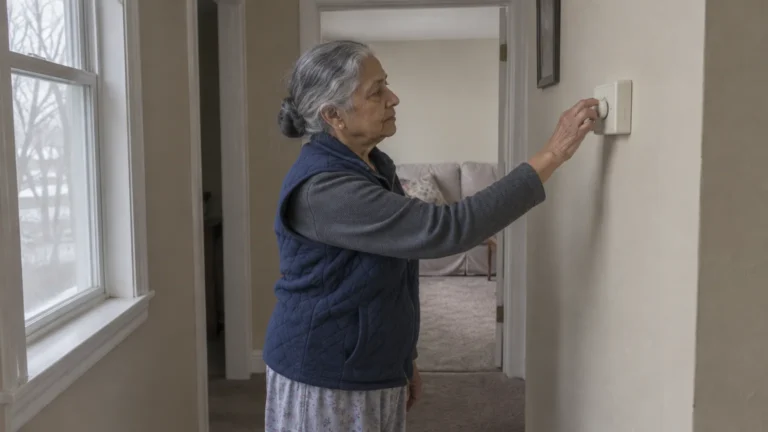
If you live with tingling, numbness, or slow recovery after a nerve injury, you know how painfully slow healing can feel. A study published in Nature reveals why: a specific cellular protein acts as an internal brake on nerve repair.
Researchers found that shutting down this protein allows injured mouse nerves to regrow fibers and restore movement. While this research is still preclinical, it provides fresh hope for the millions of older adults managing nerve challenges every day.
Understanding how nerve cells decide between self-protection and regrowth may change how medicine approaches nerve trauma in the future.
Understanding the Basics: The Molecular Brake
Your nervous system relies on long, delicate fibers called axons to transmit signals between your brain, spinal cord, and limbs. When trauma cuts or crushes these axons, your body struggles to knit them back together.
A team at the Icahn School of Medicine at Mount Sinai discovered a key reason for this struggle. They identified a protein known as the aryl hydrocarbon receptor, or AHR, that acts as a roadblock.
Scientists originally knew AHR as an environmental sensor that reacts to chemicals and toxins. In injured nerve cells, however, AHR forces the cell to focus solely on managing internal cellular stress.
By prioritizing emergency stress cleanup, the cell halts the production of new building blocks required to rebuild damaged axons. In essence, AHR functions like an emergency brake that stops regenerative growth.
When researchers genetically removed or chemically blocked AHR in mice, nerve cells flipped a biological switch. This switch activated a protein partner called HIF-1α, unleashing rapid protein synthesis and spurring substantial axon regrowth.
Why Damaged Nerves Heal So Slowly
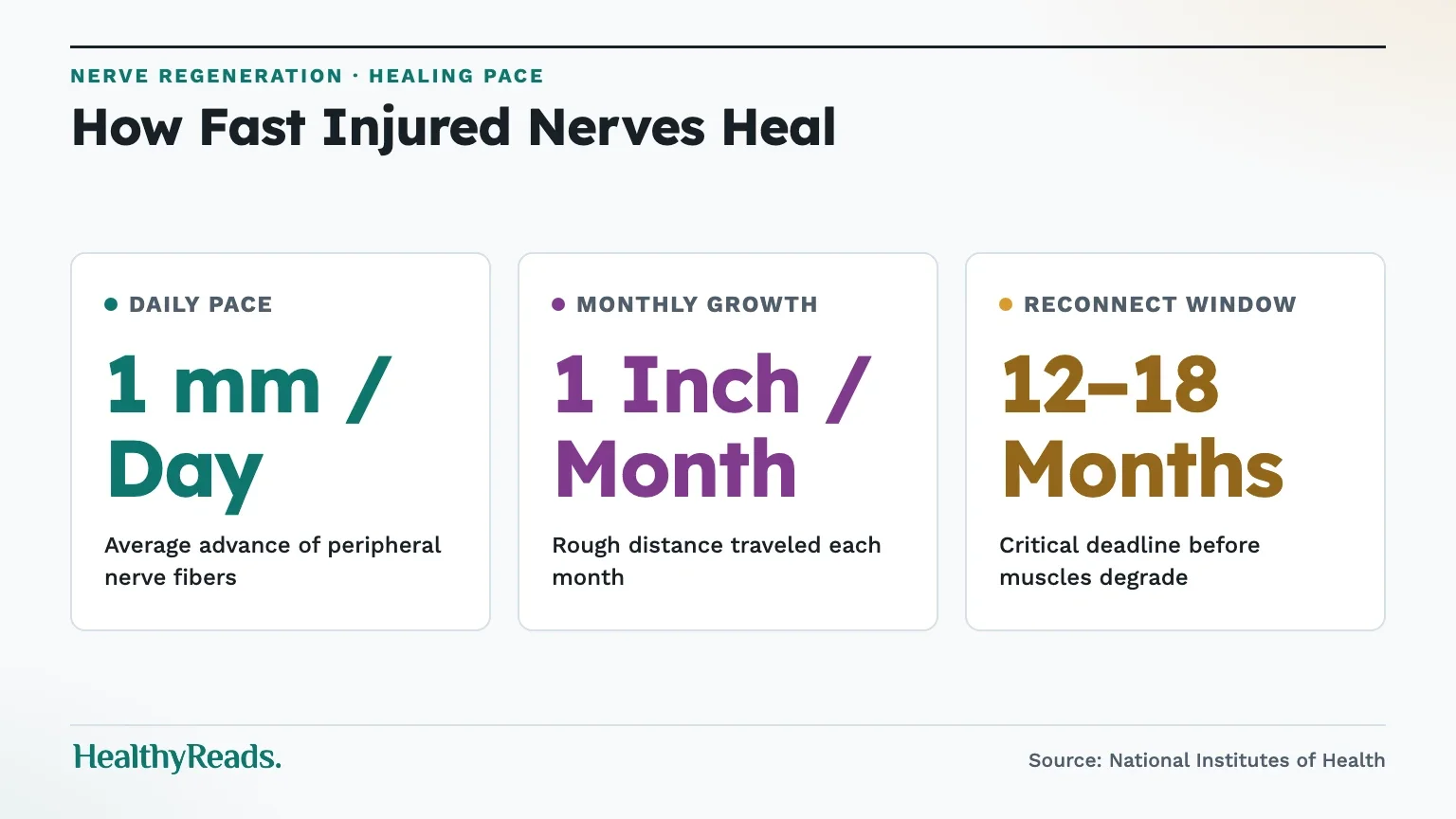
Peripheral nerves possess a natural ability to regrow, but they do so at an agonizingly sluggish pace. On average, peripheral nerve fibers advance only about one millimeter per day, or roughly one inch each month.
According to the National Institutes of Health, this slow pace creates a race against time. Injured motor nerves generally have only a 12- to 18-month window to reconnect with target muscles.
If a severed nerve fails to reach its destination within that critical window, the muscle connection points permanently degrade. When that happens, functional movement cannot return even if the nerve fiber eventually arrives.
Aging complicates this biological race even further. As you grow older, your cellular metabolism slows, blood circulation diminishes, and your body clears cellular waste far less efficiently.
In the Mount Sinai mouse experiments, older mice showed clear differences in response compared to younger animals. While long-term genetic removal of AHR aided regeneration, blocking AHR after an injury did not produce the same recovery.

Benefits and Realistic Limits of the Discovery
This breakthrough offers a fresh biological blueprint for nerve repair. Because cancer researchers have already developed oral AHR-inhibiting medications for clinical trials, scientists may eventually adapt existing drug designs for neurological injuries.
However, you should view these findings with cautious optimism. The experiments took place strictly in mice experiencing acute traumatic crush injuries or spinal cord trauma, not human patients.
Furthermore, traumatic injuries differ fundamentally from chronic peripheral neuropathy caused by diabetes or chemotherapy. In chronic conditions, nerves face prolonged metabolic poisoning rather than a sudden physical break.
Biology also requires delicate trade-offs. While suppressing AHR encourages axon growth, other studies demonstrate that activating AHR can sometimes help soothe inflammation and dampen neuropathic pain.
Recent research on other nerve proteins highlights similar complexities. For instance, shutting down nerve degeneration proteins can accidentally disrupt the immune cells responsible for clearing cellular debris after trauma.
What Leading Health Experts Say
Leading health authorities stress that no current medical treatment can reverse root nerve damage or regrow destroyed human nerves. Clinical care focuses on treating root causes, protecting existing fibers, and managing pain.
According to the Mayo Clinic, peripheral neuropathy affects millions of older adults, with diabetes standing as the single largest contributor. In fact, roughly 50 percent of people with diabetes develop neuropathy.
Organizations like the Centers for Disease Control and Prevention emphasize that early intervention remains your most powerful defense. Controlling blood sugar, eating nutrient-rich foods, and avoiding neurotoxins like excess alcohol shield vulnerable nerve tissue.
Neurologists caution patients against unproven online supplements claiming to regrow damaged nerves overnight. While preclinical discoveries like the AHR brake pave exciting roads for future pharmacology, proven daily habits protect your nerves right now.

Practical Steps You Can Take for Nerve Health
While laboratory scientists work toward clinical nerve-growth drugs, you can take practical actions today to protect your nervous system. Proactive habits preserve existing nerve pathways and encourage the healthiest possible cellular environment.
Schedule a Comprehensive Nerve Evaluation
If you experience numbness, tingling, or burning in your feet or hands, consult your doctor promptly. Early diagnosis allows your medical team to pinpoint reversible culprits, such as severe vitamin B12 deficiency or thyroid dysfunction.
Maintain Strict Metabolic Control
High blood glucose damages the tiny blood vessels that supply oxygen and nutrients to peripheral nerves. Keeping your blood sugar within target ranges remains the most proven way to stop neuropathic damage in its tracks.
Engage in Low-Impact Daily Exercise
Regular physical activity stimulates blood circulation and delivers vital oxygen directly to recovering nerve endings. Walking, water aerobics, and stationary cycling also help maintain muscle tone and preserve balance.
Protect Vulnerable Extremities Daily
Numbness prevents you from feeling minor cuts, pressure sores, or blisters. Inspect your feet every evening, wear supportive footwear, and avoid walking barefoot to prevent unperceived injuries from escalating into dangerous infections.
Review Your Current Prescription Medications
Certain medications, including specific chemotherapy agents and blood pressure drugs, can trigger or exacerbate nerve symptoms. Ask your physician to review your medicine list to identify any potential neurotoxic side effects.
Frequently Asked Questions
Can human nerves regrow after damage?
Peripheral nerves outside your brain and spinal cord can slowly regenerate if the nerve sheath remains intact. Central nervous system nerves in the brain and spinal cord, however, rarely regenerate on their own.
Is there an approved pill that blocks AHR for nerve repair?
No medication is currently approved to block AHR for nerve repair. While AHR-inhibiting drugs are in early cancer clinical trials, scientists must conduct rigorous human safety trials before testing them for nerve injuries.
How long do peripheral nerves take to heal?
Peripheral nerves typically regrow at a rate of roughly one millimeter per day, or one inch per month. Depending on the distance to the target muscle or skin, recovery can take months or years.
Does this mouse study apply to diabetic neuropathy?
The Mount Sinai study examined acute traumatic crush injuries and spinal cord trauma, not chronic diabetic neuropathy. Researchers hope future studies will determine whether blocking AHR also benefits chronic metabolic nerve disorders.
What vitamins support everyday nerve health?
Vitamin B12, vitamin B6, and folate play crucial roles in maintaining the protective myelin sheath surrounding your nerves. Always consult your healthcare provider before starting high-dose supplements, as excess B6 can actually trigger neuropathy.
Empowering Your Nerve Health Journey
Discovering that the AHR protein acts as a molecular brake on nerve repair represents an exhilarating advance in neuroscience. For years, medical science viewed damaged central and severe peripheral nerve tracts as largely unfixable.
Preclinical breakthroughs remind us that your body houses sophisticated growth programs waiting to be unlocked. While researchers refine these targeted therapies in laboratories, your daily lifestyle choices remain your most effective medical tool.
Take charge of your health by managing your blood sugar, exercising consistently, and discussing persistent tingling or numbness with your doctor. Protecting your nervous system today ensures you stay mobile, independent, and vibrant for years to come.
This article is intended for informational and educational purposes only and is not a substitute for professional medical advice, diagnosis, or treatment. Always consult with a qualified healthcare provider regarding any health concerns or before making any decisions related to your health or treatment.