Federal health officials just confirmed a major stomach bug outbreak sickened 268 people on a recent Caribbean cruise. If you plan winter travel or spend time with family, knowing how norovirus spreads can keep you safe.
The virus spreads quickly in crowded places, and standard alcohol hand gels do not wash it away. You need specific cleaning steps to protect your home and loved ones this season.
Older adults face the highest risk of severe dehydration from this sudden illness. Here is what you must know about current outbreaks and how to stay healthy.
Understanding the Basics
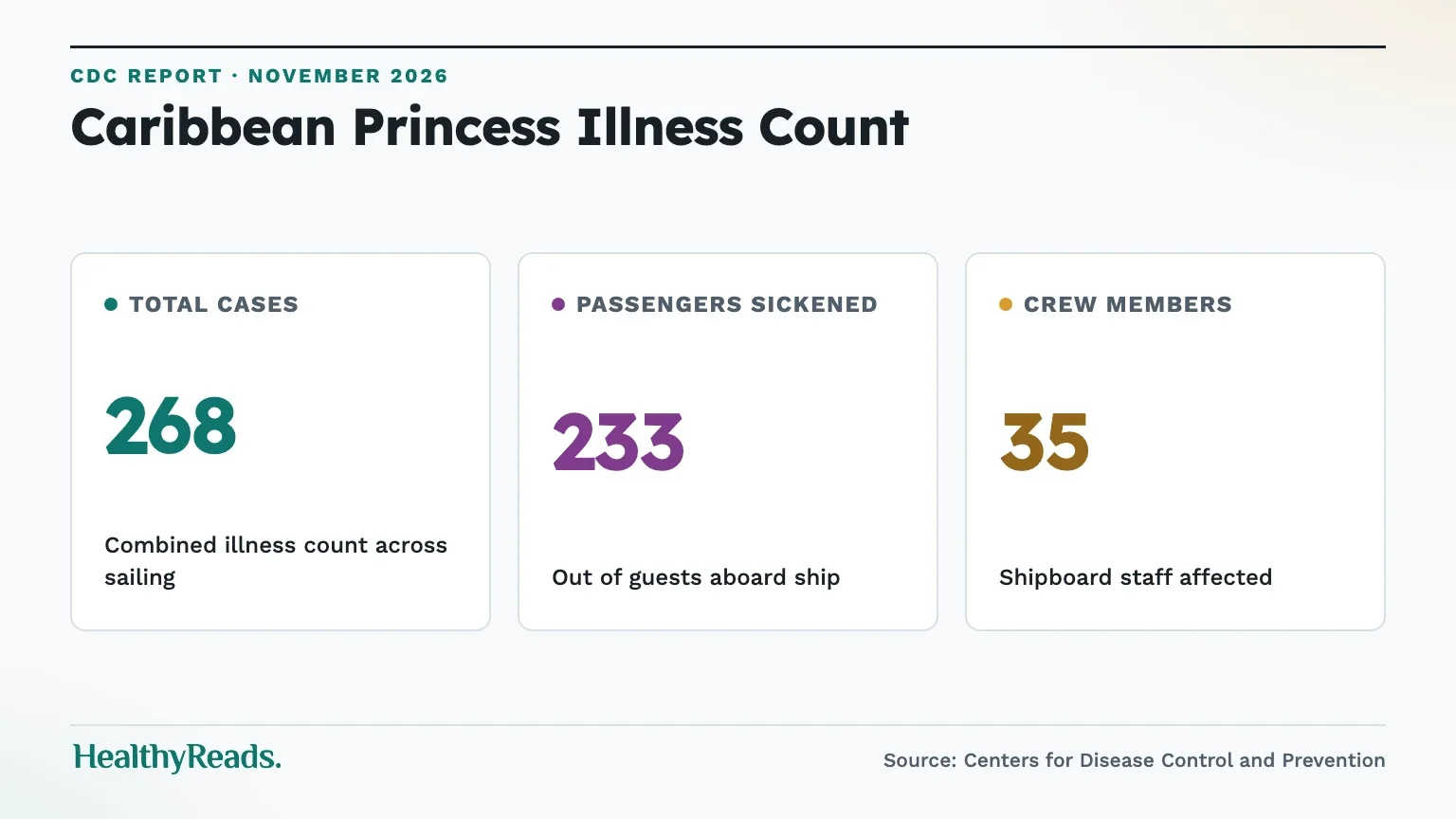
The Centers for Disease Control and Prevention confirmed that norovirus hit the Caribbean Princess cruise ship in November 2026. The illness sickened 233 passengers and 35 crew members during a 12-night sailing.
This count represents total cumulative cases across the entire voyage rather than people sick at the same time. The ship sailed from Fort Lauderdale before returning later that month.
The recent sailing marks the fourth norovirus outbreak on a Princess Cruises ship in 2026. Across the entire cruise industry, federal inspectors logged ten gastrointestinal outbreaks through late November.
Norovirus is an extremely contagious virus that causes sudden inflammation of the stomach and intestines. Most people know it as the common stomach bug or viral gastroenteritis.
The virus spreads through direct contact with an infected person, contaminated food or water, and dirty surfaces. It also spreads through airborne droplets when someone vomits.
As few as 18 microscopic viral particles can make you sick. Symptoms usually start within 12 to 48 hours after exposure and include sudden vomiting, watery diarrhea, cramps, and nausea.

Key Considerations for Seniors
Norovirus affects older bodies much more severely than younger people. While healthy adults usually bounce back in one to three days, seniors face a steep risk of rapid dehydration.
Aging kidneys and common blood pressure medicines make fluid loss far more dangerous. Severe fluid loss can lead to kidney injury, confusion, and dangerous drops in blood pressure.
National data shows that norovirus causes about 900 deaths each year across the United States. Most of those deaths occur among adults aged 65 and older.
Each year, norovirus leads to about 109,000 hospitalizations across the country. Most of these hospital stays involve frail older adults who cannot keep liquids down.
Outbreaks peak during cooler months from November through April when people spend more time indoors. Family holiday gatherings and winter cruises create perfect settings for transmission.
An infected person can shed billions of viral particles in their stool for two weeks or longer after symptoms vanish. This prolonged shedding creates hidden hazards in shared living spaces.
What the Experts Say
Federal health agencies closely monitor gastrointestinal illness on land and sea. You can review safety tracking through the official CDC portal.
Cruising remains popular, yet ships must report illness rates to the federal government before docking. When cases reach three percent, officials post a public outbreak notice.
Clinical researchers at the NIH note that norovirus has a tough outer protein shell. This sturdy shell makes the virus resistant to many common household cleaners.
Experts at the Mayo Clinic stress that early hydration is the best medical defense against complications. Replacing lost fluids and electrolytes prevents hospital admissions.
Practical Steps and Sanitizing Advice
Alcohol hand sanitizers do not work well against norovirus. You cannot rely on hand gels in cruise buffets or public restrooms to keep your hands germ-free.
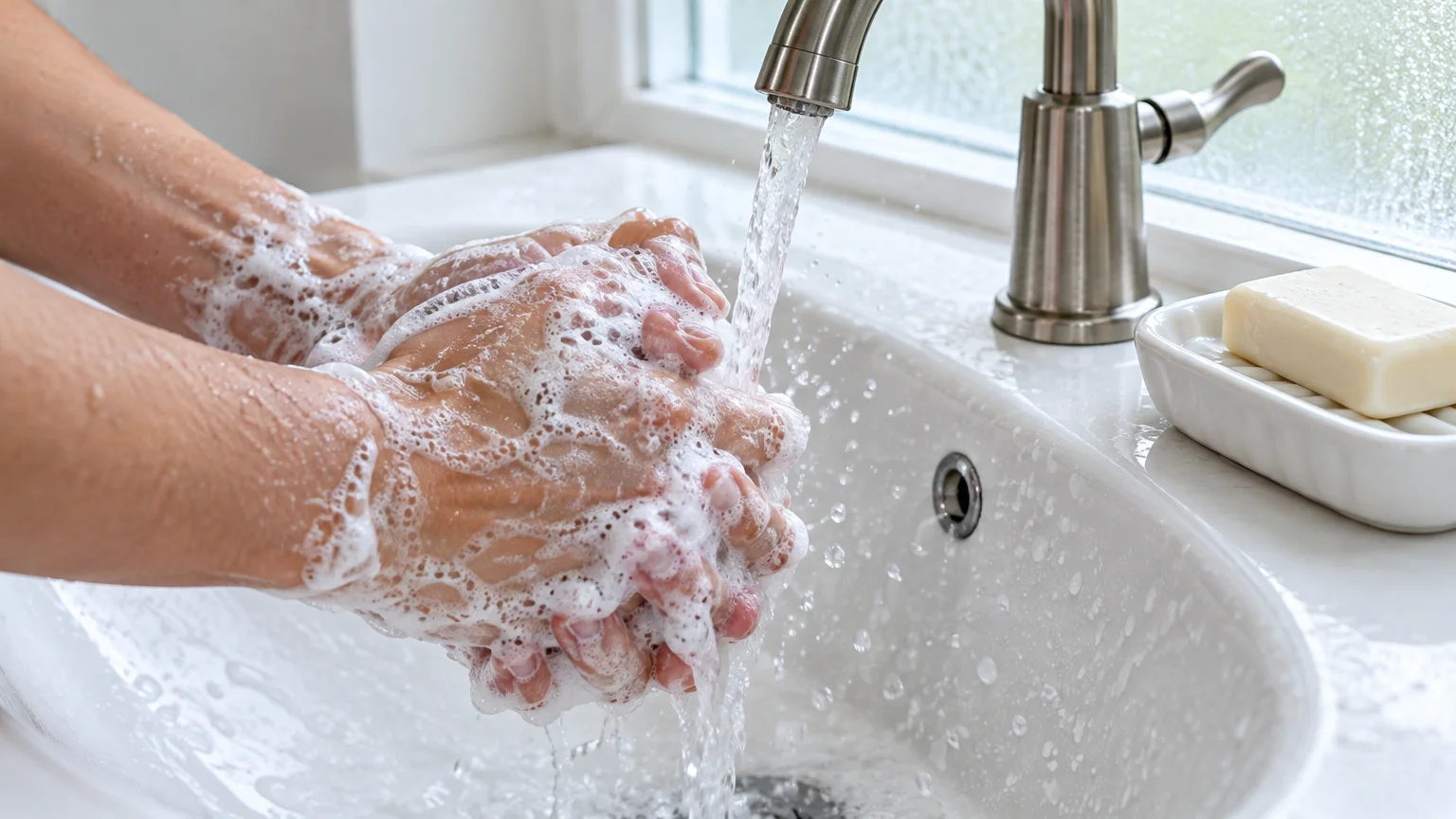
Wash your hands vigorously with plain soap and warm water for at least 20 seconds. Hand sanitizer can serve as an extra step, but never as a replacement for handwashing.
If someone falls ill at home, you must disinfect hard surfaces with a strong chlorine bleach solution. Mix five to 25 tablespoons of household bleach per gallon of water.
Leave the bleach solution wet on the surface for at least five minutes before wiping. Afterwards, clean the area again with warm water and soap to remove chemical residue.
Handle contaminated bed sheets or clothing with disposable gloves, and avoid shaking them in the air. Wash them using detergent on the longest wash cycle and dry on high heat.
Follow the strict 48-hour rule if you get sick. Do not prepare meals for family members or care for others until at least two full days after all symptoms stop.
Cook all seafood and shellfish thoroughly before eating. Norovirus can survive steam heat up to 140 degrees Fahrenheit, making lightly cooked oysters a common hazard.
Frequently Asked Questions
Can hand sanitizer protect me from norovirus?
No, alcohol-based hand sanitizer does not work well against this tough virus. Thorough handwashing with soap and running water for 20 seconds is your primary defense.
How long does norovirus stay contagious on surfaces?
The virus can survive on room surfaces, door handles, and handrails for several days or even weeks. Regular disinfection with bleach is necessary to eliminate it.
What are the first warning signs of dehydration?
Watch for dry mouth, dark urine, sunken eyes, lightheadedness when standing, and unusual fatigue. If you notice these symptoms in an older adult, contact a doctor right away.
Should I cancel my winter cruise?
You do not need to cancel your trip, but you should practice strict hand hygiene. Wash hands frequently, avoid touching handrails, and notify ship medical staff if you feel ill.
Can you get norovirus more than once?
Yes, you can catch norovirus multiple times throughout your life. Many different strains exist, and your body does not develop long-lasting immunity after an infection.
Protecting Your Health This Winter
Winter brings joyful family gatherings, but it also brings a surge in seasonal stomach bugs. Simple habits like vigorous handwashing and proper surface cleaning offer tremendous protection.
Staying informed allows you to enjoy winter travel and holidays with confidence. Protect yourself and your loved ones by prioritizing basic hygiene wherever you go.
Disclaimer
This article is intended for informational and educational purposes only and is not a substitute for professional medical advice, diagnosis, or treatment. Always consult with a qualified healthcare provider regarding any health concerns or before making any decisions related to your health or treatment.