Eating the right foods during chemotherapy can ease debilitating nausea, soothe painful mouth sores, and preserve your strength when you need it most. Thoughtful nutritional choices help your body tolerate treatment and recover faster.
For older adults, targeted nourishment becomes even more critical to prevent severe muscle loss, fatigue, and dangerous dehydration. Simple dietary shifts can protect your vitality and restore your comfort throughout the treatment cycle.
Here are ten gentle, nutrient-dense foods that calm your digestive system and support your daily well-being during cancer therapy.
Understanding Chemotherapy and Nutrition
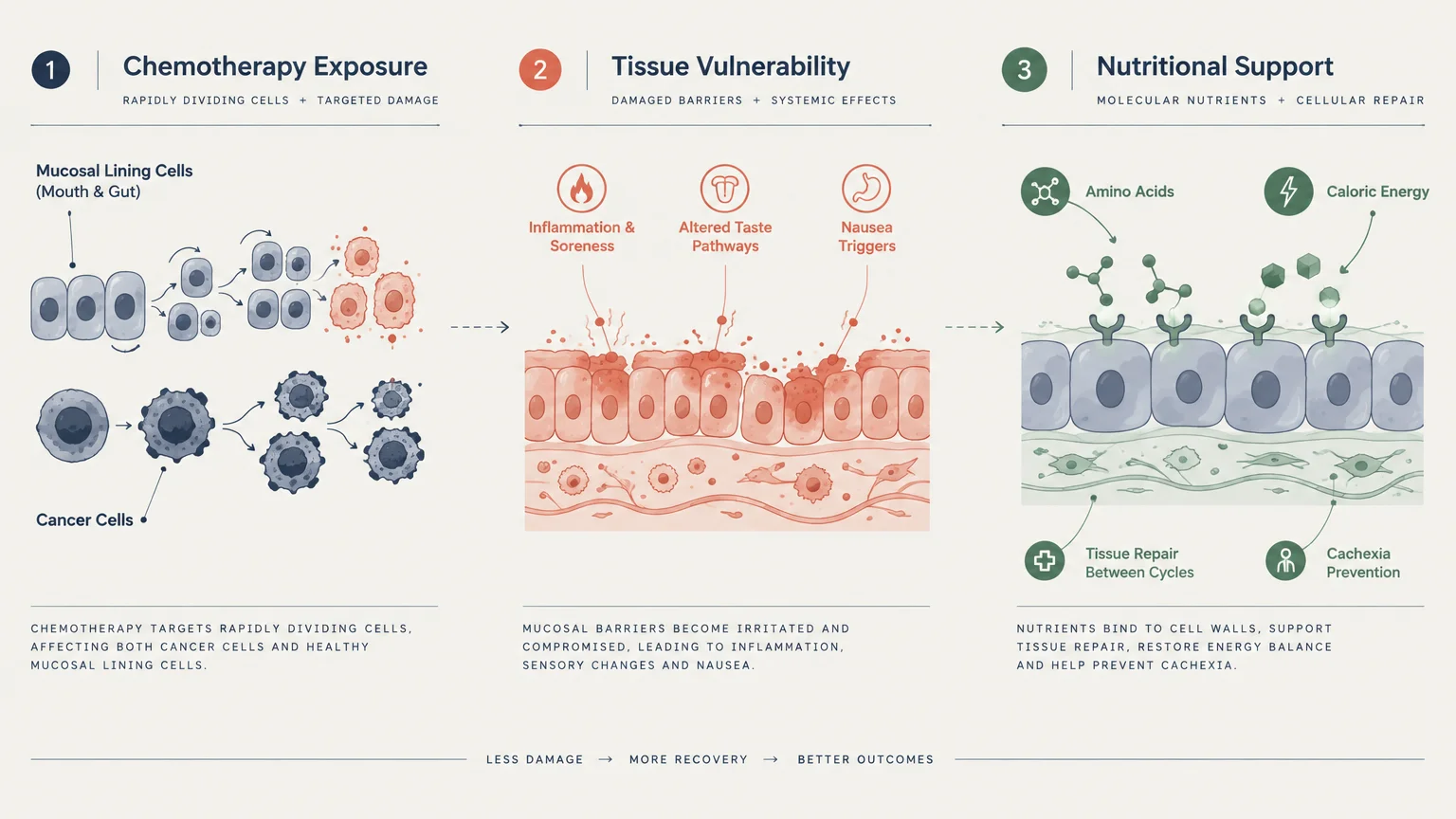
Chemotherapy drugs travel through your bloodstream to attack rapidly multiplying cancer cells throughout your body. Unfortunately, these powerful therapies cannot distinguish between cancerous cells and normal, fast-growing healthy cells.
The cells lining your mouth, throat, stomach, and intestines divide quickly, making them especially vulnerable to treatment damage. When these delicate mucosal tissues become inflamed, everyday eating can trigger sharp discomfort or intense nausea.
Chemotherapy also disrupts normal sensory pathways in your brain and taste buds. This disruption frequently creates phantom metallic tastes, heightened odor sensitivity, and a sudden aversion to your favorite dishes.
Maintaining proper nutrition during this demanding time is a core clinical necessity rather than an optional lifestyle choice. Your body requires steady caloric energy and amino acids to repair damaged healthy tissue between treatment sessions.
Without adequate nutritional intake, your risk of developing cancer-related cachexia rises significantly. Cachexia causes involuntary muscle wasting that weakens your heart, limbs, and immune defenses.
Eating strategically helps you maintain a stable body weight throughout your treatment regimen. Consistent weight maintenance ensures your oncology team can administer your planned medication doses without delay or dose reduction.

Key Considerations for Older Adults
Aging naturally changes how your gastrointestinal tract processes food, absorbs micronutrients, and eliminates metabolic waste. When you undergo chemotherapy over age sixty, these physiological shifts require specialized nutritional strategies.
Older bodies produce less stomach acid and fewer digestive enzymes, which naturally slows gastric emptying. Chemotherapy can worsen this sluggish digestion, leading to prolonged feelings of uncomfortable fullness or bloating.
Age-related muscle loss, known as sarcopenia, accelerates dramatically if your daily protein consumption declines during cancer therapy. Preserving muscle mass is essential for retaining your mobility, balance, and physical independence at home.
Kidney function also declines gradually over time, diminishing your natural ability to clear medication metabolites efficiently. Consuming hydrating, electrolyte-rich foods supports renal filtration while protecting you from sudden fluid deficits.
Many seniors manage pre-existing conditions like hypertension, cardiovascular disease, or type 2 diabetes alongside their cancer treatment. Your dietary adaptations must support chemotherapy recovery without destabilizing blood pressure or blood glucose levels.
Oral health concerns, such as receded gums, dental bridges, or reduced saliva flow, can make chewing painful. Soft, moist foods reduce mechanical friction against fragile oral tissues, ensuring comfortable eating.
Fatigue can also make shopping, standing at a stove, and cooking feel completely overwhelming. Choosing foods that require minimal preparation ensures you receive continuous nourishment even on low-energy days.
10 Foods That May Ease Chemotherapy Side Effects
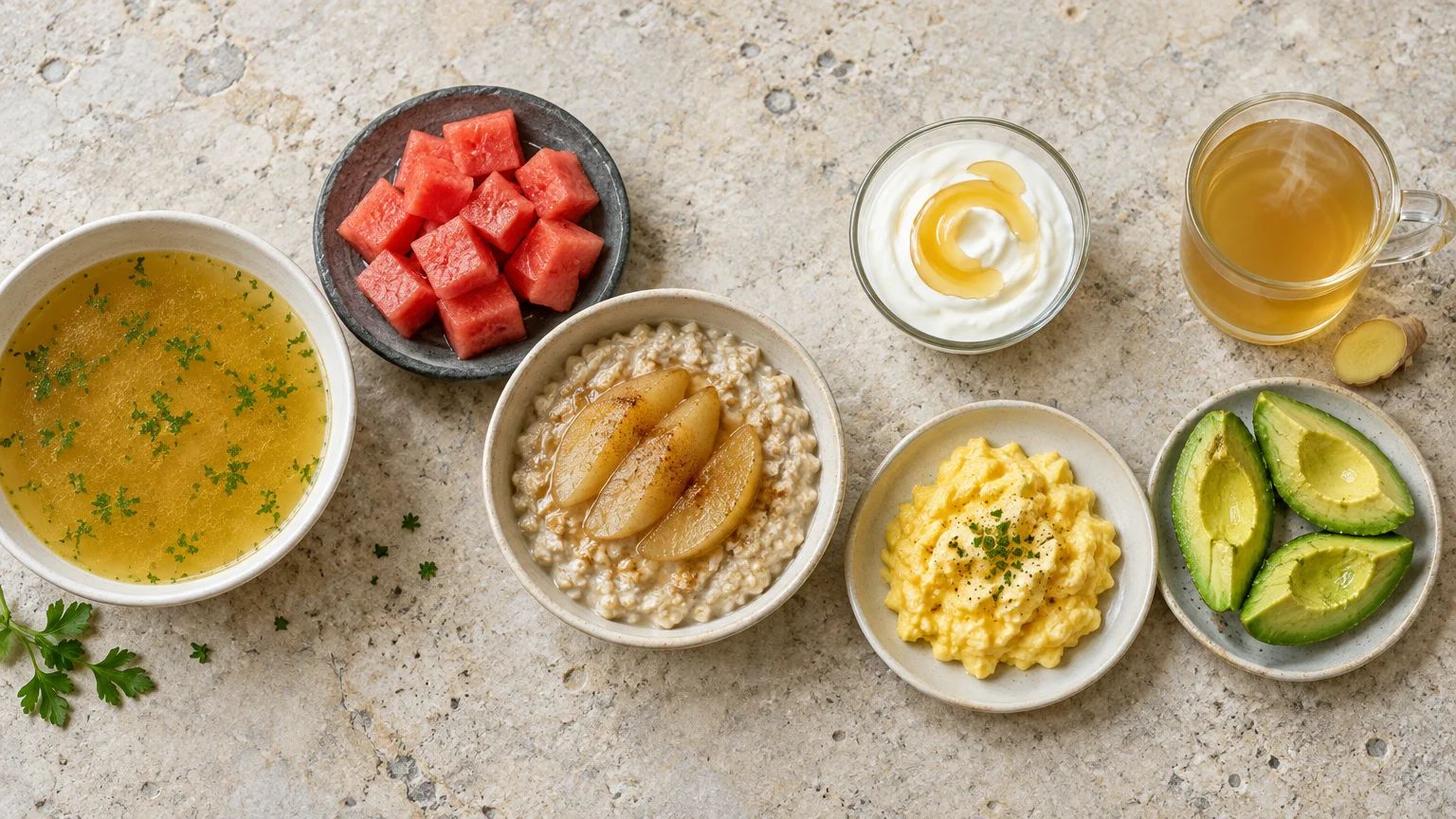
Selecting gentle, calorie-dense foods helps you sustain your strength while minimizing treatment-induced gastrointestinal distress. The following ten foods offer rich nutritional profiles that address common chemotherapy side effects effectively.
1. Fresh Ginger
Fresh ginger root has served as a trusted botanical remedy for gastrointestinal distress across centuries of medical history. Modern clinical research confirms that ginger contains active bioactive compounds known as gingerols and shogaols.
These compounds interact with serotonin receptors in your gut and brain to quiet persistent nausea signals. By accelerating gastric emptying, ginger also prevents food from lingering uncomfortably in an irritated stomach.
You can prepare ginger tea by steeping thinly sliced, peeled fresh root in boiling water for ten minutes. Let the tea cool to lukewarm or room temperature before taking slow, measured sips.
Adding freshly grated ginger to light vegetable broths or blending it into fruit purees adds subtle, comforting warmth. This gentle spice stimulates sluggish digestion without provoking harsh acid reflux or burning delicate mouth tissues.
Keep crystallised ginger or natural ginger lozenges nearby to curb sudden waves of nausea when travelling to clinic visits. Small, frequent exposures provide reliable stomach stabilization throughout long infusion days.
2. Oatmeal
Oatmeal represents an ideal staple food when chemotherapy leaves you feeling exhausted, nauseous, or sensitive to strong flavors. It provides a comforting source of complex carbohydrates that release steady energy into your bloodstream.
Oats are exceptionally rich in beta-glucan, a type of soluble fiber that supports gut health and digestive regularity. Beta-glucan forms a soothing gel inside your digestive tract, calming irritated intestinal walls.
The mild, neutral flavor profile of oatmeal makes it easily tolerable when sensory changes create food aversions. It rarely triggers the nausea often provoked by aromatic, heavily seasoned breakfast items.
You can dramatically enhance the nutritional density of oatmeal by cooking it in whole milk, soy milk, or broth. Stirring in a spoonful of creamy peanut butter or almond butter adds valuable calories and healthy fats.
Cook your oats until they achieve a smooth, creamy consistency that requires almost no effort to swallow. This soft texture prevents irritating painful oral mucositis sores that often develop during treatment.
3. Bone Broth and Enriched Clear Broths
Clear broths provide immediate, gentle hydration when drinking plain tap water tastes unpleasantly metallic or triggers sudden gagging. They deliver vital sodium, potassium, and chloride to replace electrolytes lost through sweating, vomiting, or diarrhea.
Bone broth is simmered slowly from animal bones, releasing easily digestible proteins, gelatin, and beneficial amino acids like glutamine. Glutamine plays a critical structural role in nourishing and repairing damaged intestinal mucosa.
Sipping warm broth provides a savory sensory experience that stimulates dormant salivary glands and awakens your appetite. Its light liquid consistency places virtually no digestive burden on an already inflamed stomach.
You can enrich simple broths by whisking in a pasteurized egg or blending in soft, cooked root vegetables. This technique transforms a basic hydrating liquid into a protein-rich, nourishing miniature meal.
Store prepared broth in small, single-serving portions in your freezer so caregivers can warm it quickly on demand. Sipping a small cup between planned meals helps safeguard your kidney function throughout chemotherapy cycles.
4. Scrambled Eggs
Eggs are widely regarded as a gold-standard source of complete protein, containing all nine essential amino acids. Your body uses these amino acids directly to rebuild cellular structures, produce antibodies, and preserve skeletal muscle.
The soft, tender curds of properly scrambled eggs require virtually no chewing or mechanical breakdown in your mouth. This makes them a soothing, safe option if you experience painful mouth ulcers or swallowing difficulties.
Eggs also deliver rich amounts of choline, iron, and vitamin B12, which support cognitive function and combat profound fatigue. These concentrated micronutrients provide immense value when overall food intake remains modest.
To prepare eggs safely, whisk them thoroughly and cook them in a light coating of butter or olive oil. Always ensure the eggs are cooked completely until no liquid or runny portions remain.
Undercooked or raw eggs harbor salmonella bacteria, which present severe health risks when chemotherapy lowers your infection-fighting white blood cells. Thorough cooking eliminates these dangerous pathogens while preserving essential proteins.
5. Avocados
Avocados offer an outstanding concentration of heart-healthy monounsaturated fats that pack dense calories into tiny, manageable portions. When your appetite is diminished, consuming calorie-dense foods helps prevent unintentional weight loss without overwhelming your stomach.
The silky, buttery texture of ripe avocado feels wonderfully gentle against dry, sensitive, or inflamed oral tissues. It slips down easily without scraping sore gums or triggering uncomfortable throat spasms.
Avocados are also packed with dietary potassium, containing even more of this vital mineral per serving than standard bananas. Replenishing potassium supports healthy muscular contractions, proper heart rhythm, and stable fluid balance.
Because fresh avocado has a very subtle, mild flavor, it rarely provokes nausea or sharp chemical taste aversions. You can mash it onto soft bread, stir it into soups, or eat it with a spoon.
Blending avocado into fruit smoothies provides luxurious creaminess without adding heavy dairy or strong odors. This simple culinary trick quietly elevates the caloric density of your morning or afternoon beverages.
6. Plain Pasteurized Greek Yogurt
Greek yogurt provides twice the protein content of conventional yogurt because the excess liquid whey is strained away. This concentrated protein supports tissue regeneration and helps stave off sarcopenia during taxing treatment cycles.
The cool, silky temperature of refrigerated yogurt offers immediate physical relief to burning mouth sores and inflamed esophagi. It coats delicate throat tissues, providing a soothing barrier that makes swallowing comfortable.
High-quality Greek yogurt supplies beneficial probiotic cultures that help restore bacterial equilibrium within your gastrointestinal tract. A balanced microbiome improves nutrient assimilation and can help mitigate severe chemotherapy-related diarrhea.
Always verify that the yogurt container explicitly states that it is made from pasteurized milk. Immunocompromised seniors must strictly avoid unpasteurized dairy products to protect against opportunistic bacterial infections.
Choose plain varieties to minimize unnecessary refined sugars that can disrupt digestion or destabilize your blood sugar. You can naturally sweeten each serving by stirring in pureed peaches, blueberries, or a drizzle of honey.
7. Unsweetened Applesauce
Unsweetened applesauce has long served as a trusted component of the bland diet for acute digestive recovery. Its smooth, uniform texture requires zero chewing and passes through your digestive tract with minimal mechanical irritation.
Applesauce is a rich dietary source of pectin, a gentle soluble fiber that absorbs excess fluid in your intestines. By adding structural bulk to liquid waste, pectin helps manage and reduce chemotherapy-induced diarrhea.
Because applesauce consists largely of water, consuming small dishes throughout the day contributes positively to your baseline hydration. Its naturally mild sweetness can also satisfy dessert cravings without causing nausea.
Chilling your applesauce in the refrigerator enhances its refreshing, palate-cleansing properties between courses. A cool spoonful helps rinse away lingering chemical or bitter metallic tastes caused by chemotherapy infusions.
You can also use smooth applesauce as a convenient vehicle for taking bitter oral pills or powdered supplements. Its thick consistency coats medications, helping them slide effortlessly down tender or constricted throats.
8. Bananas
Bananas are one of the most digestible fruits available, providing quick, clean carbohydrate energy that your body absorbs rapidly. They supply an instant boost of physical stamina when cancer-related fatigue leaves you feeling drained.
Like applesauce, ripe bananas contain beneficial pectin to help firm loose stools and alleviate uncomfortable bowel urgency. They are non-acidic, meaning they will not sting or irritate mouth ulcers like citrus fruits or tomatoes.
Bananas supply substantial potassium, an electrolyte frequently depleted by recurring digestive upset or diuretic medications. Restoring potassium levels helps prevent painful muscle cramps and supports cardiovascular stability in older adults.
Choose bananas with bright yellow peels and light brown speckling, which indicates that complex starches have converted into simple sugars. These fully ripe bananas are considerably gentler on sensitive stomachs than firmer, greenish fruits.
You can slice and freeze ripe bananas to create a delicious, all-natural cold dessert in a standard blender. This dairy-free, icy treat soothes painful oral tissues while delivering valuable potassium and gentle fiber.
9. Cooked Pumpkin and Winter Squash
Cooked pumpkin, butternut squash, and acorn squash provide exceptional concentrations of beta-carotene and vitamin C. Your body converts beta-carotene into vitamin A, an essential nutrient that accelerates the healing of damaged mucous membranes.
The soft, velvety texture of pureed winter squash glides effortlessly over irritated taste buds and inflamed gums. Its naturally earthy, mild sweetness rarely triggers the smell-related nausea that often accompanies stronger vegetables.
Winter squashes supply soluble and insoluble fibers that gently regulate digestion without provoking uncomfortable abdominal cramping. They provide substantial volume and satiety while remaining exceptionally easy for older intestines to process.
You can easily blend cooked pumpkin into warm vegetable broths to create a rich, comforting, and deeply hydrating soup. Alternatively, fold canned pureed pumpkin into warm morning oatmeal for an effortless nutrient boost.
When purchasing canned squash or pumpkin, choose plain purees rather than pre-spiced pie fillings. Pre-spiced varieties contain high levels of refined sugar and pungent spices that may irritate sensitive digestive tracts.
10. Chia Seed Pudding
Chia seeds possess a remarkable ability to absorb many times their weight in liquid, swelling into a soft, gelatinous pudding. This natural gel coats your digestive tract, providing soothing lubrication that can relieve chemotherapy-induced constipation.
These tiny seeds are an exceptional plant-based source of alpha-linolenic acid, an essential omega-3 fatty acid. Omega-3 fats exert natural anti-inflammatory actions throughout your body, supporting tissue resilience and systemic recovery.
To prepare chia pudding, stir chia seeds into almond milk, cow milk, or coconut milk, and refrigerate for four hours. The seeds soften completely into a thick, tapioca-like consistency that requires minimal chewing.
Chia pudding provides slow-burning fuel that prevents sudden blood sugar spikes and crashes throughout your recovery days. It also supplies plant-based protein, calcium, and magnesium to support your muscle and bone health.
Always verify that chia seeds have fully hydrated and expanded in liquid before you consume them. Eating dry, unsoaked chia seeds can cause them to swell in your esophagus, presenting a potential swallowing hazard.
Benefits and Potential Nutritional Risks
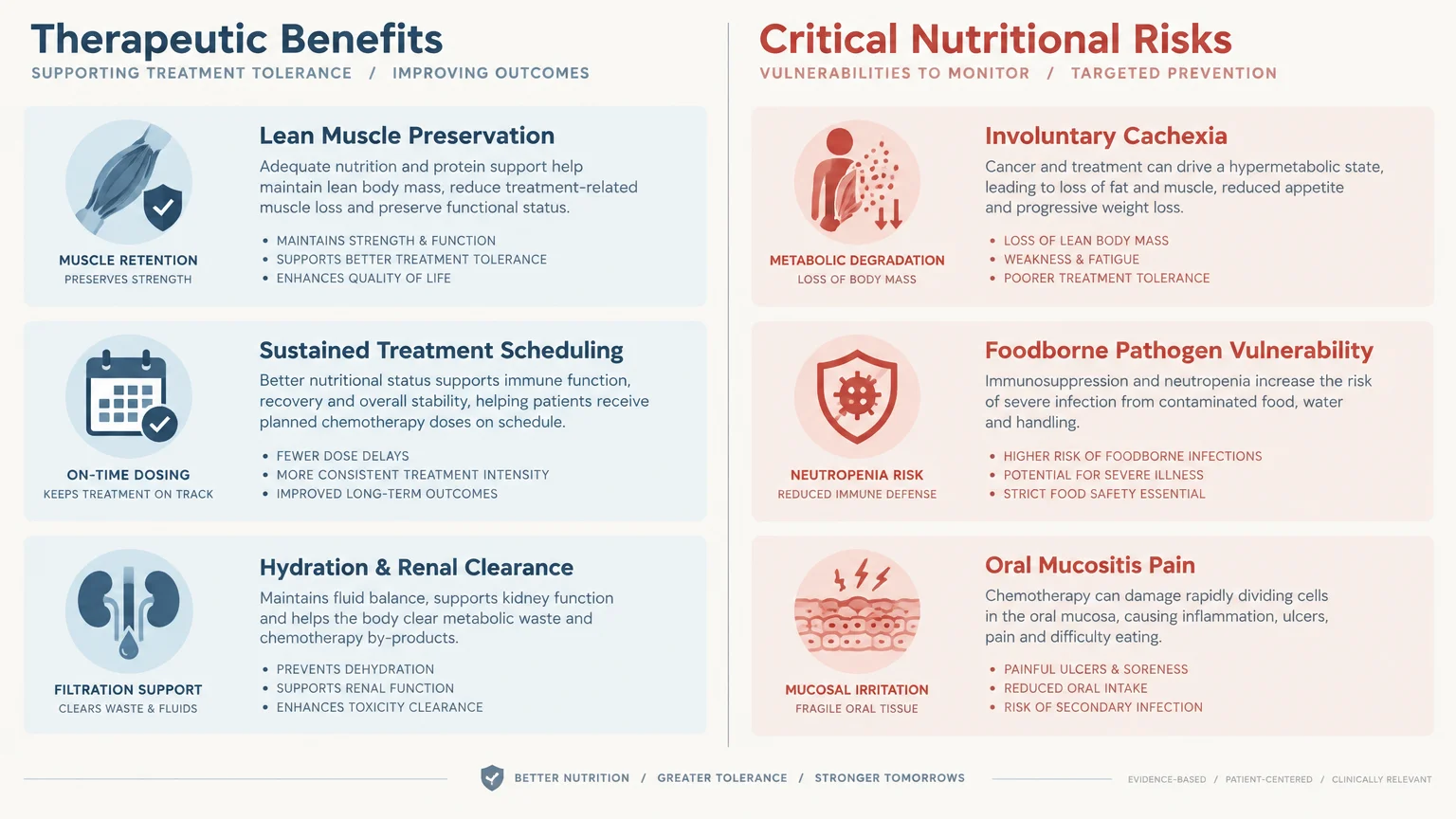
Proactive nutritional management provides immense clinical benefits throughout your cancer journey. Patients who maintain their body weight and muscle mass experience fewer severe treatment side effects and tolerate full medication doses.
Targeted nutrition also accelerates tissue repair between infusion cycles, helping you bounce back faster from fatigue. However, adjusting your diet during chemotherapy requires careful navigation of serious food safety and biochemical risks.
Chemotherapy frequently suppresses your bone marrow, leading to neutropenia, which severely reduces your infection-fighting white blood cells. When your immune defenses drop, microscopic foodborne pathogens that normal bodies fight off can cause life-threatening infections.
You must completely avoid raw or undercooked meats, unpasteurized dairy products, soft cheeses, and raw alfalfa or bean sprouts. Always cook proteins to safe internal temperatures and store leftovers in sealed containers within two hours.
Dietary supplements also carry hidden dangers during active chemotherapy treatment. High doses of isolated antioxidants like vitamin C or vitamin E can neutralize the oxidative mechanisms your chemotherapy relies upon to destroy malignant cells.
Always prioritize obtaining vitamins and minerals from whole, wholesome foods rather than commercial pills or powders. Whole foods provide balanced, synergistic nutrients without the risk of accidentally interfering with your clinical medical therapy.

What the Experts Say About Cancer Nutrition
Leading global health authorities agree that medical nutrition therapy is an essential component of comprehensive oncology care. According to the American Cancer Society, maintaining lean body mass significantly improves clinical outcomes and physical resilience.
Their experts recommend prioritizing protein and healthy calories, even if that means temporarily relaxing traditional low-fat dietary restrictions. Eating calorie-dense foods helps preserve your physical stamina when your total daily food intake decreases.
Specialists at the Mayo Clinic emphasize modifying food texture and temperature to overcome acute oral side effects. They advise consuming soft, cool, or room-temperature foods to minimize mucosal irritation and suppress nausea triggers.
The Mayo Clinic also suggests eating five or six small, nutrient-rich meals rather than three heavy courses. This structured schedule prevents gastric distension and maintains steady metabolic energy throughout long treatment cycles.
Extensive clinical research published by the National Institutes of Health demonstrates that early nutritional intervention reduces hospital readmissions. Working with a registered oncology dietitian helps personalize your dietary plan to your specific chemotherapy regimen.
The Centers for Disease Control and Prevention highlights strict food safety guidelines for cancer patients undergoing active immunosuppressive treatments. Practicing meticulous kitchen hygiene, avoiding cross-contamination, and monitoring cooking temperatures protects vulnerable older adults from preventable foodborne illness.
Practical Steps and Actionable Advice for Daily Meals
Translating nutritional concepts into daily habits requires practical, realistic strategies that respect your energy levels. Establishing simple routines helps you stay nourished without creating unnecessary stress for you or your family caregivers.
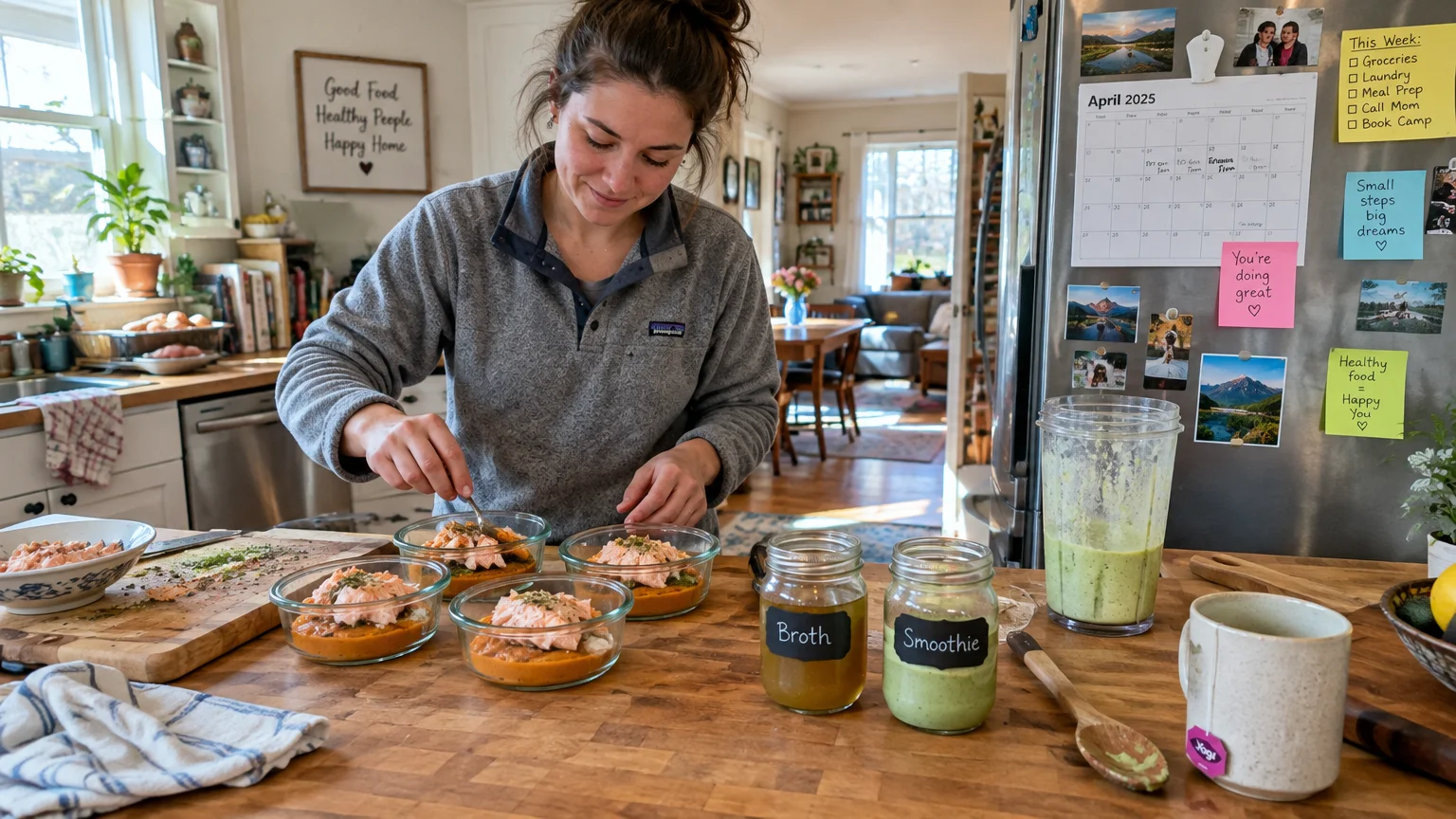
Cook in batches on days when your energy is highest, dividing meals into single-serving freezer containers. Having pre-portioned, nutritious meals ready to thaw ensures you always have gentle food available when fatigue sets in.
Coordinate your meal timing around your prescribed anti-nausea medication schedule. Eating your primary meal roughly thirty to sixty minutes after taking antiemetics maximizes your comfort and prevents sudden digestive upset.
If you experience a persistent metallic or bitter taste, replace metal forks and spoons with plastic, bamboo, or wooden cutlery. Preparing your meals in glass, enamel, or ceramic cookware also eliminates metallic flavor transfer.
Serve your dishes lukewarm or chilled rather than piping hot. Hot meals emit strong aromatic vapors that can trigger rapid nausea before you even take your first bite.
Separate your solid foods from your liquid consumption during meals. Drinking large amounts of fluid while eating fills your stomach prematurely, leaving no room for essential protein and calorie-rich foods.
Sip your broths, teas, and water continuously throughout the day in small, measured quantities. Aim to drink the bulk of your daily fluid intake between meals to maintain hydration without sacrificing appetite.
Keep a simple food and symptom diary on your bedside table or kitchen counter. Tracking what you eat alongside any nausea, diarrhea, or mouth pain helps your healthcare team tailor your symptom management medications.
Frequently Asked Questions
What should I eat when all food tastes metallic or bitter during chemotherapy?
Chemotherapy drugs can alter your saliva composition and temporarily damage your taste buds, creating persistent metallic sensations. Focus on tart flavors like lemon drops, chilled applesauce, or cranberry marinades that cut through bitterness.
Rinse your mouth with a solution of baking soda, salt, and warm water before each meal. This simple rinse neutralizes foul mouth odors and clears lingering chemical residues from your taste receptors.
How can I meet my daily protein needs if meat causes severe nausea?
Red meats and poultry often develop an unappealing flavor or smell during active chemotherapy treatment. Replace them with mild, odorless protein sources such as scrambled eggs, plain Greek yogurt, cottage cheese, and soft tofu.
You can also blend unflavored whey or plant-based protein powders into smooth soups, broths, and puddings. This stealthily boosts your daily amino acid intake without requiring you to chew dense, aromatic meats.
Is it safe to consume fresh fruits and vegetables while receiving chemotherapy?
Fresh produce is safe provided your white blood cell counts remain stable and you follow rigorous washing procedures. Wash all produce thoroughly under clean running water, and peel thick-skinned fruits like bananas, oranges, and avocados.
However, if your oncologist informs you that you have severe neutropenia, you should avoid raw vegetables and unpeeled fruits entirely. During neutropenic phases, rely exclusively on well-cooked, steamed, or baked vegetables and pasteurized canned fruits.
How do I know whether to eat more fiber or less fiber during treatment?
Your fiber intake should adapt directly to the specific bowel changes you experience throughout your treatment cycle. If you develop watery diarrhea, switch to low-insoluble-fiber foods like applesauce, bananas, white rice, and plain oatmeal.
Conversely, if chemotherapy and anti-nausea medications cause severe constipation, gradually increase soluble fiber with chia seed pudding and cooked squash. Always accompany increased fiber with generous fluid intake to prevent intestinal blockages.
What can I drink if plain water suddenly triggers nausea?
Many chemotherapy patients find that plain tap or bottled water develops a chemical, unpalatable taste that provokes gagging. Try flavoring your water with cucumber slices, crushed mint, or a small splash of 100 percent fruit juice.
Chilled herbal teas like ginger, peppermint, or chamomile offer comforting alternatives that actively soothe your stomach. Clear broths, diluted electrolyte beverages, and fruit ice pops also provide vital hydration without causing nausea.
Can I take herbal supplements to boost my immune system during chemotherapy?
You should never take herbal supplements, botanicals, or mega-dose vitamins without obtaining explicit clearance from your oncology team. Many popular herbal remedies can interfere with how your liver metabolizes chemotherapy drugs, leading to dangerous toxicities.
Certain botanicals can also increase bleeding risks or diminish the tumor-destroying efficacy of your prescribed medical treatments. Focus your efforts entirely on wholesome, nutrient-dense whole foods that nourish your body naturally and safely.
Empowering Your Nutritional Journey
Navigating chemotherapy requires extraordinary resilience, and adapting your daily diet is one of the most powerful supportive actions you can take. Remember that your nutritional needs and tolerances will fluctuate from one day to the next.
Be patient with your body and celebrate small dietary successes, whether that means finishing a cup of broth or enjoying a soft banana. Nourishing yourself gently during this season protects your vitality, preserves your muscle mass, and honors your recovery.
Keep communication open with your doctors, nurses, and registered oncology dietitians whenever eating becomes difficult or painful. With compassionate support and strategic food choices, you can sustain your strength and maintain your comfort throughout your treatment journey.
This article is intended for informational and educational purposes only and is not a substitute for professional medical advice, diagnosis, or treatment. Always consult with a qualified healthcare provider regarding any health concerns or before making any decisions related to your health or treatment.