Recognizing subtle respiratory signs can protect you or an older family member from life-threatening hospital complications this season. Respiratory syncytial virus and seasonal influenza strike older bodies differently than younger ones, often disguising themselves as common exhaustion.
You need to identify warning flags early because prompt medical intervention prevents mild infections from escalating into severe pneumonia. Learning how these two distinct viruses behave allows you to make informed decisions before breathing difficulties emerge.
Knowing the specific symptoms of each infection empowers you to seek timely treatment and protect your long-term independence.
Understanding Respiratory Syncytial Virus and Seasonal Influenza
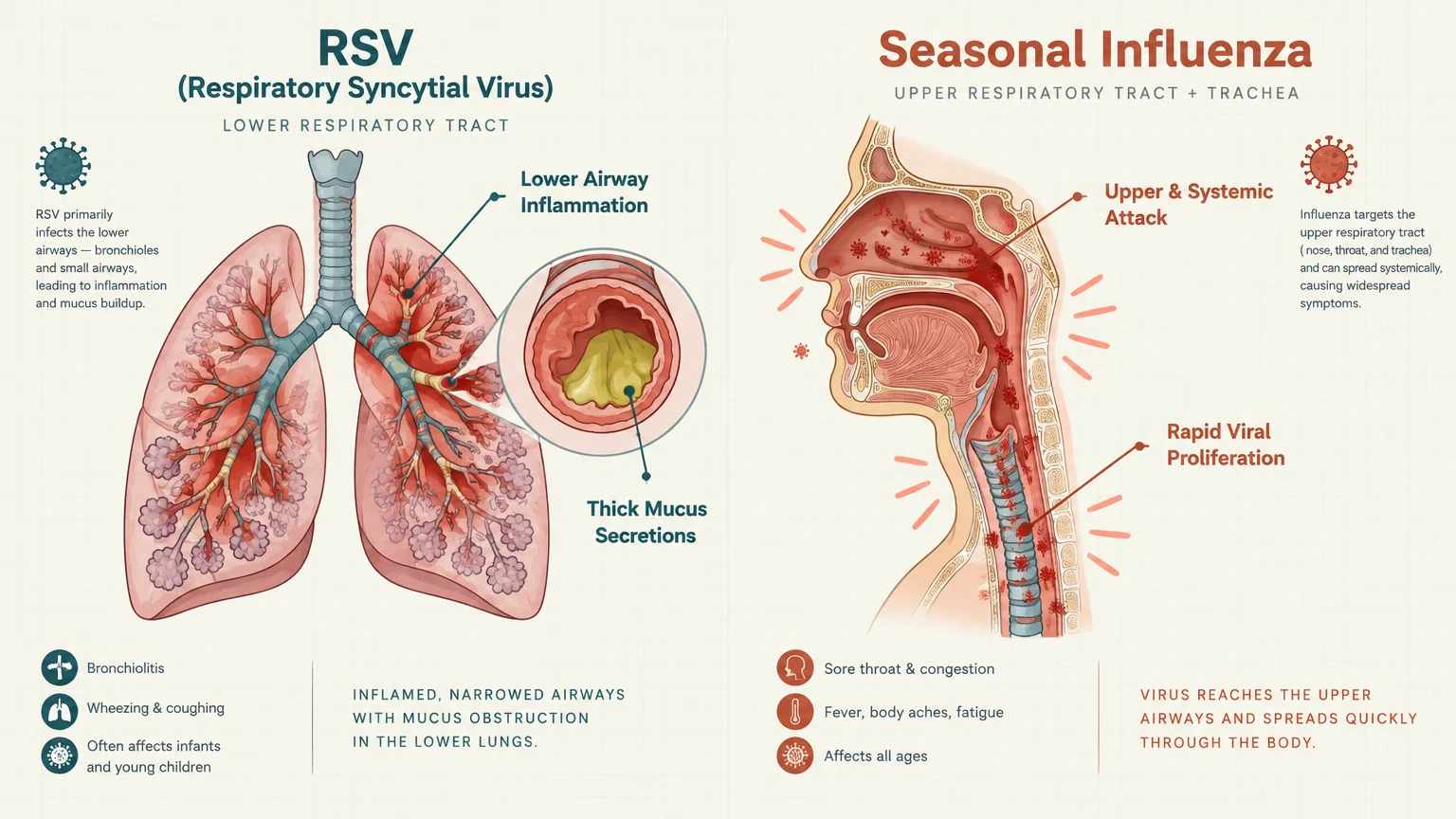
Respiratory syncytial virus, commonly known as RSV, infects your lungs and breathing passages. While many people associate RSV with infants, it poses a severe threat to aging bodies.
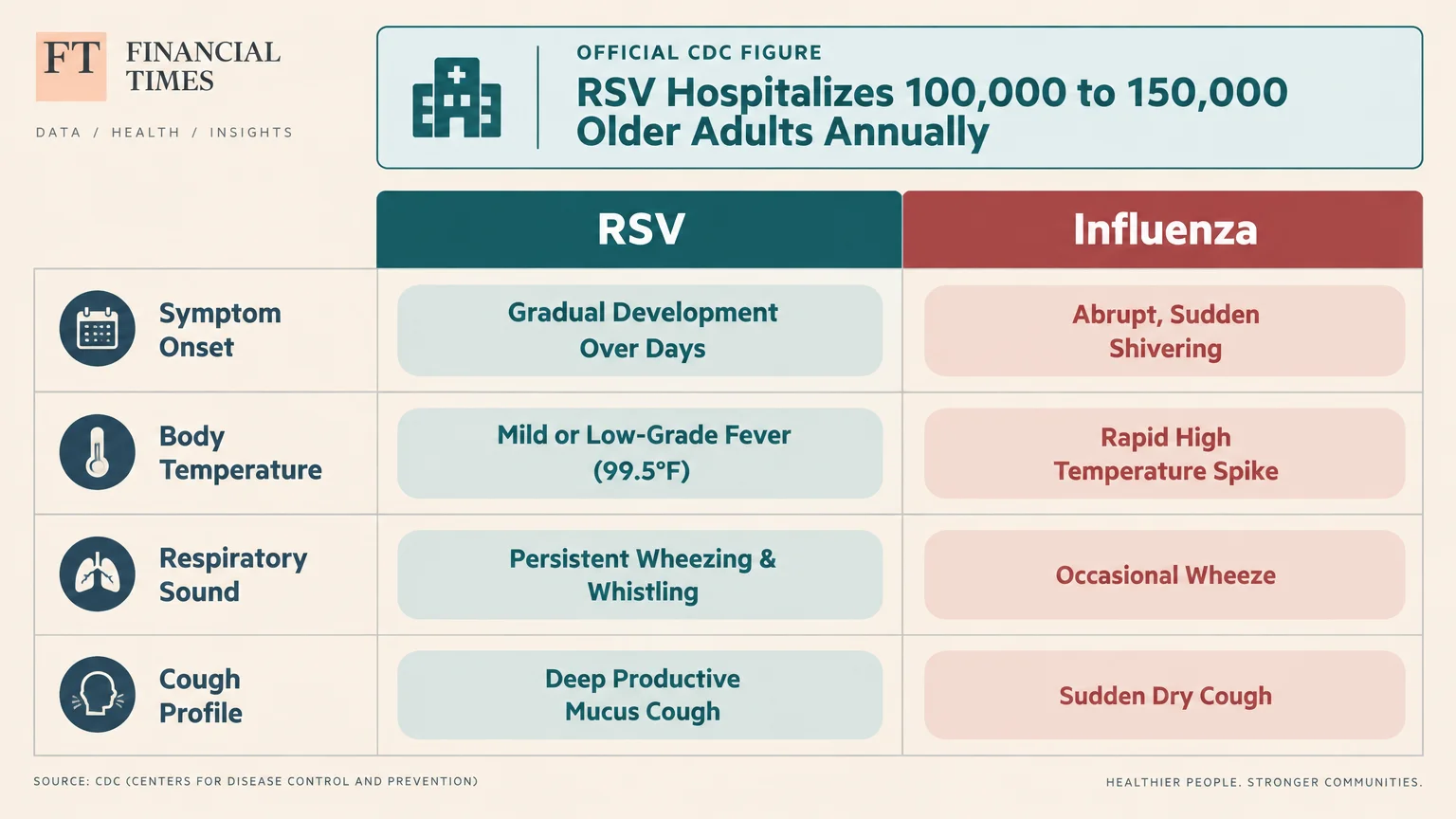
The virus inflames your lower airways, producing thick mucus that can clog delicate air passages. According to the Centers for Disease Control and Prevention, RSV hospitalizes between 100,000 and 150,000 older adults in the United States every year.
Seasonal influenza, or the flu, is a contagious viral infection that attacks your nose, throat, and lungs. Unlike RSV, influenza strikes abruptly with widespread systemic inflammation.
Flu viruses mutate constantly, which requires updated seasonal vaccines to maintain your defense. The Mayo Clinic emphasizes that influenza can rapidly destabilize underlying medical conditions like heart disease or asthma.
Both viruses spread easily through airborne droplets when an infected person coughs, sneezes, or talks. You can also catch them by touching contaminated surfaces and then touching your eyes, nose, or mouth.
Differentiating between RSV and the flu is essential because their clinical treatments differ significantly. Antiviral medications can stop the flu virus, whereas RSV care primarily focuses on symptom management and supportive respiratory therapy.
11 Critical Symptoms of RSV and Flu to Watch For
Distinguishing between these two respiratory infections requires close attention to how quickly symptoms appear and which parts of your body they target. Here are eleven crucial symptoms you must monitor closely.
1. Sudden High Fever Versus Mild Low-Grade Temperature
Influenza characteristically begins with a rapid, spiking fever that leaves you feeling burning hot and shivering within hours. RSV, by contrast, typically causes only a modest, low-grade temperature or no fever at all.
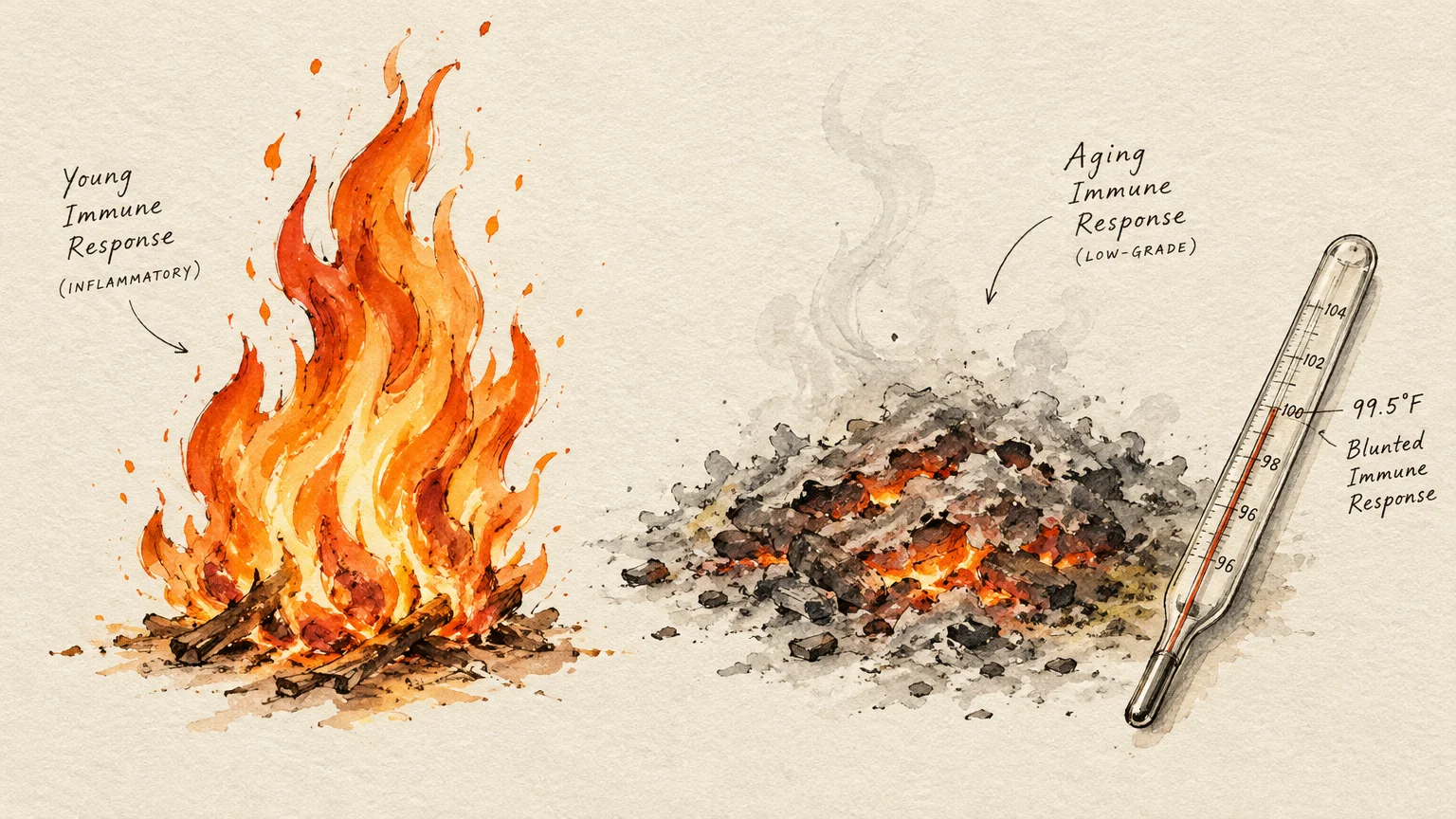
You must keep in mind that older immune systems often generate blunted inflammatory responses. As you age beyond 65, your body may fight severe influenza without generating a high temperature.
A mild temperature of 99.5 degrees Fahrenheit in an older adult can signal a serious respiratory infection. Never dismiss an illness simply because you do not register a high fever.
2. Persistent Wheezing and Whistling Breaths
Wheezing produces a high-pitched whistling sound when you breathe out, signaling constricted lower airways. This symptom occurs far more frequently with RSV than with standard seasonal influenza.
RSV invades the small breathing tubes in your lungs, creating swelling and thick secretions that obstruct normal airflow. If you hear a distinct rattle or squeak when exhaling, RSV may have reached your lower lungs.
While the flu can trigger wheezing in people with preexisting asthma or chronic obstructive pulmonary disease, RSV creates wheezing even in adults without prior lung disorders. You should report new wheezing to your physician immediately.
3. Deep Productive Cough Versus Sudden Dry Cough
A hallmark distinction between these viruses involves the texture and sound of your cough. RSV typically produces a wet, rattling cough accompanied by substantial, sticky mucus.
This heavy secretions buildup can overwhelm an older adult’s respiratory muscles, making it difficult to clear the throat. You may feel as though fluids are constantly pooling in your chest.
Influenza usually triggers an intense, dry, hacking cough that starts abruptly alongside other body-wide symptoms. Over several days, a dry flu cough can irritate your throat and chest wall, causing sharp discomfort.
If your cough changes from dry to wet with yellowish or greenish phlegm, you may have developed a secondary bacterial infection. Contact your medical provider whenever your cough worsens rapidly.
4. Shortness of Breath During Everyday Activities
Shortness of breath, known medically as dyspnea, occurs when your lungs struggle to transfer oxygen into your bloodstream. Both RSV and the flu can impair this gas exchange by causing inflammation in your lung tissue.
You might notice breathlessness while walking across the living room, preparing a simple meal, or getting dressed. Breathlessness that interrupts your normal speech patterns signals that your airways are under dangerous strain.
RSV often causes a progressive tightening in your chest over three to five days as mucus accumulates. In contrast, flu-related shortness of breath can appear suddenly as systemic inflammation overwhelms your stamina.
Never ignore shortness of breath that worsens when you lie flat in bed. This postural difficulty often indicates fluid accumulation in your lungs or worsening heart stress.
5. Severe Muscle Aches and Body Pain
Profound body aches, or myalgia, serve as a signature calling card for influenza infection. The flu unleashes inflammatory proteins that cause intense discomfort across your back, legs, and shoulder joints.
You may feel as if you ran a marathon or suffered physical trauma, even while resting quietly in bed. This deep muscular soreness makes even light movement uncomfortable.
RSV rarely generates this level of incapacitating full-body muscle pain. While RSV can make you feel stiff and tired, it focuses its primary discomfort within your respiratory tract rather than your muscular system.
Severe, sudden muscle aches that coincide with chills almost always point toward an influenza infection. Identifying this difference helps your doctor prescribe targeted antiviral medications within the critical treatment window.
6. Overwhelming Exhaustion and Extreme Fatigue
Extreme fatigue affects people with both viruses, but the timing and trajectory differ noticeably. Influenza delivers a sudden crash, knocking out your energy within a single afternoon.
You might feel completely unable to get out of bed, bathe, or complete basic household chores. This paralyzing flu fatigue can linger for two to three weeks after acute symptoms subside.
RSV fatigue develops gradually over several days as your body works harder and harder to breathe through congested airways. The continuous effort of coughing and labored breathing depletes your physical stamina over time.
When profound exhaustion leaves an older adult unable to stay awake or hydrate independently, caregivers must seek urgent medical evaluation. Severe fatigue frequently disguises dangerously low oxygen levels.
7. Sudden Mental Confusion and Cognitive Shifts
Sudden confusion, disorientation, or altered mental alertness represents one of the most critical red flags in older adults. Neither the flu nor RSV requires a lung-specific sign to threaten your safety.
Atypical presentations occur frequently in seniors because systemic inflammation and dropping oxygen levels directly impact brain function. A loved one might display uncharacteristic memory lapses, agitation, or severe drowsiness.
Families often misinterpret sudden confusion as rapid dementia onset or typical aging. In reality, acute delirium often indicates a serious respiratory virus that has spread into severe lower respiratory complications.
Any rapid change in cognitive status warrants emergency medical evaluation. Prompt treatment of the underlying respiratory illness can reverse delirium before permanent harm occurs.
8. Significant Loss of Appetite and Refusal to Eat
A sharp decline in appetite often accompanies severe viral respiratory infections in older adults. When your breathing becomes labored, chewing and swallowing food requires immense physical exertion.
Both RSV and influenza can diminish your sense of taste and smell, making food unappealing. Furthermore, systemic inflammation suppresses hunger hormones, leading you to skip meals without realizing your calorie deficit.
A loss of appetite quickly triggers dehydration, especially if a fever causes increased fluid loss through sweating. Dehydration thickens mucus secretions in your lungs, making it much harder to clear your airways.
Monitor daily fluid intake closely whenever an older relative falls ill. Consuming clear broths, electrolyte solutions, and water prevents acute kidney strain during viral illness.
9. Nasal Congestion, Runny Nose, and Sinus Pressure
Upper respiratory congestion forms the typical starting point for an RSV infection. You will likely experience a persistent runny nose, frequent sneezing, and heavy sinus pressure that mimics a common cold.
In healthy young adults, RSV remains trapped in the upper respiratory tract. In seniors, however, that initial head cold frequently descends into the chest within forty-eight to seventy-two hours.
Influenza can also cause nasal stuffiness, but it rarely presents as a purely localized head cold. Flu congestion usually arrives alongside full-body aches, headache, and severe fatigue from the first day.
If what felt like a minor head cold begins moving into your chest with wheezing and deep coughing, suspect RSV. Tracking the downward progression of symptoms helps your doctor choose proper diagnostic tests.
10. Dizziness, Lightheadedness, and Unsteadiness
Feeling dizzy or unsteady on your feet represents another dangerous atypical symptom of respiratory infections in older adults. Viral infections disrupt your autonomic nervous system and fluid balance, leading to blood pressure drops.
Dehydration from fever and poor fluid intake lowers your blood volume, causing orthostatic hypotension when you stand up. When combined with general muscle weakness, this lightheadedness drastically increases your risk of catastrophic falls.
Additionally, declining blood oxygen levels starve your brain tissue of vital oxygen, causing subtle balance problems and dizziness. An unexplained fall or sudden loss of balance frequently serves as the first visible indicator of infection.
Take dizziness seriously by remaining seated and checking your vital signs. Caregivers should assist older family members with walking while an acute infection runs its course.
11. Bluish Lips, Pale Skin, and Low Oxygen Levels
A bluish or grayish tint on your lips, tongue, nail beds, or skin indicates cyanosis. Cyanosis occurs when your blood lacks sufficient oxygen to nourish your peripheral tissues.
This visible color change reflects an advanced stage of respiratory distress caused by severe RSV or influenza pneumonia. Your air sacs have become so inflamed or filled with fluid that oxygen cannot pass into your bloodstream.
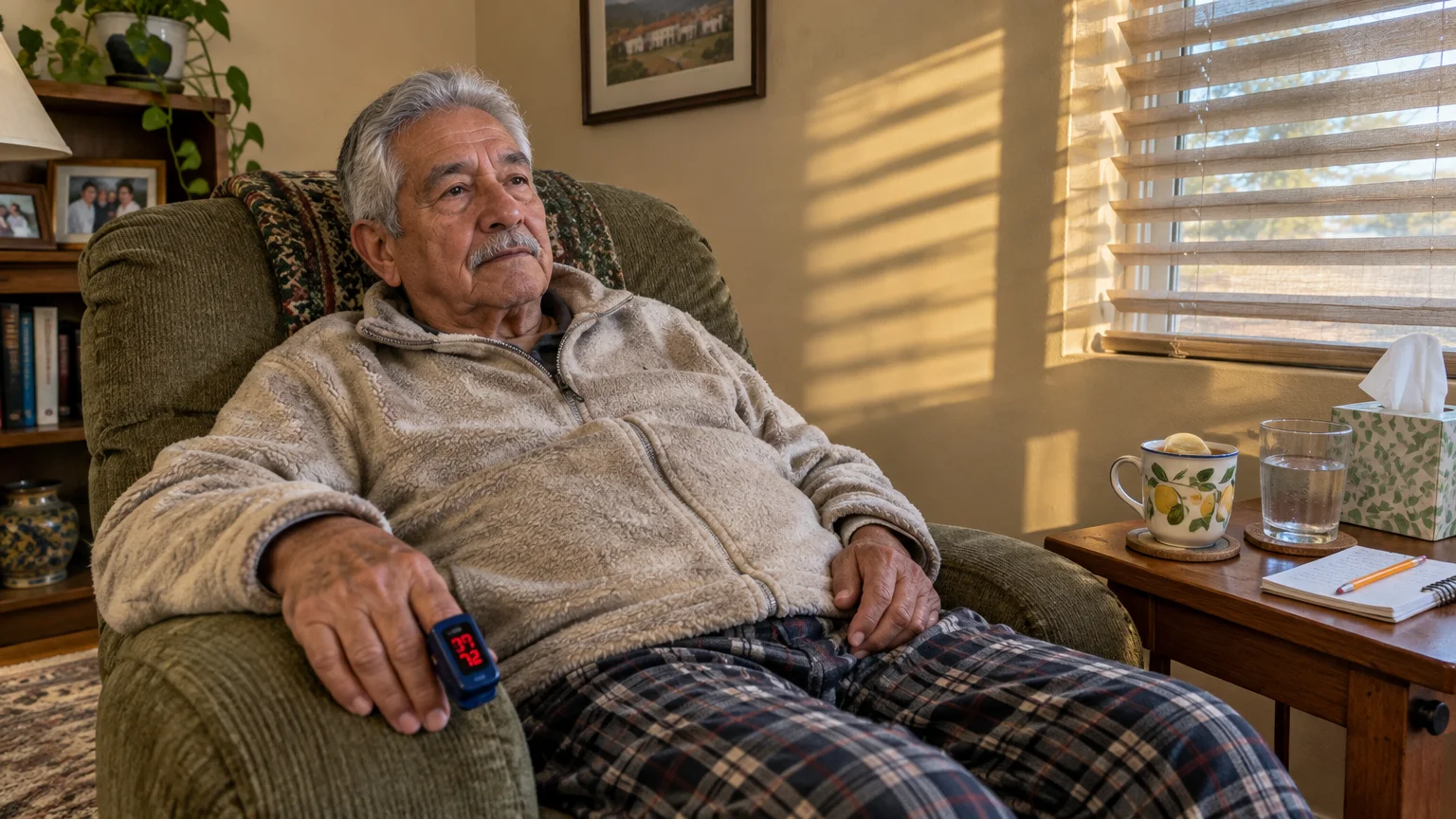
A home pulse oximeter can detect dropping oxygen saturation hours before skin color noticeably shifts. A normal reading sits between 95% and 100%, whereas readings below 90% demand immediate emergency medical intervention.
Never wait for skin discoloration to seek emergency care if an older adult struggles for breath. Call emergency services immediately when oxygen saturation plummets or lips turn blue.
Key Considerations for Aging Immune Systems
As your body ages, your immune system undergoes a natural restructuring process known as immunosenescence. This decline reduces your body’s ability to fight off novel viral pathogens efficiently.
Your white blood cells respond more slowly to viral invaders, allowing viruses like RSV and influenza to replicate rapidly in your lung tissue. Consequently, older adults experience deeper, longer-lasting infections than younger individuals.
Preexisting chronic conditions dramatically amplify the dangers of respiratory viruses. According to research from the National Institutes of Health, underlying cardiovascular disease or lung disorders compromise your physiological resilience.
An October 2026 CDC analysis of 18,301 RSV hospitalizations found that 8.6% of hospitalized adults died during their stay or within 30 days of discharge. That same study revealed that 81% of those deaths occurred in adults aged 65 and older.
Roughly one-third of those fatal cases occurred in adults aged 85 or older, and nearly 89% had at least one chronic underlying condition. These statistics demonstrate why chronic illnesses make respiratory viruses so dangerous for older adults.
Influenza presents an equally sobering challenge for seniors across the country. Adults aged 65 and older account for 70% to 85% of seasonal flu-related deaths and 50% to 70% of hospitalizations.
Hospitalization rates for adults aged 85 and older are two to six times higher than rates for adults aged 65 to 74. Because classical symptoms fade with age, vigilance regarding atypical signs remains your strongest defense.
Benefits of Early Action and Risks of Delay
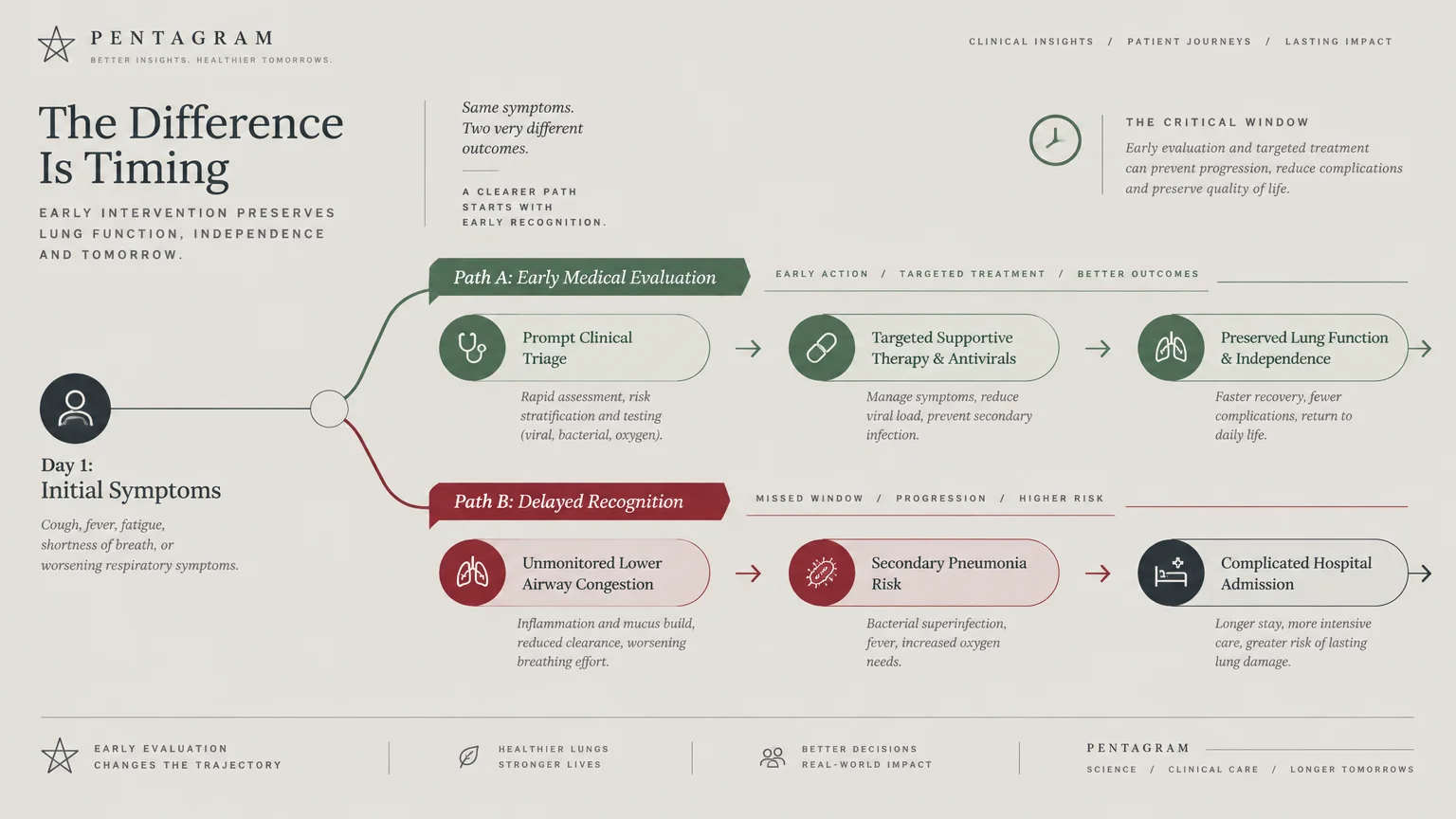
Recognizing symptoms early opens a vital window for effective medical treatments. Prompt clinical action significantly reduces your risk of severe complications, hospital admission, and prolonged rehabilitation.
Prescription antiviral medications for influenza, such as oseltamivir, work most effectively when you start them within 48 hours of symptom onset. These medications shorten your illness duration and prevent deadly secondary complications.
While targeted antivirals for RSV remain limited, early diagnosis allows doctors to provide essential supportive therapy immediately. Clinicians can administer bronchodilators, prescribe supplemental oxygen, and monitor fluid balance before acute respiratory failure develops.
Delaying medical care carries severe health risks for older adults. Unchecked viral infections inflame your airways, stripping away the protective lining and inviting secondary bacterial pneumonia to take hold.
Bacterial pneumonia following a viral illness represents a leading cause of intensive care admission among seniors. Lingering systemic inflammation also increases your risk of heart attacks and strokes for weeks following an acute infection.
Acting swiftly protects not only your lungs but your entire cardiovascular system. Contacting your healthcare team at the first sign of illness preserves your overall vitality and independence.

What Medical Experts and Health Organizations Recommend
Leading health agencies, including the World Health Organization and the CDC, urge older adults to stay proactive through evidence-based vaccination strategies. Immunization provides a proven shield against severe illness and hospitalization.
For RSV prevention, the CDC recommends a single dose of an FDA-licensed RSV vaccine for all adults ages 75 and older. The CDC also recommends the shot for adults ages 50 to 74 who live with increased risk factors.
Eligible risks include chronic heart or lung disease, advanced diabetes, weakened immune defenses, and residency in long-term care settings. Regulators lowered this risk-based eligibility threshold from 60 down to 50 to protect vulnerable adults sooner.
Three FDA-approved RSV vaccines are currently available for adults 50 and older: Arexvy, Abrysvo, and mResvia. The CDC does not express a preference for one vaccine brand over another.
Under current clinical guidance, the RSV shot is not an annual vaccine; you receive it as a one-time single dose. If you already received an RSV vaccine in a prior season, you should not get another dose.
The CDC notes that the best timing for your RSV shot falls in late summer and early fall. You can safely receive your RSV vaccination during the exact same clinical visit as your seasonal flu shot.
For seasonal influenza, the CDC preferentially recommends higher-dose or adjuvanted flu vaccines for all adults aged 65 and older. These specialized formulations stimulate a stronger immune defense than standard unadjuvanted flu shots.
During the severe 2024–2025 season, flu caused 51 million illnesses, 710,000 hospitalizations, and 45,000 deaths nationwide. However, annual vaccination prevented an estimated 180,000 hospitalizations and 12,000 deaths during that single period.
According to federal survey data released in 2026, 63.7% of adults aged 65 and older received an annual flu shot in 2025. Increasing that coverage protects the broader community through robust herd immunity.
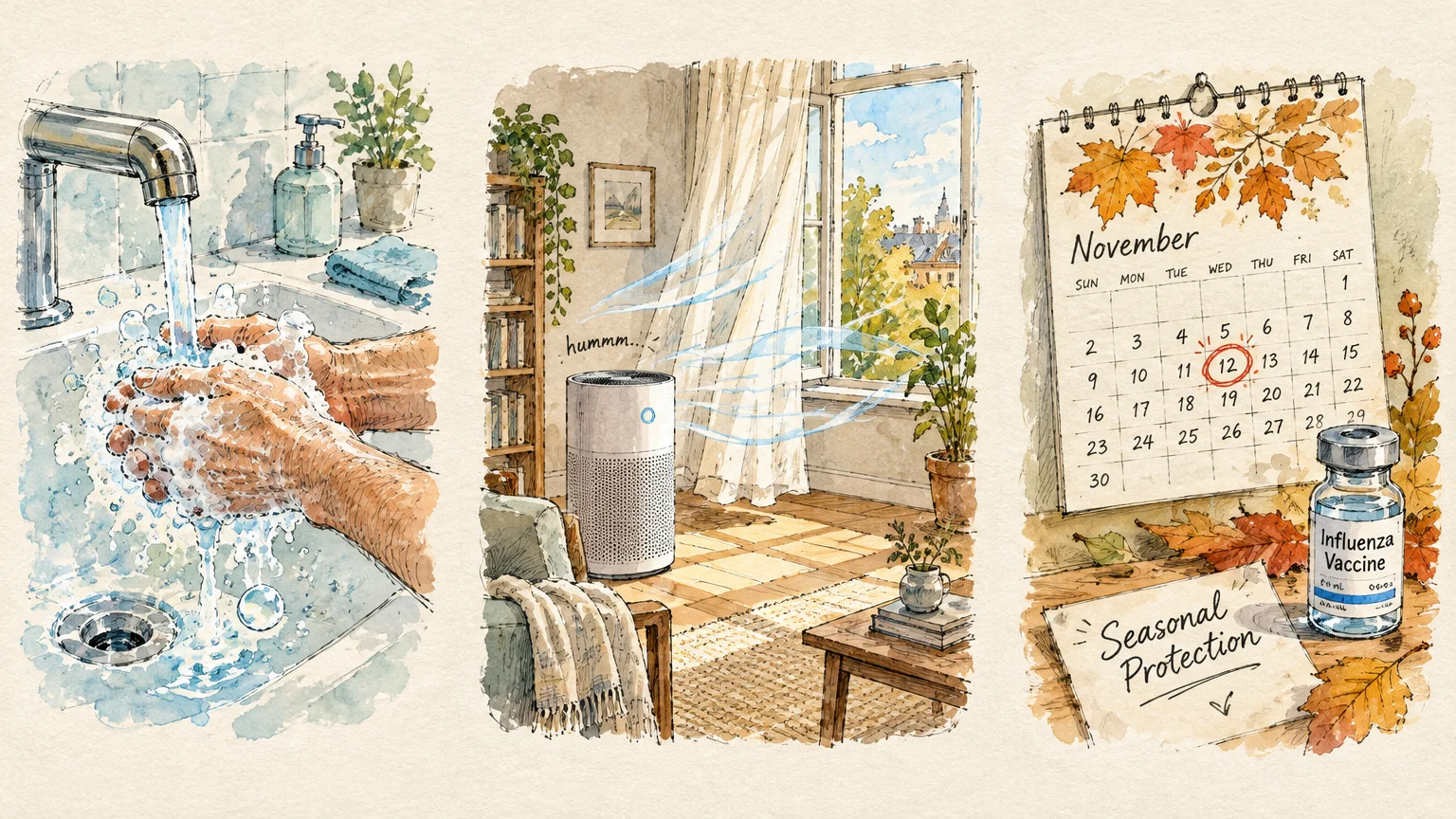
Practical Steps to Protect Your Respiratory Health
Taking proactive daily steps empowers you to safeguard your respiratory health throughout the peak viral season. Simple changes to your daily routine can dramatically lower your infection risk.
Practice diligent hand hygiene by scrubbing your hands with soap and warm water for at least twenty seconds. Carry alcohol-based hand sanitizer to cleanse your hands after touching shopping carts, handrails, or door handles in public spaces.
Maintain clean indoor air by improving ventilation inside your living spaces. Run high-efficiency particulate air purifiers in commonly used rooms, and open windows briefly on mild days to circulate fresh air.
Invest in an accurate home pulse oximeter and learn your baseline blood oxygen level while you are healthy. Knowing your normal baseline helps you identify dangerous oxygen drops early during an active respiratory illness.
Avoid close physical contact with anyone who shows symptoms of a cough, runny nose, or fever. Do not hesitate to wear a well-fitted mask in crowded indoor venues during local viral surges.
Prepare a personalized action plan with your primary care physician before viral season reaches its peak. Ask your doctor how to quickly access viral testing and prescription treatments if you suddenly develop symptoms.
Frequently Asked Questions About RSV and Flu
Can you contract RSV and the flu at the same time?
Yes, you can contract both RSV and influenza simultaneously in a condition known as a viral coinfection. Suffering from both respiratory viruses at once places tremendous stress on your lungs and immune system.
Coinfection significantly raises your risk of developing severe pneumonia and requiring intensive hospital care. Dual diagnostic testing can detect both pathogens from a single nasal swab.
How long does an RSV infection last compared to the flu?
Acute influenza symptoms typically last between five and seven days, although profound fatigue and cough can persist for several weeks. Most people overcome the worst systemic flu symptoms relatively quickly.
RSV tends to follow a longer, more drawn-out trajectory in older adults. Symptoms often develop slowly over a week and may linger for two to three weeks as lower airways clear mucus.
Do you need a new RSV vaccine every single year?
No, the RSV vaccine is not an annual shot under current health guidelines. Health authorities recommend a one-time single dose for eligible older adults rather than yearly revaccination.
If you received an RSV vaccine during a previous season, you do not need another dose this year. In contrast, you must receive your seasonal influenza shot every single autumn.
Why do older adults often fail to develop a high fever with the flu?
Aging immune systems produce fewer chemical signaling molecules called pyrogens, which instruct the brain to raise body temperature. As a result, older bodies mount weaker fever responses during serious infections.
You might experience severe viral infection while your body temperature remains entirely normal or even runs slightly low. You must watch for behavioral changes, fatigue, and confusion rather than relying solely on a thermometer.
When should an older adult seek emergency medical care?
Seek immediate emergency care if you experience severe shortness of breath, continuous chest pressure, or sudden confusion. Bluish lips, inability to stay awake, and oxygen saturation falling below 90% also represent true medical emergencies.
Never wait to see if life-threatening symptoms improve on their own overnight. Calling emergency medical services ensures rapid stabilization, oxygen therapy, and swift transport to an acute care facility.
Protecting Your Health and Well-Being
Respiratory syncytial virus and seasonal influenza represent substantial threats to older adults, but knowledge and preparation place you in control. Recognizing early warning signs enables you to access targeted medical care before complications escalate.
Schedule your seasonal vaccinations, keep a pulse oximeter handy, and never dismiss subtle physical shifts like mild confusion or low-grade fatigue. By staying alert and proactive, you protect your breathing, your vitality, and your long-term independence.
This article is intended for informational and educational purposes only and is not a substitute for professional medical advice, diagnosis, or treatment. Always consult with a qualified healthcare provider regarding any health concerns or before making any decisions related to your health or treatment.