If you had chickenpox as a child, the virus that caused those itchy spots never actually left your body. It retreated deep into your nerve roots, waiting silently for decades.
Once you cross age 50, your immune defenses naturally begin to thin, allowing that dormant virus to reawaken as shingles. Knowing the earliest warning signs helps you protect your nerves and vision before painful blisters erupt.
Getting Shingrix after 50 slashes your risk of lasting nerve pain and may even support long-term brain health. Here is how to spot shingles early and use modern prevention wisely.
Understanding Shingles and Your Dormant Immune Defense
Shingles—medically known as herpes zoster—is not an infection you catch out of thin air from a crowded room. Instead, it is the reactivation of the varicella-zoster virus (VZV), the exact same pathogen responsible for childhood chickenpox.
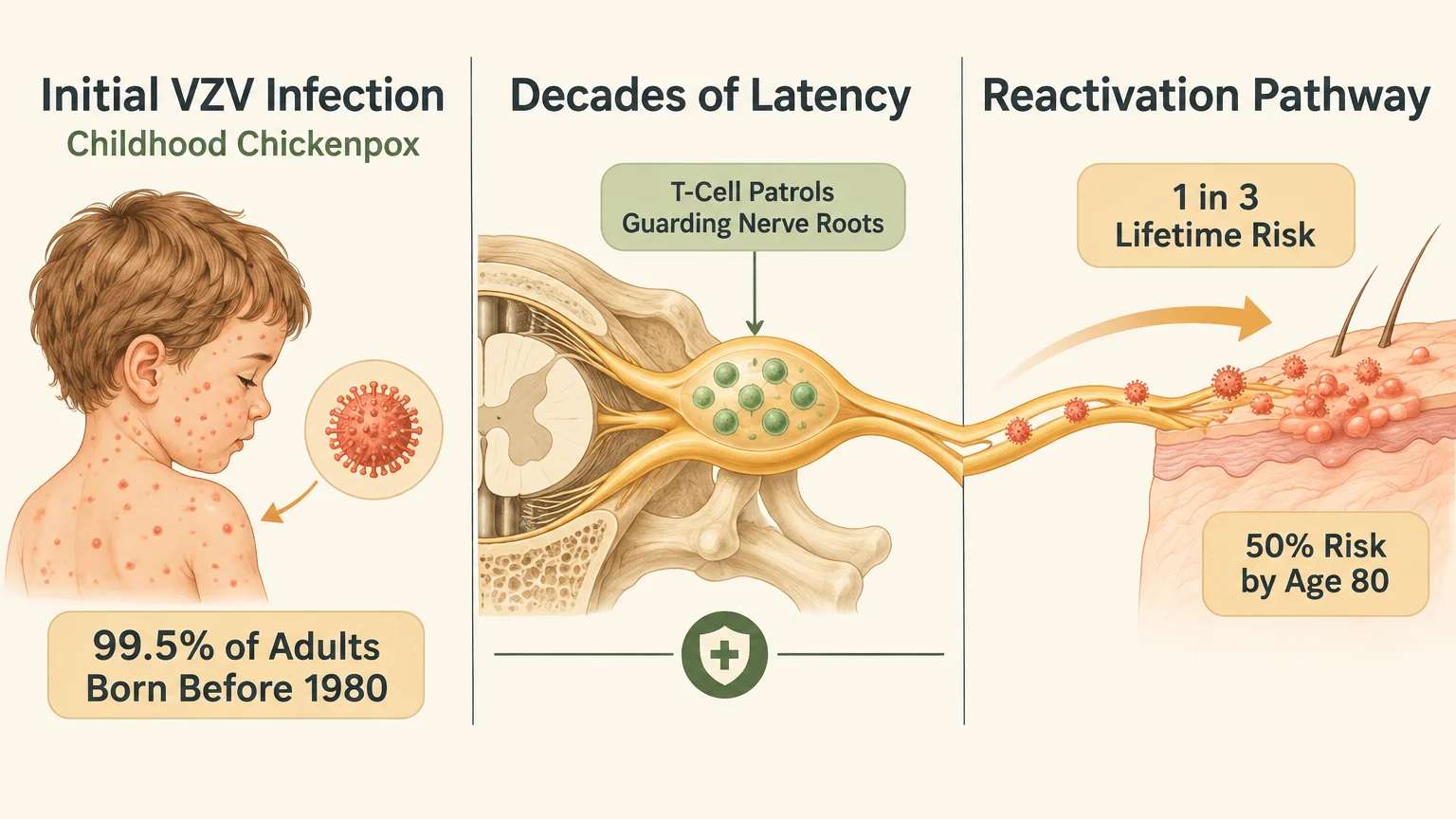
According to the Centers for Disease Control and Prevention (CDC), roughly 99.5% of U.S. adults born before 1980 have carried VZV since youth. Even if your childhood illness was so mild you barely remember it, the virus likely remains parked along your spinal or facial nerves.
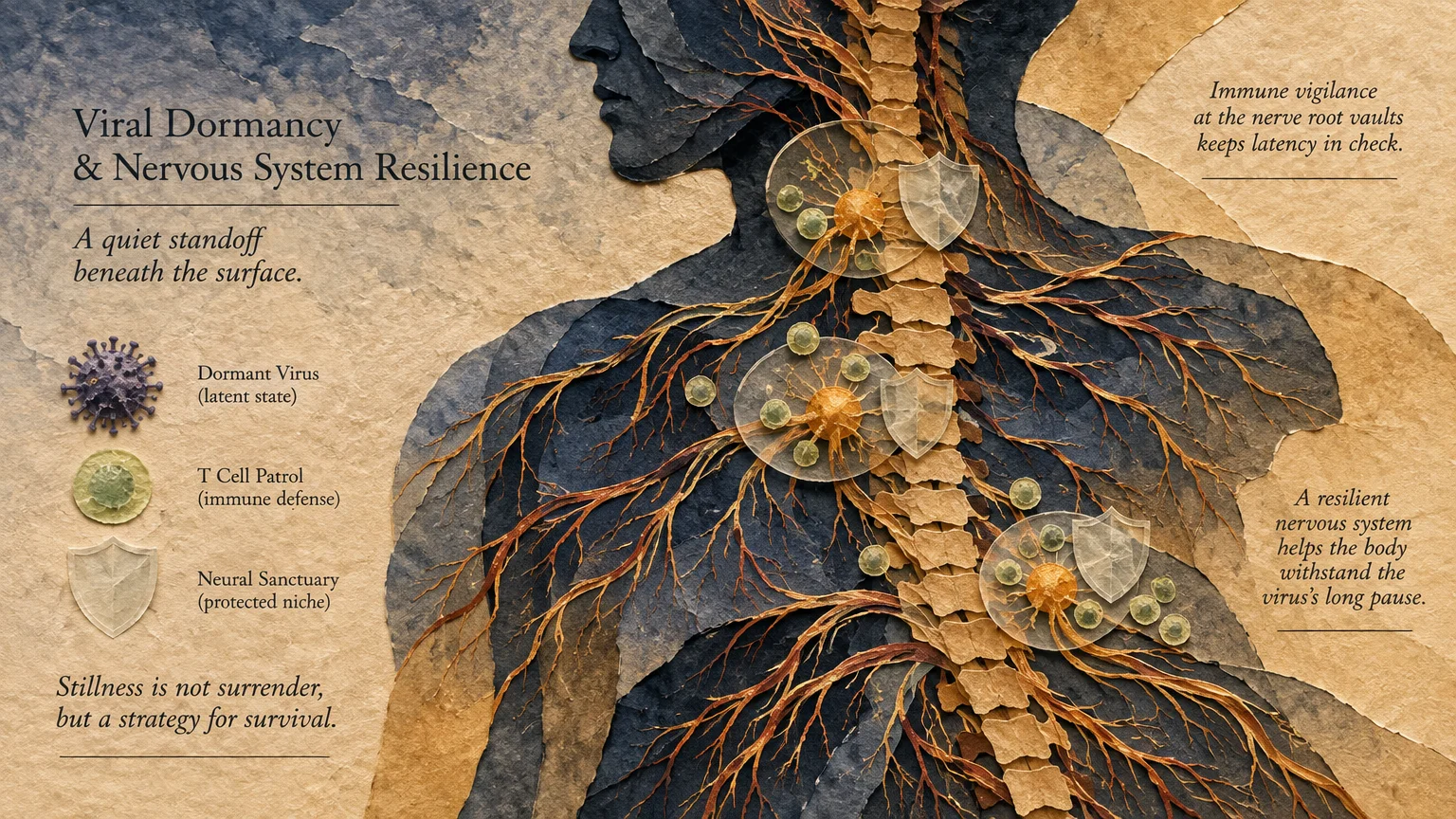
You can picture VZV as a burglar locked inside a secure vault, kept motionless by specialized white blood cells called T-cells. For years, this cellular security force—known as cell-mediated immunity—constantly patrols your nervous system and keeps the virus asleep.
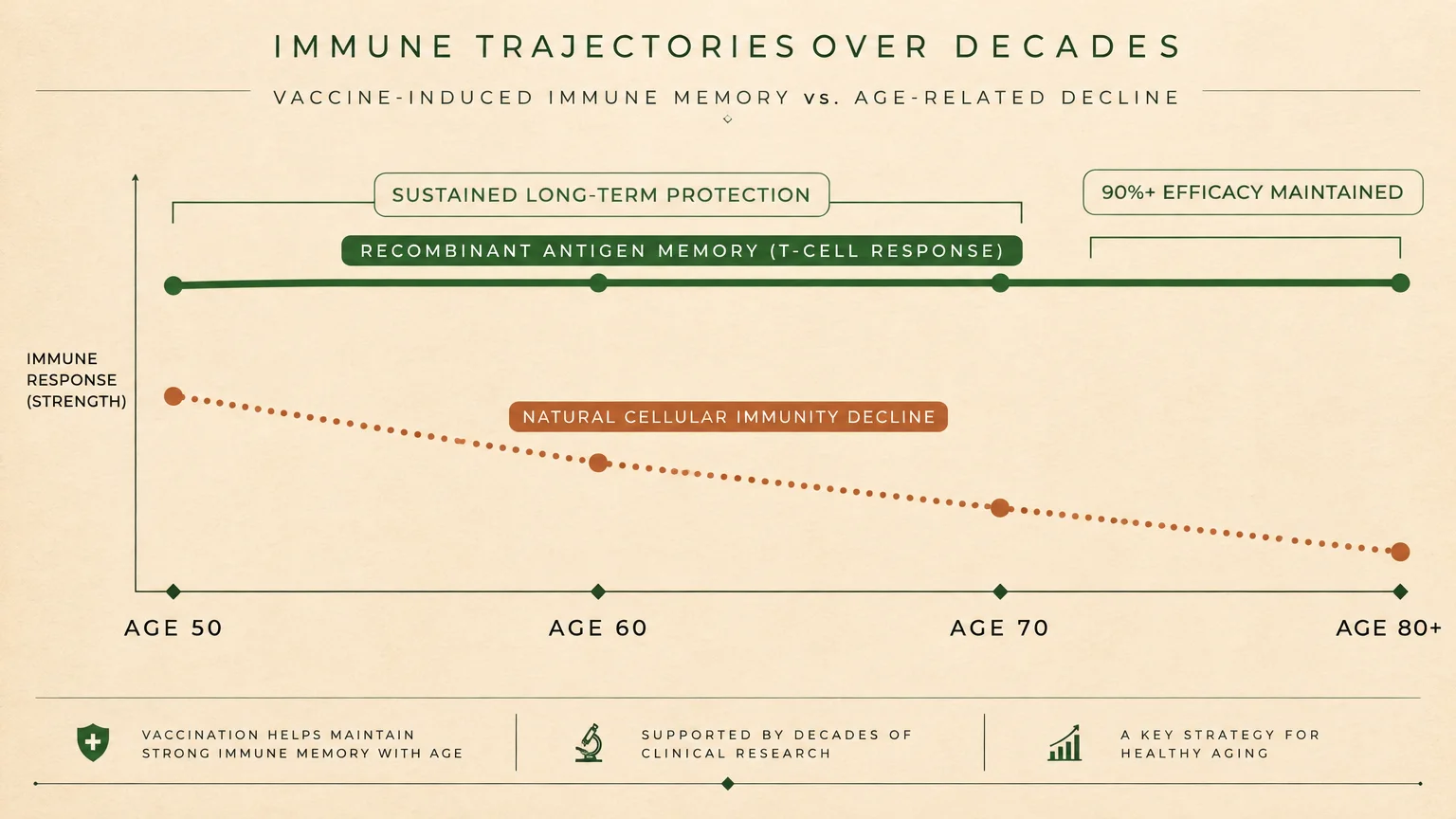
As decades pass, however, your immune system undergoes a gradual slowdown; fewer fresh T-cells stand watch at the vault door. Eventually, the sleeping virus senses an opening, multiplies along a single nerve pathway, and travels outward to the surface of your skin.
This biological dynamic explains why shingles is remarkably common across the United States. The CDC estimates that 1 in 3 people will develop shingles during their lifetime, adding up to roughly 1 million new cases each year.
Annual incidence ranges from 2 to 9 cases per 1,000 people depending on age, climbing steeply during midlife and beyond. By age 80 and older, data cited in the Australian Immunisation Handbook indicate that your lifetime risk reaches approximately 50%.
Most people recover at home, yet shingles can trigger serious complications that land patients in hospital beds. About 1% to 4% of people with shingles require hospitalization, and roughly 30% of those hospitalized have weakened immune systems.
While fatal outcomes are uncommon—with fewer than 100 deaths recorded annually in the United States—those rare tragedies occur almost exclusively among older adults or severely immunocompromised patients. Protecting yourself before reactivation begins is far easier than fighting an outbreak already in motion.
Recognizing Early Shingles Warning Signs Before the Rash Appears
Most people picture shingles as a bright red band of blisters wrapping around one side of the waist. Yet your body almost always sends subtle shingles warning signs days before a single mark breaks the surface of your skin.
The Prodromal Phase: Pain Without a Trace
Clinicians call this opening window the prodromal phase, and it usually lasts 1 to 5 days before any rash shows up. During these first days, you might feel unexplained burning pain, sharp tingling, numbness, or deep itching on one specific patch of skin.
Because the skin still looks completely normal, many older adults mistake these early shingles symptoms for a pulled muscle, a pinched nerve, or even heartburn. The sensation strictly respects your body’s center line, appearing on either the left or right side—never spanning both evenly.
Alongside localized nerve discomfort, the World Health Organization (WHO) notes that early illness can mimic a mild flu. You may experience fever, chills, a throbbing headache, an upset stomach, general malaise, or sudden sensitivity to bright light.
Paying close attention to unilateral skin pain paired with fatigue gives you a critical head start. Calling your doctor during this prodromal phase—or the moment the first red bump emerges—can change the entire course of your recovery.
How the Characteristic Rash Evolves
When the rash finally surfaces, it usually follows one or two adjacent dermatomes—the distinct skin ribbons fed by a single spinal nerve root. You will typically see clusters of fluid-filled blisters along one side of your torso, ribcage, neck, or forehead.
According to CDC clinical timelines, new blisters continue forming over 3 to 5 days. Over the following 7 to 10 days, those fluid-filled vesicles dry out and form yellowish or dark scabs.
Most healthy adults see the skin clear completely within 2 to 4 weeks. However, the deeper nerve inflammation underneath can linger much longer than the surface marks if the outbreak goes untreated.
Red Flags Around Your Eyes and Ears
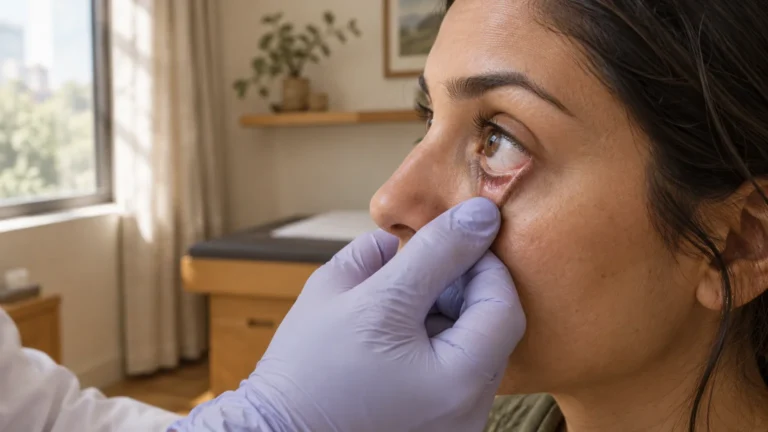
While torso rashes are miserable, shingles near your face demands urgent medical evaluation. When VZV reactivates along the ophthalmic branch of the trigeminal nerve, it causes herpes zoster ophthalmicus—a dangerous condition threatening your eyesight.
The WHO highlights a crucial visual clue known as Hutchinson’s sign, which appears as blisters on the tip or side of your nose. Because the same nerve branch supplies both your nasal tip and the front of your eye, nasal blisters signal elevated risk for corneal scarring or permanent vision loss.
Another rare facial complication, Ramsay Hunt syndrome, occurs in fewer than 1% of reactivations when the virus strikes facial nerves near one ear. According to the Mayo Clinic and resources indexed by the National Institutes of Health (NIH), this condition triggers ear pain and blisters inside or around the ear canal or mouth.
Ramsay Hunt syndrome can also cause vertigo, ringing in the ears, hearing loss, and paralysis on one side of your face. Seek emergency medical attention immediately if you notice blisters near your nose, eye pain, vision blurring, or sudden facial weakness.
The Surprising Connection Between Aging Immunity, Nerve Pain, and Brain Health
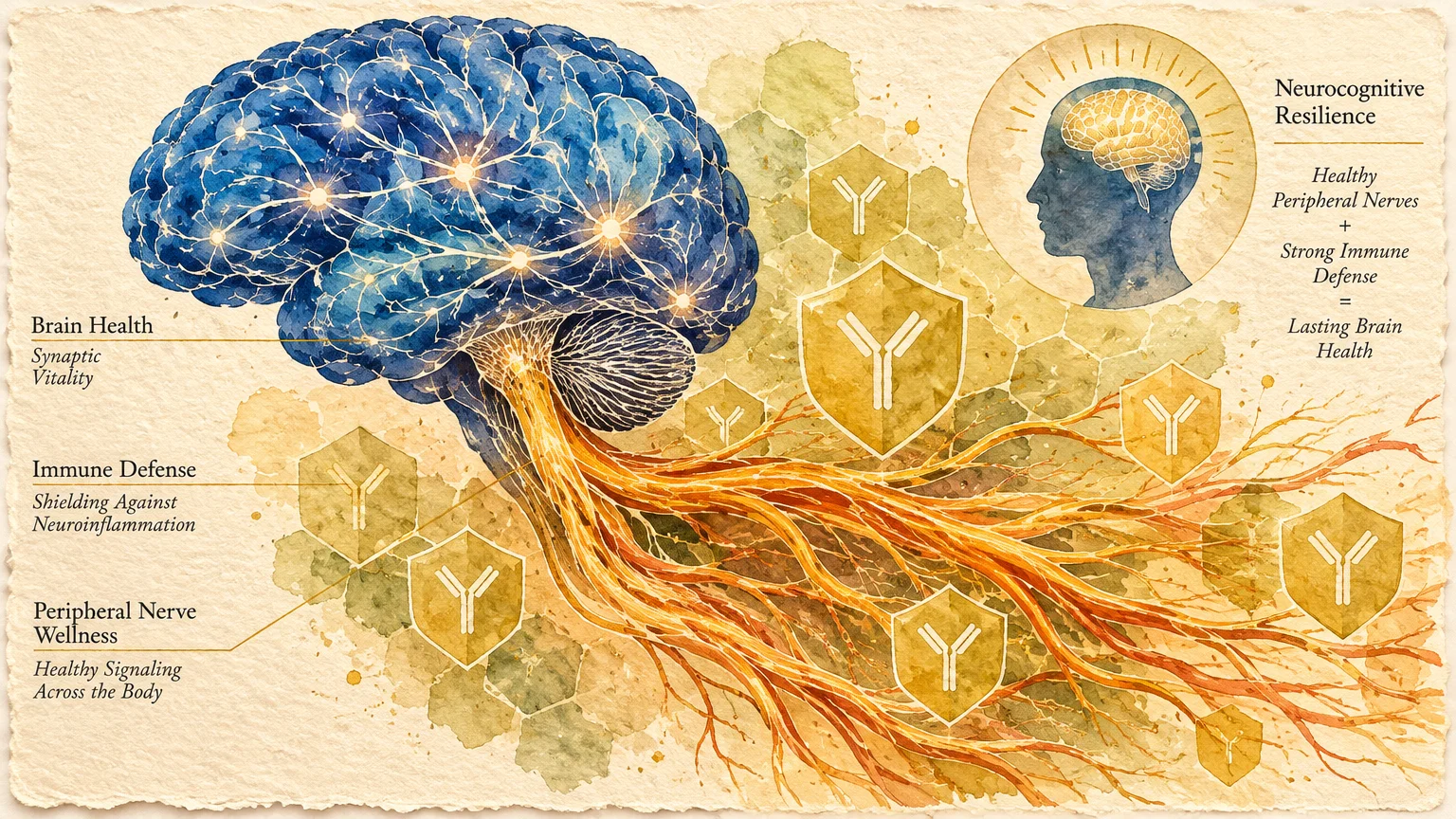
Understanding shingles requires looking beyond skin blisters to how an aging nervous system and immune system interact. Scientists now see shingles not merely as a temporary rash, but as an inflammatory event with lasting consequences for nerves and potentially the brain.
When Shingles Pain Outlasts the Skin
For roughly 10% to 18% of people who develop shingles, the rash heals while intense agony stays behind. This complication is called postherpetic neuralgia (PHN), defined as debilitating nerve pain in the former rash zone lasting 90 days or longer.
Think of PHN like frayed electrical wiring inside your home after a power surge. Even after electricians patch the drywall, exposed nerve fibers keep misfiring, sending false alarm signals of burning, stabbing, or electric-shock pain straight to your brain.
For older adults dealing with PHN, even the gentle brush of a cotton shirt or a cool breeze against the skin can trigger searing discomfort. While PHN is rare in adults under age 40, CDC data show your odds rise steeply with each passing decade.
Because damaged sensory nerves repair themselves slowly, severe shingles pain from PHN can disrupt sleep, appetite, and daily independence for months or years. Preventing the viral surge in the first place remains the most reliable way to spare your nerves.
Why Age 50 Marks the Turning Point
You might feel energetic, active, and healthy at 50, yet your adaptive immune system is quietly shifting gears behind the scenes. Around midlife, the thymus gland—where T-cells mature—has shrunk significantly, leaving you reliant on older memory cells that slowly lose stamina.
Chronic everyday stressors, disrupted sleep, or underlying medical conditions can dip that VZV-specific T-cell surveillance just low enough for viral escape. That biological milestone is precisely why public health guidelines target age 50 as the optimal moment to reinforce your defenses.
The Emerging Link Between Shingles Vaccination and Dementia Risk
Beyond protecting your skin and peripheral nerves, researchers have uncovered a compelling new connection between shingles prevention and cognitive aging. Scientists have long suspected that hidden viral reactivations trigger low-grade inflammation inside blood vessels and brain tissue.
In May 2026, an analysis of 1.5 million Medicare beneficiaries published in Alzheimer’s & Dementia—the journal associated with the Alzheimer’s Association—examined how two doses of the modern recombinant vaccine tracked with cognitive diagnoses. Older adults who received both doses showed a 33% lower risk of any dementia diagnosis within three years of follow-up compared with unvaccinated peers.
Beyond three years, vaccinated beneficiaries maintained a 26% lower risk. One month later, in June 2026, a Brown University analysis of more than 500,000 adults aged 66 and older published in Annals of Internal Medicine reported parallel findings.
That study found that receiving at least one dose of Shingrix was associated with a 24% lower risk of a dementia diagnosis over four years. Health experts carefully emphasize that these large datasets are observational—meaning they reveal a strong association rather than definitive proof—and Shingrix is not approved to prevent dementia.
Still, the pattern reinforces a core principle of healthy aging: calming chronic viral inflammation helps preserve multiple body systems at once. Guarding yourself against shingles may pay dividends far beyond avoiding an uncomfortable rash.

What This Means for Your Health and Daily Decisions
Knowing how shingles behaves shifts your approach from passive waiting to smart preparation. Whether you are planning preventive care or suddenly confronting suspicious symptoms, timing dictates your outcomes.
The Critical 72-Hour Antiviral Window
If you ever spot a localized cluster of blisters after days of one-sided tingling, do not wait to see if it fades. Three preferred oral antiviral medications—acyclovir, valacyclovir, and famciclovir—can dramatically curb viral replication when taken promptly.
According to CDC guidance and FDA labeling, these prescriptions work best when started within 72 hours of rash onset. Early antiviral therapy slows new blister formation, reduces viral shedding, speeds skin healing, and eases acute pain severity.
Even if you cross that 72-hour mark while new blisters are still actively popping up, call your healthcare provider anyway. A clinician can evaluate whether antivirals or targeted pain medications will still benefit your specific case.
Protecting Loved Ones While Blisters Heal
Understanding transmission rules keeps your family safe without isolating you unnecessarily. You cannot pass shingles directly to another person—meaning your spouse or grandchildren will not catch shingles from sitting beside you.
However, fluid inside active blisters—and airborne particles released from open lesions—contains live varicella-zoster virus. If that virus reaches someone who has never had chickenpox or the chickenpox vaccine, it can cause chickenpox in that person.
Following CDC and WHO precautions, keep your rash loosely covered with clean clothing or non-stick dressings until every single blister dries and crusts over. Until all lesions scab, avoid close physical contact with unvaccinated pregnant women, premature or newborn infants, and anyone with a compromised immune system.
Washing your hands frequently after touching dressings adds an extra layer of protection around your household. Once every blister has formed a dry scab, you are no longer contagious.
Evaluating Shingrix Efficacy and Safety in 2026
Modern vaccination makes preventing shingles far more dependable than treating it after the fact. Shingrix—a recombinant zoster vaccine—is currently the only shingles vaccine available in the United States, having replaced an older live-virus shot.
Rather than introducing a weakened live virus, Shingrix pairs a single purified surface protein from VZV with a potent immune-boosting adjuvant. That combination wakes up aging T-cells and trains them to lock down dormant virus even in your seventies and eighties.
In pivotal Phase 3 clinical trials—ZOE-50 and ZOE-70—two doses proved 97.2% effective at preventing shingles in adults aged 50 and older over a median 3.1-year follow-up. Among adults aged 70 and older, efficacy remained remarkably strong at 91.3%.
Even more encouragingly for older adults worried about nerve damage, the trials showed Shingrix reduced postherpetic neuralgia by 91% in adults 50 and older and by 89% in those 70 and older. Long-term follow-up has confirmed that this shield holds steady for more than a decade.
In the final analysis of the ZOE-LTFU trial published in September 2025 in eClinicalMedicine, cumulative efficacy from one month after dose two through 11 years reached 87.73% overall for adults 50 and older. Broken down by age group, 11-year protection held at 91.74% for ages 50 to 59, 92.57% for ages 60 to 69, and 84.33% for adults 70 and older.
Transparent medical journalism also requires reviewing updated safety data openly. In February 2026, the FDA updated Shingrix prescribing information after two postmarketing observational studies in Medicare beneficiaries aged 65 and older suggested a causal association with Guillain-Barré syndrome (GBS) within 42 days of vaccination.
GBS is a rare neurological disorder in which the immune system briefly attacks peripheral nerves, causing muscle weakness. Across those analyses, researchers estimated roughly 3 to 7 excess cases per million doses administered, with 7 excess cases per million in the primary analysis.
Put into practical perspective, that represents an exceedingly rare event compared with a 1-in-3 lifetime risk of shingles and a 10% to 18% chance of debilitating PHN. Health authorities continue to affirm that the protective benefits of vaccination heavily outweigh this small risk.
Proactive Measures You Can Take After Turning 50
Translating immunology into everyday action does not require complicated routines. Taking four straightforward steps puts you firmly in control of your preventive health.
Schedule Your Two-Dose Shingrix Series
The CDC recommends two 0.5 mL upper-arm intramuscular doses of Shingrix after 50 for all healthy adults, with no upper age limit. Immunocompromised adults aged 19 and older—and FDA-approved groups starting at 18—should also receive two doses.
Most adults space the first and second shots 2 to 6 months apart, making it easy to pair your second visit with another routine pharmacy trip. Immunocompromised patients who need faster protection can shorten that interval to 1 to 2 months.
Do not assume you are exempt if you already suffered through shingles years ago, because the virus can reactivate more than once. You should wait until your acute rash resolves completely, then start the series.
Likewise, if you received the older live vaccine Zostavax—discontinued from the U.S. market in 2020—you still need Shingrix for durable immunity. Simply confirm at least 8 weeks have passed since Zostavax before receiving your first Shingrix dose.
Despite clear benefits, the 2024 National Health Interview Survey published in June 2026 showed only 28.7% of U.S. adults aged 50 and older had completed two doses. Joining that protected group closes one of the most preventable gaps in midlife care.
Verify Your $0 Out-of-Pocket Coverage
Sticker shock never needs to keep you away from your local pharmacy counter. While Shingrix carries a 2026 list price of $234.69 per dose—or $469.38 for the complete two-dose series—nearly all insured adults pay nothing out of pocket.
Under the Inflation Reduction Act, Medicare Part D prescription drug plans and Medicare Advantage plans with drug coverage cover Shingrix at $0 out of pocket per dose in-network. Keep one critical quirk in mind: Original Medicare Parts A and B alone do not cover the vaccine.
If you carry Original Medicare, always bring your separate Part D card to an in-network pharmacy rather than asking for the shot inside a doctor’s office that only bills Part B. That quick check prevents unexpected billing surprises.
Adults under 65 with Affordable Care Act Marketplace or most private employer plans also receive ACIP-recommended vaccines like Shingrix with $0 cost-sharing at in-network providers. Since October 2023, most Medicaid and CHIP adult beneficiaries have enjoyed $0 coverage as well.
Plan Ahead for Short-Term Side Effects
Because Shingrix uses a strong immune adjuvant to wake up aging T-cells, your arm and body will likely notice the workout. Knowing what to expect ahead of time helps you avoid scheduling your shot right before travel or big family events.
In FDA clinical trial records, 78% of recipients reported injection-site pain, 44.7% experienced muscle aches, and 44.5% felt fatigue. Swelling occurred in 25.9%, redness in 38%, and headaches in 37.7%, alongside occasional shivering, fever, or mild stomach upset.
Roughly 1 in 6 people experienced reactions strong enough to temporarily slow down normal daily routines. Fortunately, these reactions carry a median duration of just 2 to 3 days and resolve completely without intervention.
Book your appointment on a Friday afternoon, hydrate well, and keep your weekend calendar light. Remember that temporary soreness is a harmless sign of your immune memory rebuilding itself—and far milder than weeks of shingles blisters.
Save Your Doctor’s Urgent Contact Information
Store your primary care clinic’s nurse triage line or urgent care portal details in your phone today. If you ever wake up with unexplained one-sided burning skin—especially near your nose, forehead, or ear—you will be ready to act well inside the 72-hour antiviral window.
The Future of Shingles and Healthy Aging Research
Immunologists are actively studying how long Shingrix protection endures past the 11-year milestone confirmed in the ZOE-LTFU trial. At present, health authorities do not recommend a booster dose after your initial two-shot series, though ongoing monitoring will guide any future updates.
Meanwhile, neurologists are designing deeper clinical investigations to test why shingles vaccination repeatedly correlates with lower dementia diagnoses in massive health databases. Scientists hope to uncover whether halting VZV reactivation reduces silent neuroinflammation or protects tiny cerebral blood vessels as we age.
Researchers are also exploring ways to expand vaccine access globally and refine immune therapies for heavily immunocompromised patients. Every new dataset reinforces how tightly infectious disease prevention connects to vibrant longevity.
Frequently Asked Questions About Shingles and Shingrix
Can I still get shingles if I do not remember having chickenpox?
Yes, you are still at risk even without a childhood memory of itchy blisters. Roughly 99.5% of U.S. adults born before 1980 carry dormant VZV, often from mild, unrecognized infections early in life.
Should I get Shingrix if I already had shingles or received Zostavax?
Yes, the CDC recommends two doses of Shingrix in both situations. Wait until your active shingles rash clears completely, or wait at least 8 weeks if you previously received Zostavax.
Why will Original Medicare Part B not pay for my shingles shot?
Under federal billing rules, adult preventive vaccines like Shingrix fall under prescription drug coverage rather than medical office coverage. Present your Medicare Part D or Medicare Advantage drug plan card at an in-network pharmacy for $0 out-of-pocket coverage.
Are Shingrix side effects worse than a standard flu shot?
Many people notice stronger short-term soreness, fatigue, or muscle aches for 2 to 3 days compared with an annual flu shot. That brisk response reflects the vaccine’s immune adjuvant building durable protection lasting at least 11 years.
Does getting the shingles vaccine guarantee I will avoid dementia?
No, Shingrix is approved solely to prevent shingles and is not licensed as a dementia treatment. Recent 2026 observational studies showing 24% to 33% lower dementia diagnosis rates are promising signals, not guaranteed protection.

Taking Charge of Your Nerve and Immune Health
Aging does not mean surrendering your comfort to a virus you caught decades ago. By recognizing early one-sided tingling, guarding your eyes and ears, and acting fast within 72 hours, you protect yourself against prolonged nerve injury.
Even better, completing your two-dose Shingrix series after 50 lets you lock that dormant virus back behind strong cellular walls for more than a decade. Talk with your doctor or local pharmacist this week to check your coverage and keep your healthy aging plans on track.
This article is for informational purposes only and is not a substitute for professional medical advice, diagnosis, or treatment.