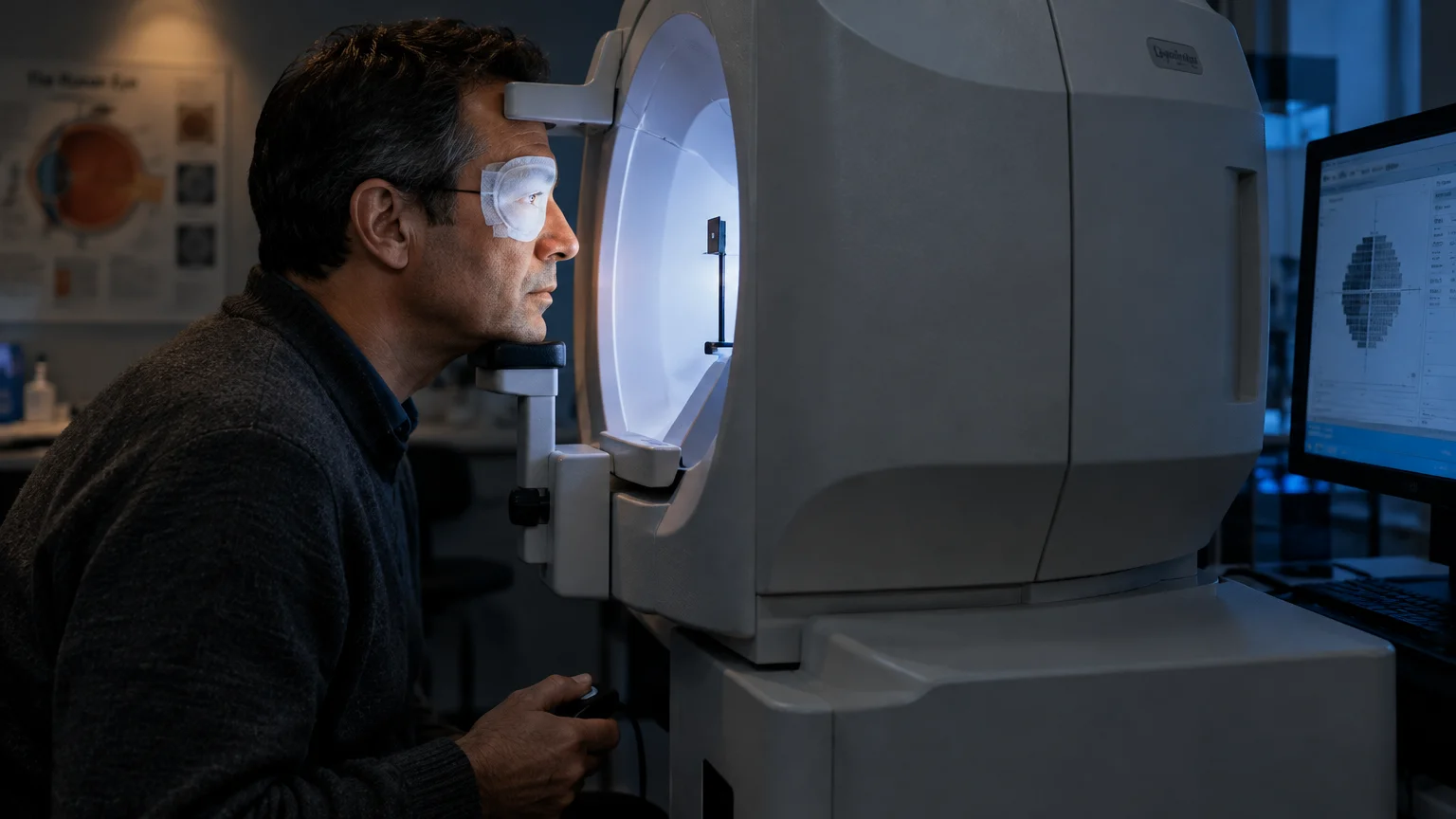
Federal regulators recently updated safety warnings across all GLP-1 medications due to rare reports of sudden, irreversible vision loss. If you rely on these popular therapies for diabetes or weight management, understanding this development helps you protect your eyesight.
The warning centers on non-arteritic anterior ischemic optic neuropathy, an optic nerve injury often called an eye stroke. While clinical data shows the complication remains rare, recognizing early symptoms empowers you to take decisive action.
This comprehensive guide details the latest regulatory findings, explores the vascular science behind optic blood flow, and provides actionable steps you can discuss with your doctor.
Understanding GLP-1 Receptor Agonists
Glucagon-like peptide-1 receptor agonists have fundamentally transformed modern preventive medicine and metabolic healthcare. Millions of adults take these medications to treat type 2 diabetes, manage obesity, and reduce long-term cardiovascular risks.
These injectable and oral therapies work by mimicking glucagon-like peptide-1, a natural hormone produced within your digestive tract. When you consume a meal, your intestines release this peptide to coordinate healthy nutrient absorption.
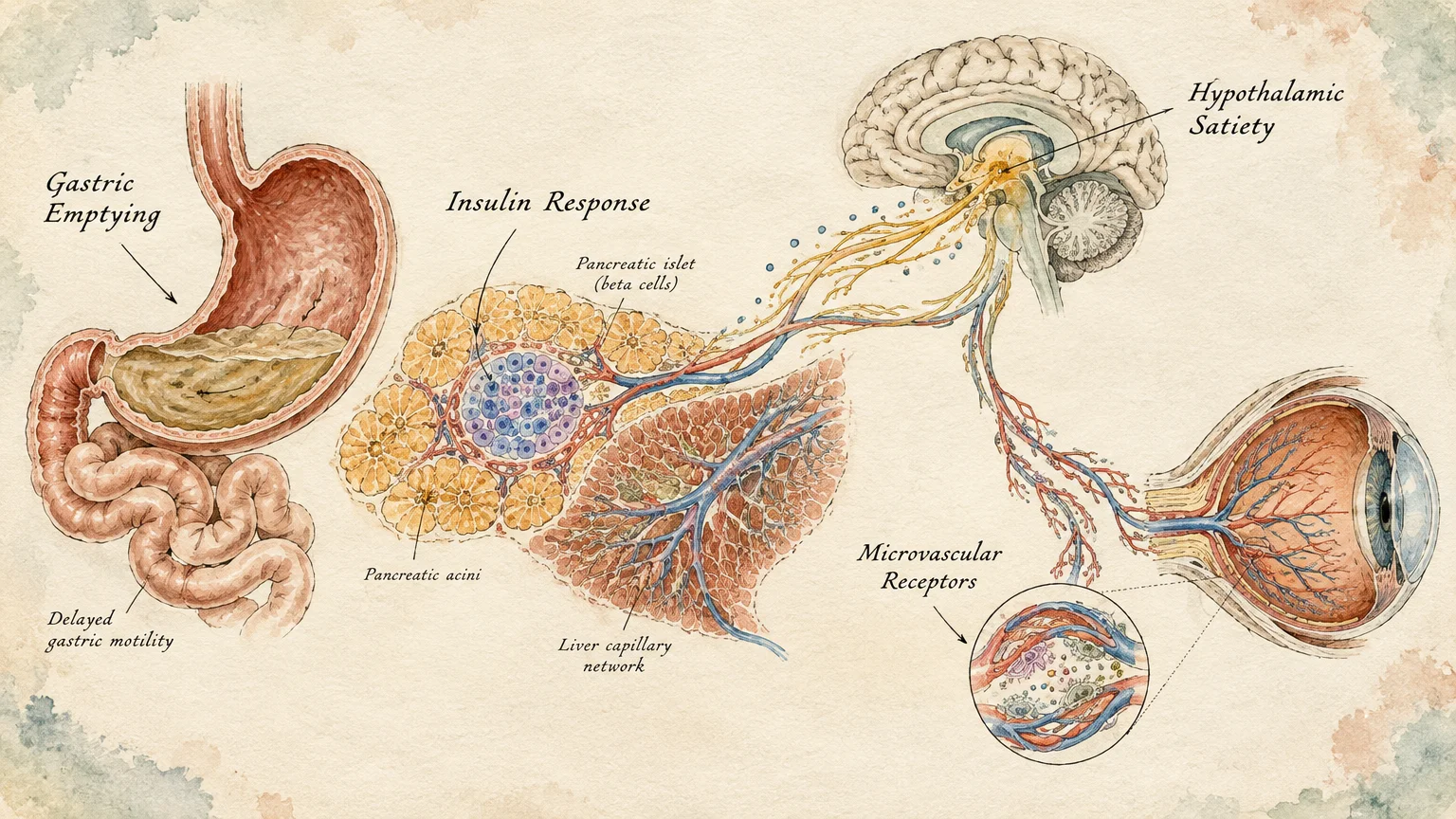
The synthetic medication binds to specialized cellular receptors located throughout your body, behaving like an amplified natural signal. It stimulates your pancreas to secrete insulin in direct response to elevated blood glucose levels.
Simultaneously, the medication suppresses the release of glucagon, a hormone that instructs your liver to pump stored sugar into your circulation. This dual hormonal action prevents post-meal blood sugar surges without causing frequent hypoglycemia.
Beyond regulating insulin, these drugs dramatically delay gastric emptying, meaning food moves more slowly through your digestive system. This prolonged digestion keeps you feeling satisfied for longer periods after eating modest portions.
The medication also crosses the blood-brain barrier to interact directly with satiety centers in your hypothalamus. By dampening biological appetite signals, it helps eliminate persistent food cravings and supports sustainable weight management.
According to long-term clinical trials tracked by the National Institutes of Health, these metabolic improvements produce cascading systemic benefits. Stable glucose and lower body mass reduce systemic inflammation throughout your blood vessels.
Older adults frequently experience reduced arterial strain and improved kidney function while taking these therapies. Consequently, physicians view GLP-1 medications as foundational tools for combating the chronic complications of metabolic disease.
However, GLP-1 receptors do not exist solely in your gut and brain. Researchers have identified these receptors within your heart, blood vessels, peripheral nervous system, and delicate ocular structures.
Because these medications exert broad influence over your circulatory system, scientists continually monitor how they affect microvascular beds. Understanding these widespread physiological connections helps clarify recent safety updates regarding ocular health.
Understanding NAION: The Anatomy of an Eye Stroke
Non-arteritic anterior ischemic optic neuropathy, commonly abbreviated as NAION, is an acute medical condition affecting your optic nerve. Eye specialists frequently describe the condition as an eye stroke because it involves sudden circulatory failure.
To understand how NAION develops, you must examine the delicate anatomy that connects your eye to your brain. Your optic nerve functions like a sophisticated biological cable made of more than one million microscopic nerve fibers.
These individual fibers gather visual information from light-sensitive retinal cells and transmit those electrical impulses directly to your visual cortex. The head of this cable connects to the back of your eye at the optic disc.
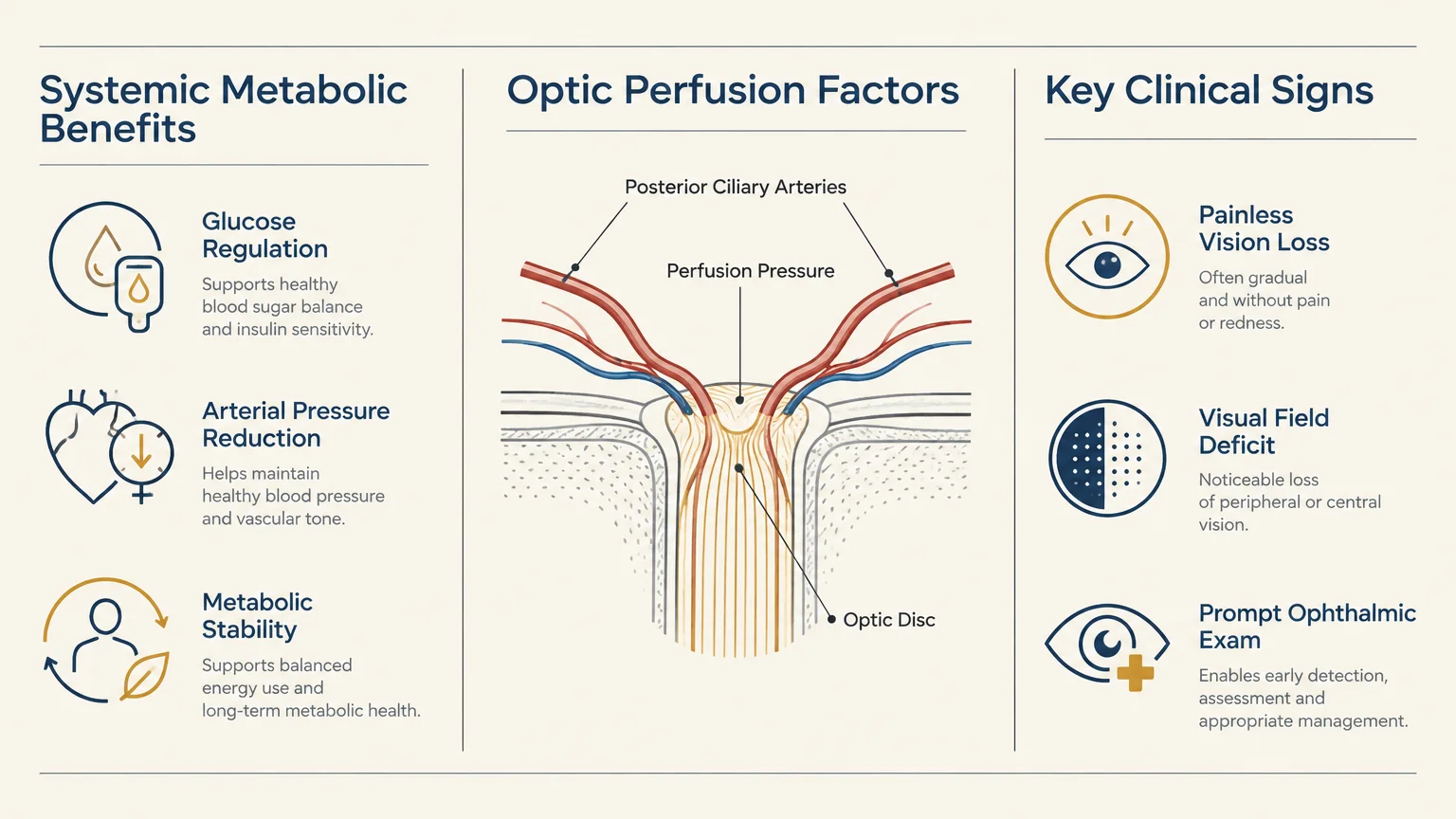
The optic disc depends on an intricate network of tiny blood vessels called the short posterior ciliary arteries for constant nourishment. These microscopic vessels must deliver continuous oxygen and nutrients to sustain nerve fiber function.
NAION occurs when blood circulation through these posterior ciliary vessels suddenly drops or ceases entirely. Deprived of oxygen, the vulnerable nerve fibers at the optic disc suffer rapid, irreversible ischemic injury.
Unlike acute glaucoma or corneal abrasions, an ischemic optic nerve event produces no physical pain or surface discomfort. You do not feel an eye stroke happening as it unfolds.
Instead, individuals typically notice sudden, painless vision loss in one eye immediately upon waking in the morning. Patients often describe discovering a dark curtain, dense shadow, or severe blurriness covering part of their visual field.
This visual defect commonly affects the lower or upper half of your vision, a pattern doctors call an altitudinal field defect. In severe cases, the ischemic damage impairs central visual sharpness and alters color perception.
The American Academy of Ophthalmology identifies NAION as the leading cause of sudden optic nerve damage in adults over age 50.
Academy data indicates that the baseline incidence in the general population ranges from 2.3 to 10.2 cases per 100,000 individuals annually. It occurs non-arteritically, meaning it does not stem from inflammatory vessel disease like temporal arteritis.
Certain anatomical traits can make an individual inherently more susceptible to optic disc ischemia. An eye doctor can detect whether you have a small, crowded optic disc with little structural space to accommodate minor swelling.
Currently, ophthalmology possesses no approved medical or surgical treatment that can repair damaged optic nerve fibers or restore lost vision. Once ischemic necrosis occurs in the optic disc, the resulting visual loss is typically permanent.
The Surprising Connection: Clinical Evidence and the FDA Warning
The intersection between metabolic medicine and optic nerve ischemia gained widespread attention when clinical researchers observed unexpected patterns in patient registries. Rigorous regulatory scrutiny followed, leading directly to sweeping federal safety updates.
The FDA Regulatory Mandate Across the Drug Class
On November 9, 2026, the U.S. Food and Drug Administration released a formal Drug Safety Communication and MedWatch alert. The federal agency ordered comprehensive safety labeling updates across the entire GLP-1 receptor agonist drug class.
Federal regulators mandated that manufacturers of 12 currently marketed GLP-1 medications add specific warnings regarding NAION risks. The safety advisory must appear prominently within the “Warnings and Precautions” section of all official prescribing labels.
Although early public concerns focused heavily on semaglutide, the FDA expanded its mandate class-wide after reviewing adverse event databases. Postmarketing surveillance revealed reported cases of optic nerve ischemia associated with every approved agent in the class.
The regulatory mandate applies directly to semaglutide products manufactured by Novo Nordisk, including Ozempic, Wegovy, and the daily oral tablet Rybelsus. It also covers tirzepatide medications produced by Eli Lilly, marketed under the brand names Mounjaro and Zepbound.
Older incretin therapies are equally subject to the warning, including dulaglutide, sold as Trulicity, and exenatide, marketed under the brand name Byetta. Both medications share the same class-wide safety precaution.
The requirement also covers liraglutide formulations, which include Victoza, Saxenda, and the combination medication Soliqua manufactured by Sanofi. Each of these products must integrate the new safety language into its clinical documentation.
Furthermore, the FDA extended the requirement to newer therapies such as Foundayo, an oral GLP-1 drug known generically as orforglipron. Eli Lilly received regulatory approval for Foundayo earlier in 2026, and it now carries the same optic warning.
What the Clinical Trial Data Reveals
Rather than relying solely on anecdotal case reports, the FDA conducted an extensive meta-analysis of high-quality scientific literature. Federal investigators reviewed 126 randomized controlled clinical trials to evaluate whether a measurable statistical link exists.
This vast clinical dataset encompassed 134,253 total trial participants, representing 288,879 person-years of documented medication exposure. Scientists systematically audited medical records to identify confirmed and probable cases of ischemic optic neuropathy.
The FDA investigation identified 15 probable NAION cases across the reviewed clinical trials. Ten of those cases occurred among participants actively receiving GLP-1 receptor agonist therapies.
Meanwhile, 5 probable cases emerged among participants who were assigned to receive an inactive placebo. Intriguingly, 0 cases appeared among trial participants receiving non-GLP-1 active glucose-lowering drugs during the same clinical trial periods.
When researchers calculated standardized event frequencies, patients on GLP-1 medications experienced an incidence rate of 6.4 cases per 100,000 person-years. In comparison, trial participants in the comparator groups exhibited an incidence rate of 3.8 cases per 100,000 person-years.
These numbers demonstrate that taking a GLP-1 medication correlates with a measurable relative increase in NAION occurrence. However, the data also confirms that your absolute statistical risk of experiencing an eye stroke remains exceptionally low.
Observational Studies and International Warnings
The FDA’s formal regulatory action followed several years of accumulating observational research that initially raised clinical questions. A landmark study published in JAMA Ophthalmology in July 2024 sparked international interest among vision specialists.
That early study evaluated roughly 16,000 patients referred to a specialized academic eye center over several years. Researchers observed that patients prescribed semaglutide showed higher rates of diagnosed NAION compared to patients taking non-GLP-1 metabolic drugs.
A larger retrospective cohort study appeared in JAMA Ophthalmology in 2025 to investigate the association across a broader demographic. Researchers tracked nearly 175,000 diabetic patients taking semaglutide alongside an equal number of matched patients taking alternative medications.
That 2025 cohort study concluded that the risk of developing NAION more than doubled after two years of continuous semaglutide treatment. This sustained elevation in risk suggested that duration of drug exposure might play a clinical role.
Nonetheless, scientific findings across the medical community have not shown complete uniformity. Novo Nordisk cited an internal 2026 analysis examining over 90,000 clinical trial participants that revealed no statistically significant association between its GLP-1 products and NAION.
Regulatory bodies in other nations took action ahead of the FDA class-wide mandate. In June 2025, the European Medicines Agency classified NAION as a very rare side effect of semaglutide, estimating it occurs in up to 1 in 10,000 users after one year.
The United Kingdom Medicines and Healthcare products Regulatory Agency published corresponding prescribing guidance in February 2026. In 2025, the Danish Patient Compensation association granted financial compensation to four patients who suffered vision loss while using GLP-1 medications.
The Vascular Hypotheses: How Blood Flow Changes
Scientists are actively investigating several biological hypotheses to explain how incretin therapies might influence microvascular perfusion in the eye. Understanding these proposed mechanisms provides valuable insight into how circulatory shifts affect delicate nerve tissue.
One prominent hypothesis focuses on nocturnal blood pressure dynamics. GLP-1 medications naturally promote arterial relaxation and modest blood pressure reductions, which generally protect your kidneys and heart from chronic hypertensive damage.
However, your blood pressure naturally dips to its lowest levels while you sleep, a normal biological process called nocturnal dipping. In some patients, GLP-1 therapies may cause systemic blood pressure to drop excessively overnight.
When nighttime blood pressure plunges, perfusion pressure through the short posterior ciliary arteries can drop below critical levels. Because NAION frequently occurs overnight, nocturnal hypoperfusion represents a biologically plausible trigger for optic disc ischemia.
A second theory examines rapid glycemic reduction. When blood glucose drops dramatically over a short time frame, osmotic pressure within ocular tissues shifts, occasionally causing temporary microvascular remodeling or localized tissue edema.
A third hypothesis considers direct cellular stimulation. GLP-1 receptors exist in vascular smooth muscle, and their activation might disrupt local autoregulation, reducing the optic nerve’s ability to maintain steady blood flow during hemodynamic fluctuations.
The Challenge of Overlapping Risk Factors
Interpreting postmarketing safety reports presents unique challenges because baseline risk factors for NAION heavily overlap with the conditions GLP-1 drugs treat. Untangling drug-induced risks from underlying cardiovascular disease requires careful epidemiological analysis.
The established medical risk factors for NAION include type 2 diabetes, chronic hypertension, obstructive sleep apnea, and hyperlipidemia. Cigarette smoking, systemic anemia, and advanced kidney disease also substantially increase individual vulnerability to optic ischemia.
Millions of older adults seek GLP-1 prescriptions precisely because they battle chronic diabetes, obesity, and cardiovascular complications. Consequently, an individual taking a GLP-1 medication often already possesses multiple baseline vascular risk factors for developing an eye stroke.
Global health agencies like the World Health Organization consistently emphasize that poorly controlled metabolic conditions damage microvascular beds over time. Determining whether an ischemic event stems from medication effects or underlying arterial disease remains an intricate clinical puzzle.
What This Means for Your Health: Assessing the Risk
Learning that a prescribed medication carries a risk of permanent vision loss naturally causes concern. However, health literacy requires looking beyond alarming headlines to evaluate clinical data with calm, objective reasoning.
The FDA explicitly maintains that the extensive therapeutic benefits of GLP-1 medications continue to outweigh their rare risks for most people. These medications provide life-extending protection against major cardiovascular events, strokes, and end-stage renal failure.
The mathematical probability of developing NAION while taking an incretin therapy remains remarkably small. With an incidence of 6.4 cases per 100,000 person-years, more than 99.9 percent of patients use these therapies without experiencing optic nerve injury.
Your individual health risk depends heavily on your unique medical profile. If you have a crowded optic disc, untreated sleep apnea, or severe nocturnal blood pressure drops, your personal risk calculation warrants a customized clinical discussion.
You must never stop taking your prescribed GLP-1 medication abruptly based on safety alerts alone. Ceasing treatment suddenly can cause rapid glucose rebounds, severe metabolic destabilization, and heightened cardiovascular stress.
Instead, approach this regulatory alert as an opportunity to review your overall preventative health plan with your physician. A collaborative medical conversation ensures you balance glycemic control with proactive sensory preservation.
Proactive Measures You Can Take to Protect Your Vision
Protecting your vision while optimizing your metabolic health involves specific, proactive lifestyle and clinical habits. You can implement several evidence-based strategies to safeguard your optic nerve circulation.
Schedule a comprehensive dilated eye examination before starting a GLP-1 medication or shortly thereafter. Inform your eye doctor about your complete medication list, including your specific incretin therapy and current dosage.
Ask your eye doctor to evaluate your optic nerve head for anatomical crowding. If you have a crowded optic disc with a small cup-to-disc ratio, your doctor can document your baseline structural anatomy for future comparison.
Practice a brief visual self-check every morning when you wake up. Cover your left eye with your hand and check your right eye’s vision across the room, then reverse the process to test your left eye.
Check for any blurred patches, dark shadows, or missing areas in your upper or lower visual fields. Because NAION causes painless deficits upon waking, early detection allows you to seek immediate clinical care.
Get screened for obstructive sleep apnea if you snore, wake up gasping, or experience excessive daytime sleepiness. Untreated sleep apnea causes nocturnal oxygen desaturation and unpredictable vascular swings that significantly increase NAION risk.
If you have sleep apnea, adhere faithfully to your prescribed continuous positive airway pressure therapy every night. Maintaining stable airway pressure ensures your blood retains adequate oxygen levels while you rest, supporting optic disc perfusion.
Manage your blood pressure medications carefully in consultation with your primary physician. Avoid taking large doses of blood pressure-lowering drugs immediately before going to sleep unless your doctor specifically instructs you to do so.
Taking powerful antihypertensive medications at bedtime can exacerbate normal nocturnal blood pressure dipping, starving your optic nerve head of adequate blood. Keeping your nighttime blood pressure in a safe target range protects delicate microvascular structures.
Seek emergency evaluation from an ophthalmologist or an emergency medical center if you notice sudden, unexplained vision loss. Prompt clinical evaluation differentiates an ischemic optic neuropathy from other ocular conditions, such as retinal detachment or acute hemorrhage.
If a doctor confirms or suspects a diagnosis of NAION, follow FDA guidance by discussing the discontinuation of your GLP-1 medication. Stopping the drug helps protect your other eye from developing the same ischemic complication.

The Future of GLP-1 and Vision Research
The relationship between incretin therapies and ocular microcirculation remains a vibrant focus of international scientific inquiry. Research institutions are conducting prospective trials to observe blood flow patterns directly in patients starting these treatments.
Clinical investigators are utilizing advanced optical coherence tomography angiography to measure capillary vessel density around the optic nerve head. This non-invasive imaging allows scientists to detect microscopic circulatory changes long before symptoms manifest.
Epidemiologists are also analyzing massive multinational electronic healthcare databases to identify specific patient subgroups that face elevated risk. These large-scale data projects will help determine whether dosage, treatment duration, or specific drug molecules influence clinical outcomes.
In addition, pharmacogenomic researchers are searching for genetic markers that might explain why a tiny fraction of patients develops optic ischemia. Discovering these markers could enable personalized pre-treatment genetic screening in routine clinical practice.
Pharmaceutical developers are simultaneously designing next-generation incretin compounds with refined receptor selectivity. Future iterations of these metabolic medications will aim to preserve cardiovascular and glycemic benefits while minimizing microvascular risks in delicate tissues.
Frequently Asked Questions About GLP-1s and NAION
Should I immediately stop taking my GLP-1 medication after reading this FDA alert? No, you should never stop your medication without speaking to your prescribing doctor first.
Stopping your medication suddenly can trigger severe blood sugar surges and disrupt your metabolic stability. Federal regulators emphasize that the established cardiovascular benefits of these medications continue to outweigh the rare risk of vision loss.
Can vision loss from an eye stroke be reversed or cured? Currently, medical science possesses no proven treatment or surgical intervention capable of restoring vision lost to NAION.
When optic nerve fibers die from lack of oxygen, the tissue cannot regenerate. Medical care focuses on identifying underlying vascular triggers and implementing strict preventative measures to protect your remaining healthy eye.
Why do NAION symptoms typically occur upon waking in the morning? Your systemic blood pressure naturally drops to its lowest daily levels during deep sleep, a process known as nocturnal dipping.
In individuals with compromised microcirculation or crowded optic discs, this nocturnal drop in perfusion pressure can starve the optic disc of vital blood flow overnight.
How does NAION differ from diabetic retinopathy? Diabetic retinopathy is a gradual condition caused by chronic high blood sugar damaging retinal blood vessels over several years.
In contrast, NAION is an acute ischemic injury affecting the optic nerve head, resulting in sudden, painless vision loss that occurs overnight.
Does experiencing NAION in one eye increase the risk of it happening in the other? Yes, having NAION in one eye significantly elevates the probability of experiencing an ischemic event in your other eye.
Because the risk to the second eye is elevated, the FDA specifically recommends considering medication discontinuation if you develop this condition.
Are certain GLP-1 medications safer for your eyes than others? The FDA applied its safety labeling mandate across all 12 marketed GLP-1 medications, indicating that the risk appears class-wide.
While initial studies focused heavily on semaglutide, clinical reports and trial data have identified potential risks across various formulations, necessitating universal clinical vigilance.
Taking Charge of Your Vision and Metabolic Health
Navigating chronic health conditions requires an informed, balanced perspective that weighs proven clinical benefits against documented medical risks. Modern metabolic therapies offer remarkable tools for extending lifespan, controlling diabetes, and protecting cardiovascular wellness.
At the same time, maintaining your sensory independence is vital for sustaining a high quality of life as you age. Recognizing rare potential risks ensures you remain an empowered, vigilant advocate for your own healthcare.
By scheduling regular comprehensive eye examinations, monitoring your vision daily, and actively managing vascular health factors, you build a robust defense. Simple daily habits provide meaningful protection for your irreplaceable vision.
Maintain open, continuous communication with your healthcare team about any changes in your vision or medical status. Together, you can make personalized, confident decisions that protect your eyesight and support your long-term metabolic health.
This article is for informational purposes only and is not a substitute for professional medical advice, diagnosis, or treatment.