
Your hot flashes are more than an uncomfortable nuisance; they offer a direct window into your cardiovascular health. Frequent temperature surges signal measurable changes in your blood vessels and autonomic nervous system.
Paying close attention to these episodes helps you identify cardiovascular risks years before serious problems emerge. Understanding this connection gives you the power to protect your heart as you age.
Medical research confirms that sudden flushes reflect underlying vascular function. Recognizing these signs allows you to take proactive steps alongside your healthcare provider.
Understanding the Basics: What Hot Flashes Signal
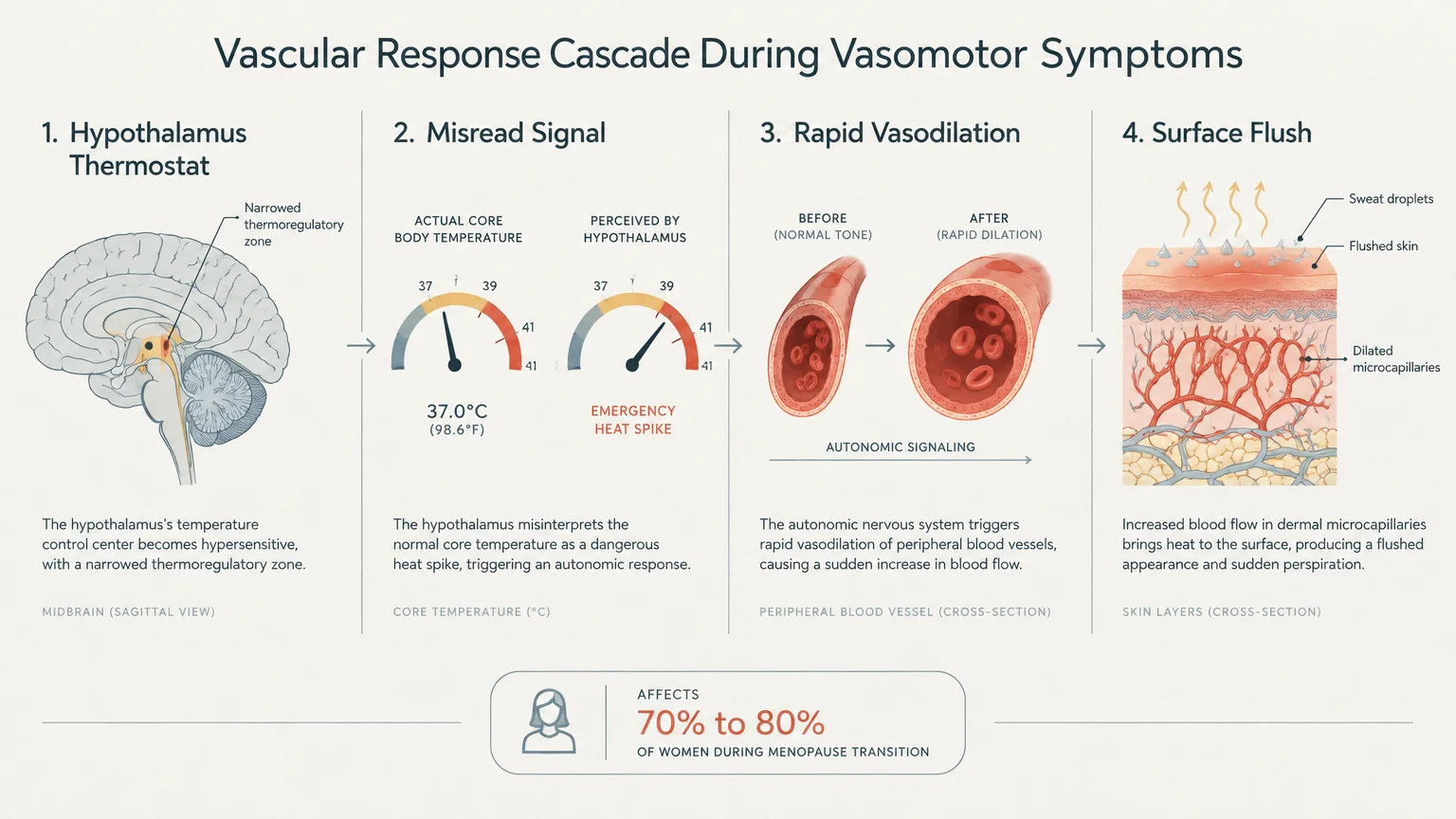
Vasomotor symptoms, commonly called hot flashes and night sweats, affect between 70% and 80% of women during the menopause transition. These episodes cause sudden sensations of intense heat, flushed skin, and profuse perspiration.
Your brain houses a specialized control center called the hypothalamus, which regulates your internal thermostat. During midlife, fluctuating hormone levels narrow this thermoregulatory zone, causing your brain to misread normal body temperatures as dangerously hot.
To release perceived excess heat, your brain signals your blood vessels to dilate rapidly. This sudden dilation directs blood toward the surface of your skin, producing the familiar burning flush.
While physicians previously viewed hot flashes as harmless inconveniences, modern cardiology views them quite differently. They serve as dynamic readouts of how well your blood vessels dilate, contract, and manage stress.
Your vascular system depends on smooth, elastic arterial walls that adjust effortlessly to changing physical demands. Frequent flushes suggest that your vascular regulatory mechanisms are experiencing chronic operational strain.
Researchers at the National Institutes of Health actively investigate how these rapid vascular expansions stress arterial tissues over time. Chronic instability in vessel dilation can accelerate vascular wear and tear.
When you experience recurrent flushing, your cardiovascular system endures repeated rounds of abrupt dilation followed by rapid constriction. Over months and years, this mechanical stress damages delicate arterial structures.
Understanding this biological process changes how you interpret your daily symptoms. You can view each flush not just as a discomfort, but as meaningful biological feedback from your arteries.
The Biological Link Between Vasomotor Symptoms and Heart Disease
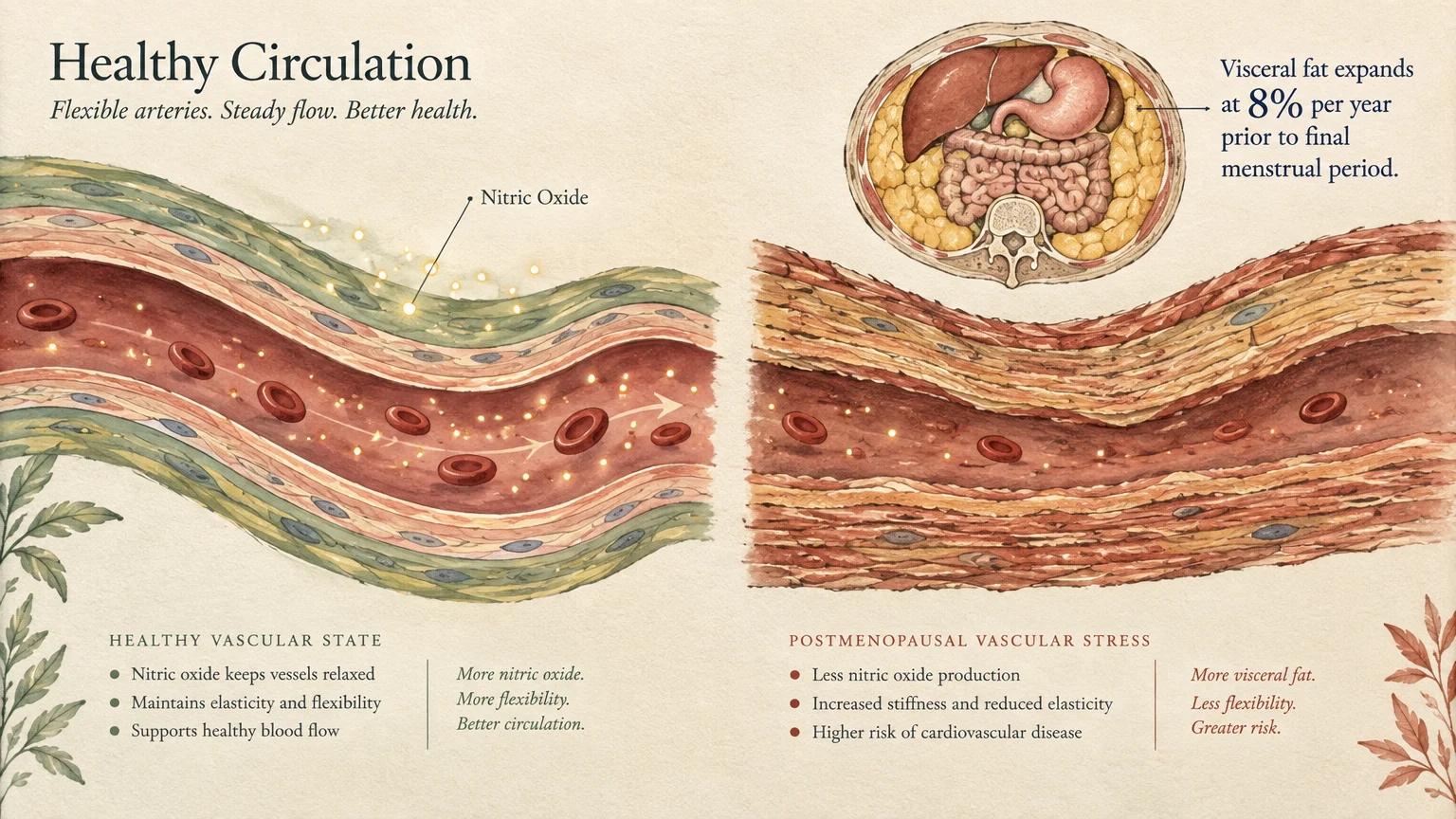
The primary link connecting vasomotor symptoms to cardiovascular disease lies within the endothelium, the delicate inner lining of your blood vessels. Healthy endothelial cells produce nitric oxide, a vital compound that keeps your arteries relaxed, flexible, and clear.
When estrogen levels decline, endothelial cells produce significantly less nitric oxide. As a result, your arteries lose their natural elasticity and become increasingly rigid.
Arterial stiffness forces your heart to work much harder to pump blood through your circulatory system. This increased workload elevates your blood pressure and accelerates long-term cardiovascular strain.
Metabolic shifts during the menopausal transition further amplify this vascular risk. In the two years leading up to a woman’s final menstrual period, deep visceral fat accumulates at a rate of 8% per year.
Unlike subcutaneous fat beneath your skin, visceral fat wraps tightly around your vital abdominal organs. This metabolically active tissue continuously secretes inflammatory molecules and free fatty acids directly into your bloodstream.
These circulating inflammatory compounds damage arterial walls and promote the rapid buildup of dangerous cholesterol plaques. Scientists directly link this deep abdominal fat to thicker artery walls and heightened heart disease risk.
Every hot flash also triggers a sudden surge in sympathetic nervous system activity. This sudden burst of fight-or-flight hormones causes your heart rate to spike and your blood pressure to surge.
Experiencing multiple autonomic surges each day places cumulative stress on your heart muscle. Over time, these frequent blood pressure spikes promote vascular remodeling and increase your susceptibility to hypertensive heart disease.
Experts at the American Heart Association emphasize that these combined vascular, metabolic, and autonomic changes create an environment where cardiovascular disease can develop quietly. Recognizing these changes early enables effective clinical intervention.

Key Considerations for Older Adults and Postmenopausal Health
Cardiovascular disease increases aggressively after menopause and remains the leading cause of death in women. In fact, heart disease causes more deaths in women than all forms of cancer combined.
Many older adults assume that hot flashes naturally disappear once they complete the menopausal transition. However, many women continue to experience persistent vasomotor episodes well into their 60s and 70s.
When severe hot flashes persist past age 60, they often indicate established vascular stiffness rather than fluctuating reproductive hormones. In older adults, these late-life flushes correlate strongly with subclinical cardiovascular disease.
The timing of your menopausal transition also significantly alters your baseline cardiovascular risk. Compared to women who reach menopause at the average age of 50 to 51, women experiencing menopause before age 40 face a 55% higher risk of cardiovascular disease.
Entering menopause early deprives your blood vessels of protective estrogen for a much longer portion of your adult life. This premature loss accelerates arterial aging and requires early, diligent heart health monitoring.
Night sweats present another major threat to cardiovascular wellness by severely fragmenting your nightly sleep. Researchers find that persistent midlife insomnia is associated with a 71% higher risk of heart attack, stroke, and heart failure.
This elevated cardiac risk persists even after researchers account for depression and hot flashes alone. Chronic sleep deprivation disrupts your body’s overnight blood pressure dipping, depriving your heart of essential restorative downtime.
The Centers for Disease Control and Prevention highlights restorative sleep as a foundational pillar of lifelong cardiovascular defense. When night sweats disrupt your rest, they compound underlying cardiovascular vulnerabilities.
The World Health Organization highlights cardiovascular disease as the primary cause of death globally among aging adults. Proactive vascular management helps preserve your independence and long-term health.
If you are an older adult managing persistent flushes, you must treat these symptoms as meaningful clinical signals. Discussing them frankly with your physician helps ensure that your heart receives the targeted evaluation it requires.
What the Science Proves: Landmark Cardiovascular Studies
Over the past two decades, rigorous epidemiological studies have established a definitive link between hot flashes and cardiovascular illness. These investigations prove that vasomotor symptoms serve as reliable clinical markers for underlying heart risk.
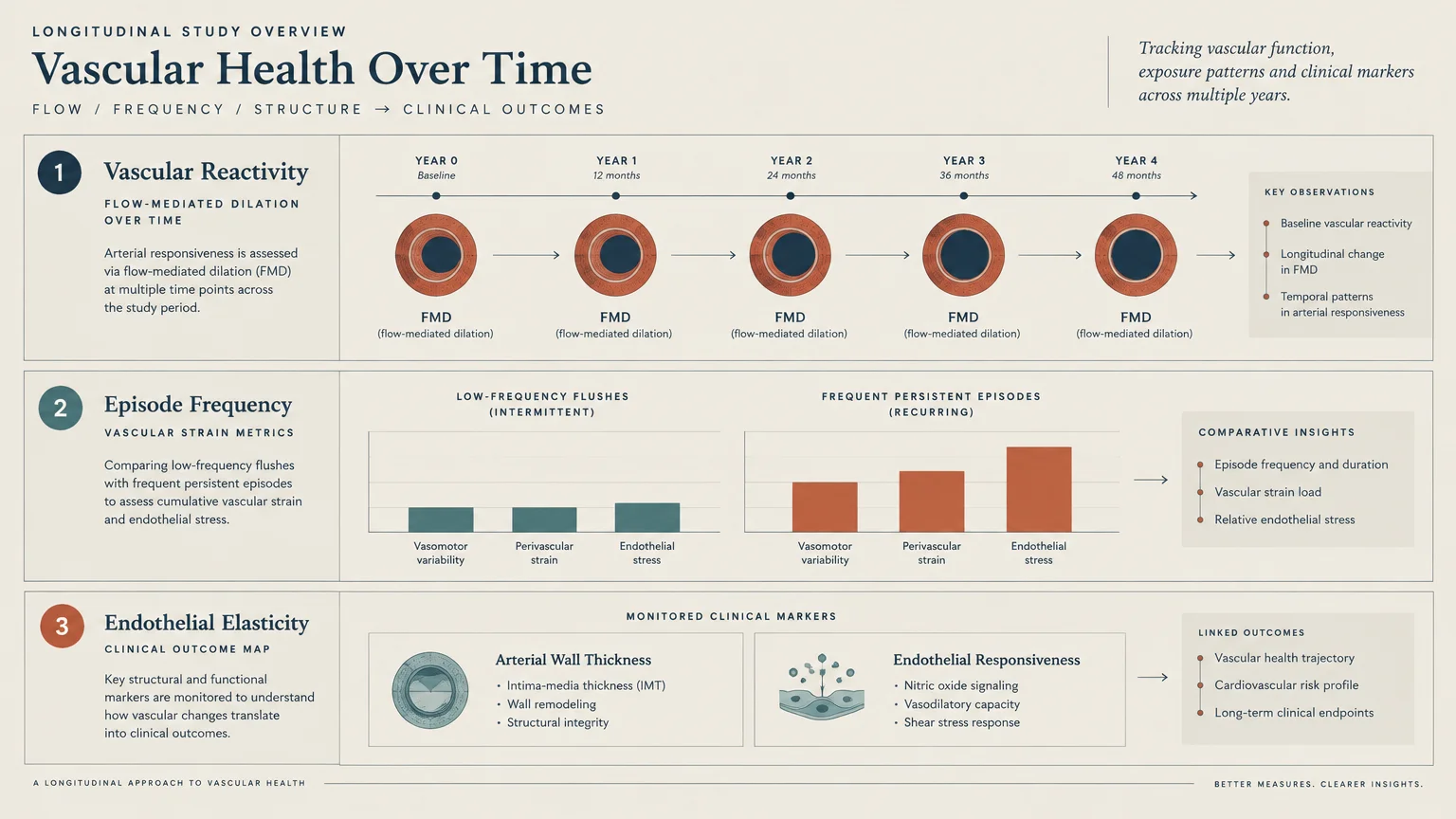
The landmark Study of Women’s Health Across the Nation, known as the SWAN study, tracked 3,302 women over 20 years. It uncovered clear evidence connecting vasomotor patterns to adverse cardiac outcomes.
Women experiencing frequent hot flashes on at least 6 out of 14 days early in menopause had a 62% higher risk of cardiovascular events. Those with persistent frequent flushes across multiple annual surveys faced twice the risk of women without symptoms.
Global evidence reinforces these findings on an even larger scale. The international InterLACE study analyzed 25 separate studies encompassing over 500,000 women and published its findings in the American Journal of Obstetrics and Gynecology.
The InterLACE analysis revealed that women experiencing hot flashes and night sweats after menopause are 70% more likely to suffer non-fatal cardiovascular events like heart attacks, angina, and strokes. Experiencing symptoms before menopause increases risk by 40%.
Furthermore, women reporting severe vasomotor symptoms at any age were more than twice as likely to experience a cardiac event. The severity and persistence of your symptoms directly reflect the degree of vascular stress.
Direct imaging studies show that these symptoms correlate with physical damage inside your arteries. In March 2024, researchers from the Karolinska Institutet published findings from the SCAPIS study in the Journal of the American Heart Association.
Examining 3,000 women aged 50 to 65, the SCAPIS researchers found coronary atherosclerosis in 40% of women reporting severe hot flashes. In comparison, less than 30% of women with mild or no symptoms showed arterial plaque buildup.
These clinical findings led to a major update in preventive cardiology guidelines. On November 6, 2026, the American Heart Association, ACOG, AAP, and SMFM published a landmark trio of reports in Circulation.
These leading medical societies officially advised clinicians to treat reproductive milestones, specifically menopause and vasomotor symptoms, as critical evaluation points for lifelong cardiovascular prevention. Your symptom history provides doctors with vital diagnostic clues.
Evaluating Modern Therapies: Benefits, Risks, and Safety Profiles
Managing vasomotor symptoms effectively requires understanding the benefits and risks of available medical therapies. Today, you have access to both hormonal and non-hormonal options backed by contemporary clinical research.
For decades, many women avoided Hormone Replacement Therapy due to fears stemming from early trials. Consequently, less than 5% of women currently use estrogen to treat hot flashes.
However, recent large-scale data provide reassuring clarity regarding modern hormone therapy. On November 2, 2026, researchers presented findings from a 12-year study of 52,330 women aged 45 to 59 at the AHA Scientific Sessions.
The study demonstrated that initiating modern hormone replacement therapy around the time of menopause did not increase the risk of heart attack, stroke, blood clots, or premature death. Timing therapy near the menopausal transition ensures safety.
If you cannot take hormones due to personal preference or medical contraindications, targeted non-hormonal medications offer effective relief. In May 2023, the FDA approved Veozah, known generically as fezolinetant, as a first-in-class NK-3 receptor antagonist.
Veozah directly targets the brain’s thermoregulatory center to calm temperature spikes without introducing systemic estrogen. In March 2026, the National Institute for Health and Care Excellence approved fezolinetant for NHS prescribing in the United Kingdom.
Patients using Veozah must observe important safety regulations. In late 2024, the FDA added a Boxed Warning for rare but serious liver injury associated with the medication.
To protect your liver health, you must complete baseline hepatic blood testing before starting Veozah. Your doctor will then order monthly blood tests for the first 3 months, followed by repeat testing at months 6 and 9.
Cost remains a significant practical consideration for patients seeking this treatment. Without insurance coverage, a 30-day supply of Veozah costs between $550 and $780 in the United States, totaling roughly $6,600 to $9,400 annually.
Manufacturer savings cards can lower co-pays to roughly $30 per month for eligible commercially insured patients. Generic alternatives for fezolinetant will not reach the market until at least 2031.
In October 2025, the FDA approved Lynkuet, known generically as elinzanetant, expanding non-hormonal treatment choices. This medication functions as a dual NK-1 and NK-3 receptor antagonist.
Clinical trials showed that Lynkuet reduces hot flashes by an average of 67%, compared to a 75% reduction achieved with estrogen therapy. Lynkuet also significantly improves sleep quality without requiring routine laboratory liver monitoring.
The Mayo Clinic advises discussing your full medical history with your doctor to determine which treatment fits your profile. Personalized therapy helps control symptoms while safeguarding your long-term cardiovascular wellness.

Practical Steps and Actionable Heart Strategies
Recognizing the cardiovascular connection to hot flashes allows you to take concrete steps toward protecting your arteries. You can implement several clinical and lifestyle measures starting today.
Screening Your Vascular Numbers
Schedule a dedicated cardiovascular screening appointment with your primary care provider or cardiologist. Ask for a comprehensive fasting lipid panel that evaluates low-density lipoprotein, high-density lipoprotein, and triglycerides.
Monitor your blood pressure regularly at home to identify sudden spikes or masked hypertension. Blood pressure readings taken in a quiet home environment often provide a clearer picture than occasional clinical checks.
Inquire whether you qualify for a Coronary Artery Calcium scan to detect early calcified plaque in your heart arteries. This non-invasive imaging test offers objective proof of your true cardiovascular status.
Questions to Ask Your Doctor
Ask your physician how your personal history of hot flashes influences your overall 10-year cardiovascular risk score. Inquire whether your symptom severity warrants more aggressive targets for blood pressure or cholesterol.
Discuss which hot flash treatment option matches your cardiovascular risk profile and lifestyle preferences. Ask specifically about the safety, liver monitoring requirements, and costs associated with newer non-hormonal therapies.
Nutritional and Lifestyle Interventions
Adopt an anti-inflammatory dietary pattern, such as the Mediterranean diet, rich in leafy vegetables, olive oil, and wild fish. Minimizing refined sugars and processed foods helps slow the rapid accumulation of visceral fat.
Engage in both aerobic exercise and progressive resistance training each week. Regular physical activity enhances endothelial nitric oxide production, restores arterial elasticity, and helps reduce blood pressure surges.
Limit evening caffeine, spicy foods, and alcohol consumption, as these substances trigger peripheral vasodilation and worsen nighttime flushing. Maintaining consistent hydration also supports healthy vascular regulation throughout the day.
Optimizing Rest and Autonomic Balance
Protect your sleep by keeping your bedroom temperature cool and using breathable, moisture-wicking bedding. Prioritizing restful sleep counteracts the 71% increased cardiovascular risk linked to midlife insomnia.
Practice autonomic relaxation techniques, such as paced slow breathing or mindfulness meditation, when you feel a hot flash starting. These practices activate your parasympathetic nervous system, dampening stress hormone release and stabilizing heart rate.
Frequently Asked Questions About Hot Flashes and Heart Health
Are hot flashes in your 60s normal, or should you worry about your heart?
While some women naturally experience lingering flushes in their 60s, persistent symptoms warrant an evaluation of your cardiovascular health. Flashes in older age often reflect increased arterial stiffness rather than normal hormonal fluctuations.
Sharing your symptom history with your physician helps determine whether you need comprehensive cardiovascular screening tests. Early detection of vascular changes allows you to initiate effective preventive therapies.
Does treating hot flashes directly lower your heart disease risk?
Relieving vasomotor symptoms dramatically improves quality of life and sleep, but symptom suppression alone does not eliminate cardiovascular risk. Hot flashes serve as a warning sign of underlying vascular changes that require targeted care.
To reduce your true heart risk, you must pair symptom management with proven cardiovascular strategies like controlling blood pressure, optimizing cholesterol, and maintaining arterial elasticity. Comprehensive prevention yields the best long-term outcomes.
How can you tell the difference between a hot flash and a heart attack?
A hot flash typically causes sudden flushing, surface sweating, and a rapid pulse that resolves completely within several minutes. It rarely causes crushing chest pain, radiating discomfort into your jaw or arm, or severe shortness of breath.
Women often experience atypical heart attack symptoms, such as sudden nausea, extreme unexplained fatigue, or back pain accompanied by cold sweats. If your symptoms feel different from your usual flushes, seek immediate emergency medical care.
Is hormone replacement therapy safe for heart health if you are over 60?
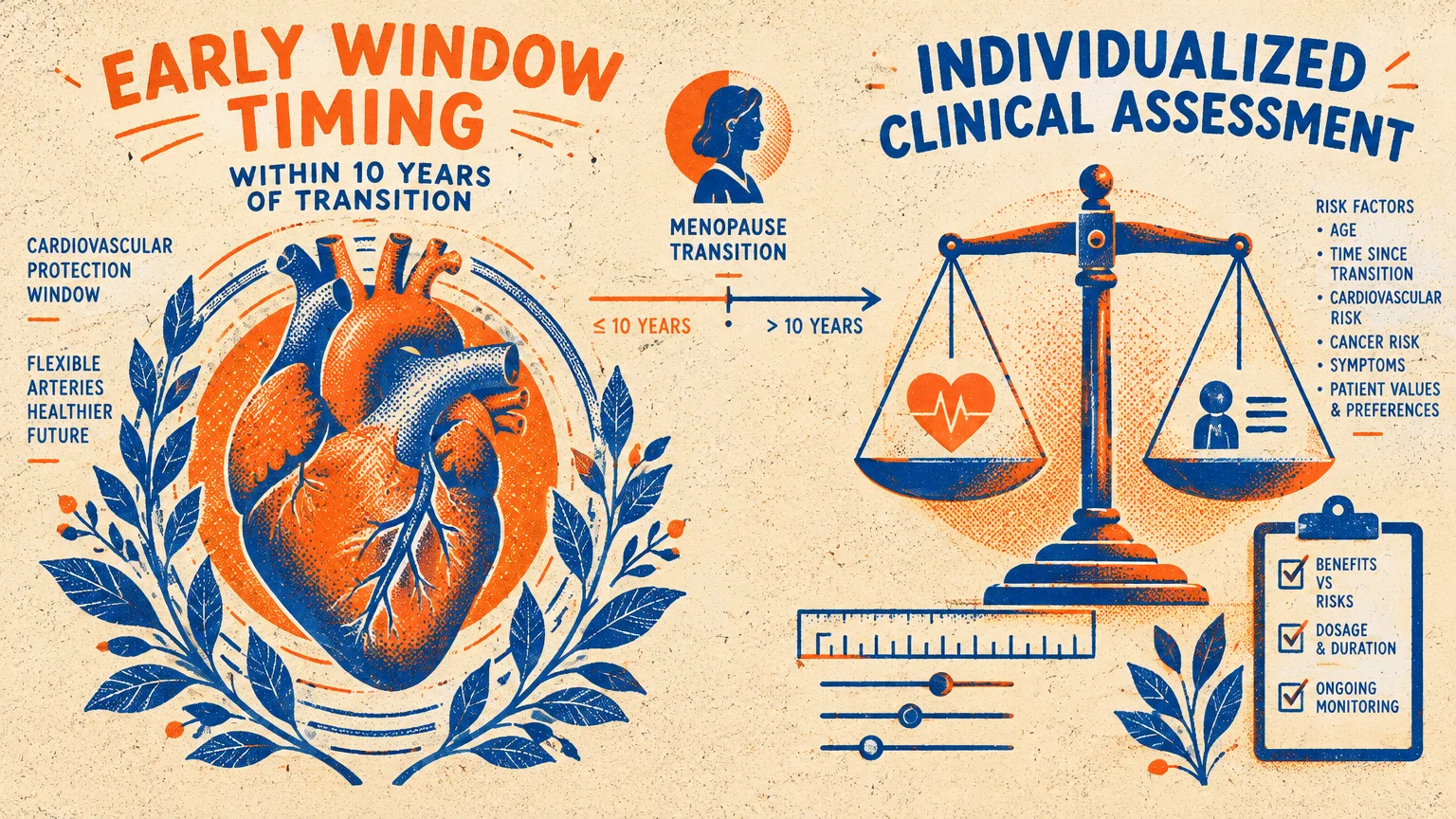
Starting hormone therapy more than 10 years after menopause or after age 60 carries higher risks of blood clots and stroke compared to starting earlier. For older adults, non-hormonal therapies generally provide a safer risk profile.
Cardiovascular organizations recommend initiating hormone replacement therapy primarily within the first 10 years of menopause. A qualified physician can help you evaluate your individual health profile to make an informed decision.
What is the difference between Veozah and Lynkuet for hot flashes?
Veozah is an NK-3 receptor antagonist that requires mandatory liver blood testing due to an FDA Boxed Warning regarding rare liver injury. It carries an out-of-pocket cost between $550 and $780 per month without insurance.
Lynkuet is a newer dual NK-1 and NK-3 receptor antagonist approved in October 2025 that does not require routine liver monitoring. Clinical trials showed it reduces hot flashes by 67% while also improving sleep quality.
Why does visceral fat accumulate so quickly during menopause?
Declining estrogen alters metabolic signaling, directing your body to store fat inside your abdominal cavity rather than beneath your skin. Visceral fat increases by 8% per year during the two years before your final period.
This deep fat directly accelerates arterial inflammation and increases your risk of coronary atherosclerosis. Maintaining consistent physical exercise and eating a nutrient-dense diet helps counteract this metabolic transition.
Protecting Your Cardiovascular Future
Your hot flashes are far more than a passing physical irritation; they provide critical insights into your long-term cardiovascular health. Listening to these internal signals gives you a unique advantage in protecting your heart.
Clinical studies like SWAN, InterLACE, and SCAPIS confirm that frequent and severe flushes reflect real changes in arterial flexibility and plaque buildup. Taking these warning signs seriously enables you to take timely preventive action.
Cardiovascular guidelines from leading medical societies now urge clinicians to evaluate reproductive symptoms when assessing heart disease risk. This progressive shift empowers you to discuss your vascular wellness proactively with your healthcare team.
Whether you choose lifestyle adjustments, modern non-hormonal medications, or traditional therapies, prioritizing your vascular health today yields profound benefits for decades to come. By honoring what your body reveals, you can safeguard your vitality and heart health.
This article is intended for informational and educational purposes only and is not a substitute for professional medical advice, diagnosis, or treatment. Always consult with a qualified healthcare provider regarding any health concerns or before making any decisions related to your health or treatment.