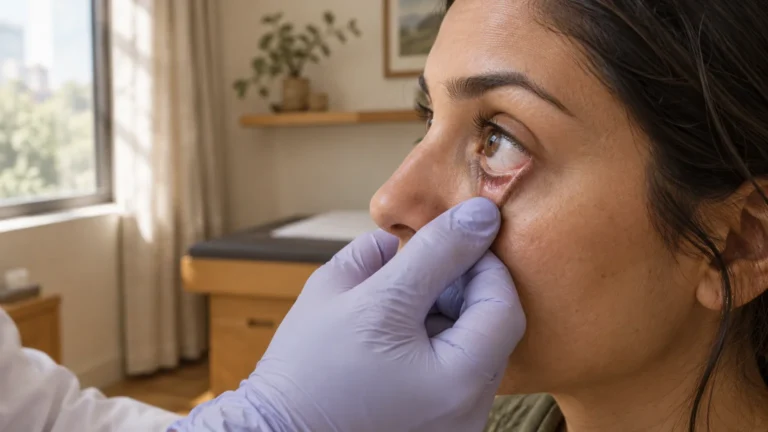
Most adults expect type 2 diabetes to announce itself with constant thirst or frequent trips to the bathroom. Yet subtle changes in your hearing, skin, or gums often show up years before those classic red flags appear.
Recognizing these unusual early signs of diabetes gives you a crucial head start on protecting your health. Spotting quiet shifts in how your body heals or sees lets you request a routine blood test before deeper damage occurs.
Knowing which overlooked symptoms deserve a closer look helps you safeguard your energy, mobility, and independence as you age.
Why Early Diabetes Often Hides in Plain Sight
Type 2 diabetes rarely arrives overnight like a sudden seasonal virus. Instead, blood sugar tends to creep upward silently over many years while your daily routine feels mostly normal.
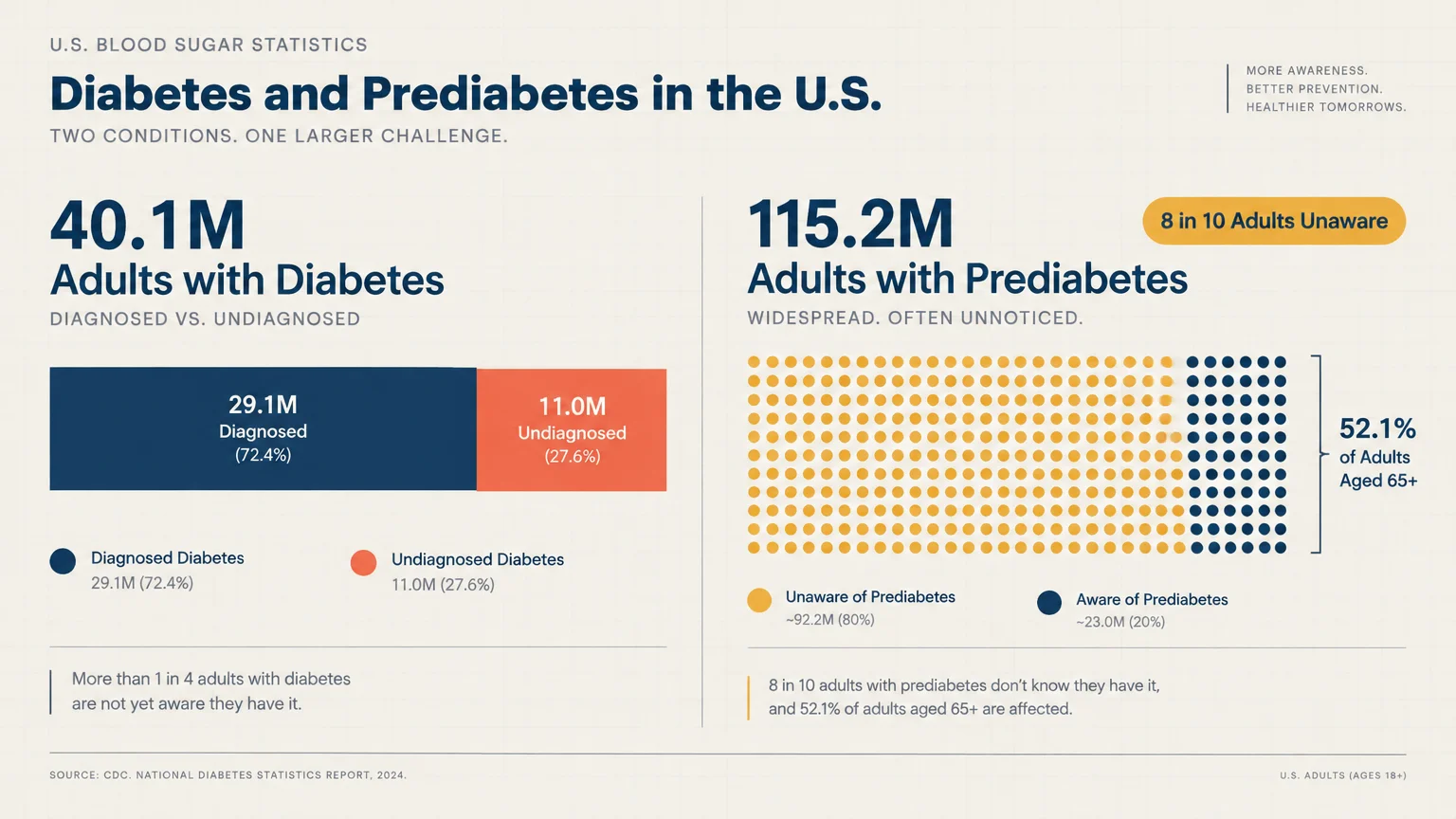
According to the Centers for Disease Control and Prevention, an estimated 40.1 million people in the United States live with diabetes, including 39.8 million adults. Roughly 90% to 95% of those cases are type 2 diabetes.
Even more striking is how often the condition goes unnoticed. Roughly 11.0 million U.S. adults—about 27.6% of all American adults living with diabetes—have not received an official diagnosis.
Prediabetes casts an even wider shadow among older adults. An estimated 115.2 million U.S. adults have prediabetes, including 31.3 million adults aged 65 and older, representing 52.1% of that age group.
Yet roughly 8 in 10 adults with prediabetes have no idea their blood sugar sits above the normal range. Because mild glucose elevations rarely cause sharp pain, routine life masks the shift.
Specialists at the Cleveland Clinic estimate that by the time doctors diagnose type 2 diabetes, a patient has often lived with it for roughly 5 years. Some newly diagnosed individuals already show early kidney or retinal changes.
Globally, the World Health Organization reports that diabetes prevalence across all ages climbed from 200 million people in 1990 to 830 million in 2022.
The International Diabetes Federation also notes that 589 million adults aged 20 to 79 lived with diabetes in 2024, and nearly 252 million remained undiagnosed. Global diabetes-related health spending reached 1.015 trillion dollars that same year.
How Elevated Blood Sugar Quietly Affects Your Whole Body
To understand why diabetes symptoms appear in unexpected places like your ears or shins, picture how insulin works inside your bloodstream. Insulin acts like a specialized key that unlocks your cells so glucose can enter and fuel your body.
When insulin resistance develops, those cellular locks grow stiff and unresponsive. Your pancreas works overtime to pump out extra insulin, yet excess glucose still lingers in your bloodstream longer than it should.
Over months and years, extra sugar in the blood behaves like slow-moving grit traveling through delicate plumbing. It gradually irritates the fragile inner linings of your smallest blood vessels, known as capillaries.
Those tiny vessels nourish vital structures far from your heart, including your inner ear, gums, retina, skin, and peripheral nerves. When circulation through them narrows, nearby tissues receive less oxygen and fewer nutrients.
At the same time, high glucose alters fluid balance across tissues and weakens how well white blood cells fight off everyday bacteria and fungi. That is why early type 2 diabetes warning signs often surface in places you would never connect to blood sugar.
Paying attention to these subtle clues allows you to intervene when insulin resistance is still highly responsive to daily habit changes.
10 Unusual Early Signs of Diabetes Doctors Watch For
Classic symptoms such as intense thirst, frequent urination, and unexplained weight loss usually signal higher blood sugar levels. Before those arrive, clinicians often spot these 10 less familiar prediabetes signs and early diabetes clues.
1. Subtle Changes in Your Hearing
You might blame age or background noise when conversations in restaurants start sounding muffled. However, your inner ear depends on an intricate network of microscopic blood vessels and delicate nerve fibers to translate sound waves clearly.
According to the Centers for Disease Control and Prevention, hearing loss occurs twice as often in people with diabetes as in same-age peers without it.
Even adults with prediabetes experience a 30% higher rate of hearing loss than people with normal blood sugar. Elevated glucose gradually damages the tiny blood vessels and nerves inside the cochlea.
Long-term data highlighted by the American Diabetes Association adds further weight to this link. Across more than 20 years of follow-up in the DCCT and EDIC cohort, every 10% rise in average A1C corresponded to a 19% increase in high-frequency hearing impairment.
If you repeatedly ask family members to repeat themselves or turn the television louder, schedule a hearing check alongside a routine glucose screening.
2. Dark, Velvety Patches in Skin Creases
Noticeable changes on your skin often reflect shifts happening deep inside your metabolism. One of the clearest visual prediabetes signs is a condition doctors call acanthosis nigricans.
It appears as darkened, thickened, slightly velvety patches tucked inside body folds. You most often spot these patches along the back or sides of your neck, inside your armpits, or in your groin area.
In some cases, similar darkened skin develops over the knuckles of your hands, your elbows, or your knees. People sometimes mistake the discoloration for dirt or mild sun tanning that will not wash away.
The Centers for Disease Control and Prevention notes that acanthosis nigricans is a direct physical marker of insulin resistance. Excess insulin circulating in your bloodstream stimulates skin cells to reproduce faster and produce extra pigment.
Spotting velvety darkening in a skin crease is an unmistakable signal to ask your doctor for an A1C or fasting glucose test.
3. Sudden Clusters of Skin Tags
A single stray skin tag on your collar line is common as you grow older and rarely signals danger. When dozens of soft, dangling skin growths suddenly cluster together, however, dermatologists pay closer attention.
Known medically as acrochordons, these benign growths most often form where skin rubs against skin or clothing. Common hotspots include your eyelids, neck, armpits, and groin folds.
Guidance from the American Academy of Dermatology notes that developing many skin tags can serve as an early warning sign of type 2 diabetes. Like dark skin patches, clusters of skin tags often track alongside rising insulin levels.
While a dermatologist can safely remove bothersome tags, snipping them off does not address the underlying metabolic trigger. Mentioning a sudden wave of new skin tags to your primary care doctor ensures your blood sugar gets checked too.
4. Persistent Spots or Bumps on Your Shins and Limbs
Unusual diabetes symptoms on the skin extend beyond folds and creases. Light brown or reddish round patches along the front of your shins can reflect diabetic dermopathy, often nicknamed shin spots.
According to the Centers for Disease Control and Prevention, diabetic dermopathy stems from subtle changes in the small blood vessels supplying your skin. Because these faint patches rarely itch or hurt, many older adults assume they are harmless age bruises.
Other distinct skin patterns can also warrant a medical check. Widespread granuloma annulare creates small raised bumps that appear skin-colored, red, pink, or bluish-purple and tend to come and go.
The American Academy of Dermatology reports that clinical studies have linked widespread granuloma annulare to diabetes. Less commonly, necrobiosis lipoidica produces firm yellow, reddish, or brown patches, appearing more frequently in women.
Anytime new spots, rings, or waxy patches linger on your lower legs for months, ask a physician to evaluate both your skin and your blood glucose.
5. Bleeding Gums, Dry Mouth, and Stubborn Oral Issues
Your dentist may notice early signs of diabetes before you ever feel unwell. High blood sugar raises the glucose content inside your saliva, turning your mouth into an inviting food source for plaque-forming bacteria.
That bacterial overgrowth irritates gum tissue, leading to red, swollen, or bleeding gums when you brush or floss. Over time, unchecked inflammation progresses into periodontal disease, cavities, and receding gumlines.
The Centers for Disease Control and Prevention also highlights reduced saliva and chronic dry mouth as common oral effects of elevated blood sugar. Without enough saliva to wash away debris, mouth sores and fungal infections heal slowly.
Because oral inflammation and blood sugar reinforce each other, the American Diabetes Association lists evidence of periodontal disease as a high-risk indicator for diabetes screening. Mentioning persistent dry mouth or bleeding gums at your next checkup benefits both your smile and your metabolism.
6. Unexpected Shifts in Sexual Health
Changes in sexual comfort or performance are topics many older adults hesitate to bring up during brief doctor appointments. Yet clinicians recognize them as important type 2 diabetes warning signs rooted in circulation and nerve health.
High glucose gradually stiffens tiny arteries and dulls the nerve signals needed for healthy blood flow. According to the Centers for Disease Control and Prevention, men with diabetes are 3 times more likely to experience erectile dysfunction.
Encouragingly, roughly 95% of erectile dysfunction cases can be treated successfully once underlying vascular or metabolic factors are addressed. Viewing this symptom as an early vascular warning gives doctors a chance to protect both sexual function and heart health.
Women face distinct metabolic shifts in sexual wellness as well. Nerve and blood-flow changes linked to elevated blood sugar frequently contribute to vaginal dryness and discomfort.
Meta-analyses highlighted by the American Diabetes Association show higher odds of female sexual dysfunction with type 1 diabetes, at 2.27, and type 2 diabetes, at 2.49. Sharing these changes with your doctor helps identify whether blood sugar plays a role.
7. Frequent Urinary Tract or Yeast Infections
Occasional infections happen to almost everyone, especially as immune resilience shifts with age. When urinary tract infections or yeast infections return multiple times within a single year, however, excess glucose may be fueling the cycle.
Normally, your kidneys filter glucose out of your blood and return it safely into circulation. When blood sugar climbs past what your kidneys can reabsorb, extra sugar spills directly into your urine.
Warm, sugar-rich urine creates an ideal breeding ground for bacteria and yeast along the urinary tract and vaginal tissues. The Centers for Disease Control and Prevention, Cleveland Clinic, and American Academy of Dermatology all note recurrent infections as classic clues.
Elevated blood sugar also slows the response of infection-fighting white blood cells, making mild irritation harder to clear. If standard over-the-counter creams or antibiotics only bring brief relief, ask your clinician to run a blood glucose check.
8. Temporary Blurry Vision or Changing Prescriptions
Suddenly needing stronger reading glasses or noticing that street signs blur on certain afternoons can feel like simple aging. Yet rapid shifts in focus often point straight to fluctuating blood sugar.
Both the Mayo Clinic and Cleveland Clinic explain that elevated blood sugar draws fluid into the lens of your eye. That fluid shift causes the lens to swell and subtly change shape, distorting how light lands on your retina.
Because glucose levels rise and fall across days or weeks, your vision may sharpen again briefly before blurring once more. Getting new glasses while blood sugar swings wildly often leads to prescriptions that quickly feel wrong.
Catching these temporary fluid shifts early matters enormously for long-term sight. Data from the International Diabetes Federation shows that roughly 30% of people with diabetes worldwide already exhibit signs of diabetic retinopathy.
Routine dilated eye exams combined with blood sugar testing protect the delicate vessels behind your eyes before permanent scarring develops.
9. A Distinctly Fruity Odor on Your Breath
Most bad breath traces back to dry mouth, morning plaque, or flavorful meals. A sweet, noticeably fruity scent on your breath, however, points to a very different chemical shift inside your body.
When your cells lack enough working insulin to absorb glucose for energy, your body begins breaking down fat and muscle rapidly for backup fuel. That emergency process releases acidic byproducts called ketones into your blood and lungs.
According to the Mayo Clinic, a fruit-like breath odor often appears alongside dry mouth, flushed dry skin, nausea, vomiting, and ketones in the urine. Together, these symptoms can warn of diabetic ketoacidosis, a serious buildup of blood acids.
Although ketoacidosis is most common in type 1 diabetes, it can occasionally reveal previously unrecognized diabetes in adults of any age. Seek prompt medical evaluation if fruity breath arrives with nausea, deep breathing, or sudden weakness.
10. Mild Tingling, Slow Healing, and Unexplained Irritability
Three subtle nervous and circulatory signals often appear together during early glucose dysregulation. Mild pins-and-needles tingling in your toes or fingertips is frequently one of the first signs of peripheral nerve irritation.
Both the Centers for Disease Control and Prevention and the Mayo Clinic note that early neuropathy can begin quietly as mild numbness or tingling in the hands or feet. Because it starts softly, many adults blame tight shoes or sleeping awkwardly.
Minor paper cuts, kitchen scrapes, or foot blisters that linger for weeks provide another clue. Narrowed blood vessels and sluggish immune cells struggle to deliver oxygen and repair tissue efficiently.
Finally, rapid swings in blood glucose affect how steadily your brain receives fuel. That roller coaster can trigger unusual irritability, afternoon mood dips, or trouble concentrating that vanishes once meals stabilize.

What These Warning Signs Mean for Your Screening Plan
Noticing one or two of these unusual diabetes symptoms does not automatically mean you have diabetes. Many common conditions, from thyroid shifts to medication side effects, can mimic individual clues.
Still, clustering symptoms deserve objective answers rather than guesswork. Fortunately, diagnosing prediabetes or type 2 diabetes requires only straightforward laboratory blood work.
Under the 2026 Standards of Care from the American Diabetes Association, universal screening for prediabetes and type 2 diabetes begins at age 35 for all adults. Adults with overweight or obesity plus additional risk factors should test even earlier.
The U.S. Preventive Services Task Force similarly issues a Grade B recommendation to screen asymptomatic adults aged 35 to 70 who have overweight or obesity. If your results come back normal, repeating screening every 3 years keeps you well covered.
If your numbers fall into the prediabetes range, annual testing helps you track progress closely. Knowing the exact diagnostic thresholds helps you read your lab portal with confidence.
Prediabetes is diagnosed with an A1C between 5.7% and 6.4%, a fasting plasma glucose between 100 and 125 milligrams per deciliter, or a two-hour oral glucose tolerance result between 140 and 199 milligrams per deciliter.
Diabetes begins at an A1C of 6.5% or higher, or a fasting plasma glucose of 126 milligrams per deciliter or higher after at least 8 hours of fasting.
Doctors also diagnose diabetes when a two-hour glucose tolerance test reaches 200 milligrams per deciliter or higher, or when a random reading hits that level alongside classic high-sugar symptoms.
Proactive Measures You Can Take Starting This Week
Waiting passively for annual lab results wastes valuable time when subtle symptoms are already whispering. Taking deliberate steps now improves how efficiently your muscles absorb glucose every single day.
Keep a Two-Week Symptom and Pattern Log
Before your next clinic visit, jot down specific changes you notice rather than relying on memory in the exam room. Record recurring dry mouth, blurry afternoons, skin spots, or stubborn infections alongside their dates.
Bringing clear notes helps your physician spot patterns that connect seemingly unrelated issues like gum bleeding and numb toes.
Aim for Steady Weekly Movement
Working muscles pull glucose out of your bloodstream even when insulin sensitivity is sluggish. The National Diabetes Prevention Program supported by the Centers for Disease Control and Prevention targets at least 150 minutes of moderate physical activity weekly.
You can break that target into brisk 20-minute or 30-minute walks most days of the week. Even a gentle 10-minute stroll after dinner noticeably blunts post-meal blood sugar spikes.
Focus on Modest, Sustainable Weight Goals
You do not need drastic crash diets to dramatically lower your diabetes risk. In the landmark Diabetes Prevention Program, structured lifestyle changes cut progression from prediabetes to type 2 diabetes by 58%.
Losing just 5% to 7% of your starting body weight meaningfully relieves strain on your pancreas and liver. Pairing non-starchy vegetables, lean proteins, and high-fiber legumes with whole grains slows digestion and steadies daily glucose curves.
Coordinate Your Dental, Vision, and Hearing Checkups
Treat your dentist, optometrist, and audiologist as partners on your preventive health team. Ask your dentist whether your gum inflammation looks unusually severe, and tell your eye doctor about fluctuating clarity.
Keeping these routine appointments up to date turns everyday checkups into an early warning system for metabolic health.

What Researchers Are Exploring Next
Scientists are increasingly looking beyond fasting blood glucose to catch insulin resistance years before standard lab thresholds cross into diabetes. Ongoing investigations focus on how subtle inflammation, microvascular shifts, and nerve sensitivity evolve together across midlife and older adulthood.
Researchers are also studying how continuous glucose monitoring patterns in people without diagnosed diabetes may reveal hidden post-meal spikes tied to future complications. Better risk prediction tools could eventually help doctors tailor screening timelines based on your skin, oral, and auditory health.
Readers curious about broader metabolic aging initiatives can explore public health updates through the National Institutes of Health. As preventive science advances, paying attention to early physical signals remains one of your most reliable tools.
Frequently Asked Questions About Unusual Diabetes Symptoms
Can you have early signs of diabetes even with a normal fasting blood sugar?
Yes, fasting glucose only captures your blood sugar after an overnight fast, which can stay normal for years while post-meal spikes climb. That is why an A1C test or an oral glucose tolerance test often catches early insulin resistance sooner.
Mentioning subtle symptoms like recurring yeast infections or skin changes prompts your doctor to look beyond a single fasting number.
Do dark neck patches or skin tags go away once blood sugar improves?
Dark, velvety patches from acanthosis nigricans often fade noticeably as insulin resistance improves through movement, weight management, or prescribed treatment. Lowering circulating insulin reduces the signal telling skin cells to thicken and darken.
Existing skin tags usually stay put once formed, though stabilizing your blood sugar helps prevent new clusters from appearing. A dermatologist can remove stubborn tags safely if they irritate your collar or jewelry.
How quickly does temporary blurry vision clear after blood sugar stabilizes?
Fluid swelling inside the eye’s lens typically begins settling down once blood glucose levels stay steady for several weeks. Your optometrist will generally recommend waiting until your readings stabilize before finalizing a new eyeglass prescription.
Never ignore sudden vision loss, floaters, or eye pain, however, since those symptoms require prompt evaluation to protect your retina.
Is hearing loss from high blood sugar reversible?
Damage to the tiny nerves and blood vessels of the inner ear is usually permanent once it occurs. However, managing blood sugar early helps protect the hearing you still have and slows further decline.
Modern hearing aids and regular audiologist care can also restore clarity and keep you socially connected.
Should older adults over age 70 still ask for diabetes screening?
Although the U.S. Preventive Services Task Force focuses its routine screening recommendation on adults aged 35 to 70 with overweight or obesity, American Diabetes Association guidelines support continuing screening beyond age 35 without an upper cutoff.
If you are over 70 and notice unusual signs like frequent urinary infections, dry mouth, or tingling feet, asking your physician for an A1C check is always reasonable.
Taking a Proactive View of Healthy Aging
Your body communicates through far more channels than thirst and fatigue alone. Changes in your hearing, gums, skin, vision, and nerves often offer early invitations to check on your metabolic health.
Because type 2 diabetes frequently develops quietly over roughly 5 years before diagnosis, responding to subtle signals gives you genuine leverage. Simple lab tests and steady everyday habits can protect your vitality for decades ahead.
Schedule a routine checkup if any of these 10 clues feel familiar, and partner closely with your healthcare team to stay ahead of shifting blood sugar.
This article is for informational purposes only and is not a substitute for professional medical advice, diagnosis, or treatment.