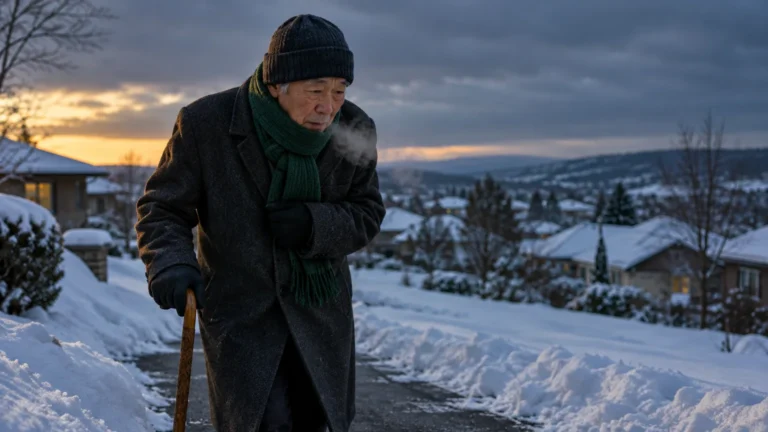
Dropping winter temperatures frequently cause sudden spikes in joint stiffness and throbbing ache. Recognizing these seasonal flare signs early helps you protect your mobility and maintain your independence throughout the coldest months.
When barometric pressure plummets, joint tissues expand and trigger noticeable discomfort across sensitive cartilage. Understanding how your body reacts allows you to manage these shifts proactively before daily activities become painful chores.
You can regain control over your physical well-being this winter with strategic daily habits. Identifying your specific symptoms forms the vital first step toward targeted, reliable relief.
Understanding the Basics: Why Cold Weather Triggers Arthritis Flares
Falling outdoor temperatures do not merely chill your skin; they alter the physical mechanics of your joints. When winter arrives, shifts in atmospheric pressure and ambient temperature directly influence how your connective tissues behave.
Barometric pressure measures the physical weight of the atmosphere pressing down against the earth. As winter weather systems move across your region, this atmospheric pressure drops rapidly.
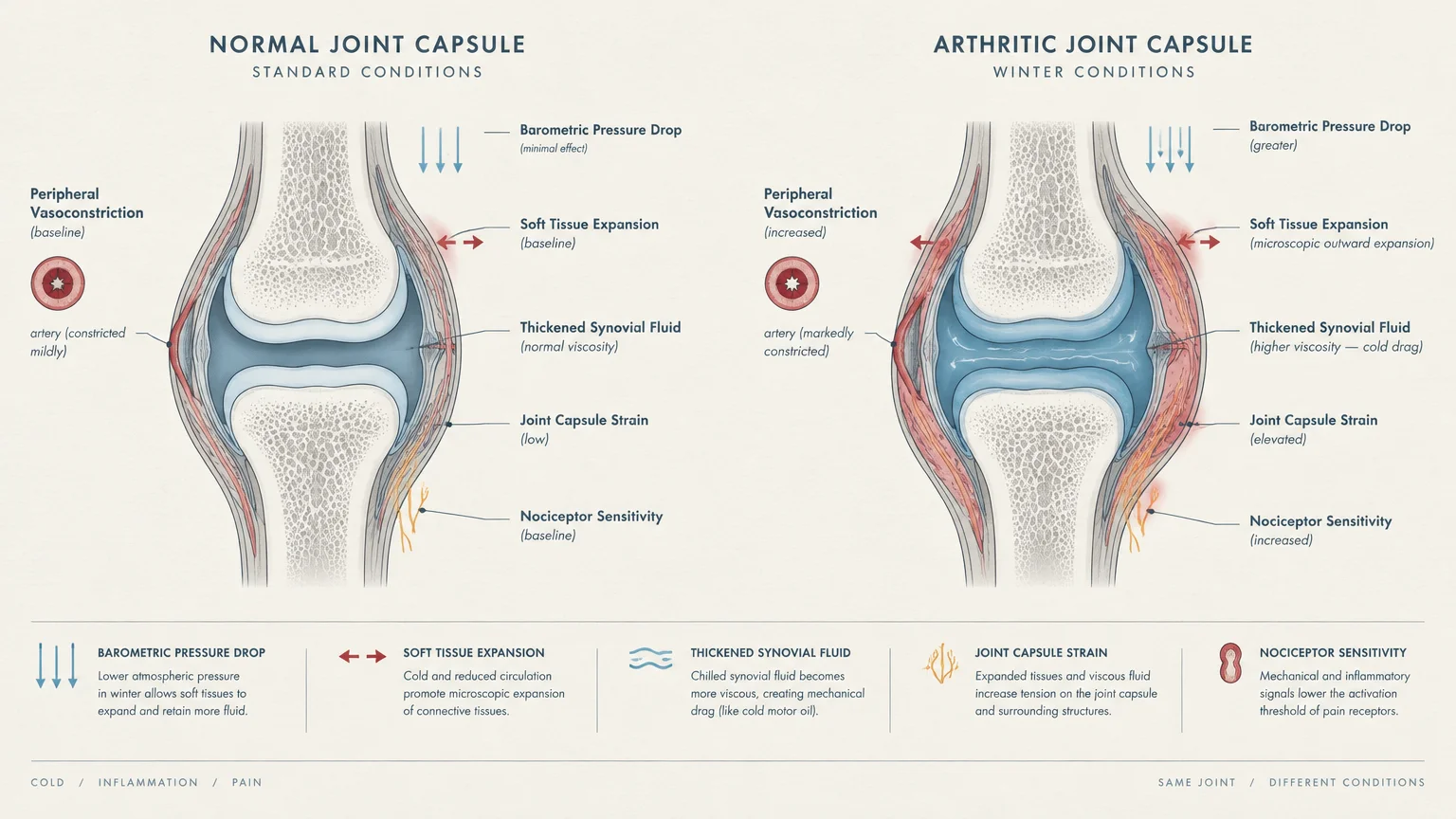
Lower external air pressure allows the soft tissues surrounding your joint capsules to expand slightly outward. In healthy joints with intact cartilage, this microscopic tissue expansion goes unnoticed.
Arthritic joints already contend with wear, reduced cushioning, and chronic inflammation. Even minimal tissue expansion strains the joint capsule, activating sensitive nerve pathways that signal discomfort.
Winter cold also alters the physical consistency of your synovial fluid. This viscous substance serves as your body’s natural joint lubricant, reducing friction during movement.
Much like motor oil in a cold engine, synovial fluid thickens when temperatures drop. This increased viscosity creates mechanical drag, making early morning movements feel slow and rigid.
Your circulatory system actively works to preserve your core internal temperature during cold exposure. Peripheral blood vessels constrict, pulling warm blood away from your hands, knees, and feet toward vital organs.
This reduced peripheral circulation leaves your joints colder and less nourished by oxygen-rich blood. Deprived of normal warmth, local connective tissues lose elasticity and tighten uncomfortably.
Cold air directly lowers the firing threshold of pain receptors known as nociceptors. These nerve endings become significantly more sensitive, amplifying the pain signals sent to your brain.
Both osteoarthritis and inflammatory conditions like rheumatoid arthritis react intensely to these seasonal shifts. Understanding these biological triggers allows you to anticipate flare-ups and apply effective defensive measures.
7 Symptoms of Arthritis Flaring in Cold Weather
Recognizing seasonal flare symptoms helps you intervene before joint discomfort limits your daily mobility. The following seven indicators represent the most common ways winter weather impacts arthritic joints.
1. Deep, Aching Joint Pain
A primary sign of a seasonal flare is a deep, persistent ache centered inside your joint. This discomfort feels distinctly different from the sharp, momentary sting of an acute muscular strain.
You frequently feel this pervasive ache in weight-bearing joints such as your knees, hips, and lower back. As temperatures drop, this sensation penetrates deep into cartilage and surrounding bone.
The dull throbbing often intensifies when you rest after spending time in cold outdoor air. You may also notice the ache escalating right before a winter storm arrives.
Many older adults describe this sensation as an unrelenting pressure that makes relaxing in a chair uncomfortable. Direct warmth applied to the area helps soothe these irritated internal receptors.
2. Prolonged Morning Stiffness
Waking up with tight joints is common with arthritis, but winter weather dramatically increases this rigidity. Cold indoor overnight temperatures cause joint lubrication to congeal into a thick gel while you sleep.
Instead of loosening within fifteen minutes, your joints may remain stubbornly immobile for an hour or longer. You must wait patiently for internal warmth and movement to restore normal fluidity.
Small joints in your fingers, wrists, and feet are particularly vulnerable to this extended morning immobility. You might struggle to turn faucets, prepare breakfast, or button your winter clothing.
Attempting to force stiff joints into sudden action can irritate inflamed connective tissues. Performing slow, gentle movements under a warm blanket helps ease your joints into the day safely.
3. Joint Swelling and Localized Puffiness
Cold weather frequently drives localized fluid retention within compromised joint capsules. This swelling, known clinically as joint effusion, produces visible puffiness around your knees, ankles, or knuckles.
When barometric pressure drops, inflamed synovial tissues expand outward into available surrounding spaces. This subtle expansion increases fluid accumulation, causing the skin over your joint to look smooth and stretched.
Rings that normally slide onto your fingers with ease may suddenly bind or pinch. Your shoes might feel uncomfortably tight across your arches due to fluid pooling around your ankles and toes.
This localized fluid buildup increases internal pressure, intensifying your overall discomfort. Elevating the swollen joint and applying gentle, insulating compression wraps helps encourage fluid reabsorption.
4. Restricted Range of Motion
Dropping temperatures often prevent your joints from moving through their customary arc of motion. You may discover that you cannot fully straighten your knee or bend your elbows without resistance.
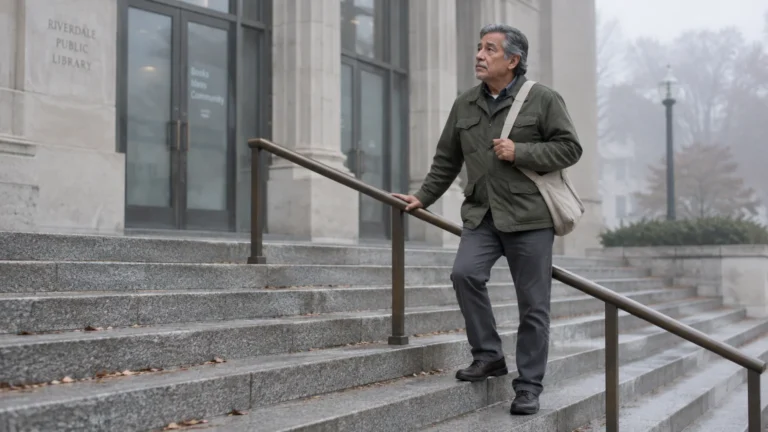
Everyday tasks—such as stepping into a car, climbing stairs, or reaching top kitchen shelves—become noticeably difficult. Tightened tendons and contracted joint capsules physically limit your body’s flexibility.
This reduced mobility alters your natural gait, forcing you to limp or take shorter, guarded steps. Over time, these unnatural movement compensations create secondary aches across your lower back and hips.
Performing low-impact range-of-motion routines in a warm room helps preserve your joint flexibility. Consistent daily mobility exercises prevent connective tissues from shortening and locking into restricted patterns.
5. Joint Tenderness and Heightened Sensitivity
A cold-weather flare frequently makes your joints extraordinarily sensitive to physical touch and light pressure. Everyday contact that normally causes no discomfort can suddenly provoke sharp, wincing pain.
This heightened sensitivity occurs because chilly temperatures sensitize your peripheral sensory nerves. Even the weight of a heavy wool blanket or a snug sweater sleeve can irritate tender joints.
You may notice that resting your elbows on a table or sitting on a firm chair causes acute tenderness. Lightly pressing your fingertips against your kneecap or shoulder joint may reveal unexpected soreness.
Wearing soft, seamless thermal undergarments provides a comforting physical barrier against painful surface friction. Keeping the joint well insulated minimizes cold exposure that triggers this heightened nerve reactivity.
6. Muscle Tightness and Surrounding Spasms
When exposed to cold air, your body automatically contracts nearby skeletal muscles to preserve core temperature. Unfortunately, chronic muscular tension places relentless mechanical stress on neighboring arthritic joints.
Muscles surrounding your knees, hips, and neck often contract into tight, stubborn spasms. These rigid muscle bands pull joint surfaces tightly together, compounding friction across damaged cartilage.
You may feel painful knots forming along your upper back, hamstrings, or calf muscles during cold snaps. This continuous muscular guarding increases physical fatigue and restricts smooth, natural movement.
Applying moist heat directly relaxes tight muscle fibers and breaks the cycle of protective guarding. Combining warmth with slow, gentle stretching relieves mechanical compression on your joints.
7. Persistent Winter Fatigue and Lethargy
Seasonal arthritis flares exhaust your systemic energy reserves, leaving you feeling chronically drained and sluggish. Coping with continuous background pain requires tremendous neurological and physical effort from your body.
Shorter daylight hours, reduced physical activity, and disrupted nighttime sleep amplify this winter exhaustion. You may wake up feeling tired even after spending eight full hours resting in bed.
Flare-ups trigger the release of inflammatory proteins called cytokines into your bloodstream. These circulating chemical messengers cause feelings of malaise, mental fog, and pervasive muscular tiredness.
Pacing your daily activities and establishing a consistent bedtime routine helps restore depleted vitality. Honoring your body’s need for extra rest allows you to recover from inflammatory flare cycles.
Key Considerations for Seniors During Winter Months
Managing cold-weather arthritis requires special attention to the unique physiological changes that occur with age. As our bodies mature, our ability to regulate internal warmth and tolerate physical strain evolves.
Aging skin becomes progressively thinner and loses protective subcutaneous fat stores. This natural thinning allows ambient cold to penetrate deeper and chill joint capsules much faster than in younger years.
Older circulatory vessels respond more sluggishly to environmental temperature drops. Consequently, it takes significantly longer for seniors to rewarm their hands, feet, and knees once they become cold.
Stiff, painful joints directly impair balance and postural reflexes on slick, frost-covered surfaces. If your knees or ankles cannot respond rapidly to sudden shifts, your risk of dangerous falls multiplies.
Cold weather frequently drives seniors into extended indoor isolation, reducing daily functional steps. Prolonged physical inactivity accelerates muscle atrophy and starves joint cartilage of the fluid movement it needs to survive.
Limited winter sun exposure drastically reduces your body’s natural synthesis of vitamin D. Low vitamin D levels impair bone remodeling, weaken muscular stability, and exacerbate chronic musculoskeletal pain.
Central home heating also reduces indoor ambient humidity, contributing to chronic low-grade dehydration. Insufficient water intake concentrates inflammatory compounds and reduces total synovial fluid volume throughout your joints.
Addressing these age-related factors through deliberate daily habits safeguards your physical independence. Proactive protection against cold weather empowers you to maintain an active, fulfilling lifestyle all year long.
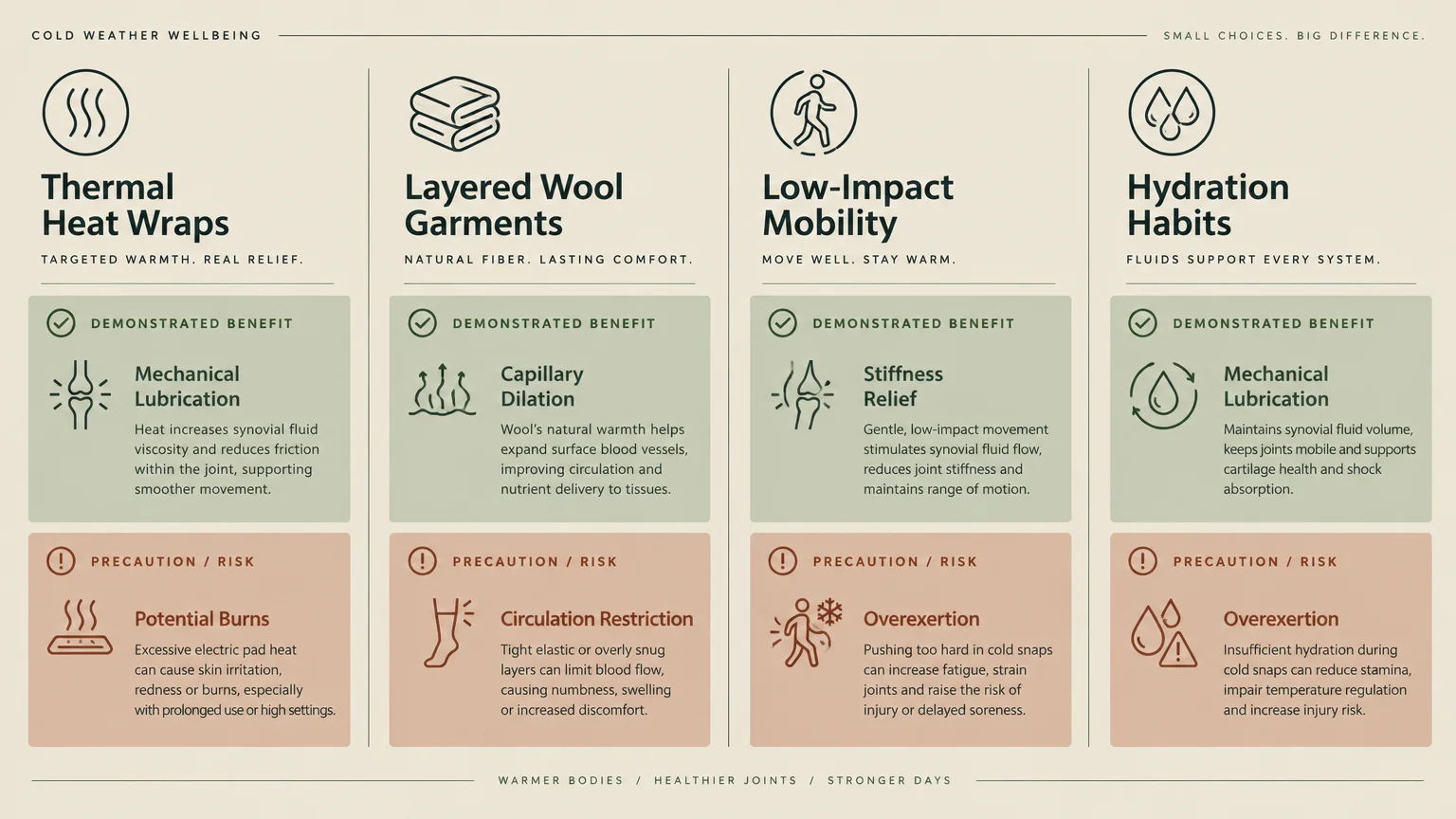
Benefits and Potential Risks of Common Winter Relief Strategies
Successfully relieving winter arthritis symptoms requires understanding both the advantages and limitations of popular treatments. Balancing rapid symptom relief against safety ensures you protect your overall health.
Heat therapy offers immediate comfort by expanding narrowed blood vessels and soothing tight, spastic muscles. Applying heat pads, warm compresses, or soaking in warm baths delivers soothing relief to aching connective tissues.
Excessive heat can cause severe contact burns, particularly in older adults with reduced tactile sensation. Always insulate heating pads with cloth barriers and limit your heat exposure to twenty minutes per session.
Over-the-counter oral nonsteroidal anti-inflammatory drugs (NSAIDs) can effectively quell flare pain and reduce joint swelling. These medications suppress inflammatory enzymes, restoring your ability to engage in daily routines.
Frequent or unmonitored use of oral NSAIDs carries serious risks for older individuals. These medications can irritate stomach tissues, elevate blood pressure, and impair kidney function over extended periods.
Topical pain-relief formulations—such as capsaicin, menthol, or prescription anti-inflammatory gels—provide localized relief with minimal systemic absorption. Applying these creams directly over aching knees or hands soothes pain without straining digestive organs.
Some topical treatments can cause skin irritation, redness, or burning sensations on sensitive, mature skin. Test any new topical product on a small patch of forearm skin before applying it broadly.
Gentle indoor exercise circulates vital lubricating fluid, maintains joint flexibility, and builds supporting muscle mass. Physical movement also triggers the release of endorphins, your body’s natural pain-relieving neurochemicals.
Overexerting yourself or exercising without warming up can trigger acute inflammation and worsen joint pain. Always warm your muscles with light movement before increasing physical exertion during winter months.

What the Experts Say About Seasonal Joint Pain
Medical authorities and clinical researchers have closely analyzed the relationship between cold climates and joint discomfort. Their consensus provides reassuring clarity regarding what is happening inside your body.
Research supported by the National Institutes of Health indicates that barometric pressure fluctuations directly influence intra-articular pressure. When atmospheric pressure falls, sensitized joint capsules expand, triggering pain signals along irritated nerves.
Specialists at the Mayo Clinic clarify that cold weather does not accelerate joint wear or cause permanent tissue damage. Rather, cold temperatures amplify your brain’s perception of pain through muscle guarding and heightened nerve excitability.
Clinical guidelines from the Centers for Disease Control and Prevention emphasize regular, low-impact physical activity as a proven defense against arthritis symptoms. Staying active reduces chronic stiffness, boosts functional independence, and lifts seasonal mood.
Leading rheumatologists emphasize that your cold-weather discomfort is a genuine biological response, not an imagined ailment. Atmospheric shifts, fluid viscosity, and muscular reflexes interact to create measurable physical changes.
Health experts recommend establishing an open dialogue with your physician before the cold season begins. Developing a personalized winter management plan ensures you have effective tools ready when temperatures drop.

Practical Steps and Actionable Advice for Lasting Relief
You can effectively manage winter arthritis flares by adopting strategic daily routines. The following actionable steps help protect your joints from chilling temperatures and preserve comfortable mobility.
Layer Your Clothing for Maximum Thermal Efficiency
Dressing in multiple light, breathable layers traps warm air against your body far better than a single heavy coat. Layering allows you to adjust your clothing easily as your body temperature fluctuates.
Choose moisture-wicking base layers made from modern synthetics or lightweight merino wool to keep skin dry. Damp fabric rapidly chills the body, accelerating peripheral vasoconstriction and joint stiffness.
Shield your extremities with insulated gloves, thermal socks, and warm headwear whenever you venture outside. Insulating your hands and feet preserves core warmth and prevents painful vascular spasms in your fingers and toes.
Consider wearing thermal compression sleeves over tender knees or elbows during quiet periods at home. These flexible garments retain soothing body heat while providing gentle structural support to tired joints.
Establish a Soothing Morning Warming Routine
Avoid jumping immediately out of bed into a chilly bedroom when your joints feel frozen. Spend five minutes gently moving your fingers, ankles, and knees beneath your warm blankets before rising.
Head straight for a warm shower or bath to loosen tight muscles and thaw viscous synovial fluid. Allow the warm water to cascade over your shoulders, back, and knees for ten to fifteen minutes.
Sip a warm mug of herbal tea or warm lemon water shortly after waking up. Warm beverages raise your internal body temperature while rehydrating your tissues after a long night of sleep.
Maintain Generous Hydration Throughout the Day
Indoor heating dries out room air, causing continuous fluid loss through normal breathing and perspiration. You may not feel as thirsty in winter, making dehydration an overlooked seasonal trap.
Joint cartilage requires adequate water to maintain its spongy, shock-absorbing properties and prevent painful bone friction. Proper hydration also preserves healthy synovial fluid volume, allowing smooth, unrestricted joint movement.
Keep a glass of room-temperature water or clear broth near your favorite seating areas. Limit excessive consumption of caffeinated drinks and alcohol, which can act as mild diuretics and dehydrate your connective tissues.
Incorporate Gentle Low-Impact Indoor Movement
Resist the urge to stay completely immobile when freezing winds and snow keep you confined indoors. Movement is medicine; it acts as a mechanical pump that circulates lubricating fluid throughout your cartilage.
Engage in gentle indoor physical activities such as chair yoga, stationary cycling, or walking inside local indoor spaces. These low-impact exercises build supporting muscle strength without subjecting worn cartilage to harsh concussive forces.
Break your physical activity into short ten-minute sessions distributed evenly across your morning and afternoon. Frequent, gentle movement intervals prevent your joints from locking up without overwhelming your physical stamina.
Optimize Your Indoor Living Environment
Maintain a consistent room temperature between 68 and 72 degrees Fahrenheit throughout your living areas. Eliminate cold drafts by sealing windows with weatherstripping and placing draft stoppers under exterior doors.
Operate a room humidifier to reintroduce essential moisture into heated, parched indoor air. Maintaining balanced humidity prevents skin irritation and keeps respiratory membranes and connective tissues hydrated.
Always wear supportive house shoes or non-skid slippers with thick soles on cold tile or hardwood floors. Walking barefoot on cold surfaces rapidly draws heat from your feet, triggering ascending joint stiffness.
Collaborate Actively With Your Healthcare Team
Schedule an appointment with your doctor to review your arthritis treatment plan before winter weather peaks. Ask whether temporary adjustments to medication timing or dosage could help prevent predictable seasonal flares.
Request a referral for physical or occupational therapy to learn joint-sparing techniques tailored to your home environment. A therapist can evaluate your daily movement patterns and recommend specialized assistive devices.
Discuss the safety and utility of seasonal supplements, such as vitamin D3, with your medical provider. Your doctor can check baseline blood levels and guide you toward safe, effective supplementation.
Frequently Asked Questions About Arthritis in Cold Weather
Does cold weather cause permanent damage to arthritic joints?
Cold weather intensifies joint pain and immobility, but it does not cause permanent structural damage or cartilage erosion. The heightened symptoms stem from fluid thickening, muscle tension, and barometric pressure shifts.
When warmer spring weather returns, your joints typically settle back into their customary baseline state. Protecting yourself from cold primarily minimizes unnecessary discomfort and preserves your daily functional capacity.
Why do my joints feel stiffer in the morning during winter?
Your core body temperature naturally drops during sleep, and bedroom air is typically cooler during winter nights. This reduced temperature thickens synovial fluid and tightens surrounding tendons while your body lies completely still.
Your joints require extra time, warmth, and gentle motion to restore normal lubrication and elasticity. Using extra thermal blankets or an electric mattress pad set to low can prevent severe morning rigidity.
Can moving to a warmer climate cure my arthritis flares?
Relocating to a warm, arid climate often provides welcome symptomatic comfort for many arthritis sufferers. However, moving does not cure underlying osteoarthritis or halt systemic autoimmune inflammation.
Your body eventually acclimates to new climatic environments over several months. Many individuals who relocate find that changes in local humidity or incoming rain systems still provoke flare symptoms.
How can I distinguish a winter flare from a joint injury?
A winter flare typically produces a familiar, dull ache and symmetrical stiffness across multiple joints simultaneously. In contrast, an acute injury usually causes sudden, sharp pain localized to a single joint following physical trauma.
Rapid swelling, dark bruising, visible joint deformity, or an inability to bear weight indicates a serious injury. Seek immediate medical evaluation if you notice any of these severe, localized warning signs.
Is moist heat better than dry heat for cold weather joint pain?
Moist heat is generally superior to dry heat because moisture penetrates deeper into tight connective tissues and joint capsules. Warm baths, steamed compresses, and moist heating packs stimulate rapid blood circulation.
Dry heat sources—such as basic electric heating pads—can deplete surface skin moisture and trigger irritation. If you prefer electric pads, limit application to twenty minutes and keep skin well moisturized.
Should I continue exercising if my joints hurt during cold snaps?
Yes, maintaining gentle movement is crucial because prolonged immobility causes arthritic joints to become increasingly rigid. Simply adapt your routine to low-impact indoor activities like seated stretching or gentle walking.
Listen attentively to your body and avoid pushing through sharp, acute joint pain. If an exercise provokes sharp discomfort, stop that movement immediately and apply gentle, soothing warmth.
Moving Forward With Comfort and Confidence
Cold weather inevitably tests the resilience of arthritic joints, but seasonal flares do not have to rule your life. Recognizing flare signs early allows you to deploy defensive strategies before stiffness limits your daily routine.
By layering clothing, embracing moist heat, staying hydrated, and keeping your body gently moving, you preserve physical function. Work closely with your healthcare provider to fine-tune your personal cold-weather action plan.
Winter does not have to force you into immobility or diminish your everyday enjoyment. Taking deliberate, compassionate care of your joints ensures you navigate the cold months with comfort, stability, and peace of mind.
This article is intended for informational and educational purposes only and is not a substitute for professional medical advice, diagnosis, or treatment. Always consult with a qualified healthcare provider regarding any health concerns or before making any decisions related to your health or treatment.