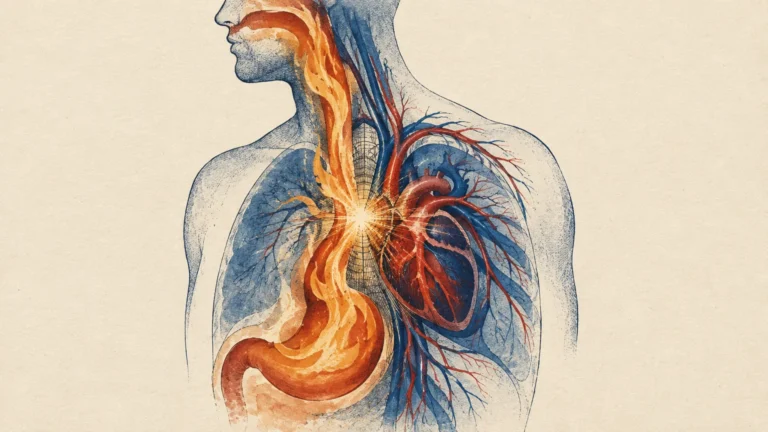
Recognizing subtle heart inflammation symptoms early can protect your cardiac function and preserve your active lifestyle. When swelling irritates your cardiovascular tissues, swift medical attention prevents lasting structural damage.
Many older adults mistake these warning signs for routine respiratory bugs or typical physical aging. Your body sends distinct warning signals when cardiac inflammation develops, and catching them early gives you a vital advantage.
This clinical guide explains the essential symptoms, modern diagnostic standards, and practical protective steps you need to safeguard your heart health.
Understanding Heart Inflammation: The Essential Basics
Heart inflammation occurs when your immune system triggers swelling within your cardiovascular tissues in response to infection, injury, or autoimmune triggers. This immune response can disrupt normal electrical signals and reduce your heart’s ability to pump oxygen-rich blood.
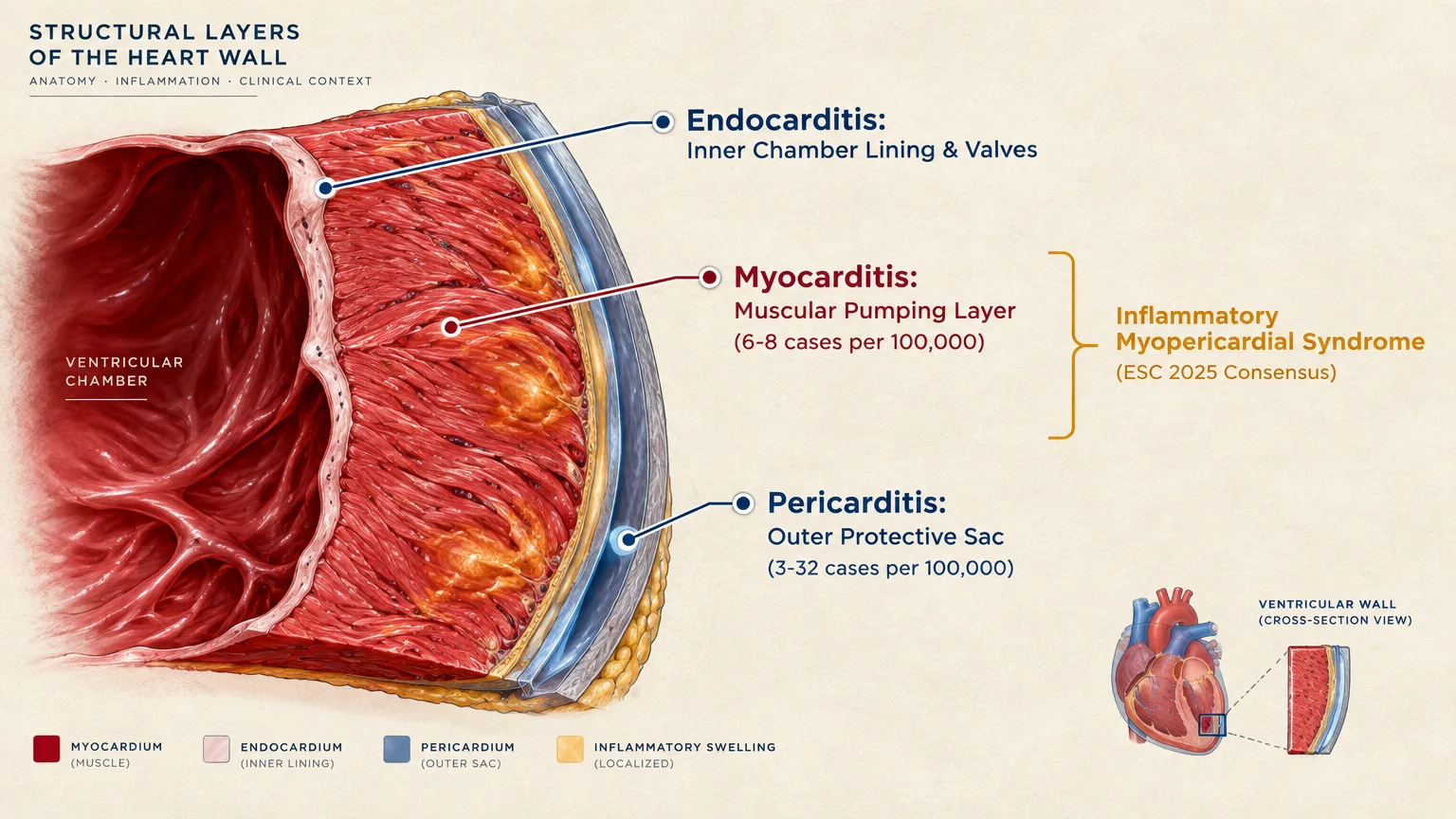
Cardiologists divide heart inflammation into three distinct categories based on which tissue layer suffers irritation. These conditions include myocarditis, pericarditis, and endocarditis.
Myocarditis targets the thick muscular layer of your heart wall, which is responsible for contracting and pumping blood. Identifying subtle myocarditis symptoms early protects your heart muscle from progressive cellular injury.
Pericarditis affects the thin, double-layered fluid sac that encloses and protects your heart. Recognizing early pericarditis signs helps doctors initiate targeted anti-inflammatory therapy before excess fluid accumulates.
Endocarditis involves the delicate inner lining of your heart chambers and the cardiac valves. This condition often stems from bacterial pathogens entering your bloodstream and settling on damaged heart valves.
In September 2025, the European Society of Cardiology introduced the unified term “inflammatory myopericardial syndrome” to describe cases where both the heart muscle and the outer sac suffer inflammation simultaneously. This modernized diagnosis reflects how frequently these two conditions overlap in clinical practice.
According to the 2025 European Society of Cardiology guidelines, pericarditis occurs at an annual rate of 3 to 32 cases per 100,000 people. Myocarditis develops at an estimated rate of 6 to 8 cases per 100,000 people each year.
Both conditions occur at higher rates in younger adults and men. However, older adults face a significantly higher risk of serious clinical complications when these inflammatory conditions develop.
When examining primary heart inflammation causes, viral pathogens rank as the most frequent trigger across developed nations. Common culprits include respiratory viruses, enteroviruses, adenoviruses, and parvovirus.
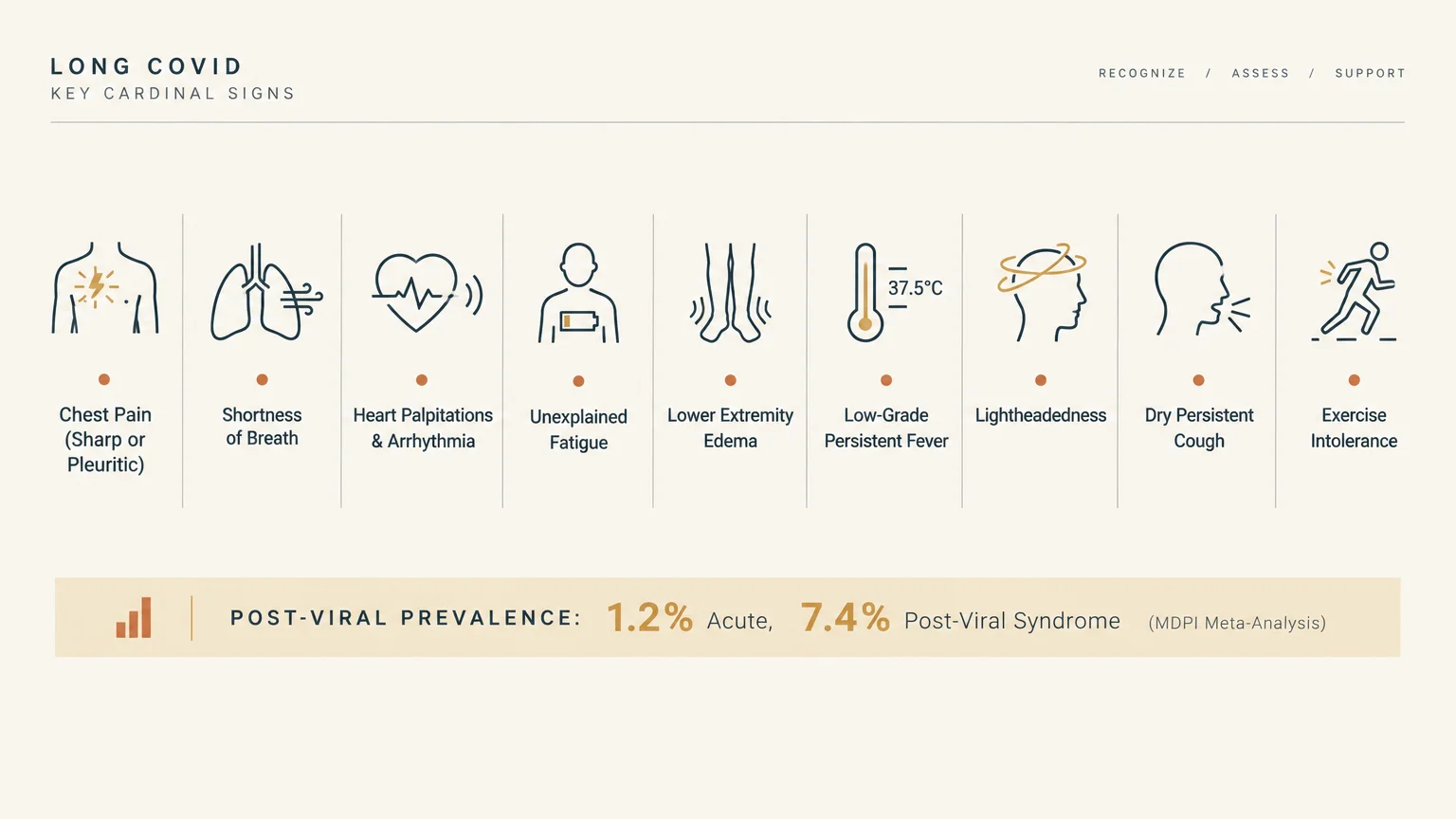
A 2025 systematic review and meta-analysis published in MDPI analyzed 54 studies covering 32,500 patients to assess post-viral cardiovascular impacts. The researchers found a pooled myocarditis prevalence of 1.2% in acute COVID-19, 7.4% in post-COVID patients, and 39.8% in patients with multisystem inflammatory syndrome.
Organizations like the National Institutes of Health fund extensive clinical research into how persistent viral particles trigger tissue inflammation. Understanding these biological pathways helps you recognize critical warning signs before severe complications arise.
Why Aging Changes Your Cardiac Risk
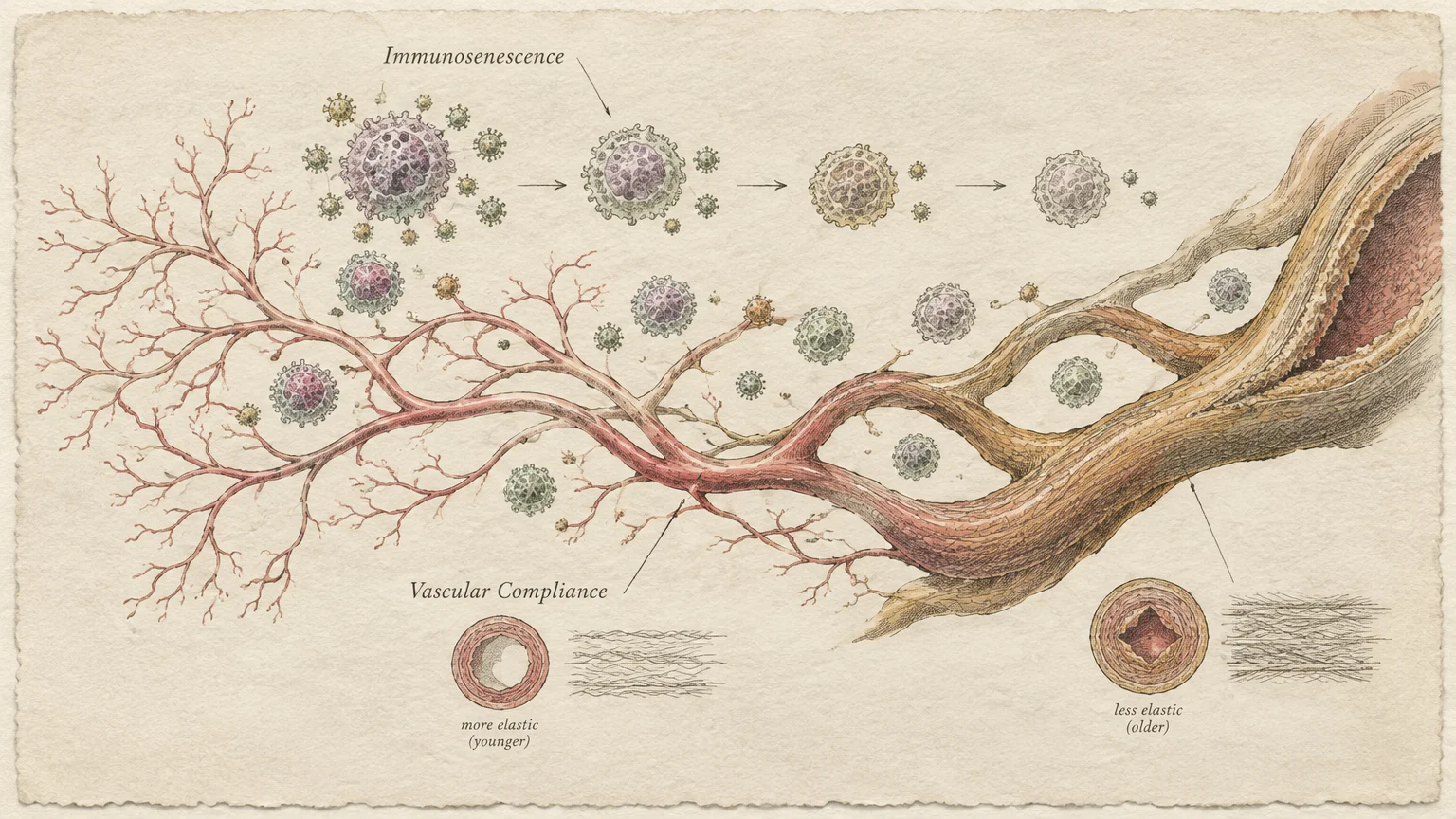
Aging alters your cardiovascular system in subtle ways that reshape how heart inflammation presents. As blood vessels naturally stiffen and baseline immunity shifts, your body manages inflammatory stress differently than younger bodies do.
Medical professionals refer to age-related immune changes as immunosenescence. This natural shift makes it more difficult for your immune system to clear common viral infections swiftly, which prolongs tissue swelling.
Older adults also experience a higher prevalence of co-existing conditions like hypertension, diabetes, and coronary artery disease. These chronic conditions place baseline stress on your myocardium, leaving less functional reserve when acute inflammation strikes.
In addition, seniors frequently present with atypical symptoms that diverge from textbook descriptions. Rather than reporting sharp chest pain, older adults often describe general weakness, profound fatigue, or mild breathlessness.
Common medications can also mask early warning signs of cardiac swelling. For example, beta-blockers prevent your heart rate from accelerating during inflammatory episodes, blunting a critical clinical signal.
Prescription diuretics can also alter how fluid accumulation manifests in your body. Because water pills minimize visible swelling, you might not notice fluid retention until inflammation progresses significantly.
Research highlighted by the Centers for Disease Control and Prevention underscores that older adults face elevated hospitalization rates from post-viral illnesses. Recognizing how aging modifies cardiac symptoms ensures you seek prompt medical evaluation.
The 9 Symptoms of Heart Inflammation
Recognizing the specific warning signs of cardiac inflammation allows you to seek timely medical intervention. Pay close attention to these nine critical symptoms if you or an older loved one feels unwell.
1. Sharp or Positional Chest Pain
Chest discomfort represents the hallmark symptom of pericarditis and occurs in many cases of myocarditis. Patients describe pericardial pain as sharp, stabbing, or pleuritic, meaning it intensifies when you inhale deeply or cough.
This sharp pain often radiates toward your left shoulder, neck, or back along shared sensory nerve pathways. Understanding how chest pain heart inflammation differs from ischemic pressure ensures you seek appropriate emergency care.
In its 2025 Concise Clinical Guidance, the American College of Cardiology established that diagnosing pericarditis requires chest pain plus at least one additional objective sign. These signs include a pericardial rub on a stethoscope, electrocardiogram changes, fluid buildup, elevated C-reactive protein markers, or cardiac MRI swelling.
If your chest discomfort worsens when you recline and eases when you sit forward, contact a healthcare provider immediately. Treat any sudden, severe, or worsening chest pain as an urgent medical emergency.
2. Shortness of Breath (Dyspnea)
Breathlessness occurs when inflamed cardiac tissues cannot pump blood efficiently, causing fluid to back up toward your lungs. You may notice shortness of breath during routine daily activities, such as climbing stairs or carrying groceries.
In more advanced cases, breathlessness develops even while resting quietly in a comfortable chair. This symptom indicates that reduced cardiac output is compromising your pulmonary circulation and oxygen exchange.
Older adults frequently mistake gradual breathlessness for simple deconditioning or normal physical aging. However, sudden or progressive dyspnea warrants a focused cardiopulmonary assessment to rule out myocardial swelling or early heart failure.
Track when your breathlessness occurs and whether resting resolves the sensation. Providing this specific timeline helps your physician determine whether muscle inflammation or pericardial fluid is restricting your breathing.
3. Severe, Unexplained Fatigue
Profound exhaustion that persists despite full nights of sleep often signals underlying heart inflammation. When myocardial fibers swell, your heart expends extra energy just to maintain minimal systemic blood flow.
This reduced cardiac output deprives your skeletal muscles and brain of the oxygen they need to generate vitality. Routine daily tasks like preparing meals or walking to the mailbox can feel completely overwhelming.
Unlike everyday tiredness, cardiac fatigue does not improve after taking an afternoon nap. It often produces a heavy, drained sensation in your limbs that lingers for weeks following a viral infection.
If you experience sudden, debilitating exhaustion that limits your routine independence, consult your physician promptly. Simple blood tests can verify whether an active inflammatory process is suppressing your cardiovascular performance.
4. Heart Palpitations and Irregular Rhythms
Heart palpitations involve sudden sensations of fluttering, racing, pounding, or skipped beats inside your chest. Inflammation disrupts the delicate electrical wiring that regulates your heart’s natural pacemaker and conduction pathways.
Irritated muscle fibers can trigger premature ventricular contractions, atrial fibrillation, or dangerous ventricular arrhythmias. These irregular rhythms prevent your heart chambers from filling and emptying with proper coordination.
According to the 2025 European Society of Cardiology guidelines, myocarditis accounts for 1.1% to 12% of sudden cardiac deaths in young adults. The same guidelines report that males face an incidence rate ratio 2.2 times higher than females.
The 2025 ESC guidelines also emphasize that 18% to 48% of patients display warning symptoms beforehand, most commonly palpitations, chest pain, or fainting. Taking fluttering sensations seriously allows your cardiologist to identify arrhythmias before dangerous events occur.
5. Swelling in the Legs, Ankles, or Abdomen
Swelling in your lower extremities, known clinically as peripheral edema, develops when compromised cardiac pumping causes venous blood to pool. Gravity draws excess fluid downward into your feet, ankles, and calves throughout the day.
When you press a finger firmly into swollen tissue over your ankle, it may leave a noticeable dimple that persists. Clinicians refer to this physical sign as pitting edema, and it signals systemic fluid retention.
As cardiac strain increases, fluid can also accumulate within your abdominal cavity, causing bloating and unexpected waistline expansion. This abdominal swelling, known as ascites, frequently leads to early fullness during meals and digestive discomfort.
Weigh yourself each morning after using the restroom to detect fluid retention before visible swelling appears. A rapid weight gain of two or three pounds in twenty-four hours often points to fluid accumulation from cardiac strain.
6. Lightheadedness, Dizziness, or Fainting
Feelings of sudden dizziness or near-fainting, known medically as presyncope, arise when your brain experiences a temporary drop in blood flow. Inflamed heart muscle cannot maintain stable blood pressure during postural shifts or exertion.
Actual fainting, clinically termed syncope, represents an urgent warning sign that demands immediate medical evaluation. A sudden fainting spell often indicates a transient electrical arrhythmia or a severe drop in stroke volume.
For older adults, sudden lightheadedness dramatically increases your risk of sustaining traumatic injuries from dangerous falls. If you feel faint, sit down immediately, elevate your legs, and seek prompt medical attention.
Never dismiss a fainting spell as mere dehydration, especially if you recently recovered from a viral illness. Your doctor must perform an electrocardiogram to verify that an inflamed conduction system is not the underlying cause.
7. Positional Discomfort When Lying Flat (Orthopnea)
Experiencing sharp chest pain or worsening breathlessness when lying flat on your back is a hallmark sign of pericarditis. When you recline, gravity shifts your heart against the irritated pericardial sac and your diaphragm.
This direct contact intensifies pericardial friction, producing sharp discomfort that disrupts your ability to rest comfortably. Many individuals find that sitting upright and leaning forward provides immediate relief by reducing physical friction.
Orthopnea also occurs when weakened myocardial pumping allows fluid to settle across your lung fields while sleeping. If you need multiple extra pillows to breathe comfortably at night, notify your physician immediately.
The 2025 American College of Cardiology guidelines categorize pericarditis based on symptom duration. Acute episodes last under 6 weeks, incessant cases persist beyond 6 weeks without remission, recurrent forms return after a 4-to-6-week break, and chronic forms exceed 3 months.
8. Unexplained Low-Grade Fever or Chills
A low-grade fever accompanied by unexpected chills signals that your immune system is actively fighting inflammation within your body. The release of inflammatory cytokines elevates your body temperature while placing additional metabolic strain on your heart.
In pericarditis and myocarditis, low-grade fevers frequently accompany chest pain during the acute inflammatory phase. While high fevers often indicate bacterial endocarditis, low-grade elevations typically align with viral and post-viral inflammation.
Older adults should remember that aging can blunt your normal body temperature response. An oral reading that seems only slightly elevated might still reflect substantial inflammation if your baseline body temperature runs low.
Monitor your temperature twice daily if you suspect cardiovascular issues following a respiratory infection. Keeping a temperature log helps your doctor identify inflammatory patterns and establish an accurate diagnosis.
9. Persistent Body Aches and Viral Malaise
Widespread muscle aches, joint soreness, and generalized malaise often precede or accompany heart inflammation. These full-body symptoms reflect ongoing immune activity and circulating inflammatory markers throughout your bloodstream.
Many people assume they are merely dealing with a protracted case of influenza or a persistent common cold. However, when generalized muscle soreness lingers alongside chest sensations or breathlessness, cardiac involvement may be present.
Post-viral immune dysregulation can cause your antibodies to mistakenly attack healthy cardiac cells weeks after an infection clears. This sustained immune activation causes joint stiffness, muscle tenderness, and prolonged physical exhaustion.
Pay close attention when typical viral symptoms refuse to resolve after ten to fourteen days. Lingering physical weakness combined with chest heaviness requires an objective diagnostic evaluation by a medical professional.
Benefits of Early Detection and the Risks of Inaction
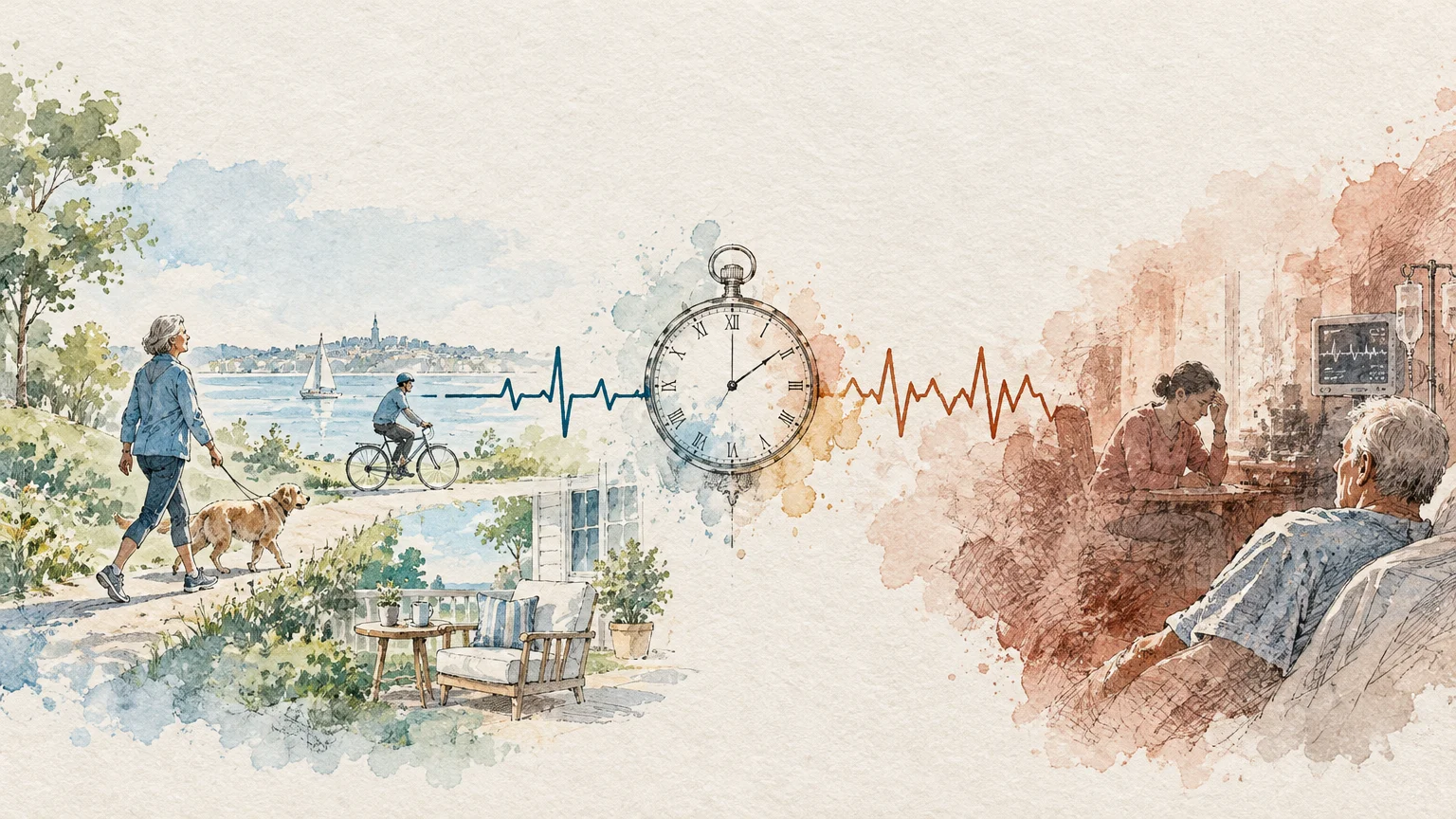
Promptly identifying heart inflammation leads to highly effective therapeutic outcomes and prevents permanent tissue remodeling. When clinicians diagnose swelling early, targeted medications can calm immune hyperactivity before structural muscle damage occurs.
Early diagnosis allows physicians to preserve your cardiac ejection fraction, which measures how efficiently your left ventricle pumps blood. Maintaining healthy pumping power ensures that you preserve your physical stamina and personal independence.
Swift treatment also prevents severe pericardial complications, such as pericardial effusion, where excess fluid pools around your heart. Anti-inflammatory therapies reduce this fluid buildup before it compresses your heart chambers and obstructs blood circulation.
Conversely, ignoring persistent symptoms exposes your cardiovascular system to serious long-term risks. Untreated myocarditis can trigger dilated cardiomyopathy, a progressive disorder where your heart muscle stretches, thins, and permanently weakens.
In advanced cases of pericarditis, chronic inflammation causes the pericardial sac to stiffen and calcify. This debilitating condition, known as constrictive pericarditis, physically encases your heart in rigid tissue and causes severe heart failure.
Clinical guidance from the Mayo Clinic emphasizes that early clinical intervention significantly lowers these long-term risks. Choosing timely medical evaluation over watchful waiting preserves your long-term cardiac health.
What Medical Experts and Clinical Guidelines Recommend
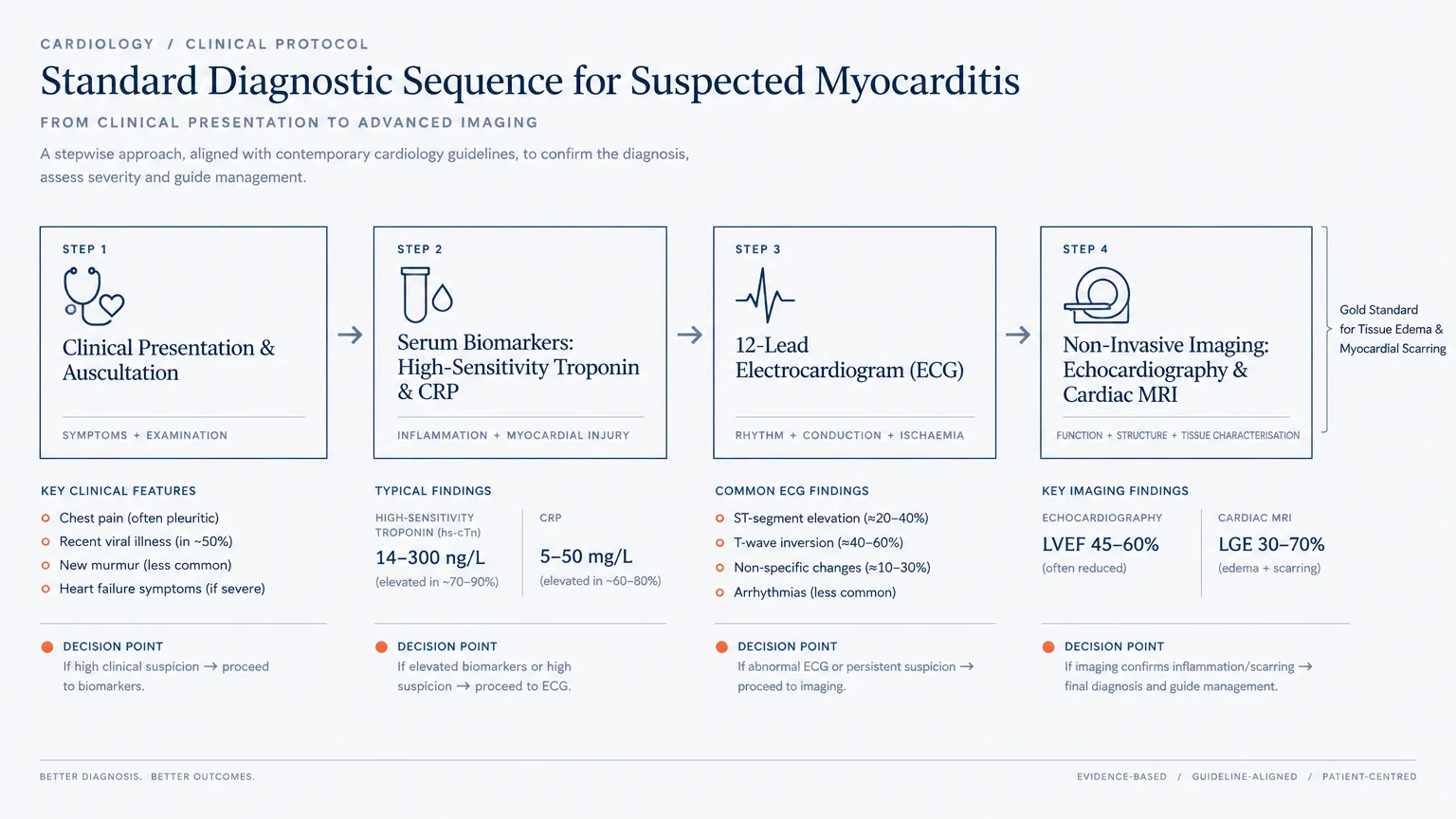
Leading cardiology organizations have established clear, evidence-based diagnostic protocols to evaluate suspected heart inflammation. These structured assessments combine advanced blood testing, electrical tracings, and specialized imaging technologies to confirm diagnoses quickly.
Clinical guidelines from the American College of Cardiology prioritize objective biomarker testing for suspected pericarditis and myocarditis. Physicians routinely measure high-sensitivity cardiac troponin to detect heart muscle injury and C-reactive protein to evaluate systemic inflammation.
A 12-lead electrocardiogram provides immediate information regarding electrical conduction abnormalities across your heart chambers. Pericarditis typically produces widespread ST-segment elevations, whereas myocarditis can generate conduction blocks and ventricular ectopy.
Transthoracic echocardiography uses high-frequency sound waves to visualize your heart’s wall motion and check for pericardial effusion. This non-invasive ultrasound helps cardiologists gauge pumping efficiency and pinpoint localized muscular weakness.
For comprehensive evaluation, cardiac magnetic resonance imaging serves as the gold-standard diagnostic tool. Cardiac MRI reveals subtle myocardial edema, cell swelling, and early fibrotic scar tissue with exceptional precision.
Expert consensus emphasizes structured physical rest as a vital component of heart inflammation recovery. International guidelines recommend abstaining from strenuous exercise for three to six months while your myocardium heals completely.
Medical treatment typically centers on first-line anti-inflammatory agents, such as colchicine and nonsteroidal anti-inflammatory drugs. For stubborn or recurrent cases, targeted biologic medications that block interleukin-1 pathways offer powerful relief.
Practical Steps and Actionable Advice for Older Adults
Taking a proactive approach to your cardiovascular health empowers you to manage risks effectively. Follow these structured, practical steps to protect your heart when recovering from illness.
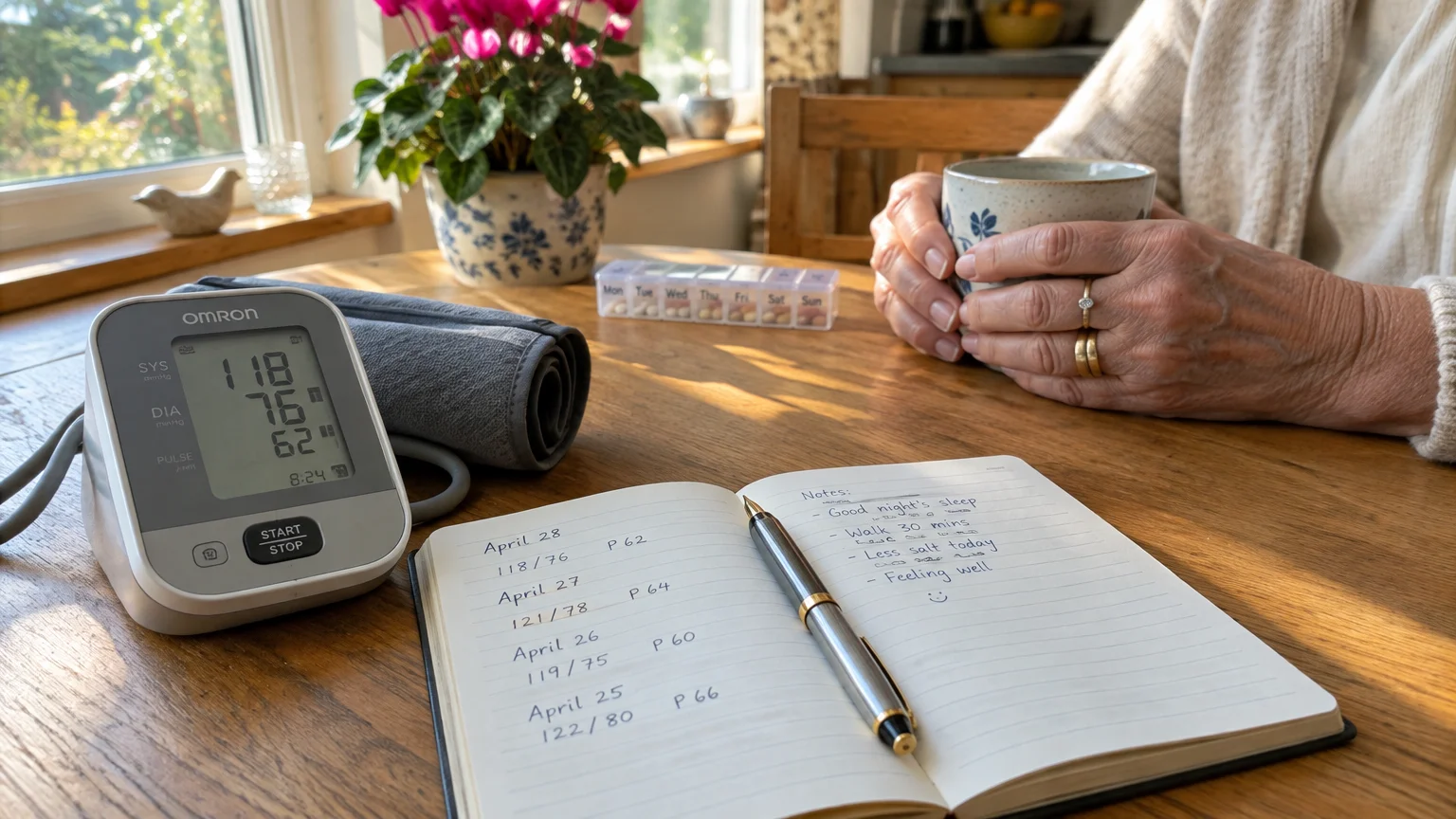
Monitor your vital signs at home using an automated blood pressure cuff and a digital pulse oximeter. Document your resting heart rate and oxygen saturation each morning so you can identify unexpected variations.
Maintain a dedicated health journal to track emerging symptoms, daily energy levels, and physical exertion limits. Sharing this detailed record during medical appointments gives your physician valuable diagnostic context.
Prepare targeted questions before consulting your healthcare provider about potential heart inflammation. Inquire about which specific blood tests will measure your inflammatory markers and ask whether an echocardiogram is appropriate.
Request clear written instructions regarding physical activity limitations while you recover from any significant viral infection. Resuming intense exercise too quickly can aggravate underlying myocardial inflammation and trigger rhythm disturbances.
Memorize critical red-flag symptoms that demand immediate emergency intervention by dialing 911. Seek emergency care without delay if you experience crushing chest pressure, sudden fainting, or acute shortness of breath.
Global guidance from the World Health Organization highlights the value of routine seasonal immunizations. Staying up to date on flu and respiratory vaccines reduces your risk of contracting the viral infections that trigger cardiac swelling.
Frequently Asked Questions About Heart Inflammation
How do doctors distinguish heart inflammation from a heart attack?
Both conditions share similar symptoms, such as chest discomfort and shortness of breath, making immediate medical testing essential. A heart attack results from blocked coronary arteries, whereas heart inflammation involves generalized tissue swelling and irritation.
Doctors use coronary angiograms to check for arterial blockages, while cardiac MRIs identify muscle edema and inflammation. Blood tests also reveal distinct biomarker trends, helping emergency physicians establish an accurate diagnosis rapidly.
Can older adults recover fully from heart inflammation?
Many older adults achieve a full recovery when clinicians detect and treat heart inflammation promptly. Following your prescribed medication regimen and observing strict physical rest allows cardiac tissues to heal without permanent scarring.
Complete recovery timelines vary depending on whether you experience acute, incessant, or chronic inflammation. Routine follow-up echocardiograms ensure your heart muscle regains normal pumping function before you resume normal activities.
How does COVID-19 lead to heart inflammation?
The virus can affect your cardiovascular system through direct cellular invasion and widespread immune activation. In many cases, an overactive immune response generates systemic cytokine storms that irritate your myocardium and pericardium.
Recent meta-analyses confirm that post-COVID patients face an elevated risk of developing myocarditis compared to uninfected individuals. If you notice lingering breathlessness or palpitations after recovering from COVID-19, request a cardiac evaluation.
What is the difference between myocarditis and pericarditis?
The primary difference lies in the specific anatomical tissue layer affected by the inflammatory response. Myocarditis involves the heart muscle responsible for pumping, while pericarditis involves the fluid-filled sac enclosing the organ.
Pericarditis primarily causes sharp, positional chest pain that shifts with posture, whereas myocarditis often causes fatigue, arrhythmias, and breathlessness. However, both conditions can occur together under the unified classification of inflammatory myopericardial syndrome.
Can physical exercise worsen heart inflammation?
Strenuous physical exertion during active heart inflammation significantly increases viral replication and accelerates cell death. Elevated cardiac workloads place vulnerable muscle fibers under extreme stress, raising the risk of life-threatening ventricular arrhythmias.
Medical guidelines strongly advise complete cessation of athletic training and rigorous exercise during the acute illness phase. Always obtain formal clearance from your cardiologist before resuming your regular fitness routine.
Protecting Your Cardiovascular Future
Understanding the nine primary symptoms of heart inflammation gives you the knowledge necessary to protect your long-term cardiovascular health. Recognizing subtle cues like positional chest discomfort, profound fatigue, and irregular fluttering ensures you seek timely care.
Modern diagnostic imaging and targeted anti-inflammatory therapies allow cardiologists to resolve cardiac swelling effectively. Proactive medical evaluation preserves your heart muscle, protects your stamina, and prevents debilitating long-term complications.
Trust your instincts whenever your body exhibits unusual fatigue, unexplained breathlessness, or persistent chest sensations following an illness. Partnering closely with your medical team ensures your heart remains strong, resilient, and ready for the years ahead.
This article is intended for informational and educational purposes only and is not a substitute for professional medical advice, diagnosis, or treatment. Always consult with a qualified healthcare provider regarding any health concerns or before making any decisions related to your health or treatment.