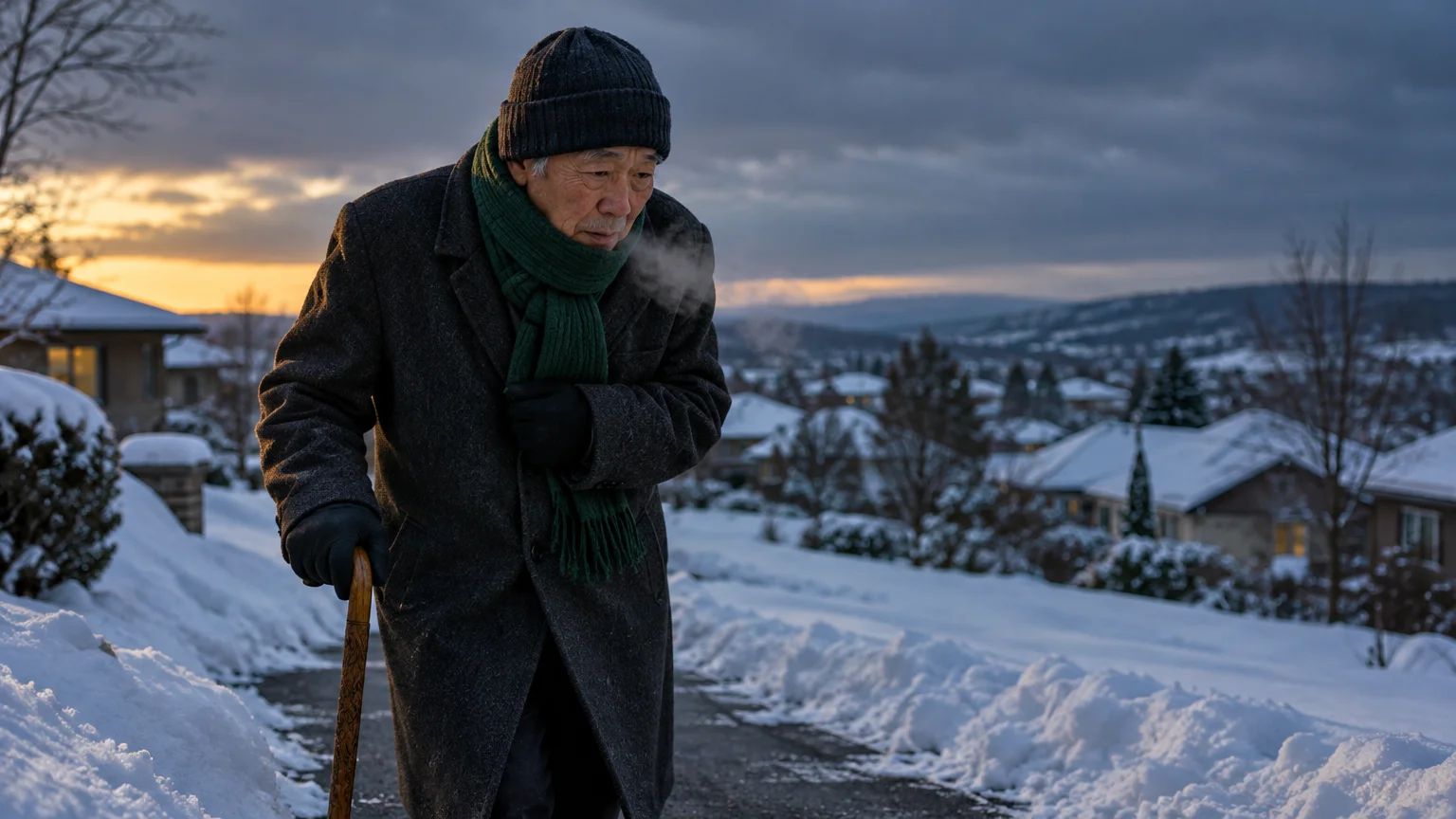
Freezing temperatures can harm your skin and underlying tissues faster than you might expect. Recognizing early frostbite symptoms shields you from permanent nerve injury and tissue loss during winter weather.
As an older adult, your body conserves core heat by quickly reducing blood flow to your extremities. This natural defense leaves your fingers, toes, ears, and nose vulnerable to rapid freezing.
Knowing the warning signs allows you to step inside and take protective action before serious tissue damage develops. Here is how you can spot freezing injuries early and protect your everyday independence.
Understanding the Basics: What Is Frostbite?
Frostbite occurs when your skin and deeper anatomical tissues freeze after exposure to low temperatures. The condition most frequently strikes exposed areas such as your nose, ears, cheeks, chin, fingers, and toes.
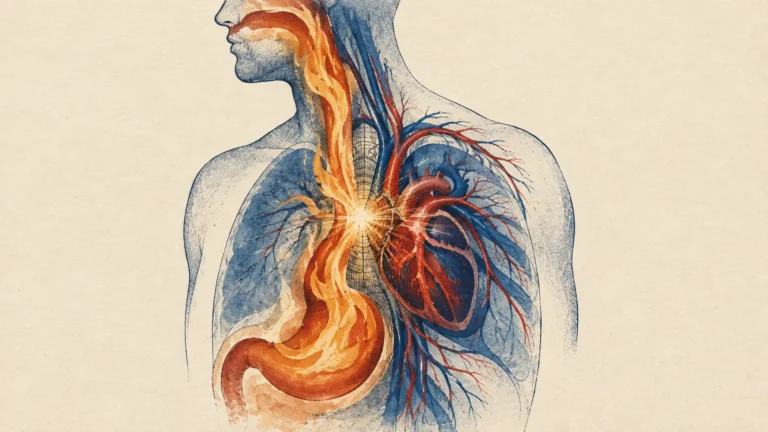
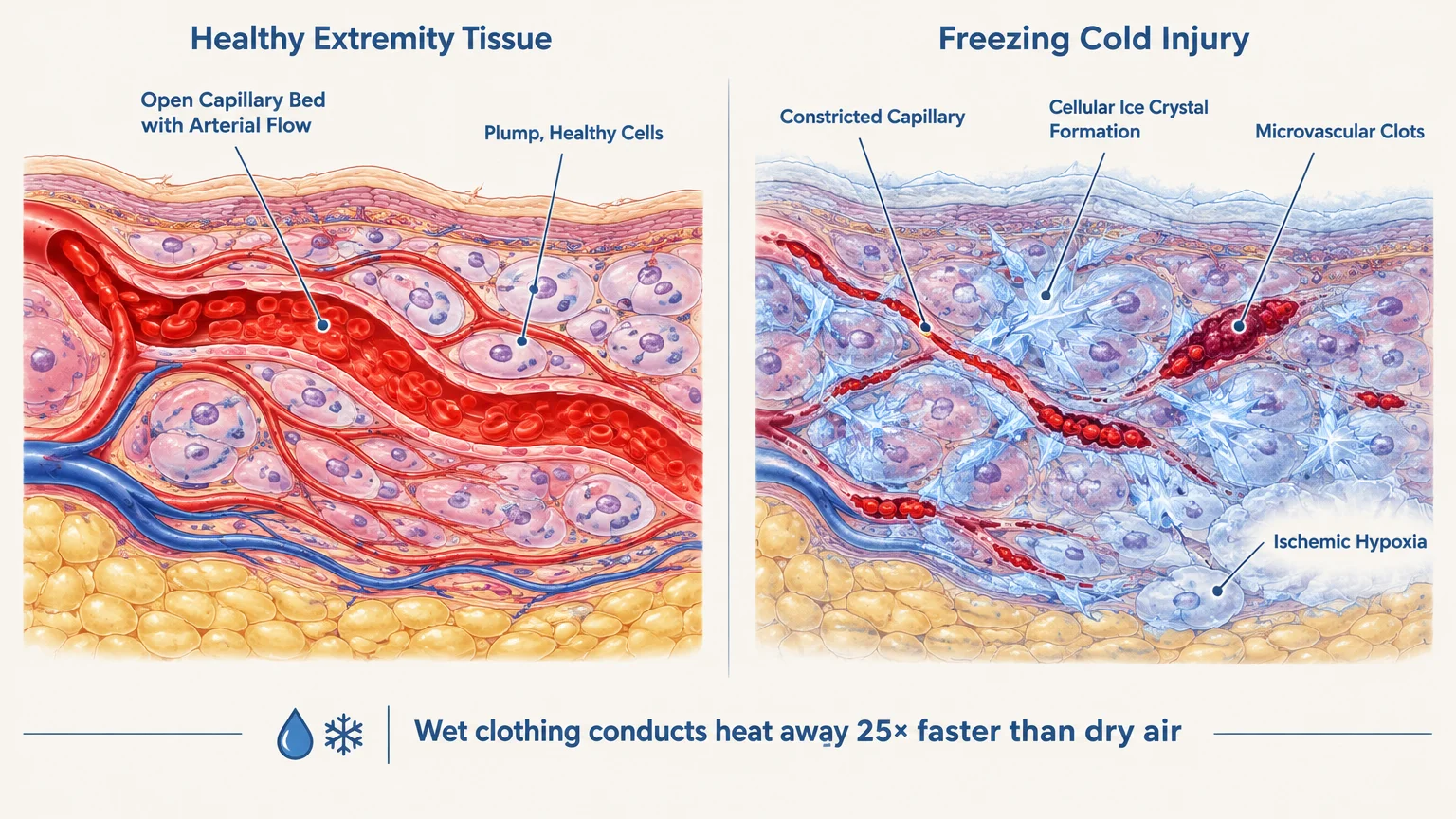
When ambient temperatures tumble, your body initiates a survival mechanism to preserve core warmth. Your blood vessels constrict dramatically, redirecting warm blood away from your skin toward vital internal organs.
While this physiological response protects your heart and brain, it drastically cools your extremities. If your tissue temperature drops below the freezing point, microscopic ice crystals begin to form within your cells.
These sharp ice crystals disrupt delicate cellular structures and puncture cell membranes. At the same time, microscopic blood clots form within tiny capillaries, completely starving surrounding tissues of oxygen and vital nutrients.
Environmental moisture and high winds accelerate this freezing process significantly. Wet clothing conducts heat away from your body twenty-five times faster than dry air, leaving you exposed to rapid cold injury.
Medical professionals classify cold-induced skin injuries into distinct stages of severity. The earliest and mildest phase is frostnip, which affects only the superficial layers of your epidermis.
Frostnip serves as an urgent physiological warning sign that you must seek warmth immediately. It produces discomfort and temporary skin changes, but it does not cause permanent destruction of your tissue.
If you remain in the freezing cold, frostnip rapidly transitions into superficial and deep frostbite. Deep frostbite penetrates through the skin into subcutaneous fat, muscle tissue, tendons, and even underlying bone.
Why Cold Weather Poses Unique Risks for Adults Over 60
Aging naturally alters the way your cardiovascular system and nervous system respond to dropping temperatures. Your blood vessels lose some elasticity over time, which reduces the efficiency of your peripheral circulation.
Because blood circulates more slowly through older extremities, your fingers and toes chill far more rapidly. Consequently, you may develop freezing tissue injuries in less time than a younger person would.
The natural thinning of your skin also increases your vulnerability to cold outdoor air. With age, the protective layer of subcutaneous fat beneath your skin gradually diminishes, reducing your body’s natural insulation.
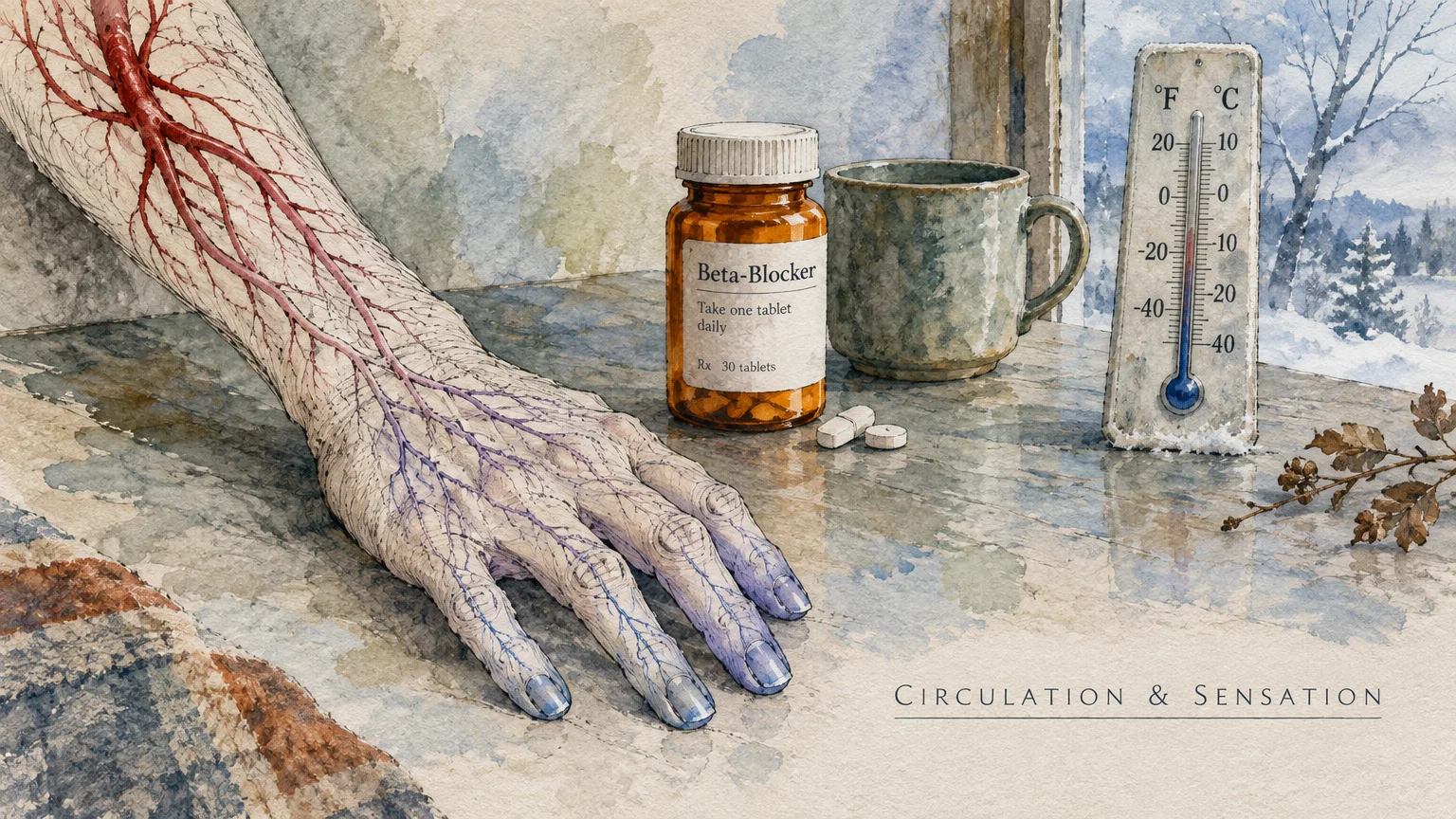
Many seniors also manage chronic health conditions that directly impair blood flow or blunt physical sensation. Peripheral artery disease and diabetes, for instance, narrow blood vessels and damage peripheral nerve endings.
When neuropathy diminishes the sensation in your feet or hands, you cannot accurately feel temperature drops. You might suffer significant cold injury without ever experiencing the intense initial pain that prompts younger people indoors.
Common prescription medications can further heighten your vulnerability during winter months. Blood pressure medications, particularly beta-blockers, reduce peripheral circulation by constricting blood vessels in your limbs.
Sedatives, sleep aids, and certain antidepressants can slow your cognitive reflexes and diminish shivering responses. Shivering represents your body’s primary mechanical method of generating emergency heat when cold threatens your core.
Your basal metabolic rate also decreases as you grow older, causing your body to produce less internal heat. This lower baseline makes it harder to warm chilled limbs once you step outside into freezing winds.
Arthritis and mobility challenges can prevent you from walking quickly or seeking shelter promptly during sudden weather changes. Recognizing these heightened risks empowers you to take decisive precautions before stepping out into the cold.
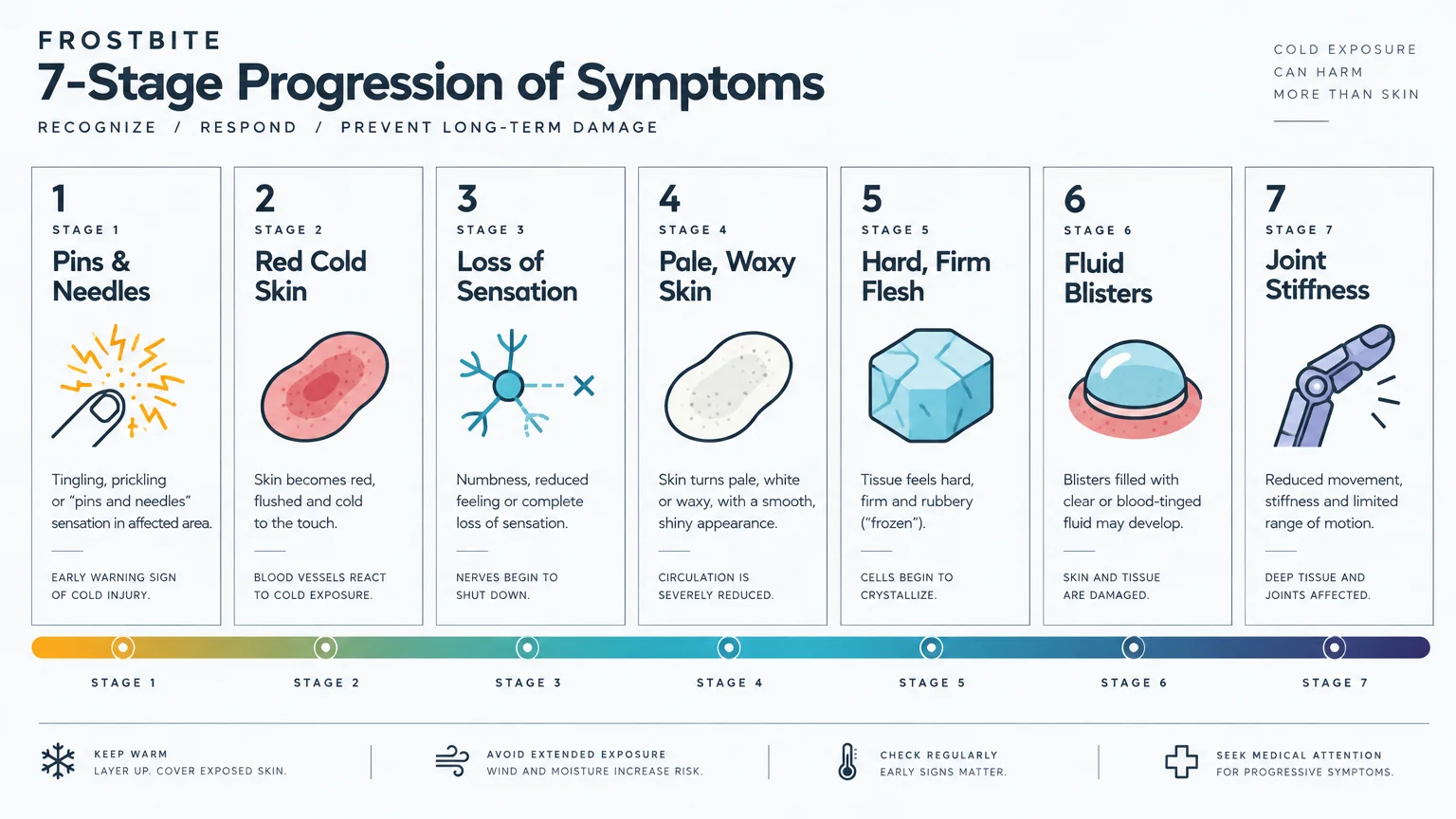
7 Critical Symptoms of Frostbite Worth Knowing
Recognizing the progression of cold injuries allows you to intervene before tissue damage becomes irreversible. Pay close attention to these seven critical symptoms whenever you venture into cold environments.
1. Cold Skin and Persistent Pins and Needles
The earliest symptom of cold injury is an intense sensation of cold followed by persistent prickling. You may feel as though dozens of tiny needles are gently jabbing your fingertips, toes, or ears.
This prickling sensation, known clinically as paresthesia, occurs as cooling slows the electrical impulses along your peripheral sensory nerves. It signals that your nerves are beginning to suffer from insufficient blood supply and cellular stress.
Many people dismiss this uncomfortable tingling as an unavoidable, harmless part of being outside in winter. However, ignoring this early warning allows the cold injury to penetrate deeper into your dermal layers.
If you notice this persistent tingling, you should immediately head indoors or find a heated vehicle. Gently warming your hands under your armpits or covering your ears can reverse this stage within minutes.
2. Discoloration and Redness (Frostnip)
As cold exposure continues, your skin undergoes noticeable color changes that reflect shifting blood flow. Initially, your skin may look intensely red and irritated as superficial capillaries dilate in an attempt to warm the tissue.
Soon after this flushing, the affected skin often turns noticeably pale, ashen, grayish, or waxy yellow. On darker skin tones, the affected area may appear lighter than surrounding skin or take on an ashen gray cast.
This dramatic blanching happens because your tiny superficial blood vessels have clamped shut completely to conserve core heat. The lack of red oxygenated blood in your surface capillaries drains the skin of its healthy hue.
Medical professionals refer to this distinct visual stage as frostnip. Although your skin looks concerning, the tissue remains pliable beneath the surface, meaning cellular death has not yet occurred.
You must treat frostnip with immediate warmth before the tissue solidifies into true frostbite. Moving into a warm room and changing out of damp clothing usually restores normal coloration quickly.
3. Complete Numbness and Loss of Sensation
One of the most dangerous paradoxes of frostbite is that severe injury often feels painless. As your tissue freezes, the sharp tingling and throbbing sensations abruptly disappear, replaced by total numbness.
Many people mistakenly assume that the disappearance of pain means their condition is improving. In reality, the sensory nerve endings in your skin have stopped transmitting signals entirely due to extreme cold.
This sensory blackout creates an immediate hazard because you lose the protective feedback that pain provides. You might touch scorching hot surfaces or sustain cuts and scrapes without feeling anything at all.
Never judge the safety of your extremities by how comfortable they feel in freezing temperatures. If you cannot feel your fingers tapping together or cannot sense the ground beneath your toes, seek warmth immediately.
4. Hard, Waxy, or Unusually Firm Skin
As frostbite transitions from superficial injury to deep tissue freezing, the physical texture of your skin changes dramatically. When you press gently on the affected area, it no longer yields or feels soft and supple.
Superficial frostbite makes your skin feel firm and somewhat waxy, though the deeper tissues beneath still feel soft. Deep frostbite, however, causes your skin to feel completely hard, solid, and wooden to the touch.
This profound hardness occurs because moisture within your interstitial spaces has crystallized into solid ice. Your skin loses all elasticity and may look shiny, taut, and strangely artificial.
You must never press hard, squeeze, or bend skin that has developed this rigid, waxy texture. Mechanical pressure can snap delicate frozen cellular structures, creating severe, irreversible trauma beneath the surface.
5. Joint and Muscle Stiffness in the Extremities
Deep frostbite does not stop at your skin; it penetrates into your underlying muscles, tendons, and joint capsules. When freezing reaches these structural tissues, your ability to move your extremities diminishes rapidly.
You may find it difficult or impossible to flex your fingers, make a fist, or manipulate zippers. If your feet are affected, your ankles and toes become rigid, causing an unsteady, clumsy gait.
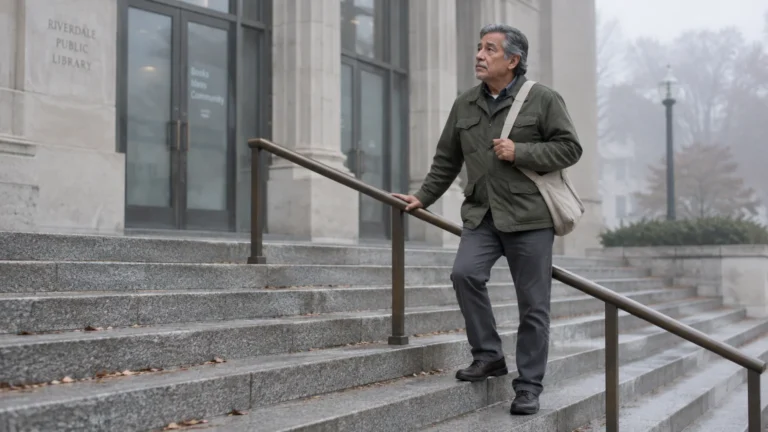
For seniors, this sudden loss of manual dexterity and foot control creates an immediate risk of dangerous falls. An inability to move your hands also prevents you from opening doors, using a phone, or driving safely.
Stiffness in your joints during cold exposure indicates advanced tissue freezing that requires emergency medical treatment. Do not attempt to force frozen joints to bend, as you can tear stiffened ligaments and tendons.
6. Blisters Appearing After Cold Exposure
Blister formation typically occurs not during cold exposure, but during the rewarming process several hours later. As warm blood flows back into previously frozen tissues, fluid leaks from damaged capillaries into the skin layers.
With superficial frostbite, large blisters filled with clear or milky fluid typically develop within twenty-four hours. These clear blisters indicate that the underlying deeper tissue has survived and retains viable circulation.
In severe deep frostbite, blisters often appear dark, purplish, or filled with blood. Blood-filled blisters signify profound structural damage to your deeper dermal vascular network and suggest significant underlying tissue death.
You must never pop, puncture, or peel frostbite blisters under any circumstances. The intact blister roof provides a sterile biological shield that protects raw, vulnerable tissue from dangerous bacterial infections.
7. Deep Tissue Discoloration and Darkening
The final and most alarming symptom of severe frostbite is progressive tissue darkening after rewarming occurs. Rather than regaining a healthy pink hue, severely frozen skin turns mottled, deep purple, blue, or grayish-black.
This dark coloration indicates tissue necrosis, which is the biological death of skin and underlying structures. Total vascular collapse and cellular destruction have cut off blood supply permanently to that anatomical zone.
Over several weeks, necrotic tissue dries out, hardens, and forms a blackened, leathery shell known as an eschar. The dead tissue eventually demarcates, separating visually and structurally from adjacent healthy, surviving tissue.
Deep tissue darkening represents a critical surgical emergency that often requires specialized wound debridement or amputation. Immediate emergency medical care offers your best chance of salvaging as much healthy tissue as possible.
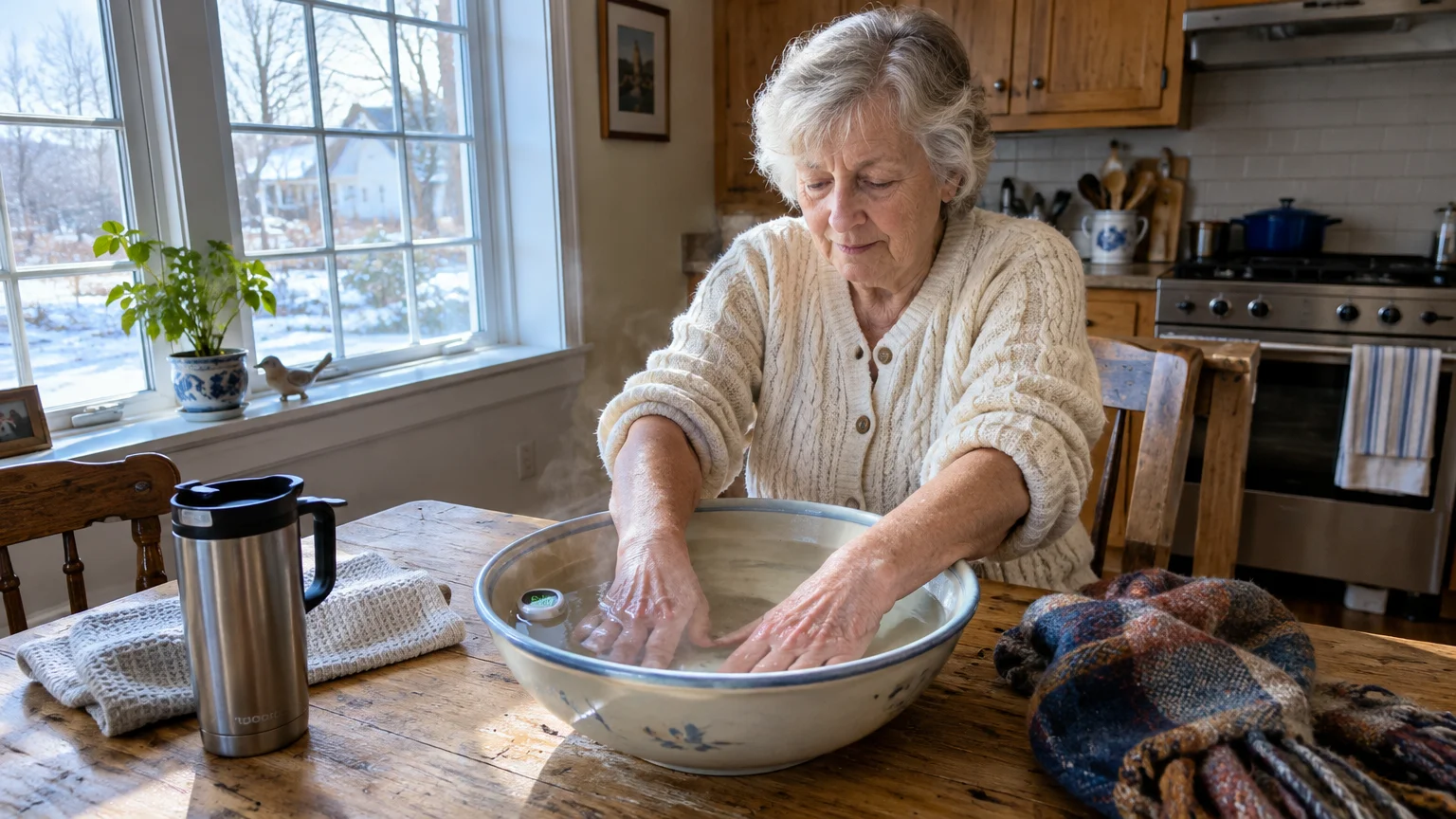
Benefits of Early Action and Risks of Delayed Care
Intervening at the first sign of cold injury provides profound long-term health benefits for your body. Prompt rewarming during the frostnip stage halts cellular damage before permanent nerve or tissue destruction can occur.
By recognizing early symptoms, you protect the fine motor skills essential for your daily independence. Preserving intact nerve sensation ensures you can continue buttoning shirts, cooking meals, and enjoying your favorite hobbies.
Prompt action also shields you from prolonged hospital stays and lengthy, expensive physical therapy programs. Protecting your mobility ensures you maintain your freedom and stay active within your community throughout the winter.
Conversely, delaying treatment or ignoring early symptoms invites serious, life-altering medical complications. Untreated frostbite frequently leads to permanent peripheral neuropathy, leaving you with chronic pain, burning, or tingling that lasts for years.
Damaged tissues also develop a permanent hypersensitivity to cold temperatures. Even years after an injury, mild autumn chills can trigger intense throbbing or color changes in previously frostbitten fingers.
Severe frostbite can also cause chronic joint stiffness and premature secondary osteoarthritis in affected fingers or toes. When deep freezing damages growth plates or joint linings, chronic mobility limitations and joint deformities often follow.
Furthermore, local frostbite often develops alongside systemic hypothermia, which is an abnormally low core body temperature. When your core temperature drops, your heart rate, respiratory function, and brain activity slow down to dangerous levels.
Hypothermia impairs your judgment and causes confusion, making it difficult to realize that your extremities are freezing. Addressing cold symptoms immediately protects not only your limbs, but your very life.
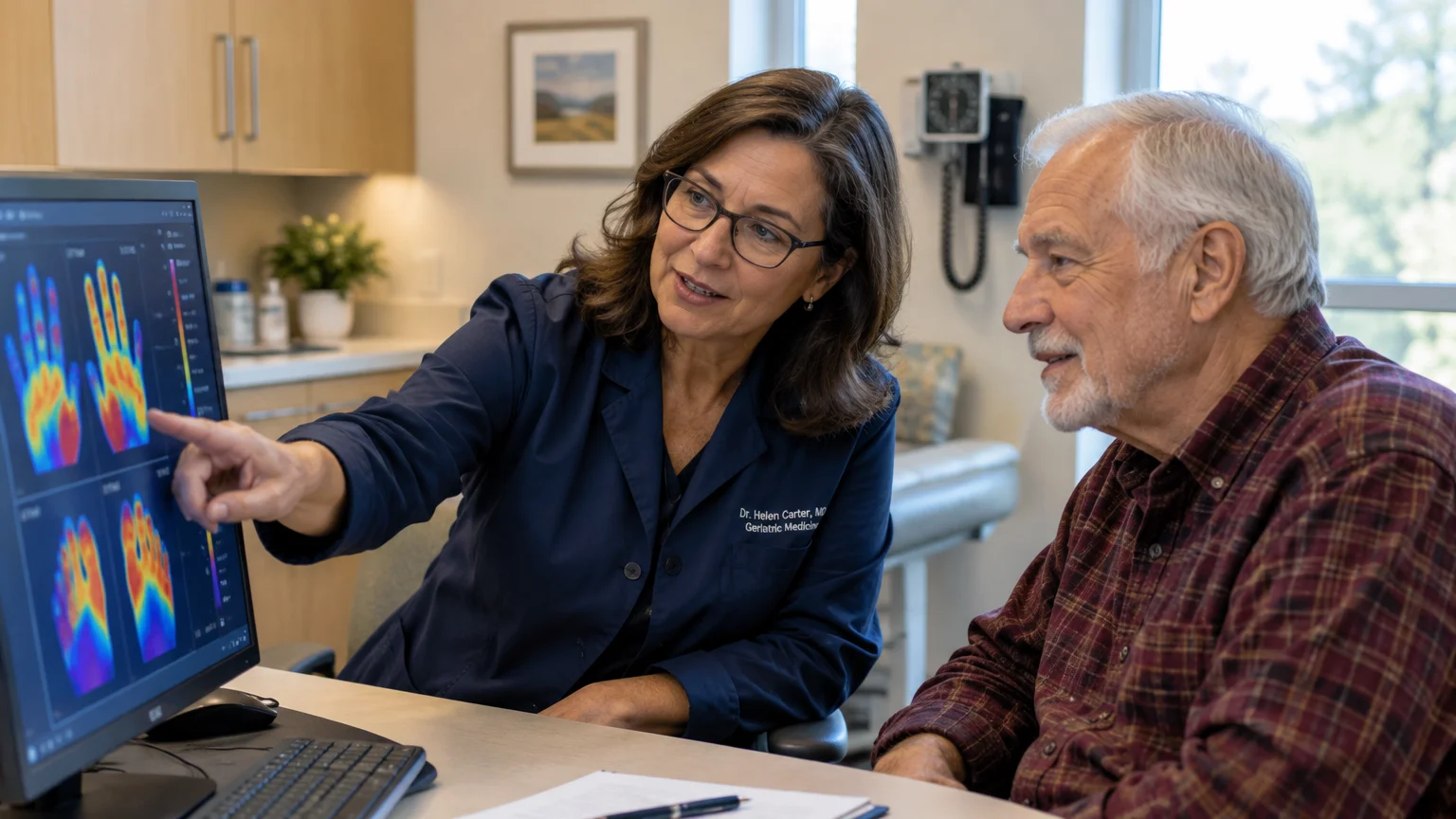
What the Medical Experts Say
Leading medical institutions emphasize that proper first-aid technique is just as crucial as rapid action. The CDC warns against rubbing frostbitten skin with snow or using dry heat sources like radiators.
Rubbing frozen skin acts like sandpaper on delicate, ice-filled cells, accelerating physical tissue destruction. Dry heat from fireplaces, heating pads, or stoves can easily burn numb tissue that cannot sense extreme heat.
The NIH advises that rewarming should occur in gently circulating warm water between ninety-nine and one hundred four degrees Fahrenheit. Water that feels pleasantly warm to an unaffected elbow or forearm is ideal.
Clinical experts at the Mayo Clinic stress that you should never rewarm frostbitten tissue if there is any chance it might refreeze. Thawing and refreezing causes far more devastating tissue destruction than keeping the tissue cold until definitive shelter is reached.
Medical consensus also highlights the importance of keeping affected limbs elevated after rewarming. Elevation reduces severe inflammatory swelling that can otherwise compress tiny vessels and choke off recovering blood flow.
Physicians urge seniors to receive a professional medical evaluation whenever skin changes persist after gentle rewarming. Modern hospital therapies, including clot-dissolving medications and hyperbaric oxygen, work best when administered within hours of severe injury.
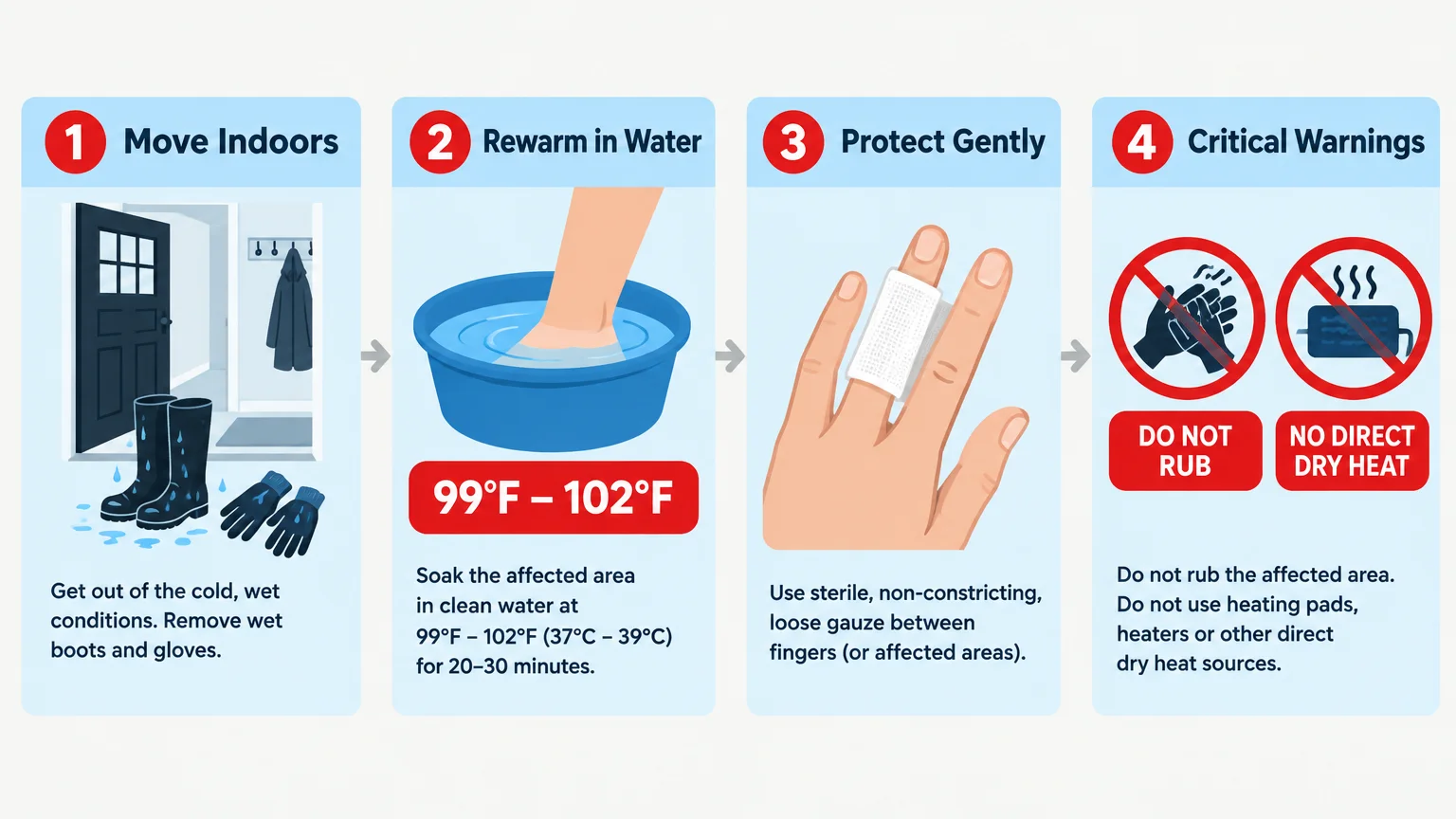
Practical Steps: Cold Weather Safety and First Aid
Protecting yourself from cold injuries requires deliberate preparation before you step outside your front door. Adopting smart winter habits ensures you stay warm, active, and safe throughout the winter season.
Dress in loose, breathable layers rather than a single heavy coat to trap insulating pockets of warm air. Choose a moisture-wicking synthetic or silk base layer to keep sweat away from your skin.
Add an insulating middle layer made of wool or fleece to retain your generated body heat effectively. Top your outfit with a wind-resistant and waterproof outer shell to block chilling gusts and freezing moisture.
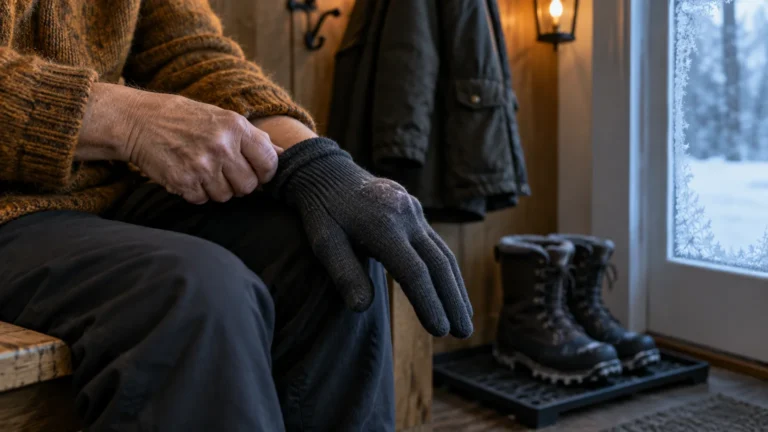
Wear mittens instead of traditional gloves whenever temperatures plunge below freezing. Mittens keep your fingers nestled together, allowing them to share body warmth and significantly reducing heat loss.
Cover your head, neck, and face with a warm knit hat, a thick scarf, or a balaclava. You lose a substantial portion of body heat from an unprotected head, and cheeks freeze exceptionally fast in brisk winds.
Select insulated, waterproof winter boots that provide plenty of room to wiggle your toes comfortably. Tight footwear compresses blood vessels in your feet, accelerating numbness and increasing your frostbite vulnerability.
Limit your outdoor exposure when the weather forecast combines sub-freezing temperatures with elevated wind chill factors. Check outdoor weather advisories before scheduling outdoor walks, gardening tasks, or errands.
Avoid drinking alcoholic beverages before walking outdoors in freezing weather. Alcohol causes peripheral blood vessels to dilate, giving a deceptive feeling of warmth while rapidly draining vital heat from your core.
If you suspect frostbite, move indoors immediately and remove any wet clothing, rings, or tight jewelry. Wet fabrics pull heat away from your skin rapidly, and swelling fingers can make tight rings act like tourniquets.
Immerse the affected area in warm, comfortable water for twenty to thirty minutes until normal color and sensation return. Avoid hot water, and never test the water temperature with a numb hand or foot.
Expect significant throbbing, redness, and burning sensations as normal circulation returns to previously cold tissues. Over-the-counter pain relievers, such as ibuprofen, can help ease this inflammatory rewarming discomfort if your doctor approves them.
Apply loose, sterile dressings over thawed skin, placing clean cotton or gauze between affected fingers or toes. This gentle separation prevents friction and protects delicate skin surfaces from tearing during movement.
Schedule a routine winter medication review with your primary care physician or local pharmacist. Discuss whether any of your current prescriptions could affect your peripheral circulation, body temperature regulation, or mental alertness.
Frequently Asked Questions
Can frostbite occur indoors?
Yes, frostbite can occur indoors if heating systems fail during severe winter storms. Seniors living in poorly insulated homes or experiencing power outages are especially vulnerable to indoor freezing injuries.
Keep your indoor thermostat set to at least sixty-eight degrees Fahrenheit during winter months. If an unexpected heating outage occurs, relocate temporarily to a heated community shelter or stay with family members.
How quickly can frostbite set in on freezing days?
In severe weather, frostbite can develop in less than thirty minutes on exposed skin. When high winds create extreme wind chill conditions, skin can freeze in just a few short minutes.
Always check the local wind chill index rather than relying solely on the standard thermometer temperature. High winds strip away the warm microclimate surrounding your skin, speeding up heat loss exponentially.
What is the primary difference between frostnip and frostbite?
Frostnip is the mild, reversible precursor to true frostbite and affects only the superficial skin. It causes redness, tingling, and numbness, but it does not cause permanent cellular destruction.
True frostbite involves actual ice crystal formation within your deeper cells and anatomical tissues. Frostbite causes structural damage, blisters, and potential tissue loss that require professional medical management.
Why should I avoid rubbing frostbitten hands or feet?
Frozen skin contains microscopic, razor-sharp ice crystals embedded directly within the cellular matrix. Rubbing or massaging frozen tissue forces these sharp crystals to lacerate delicate cell walls and break fragile capillaries.
Vigorous rubbing dramatically worsens tissue death and increases the risk of permanent scarring or amputation. Always warm affected areas passively and gently without applying mechanical friction.
Does having frostbite once make you more vulnerable in the future?
Yes, previous cold injuries permanently damage microscopic blood vessels and autonomic nerve endings in the affected tissue. This underlying damage leaves the area far more sensitive to cold exposure in subsequent winters.
If you have experienced frostbite in the past, take extra precautions when dressing for winter weather. Monitor those specific fingers, toes, or facial areas closely whenever outdoor temperatures decline.
Essential Takeaways for Winter Health
Winter cold demands your respect, but it should never prevent you from enjoying an active, fulfilling lifestyle. Staying vigilant about early symptoms allows you to enjoy fresh winter air while guarding your health.
Always listen closely to what your body tells you, especially when you notice numbness, prickling, or unexpected skin stiffness. Never hesitate to cut an outdoor activity short when your extremities begin to complain.
By dressing in warm layers, protecting your hands and feet, and acting quickly, you stay safe and independent. Share these vital cold weather safety habits with your loved ones to ensure everyone stays warm this season.
This article is intended for informational and educational purposes only and is not a substitute for professional medical advice, diagnosis, or treatment. Always consult with a qualified healthcare provider regarding any health concerns or before making any decisions related to your health or treatment.