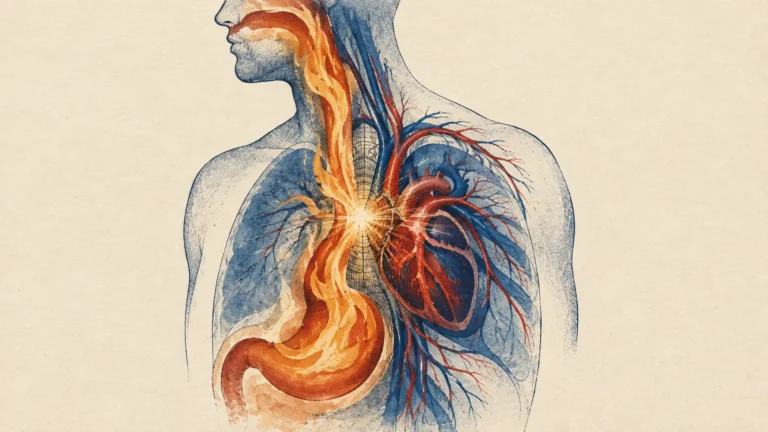
A sudden bout of food poisoning can escalate quickly into a dangerous medical event when Shiga toxin-producing bacteria enter your digestive tract. Recognizing the early warning signs of an E. coli infection helps you protect your kidneys and avoid life-threatening dehydration.
For adults over 60, these bacterial infections pose heightened dangers that demand prompt attention and specialized medical care. Subtle shifts in your digestive habits or sudden abdominal cramping often provide the earliest clues.
This comprehensive guide outlines the primary symptoms, critical warning flags, and vital treatment rules you must know to safeguard your well-being.
Understanding the Basics of E. Coli Infections
Escherichia coli, commonly known as E. coli, represents a diverse group of bacteria found in the intestines of humans and animals. While most strains exist peacefully as harmless gut flora, specific pathogenic varieties produce debilitating gastrointestinal disease.
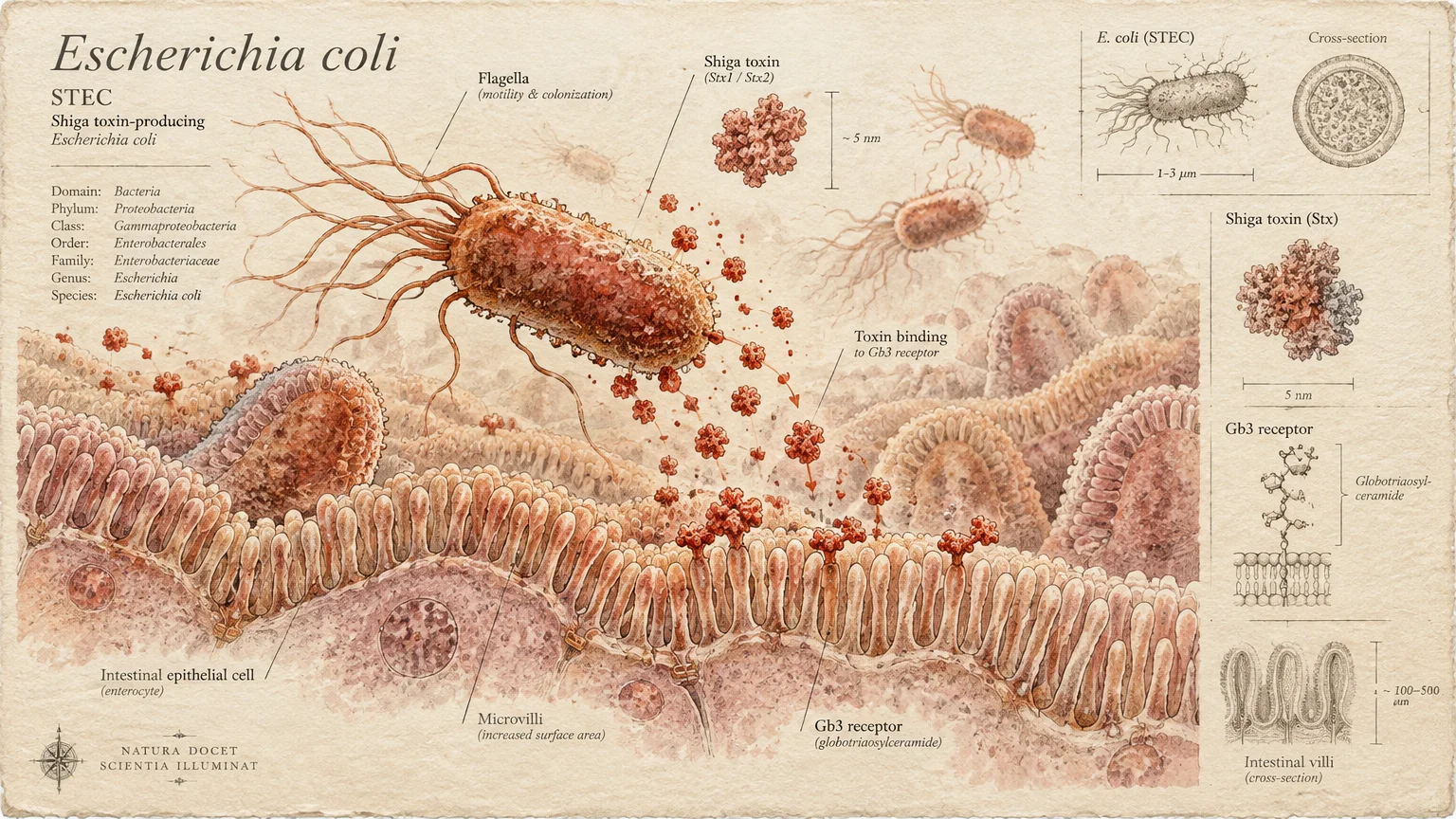
Public health experts classify the most dangerous foodborne variants as Shiga toxin-producing E. coli, frequently abbreviated as STEC. These aggressive bacteria generate cytotoxic poisons that directly target the delicate cellular lining of your digestive tract.
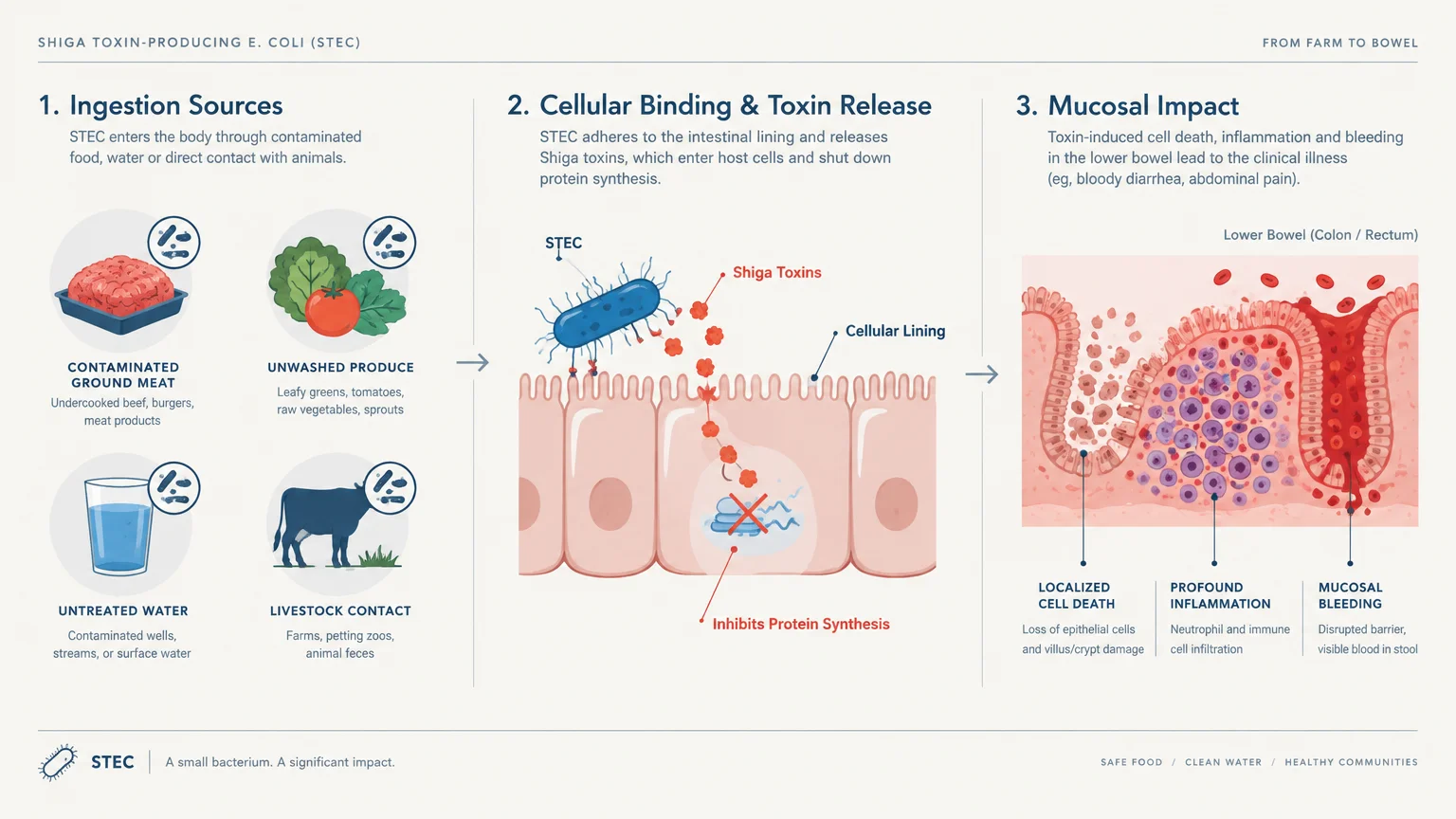
Once Shiga toxins bind to intestinal tissues, they inhibit cellular protein synthesis and cause localized cell death. This destructive process triggers profound inflammation, mucosal bleeding, and severe digestive distress throughout your lower bowel.
Transmission occurs primarily through the accidental ingestion of microscopic amounts of fecal matter containing the bacteria. Contaminated ground meats, unwashed agricultural produce, and untreated recreational or drinking water frequently harbor these microscopic pathogens.
You can also contract the bacteria through direct contact with livestock or contaminated farm environments. Furthermore, person-to-person spread easily occurs in home environments and care facilities when thorough handwashing practices lapse.
According to the CDC, STEC strains cause hundreds of thousands of domestic illnesses each year. Learning how these bacterial invaders operate provides the critical foundation you need to protect yourself and your family.

Top Signs and Symptoms to Recognize
Symptoms of a Shiga toxin infection do not appear immediately after swallowing the contaminated food or drink. The bacteria require an incubation period, typically lasting 3 to 4 days, before digestive disruptions manifest.
In some cases, the incubation window can range anywhere from 3 to 8 days, or occasionally up to 10 days. This delayed timeline often makes it difficult to remember exactly which contaminated meal triggered your illness.
Severe abdominal cramping serves as one of the earliest and most unmistakable signs of an infection. Patients describe these stomach pains as sharp, agonizing contractions that strike across the entire abdomen without warning.
Watery diarrhea almost always accompanies or follows shortly after the onset of sharp abdominal spasms. Within 24 to 48 hours, this frequent loose stool often turns strikingly bloody as intestinal walls sustain microvascular damage.
The emergence of bright red blood in your bowel movements represents a hallmark feature of STEC infections. You must never dismiss bloody stools as a routine stomach bug or mild case of food poisoning.
Nausea and frequent vomiting frequently compound the lower gastrointestinal distress. When persistent vomiting prevents you from keeping fluids down, your body depletes its hydration reserves at an alarming pace.
Fever patterns in STEC infections differ noticeably from many other common bacterial and viral illnesses. Most infected individuals experience only a mild, low-grade fever or maintain a completely normal body temperature.
A high fever is unusual for uncomplicated STEC illness. If your body temperature rises sharply, your physician must investigate whether another invasive pathogen has entered your bloodstream.
Most healthy adults recover from uncomplicated digestive symptoms within 5 to 7 days. Nevertheless, careful medical monitoring remains crucial because severe systemic complications can surface right as diarrhea begins to subside.

Key Considerations and Vulnerabilities for Seniors
Aging alters your gastrointestinal physiology and reduces your natural defenses against aggressive foodborne microbes. As you pass age 60, your stomach naturally secretes lower concentrations of gastric acid; this diminished acidity weakens your primary barrier.
Many older adults also take daily acid-suppressing medications, including proton pump inhibitors or H2 blockers, for acid reflux. These pharmaceuticals neutralize stomach acid, enabling ingested bacterial colonies to survive passage into the small and large intestines.
Immunosenescence, the gradual age-related decline of your immune system, further amplifies your clinical vulnerability. Aging immune cells respond more slowly to novel bacterial antigens, allowing pathogens to proliferate unchecked for longer periods.
Older adults also face heightened hazards from rapid fluid depletion during acute gastrointestinal episodes. Natural aging decreases total body water percentages, leaving you with smaller biological fluid reserves during bouts of severe diarrhea.
Furthermore, the sensation of thirst often diminishes significantly as you age. You may not perceive dehydration until your body experiences dangerous fluid deficits and significant drops in blood pressure.
Because baseline renal function declines over time, fluid loss quickly stresses your kidneys. Severe dehydration can provoke acute tubular necrosis or sudden kidney failure in seniors within just a few days.
Underlying cardiovascular diseases or diabetic kidney conditions heighten these health hazards. When dehydration thickens your blood volume, your heart must work harder to circulate oxygen, increasing cardiovascular strain during acute infection.
Severe Complications: Hemolytic Uremic Syndrome (HUS)
The most devastating complication associated with Shiga toxin-producing bacteria is hemolytic uremic syndrome, widely known as HUS. Public health statistics show that approximately 5% to 10% of diagnosed STEC patients develop this severe condition.
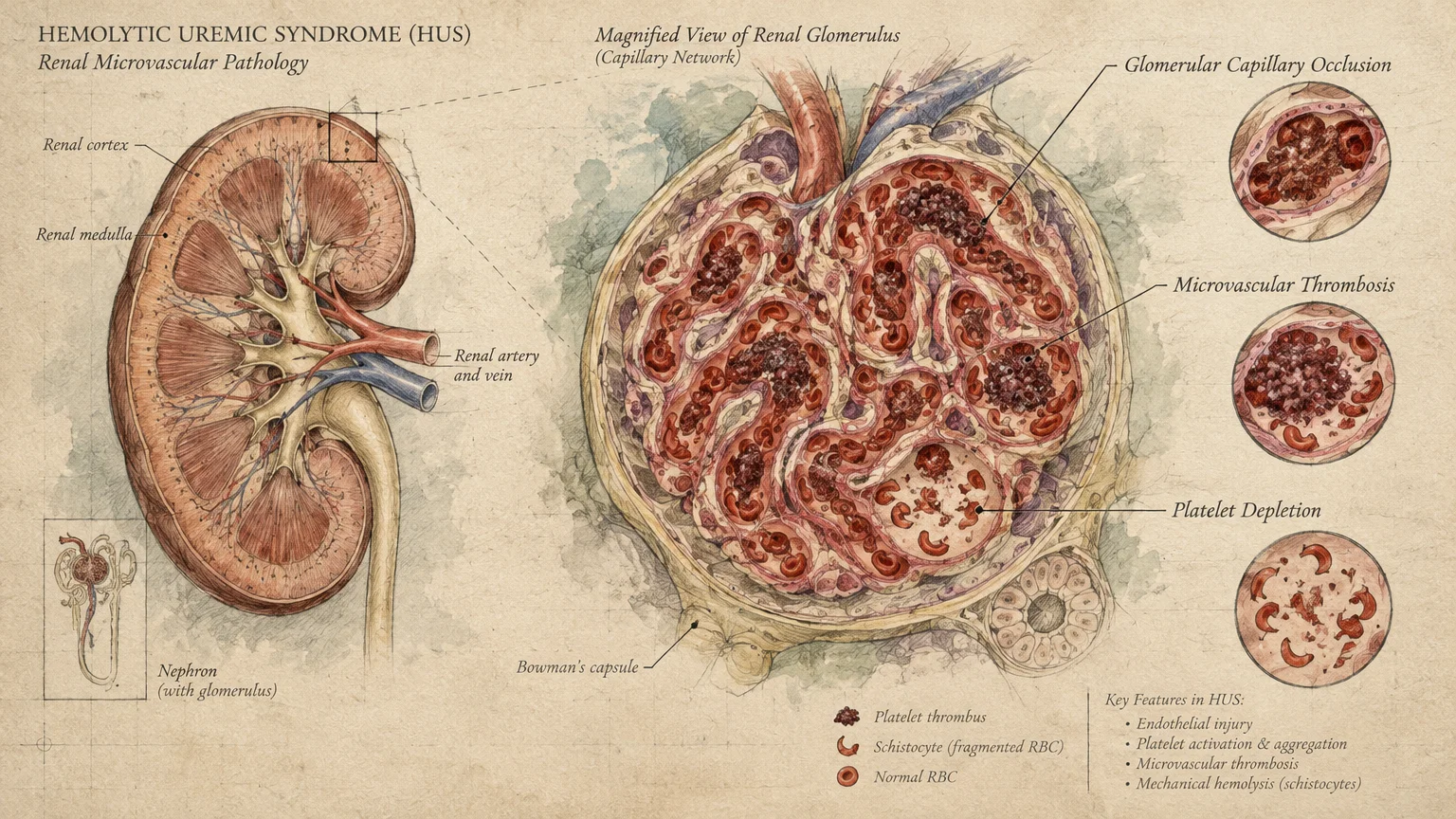
HUS develops when bacterial toxins escape the colon and enter your bloodstream. Once in the vascular system, the toxins bind to endothelial cells lining tiny capillaries, especially within your kidneys.
This toxic binding initiates localized platelet activation and microscopic blood clot formation throughout delicate renal tissues. As circulating red blood cells attempt to pass through these narrowed, clot-filled vessels, they shear apart and rupture.
This cellular destruction results in a dangerous triad of clinical signs: microangiopathic hemolytic anemia, thrombocytopenia, and acute renal failure. Without intact blood vessels and adequate filtration, your body loses its ability to cleanse metabolic waste.
HUS typically develops about 7 days after the onset of initial diarrheal symptoms. Deceptively, this life-threatening complication often emerges just as your abdominal cramps and diarrhea appear to improve.
The CDC emphasizes that adults aged 65 and older, children under 5, and immunocompromised individuals face the greatest risks. While STEC triggers 8 in 10 HUS cases in young children, seniors experience the highest mortality rates.
A sharp decline in urine output serves as the most critical early warning indicator of developing HUS. If you or an older family member produces dark, tea-colored urine or stops urinating altogether, seek immediate emergency hospital care.
Pronounced paleness in the skin, extreme weakness, and unexplained bruising or bleeding from the gums also indicate vascular injury. These alarming symptoms confirm widespread destruction of red blood cells and severe drops in clotting platelets.
Invasive Infections and Extraintestinal Complications
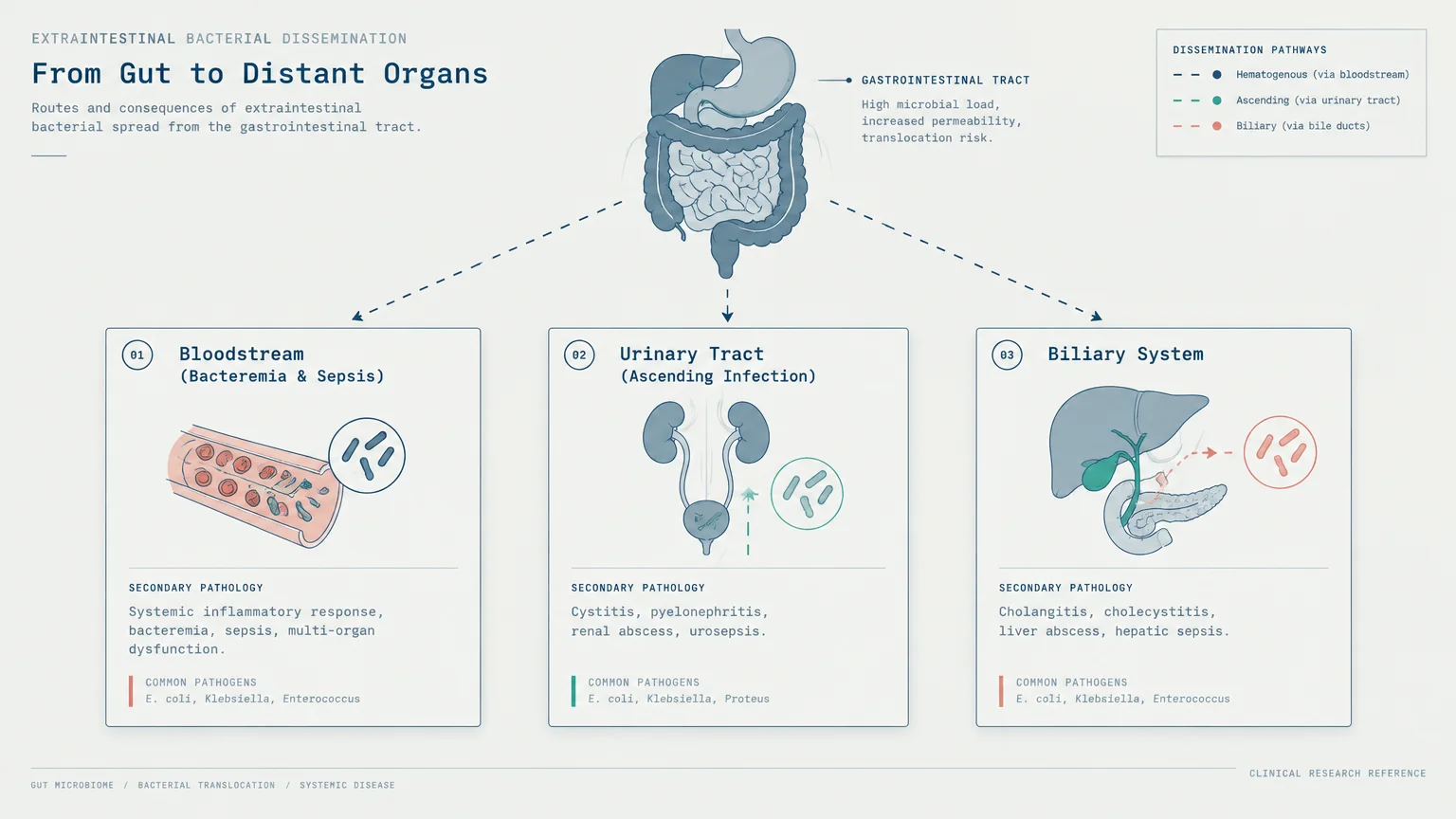
While foodborne illness typically dominates discussions, bacterial strains can also escape your digestive system to cause invasive extraintestinal infections. These invasive episodes represent an underappreciated clinical hazard that disproportionately threatens older adults.
Extraintestinal pathogens frequently originate within the urinary tract before migrating upward toward your kidneys. If left untreated, bacteria can breach tissue barriers and enter your bloodstream, triggering life-threatening urosepsis.
A February 2026 CDC study published in JAMA Network Open highlighted the high disease burden of these bloodstream infections. Researchers reported that invasive infections occur at an annual rate of 74.7 cases per 100,000 people.
The study discovered that 95.1% of patients with invasive infections required urgent inpatient hospitalization. Older adults represented a major share of these critical admissions due to underlying comorbidities and weakened urinary tract defenses.
Recognizing the signs of invasive infection requires vigilance beyond standard gastrointestinal symptoms. Sudden high fever, shaking chills, severe lower back or flank pain, and rapid heart rates signal potential bloodstream involvement.
Acute confusion or delirium often represents the sole outward indicator of systemic bacterial spread in frail seniors. Caregivers must treat any sudden deterioration in mental clarity as a potential medical emergency requiring rapid clinical assessment.
Benefits of Early Action Versus Serious Treatment Risks
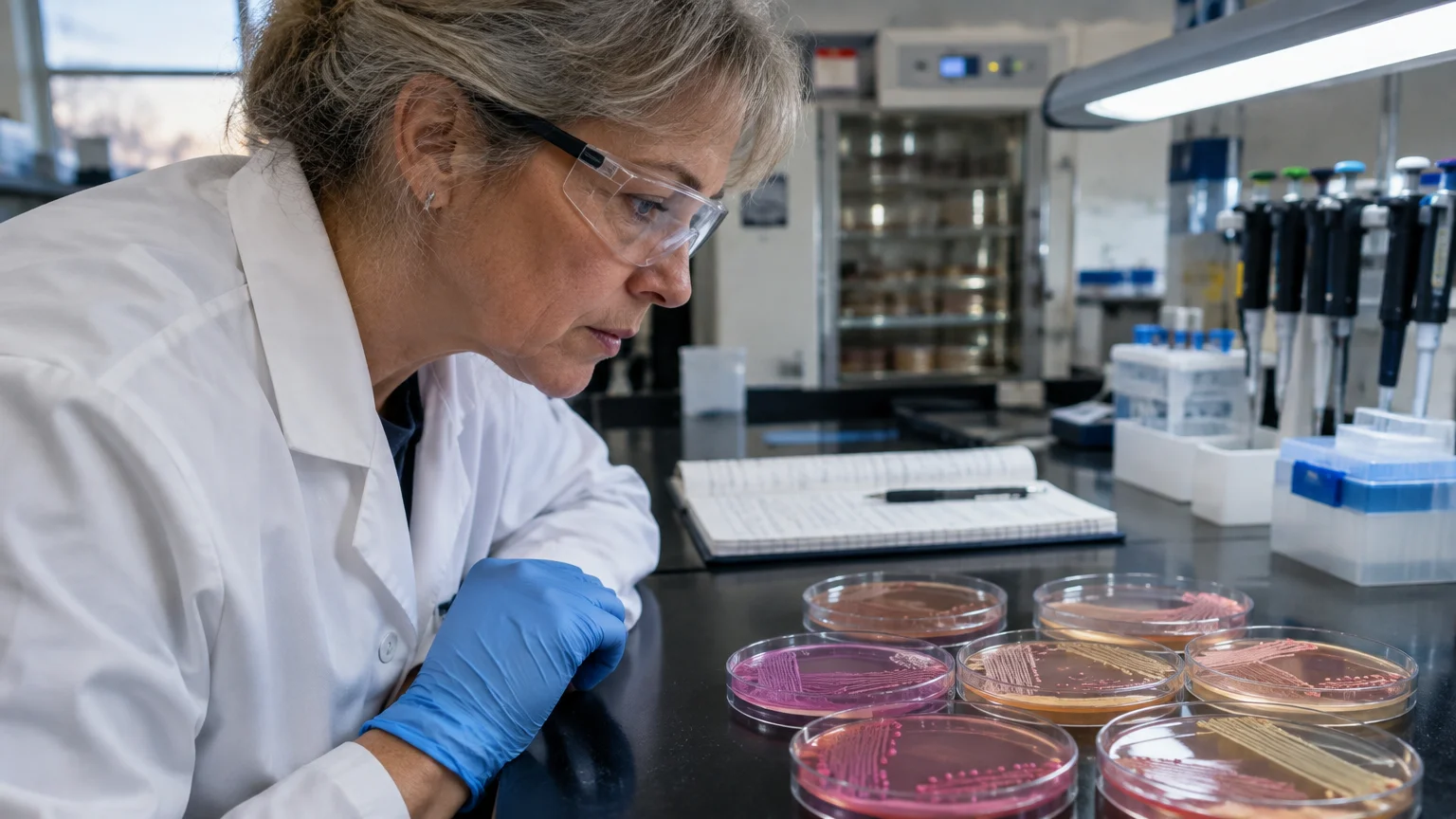
Prompt clinical evaluation provides undeniable benefits by confirming the exact pathogen responsible for your gastrointestinal distress. Early diagnostic stool cultures enable your medical team to deliver targeted supportive care while preventing dangerous treatment errors.
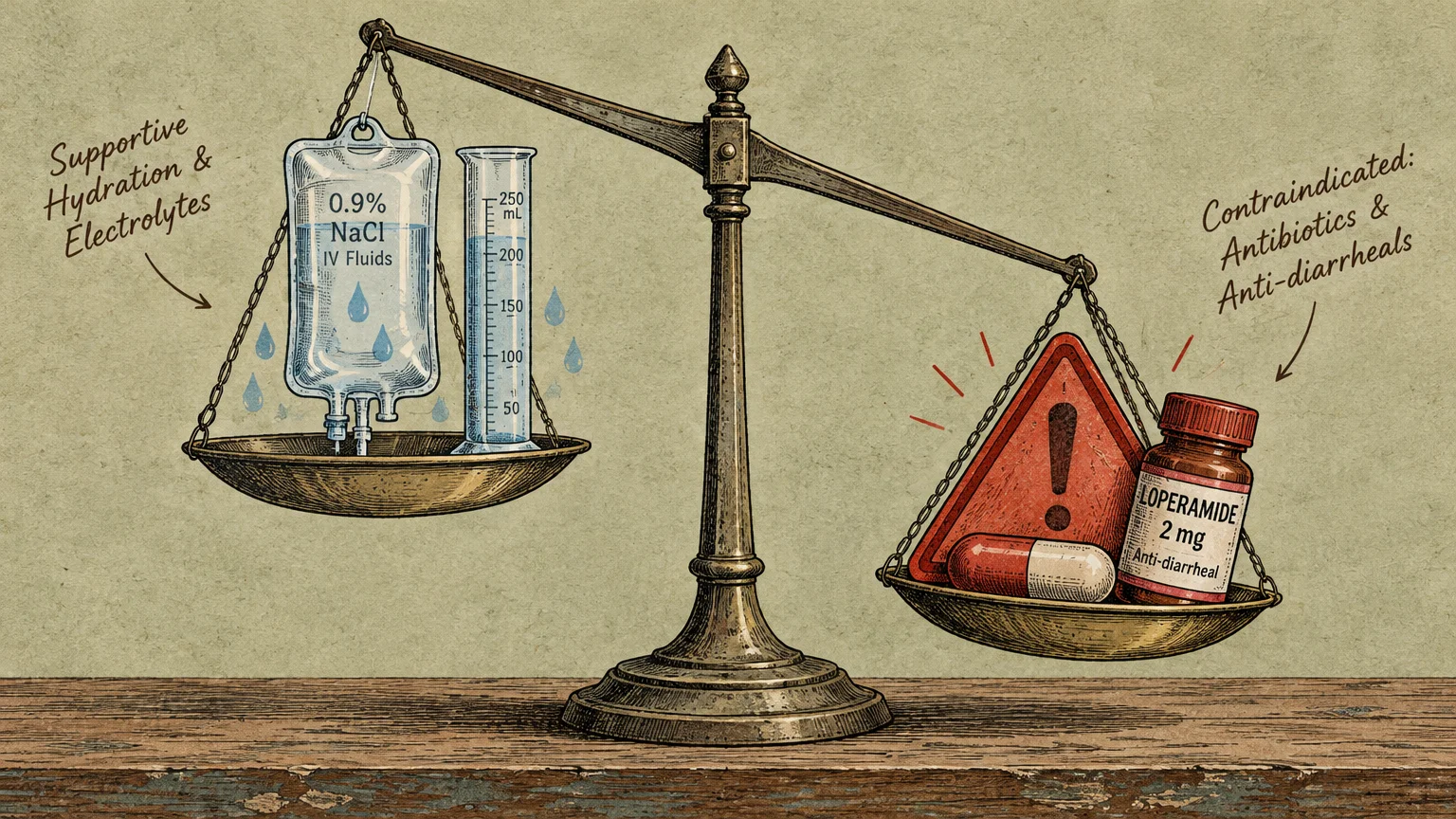
However, self-treating a suspected foodborne illness with standard medicine cabinet pharmaceuticals presents extraordinary risks. Modern clinical guidelines specifically warn against administering antibiotic therapies for Shiga toxin-producing bacterial infections.
When antibiotics kill the bacteria, the dying microbial cells rupture and release massive stores of intracellular Shiga toxins. This sudden toxic flood enters your circulation, dramatically accelerating microvascular damage and escalating your risk of kidney failure.
Similarly, you must avoid over-the-counter anti-diarrheal medications, such as loperamide, during acute bacterial illness. These compounds paralyze normal gut motility, trapping millions of active bacteria and their corrosive toxins inside your intestines.
Preventing your bowel from expelling these pathogens prolongs mucosal contact with toxins and promotes systemic absorption. Medical organizations universally agree that anti-motility drugs increase complication rates and extend the duration of bacterial illness.
In contrast, the proven standard of care relies on rigorous, timely hydration support. Restoring fluid volume through balanced oral rehydration salts or intravenous saline protects your kidneys from ischemic shock while your body clears the infection.
What Leading Health Experts and Studies Reveal
Public health surveillance data underscores the persistent threat posed by foodborne bacterial pathogens across the nation. According to the CDC, Shiga toxin-producing strains cause approximately 266,000 domestic illnesses every year.
Surveillance systems separate these infections into two primary epidemiological categories: O157 strains and non-O157 strains. The O157 strain accounts for roughly 97,000 illnesses, 3,270 hospitalizations, and 30 deaths annually in the United States.
Non-O157 strains generate an estimated 169,000 illnesses and 400 hospitalizations each year. While non-O157 infections carry lower hospitalization rates overall, they still cause severe illness and HUS in vulnerable seniors.
Broader epidemiological research reinforces the immense scope of food contamination. The March 2026 IFSAC Annual Report notes that seven major foodborne pathogens cause 9.9 million illnesses, 53,300 hospitalizations, and 931 deaths annually across the country.
Outbreak investigations consistently highlight unpasteurized dairy as an ongoing vector for dangerous contamination. In September 2026, health authorities investigated a multistate outbreak linked to raw milk cheeses where over 50% of victims were young children.
This outbreak reinforced warnings from the NIH and the WHO regarding raw dairy hazards. Health agencies remind the public that unpasteurized products bypass the thermal processing step required to eliminate virulent pathogens.
Leading clinicians at the Mayo Clinic continue to emphasize preventative education as your primary shield. Staying informed about commercial recalls and maintaining strict sanitary practices in your home dramatically lowers your infection risks.
When to Seek Urgent Medical Care
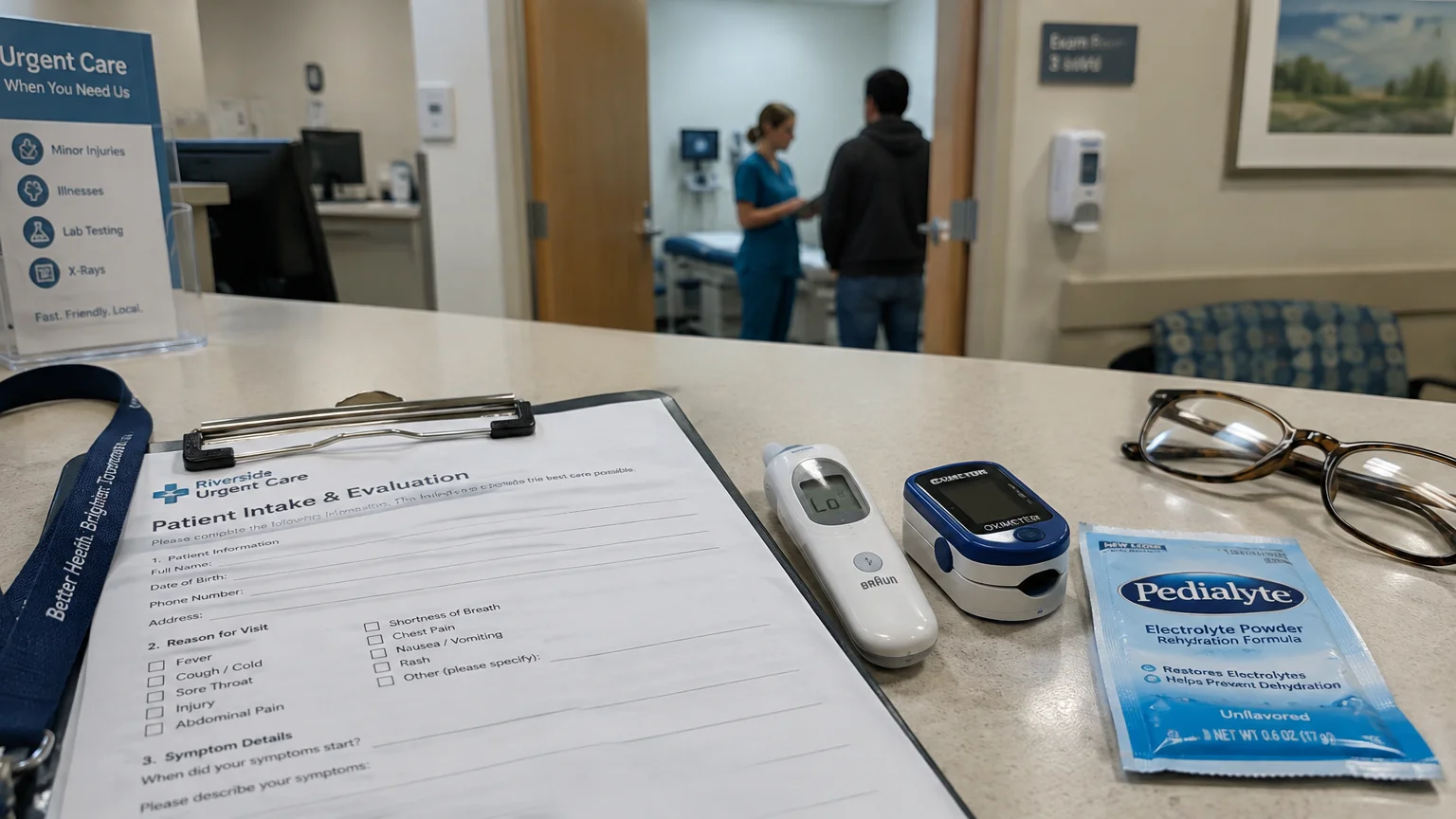
Recognizing when gastrointestinal symptoms exceed the boundaries of home care can save your life. The CDC provides clear clinical thresholds to help you determine when immediate medical evaluation becomes essential.
You should contact a doctor if your diarrhea or vomiting persists for more than 2 days without improvement. Ongoing fluid loss rapidly depletes essential electrolytes, exposing older adults to cardiac arrhythmias and acute renal failure.
A high fever exceeding 102°F (38.9°C) serves as another critical clinical indicator. Elevated temperatures suggest an invasive bacterial process or systemic inflammatory response that requires professional medical assessment.
Visible blood in your vomit, stool, or urine requires immediate emergency evaluation. Never assume that gastrointestinal bleeding will resolve without medical intervention, as bloody diarrhea remains the cardinal symptom of Shiga toxin damage.
Severe signs of dehydration also demand immediate clinical treatment. Red flags include producing little to no urine over an eight-hour period, extreme dry mouth, sunken eyes, and profound dizziness upon standing.
Inability to keep liquids down due to unrelenting nausea creates an urgent clinical dilemma. If oral rehydration fails because of constant vomiting, you require intravenous fluid therapy at an urgent care center or hospital.
Finally, observe behavioral and cognitive shifts carefully in older family members. Confusion, disorientation, extreme sleepiness, or unsteadiness often reflect severe electrolyte derangements or developing sepsis that demands urgent emergency transport.
Practical Steps and Prevention Strategies for Older Adults
Safeguarding your kitchen environment requires practical, actionable safety habits during daily food storage and preparation. Implementing consistent hygiene protocols significantly minimizes your chances of ingesting hazardous bacterial contaminants.
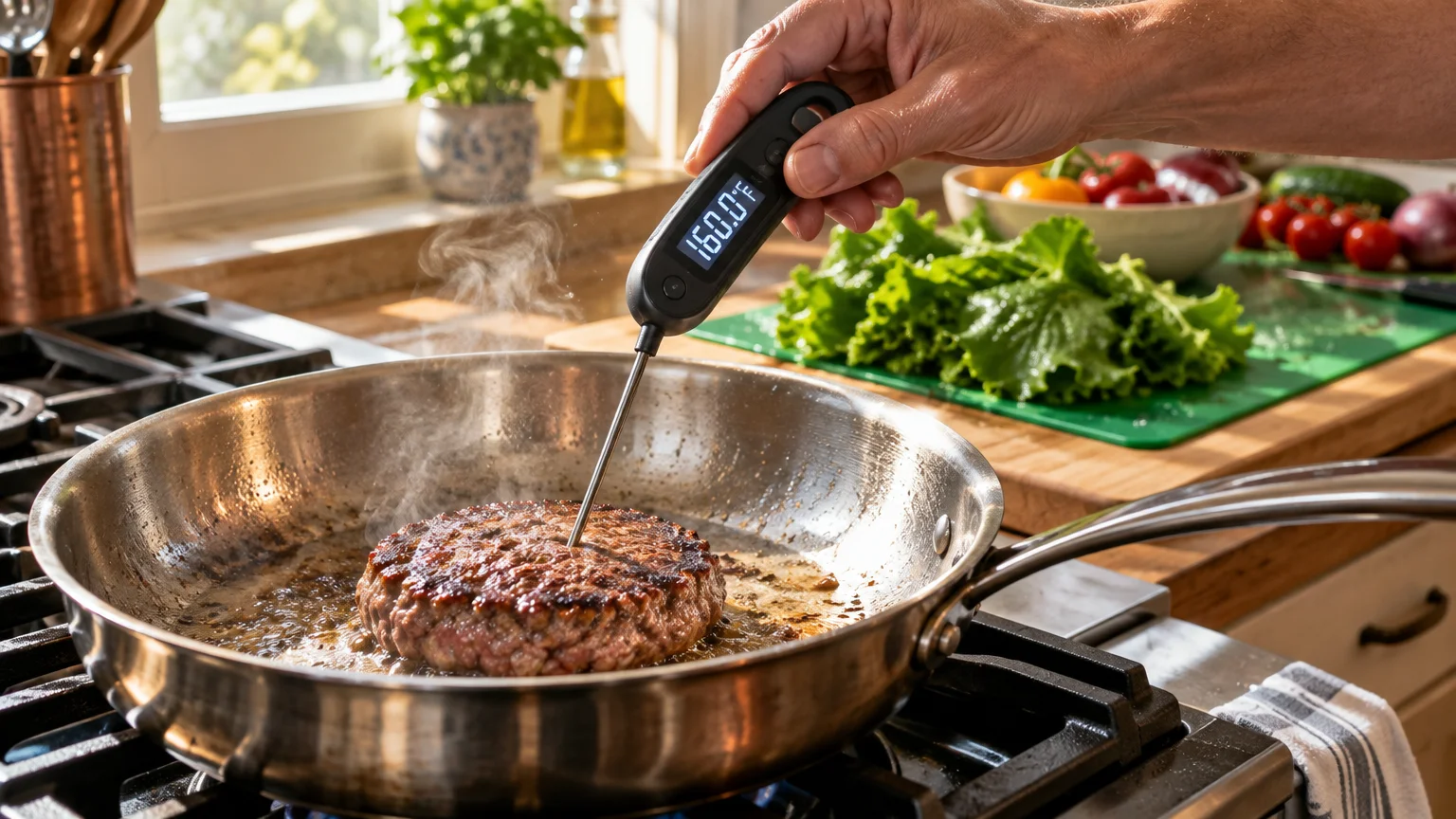
Cook ground meats to verified safe temperatures. Ground beef, pork, and lamb must reach an internal temperature of 160°F, while poultry requires 165°F. Always use an accurate digital probe thermometer inserted into the thickest section of the meat.
Eliminate kitchen cross-contamination risks. Dedicate separate cutting boards for raw meats and fresh produce to prevent transferring bacteria across food items. Wash all knives, platters, and countertops with hot soapy water immediately after preparing raw meat.
Clean and sanitize food preparation sponges. Kitchen sponges and dishcloths can harbor active bacterial colonies for days. Replace sponges frequently or run damp sponges through a heated dishwasher drying cycle to destroy lingering microbes.
Rinse raw produce under running water. Wash leafy greens, berries, melons, and fresh herbs under clean running tap water before eating or chopping them. Even pre-washed bagged salad greens benefit from an additional visual inspection and cold rinse.
Strictly avoid unpasteurized dairy and juices. Drink only pasteurized milk and consume cheeses clearly labeled as made from pasteurized milk. Unpasteurized ciders, raw juices, and raw milk products carry unacceptable contamination risks for older adults.
Practice rigorous handwashing techniques. Scrub your hands with warm water and soap for at least 20 seconds before cooking, before eating, and after touching pets. Thorough handwashing removes microscopic contaminants that alcohol sanitizers may fail to eradicate completely.
Exercise caution when dining out. Inquire whether restaurant hamburgers and steaks are cooked thoroughly, avoiding rare or medium-rare ground beef preparations. Steer clear of lukewarm buffet stations where food temperatures linger in the bacterial growth zone.
Prepare essential questions for your physician. Ask your doctor whether stool cultures should be performed to screen for Shiga toxins. Inquire whether your existing prescription medications, such as diuretics or blood pressure tablets, should be temporarily paused during diarrheal illness.
Frequently Asked Questions
How soon do symptoms appear after eating contaminated food?
Symptoms of a Shiga toxin infection typically begin 3 to 4 days after you consume the contaminated item. However, the incubation period can vary widely, spanning from 3 to 8 days, or occasionally up to 10 days.
Because several days elapse between ingestion and your first abdominal cramp, the culprit meal is rarely what you ate just hours prior. Reviewing foods consumed over the preceding week provides a clearer picture of potential contamination sources.
Why must you avoid antibiotics during a suspected E. coli infection?
Antibiotics destroy the outer walls of the bacteria, causing them to burst and release massive quantities of Shiga toxins. This sudden toxin surge travels into your bloodstream, attacking microvascular structures and drastically elevating your risk of kidney failure.
Unless laboratory testing confirms a different bacterial infection that safely responds to antimicrobial therapy, doctors manage STEC exclusively through supportive hydration. Never take leftover antibiotics from your medicine cabinet for undiagnosed diarrhea.
Can anti-diarrheal medications help relieve stomach cramps?
No, taking anti-diarrheal drugs like loperamide is dangerous when dealing with a toxin-producing bacterial infection. These medications paralyze bowel muscles, preventing your body from expelling the harmful bacteria and their corrosive toxins.
Retaining these toxins inside your digestive tract accelerates mucosal destruction and increases the likelihood that toxins leak into your bloodstream. Let your digestive tract flush the bacteria naturally while maintaining active fluid replacement.
How do physicians diagnose this specific bacterial infection?
Healthcare providers confirm the diagnosis by submitting a fresh stool sample to a medical diagnostic laboratory. Technicians analyze the sample using specialized bacterial cultures or molecular PCR tests to detect Shiga toxin genes.
Accurate laboratory identification ensures that your clinical team avoids harmful medications and prepares for potential renal complications. It also enables local health departments to trace outbreaks and recall contaminated food products from grocery shelves.
What should you drink to stay hydrated during an infection?
Rely on balanced oral rehydration solutions, clear broths, and diluted electrolyte drinks rather than plain water alone. Severe diarrhea flushes away vital sodium, chloride, and potassium that plain drinking water cannot restore.
Take small, frequent sips throughout the day rather than gulping large amounts of fluid at once. Avoid carbonated sodas, caffeinated teas, and dairy beverages, as these liquids can irritate sensitive intestinal tissues and exacerbate cramping.
How long does a person remain contagious after falling ill?
Most adults shed the bacteria in their stool for roughly one to two weeks after their digestive symptoms fully resolve. However, young children and immunocompromised seniors can shed viable bacteria for several weeks longer.
Meticulous handwashing after using the restroom and before preparing food remains essential until stool shedding completely ceases. Avoid preparing meals for others or visiting vulnerable individuals while you recover from an active infection.
Protecting Your Long-Term Health and Recovery
A severe gastrointestinal infection can feel overwhelming, particularly when dealing with the unique health realities of older adulthood. However, knowledge and prompt medical decision-making serve as your most powerful defensive tools.
Recognizing the warning signs early enables you to seek professional medical evaluation before severe fluid deficits or renal complications develop. Trust your observations whenever you notice severe abdominal cramping, watery diarrhea, or blood in your stool.
Remember that proper clinical management focuses on safe hydration while strictly avoiding antibiotics and anti-motility drugs. Partnering closely with your physician ensures that your recovery proceeds safely without unnecessary medical risks.
By practicing consistent kitchen hygiene and staying informed on food safety guidelines, you can protect yourself and your family. Stay proactive about your health, listen to your body, and seek prompt care whenever acute symptoms arise.
This article is intended for informational and educational purposes only and is not a substitute for professional medical advice, diagnosis, or treatment. Always consult with a qualified healthcare provider regarding any health concerns or before making any decisions related to your health or treatment.