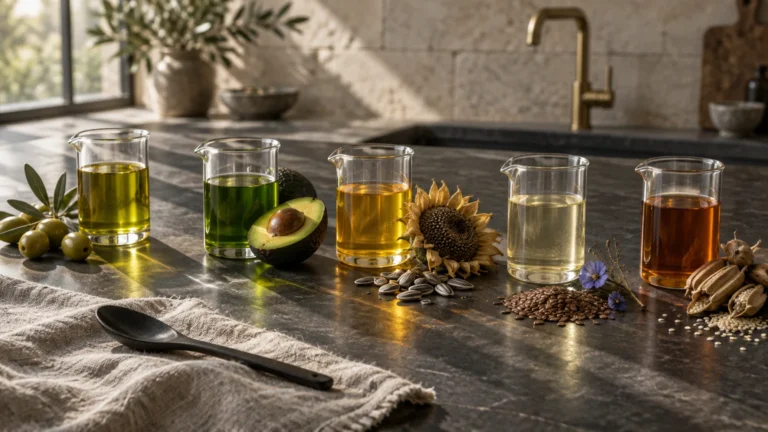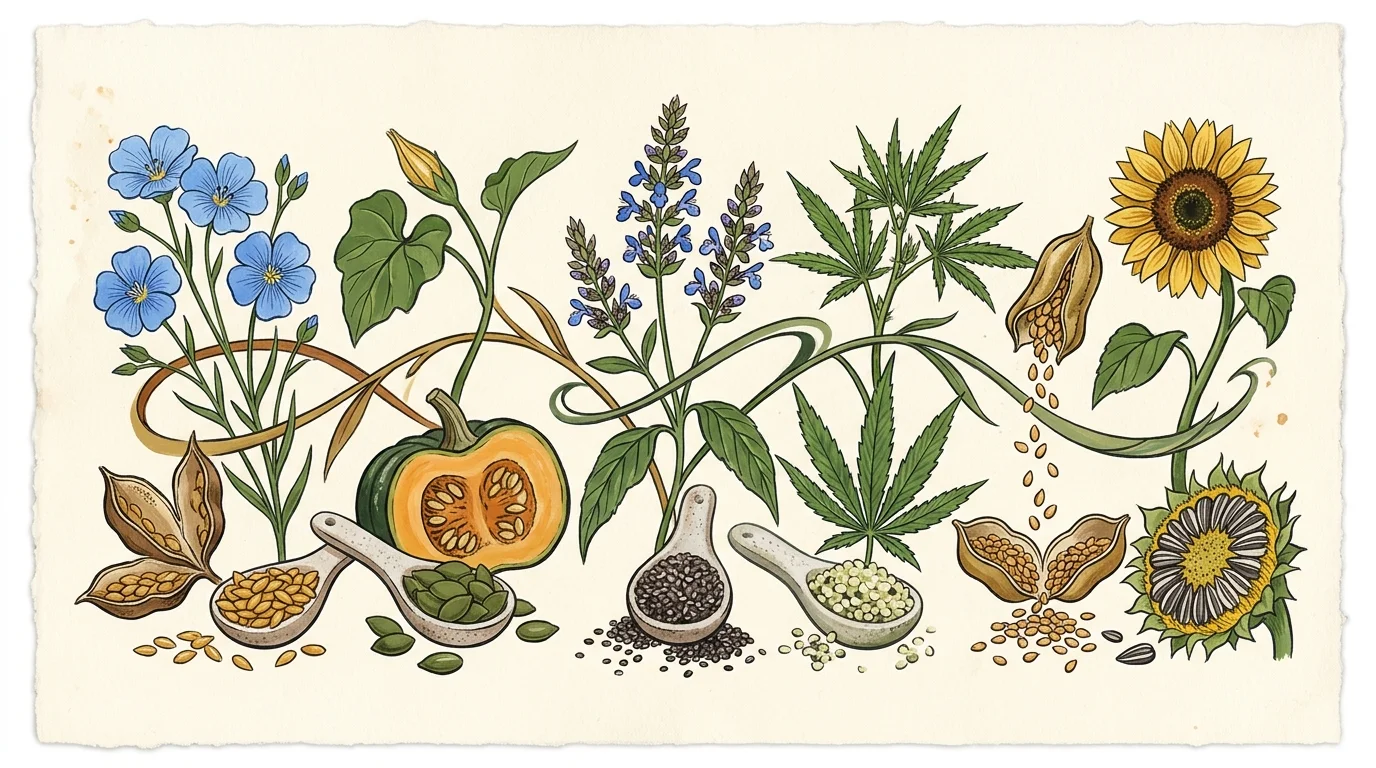
You can strengthen your cardiovascular system and safeguard your arterial health simply by adding nutrient-dense seeds to your daily meals. These miniature superfoods deliver concentrated healthy fats, essential minerals, and unique plant compounds that support resilient circulation.
Even subtle dietary adjustments can stabilize your blood pressure, optimize cholesterol ratios, and sustain your energy through your golden years. You will protect your heart without overhauling your entire lifestyle or sacrificing flavorful eating.
As a dietitian, I recommend these six extraordinary seeds to nourish your blood vessels and maintain peak cardiovascular vitality. Let us explore how these simple pantry staples can transform your daily wellness.
Why Cardiovascular Nutrition Matters After 60
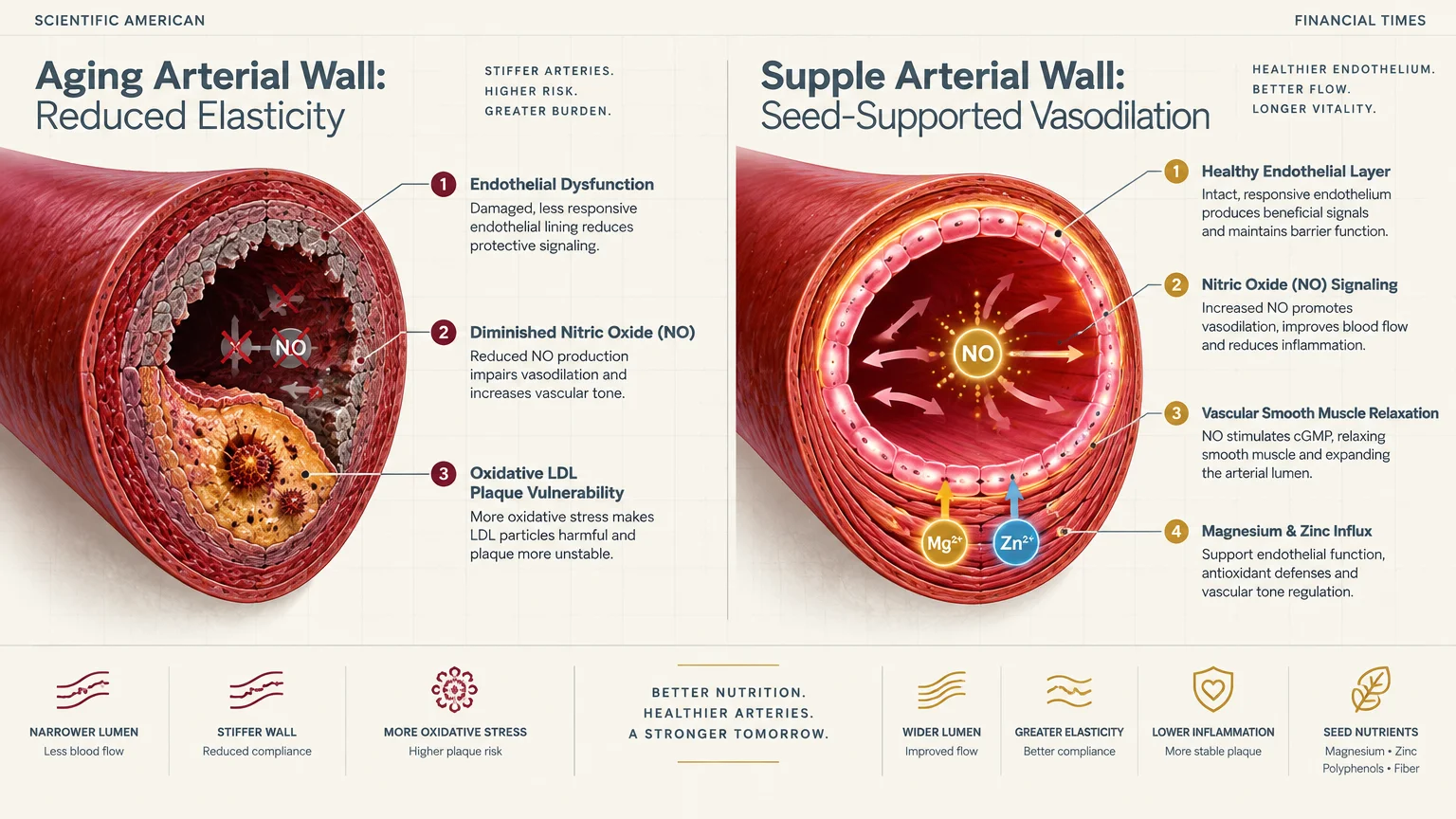
Your cardiovascular system undergoes profound physiological changes as you advance past age sixty. Arteries naturally lose elasticity, which forces your heart to pump harder against stiffer vascular walls.
This natural stiffening often triggers gradual elevations in systolic blood pressure. Maintaining arterial flexibility through targeted dietary choices remains one of your best defenses against long-term cardiac strain.
Aging also alters lipid metabolism within the liver. Circulating low-density lipoprotein, or LDL cholesterol, becomes far more susceptible to oxidative damage, which accelerates the formation of vascular plaque.
Research highlighted by the National Institutes of Health confirms that lifestyle and nutrition profoundly influence these biological pathways. You retain tremendous control over your vascular health through everyday food choices.
Chronic low-grade inflammation further stresses aging cardiac tissue. Systemic inflammation damages delicate endothelial cells lining your blood vessels, compromising your body’s ability to regulate blood flow.
Endothelial cells rely heavily on adequate micronutrient intake to produce nitric oxide. Nitric oxide signals vascular smooth muscle to relax, widening arteries and lowering overall circulatory resistance.
Many older adults experience subtle micronutrient deficiencies that impair this critical vasodilatory response. Diminished stomach acid production can hinder the absorption of key minerals like magnesium and zinc from standard meals.
Seeds provide an ideal nutritional solution because they pack immense mineral density into tiny, easily digested servings. Their unique combination of soluble fiber and essential fatty acids actively counters age-related arterial decline.
By supplying raw building blocks for cellular repair, seeds help preserve the integrity of your blood vessels. They provide consistent nutritional insurance against the primary drivers of cardiovascular disease.
A Dietitian’s Top 6 Seeds for Heart Health
Seeds represent nature’s most concentrated nutritional packages. Each seed variety offers a distinct biochemical profile tailored to support specific facets of your cardiovascular system.
1. Flaxseeds: The Alpha-Linolenic Acid Powerhouse
Flaxseeds stand out as the plant kingdom’s premier source of alpha-linolenic acid, an essential heart-protective omega-3 fatty acid. Your body cannot manufacture this vital fat, meaning you must acquire it through whole foods.
Alpha-linolenic acid actively dampens inflammatory cascades throughout your vascular tree. Regular consumption helps keep blood vessel walls supple while curbing the production of inflammatory cytokines.
Flaxseeds also supply rich concentrations of secoisolariciresinol diglucoside, a potent dietary lignan with remarkable antioxidant properties. These lignans scavenge free radicals, shielding your arterial walls from oxidative stress and plaque accumulation.
Data from the U.S. Department of Agriculture indicates that flaxseeds contain both soluble and insoluble fiber fractions. The soluble mucilage binds to bile acids in your digestive tract, carrying excess cholesterol out of your system.
You must grind flaxseeds before eating them to reap these cardiovascular benefits. Whole flaxseeds pass through your digestive system intact because human digestive enzymes cannot penetrate their tough outer cellulose hulls.
Buy whole seeds and grind small batches in a coffee grinder, storing them in your refrigerator. Stir two tablespoons of ground flaxseed into warm morning oatmeal, applesauce, or whole-grain muffin batter.
2. Chia Seeds: The Soluble Fiber Champion
Chia seeds possess a remarkable ability to absorb up to twelve times their weight in liquid. This hydrophilic quality creates a viscous gel that slows carbohydrate digestion and stabilizes post-meal blood sugar levels.
Stable blood sugar directly protects your vascular health by minimizing glycation, a process where excess glucose damages arterial proteins. Preventing rapid glucose spikes preserves the smooth, elastic lining of your capillaries.
A single two-tablespoon serving of chia seeds delivers nearly ten grams of dietary fiber. This impressive payload feeds beneficial gut microbes, which produce short-chain fatty acids that suppress liver cholesterol synthesis.
Chia seeds also deliver cardioprotective minerals, including calcium, magnesium, and bioavailable potassium. These electrolytes coordinate cardiac muscle contractions and maintain a steady, harmonious heart rhythm throughout the day.
Unlike flaxseeds, chia seeds do not require pre-grinding for your body to absorb their nutritional wealth. Their delicate outer shells break down easily during normal digestive processes, releasing their omega-3 fats effortlessly.
Whisk chia seeds into unsweetened almond milk with a drop of vanilla to create a nourishing pudding. You can also sprinkle them directly over Greek yogurt or fold them into homemade pancake batter.
3. Hemp Seeds: The Complete Plant Protein
Hemp seeds, frequently sold as shelled hemp hearts, offer a uniquely tender texture and mild nutty flavor. They provide an exceptional plant-based protein source containing all nine essential amino acids.
Maintaining adequate protein intake becomes increasingly vital after age sixty to prevent age-related muscle loss. A strong musculoskeletal system supports physical activity, which directly reinforces cardiovascular endurance and cardiac capacity.
Hemp hearts feature an extraordinarily high concentration of the amino acid arginine. Your body utilizes arginine to synthesize nitric oxide, the gas responsible for dilating blood vessels and maintaining healthy circulation.
By boosting natural nitric oxide production, hemp seeds promote optimal blood pressure levels. They encourage arterial relaxation, which reduces the physical workload placed on your left ventricle during exertion.
These soft seeds also boast an ideal three-to-one ratio of omega-6 to omega-3 fatty acids. This balanced ratio prevents the pro-inflammatory imbalances frequently triggered by conventional Western dietary patterns.
Because hemp seeds have their fibrous outer hulls removed, they digest smoothly without causing intestinal discomfort. Scatter a spoonful across fresh garden salads, blend them into fruit smoothies, or garnish roasted vegetable soups.
4. Pumpkin Seeds: The Magnesium Dynamo
Pumpkin seeds, also known as pepitas, serve as one of the richest dietary sources of bioavailable magnesium. Magnesium directs over three hundred enzymatic reactions, playing an indispensable role in cardiovascular physiology.
This vital mineral acts as a natural calcium channel blocker within your vascular smooth muscle cells. It prevents arterial spasms, dilates peripheral blood vessels, and helps normalize resting blood pressure numbers.
Magnesium deficiency remains widespread among older demographics, often manifesting as irregular heartbeats or elevated vascular tension. Consuming pumpkin seeds regularly helps restore cellular magnesium pools safely and effectively.
Pumpkin seeds also supply concentrated levels of phytosterols, plant compounds structurally identical to human cholesterol. These compounds compete with dietary cholesterol for absorption in your small intestine, driving down circulating blood levels.
You also receive abundant zinc, a trace mineral essential for vascular tissue repair and endothelial maintenance. Zinc protects delicate capillary beds from chronic oxidative injury, supporting overall microvascular integrity.
Enjoy raw or lightly dry-roasted pumpkin seeds as an afternoon snack alongside a crisp apple. You can also crush them into a flavorful, heart-healthy crust for baked salmon or chicken breast.
5. Sesame Seeds: The Phytosterol Specialist
Sesame seeds contain unique lignan compounds known as sesamin and sesamolin. Clinical investigations show these specialized nutrients reduce oxidative stress markers and inhibit the hepatic formation of cholesterol.
Sesamin actively enhances the activity of hepatic enzymes that break down fatty acids while reducing fatty acid synthesis. This dual metabolic action supports healthy triglyceride levels, reducing fat accumulation in circulating blood.
Furthermore, sesame seeds rank highest among common culinary seeds in total phytosterol concentration. Their regular inclusion in balanced meals helps displace dietary cholesterol before it enters your bloodstream.
Sesame seeds also supply abundant vitamin E compounds, particularly gamma-tocopherol. Gamma-tocopherol possesses distinct anti-inflammatory capabilities that shield low-density lipoproteins from oxidation, preventing arterial wall irritation.
Unhulled sesame varieties also deliver meaningful amounts of dietary calcium to support vascular tone and muscular health. They provide an outstanding dairy-free mineral boost for bone and cardiovascular vitality alike.
Incorporate whole toasted sesame seeds into stir-fried vegetables, grain pilafs, and steamed broccoli florets. You can also utilize tahini—a paste made from crushed sesame seeds—as a savory base for homemade salad dressings.
6. Sunflower Seeds: The Vitamin E Defender
Sunflower seeds are renowned for their extraordinary concentration of alpha-tocopherol, the most biologically active form of vitamin E. Vitamin E functions as your body’s primary lipid-soluble antioxidant defender.
Because cell membranes and circulating lipoproteins consist largely of lipids, they remain highly vulnerable to free radical degradation. Alpha-tocopherol intercepts free radicals, halting chain reactions that otherwise produce oxidized, artery-clogging LDL particles.
Maintaining high levels of lipid antioxidants helps preserve the flexible architecture of your arterial linings. This protection keeps blood flow smooth and laminar, minimizing turbulence that could injure vulnerable vascular branches.
Sunflower seeds also contain beneficial polyunsaturated fatty acids, particularly linoleic acid. Linoleic acid actively assists in lowering serum total cholesterol levels when substituted for saturated dietary fats.
These striped seeds also provide abundant selenium, an essential trace mineral that powers antioxidant enzymes like glutathione peroxidase. Working synergistically with vitamin E, selenium protects heart muscle cells from environmental and metabolic stress.
Choose raw or unsalted dry-roasted sunflower seeds to avoid unwanted sodium that could counteract your blood pressure goals. Sprinkle them over warm grain bowls, mix them into chicken salad, or enjoy them by the handful.

Signs Your Heart Needs More Nutritional Support
Your body frequently provides subtle physical clues when your cardiovascular system requires deeper nutritional reinforcement. Recognizing these early signals empowers you to take decisive dietary action before minor imbalances progress.
Mildly elevated blood pressure readings at routine medical visits often signal creeping arterial stiffness. Insufficient intake of potassium, magnesium, and anti-inflammatory fats allows arterial walls to lose their youthful resilience.
Gradual shifts in your annual lipid panel also warrant focused attention. Rising total cholesterol, creeping LDL levels, or climbing triglycerides indicate that your hepatic lipid clearance pathways need targeted fiber support.
Occasional sluggishness, cold fingers, or minor circulatory fatigue can reflect suboptimal vascular tone. When peripheral capillaries struggle to dilate effectively, oxygen delivery to hard-working tissues becomes less efficient.
Slow physical recovery following light exercise may also point to oxidative stress within working muscle beds. Your cardiovascular tissues require continuous antioxidant protection to rebound rapidly from everyday exertion.
Fortunately, adopting seed-rich nutrition produces noticeable, measurable benefits across all these physiological markers. The soluble fiber, polyphenols, and essential minerals work collaboratively to restore circulatory vitality.
Patients who incorporate seeds consistently often observe favorable changes in their blood lipid profiles within weeks. Their blood vessels regain flexibility, supporting stable blood pressure and effortless daily stamina.
How to Easily Add Heart-Healthy Seeds to Your Daily Routine
Adding seeds to your diet does not require elaborate culinary skills or complex recipe preparation. Simple, repeatable habits will integrate these nutritional gems smoothly into meals you already enjoy.
Start your morning by establishing a dedicated breakfast ritual. Keep a clean glass jar containing a blend of ground flax, chia, and hemp hearts on your kitchen counter.
Stir two generous tablespoons of this nutrient mix into your morning oatmeal, cream of wheat, or bran cereal. The seeds absorb warm liquid easily, creating a rich, creamy texture without altering your favorite flavors.
Enhance lunchtime meals by using seeds to introduce satisfying crunch and visual appeal. Toss pumpkin seeds or sunflower kernels over spinach salads, vegetable wraps, or warm lentil bowls.
You can also blend raw seeds into creamy, heart-friendly salad dressings. Puree tahini, lemon juice, garlic, and water to create a luscious dressing that replaces high-sodium commercial alternatives.
At dinner, utilize seeds as flavorful toppings and functional thickeners for savory dishes. Whisk ground flaxseed or chia into simmering soups and stews to build hearty body without using refined white flour.
Coat baked fish fillets or chicken tenders in crushed pumpkin and sunflower seeds before cooking. This technique creates a crunchy, nutrient-dense crust that delivers satisfying texture alongside protective fats.
Proper storage is essential to safeguard the delicate polyunsaturated fats within seeds from oxidative rancidity. Heat, oxygen, and direct sunlight cause delicate unsaturated oils to degrade over time.
Store your whole seeds in airtight glass containers placed in a cool, dark kitchen pantry. Keep ground seeds, especially ground flax, inside the refrigerator or freezer to lock in peak nutritional potency.
Important Considerations: Whole Foods, Supplements, and Safety
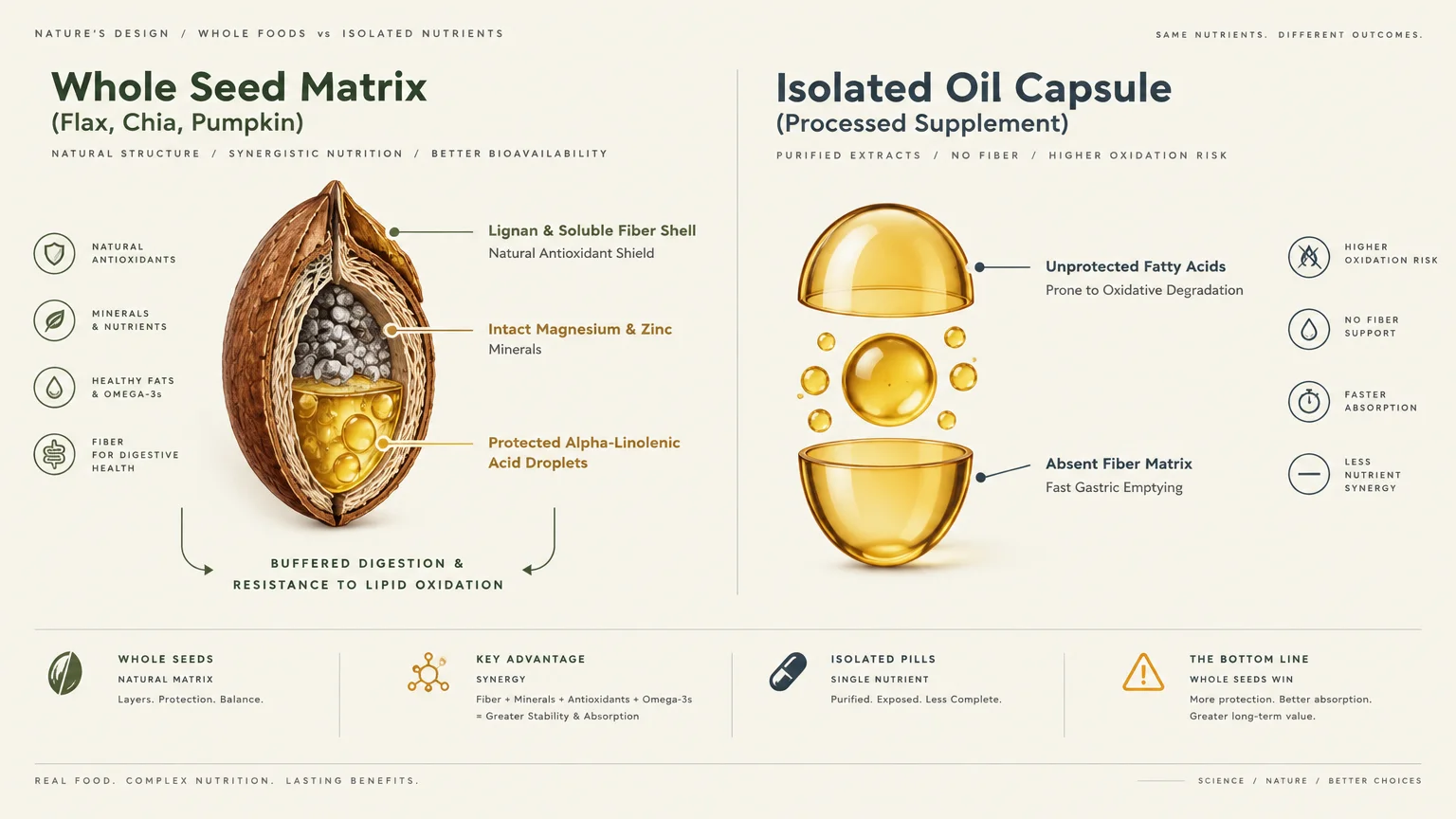
Whole seeds consistently outperform isolated dietary supplements when it comes to long-term cardiovascular protection. While omega-3 oil capsules provide isolated fats, they lack the fiber matrix, plant sterols, and minerals present in whole seeds.
The natural fiber matrix inside whole seeds slows lipid absorption, moderating metabolic pathways far more effectively than extracted oils. Whole foods provide balanced nutrient synergies that processed supplements cannot replicate.
As you increase your daily seed intake, do so gradually to allow your gastrointestinal tract time to adapt. Seeds supply concentrated dietary fiber, which requires adequate hydration to move comfortably through your intestines.
Drink a tall glass of water alongside seed-rich meals to assist fiber expansion and promote regular digestion. If you currently consume a low-fiber diet, start with a single teaspoon daily and build up slowly.
Be mindful of potential interactions if you currently take prescription cardiovascular medications. High intakes of omega-3-rich seeds like flax and chia can exert mild natural antiplatelet and blood-thinning effects.
If you take anticoagulant or antiplatelet drugs such as warfarin, clopidogrel, or aspirin, discuss dietary adjustments with your physician. Your doctor can monitor your clotting parameters safely as you introduce more healthy fats.
Similarly, pumpkin seeds provide robust amounts of magnesium, which can occasionally augment the effects of blood pressure prescriptions. Routine blood pressure monitoring at home ensures your numbers remain in a safe, healthy target range.
Consult a qualified nutrition professional registered with the Academy of Nutrition and Dietetics for personalized dietary guidance. A registered dietitian can tailor daily seed portions precisely to your health history and metabolic requirements.
Frequently Asked Questions About Seeds and Heart Health
What is the recommended daily serving of seeds for cardiovascular health?
Consuming one to two tablespoons of mixed seeds daily provides substantial cardiovascular benefits without excessive caloric intake. This modest portion delivers ample soluble fiber, essential fatty acids, and key minerals to support your vascular system.
You can easily split this amount across different meals throughout your day. For instance, enjoy one tablespoon of ground flax at breakfast and one tablespoon of pumpkin seeds at lunch.
Should you eat seeds raw or roasted?
Raw seeds preserve delicate polyunsaturated fatty acids and heat-sensitive antioxidants in their most pristine natural state. High-temperature commercial roasting can degrade fragile omega-3 fats and trigger oxidation.
If you prefer a toasted flavor, gently dry-roast raw seeds in a skillet over low heat for two minutes. This quick technique enhances crunch and aroma without compromising delicate internal nutrients.
Can seeds trigger diverticulitis flare-ups in older adults?
Historical medical advice once warned individuals with diverticulosis to avoid small seeds, nuts, and popcorn out of caution. However, modern gastroenterological research shows no evidence that seeds lodge in diverticular pouches or cause inflammatory flare-ups.
In fact, the dietary fiber found in seeds helps soften stool, reducing intracolonic pressure and protecting bowel health. If you have active diverticulitis, consult your physician before resuming high-fiber foods.
How long do seeds remain fresh in the refrigerator?
Whole seeds stored in airtight glass containers inside your refrigerator remain fresh and potent for up to one year. Cold temperatures dramatically slow down the oxidation of unsaturated fatty acids, preserving delicate flavor profiles.
Ground seeds, particularly ground flaxseed, have a shorter shelf life due to direct oxygen exposure. Keep ground flax in your refrigerator for up to three months, or freeze it for six months.
Are salted seeds acceptable for cardiovascular wellness?
Commercially roasted and salted seeds often contain excessive sodium, which can undermine your blood pressure management goals. Elevated sodium intake promotes fluid retention, increasing vascular volume and raising arterial tension.
Always purchase raw or unsalted seeds to gain cardiovascular advantages without unnecessary sodium burdens. You can season raw seeds at home using fragrant herbs, garlic powder, or smoked paprika for vibrant flavor.
Simple Steps for a Healthier Heart This Week
Improving your cardiovascular wellness does not require dramatic, stressful dietary overhauls. Sustainable heart health blossoms from small, consistent choices repeated day after day.
Begin by selecting just one seed variety from this guide during your next grocery trip. Choose an option that sounds delicious and fits naturally into meals you already love preparing.
If you select flaxseeds, purchase whole seeds and grind a cupful in your kitchen blender or grinder. Store the ground seeds in a labeled glass jar directly in your refrigerator door for instant accessibility.
Commit to sprinkling two tablespoons of seeds onto your breakfast or lunch every single day this week. Observe how easily this quick addition enriches your meals with satisfying texture, nutty richness, and steady energy.
Your heart works tirelessly for you every moment, pumping life through thousands of miles of vascular pathways. Fuel that magnificent engine with the concentrated, protective nourishment it deserves.
Disclaimer: This article is for informational purposes only. Consult with a healthcare provider before making significant changes to your diet, exercise routine, or supplement regimen.