
You can safeguard your cardiovascular system and boost your immune defenses by understanding a surprising nutritional truth. Not every trans fat harms your health, and learning the difference protects your vitality after age sixty.
Decades of public health warnings taught consumers to fear all trans fats equally. Yet groundbreaking scientific discoveries prove that certain natural fats from dairy and pasture-raised meat actually work to defend your body.
By making informed food choices today, you can eliminate dangerous industrial oils while enjoying wholesome foods that strengthen your immune cells.
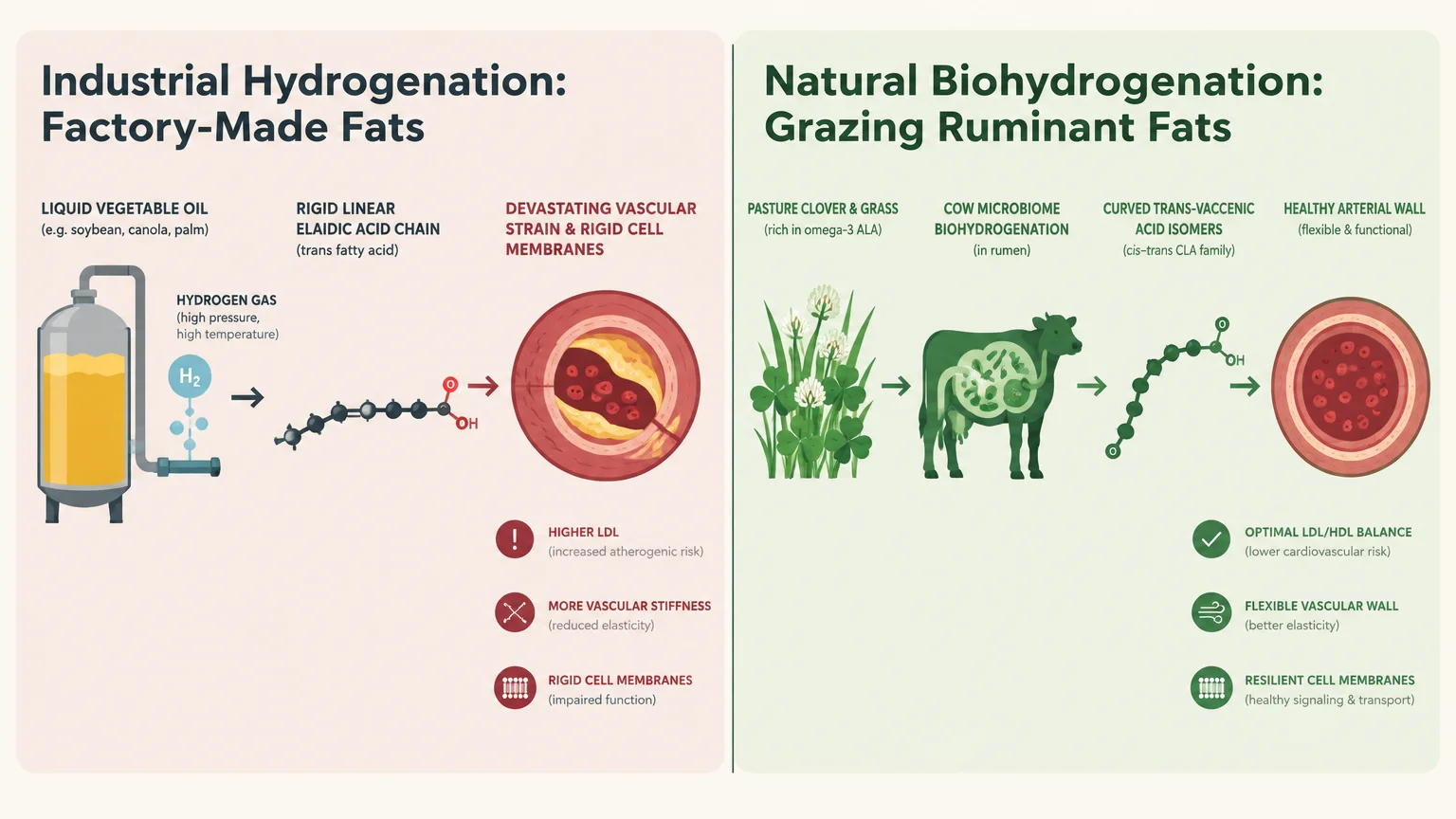
Why Trans Fats Matter After 60: Two Completely Different Worlds
As you age, your metabolism and cellular membranes undergo significant biological changes. Your arteries become naturally less flexible, making the types of dietary fats you consume critical to maintaining healthy circulation.
Aging also places new demands on your immune system, a process clinicians call immunosenescence. The structural lipids that compose your cell walls directly dictate how effectively your immune cells identify and neutralize threats.
For decades, nutritional science treated all trans fats as a uniform cardiovascular poison. However, biological researchers now draw a firm distinction between factory-made fats and natural compounds produced inside ruminant animals.
Artificial trans fats originate when industrial manufacturers pump hydrogen gas into liquid vegetable oils. This aggressive chemical processing changes liquid oil into a solid fat that stays shelf-stable for months.
Unfortunately, that artificial structure causes devastating harm inside human tissue. Your digestive enzymes struggle to metabolize these unnatural synthetic configurations, leading to severe vascular damage.
In contrast, natural trans fats form through biohydrogenation inside the unique digestive systems of grazing animals like cows, sheep, and goats. Helpful stomach microbes naturally convert plant fatty acids into distinctive, health-promoting isomers.
These biological isomers behave entirely differently within your body. Rather than clogging your arteries, certain dairy fats support cellular resilience and help calibrate metabolic pathways.
Understanding this biological contrast allows you to make joyful, confident food choices. You no longer need to fear traditional whole foods that human populations have safely consumed for generations.
The Chemistry of Fats: Understanding Molecular Structure
To grasp why these fats behave differently, you must examine their underlying molecular architecture. Unsaturated fats contain carbon bonds that curve into specific shapes depending on hydrogen atom placement.
In normal cis fats, hydrogen atoms sit on the same side of the carbon chain, creating a natural bend. This flexible kink keeps oils liquid at room temperature and allows cell membranes to remain supple.
In trans fats, hydrogen atoms sit on opposite sides of the chain, straightening the fatty acid molecule into a rigid rod. This linear shape mimics saturated fat, packing tightly together inside biological membranes.
The difference between artificial and natural trans fats lies in which specific carbon bond is transformed. Industrial hydrogenation primarily creates elaidic acid, an isomer your body cannot process cleanly.
Ruminant biohydrogenation produces trans-vaccenic acid, where the double bond occupies a completely different position along the chain. That single positional shift transforms a hazardous molecule into an immune-supporting ally.
Your liver and vascular tissue easily recognize this natural geometry. As a result, pasture-raised fats integrate seamlessly into your metabolism without initiating harmful arterial dysfunction.
The True Culprit: How Industrial Trans Fats Harm Aging Arteries
Decades of clinical research leave no doubt that industrial trans fats accelerate cardiovascular decline. These toxic compounds trigger chronic systemic inflammation, raise harmful cholesterol, and stiffen arterial linings.
The World Health Organization notes that high trans fat intake increases your risk of death from any cause by 34%. Coronary heart disease deaths jump by 28%, while coronary heart disease overall surges by 21%.
Globally, industrial trans fats contribute to between 278,000 and over 500,000 premature deaths each year. These alarming figures prompted global health agencies to implement sweeping bans on hydrogenated ingredients.
When you consume partially hydrogenated oils, they raise low-density lipoprotein cholesterol while simultaneously lowering protective high-density lipoprotein cholesterol. This dual destructive action accelerates the buildup of calcified arterial plaque.
Industrial fats also damage the delicate endothelial lining of your blood vessels. Damaged blood vessels lose their ability to dilate smoothly, elevating blood pressure and increasing your vulnerability to strokes.
Furthermore, synthetic trans fats impair insulin signaling within your skeletal muscle and liver tissue. This insulin resistance increases blood sugar instability, multiplying the risk of metabolic complications for older adults.
Consuming just 5 grams of daily industrial trans fat elevates your risk of coronary heart disease by 29%. Avoiding these synthetic fats remains essential for protecting your longevity.
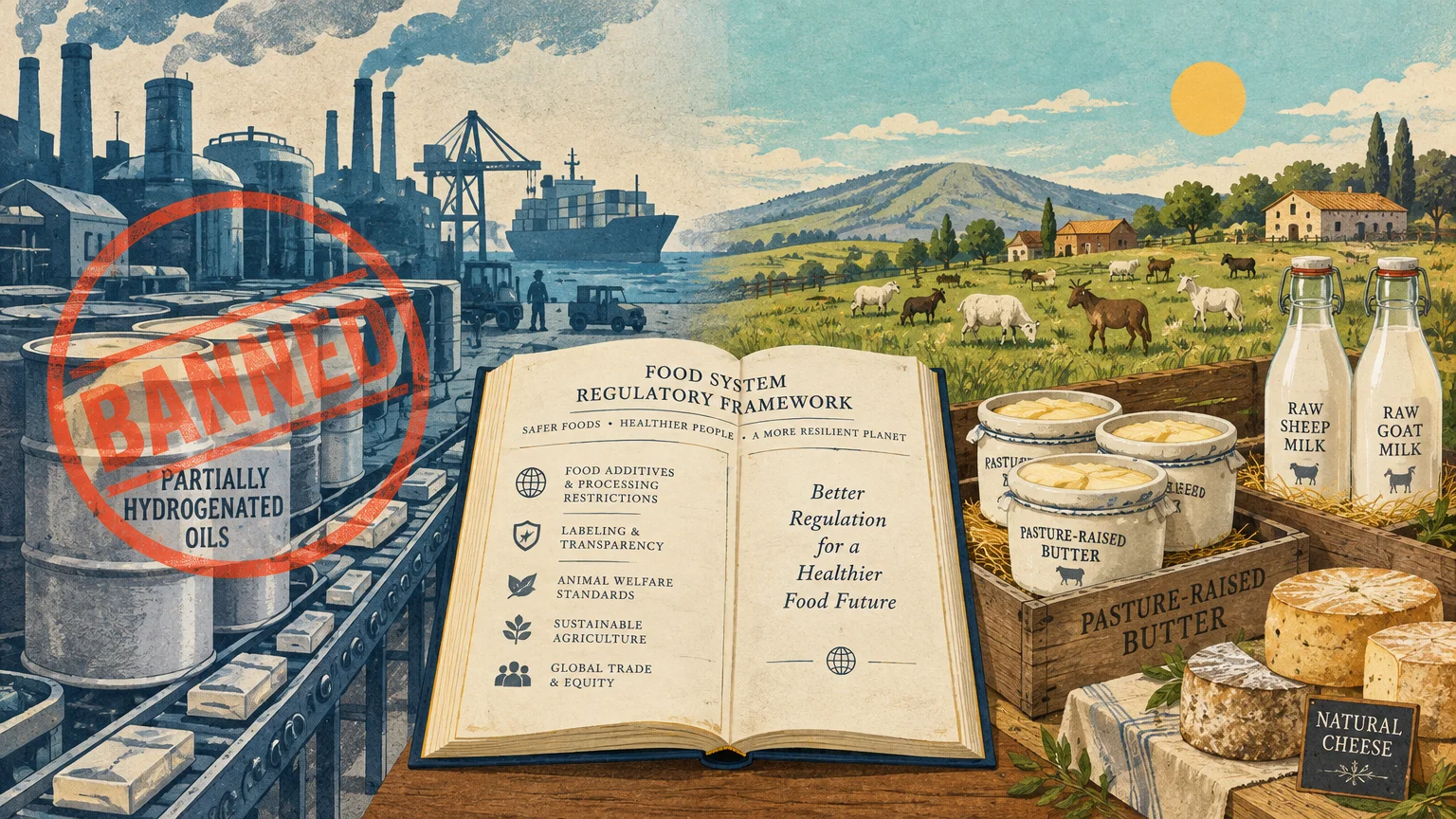
Global Regulations: How the Food Supply Transformed
Recognizing the immense danger of industrial trans fats, public health authorities initiated aggressive global countermeasures. These legal victories have drastically reshaped modern grocery shelves over the past decade.
To eliminate this threat worldwide, the World Health Organization launched the global REPLACE initiative in 2018. This ambitious campaign inspires best-practice policies across dozens of partner countries.
Today, REPLACE policies protect roughly 3.7 to 4 billion people across 53 to 54 countries. That coverage represents approximately 46% of the global population, up from only 6% in 2018.
Between 2023 and 2025, eleven nations earned formal validation certificates from the World Health Organization for eliminating industrial trans fats. These countries verified their success through rigorous laboratory monitoring.
The honored nations include Denmark, Lithuania, Poland, Saudi Arabia, Thailand, Austria, Norway, Oman, Singapore, Portugal, and the United Arab Emirates. Their public health success proves that smart government standards save lives.
In Europe, strict standards protect supermarket shoppers from hidden exposure. Since April 2021, the European Union has legally capped industrial trans fats at a maximum of 2 grams per 100 grams of fat.
The U.S. Food and Drug Administration also acted decisively against partially hydrogenated oils. In June 2015, the agency determined that partially hydrogenated oils were no longer Generally Recognized as Safe.
Regulators prohibited food manufacturers from adding these artificial oils to products after June 18, 2018. To clear existing commercial distribution pipelines, officials set a final compliance deadline of January 1, 2021.
On December 22, 2023, the federal government enacted a final administrative rule revoking all remaining outdated authorizations for partially hydrogenated oils. This landmark measure closed historical loopholes in national food standards.
Crucially, these federal bans apply strictly to artificial trans fats, not natural ruminant fats. Regulators recognized that traditional dairy and meat fats do not pose the same cardiovascular hazards.
The Trans Fat Surprise: How Natural Trans Fats Defend Your Cells
While factory-made fats devastate cardiovascular wellness, natural trans fats tell an inspiring nutritional story. These compounds feature a distinct spatial geometry that your cellular machinery recognizes and utilizes effectively.
Industrial partially hydrogenated fats often contain up to 50% to 60% trans fatty acids, dominated by elaidic acid. In contrast, natural ruminant products contain only 2% to 6% trans fats as a proportion of total fat.
Clinical studies show no link between natural ruminant trans fats and heart disease at normal dietary intakes up to 2.5 to 4 grams per day. The molecular structure of these pasture-born nutrients completely alters their biological fate.
The most compelling breakthrough in this field arrived in November 2023. Researchers at the University of Chicago published a landmark study in the journal Nature that captivated oncologists and nutritionists alike.
The research team systematically evaluated a comprehensive library of 255 bioactive blood nutrients to see which compounds influenced human immunity. A natural trans fat called trans-vaccenic acid, or TVA, emerged as the top performer.
Trans-vaccenic acid is the predominant natural trans fat found in grass-fed beef, lamb, and whole dairy products. The study revealed that TVA directly programs your CD8+ T cells to attack abnormal cells.
CD8+ T cells serve as the elite infantry of your immune system. TVA enhances their ability to infiltrate malignant tumors and destroy dangerous growths from within.
The researchers also evaluated human clinical data from lymphoma patients undergoing advanced immunotherapy treatments. Patients with higher circulating levels of TVA in their bloodstream responded significantly better to their medical therapies.
Your body handles TVA with remarkable efficiency. Only about 19% to 20% of dietary TVA breaks down into metabolic byproducts inside human tissues.
That biological conservation leaves approximately 80% of the nutrient circulating freely in your bloodstream. This circulating TVA remains active and ready to support cellular defense networks throughout your body.
In 2026, follow-up research published in the journal Science expanded our understanding of this natural molecule. Scientists demonstrated that maternal milk rich in TVA drives long-term immune resilience, expanding protective T-cell populations.
These discoveries fundamentally alter how medical researchers view natural fats. Consuming genuine pasture-raised foods supplies targeted biochemical tools that help your body resist age-related cellular decline.
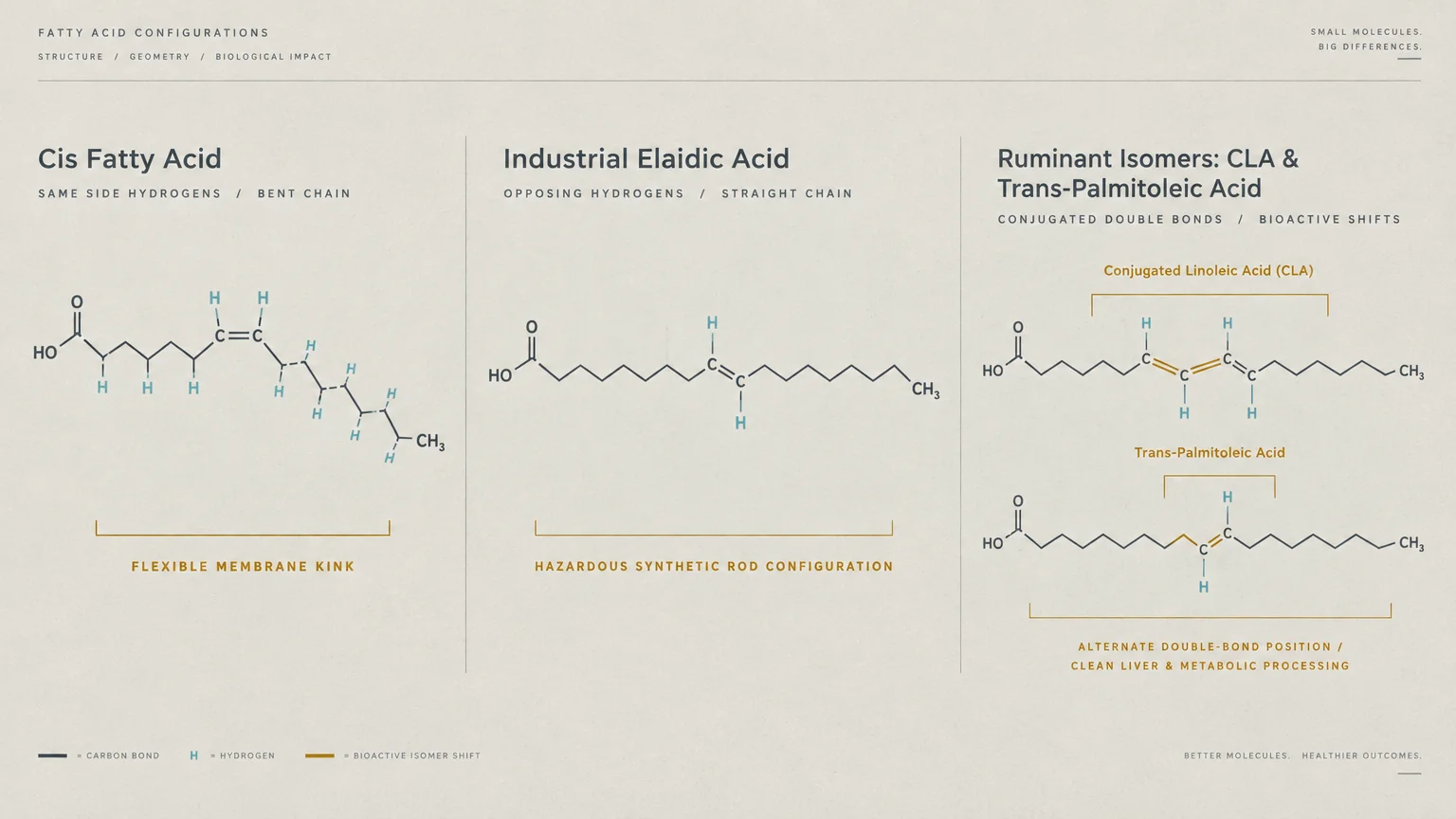
Additional Natural Isomers: CLA and Trans-Palmitoleic Acid
Trans-vaccenic acid is not the only beneficial lipid present in pasture-raised dairy and meat. Ruminant animals produce several other unique fatty acid isomers that provide distinct health advantages for seniors.
Conjugated linoleic acid, specifically rumenic acid, is another prominent natural isomer produced during bovine digestion. Clinical investigations suggest that rumenic acid helps reduce systemic inflammation and assists in preserving lean body mass.
As muscle mass naturally declines with advancing age, maintaining structural strength becomes essential for daily independence. Rumenic acid helps your muscle fibers maintain cellular protein synthesis while moderating unnecessary abdominal fat storage.
Pasture-raised dairy also delivers trans-palmitoleic acid, an intriguing natural fatty acid linked to endocrine wellness. Your body cannot produce this specific compound on its own, meaning you must acquire it through whole food sources.
Landmark epidemiological research indicates that older adults with higher circulating levels of trans-palmitoleic acid enjoy superior insulin sensitivity. These individuals experience a significantly lower risk of developing type 2 diabetes.
Trans-palmitoleic acid also correlates with healthier blood lipid profiles, including lower fasting triglycerides and elevated HDL cholesterol. These findings provide additional proof that whole dairy foods support metabolic balance.
By viewing dairy fat as a complex biological matrix rather than an isolated risk factor, you can enjoy these protective nutrients guilt-free. Nature packaged these isomers alongside calcium, magnesium, and proteins that maximize their systemic benefits.
The Top 6 Wholesome Food Sources of Natural Trans Fats
Obtaining beneficial natural fats requires choosing genuine, nutrient-dense whole foods. Grazing animals that eat their natural diet of pasture grass produce much higher concentrations of these protective compounds.
1. 100% Grass-Fed Whole Milk
Pasture-raised cows convert fresh green forage into rich milk loaded with protective fatty acids. Choosing full-fat, grass-fed milk provides optimal levels of both TVA and fat-soluble vitamins like vitamin K2.
Conventional grain diets alter bovine digestion and reduce beneficial fat levels significantly. Enjoying a glass of grass-fed milk or adding it to your morning porridge supplies your cells with clean fuel.
2. Aged Cheeses from Pasture-Raised Cows
Traditional aged cheeses such as cheddar, gouda, and parmesan offer concentrated sources of beneficial dairy trans fats. Natural aging preserves the integrity of delicate fatty acid isomers while breaking down difficult milk sugars.
A single ounce of aged grass-fed cheese provides bioavailable calcium alongside your natural trans fats. Pair aged cheese with raw walnuts or fresh apple slices for an energizing afternoon snack.
3. Pasture-Raised Butter and Traditional Ghee
For generations, health authorities warned older adults away from butter in favor of artificial margarine. Modern nutritional science reveals that pasture-raised butter contains healthy conjugated linoleic acid and beneficial TVA.
Ghee, or clarified butter, removes milk solids while retaining these heat-stable fatty acids. Use small amounts of grass-fed butter or ghee to gently sauté colorful garden vegetables.
4. 100% Grass-Fed Beef
Cattle finished on natural pastures yield beef with an exceptionally clean fatty acid profile. Grass-fed beef provides meaningful amounts of trans-vaccenic acid alongside bioavailable heme iron and vital vitamin B12.
Select lean cuts like sirloin or tenderloin to balance your total saturated fat intake while reaping natural trans fat rewards. A four-ounce serving twice a week easily fits into a heart-smart dietary pattern.
5. Pasture-Raised Lamb
Lamb is an exceptional ruminant meat that naturally contains high proportions of conjugated linoleic acid and TVA. Because sheep graze almost exclusively on open pastures, their meat consistently retains superior lipid profiles.
Braised lamb shanks or grilled loin chops deliver dense cellular nutrition to aging bodies. Combine tender pasture-raised lamb with aromatic rosemary and roasted root vegetables for a restorative dinner.
6. Whole-Milk Plain Greek Yogurt
Authentic Greek yogurt made from whole milk combines beneficial dairy fats with living probiotic cultures. These active probiotics collaborate with natural fatty acids to strengthen your digestive barrier and reduce gut inflammation.
Avoid flavored varieties that add unnecessary refined sugars to your morning meal. Instead, stir fresh blueberries and ground flaxseeds directly into plain, whole-milk yogurt for breakfast.
Signs You Need to Rethink Your Dietary Fats
Your body provides clear warning signs when you consume improper fats or lack protective lipids. Recognizing these physical cues allows you to adjust your grocery choices before chronic complications emerge.
Frequent joint stiffness and lingering muscle soreness often signal widespread systemic inflammation. Processed industrial fats trigger inflammatory cascades that aggravate common age-related aches and joint conditions.
If your routine blood tests reveal stubbornly high triglycerides alongside depressed HDL cholesterol, inspect your diet. Artificial trans fats disrupt lipid metabolism, driving down good cholesterol while elevating dangerous small, dense LDL particles.
Struggling with persistent mental fatigue and slow recovery from minor infections also warrants attention. When cell membranes lack high-quality dietary fats, immune signaling becomes sluggish and ineffective.
Chronic digestive irritation and irregular bowel habits may indicate excessive consumption of heavily processed packaged snacks. Factory-made hydrogenated fats irritate the delicate lining of your gut, compromising nutrient absorption.
Finally, feeling constantly hungry soon after meals suggests your diet relies too heavily on empty refined carbohydrates. Wholesome dairy and ruminant fats trigger natural satiety hormones that keep your appetite steady for hours.

The Proven Benefits of Getting the Right Natural Fats
Supplying your body with beneficial natural trans fats yields wide-ranging benefits for men and women over sixty. These biological lipids reinforce your health at the cellular level, preserving vigor and independence.
Enhanced immune surveillance stands out as the most exciting breakthrough associated with dietary TVA intake. Activating your CD8+ T cells ensures your body actively identifies and suppresses cellular abnormalities before they spread.
Improved insulin sensitivity is another clinically observed benefit of consuming natural dairy fats. Trans-palmitoleic acid helps your muscles absorb circulating glucose efficiently, reducing strain on your hardworking pancreas.
Preserving lean muscle tissue becomes increasingly vital as you navigate your sixties, seventies, and beyond. Natural conjugated linoleic acid supports muscle protein synthesis, helping you maintain functional strength against accidental falls.
A healthier inflammatory balance also translates to more comfortable, flexible joints throughout your daily activities. Natural dairy fats calm inflammatory cytokines, making morning walks and recreational hobbies far more enjoyable.
Furthermore, wholesome dairy fats support superior cognitive stamina and steady mental focus. Your brain is composed largely of specialized fats that require stable lipid building blocks to function smoothly.
How to Easily Add Healthy Fats to Your Daily Routine
Transitioning toward health-promoting natural fats does not require complicated meal plans or expensive gourmet foods. Simple, consistent adjustments during your weekly grocery trip produce dramatic health dividends.
Always inspect packaged food ingredient labels with immense care before placing items in your shopping cart. Look specifically for the terms partially hydrogenated oil, hydrogenated shortening, or interesterified vegetable fat.
Be aware of the misleading federal labeling loophole regarding commercial trans fat content. Under current labeling rules, manufacturers can list zero grams of trans fat if a serving has less than 0.5 grams.
If you consume multiple servings of a commercial snack, those hidden fractions quickly accumulate into dangerous amounts. Reading the ingredient list guarantees you avoid partially hydrogenated oils entirely.
Replace synthetic margarine spreads and imitation tub butters with pure, organic butter from pasture-raised cows. Use a light touch; a single teaspoon delivers rich flavor and authentic natural fatty acids.
Upgrade your dairy case selections by skipping ultra-processed skim products in favor of whole, pasture-raised options. Full-fat dairy promotes better satiety and provides the complete lipid matrix your metabolism expects.
Incorporate grass-fed beef or pasture-raised lamb into your weekly dinner rotation once or twice. Prepare these meats using gentle cooking methods like slow braising, stewing, or medium-heat skillet searing.
Complement these nourishing ruminant fats with generous servings of colorful vegetables and fiber-rich legumes. A balanced Mediterranean-style plate ensures your heart and digestive system thrive together.
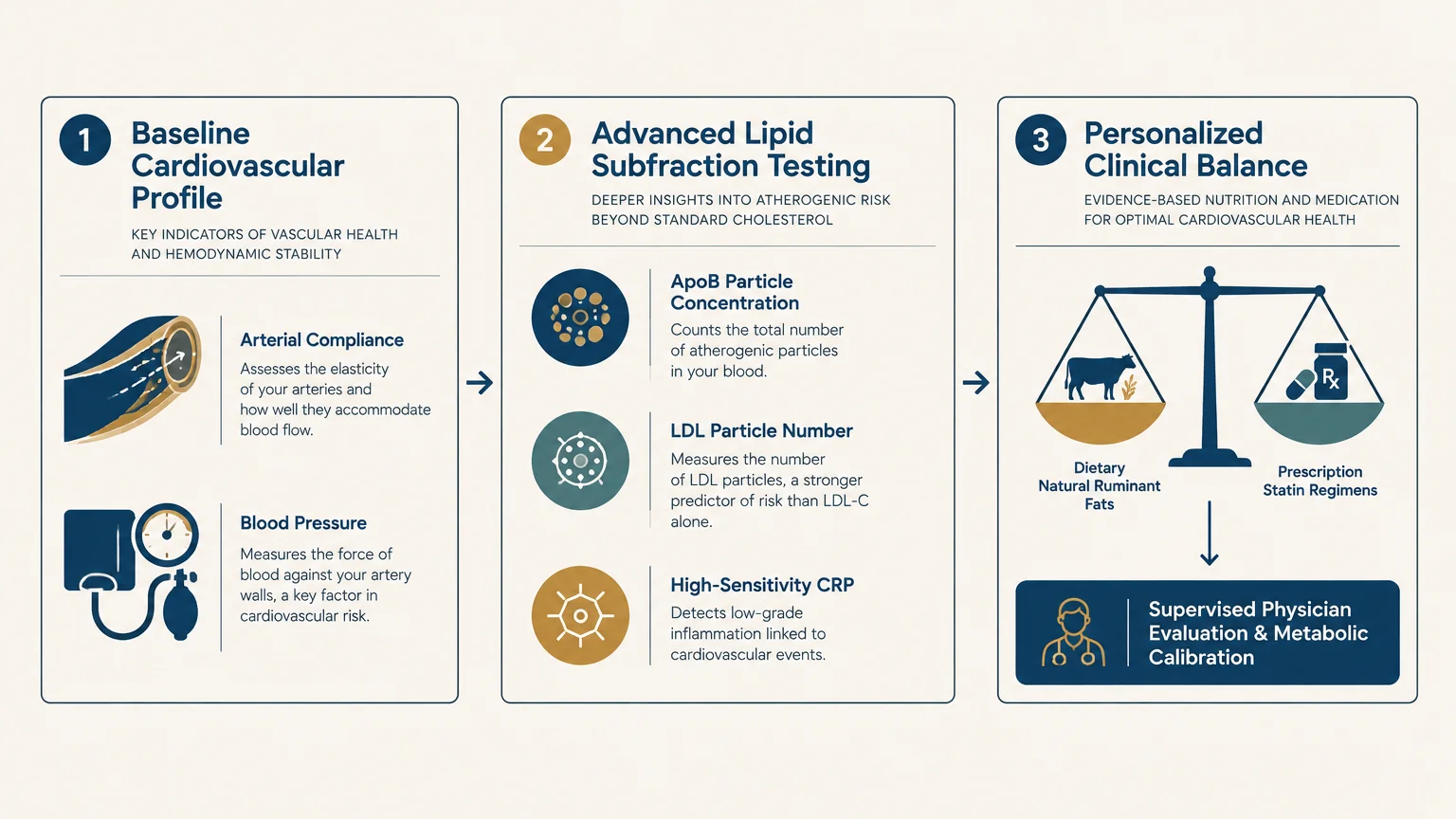
What to Consider: Balance, Medications, and Clinical Testing
Maintaining biological balance remains the golden rule of senior nutrition and cardiovascular preventive care. While natural trans fats provide unique cellular perks, consuming excessive total saturated fat remains inadvisable.
The World Health Organization advises capping all trans fat intake at less than 1% of total daily energy. On a standard 2,000-calorie daily diet, that target translates to less than 2.2 grams per day.
Achieving this healthy threshold occurs naturally when you enjoy moderate portions of grass-fed whole foods. You do not need massive quantities of dairy or red meat to reap immune-supporting rewards.
Avoid commercial dietary supplements that promise mega-doses of synthetic conjugated linoleic acid or isolated trans fats. These manufactured pills often contain distorted chemical isomers that can increase liver fat and worsen insulin resistance.
Always obtain your beneficial fatty acids from genuine, unadulterated whole foods. Whole dairy and meat supply essential co-factors, minerals, and proteins that work synergistically inside your body.
If you take cholesterol-lowering statin medications or blood thinners, discuss any significant dietary updates with your physician. Your doctor can run advanced lipid panels to track your apolipoprotein B, LDL particle number, and inflammatory markers.
Collaborating with a credentialed specialist from the Academy of Nutrition and Dietetics can help tailor fat intake to your unique biology. A personalized dietary plan accounts for your cardiac history, activity level, and metabolic goals.
Consulting dietary references from the U.S. Department of Agriculture also provides helpful benchmarks for planning balanced, nutrient-dense daily meals. Combining scientific guidance with delicious whole foods produces sustainable long-term success.
Educational resources from the National Institutes of Health can further clarify how personalized nutrition influences your cardiovascular aging. Empowering yourself with verified medical research gives you total confidence in your daily dining choices.
Frequently Asked Questions About Trans Fats
Are all trans fats equally dangerous for cardiovascular health?
No, clinical evidence proves that artificial trans fats and natural ruminant trans fats exert completely different biological effects. Industrial fats drive arterial inflammation, whereas natural fats like TVA and CLA show neutral to beneficial cardiovascular and immune properties.
Your digestive enzymes break down natural fats safely, whereas artificial hydrogenated oils damage vascular walls. Choosing pasture-raised dairy allows you to gain cellular benefits without elevating your heart disease risk.
Why do some commercial products claim zero trans fats when they contain them?
Federal labeling regulations permit food companies to round down to zero if a product contains less than 0.5 grams per serving. This loophole means packaged snacks can still contain dangerous hydrogenated oils despite displaying zero on the front label.
You must inspect the ingredient panel for partially hydrogenated vegetable oils or shortening. If you spot those terms anywhere in the list, leave the item on the store shelf.
Does conventional grain-fed dairy contain the same beneficial fats as grass-fed dairy?
Grain-fed dairy contains significantly lower concentrations of trans-vaccenic acid and beneficial conjugated linoleic acid. Cows grazing on fresh pasture absorb active chlorophyll and plant precursors that stimulate the natural biohydrogenation of healthy fatty acids.
Selecting certified grass-fed whole milk, butter, and cheese ensures you receive the maximum concentration of protective lipids. The vibrant yellow color of grass-fed butter indicates higher concentrations of fat-soluble vitamins.
Can cooking grass-fed beef or melting butter destroy natural trans fats?
Natural trans fatty acids like TVA and rumenic acid remain relatively stable under standard culinary temperatures. You can safely sauté vegetables or sear grass-fed steaks without degrading their beneficial molecular structures.
However, you should avoid burning or smoking fats, as excessive heat generates oxidized lipid byproducts that strain arterial health. Cook with gentle, medium heat to preserve the delicate nutritional integrity of your food.
Should older adults take concentrated CLA or trans fat weight loss supplements?
No, you should avoid industrial fat supplements because they frequently rely on altered chemical isomers that strain liver function. High doses of synthetic CLA supplements have been shown to worsen insulin resistance in clinical trials.
Enjoying moderate servings of whole, grass-fed dairy and pasture-raised meat provides safe, balanced nourishment without adverse effects. Whole foods supply natural ratios of fatty acids that your body processes smoothly.
Action Plan: Simple Steps to Take This Week
Transforming your cardiovascular and immune health starts with small, purposeful choices in your everyday environment. Focus on practical upgrades that fit effortlessly into your existing routine.
Begin by conducting a ruthless ten-minute audit of your kitchen pantry and refrigerator shelves. Toss any commercial baked goods, packaged frostings, or processed creamers that list partially hydrogenated oils in their fine print.
Next, upgrade your weekly dairy choices to certified organic, 100% grass-fed whole milk, butter, or plain Greek yogurt. These nutrient-dense staples deliver genuine trans-vaccenic acid to fortify your body’s front-line immune cells.
Incorporate pasture-raised ruminant meats like lean grass-fed beef or lamb into two balanced dinners this week. Pair these dishes with steamed dark leafy greens and olive oil to maximize nutrient absorption.
Finally, schedule an annual wellness visit with your primary healthcare provider to review your current cardiovascular risk profile. Request a comprehensive lipid and metabolic panel to establish a clear baseline as you refine your diet.
Embracing wholesome, pasture-raised foods honors your physical health while delighting your palate. Take control of your nutrition today to build vitality, physical resilience, and lasting peace of mind.
This article is for informational purposes only. Consult with a healthcare provider before making significant changes to your diet, exercise routine, or supplement regimen.