Recognizing subtle shifts in your bathroom habits can protect your urinary health and independence as you age. Waking multiple times each night or straining to empty your bladder signals that your urinary system needs medical attention.
You do not have to accept persistent discomfort or disrupted sleep as an unavoidable consequence of getting older. Addressing bladder trouble and enlarged prostate signs early prevents severe complications and restores your daily comfort.
Modern diagnostic tools and gentle therapies allow men over 60 to manage these changes effectively. Learning the warning signs gives you the power to take control of your long-term health today.
Understanding the Basics of Prostate and Bladder Health
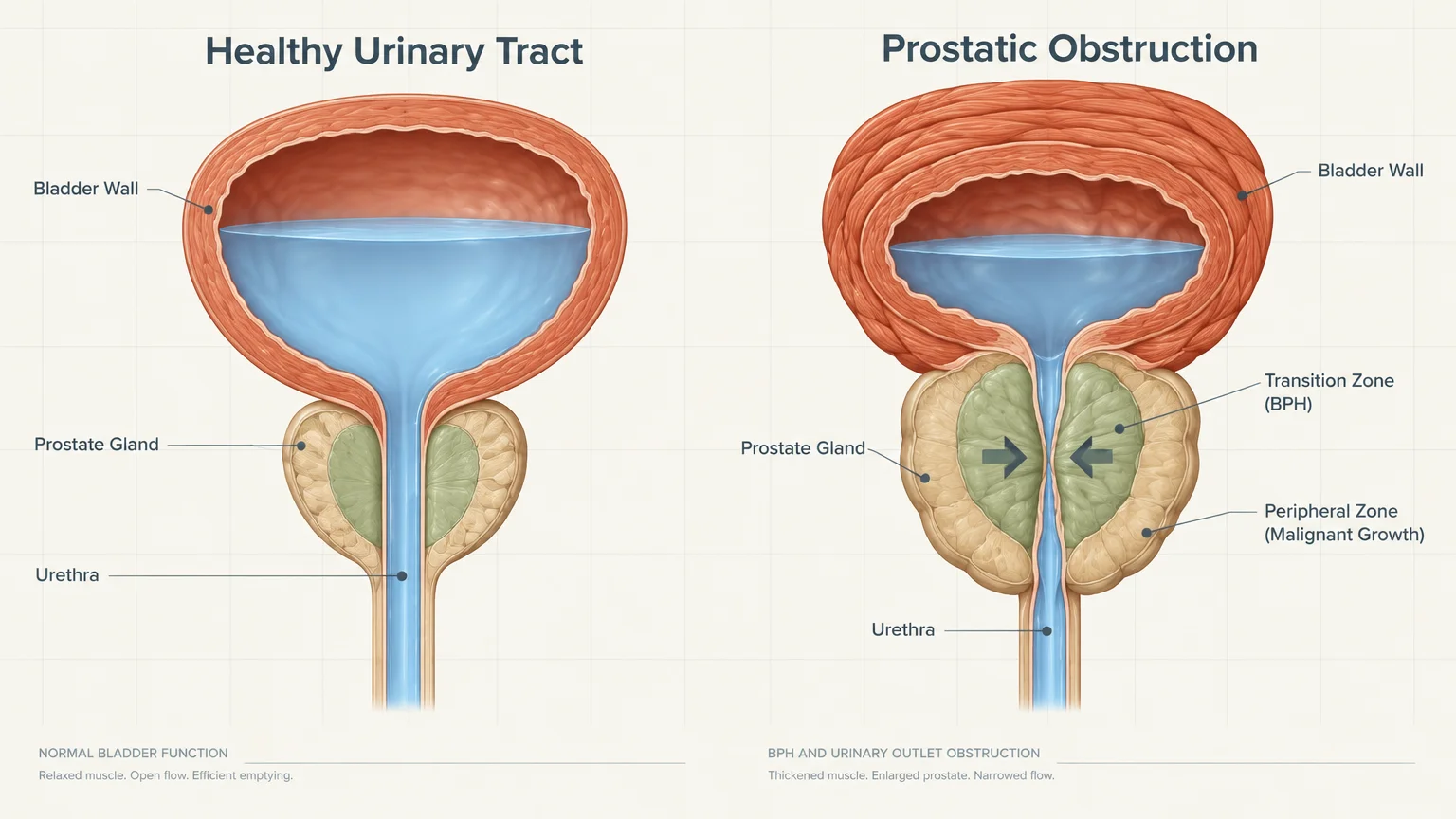
Your prostate gland is a small, walnut-sized organ that sits directly beneath your bladder. It completely encircles the upper portion of your urethra, the narrow canal carrying urine out of your body.
Because of this intimate anatomical position, any cellular expansion within your prostate directly pinches the urethral channel. This physical compression creates mechanical resistance that impedes the smooth outflow of urine.
Your bladder serves as a flexible, muscular storage reservoir that expands as your kidneys filter fluid. When full, the muscular bladder wall contracts while the urinary sphincters relax to expel urine smoothly.
When prostate enlargement obstructs normal flow, the bladder muscle must generate significantly higher pressures to empty. Over time, this chronic overwork causes the bladder wall to thicken, stiffen, and lose normal elastic storage capacity.
Prostate problems symptoms generally stem from three distinct medical conditions: benign enlargement, localized inflammation, or malignant growth. Identifying the precise cause requires diagnostic testing, as their symptoms frequently overlap in men over 60.
Benign prostatic hyperplasia, widely known as BPH, represents a non-cancerous cellular multiplication within the prostate transition zone. As this central zone expands inward, it acts like a clamp narrowing your urinary passage.
Prostatitis involves inflammation or active bacterial infection within the prostate tissue itself. Unlike gradual BPH enlargement, prostatitis can develop rapidly, causing pelvic pain, burning during urination, and systemic flu-like malaise.
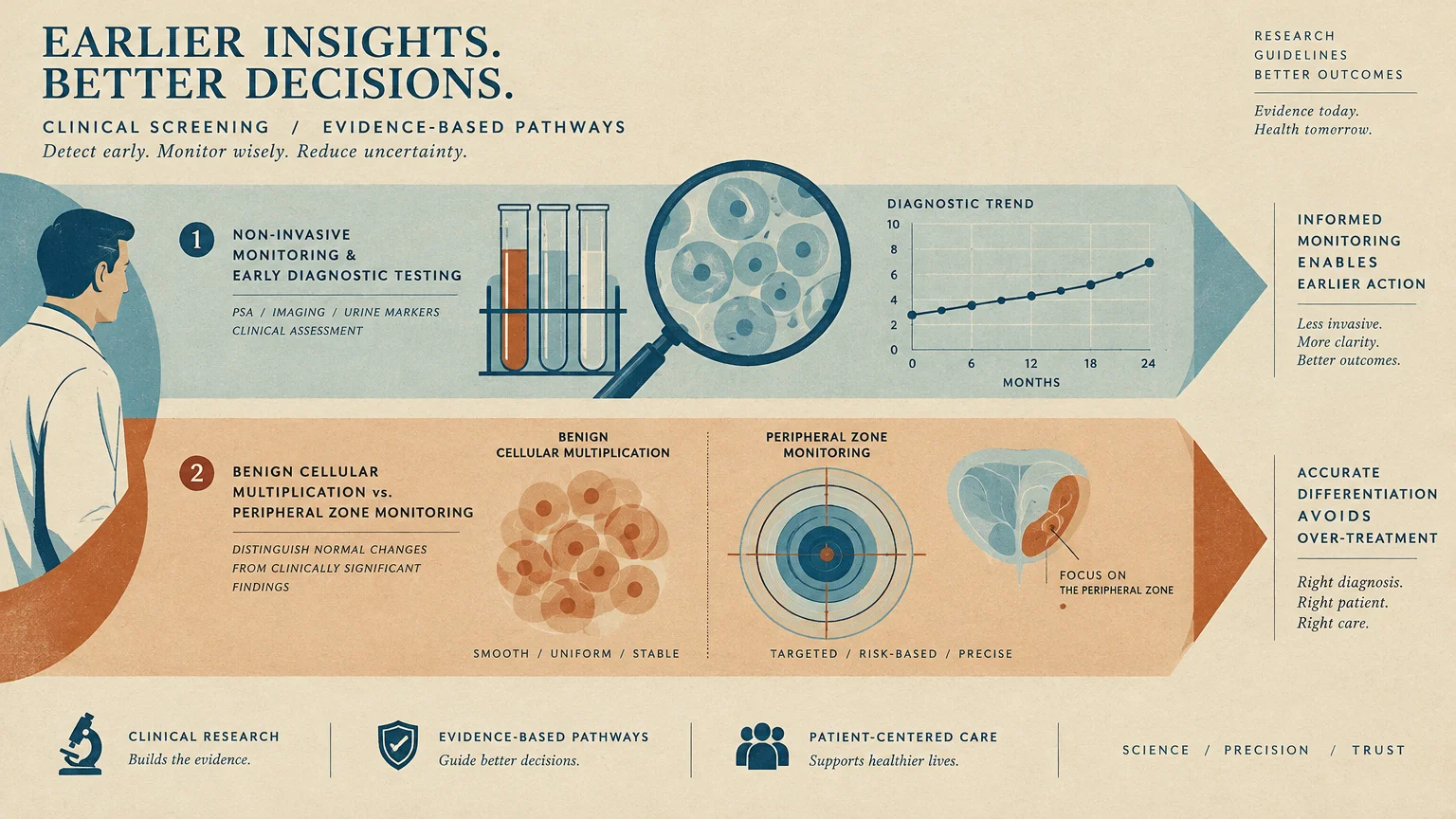
Prostate cancer involves uncontrolled, abnormal cellular growth that typically originates in the outer peripheral zone. Because it usually develops away from the urethra, early-stage prostate cancer rarely causes obvious urinary blockage.
When prostate cancer progresses inward, it begins mimicking typical enlarged prostate signs and bladder obstruction. Regular clinical screening remains essential to distinguish non-cancerous enlargement from aggressive malignant cellular proliferation.
Key Considerations for Men Over 60
Aging introduces distinct physiological shifts that directly alter how your lower urinary tract functions daily. Connective tissues within the bladder wall lose compliance, reducing the total volume of fluid you can comfortably hold.
Hormonal balances also shift gradually as men age, particularly the delicate ratio between testosterone, estrogen, and dihydrotestosterone. These biochemical shifts stimulate lifelong cellular division within prostate tissue, making tissue enlargement common.
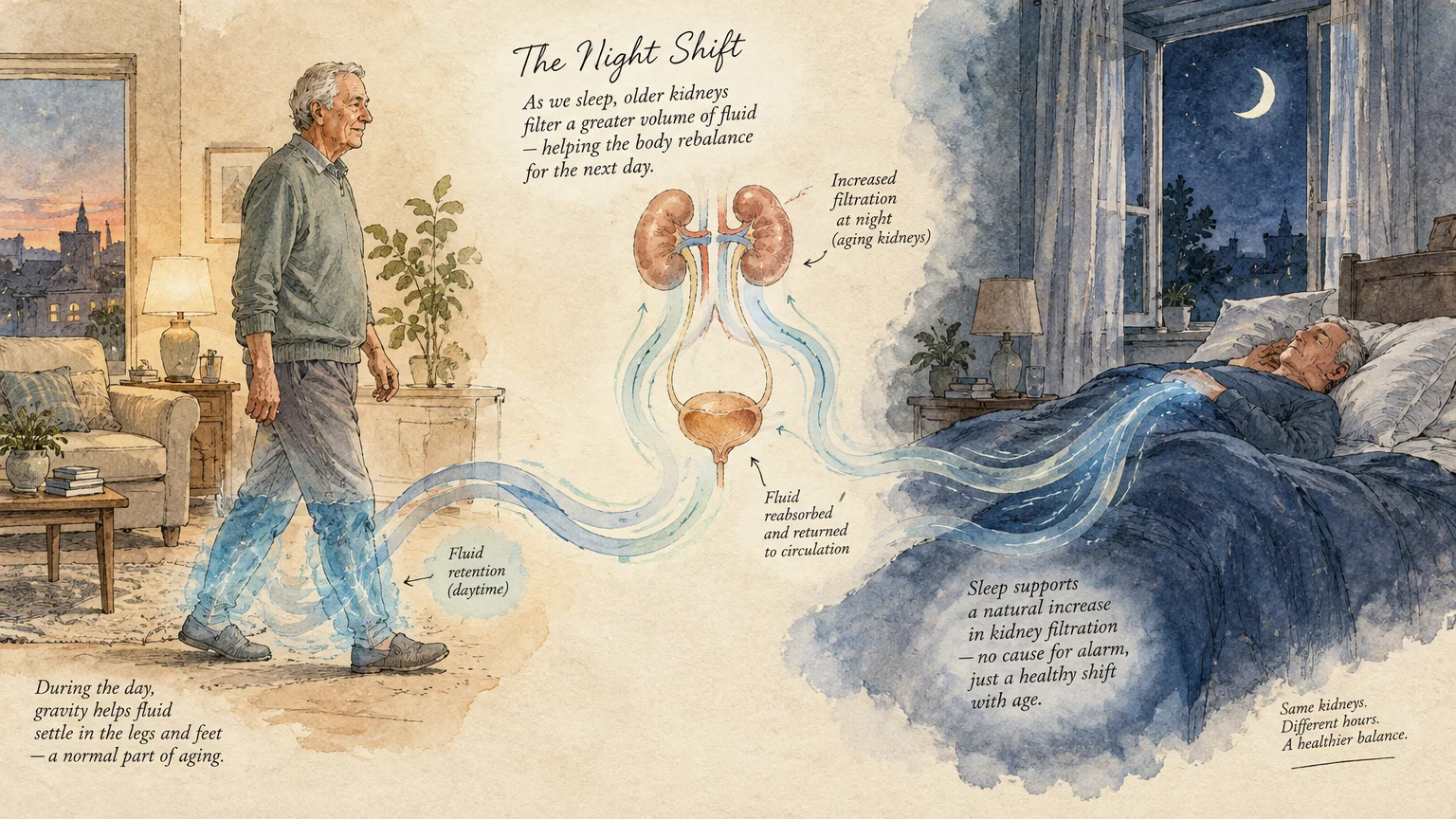
According to researchers at the National Institutes of Health, nighttime kidney filtration patterns shift as well. Older adults naturally produce a higher percentage of their daily urine output during sleep hours.
Circulatory changes further compound this nocturnal fluid shift, particularly if you experience mild fluid accumulation in your legs. When you recline horizontally in bed, your body reabsorbs that fluid, rapidly filling your bladder overnight.
Prescription medications for other chronic conditions often complicate bladder trouble in men over 60. Blood pressure medications, diuretics, antihistamines, and antidepressants frequently disrupt normal bladder muscle contractions or sphincter relaxation.
Chronic constipation also exerts an overlooked, direct mechanical effect on your urinary health. A loaded rectum presses against the bladder neck and urethra, significantly worsening urinary hesitancy and flow obstruction.
Physical mobility challenges turn urinary urgency into a serious safety hazard for older adults. Rushing toward the bathroom in dim lighting substantially increases the statistical risk of dangerous slips and debilitating hip fractures.
Prioritizing men’s health over 60 requires addressing these interconnected physiological systems simultaneously. Managing your urinary tract protects your restful sleep, physical safety, independence, and long-term vitality.
7 Signs of Prostate and Bladder Trouble
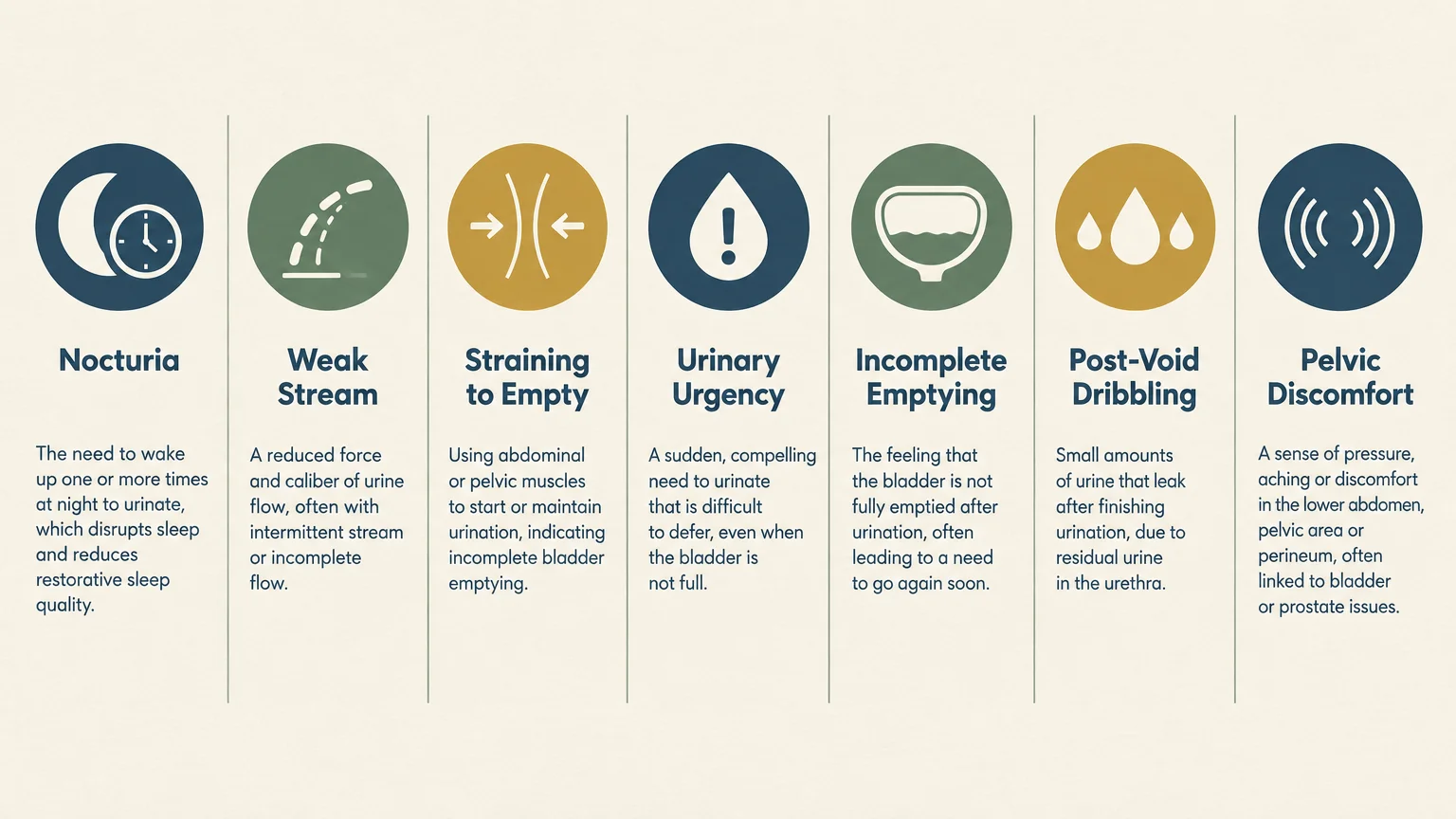
Monitoring your daily bathroom patterns helps you catch urinary changes before severe complications develop. Pay close attention to these seven primary indicators of underlying prostate and bladder distress.
1. Frequent Urination and Disruptive Nocturia
Voiding more than eight times throughout your waking hours often indicates urinary tract irritation or incomplete bladder emptying. When an enlarged prostate obstructs flow, your bladder never empties fully, refilling to capacity much faster.
Nocturia refers specifically to waking up two or more times each night to pass urine. This constant sleep disruption fragments deep restorative sleep, leaving you fatigued, mentally foggy, and physically depleted during the day.
Many men dismiss chronic nighttime waking as a harmless, inevitable side effect of growing older. In reality, persistent nocturia serves as an early clinical warning of bladder instability or significant urethral compression.
Left unmanaged, nocturia compounds chronic cardiovascular stress and dramatically increases your odds of nocturnal falls. Discussing nighttime frequency with your physician is an essential step toward restoring restful, uninterrupted sleep.
2. Weak, Slow, or Interrupted Stream
A healthy urinary flow should begin easily and maintain a steady, robust, continuous stream until completion. If your stream has diminished to a weak trickle or vertical drip, physical obstruction is narrowing the urethral canal.
You may also experience intermittency, where your urinary flow starts, cuts off abruptly, and restarts several times. This stop-and-start pattern occurs when tired bladder muscles struggle to overcome persistent mechanical resistance from the prostate.
Overworking against this resistance causes the bladder muscle wall to develop thickened, irregular fibers called trabeculations. These structural changes permanently reduce bladder elasticity and compromise long-term muscular efficiency.
Tracking changes in stream velocity provides your doctor with valuable objective clues regarding obstruction progression. Early medical interventions can open the compressed channel and restore a normal, effortless stream.
3. Sudden, Intense Urinary Urgency
Urinary urgency presents as an immediate, overwhelming need to urinate that feels impossible to postpone safely. This sudden sensation can trigger urge incontinence, causing involuntary leakage before you reach a bathroom.
Urgency occurs when an enlarged prostate irritates the nerve-rich base of your bladder wall. This chronic irritation sends premature sensory signals to your brain, falsely indicating fullness even when the bladder holds little fluid.
Living with constant urgency often induces emotional distress, prompting men to plan every outing around nearby restrooms. This restrictive behavior, known as bathroom mapping, needlessly erodes social freedom and daily quality of life.
Fortunately, targeted medications and simple bladder-retraining exercises can desensitize hyperactive bladder nerves. Regaining control over sudden urgency allows you to travel and socialize without constant apprehension.
4. Hesitancy and Straining to Initiate Flow
Urinary hesitancy describes the frustrating delay between preparing to urinate and the actual appearance of urine flow. You may stand over the toilet for several seconds or minutes waiting for the flow to start.
Many men compensate for this delay by bearing down forcefully with their abdominal muscles to initiate flow. Urination should always remain a relaxed, passive event governed by involuntary bladder contractions rather than abdominal straining.
Chronic straining places excessive downward intra-abdominal pressure on delicate pelvic floor structures. Over time, this repetitive pressure promotes the formation of painful inguinal hernias, hemorrhoids, and pelvic floor weakness.
Anxiety and cool room temperatures can tighten the external urinary sphincter further, exacerbating hesitancy episodes. Addressing the physical blockage through medical care eliminates the need to strain during daily bathroom visits.
5. Sensation of Incomplete Bladder Emptying
Finishing urination only to feel lingering fullness in your lower pelvis signals incomplete bladder emptying. You may feel an irritating urge to attempt urinating again within ten to fifteen minutes of leaving the restroom.
This sensation results from post-void residual urine remaining trapped inside your bladder basin after voiding. When the prostate pinches the urethra shut prematurely, significant fluid volume remains pooled behind the obstruction.
Stagnant residual urine creates an ideal breeding ground for bacterial proliferation, triggering recurrent urinary tract infections. It also allows dissolved minerals to crystallize over time, forming painful, jagged bladder stones.
In severe cases, large residual volumes create backward pressure through your ureters into the delicate kidneys. Clinicians use quick, painless ultrasound scans to measure residual volume and prevent upstream kidney damage.
6. Blood in the Urine (Hematuria)
Gross hematuria turns your urine visibly pink, bright red, or dark brown resembling iced tea. Microscopic hematuria involves tiny red blood cells invisible to your eye but detected during standard urine laboratory tests.
Benign prostate enlargement frequently causes hematuria because expanding tissue stretches fragile surface blood vessels. When these delicate veins rupture under high bladder pressure, blood leaks directly into your urinary stream.
However, blood in the urine can also signify serious conditions, including bladder cancer, kidney tumors, or severe infections. Because symptoms overlap, you must never assume bleeding originates solely from benign prostate tissue.
Every instance of hematuria warrants a comprehensive urological evaluation to identify the exact bleeding source. Prompt diagnostic evaluation rules out life-threatening malignancies and provides absolute clinical certainty.
7. Pelvic Discomfort, Pain, or Pressure
Persistent aching, fullness, or heaviness in your lower abdomen, groin, or lower back indicates underlying pelvic distress. Many men describe this sensation as feeling like they are sitting uncomfortably on a firm golf ball.
You may also experience sharp dysuria, which manifests as painful burning or stinging along the urethra during urination. This localized discomfort often points toward active urinary tract infections or inflammatory prostatitis.
Chronic non-bacterial prostatitis can trigger neuromuscular spasms throughout your pelvic floor muscles, causing lingering ache after ejaculation. These diffuse symptoms require specialized therapies aimed at relaxing pelvic muscular tension and calming localized nerve pathways.
If pelvic pain appears alongside sudden fever, chills, or complete inability to void, seek emergency care immediately. These symptoms indicate acute infection or acute urinary retention, both of which require immediate medical intervention.

Benefits and Potential Risks of Timely Treatment
Seeking an early diagnosis for urinary problems in older men unlocks significant, long-term health advantages. Treating obstruction promptly prevents irreversible bladder muscle scarring, eliminates painful infections, and preserves vital kidney filtration function.
Restoring normal urinary outflow drastically improves nightly sleep continuity by reducing disruptive nocturnal awakenings. Better sleep sharpens cognitive focus, strengthens immune resilience, and enhances your overall daily energy levels.
Early medical management also protects you against sudden acute urinary retention, an agonizing condition where urination stops entirely. Avoiding this traumatic emergency spares you from emergency room visits and urgent catheter placement.
Despite these clear benefits, medical and surgical interventions carry potential risks that require thoughtful evaluation. Common medications known as alpha-blockers relax prostate smooth muscle but can cause dizziness, fatigue, and low blood pressure.
Another drug class, 5-alpha reductase inhibitors, shrinks enlarged prostate tissue over several months by altering hormone pathways. However, these medications can occasionally lead to decreased libido, erectile changes, or breast tenderness.
Minimally invasive office procedures and surgical therapies offer long-lasting relief from severe urethral blockages. While highly successful, surgical procedures carry modest clinical risks of temporary bleeding, infection, or retrograde ejaculation.
Weighing these benefits against potential side effects requires candid discussions with your healthcare provider. A personalized treatment strategy matches your clinical severity with your personal lifestyle priorities and comfort.
What the Experts Say: Current Clinical Evidence
Leading urological organizations emphasize that prostate enlargement represents a widespread, predictable aspect of biological aging. The Mayo Clinic notes that microscopic prostate changes begin in middle age and progress steadily over subsequent decades.
According to clinical data from Yale Medicine, benign prostatic hyperplasia affects approximately 50% of men aged 51 to 60. That prevalence climbs to 70% of men aged 60 to 69, reaching around 80% of men over age 70.
However, anatomical tissue enlargement does not always translate into severe daily bathroom impairment. The National Institute of Diabetes and Digestive and Kidney Diseases reports that symptomatic BPH affects about 29% to 33% of men aged 65 and older.
Roughly one-third of men in their 60s experience moderate-to-severe lower urinary tract symptoms requiring clinical care. Urologists utilize standardized assessment tools, such as the International Prostate Symptom Score, to measure symptom severity accurately.
Health authorities also stress the importance of distinguishing non-cancerous BPH from malignant prostate growth. According to the American Cancer Society 2026 Cancer Facts & Figures, there are an estimated 333,830 new cases of prostate cancer and 36,320 deaths in 2026.
Their demographic analysis confirms that about 1 in 8 men will receive a prostate cancer diagnosis during their lifetime. Approximately 60% of cases are diagnosed in men aged 65 or older, with an average diagnosis age of 67.
Fortunately, early detection yields outstanding clinical outcomes across all patient demographics. The 5-year relative survival rate for prostate cancer detected early at localized or regional stages is nearly 100%.
Across all diagnosed stages combined, the 5-year relative survival rate remains remarkably high at 98%. However, if the cancer spreads to distant parts of the body, the 5-year relative survival rate drops to 37% to 38%.
Because early prostate cancer rarely displays overt warning signs, routine screening discussions remain vital. The American Urological Association and American Cancer Society recommend that men at average risk discuss PSA screening between ages 50 and 69.
High-risk populations, including Black men and individuals with a first-degree relative diagnosed with prostate cancer, should begin screening discussions earlier at ages 40 to 45. Shared clinical decision-making ensures that screening choices reflect your personal risk profile.
Practical Steps and Actionable Advice
Taking proactive steps in your daily routine can dramatically improve bladder control and alleviate uncomfortable prostate symptoms. Implement these evidence-based lifestyle modifications to support your urinary function and enhance your daily well-being.
Optimize Your Daily Hydration Timing
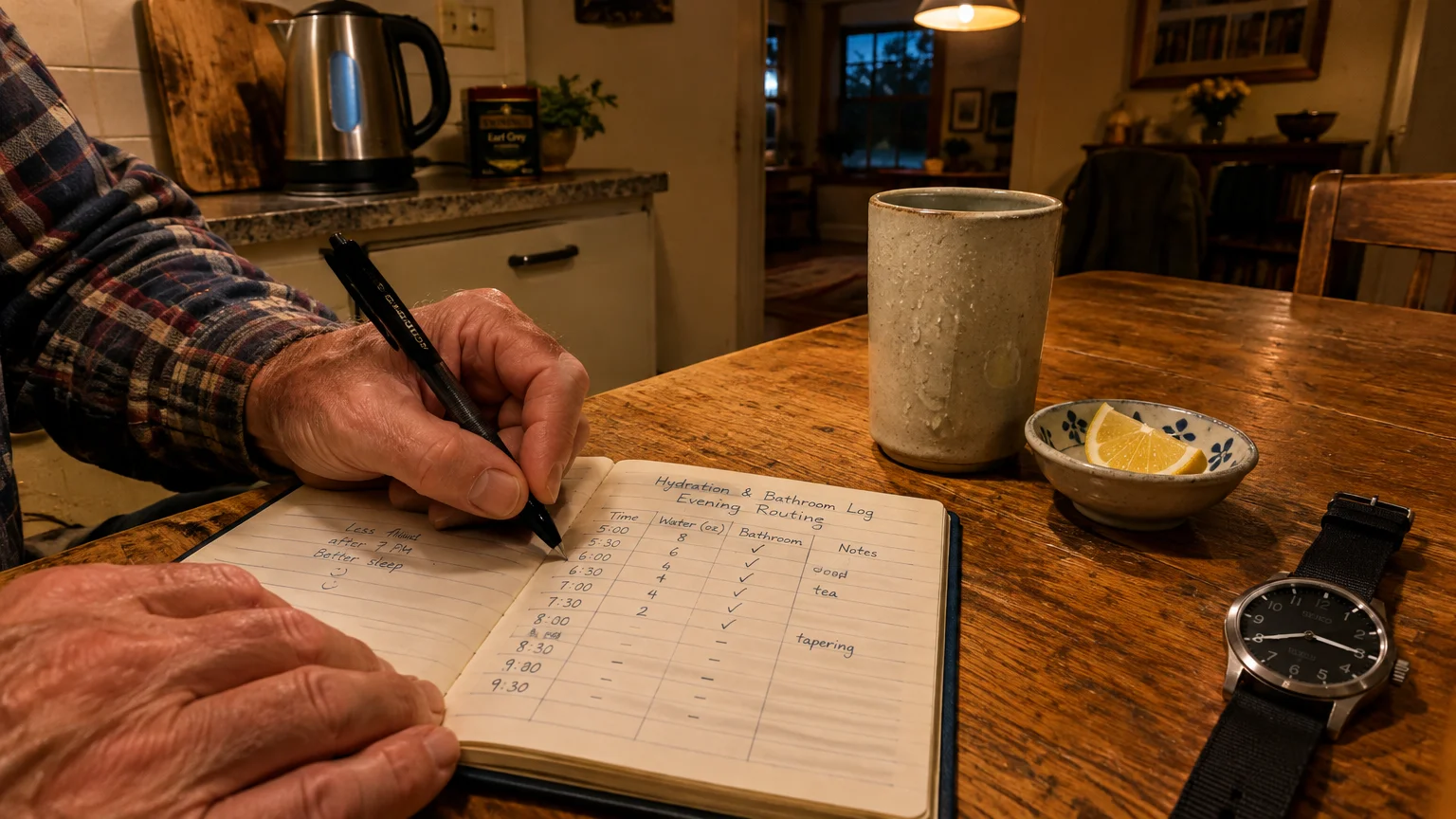
Drink adequate water during daylight hours to support kidney filtration, but taper your fluid intake two hours before bedtime. This simple timing adjustment reduces midnight bladder filling without leaving your body dehydrated overnight.
Cut back on common bladder irritants, including caffeinated beverages, acidic citrus juices, alcohol, and artificial sweeteners. These substances irritate the bladder lining, triggering involuntary muscle spasms that intensify urgency and frequency.
Practice Double Voiding and Timed Voiding
Double voiding is a simple behavioral habit that helps your bladder empty more completely. After finishing urination, stay seated or standing comfortably for thirty seconds, then relax and attempt to urinate a second time.
Timed voiding involves urinating on a planned schedule every two to three hours rather than waiting for intense urgency. This proactive strategy prevents your bladder from overfilling, protecting stretched bladder muscles from chronic strain.
Strengthen Pelvic Floor Muscles with Kegel Exercises
Pelvic floor muscle training strengthens the supportive sling of muscles beneath your bladder and prostate. Regularly exercising these muscles improves urethral closure, reduces post-void dribbling, and helps suppress sudden urinary urgency.
Tighten your pelvic floor muscles as if stopping your urine stream mid-flow, hold for five seconds, then release. Perform three sets of ten repetitions daily, ensuring you keep your abdominal and thigh muscles completely relaxed.
Prevent Constipation to Relieve Bladder Pressure
Maintain smooth, regular bowel movements by eating fiber-rich foods, staying hydrated, and engaging in light daily exercise. A firm, full bowel mechanically presses against your bladder neck, severely worsening urinary flow obstruction.
Incorporate whole grains, legumes, berries, and leafy vegetables into your meals to promote effortless daily digestion. Relieving rectal pressure allows your bladder to expand naturally and empty with far less physical resistance.
Conduct a Comprehensive Medication Review
Review all your prescription and over-the-counter medications regularly with your primary care physician or pharmacist. Over-the-counter allergy pills, cold decongestants, and prescription diuretics often tighten the prostate capsule or overstimulate fluid output.
Your healthcare team can often adjust medication dosages or switch to alternative treatments that do not agitate your bladder. Never stop taking prescribed cardiovascular or metabolic medications without direct guidance from your medical provider.
Essential Questions to Ask Your Urologist
Prepare a written list of questions before your clinical appointment to ensure you cover every health concern. Direct questions help you understand your diagnosis, therapeutic options, and necessary monitoring timelines.
Ask your doctor whether your current urinary symptoms suggest benign prostatic hyperplasia, infection, or another underlying issue. Inquire if an ultrasound scan or urine flow study is necessary to measure post-void residual volume.
Ask which conservative lifestyle habits or medical therapies offer symptom relief with the lowest risk of side effects. Finally, clarify which urgent warning signs would require an immediate call to the clinic or emergency care.
Frequently Asked Questions
Does an enlarged prostate always lead to prostate cancer?
No, benign prostatic hyperplasia is a non-cancerous condition that does not transform into prostate cancer. BPH develops in the central transition zone of the prostate, whereas most cancers originate in the outer peripheral zone.
However, having BPH does not protect you from developing prostate cancer simultaneously as you age. Regular clinical evaluations through the Centers for Disease Control and Prevention guidelines ensure accurate, ongoing health monitoring.
How many times is normal to wake up at night to urinate?
Waking up once per night to urinate is considered normal and common for adults over age 60. Awakening two or more times on a recurring basis indicates clinical nocturia that merits medical evaluation.
Frequent nighttime waking disrupts deep sleep architecture, impairs daytime memory, and significantly elevates your statistical risk of falling. Treating the underlying urinary cause helps restore restful, consolidated sleep and protects physical safety.
What is the difference between BPH and prostatitis?
BPH is a chronic, non-inflammatory cellular enlargement that develops gradually over decades in older men. Prostatitis is an acute or chronic inflammation or infection of the prostate gland that can strike men of any age.
Prostatitis often produces sharp burning during urination, pelvic pain, and flu-like symptoms such as fevers and body aches. BPH primarily causes mechanical outflow obstruction, such as weak stream, hesitancy, and post-void fullness.
Can dietary changes improve urinary stream and bladder control?
Yes, adopting an anti-inflammatory, nutrient-dense diet rich in vegetables, berries, and omega-3 fatty acids supports prostate wellness. Wholesome eating patterns reduce systemic inflammation that can exacerbate lower urinary tract symptoms.
Eliminating highly processed foods, excess sodium, and refined sugars also helps regulate blood sugar and fluid retention. Combining sound dietary choices with regular physical exercise protects pelvic vascular circulation and bladder muscle tone.
What happens during a digital rectal exam and PSA test?
A digital rectal exam involves your doctor gently inserting a lubricated, gloved finger into the rectum to feel the prostate. This brief physical exam allows your physician to evaluate prostate size, firmness, symmetry, and potential nodules.
A PSA test is a standard blood draw measuring prostate-specific antigen proteins produced by prostate cells. Elevated PSA levels indicate prostate activity, which can stem from BPH, recent infections, vigorous exercise, or prostate cancer.
When does bladder trouble require an emergency room visit?
Bladder trouble demands immediate emergency medical attention if you experience acute urinary retention, meaning you cannot urinate at all. This agonizing condition causes rapid bladder distension, severe lower abdominal pain, and potential kidney injury.
You must also seek emergency care if you pass visible blood clots or develop high fever alongside back pain. These critical red-flag symptoms point toward serious urinary blockages or ascending kidney infections requiring urgent intervention.
Taking Control of Your Prostate and Bladder Health
Noticing subtle shifts in your urinary habits empowers you to take decisive action before minor inconveniences escalate into severe health problems. Paying close attention to stream velocity, nighttime disruptions, and urinary urgency keeps you ahead of progressive urinary obstruction.
Modern urology offers an extensive range of gentle, personalized treatments designed to restore comfortable urinary flow and preserve bladder function. You do not have to accept chronic discomfort or fragmented sleep as an inevitable consequence of aging.
Partnering openly with your healthcare team allows you to build a proactive management plan tailored to your daily needs. Protecting your prostate and bladder health ensures you maintain your independence, restful sleep, and vitality for decades to come.
Medical Disclaimer
This article is intended for informational and educational purposes only and is not a substitute for professional medical advice, diagnosis, or treatment. Always consult with a qualified healthcare provider regarding any health concerns or before making any decisions related to your health or treatment.