Recognizing dehydration in older adults can save lives, yet its subtle warning signs frequently mimic severe illnesses like dementia or heart failure. You can protect your loved ones by identifying how fluid loss hides behind everyday physical changes.
Aging alters how the human body retains water and signals thirst, turning a simple lack of fluids into an acute medical emergency. When hydration levels plummet, vital organs struggle to maintain their baseline functions.
Learning to distinguish dehydration from chronic age-related conditions gives you the power to intervene before a hospital visit becomes necessary.
Understanding Low-Intake Dehydration in Older Adults
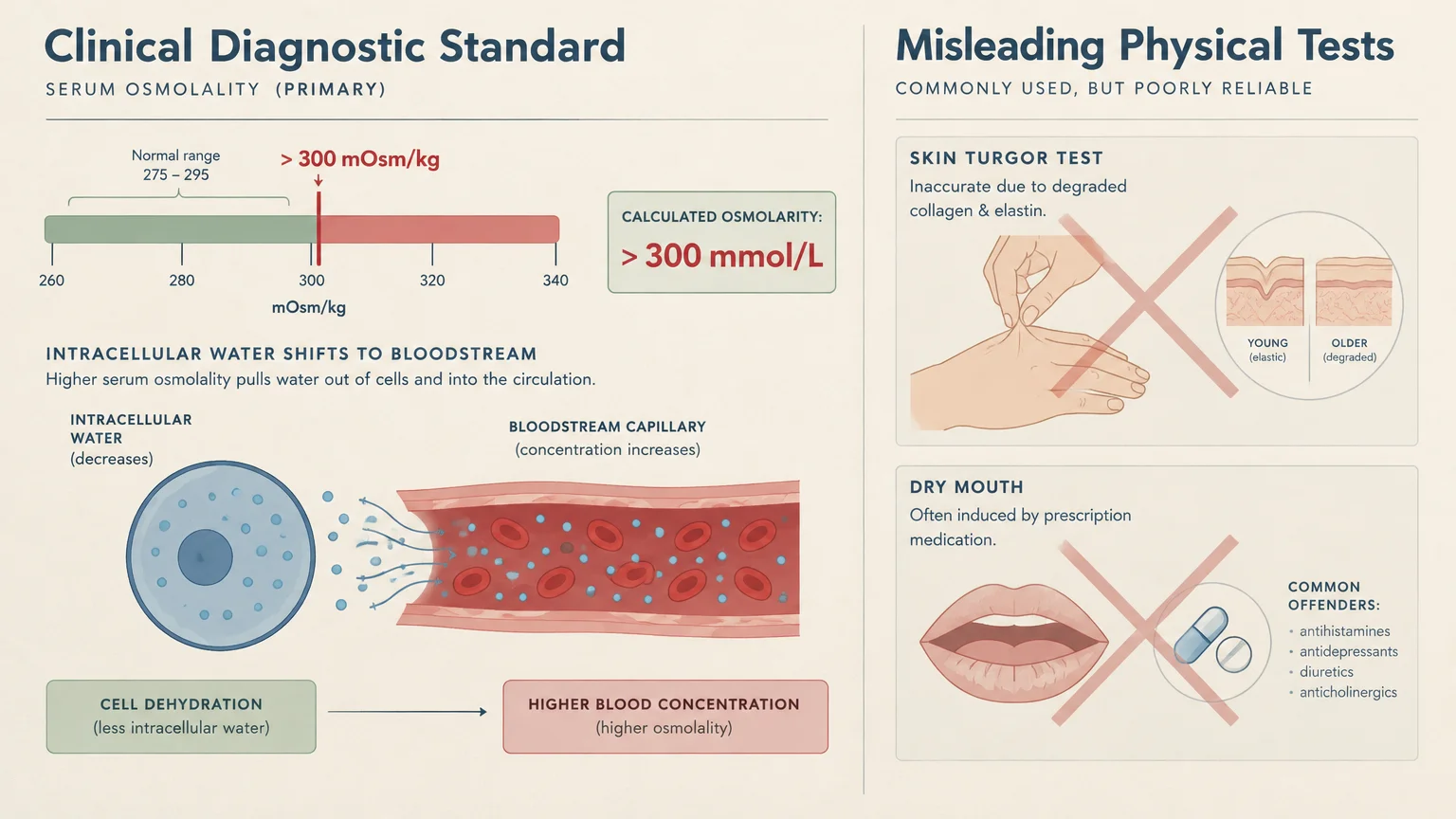
Low-intake dehydration occurs when fluid consumption falls short of the volume lost through everyday physiological processes. This chronic shortfall leads to hypertonic dehydration, where water is drawn directly from cells into the bloodstream.
When your cells surrender water to keep the circulatory system afloat, intracellular processes begin to falter. Tissues throughout the body shrink slightly and lose their operational efficiency.
In clinical geriatric medicine, doctors identify this state using serum osmolality measurements. A directly measured plasma osmolality greater than 300 mOsm/kg serves as the definitive diagnostic threshold for low-intake dehydration.
Alternatively, clinicians calculate osmolarity using values for sodium, potassium, glucose, and urea. A calculated osmolarity exceeding 300 mmol/L indicates an identical dangerous state of fluid depletion.
Unfortunately, many people still rely on outdated physical checks to gauge hydration in older relatives. Common tests like evaluating skin turgor or checking for a dry mouth provide misleading and inaccurate results.
Skin turgor—the practice of pinching skin to observe its recoil—fails because aging naturally degrades dermal collagen and elastin. Loose skin can tent for several seconds even in an older adult who is fully hydrated.
Dry mouth is equally unreliable because many prescription medications, such as antihistamines and antidepressants, cause dry mouth as a persistent side effect. Relying on physical appearance often delays vital treatment until an emergency arises.
Key Considerations for Aging Bodies
The human body undergoes profound physiological changes that steadily diminish natural fluid reserves as decades pass. Understanding these changes helps explain why seniors face heightened dehydration risks compared to younger adults.
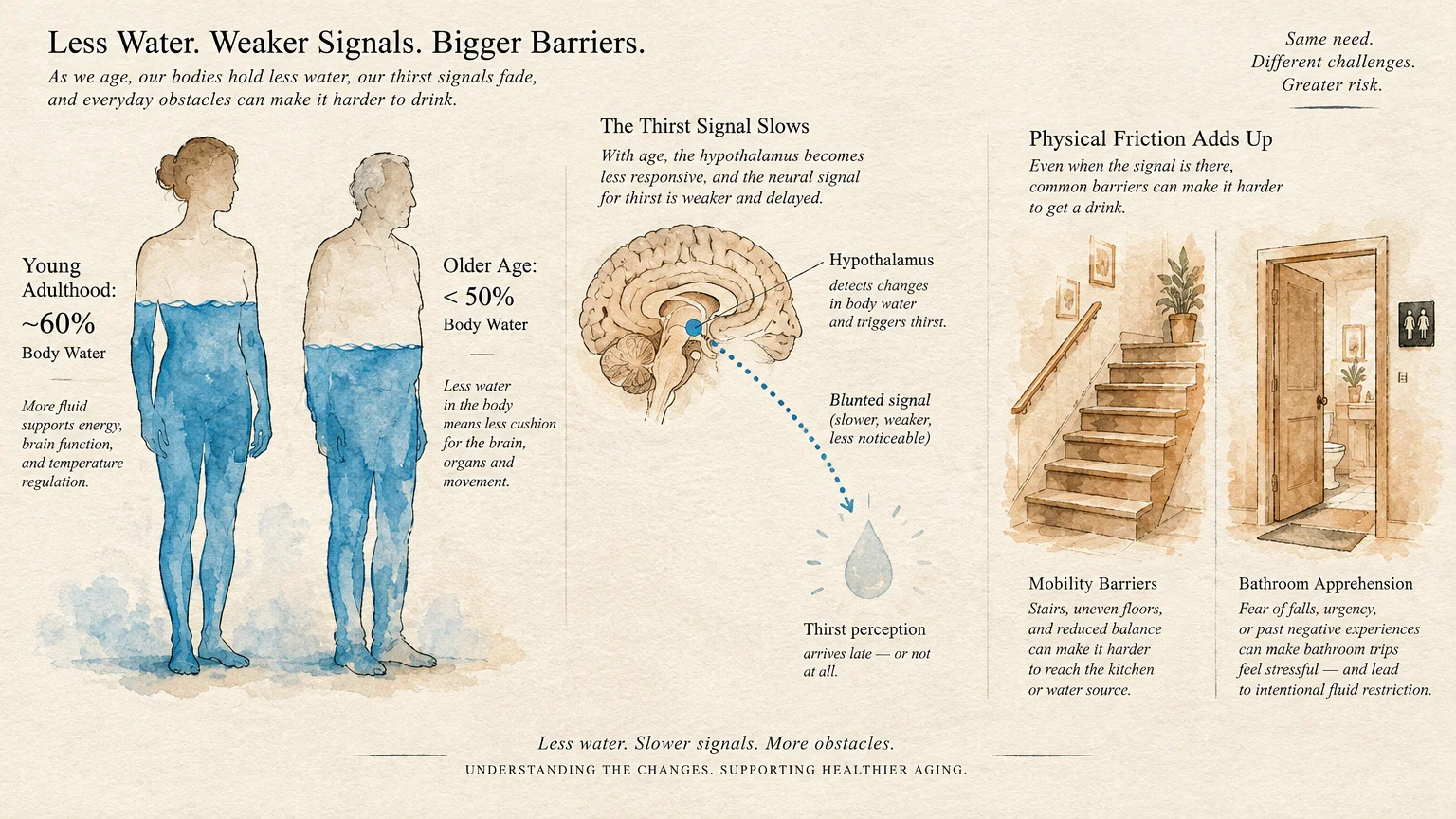
Total body water decreases from approximately 60 percent in young adulthood to below 50 percent in older age. This reduced water volume means that even a minor fluid loss represents a substantial percentage of total reserves.
Concurrently, the neurological thirst response regulated by the hypothalamus becomes blunted with age. Older adults often do not perceive thirst until significant, clinically dangerous dehydration has already taken hold.
Aging kidneys also lose their functional capacity to concentrate urine effectively. Instead of retaining water during periods of reduced fluid intake, aging kidneys continue to excrete dilute urine, worsening systemic fluid loss.
Physical mobility barriers create additional hurdles to staying hydrated. Chronic joint pain, weakness, or fear of falls can make walking to the kitchen feel like an insurmountable obstacle.
Many older individuals also intentionally limit fluids to cope with urinary frequency or urgency. Fear of incontinence accidents often prompts people to restrict their fluid intake drastically, especially before bedtime or outings.
Common medications significantly amplify these dehydration risks. Prescriptions like diuretics, blood pressure agents, laxatives, and sedatives alter fluid dynamics, promote rapid water excretion, and dull cognitive awareness of hydration needs.
Environmental temperature swings also affect older adults more severely due to diminished thermoregulation. During warm spells, the aging body struggles to cool down efficiently, expelling precious fluids without triggering a compensating thirst.
10 Symptoms of Dehydration That Look Like Something Else
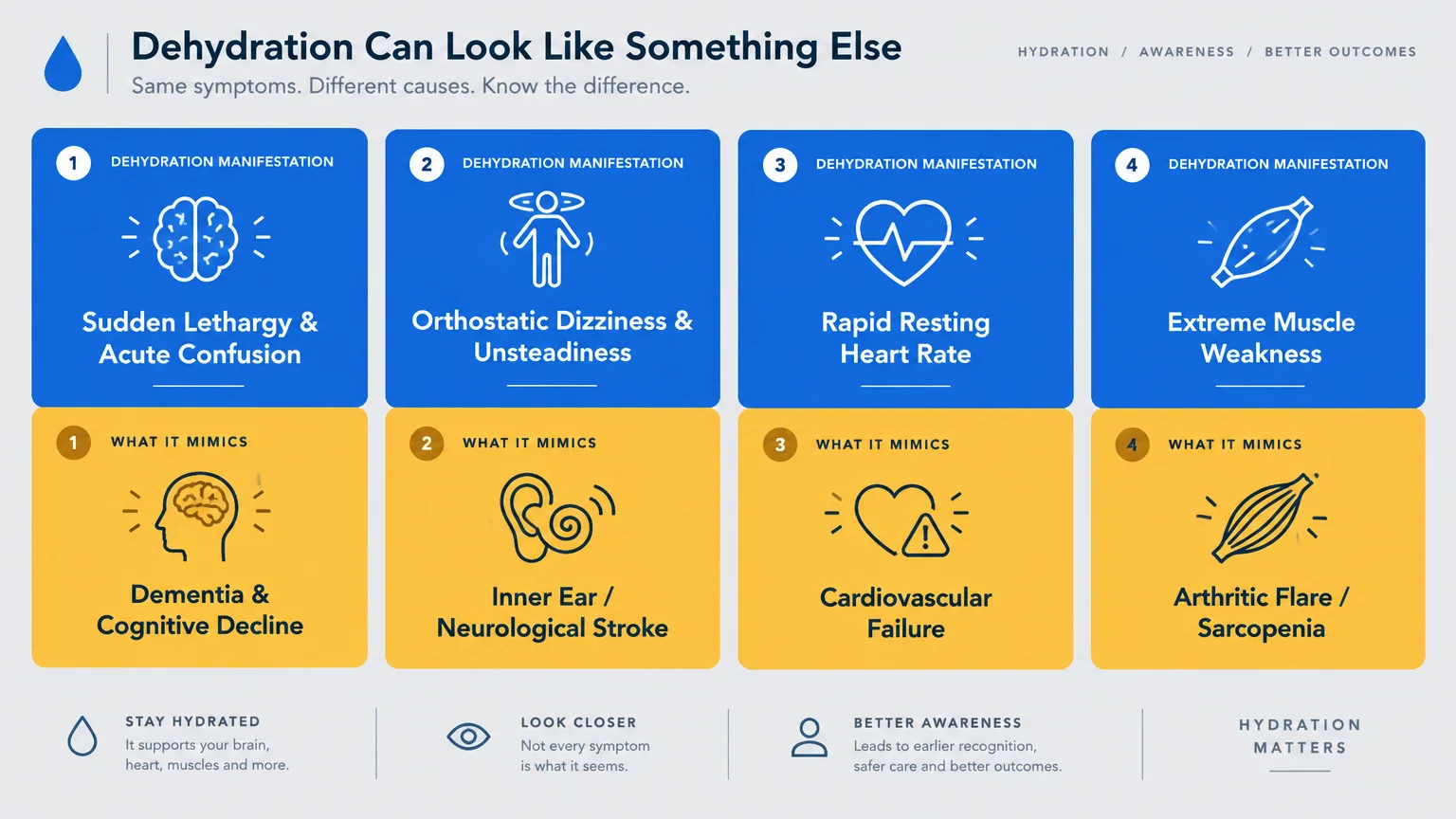
Because aging bodies manifest fluid deficits uniquely, dehydration rarely presents as simple thirst. Instead, it regularly masquerades as an acute neurological event, psychiatric distress, or systemic physical decline.
1. Sudden Confusion and Cognitive Decline
When an older adult suddenly becomes confused or disoriented, families frequently assume that Alzheimer’s disease has entered an advanced stage. In reality, acute cognitive changes often indicate severe low-intake dehydration.
Brain cells depend upon consistent fluid balance to conduct electrical impulses and synthesize vital neurotransmitters. When water volume drops, brain tissue contracts slightly, creating mechanical strain and disrupting cognitive processing pathways.
This disruption often triggers acute delirium, characterized by fluctuating attention, paranoia, or vivid hallucinations. Unlike the slow progression of dementia, dehydration delirium develops rapidly over hours or days.
A 2024 study by Penn State researchers revealed that mild dehydration significantly impairs sustained attention during tasks lasting over 14 minutes. Administering fluids frequently restores cognitive clarity and mental acuity within hours.
Before accepting sudden mental confusion as irreversible memory loss, always check for underlying fluid depletion. Simple blood tests can verify whether rehydration will bring your loved one back to baseline.
2. Severe Fatigue and Unexplained Lethargy
Profound exhaustion in seniors is frequently labeled as late-life depression or dismissed as unavoidable aging. However, chronic lethargy often indicates that depleted blood volume is starving vital tissues of vital oxygen.
When you consume too little fluid, total circulating blood volume contracts. Your heart must pump with greater effort while delivering less oxygen and fewer nutrients to your brain and skeletal muscles.
This systemic strain slows metabolic rate and hampers the enzymatic pathways that generate cellular energy. Consequently, older adults may lack the physical stamina to dress, prepare meals, or converse with family.
Caregivers often interpret this listlessness as apathy or emotional withdrawal. Providing regular sips of fluids throughout the day can dramatically revive energy levels and restore personal engagement without psychiatric interventions.
3. Dizziness, Vertigo, and Balance Instability
Sudden unsteadiness is frequently attributed to inner ear dysfunction, cervical spine disorders, or mild strokes. Yet orthostatic hypotension induced by hypovolemia remains a far more common cause of balance failure.
When you stand up, gravity pulls blood toward your legs and abdomen. A well-hydrated circulatory system immediately constricts blood vessels to maintain steady blood pressure in the brain.
Dehydration strips your body of the fluid volume required to execute this compensatory reflex. As blood pressure drops sharply upon standing, the brain experiences transient ischemia, causing dizziness, lightheadedness, and room-spinning vertigo.
These momentary balance deficits are a leading trigger for catastrophic falls and debilitating fractures among seniors. Stabilizing daily fluid intake often eliminates postural dizziness and restores safe, confident mobility.
4. Rapid Heart Rate and Palpitations
A racing pulse or pounding heartbeat naturally sparks fear of an impending heart attack or cardiac arrhythmia. In many clinical evaluations, compensatory tachycardia is simply your heart fighting to compensate for low blood volume.
When circulating blood volume diminishes, cardiac output drops unless the heart beats faster to compensate. The heart muscle contracts at an elevated rate to ensure vital organs receive an adequate blood supply.
Seniors may feel rapid fluttering in their chest while sitting quietly in an armchair. This sensation can provoke intense anxiety, which releases adrenaline and accelerates the heart rate even further.
Rather than an intrinsic electrical defect of the heart, the cardiovascular system is merely crying out for fluids. Rehydrating restores normal blood volume, allowing the pulse to settle back into a calm rhythm.
5. Unexplained Low Blood Pressure and Syncope
Unexplained fainting spells and plummeting blood pressure readings frequently lead families to suspect cardiovascular collapse or medication toxicity. However, inadequate fluid volume directly undermines arterial pressure throughout the circulatory tree.
Blood pressure depends directly upon two factors: the constriction of blood vessels and the physical volume of fluid flowing within them. Without adequate fluid, baseline pressure drops below the threshold needed for perfusion.
Syncope occurs when the brain is briefly starved of blood pressure support, causing a sudden, temporary loss of consciousness. This event often occurs after warm baths or rising rapidly from seated positions.
Doctors sometimes mistakenly adjust cardiovascular prescriptions when restoring hydration would solve the underlying crisis. Tracking blood pressure alongside daily fluid consumption prevents unnecessary prescription changes and protects stability.
6. Severe Muscle Cramps and Joint Stiffness
Agonizing muscle spasms in the legs and stiff, painful joints are routinely blamed on worsening osteoarthritis or peripheral neuropathy. Yet fluid depletion severely disrupts neuromuscular mechanics and joint lubrication.
Muscle fibers require an exact equilibrium of intracellular water and dissolved electrolytes to contract and relax smoothly. When water levels decline, cellular electrical charges destabilize, causing involuntary, painful muscle contractions, particularly at night.
Additionally, the articular cartilage inside your joints requires synovial fluid to cushion bone-on-bone movement during daily activities. Synovial fluid is composed largely of water, so chronic dehydration thins this natural protective lubricant.
Without adequate lubrication, joints experience increased mechanical friction, resulting in pronounced stiffness and persistent aches. Regular fluid intake rehydrates cartilage, eases morning stiffness, and banishes disruptive nocturnal leg cramps.
7. Persistent Constipation and Abdominal Distress
Chronic digestive trouble in older adults is usually blamed on a sluggish colon, lack of dietary fiber, or structural obstructions. However, low-intake dehydration is the single most common cause of painful gastrointestinal transit delays.
The colon functions as an internal water reservoir during periods of systemic fluid scarcity. When your body senses dehydration, the large intestine absorbs extra water directly from digesting food waste to preserve blood volume.
This biological conservation mechanism leaves stool hard, dense, and exceptionally painful to eliminate. Seniors often strain forcefully, leading to uncomfortable hemorrhoids, anal fissures, and dangerous fecal impactions that require medical intervention.
Adding fiber supplements without increasing water intake worsens the issue by creating a bulky, cement-like blockage in the bowel. Consistent hydration lubricates the intestinal tract, allowing waste to move smoothly and effortlessly.
8. Recurring Headaches and Brain Fog
Frequent headaches in older adults are frequently diagnosed as tension headaches, cervical spine strain, or chronic migraines. In reality, intracranial dehydration headaches occur with striking frequency in seniors who drink too little water.
When the body dehydrates, brain tissue temporarily loses water content and contracts slightly away from the cranial bones. This subtle shrinkage places mechanical tension on the pain-sensitive dura mater that encases the brain.
Simultaneously, cranial blood vessels dilate in an effort to channel more blood to the brain, producing a persistent, throbbing ache. This headache is often accompanied by dull thinking, poor memory, and difficulty concentrating.
Reaching for analgesic medications can place additional toxic strain on vulnerable kidneys while ignoring the underlying problem. Drinking a pint of fresh water often relieves cranial discomfort within thirty to sixty minutes.
9. Frequent Urinary Tract Infections
Recurrent burning sensations, pelvic discomfort, and urinary urgency are almost universally diagnosed and treated as primary bacterial infections. Yet chronic dehydration generates the exact conditions that allow urinary pathogens to thrive unchecked.
Regular, voluminous urination mechanically rinses bacteria out of the urethra and bladder before colonies can anchor. When fluid intake is low, infrequent urination allows bacteria to ascend, colonize, and irritate the bladder lining.
Moreover, highly concentrated urine contains elevated levels of nitrogenous waste and mineral salts that irritate the bladder urothelium. This chemical irritation mimics the exact symptoms of an infection, even when bacterial cultures are negative.
Increasing daily fluid intake dilutes urinary toxins and restores the bladder’s natural physical flushing mechanisms. Proper hydration serves as an effective, drug-free strategy to prevent chronic urinary tract inflammation.
10. Dry Mouth, Lip Cracking, and Speech Slurring
Sudden speech difficulties or stumbling over syllables can provoke immediate terror, leading families to suspect a transient ischemic attack or Parkinson’s disease. Yet profound oral dehydration can severely impair tongue articulation and speech clarity.
Salivary glands require continuous hydration to produce the enzymes and moisture needed to lubricate the oral cavity. When fluid intake collapses, saliva thickens into an adhesive foam or disappears entirely.
A parched tongue literally adheres to the roof of the mouth and teeth, producing muffled consonants and halting speech. Furthermore, dry mucosal tissues crack painfully, rendering chewing and swallowing hazardous due to elevated choking risks.
While autoimmune conditions like Sjögren’s syndrome cause xerostomia, everyday fluid deprivation is far more prevalent in older age groups. Re-establishing adequate fluid intake restores oral lubrication, protecting comfortable speech and safe swallowing.
Benefits and Potential Risks
Achieving and sustaining optimal hydration unlocks powerful physical, mental, and metabolic benefits for aging adults. Maintaining steady fluid balance enhances renal filtration, supports gastrointestinal regularity, and maintains steady vascular pressure.
Well-hydrated seniors enjoy improved cognitive processing speed, stable moods, and higher daily energy levels. Furthermore, preserving joint lubrication and preventing orthostatic dizziness directly reduces the likelihood of traumatic, life-altering falls.
Conversely, remaining in a state of chronic low-intake dehydration invites severe, life-threatening clinical complications. Prolonged fluid deficits elevate blood viscosity, placing immense strain on the heart and increasing the likelihood of vascular clot formation.
Chronic dehydration also accelerates renal decline, precipitating acute kidney injury and predisposing individuals to painful kidney stone development. Cellular water starvation weakens immune defenses, making recovery from minor infections significantly harder.
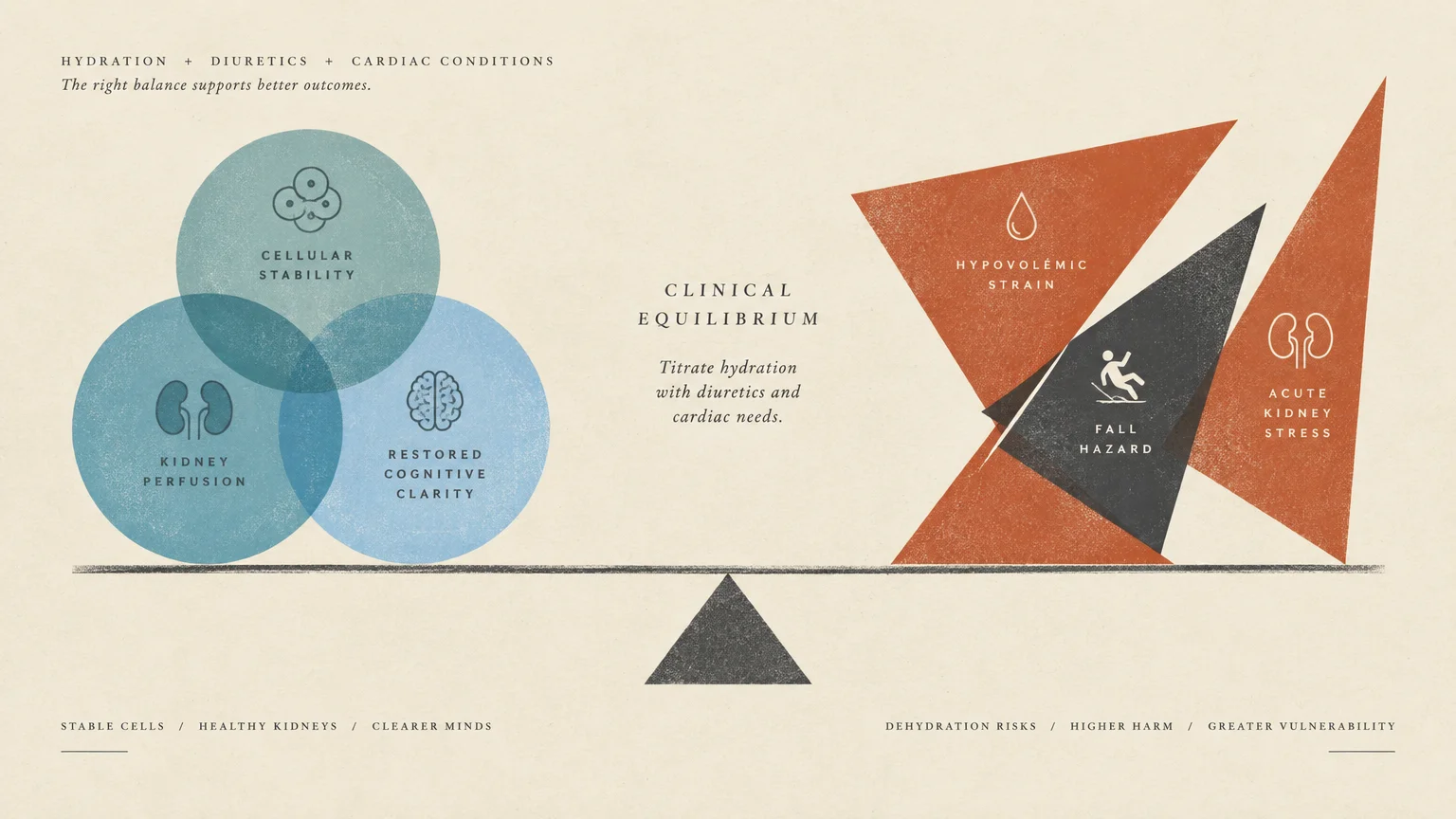
Nevertheless, you must approach fluid management with caution if you manage certain chronic medical conditions. Increasing fluid intake too rapidly can cause dangerous fluid overload in vulnerable physiological systems.
Adults living with congestive heart failure, end-stage renal disease, or hepatic cirrhosis cannot process excessive fluids normally. For these individuals, unmonitored fluid consumption can trigger pulmonary edema, severe leg swelling, and acute breathlessness.
Excessive fluid intake can also induce hyponatremia, a life-threatening drop in blood sodium concentration. Hyponatremia causes cellular swelling in the brain, triggering seizures, severe disorientation, and coma.
Always consult your physician to establish a safe, personalized daily fluid target if you manage heart or kidney conditions. Personalized guidance ensures you gain the benefits of hydration while completely avoiding fluid overload risks.

What the Experts Say
Leading international health authorities emphasize that low-intake dehydration is an underappreciated public health threat among older populations. Clinical guidelines urge proactive fluid schedules over reactive responses to thirst.
The European Society for Clinical Nutrition and Metabolism (ESPEN) provides clear baseline fluid guidelines for geriatric care. ESPEN recommends a daily fluid intake of 1.6 liters per day for older women and 2.0 liters per day for older men.
These recommendations apply to all older adults unless a physician has prescribed a specific fluid restriction. Experts emphasize that relying on thirst alone is dangerous because aging inevitably blunts thirst perception.
Groundbreaking epidemiological research confirms how widespread this hidden condition remains across clinical and residential settings. A 2026 systematic review in BMJ Public Health evaluated 14,398 hospitalized older adults aged 65 and older across 19 studies.
The researchers found that 23% to 35% of older adults experience low-intake dehydration at or near hospital admission. Fluid deficits were especially pronounced among patients presenting with diabetes, cognitive impairment, or pre-existing renal disease.
Non-hospitalized seniors face an equally troubling prevalence of dehydration in daily life. A comprehensive 2023 meta-analysis published in Clinical Nutrition analyzed data from 22,398 older adults across 61 studies worldwide.
The meta-analysis established that 24% of non-hospitalized older adults suffer from low-intake dehydration. In residential settings, the condition affected 19% of community-dwelling seniors and 34% of nursing home residents.
Furthermore, dehydration prevalence rose to 37% among seniors with multiple illnesses and 42% among those with renal impairment. Health agencies like the National Institutes of Health highlight early recognition as key to preventing hospital readmissions.
In addition, research from the Mayo Clinic underscores that maintaining consistent fluid volume reduces medication toxicity risks. Stable hydration ensures that pharmaceutical agents are metabolized and cleared safely by aging kidneys.
Global health guidance from the World Health Organization urges healthcare systems to integrate formal hydration assessments into routine geriatric screenings. Objective testing protects vulnerable adults from preventable health deterioration.
Practical Steps and Actionable Advice
Implementing a successful hydration plan requires consistent, practical habits rather than sheer willpower. You can protect your health or your loved one’s vitality by weaving simple strategies into daily routines.
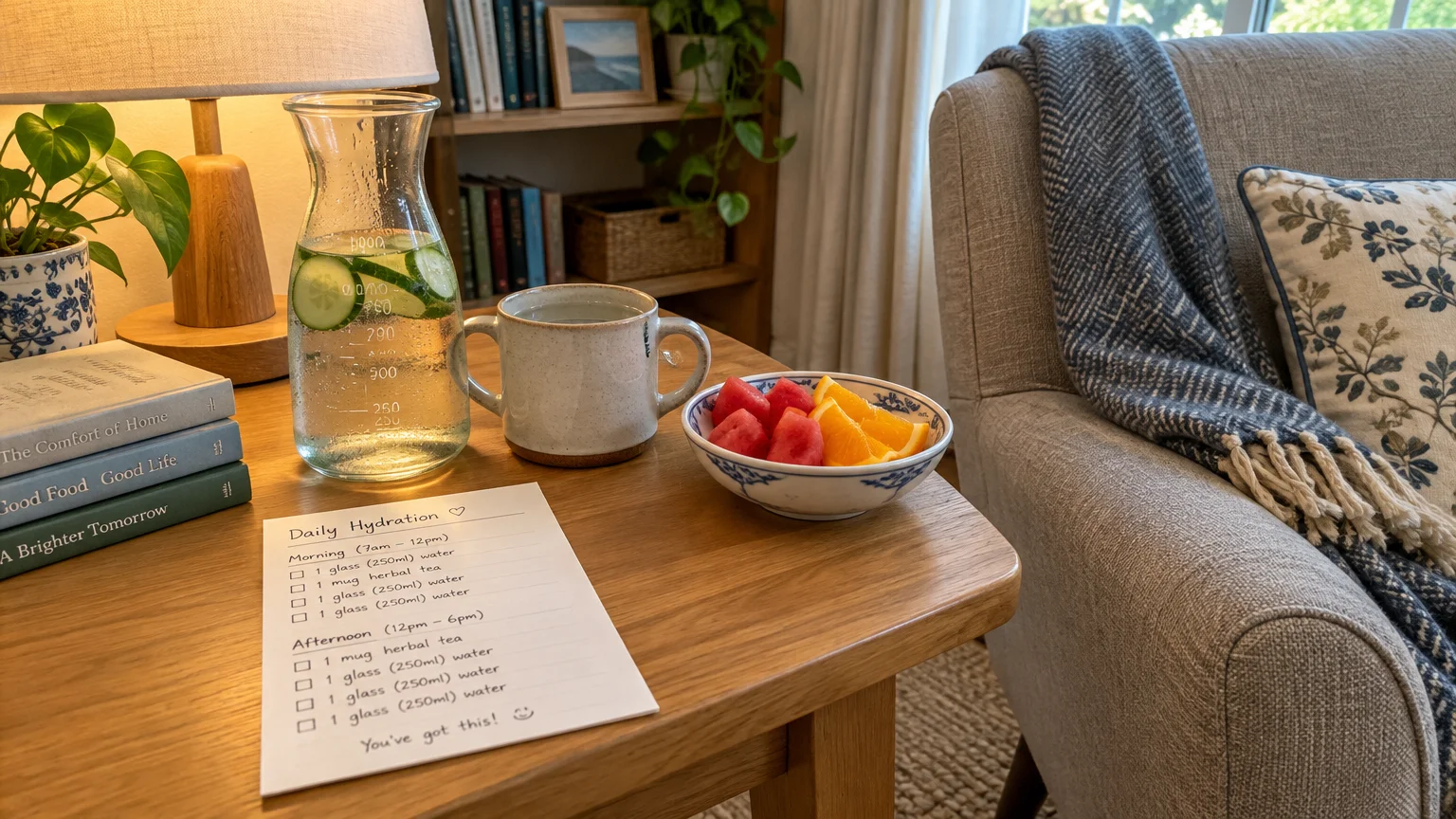
Design a structured drinking timetable that matches your daily schedule. Consume an eight-ounce glass of water upon waking, followed by another glass with breakfast, lunch, mid-afternoon snack, and dinner.
Position filled water pitchers or lightweight bottles within immediate reach of your favorite chair or bedside. If arthritis makes twisting bottle caps painful, use insulated cups with built-in straws and broad handles.
Enhance the appeal of plain water by infusing it with natural, sugar-free flavors. Adding fresh mint leaves, cucumber slices, crushed berries, or lemon wedges transforms routine drinking into an enjoyable sensory experience.
Eat your hydration by incorporating fluid-dense foods into meals and snacks. Melons, oranges, bell peppers, celery, tomatoes, warm broths, and gelatin desserts provide substantial fluid volume alongside essential dietary micronutrients.
Check your urine color each time you visit the bathroom to gauge your internal hydration levels. A clear or pale straw hue indicates good hydration, while dark yellow or amber tones demand immediate fluid intake.
Manage bathroom frequency concerns by timing fluid intake thoughtfully throughout the day. Finish your primary fluid quota by five in the afternoon, allowing your bladder to empty fully before sleep.
Partner with your primary care provider to review your prescriptions, especially if you take daily diuretics. Discuss adjusting medication timing during hot summer weather or when recovering from mild gastrointestinal illnesses.
Ask your physician to order calculated osmolarity or direct serum osmolality tests during routine metabolic blood panels. Objective laboratory numbers reveal your true hydration status far more accurately than subjective physical examinations.
Frequently Asked Questions About Senior Dehydration
Why do older adults lose their sense of thirst?
Natural aging blunts the osmoreceptors within the brain’s hypothalamus that monitor circulating blood volume and chemical concentration. Consequently, the brain fails to trigger thirst sensations until significant cellular water loss has already occurred.
Does coffee or tea count toward daily hydration totals?
Moderate consumption of coffee and tea contributes effectively to your daily hydration goals. Although caffeine produces a slight diuretic effect, the water contained in the beverage far exceeds any minor fluid lost through urination.
How can you tell dehydration confusion from dementia?
Dehydration-induced delirium develops abruptly over hours or days, causing fluctuating alertness, agitation, and sudden behavioral changes. In contrast, dementia advances gradually over months and years with steady, progressive declines in memory and daily functioning.
Why is the skin pinch test unreliable for seniors?
Aging skin naturally loses subcutaneous collagen, elastin, and fat stores, drastically reducing its natural mechanical recoil. Because of this loss of elasticity, skin often remains tented even in an older adult who is well hydrated.
What is the gold standard for diagnosing dehydration in older adults?
Directly measured serum osmolality greater than 300 mOsm/kg serves as the definitive clinical gold standard for low-intake dehydration. This objective laboratory assessment bypasses inaccurate physical signs like dry mouth or skin tenting.
How quickly can proper rehydration reverse symptoms?
Mild symptoms like headaches, dizziness, and low blood pressure often begin improving within one to two hours of rehydration. However, resolving severe delirium, muscle exhaustion, or constipation may require several days of steady fluid replenishment.
Can older adults drink sports electrolyte beverages?
Standard sports drinks often contain excessive amounts of refined sugar and artificial additives that can disrupt blood sugar control. Diluted fruit juices, oral rehydration solutions, or water paired with electrolyte-rich foods offer far safer alternatives.
Moving Forward with Confident Hydration Habits
Dehydration in seniors is a widespread, hazardous condition that frequently disguises itself as irreversible disease or cognitive deterioration. Recognizing how fluid loss masquerades as confusion, lethargy, or heart trouble empowers you to intervene before hospitalizations occur.
Taking proactive charge of daily fluid intake revitalizes cognitive clarity, preserves mobility, and protects kidney function. By building simple, enjoyable hydration habits into your daily life, you safeguard your health, independence, and long-term vitality.
This article is intended for informational and educational purposes only and is not a substitute for professional medical advice, diagnosis, or treatment. Always consult with a qualified healthcare provider regarding any health concerns or before making any decisions related to your health or treatment.