
You can protect your arteries and strengthen aging muscles by choosing the right high-protein foods. Swapping saturated animal fats for lean, nutrient-dense proteins actively lowers your harmful low-density lipoprotein cholesterol levels.
Cardiovascular wellness becomes increasingly critical as your vascular system naturally changes over time. Your body requires sustained nourishment that supports heart function without placing unnecessary stress on your metabolic pathways.
Dietitians emphasize that building healthy meals does not require sacrificing flavor or feeling deprived. Incorporating these verified staples will empower you to manage your lipid panel while fueling energetic, independent living.

Understanding the Cholesterol and Protein Connection
Cholesterol is a soft, waxy substance that your liver produces to build cells and synthesize essential hormones. While your body requires cholesterol to function, having too much low-density lipoprotein circulating through your blood creates serious cardiovascular hazards.
Health professionals frequently refer to low-density lipoprotein as LDL or bad cholesterol. Excess LDL particles gradually penetrate your delicate vascular lining, triggering an inflammatory reaction that hardens into calcified arterial plaque.
In contrast, high-density lipoprotein—often called HDL or good cholesterol—acts as an internal scavenger. HDL gathers surplus cholesterol from your peripheral tissues and ferries it back to your liver for safe degradation.
Many popular high-protein staples, such as marbled steaks, pork roasts, and processed sausages, contain heavy concentrations of saturated fatty acids. Saturated fat directly interferes with your liver’s natural ability to remove circulating cholesterol from your blood.
When you consume high amounts of saturated fat, your liver downregulates its surface LDL receptors. With fewer active receptors available, LDL particles linger inside your bloodstream for extended periods, accelerating arterial damage.
Fortunately, dietary protein itself does not elevate your cholesterol levels or damage your circulatory vessels. The specific nutritional package bound to your protein determines whether a food protects or harms your heart.
Plant-derived proteins and cold-water seafood deliver robust amino acid profiles without flooding your bloodstream with atherogenic saturated fats. Many of these heart-healthy proteins also contain soluble fiber, antioxidants, and minerals that actively improve lipid profiles.
Soluble fiber acts like a microscopic sponge inside your digestive tract, trapping cholesterol-rich bile acids and escorting them out through natural elimination. Your liver must then pull cholesterol from your bloodstream to synthesize replacement bile acids.
This elegant physiological process steadily draws down your circulating LDL levels without requiring extreme dietary deprivation. Upgrading your daily protein sources provides your body with the exact tools it needs to thrive.
Understanding these biological mechanics gives you the confidence to make deliberate, heart-healthy choices every time you visit the grocery store. You can simultaneously nourish your vital organs, protect your arteries, and sustain your energy.
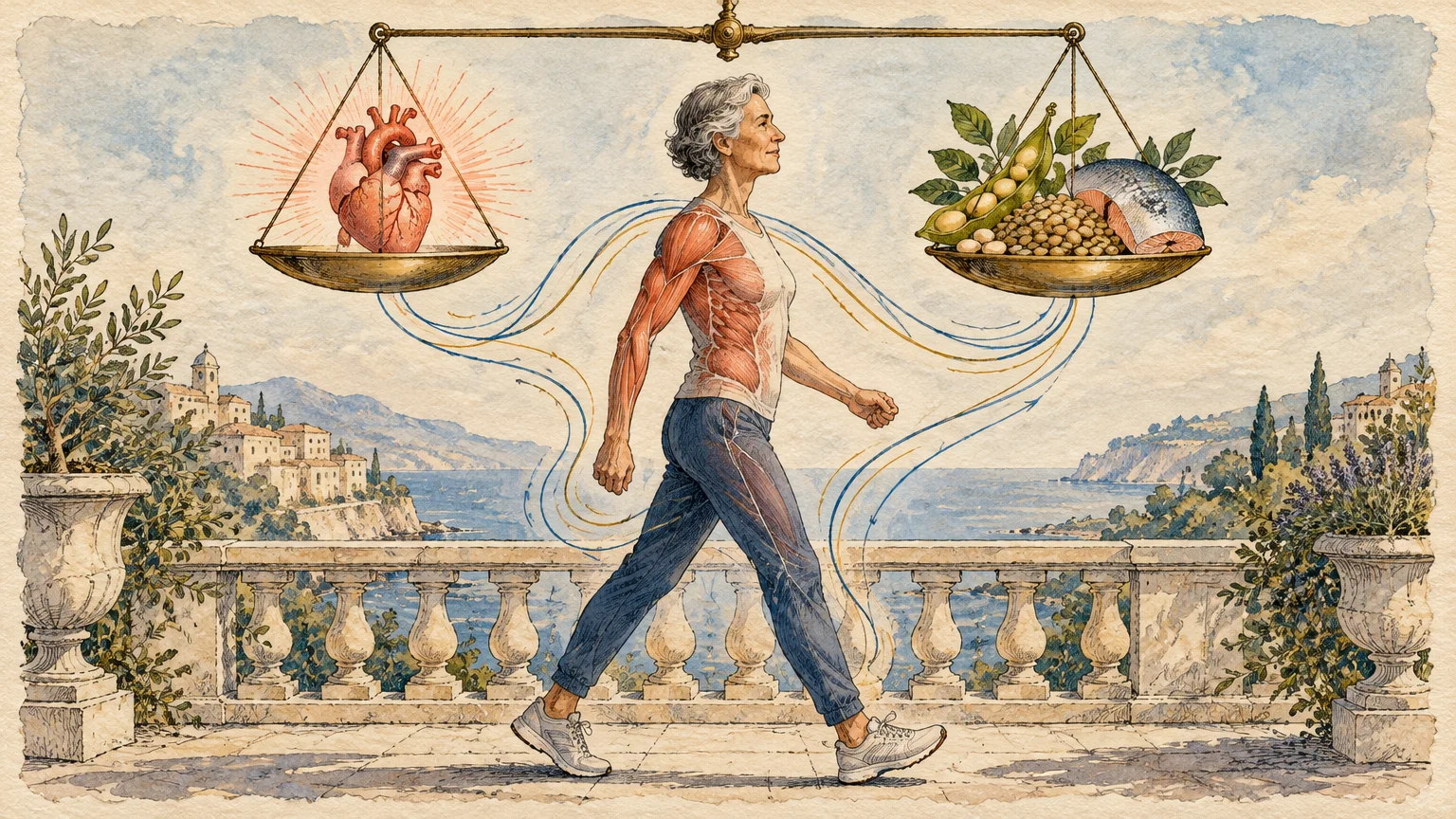
Why Older Adults Need More Protein for Heart Health
Aging bodies process and utilize dietary protein differently than younger bodies. As you cross the threshold of sixty, your muscles develop a condition known as anabolic resistance, requiring larger quantities of amino acids to stimulate repair.
At the same time, older adults experience an accelerated loss of skeletal muscle mass and strength termed sarcopenia. Losing muscle diminishes your metabolic rate, compromises your physical balance, and increases your vulnerability to dangerous falls.
To counteract this decline, the 2025–2030 Dietary Guidelines for Americans raised the daily protein target for healthy adults. The updated guidelines recommend consuming 1.2 to 1.6 grams of protein per kilogram of body weight daily.
For an individual weighing 150 pounds, this recommendation translates to roughly 82 to 109 grams of protein each day. Meeting this target is essential for preserving physical vitality, immune defense, and post-surgical recovery capacity.
However, attempting to hit this elevated protein goal by eating traditional meats introduces significant cardiovascular danger. Conventional animal proteins often contain substantial quantities of saturated fat that can cause your LDL cholesterol to soar.
Federal dietary standards recommend capping saturated fat intake at less than 10% of your total daily calories. The American Heart Association urges an even stricter ceiling of less than 6% for adults with elevated cholesterol.
For someone consuming 2,000 calories daily, a 6% limit permits only 13 grams of saturated fat across an entire day. A single fatty restaurant steak can easily exceed that strict threshold in a single meal.
This nutritional reality creates a serious dilemma for older adults striving to protect their hearts while preserving their muscles. You cannot afford to sacrifice muscle tissue, nor can you permit your arteries to clog with cholesterol.
The solution lies in choosing dietitian-approved proteins that maximize amino acid density while eliminating excess saturated fat. These foods supply the raw materials your muscles demand without threatening your delicate vascular system.
Thoughtful meal planning allows you to hit your optimal protein targets effortlessly. You protect your longevity by nourishing both your muscular frame and your cardiovascular network.
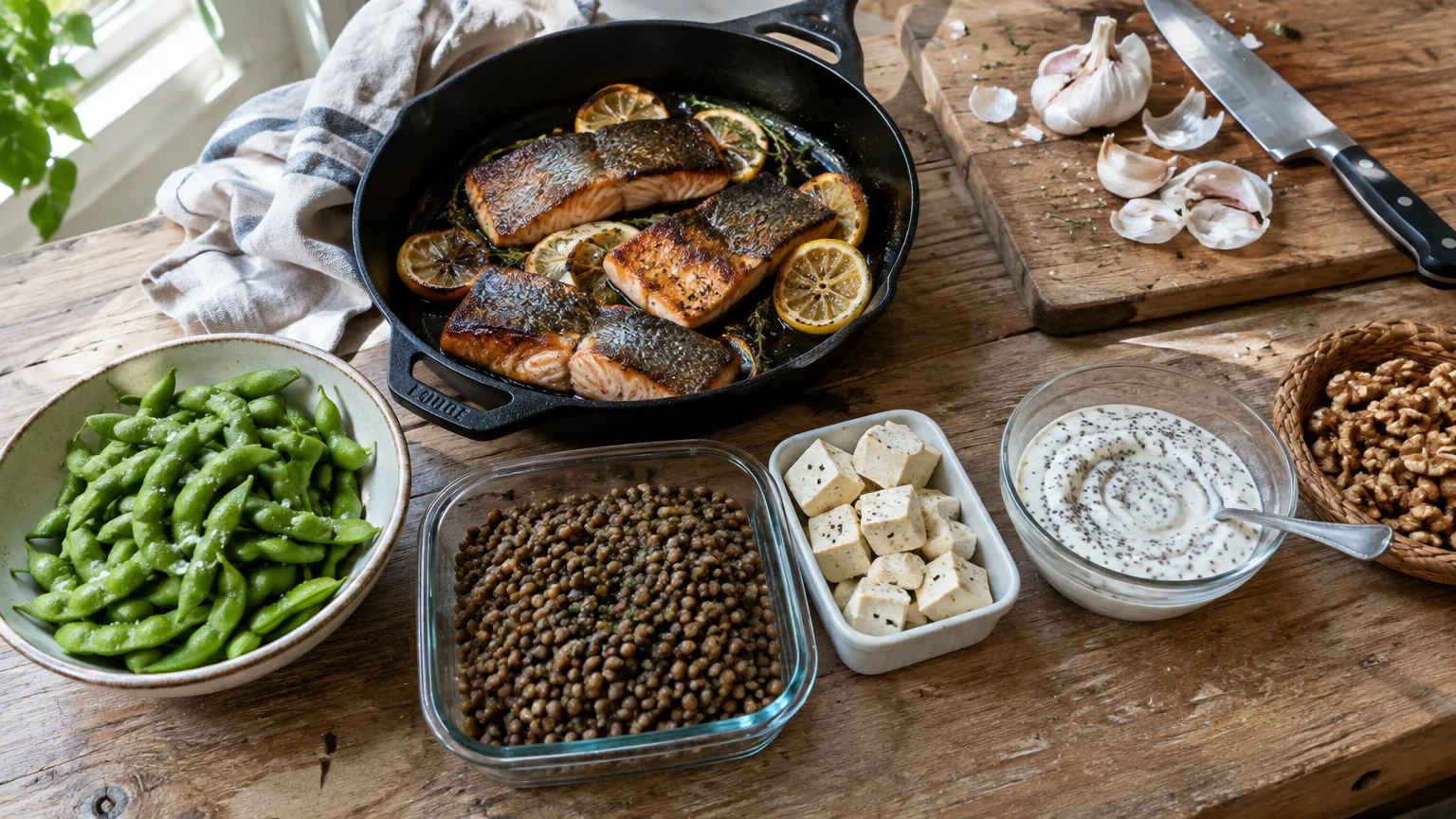
6 Dietitian-Approved High-Protein Foods for Better Cholesterol
1. Wild Salmon and Cold-Water Fatty Fish
Wild salmon stands as a gold standard among heart-healthy protein options. A single three-ounce cooked fillet delivers approximately 22 grams of high-quality protein alongside minimal saturated fat.
What makes cold-water fish truly extraordinary for your cardiovascular system is its dense concentration of omega-3 fatty acids. These essential fats, known as EPA and DHA, provide profound anti-inflammatory benefits throughout your circulatory vessels.
Omega-3 fatty acids lower blood triglycerides, help stabilize your resting heart rate, and enhance vascular elasticity. They also reduce the susceptibility of your blood vessels to dangerous clot formation.
The American Heart Association recommends consuming two three-ounce servings of cooked fatty fish each week. Incorporating salmon, Atlantic mackerel, or sardines fulfills this critical clinical benchmark with ease.
Sardines and canned salmon with bones offer an added nutritional bonus for older adults: bioavailable dietary calcium. Calcium works alongside protein to fortify aging bones and protect against progressive osteoporosis.
When preparing fish, avoid frying methods that introduce inflammatory vegetable oils or harmful trans fats into your meal. Instead, gently bake, steam, or poach your fillets with extra virgin olive oil, garlic, and fresh rosemary.
Canned wild salmon represents a budget-friendly, shelf-stable staple that requires zero advance preparation. You can quickly toss it into crisp lunchtime salads or mix it with Greek yogurt for a satisfying spread.
2. Lentils and Split Peas
Lentils and split peas are culinary treasures that combine exceptional protein density with potent cholesterol-clearing soluble fiber. One cup of cooked lentils supplies an impressive 18 grams of protein and nearly 16 grams of total fiber.
The soluble fiber in lentils dissolves into a soothing, viscous gel as it passes through your gastrointestinal tract. This gel binds tightly to cholesterol-rich bile acids, preventing them from being reabsorbed into your blood.
Clinical investigations demonstrate that consuming 5 to 10 grams of soluble fiber daily reliably lowers your circulating LDL cholesterol. A single serving of lentils delivers a major portion of that therapeutic fiber target.
Beyond their lipid-lowering capabilities, lentils provide generous amounts of folate, iron, and potassium. Potassium helps counteract excess dietary sodium by encouraging your blood vessels to relax, which lowers elevated blood pressure.
Unlike larger dried beans, dry lentils cook tender within twenty minutes and do not require advance overnight soaking. This convenience makes them an ideal choice for busy weeknight dinners or quick batch-cooking sessions.
You can effortlessly stir brown or green lentils into rustic vegetable stews, tomato-based pasta sauces, and warm grain bowls. Red lentils dissolve into a velvety consistency, creating creamy, satisfying soups without any added dairy cream.
Adding split peas and lentils to your regular rotation delivers dependable cardiovascular protection while fueling your active lifestyle.
3. Edamame and Firm Tofu
Whole soy foods like edamame and firm tofu provide complete plant-based proteins containing all nine essential amino acids. Steamed edamame delivers about 18 grams of protein per cup, while firm tofu offers 10 grams per half-cup.
Under FDA standard 21 CFR 101.82, consuming 25 grams of soy protein daily within a low-saturated-fat diet helps reduce heart disease risk. Soy provides powerful metabolic support for individuals managing stubborn cholesterol.
Clinical meta-analyses confirm that regular soy protein consumption reduces LDL cholesterol by approximately 3% to 4.3%. While this percentage may sound modest, it compounds over time to deliver meaningful cardiovascular benefits.
Soy foods are naturally free of dietary cholesterol and contain exceptionally low levels of saturated fat. They also contain isoflavones, plant compounds that reduce oxidative stress within the endothelial lining of your blood vessels.
Edamame makes a wonderful, high-protein snack when lightly steamed in its green pod and dusted with cracked sea salt. You can also purchase shelled edamame to toss into mixed green salads, cold pasta dishes, or vegetable stir-fries.
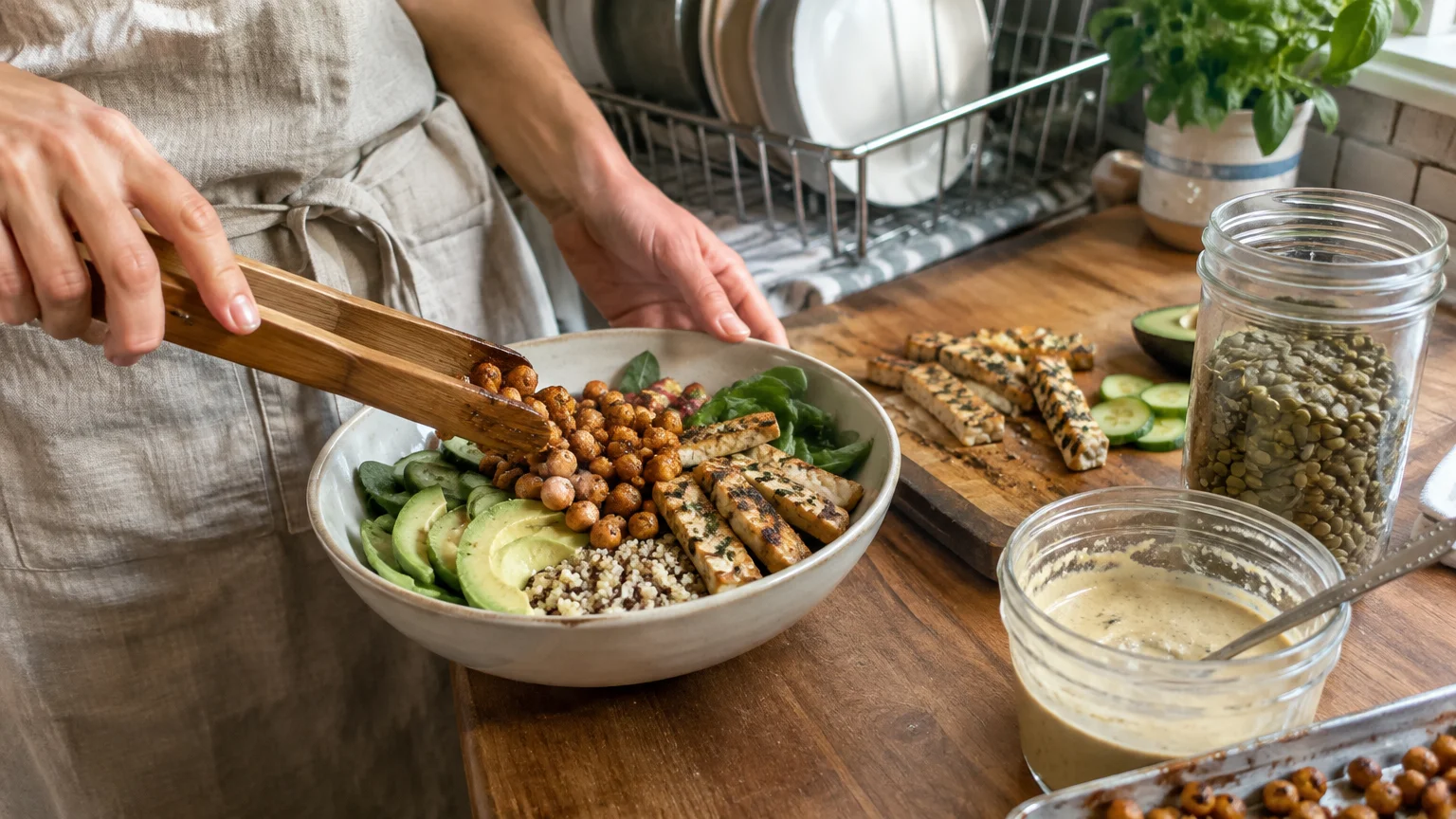
Firm tofu possesses a neutral flavor that readily absorbs marinades, herbs, and savory spices. Press the excess moisture from the block, slice it into bite-sized cubes, and bake it until golden and crisp.
Replacing fatty red meats with versatile soy proteins protects your arterial health while giving your body the clean fuel it requires.
4. Black Beans and Chickpeas
Black beans and chickpeas, also known as garbanzo beans, are nutritional powerhouses that support healthy lipid management. One cup of cooked chickpeas provides nearly 15 grams of protein and 12 grams of gut-friendly fiber.
The viscous fiber in legumes delays gastric emptying, promoting prolonged feelings of fullness and stabilizing post-meal blood sugar levels. Stable blood sugar prevents insulin spikes that would otherwise stimulate internal cholesterol production in your liver.
Furthermore, the prebiotic fiber in black beans feeds beneficial microbes in your lower digestive tract. As these friendly bacteria digest the fiber, they synthesize short-chain fatty acids that help downregulate systemic cholesterol production.
Canned varieties of black beans and chickpeas provide ultimate convenience for aging adults who want healthy meals without exhausting kitchen prep. They allow you to assemble a protein-packed meal in mere minutes.
Be sure to pour canned legumes into a colander and rinse them thoroughly under cold tap water. Rinsing canned beans removes up to 40% of the preserving sodium, safeguarding your blood pressure.
You can toss whole chickpeas with garlic and extra virgin olive oil, then roast them until crunchy for an energizing snack. Black beans blend seamlessly into vibrant vegetable soups, whole-grain burritos, or homemade plant burgers.
Consistently incorporating these hearty legumes into your weekly menu helps your body clear excess cholesterol naturally and efficiently.
5. Plain Nonfat Greek Yogurt
Plain nonfat Greek yogurt provides an outstanding source of concentrated dairy protein without the saturated fat found in whole milk. A standard six-ounce serving supplies an impressive 16 to 18 grams of pure protein.
The traditional straining process removes the liquid whey, resulting in a dense, creamy texture and higher protein concentration. Because it is nonfat, it allows you to enjoy dairy nutrition without elevating your atherogenic LDL particles.
Nonfat Greek yogurt is packed with bioavailable calcium, potassium, and magnesium. These critical minerals support muscular contraction, preserve bone mineral density, and assist your body in maintaining healthy vascular tone.
Additionally, genuine Greek yogurt contains active live cultures of beneficial probiotic bacteria. A balanced gut microbiome enhances bile acid excretion and helps calm chronic systemic inflammation throughout your body.
Always purchase plain varieties rather than fruit-flavored yogurts displayed on supermarket shelves. Flavored yogurts frequently hide excessive added sugars, which your liver rapidly transforms into inflammatory blood triglycerides.
You can naturally sweeten plain yogurt by folding in fresh raspberries, sliced strawberries, or a dash of pure vanilla extract. It also functions as a nutritious, low-fat substitute for sour cream or mayonnaise in savory culinary dressings.
Relying on nonfat Greek yogurt gives you a rapid, convenient protein boost that respects your cardiovascular wellness goals.
6. Tempeh and Fermented Soybeans
Tempeh is a traditional Indonesian staple made by fermenting whole, cooked soybeans into a dense, sliceable cake. A single three-ounce serving provides roughly 15 to 20 grams of exceptional plant-based protein.
Because tempeh incorporates the entire soybean rather than just the extracted milk, it preserves extraordinary amounts of dietary fiber. That same three-ounce portion delivers approximately 5 grams of heart-protective fiber.
The natural fermentation process partially digests the soy proteins, making tempeh notably gentle on sensitive gastrointestinal tracts. Fermentation also deactivates phytates, enabling your digestive system to absorb minerals like iron and zinc with ease.
Tempeh contains natural plant sterols, which possess a molecular structure strikingly similar to human cholesterol. In your digestive tract, these plant sterols actively compete with cholesterol for absorption, helping lower your blood levels.
Its firm texture and subtle, nutty flavor make tempeh a satisfying alternative to ground beef or poultry in everyday cooking. You can crumble it into hearty pasta sauces, brown it in vegetable skillet dishes, or slice it for sandwiches.
Marinating tempeh slices in low-sodium soy sauce, garlic, and smoked paprika creates a rich, savory flavor profile. Baking the marinated strips produces a crisp, deeply satisfying protein addition for your lunch or dinner plate.
Exploring tempeh introduces culinary variety into your diet while delivering robust cardiovascular defense.
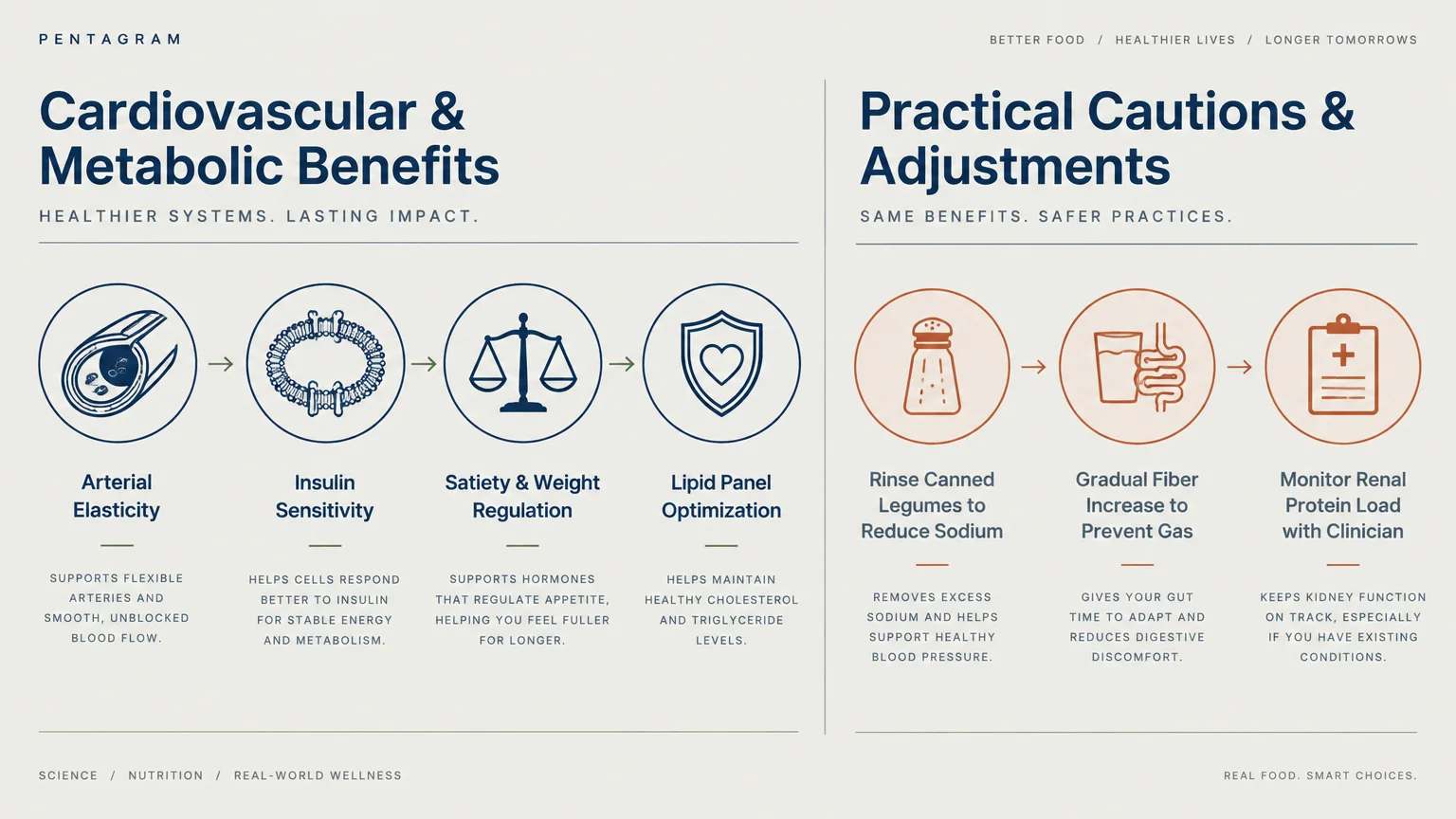
Health Benefits and Potential Cautions to Consider
Transitioning toward heart-healthy, low-saturated-fat proteins produces profound health improvements that extend far beyond your cholesterol lab results. Maintaining sufficient muscle mass preserves your metabolic rate, preventing age-related weight gain and visceral fat accumulation.
Stronger muscles also enhance your physical balance and agility, reducing the risk of catastrophic falls. Furthermore, swapping animal fats for plant proteins and seafood improves arterial compliance, allowing your blood vessels to dilate smoothly.
However, making dietary shifts requires careful attention to specific nutritional pitfalls that can inadvertently harm older adults. Many commercial meat substitutes and packaged veggie burgers contain staggering quantities of added sodium.
Excessive sodium forces your body to retain fluids, elevating blood pressure and placing unwanted strain on your cardiovascular system. Always scrutinize nutrition labels, seeking products with less than 140 milligrams of sodium per serving.
Older adults must also consider their individual renal health before significantly boosting their daily protein consumption. If you have been diagnosed with chronic kidney disease or reduced filtration capacity, excess protein can stress your kidneys.
Consult your healthcare provider or a nephrologist to establish a safe, personalized daily protein ceiling tailored to your kidney function. They can help you determine the ideal balance between muscle preservation and kidney protection.
Additionally, increasing your intake of legumes and whole grains introduces large amounts of dietary fiber into your gastrointestinal tract. If your body is unaccustomed to fiber, a sudden increase can trigger abdominal bloating, cramping, and excessive gas.
Introduce high-fiber legumes gradually over several weeks, beginning with a few tablespoons per day. Drink plenty of water throughout the day to help the soluble fiber move smoothly through your digestive tract.
Finally, avoid the temptation to cook lean proteins in heavy amounts of butter, bacon fat, or creamy sauces. Using healthy preparation techniques ensures that your protein choices actively lower your cholesterol rather than quietly raising it.
Mindful eating practices allow you to capture every cardiovascular benefit while sidestepping common digestive or metabolic roadblocks.
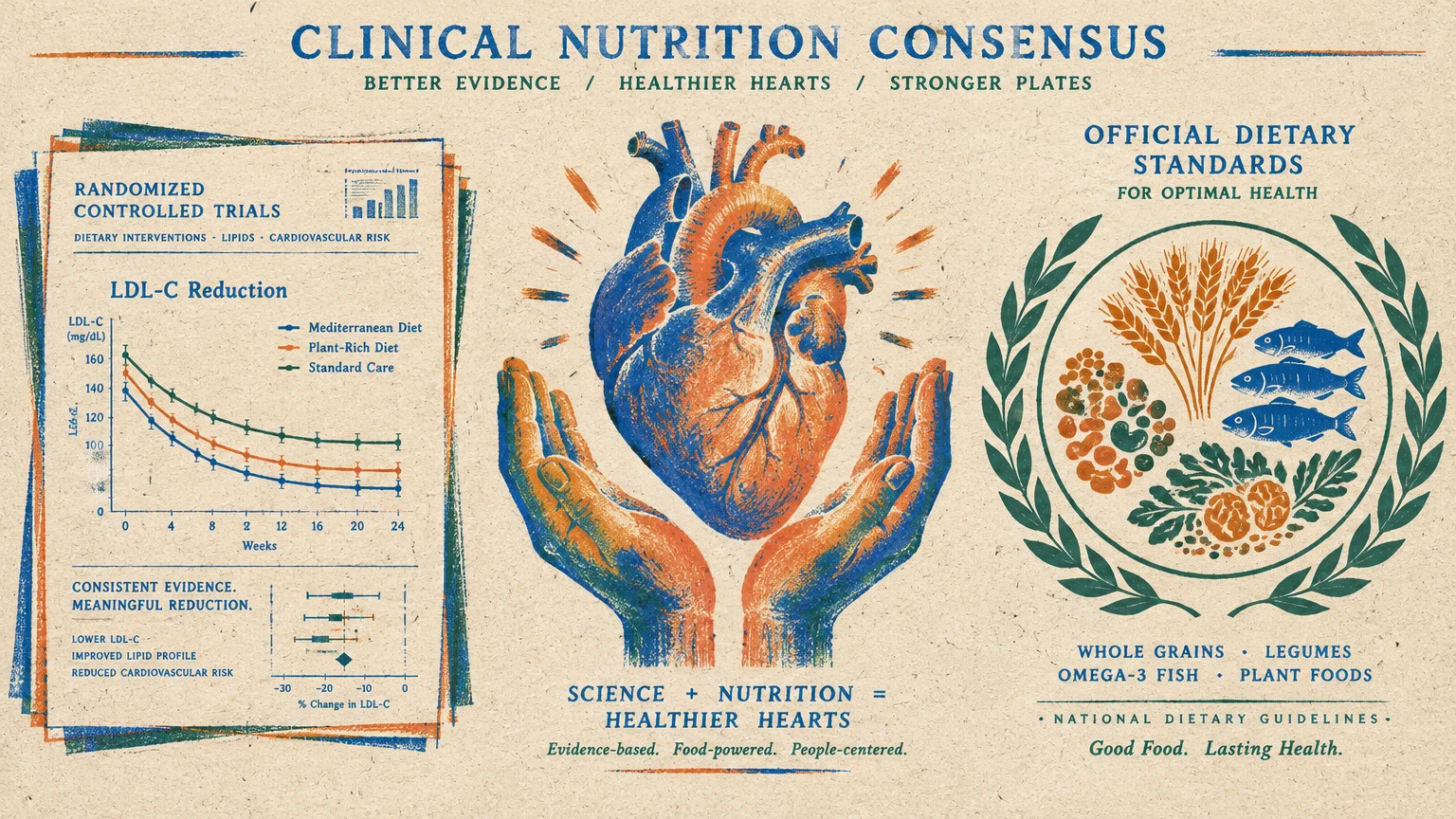
What the Health Guidelines and Clinical Research Say
Cardiovascular disease remains the leading cause of health complications among older adults across the United States. In response, medical associations consistently revise their clinical guidelines to emphasize early, aggressive lipid management.
The updated 2026 ACC/AHA Dyslipidemia Guidelines introduced more stringent LDL cholesterol targets alongside expanded testing for Lipoprotein(a). A critical study published in JAMA in July 2026 evaluated the real-world impact of these revised standards.
The researchers discovered that one in three U.S. adults without known heart disease have LDL levels exceeding the 2026 recommended targets. This significant finding underscores that millions of adults require more proactive lifestyle adjustments.
National health data confirms that lipid abnormalities represent a growing public health challenge. A March 2026 report from the Centers for Disease Control and Prevention revealed a 13.7% increase in self-reported high cholesterol between 2019 and 2023.
According to baseline data from the CDC, approximately 86 million U.S. adults aged 20 or older have borderline-high total cholesterol above 200 mg/dL. Even more concerning, nearly 25 million adults—roughly 10% of the population—have high cholesterol levels exceeding 240 mg/dL.
The National Institutes of Health consistently identifies medical nutrition therapy as the cornerstone of lipid management. Clinical trials show that dietary patterns rich in viscous soluble fiber and low in saturated fat dramatically improve lipid markers.
FDA labeling regulations under 21 CFR 101 formally recognize that consuming 5 to 10 grams of soluble fiber daily lowers heart disease risk. The FDA also recognizes that consuming 3 grams of beta-glucan soluble fiber daily from oats or barley provides proven cardiac protection.
Cardiovascular specialists at the Mayo Clinic emphasize that dietary intervention can reduce LDL levels by up to 10% to 15%. When you combine lean proteins with daily physical activity, your cardiovascular outlook improves dramatically.
These rigorous scientific findings demonstrate that dietary protein selection is not merely a lifestyle preference. It is a powerful, evidence-based therapeutic intervention that safeguards your heart as you age.
Practical Daily Strategies to Upgrade Your Plate
Upgrading your daily nutritional habits does not require dramatic changes overnight. You can establish lasting heart-healthy routines by taking small, deliberate actions that fit naturally into your everyday schedule.
Start by adopting the simple quarter-plate rule when assembling your lunch and dinner meals. Dedicate one quarter of your plate to lean, low-saturated-fat protein, one quarter to complex fiber, and the remaining half to colorful vegetables.
Commit to two dedicated seafood evenings each week, such as a Tuesday baked salmon dinner and a Friday sardine salad. Establishing a predictable routine makes it effortless to meet your weekly omega-3 fatty acid targets.
Stock your kitchen cupboards with convenient plant proteins that require minimal cooking effort. Keep canned black beans, canned chickpeas, dry lentils, and shelf-stable organic tofu readily available in your pantry.
Always drain and thoroughly rinse canned beans under cold tap water before cooking them. This quick thirty-second kitchen habit washes away excess sodium that would otherwise elevate your resting blood pressure.
Replace high-fat dairy condiments with nutrient-dense nonfat Greek yogurt in your everyday cooking. You can use Greek yogurt as a creamy base for salad dressings, vegetable dips, and morning breakfast bowls.
Cook your proteins using heart-healthy liquid plant fats like extra virgin olive oil or avocado oil. These monounsaturated oils resist oxidation and help maintain your protective HDL cholesterol levels.
Prepare a list of targeted questions to discuss with your primary care physician at your upcoming wellness checkup. Ask for an advanced lipid panel that measures your Apolipoprotein B particle count alongside standard LDL numbers.
Request a clear assessment of your estimated glomerular filtration rate, or eGFR, to verify your baseline kidney function. Knowing your kidney numbers allows your healthcare provider to calibrate your precise daily protein allowance safely.
Taking proactive ownership of your dietary choices empowers you to safeguard your cardiovascular vitality with total confidence.
Frequently Asked Questions About Protein and Cholesterol
Can eating high-protein foods really lower my LDL cholesterol?
High-protein foods lower LDL cholesterol when they displace foods rich in saturated fat, such as fatty cuts of beef, sausage, and butter. Plant proteins and fatty fish actively reduce circulating lipids by delivering soluble fiber and polyunsaturated fatty acids.
This dietary swap accelerates your liver’s ability to clear circulating cholesterol particles from your bloodstream. Over several months, this simple habit shift produces measurable improvements in your clinical lipid panel.
Are whole eggs safe to eat if I have high cholesterol?
Dietary cholesterol found in egg yolks has a relatively modest effect on blood cholesterol levels for the vast majority of individuals. However, the saturated fat eaten alongside eggs presents a far more serious hazard to your cardiovascular system.
Cardiovascular dietitians generally recommend limiting whole egg consumption to three or four yolks per week if you have elevated LDL. You can easily blend one whole egg with extra liquid egg whites to create a protein-packed, heart-safe scramble.
How much protein should an older adult eat at each meal?
Aging muscles experience anabolic resistance, which means older adults require more dietary protein to stimulate tissue repair than younger individuals. Nutrition researchers recommend aiming for 25 to 35 grams of protein at each main meal.
Distributing your protein intake evenly across breakfast, lunch, and dinner promotes optimal muscle maintenance and keeps your appetite satisfied. Combining plant proteins with lean seafood or nonfat Greek yogurt makes reaching this threshold simple.
What if plant proteins cause digestive discomfort or gas?
Developing temporary abdominal gas or bloating is normal when you introduce fiber-rich legumes into your regular eating routine. Your intestinal microbiome requires time to cultivate the bacterial enzymes needed to ferment prebiotic plant fibers efficiently.
Begin by adding just two tablespoons of cooked lentils or black beans to your meals each day, gradually increasing your intake. Rinsing canned legumes thoroughly and drinking generous amounts of fresh water will significantly minimize digestive symptoms.
Do dietary changes eliminate the need for cholesterol medications?
Adopting a heart-healthy diet creates powerful cardiovascular defenses, but it does not always eliminate the need for prescription statins. Genetic factors, baseline arterial plaque, and family medical history strongly influence your total cardiovascular risk profile.
Consider heart-healthy nutrition and prescribed medications as powerful partners that work together to protect your longevity. Always discuss any potential changes to your prescription medications with your treating physician before altering your dosage.
Empowering Your Cardiovascular Health Through Food
Caring for your cardiovascular system after age sixty does not require an ascetic lifestyle or an uninspiring, flavorless diet. By choosing nutrient-dense, low-saturated-fat proteins, you nourish your vital muscle tissue while actively shielding your arteries from harmful plaque.
Every heart-healthy meal you enjoy provides an immediate, positive stimulus for your blood vessels and metabolic pathways. Small, consistent actions—like tossing lentils into a stew or enjoying grilled salmon—accumulate into profound, lasting health protections.
Take charge of your nutritional choices today with confidence and practical knowledge. Your commitment to eating dietitian-approved proteins empowers you to sustain your independence, protect your heart, and enjoy vibrant health for years to come.
This article is intended for informational and educational purposes only and is not a substitute for professional medical advice, diagnosis, or treatment. Always consult with a qualified healthcare provider regarding any health concerns or before making any decisions related to your health or treatment.