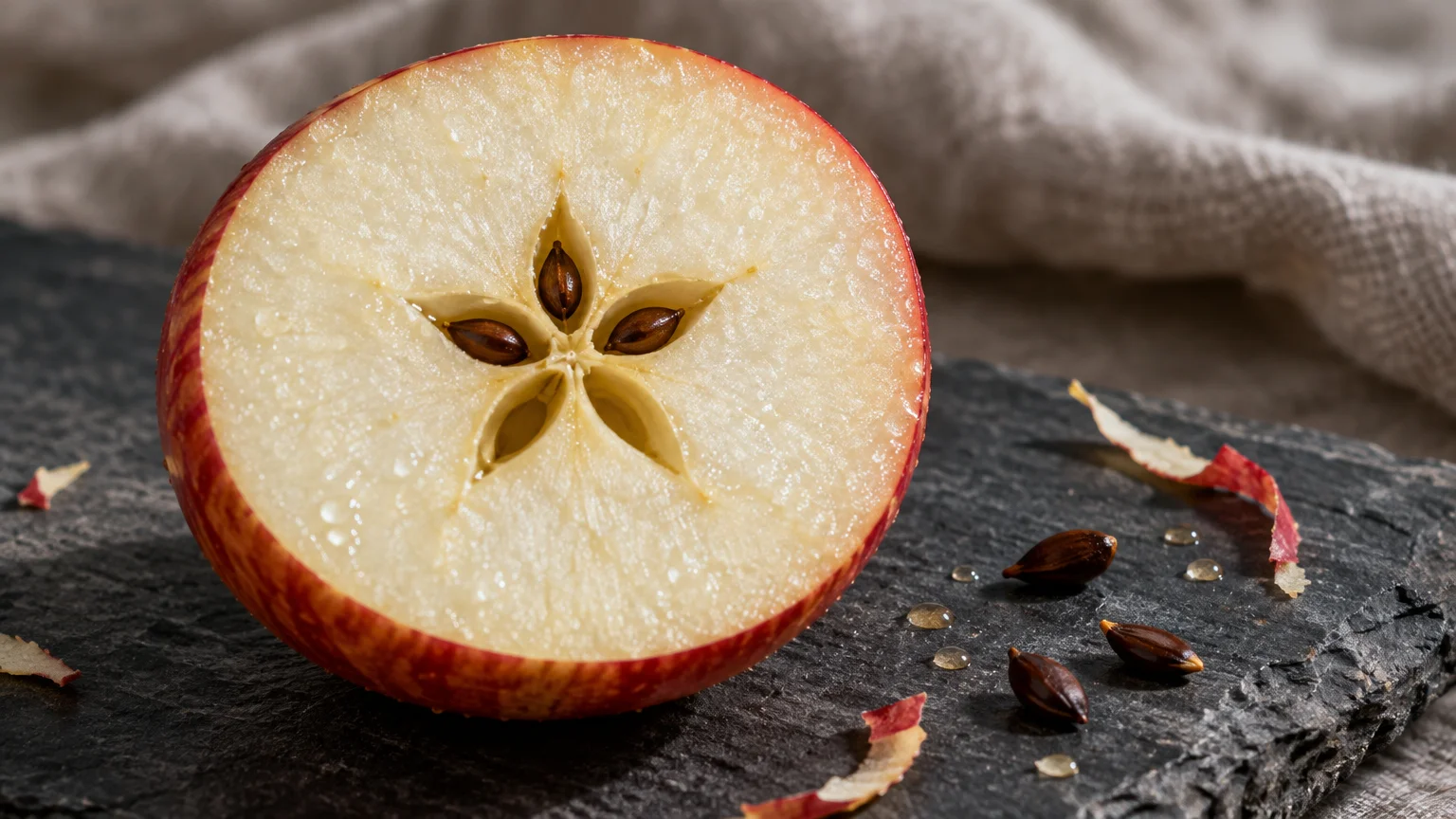
Swallowing an occasional apple seed will not harm your health, but chewing large quantities exposes your body to dangerous toxins. Removing the core before eating protects your digestive tract and prevents accidental chemical exposure.
While whole seeds generally pass through your body intact, crushed seeds release hydrogen cyanide during digestion. Older adults must exercise extra caution because changes in swallowing function and digestion increase health vulnerabilities.
Knowing how apple seeds interact with your system helps you prepare fresh fruit safely for yourself and your loved ones. Simple kitchen habits keep you safe while preserving all the nutritional benefits of fresh apples.
Understanding the Basics: What Lurks Inside an Apple Seed?
Apples provide essential dietary fiber, vitamin C, and protective antioxidants that support healthy aging. However, the fibrous core houses small, dark seeds engineered by nature to survive the digestive process.
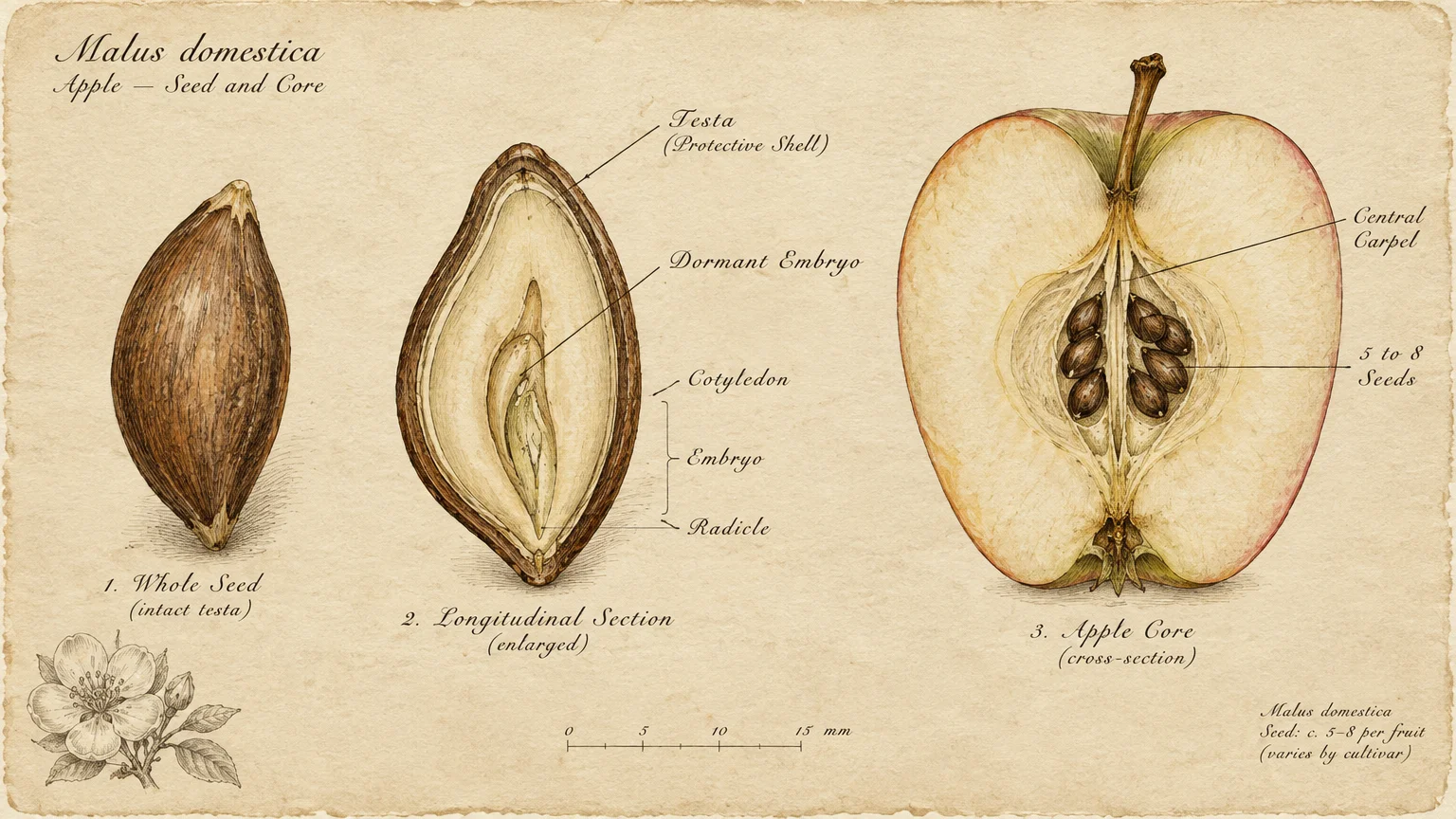
A typical apple contains between 5 and 8 seeds nestled securely inside the central carpel. Nature designed these seeds to endure animal ingestion so the plant can disperse its genetics across wide distances.
To prevent animals from destroying the germinating embryo, apple trees produce a specialized chemical defense mechanism. This defense relies on a naturally occurring plant compound known as amygdalin.
Amygdalin belongs to a class of molecules called cyanogenic glycosides. These molecules combine a sugar unit with a cyanide group, remaining completely benign until cellular disruption occurs.
A smooth, remarkably tough outer coat called the testa shields the interior of each seed. This woody armor resists gastric juices, digestive enzymes, and mechanical churning in your stomach.
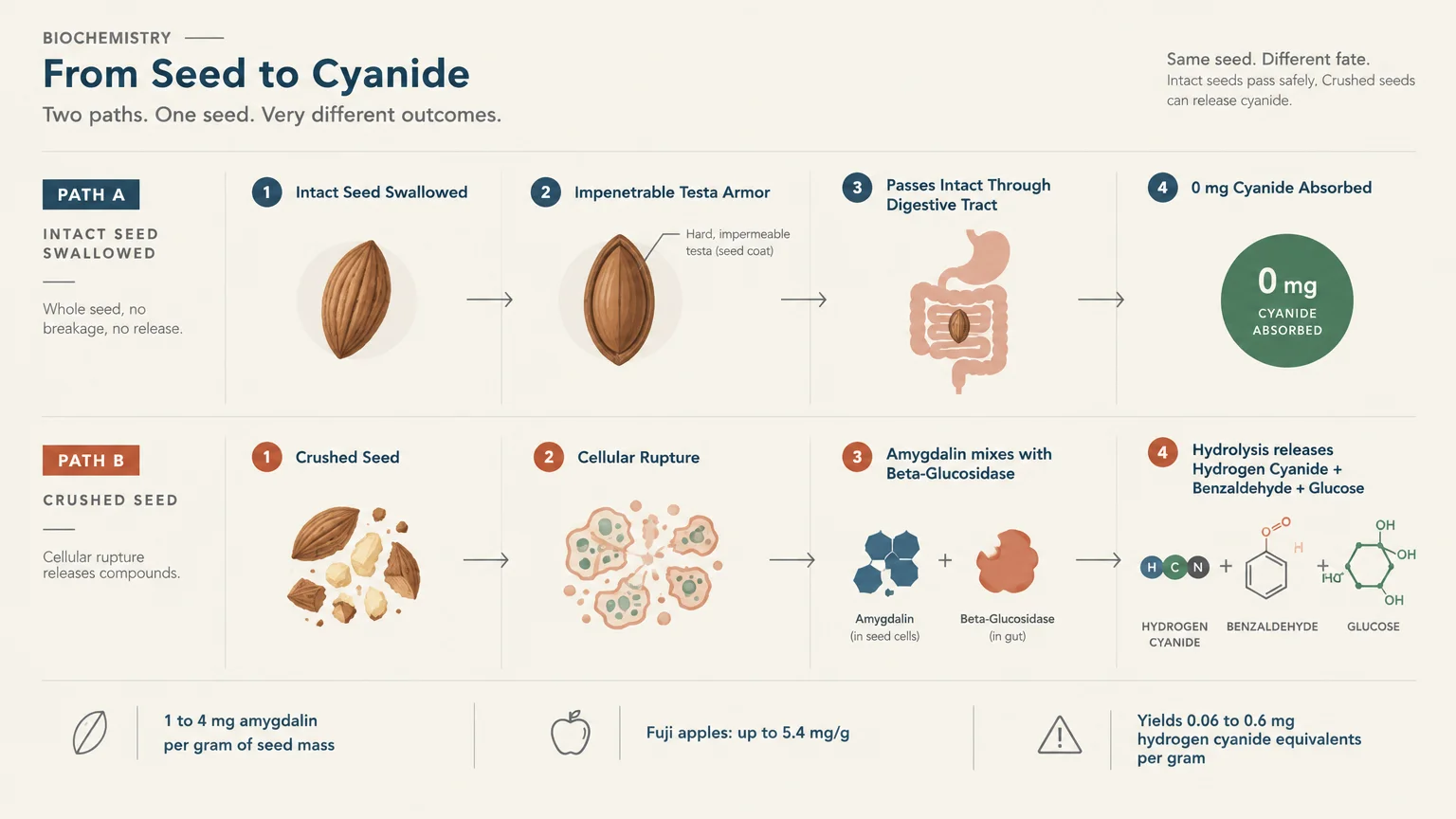
If you swallow a seed whole, it travels through your stomach and intestines without breaking open. The seed exits your body in your stool without releasing its chemical payload.
The dynamic changes completely when your teeth or a food processor breaks that protective shell. Cracking the seed initiates an immediate enzymatic breakdown that releases toxic substances into your system.
Understanding this fundamental difference between whole and crushed seeds helps you separate irrational anxiety from genuine health risks. Knowing the basic mechanics allows you to enjoy fresh fruit safely every day.
The Chemistry of Amygdalin and Cyanide
The chemical transformation inside a damaged apple seed relies on precise biochemical interactions. Amygdalin requires direct contact with specific enzymes before it can liberate any toxic molecules.
Plant tissues contain an enzyme called beta-glucosidase, which remains physically separated from amygdalin in intact seeds. Chewing crushes the microscopic cellular compartments, mixing the enzyme and the glycoside together instantly.
Your human intestinal microflora also produce beta-glucosidase enzymes during normal digestive activity. This biological environment hydrolyzes amygdalin into glucose, benzaldehyde, and free hydrogen cyanide.
Hydrogen cyanide is an intensely potent chemical that rapidly enters your bloodstream through the stomach lining. Once absorbed, it interferes with how your cells use oxygen to generate vital energy.
Apple seeds contain roughly 1 to 4 milligrams of amygdalin per gram of total seed mass. Popular sweeter varieties, such as Fuji apples, can reach concentrations as high as 5.4 milligrams per gram.
Laboratory testing confirms that one gram of crushed apple seeds yields between 0.06 and 0.6 milligrams of hydrogen cyanide equivalents. An individual crushed seed yields only a few hundredths of a milligram.
Fortunately, your body possesses a dedicated biological defense against minor cyanide exposures. Your liver produces a specialized sulfurtransferase enzyme called rhodanese to neutralize incoming toxic molecules.
Rhodanese combines cyanide with dietary sulfur to produce thiocyanate, a relatively harmless chemical compound. Your kidneys then filter thiocyanate out of your blood and excrete it safely through your urine.
Poisoning develops only when the amount of ingested cyanide outpaces your liver’s metabolic processing speed. If cyanide absorption exceeds your rhodanese capacity, unbound cyanide molecules circulate freely and attack your vital organs.
The 4 Hidden Dangers of Swallowing Apple Seeds
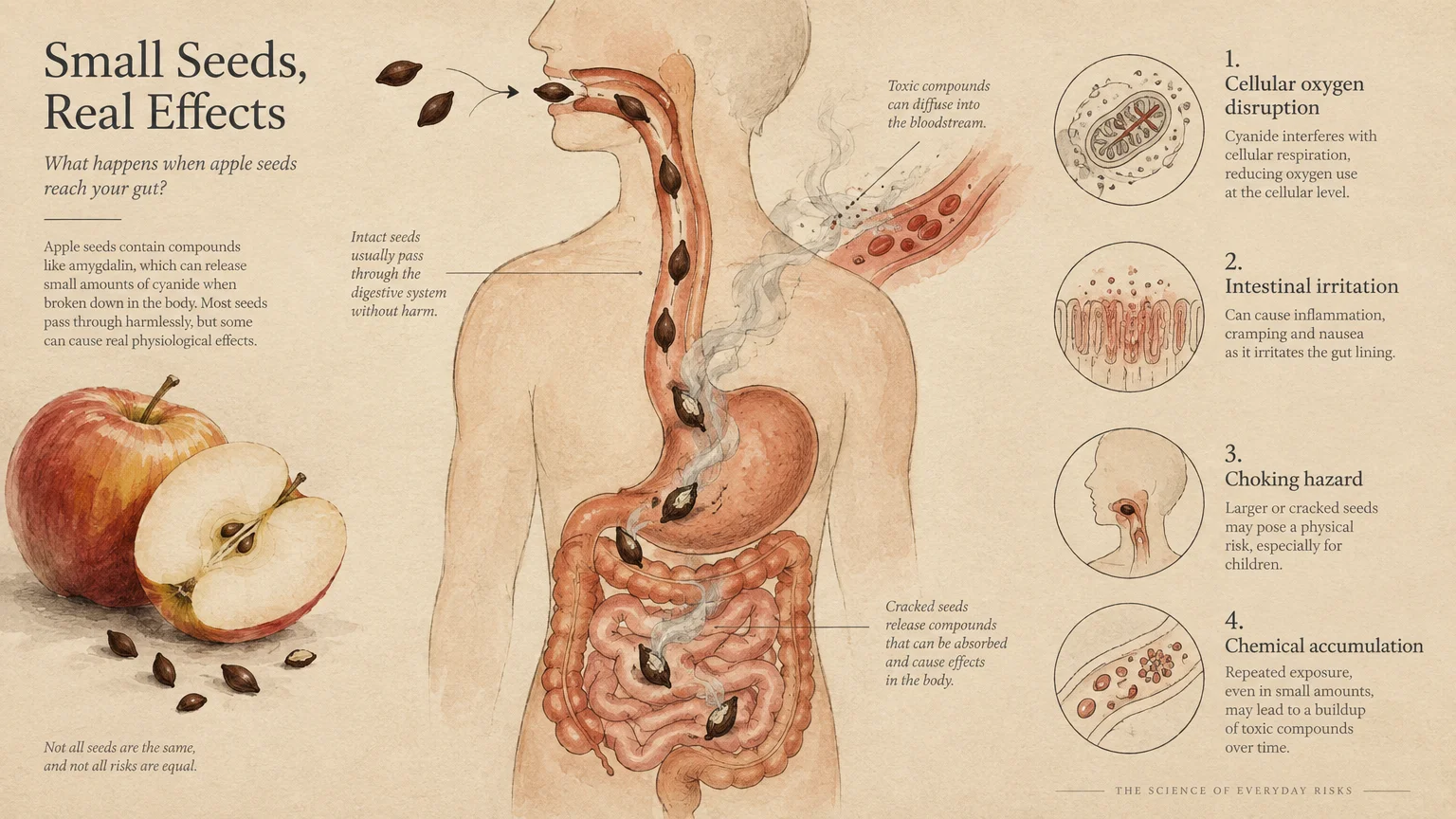
While accidentally swallowing a stray seed rarely triggers an emergency, regular ingestion introduces genuine health concerns. You should evaluate four distinct clinical hazards associated with apple seed consumption.
1. Cyanide Poisoning and Cellular Hypoxia
The most notorious threat from crushed apple seeds is acute cyanide toxicity. Cyanide acts as a rapid cellular poison by binding directly to iron atoms inside your mitochondrial enzymes.
Specifically, cyanide binds to cytochrome c oxidase, halting the final step of the electron transport chain. Without functional cytochrome c oxidase, your cells cannot convert oxygen into adenosine triphosphate, or ATP.
This blockage triggers cellular hypoxia, starving your tissues of usable energy despite normal oxygen levels in your blood. Your brain, heart, and central nervous system suffer rapid damage because they demand continuous energy.
Clinical literature shows acute oral cyanide toxicity occurs between 0.5 and 3.5 milligrams per kilogram of body weight. For a typical adult weighing 70 kilograms, this dangerous range represents 50 to 250 milligrams.
Because each seed contains tiny amounts of amygdalin, reaching this toxic threshold requires massive consumption. You would need to chew between 150 and several thousand seeds at one time to experience life-threatening poisoning.
This extreme dosage equals consuming approximately 18 to 20 whole apple cores consecutively with thorough chewing. While accidental poisoning remains rare, intentional ingestion or careless juicing habits can cause dangerous exposure.
Early warning symptoms of cyanide toxicity include persistent headaches, dizziness, rapid breathing, and sudden nausea. Sufferers often experience intense anxiety, a bounding pulse, and mental confusion as cellular oxygen drops.
Severe poisoning quickly escalates to irregular heart rhythms, generalized convulsions, profound coma, and fatal respiratory failure. Prompt medical treatment is vital to preserve life and prevent permanent neurological disability.
If you suspect severe cyanide ingestion, contact the national Poison Help hotline at 1-800-222-1222 immediately. Emergency physicians can administer specific antidotes, such as hydroxocobalamin, to bind circulating cyanide and restore cellular respiration.
2. Choking and Mechanical Aspiration
Chemical toxicity is not the only hazard hidden within an apple core. The physical shape, smooth surface, and compact size of apple seeds create a serious choking and aspiration hazard.
Apple seeds possess a tapered, teardrop form coated with natural plant oils and slippery moisture. When you chew rapidly or talk while eating, a seed can easily slide down your throat unprompted.
As your body ages, neuromuscular changes often reduce coordination in the pharynx and larynx. This age-related swallowing impairment, known as dysphagia, increases the chance that foreign objects slip into your airway.
If a slippery seed slips past your protective epiglottis, it enters the larynx and travels into your trachea. This mechanical misdirection causes violent coughing paroxysms, laryngospasm, and sudden airway obstruction.
If the seed passes deeper into the pulmonary system, it can lodge within the secondary or tertiary bronchi. Pulmonologists refer to this dangerous occurrence as foreign body aspiration.
Because the seed coat resists moisture breakdown, an aspirated seed will not dissolve inside the warm, humid lung. Instead, it obstructs airflow and generates intense localized tissue inflammation within the bronchial passages.
Retained organic matter frequently introduces bacteria into vulnerable lung tissue, triggering severe aspiration pneumonia. Aspiration pneumonia represents a major cause of hospitalization and complications among adults over sixty.
Symptoms of pulmonary aspiration include persistent coughing, wheezing, localized chest discomfort, and unexplained low-grade fevers. Removing the core before eating remains the simplest, most effective way to eliminate this choking risk.
3. Gastrointestinal Irritation and Digestive Distress
The outer hull of an apple seed consists primarily of rigid cellulose, insoluble fiber, and lignin. Human gastric acid cannot dissolve these dense structural polymers during typical digestive transit.
When you swallow multiple whole or fragmented seeds, their hard edges scrape against delicate mucosal linings. This physical irritation can trigger localized gastric inflammation, abdominal cramping, and persistent bloating.
Seniors with sensitive digestive tracts or chronic gastrointestinal conditions face heightened risks from ingesting hard seed fragments. Conditions like gastroparesis, inflammatory bowel disease, or irritable bowel syndrome magnify this mucosal irritation.
In older adults with gastroparesis, the stomach empties food much more slowly than normal. Indigestible seed fragments can collect inside the stomach cavity, forming troublesome masses known as phytobezoars.
Phytobezoars cause chronic nausea, early fullness during meals, vomiting, and upper abdominal tenderness. Resolving these fibrous blockages often requires specialized medical intervention or endoscopic procedures.
Millions of older adults also live with diverticulosis, a condition characterized by small outpouchings along the colonic wall. While modern guidelines clarify that seeds do not cause diverticulitis, rough particles can still aggravate sensitive tissue.
Insoluble seed matter can cause localized spasms and uncomfortable friction as it traverses narrowed colonic segments. Removing seeds ensures a smoother, gentler digestive experience and prevents unnecessary abdominal distress.
4. Seed-Specific Allergic Reactions
Many adults recognize oral allergy syndrome, where fresh apple flesh causes temporary tingling in the mouth. However, medical researchers have identified distinct, severe allergic responses triggered exclusively by apple seeds.
Apple seeds contain concentrated storage proteins, including 2S albumins, designed to nourish the sprouting plant. These proteins possess dense structures that resist thermal breakdown and human digestive enzymes.
Your immune system can develop targeted IgE antibodies against these specific seed storage proteins over time. Remarkably, you can safely eat the sweet apple flesh while remaining severely allergic to the inner seeds.
When an allergic person bites into a seed, these storage proteins bind to immune mast cells. This interaction triggers the rapid release of histamine and inflammatory cytokines throughout surrounding tissues.
Allergic symptoms can start with intense itching on your lips, tongue swelling, and itchy hives across your neck. Gastrointestinal reactions may follow quickly, causing acute stomach cramps, vomiting, and sudden diarrhea.
In hypersensitive individuals, seed protein exposure can escalate into life-threatening systemic anaphylaxis. Anaphylaxis causes dangerous airway constriction, severe drop in blood pressure, dizziness, and collapse.
Anyone experiencing throat tightness, wheezing, or facial swelling after eating apple components requires immediate emergency care and epinephrine. Consulting an allergist helps identify whether your symptoms stem from fruit flesh or seed proteins.

Key Considerations for Seniors and Older Adults
Aging brings subtle, progressive changes to your organ systems that alter how your body handles physical and chemical challenges. Evaluating apple seed risks through this geriatric lens helps you protect your long-term wellness.
Your liver experiences a natural decrease in total mass and blood perfusion as the decades advance. This reduction slows down hepatic microsomal enzyme activity, including the synthesis and action of the rhodanese enzyme.
Because hepatic detoxification slows, older adults process chemical substances less efficiently than younger people do. A low dose of cyanide that clears rapidly in youth may linger longer in an older system.
Renal physiology also changes steadily over time, with average glomerular filtration rates declining after age sixty. Because your kidneys must excrete neutralized thiocyanate, reduced renal clearance causes metabolic waste products to accumulate.
Many seniors take daily prescription medications to control hypertension, cardiac arrhythmias, or metabolic conditions. Although apple seeds do not directly interact with these drugs, cellular toxicity imposes unneeded strain on your heart.
Age-related dry mouth, or xerostomia, is another common concern resulting from medications or salivary gland changes. Inadequate saliva makes it difficult to lubricate food, chew thoroughly, and detect rogue seeds in your mouth.
Furthermore, wearing full or partial dentures significantly decreases tactile sensitivity along the roof of your mouth. Denture wearers often swallow small seeds unintentionally because they cannot feel them against their oral tissues.
Neuromuscular coordination between your tongue, pharynx, and esophagus also weakens naturally as part of normal aging. This reduced coordination makes older adults far more susceptible to accidental choking and food aspiration.
These combined physiological factors mean older adults possess narrower safety margins when facing physical or chemical stresses. Exercising simple caution during fruit preparation provides dependable protection for your digestive and respiratory health.
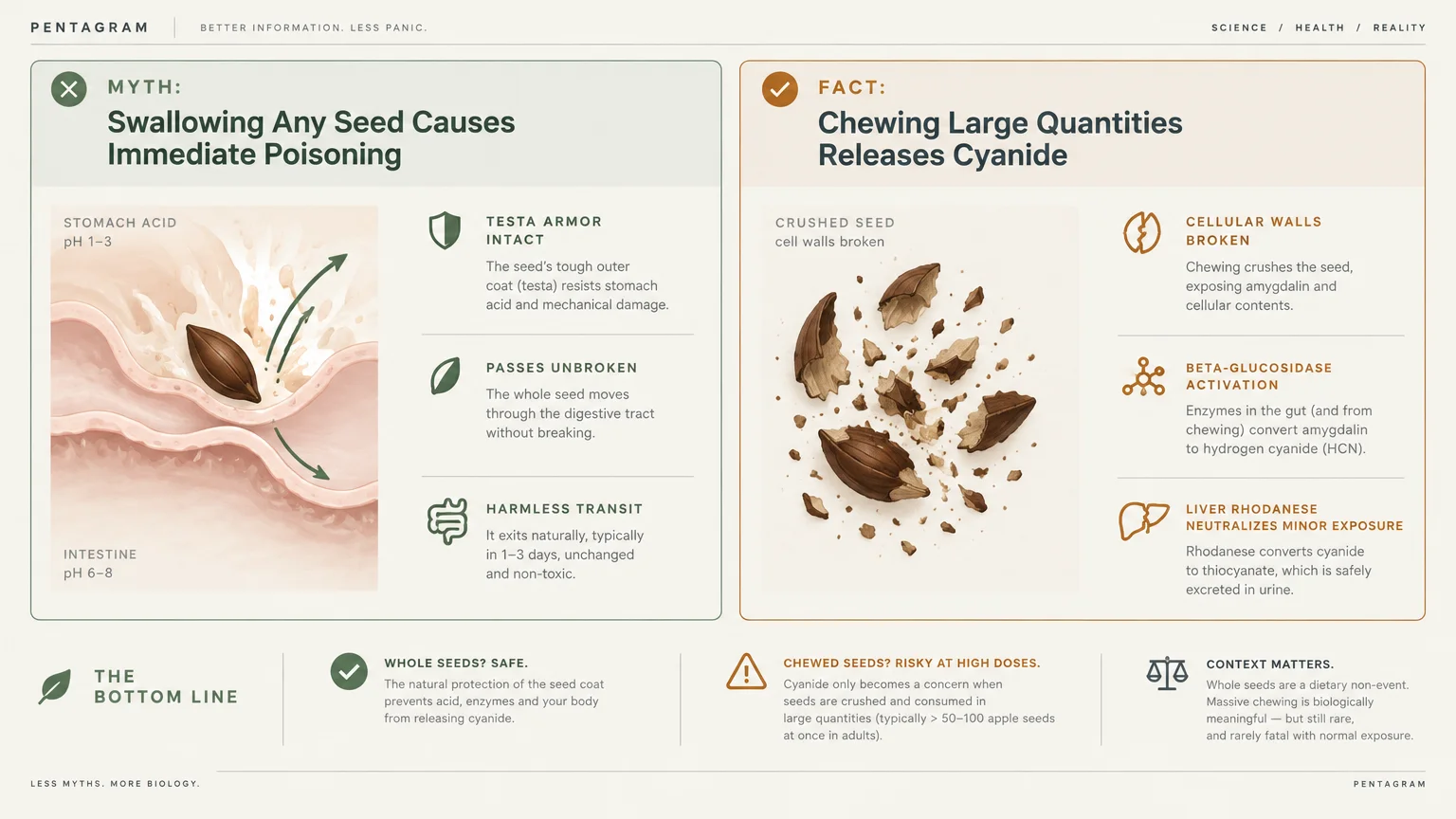
Benefits and Potential Risks: Separating Myth from Fact
Pervasive internet myths often portray apple seeds as an overlooked natural remedy packed with miraculous healing powers. Misleading alternative wellness blogs claim that the amygdalin in fruit seeds selectively destroys malignant tumor cells.
Promoters frequently rebrand amygdalin under the commercial names laetrile or vitamin B17 to project scientific legitimacy. They falsely assert that regular seed consumption prevents chronic diseases and revitalizes cellular health.
High-authority research institutions, such as the National Institutes of Health, have thoroughly studied these claims. Rigorous clinical trials confirm that amygdalin provides no therapeutic benefit against cancer or other illnesses.
In fact, consuming concentrated amygdalin supplements or massive quantities of seeds causes genuine, documented harm. Patients seeking alternative cures have suffered severe, life-threatening cyanide poisoning from these unproven regimens.
In stark contrast to the dangerous seeds, the edible flesh and peel of apples offer extraordinary, evidence-based benefits. Apples provide rich stores of soluble pectin fiber, which supports healthy cholesterol levels and stabilizes blood sugar.
The vibrant skin of the apple contains powerful flavonoids like quercetin, which lowers inflammation and supports vascular elasticity. Regular apple consumption also fosters a diverse, resilient gut microbiome that enhances immune resilience.
You can enjoy all of these outstanding cardiovascular and digestive advantages simply by coring the fruit first. There is zero nutritional or therapeutic reason to eat the seeds, carpels, or central core.
True health optimization relies on embracing verified nutritional science while discarding sensationalized online fads. Eating the sweet flesh while discarding the seed core gives you optimal nourishment without needless risk.

What the Experts Say: Scientific and Clinical Consensus
Leading international food safety bodies have established precise regulatory thresholds to protect the public from cyanogenic plant toxins. These health standards reflect extensive toxicological research on human metabolic limits.
The European Food Safety Authority establishes an Acute Reference Dose for dietary cyanide at 20 micrograms per kilogram of body weight. This conservative limit ensures that daily dietary exposure remains well below levels that cause biological stress.
At the global level, the Joint FAO and World Health Organization Expert Committee on Food Additives provides matching guidance. They set the Provisional Maximum Tolerable Daily Intake at 20 micrograms of cyanide equivalents per kilogram of body weight.
Medical experts at the Mayo Clinic emphasize that swallowing a few whole seeds requires no medical intervention. Clinicians reassure patients that intact seeds pass harmlessly through the gastrointestinal tract without releasing significant toxins.
Food scientists have also conducted detailed analyses of commercial apple beverages to assess potential consumer exposure. A landmark 2015 study published in Food Chemistry evaluated cyanogenic glycoside levels across numerous retail apple juices.
The researchers determined that 100 percent pressed apple juices liberated between 0.26 and 1.03 milligrams of cyanide equivalents per gram. These trace amounts enter the juice when industrial presses crush whole fruit cores.
Despite these detectable traces, commercial juice remains safe because the overall volume required for toxicity is immense. An adult would need to drink between 10 and 40 liters of juice at once to reach dangerous levels.
Even a child would need to drink roughly 8 liters consecutively before facing acute toxicity concerns. Normal consumption of pasteurized, commercially prepared apple juice presents virtually zero toxicological risk to your health.
However, home juicing and smoothie preparation introduce slightly higher chemical concentrations that warrant attention. A specialized analysis using Environmental Protection Agency testing methods measured total cyanide in raw, whole-blended health smoothies.
Researchers detected cyanide concentrations of 41 micrograms per liter in raw smoothies blended with whole un-cored apples. When recipes added raw flax seeds and unpasteurized almond milk, cyanide concentrations rose to 341 micrograms per liter.
While these smoothie levels remain below lethal doses, regular exposure strains your body’s natural metabolic clearance pathways. Public health guidelines from the Centers for Disease Control and Prevention advise removing all fruit pits and cores before blending beverages.
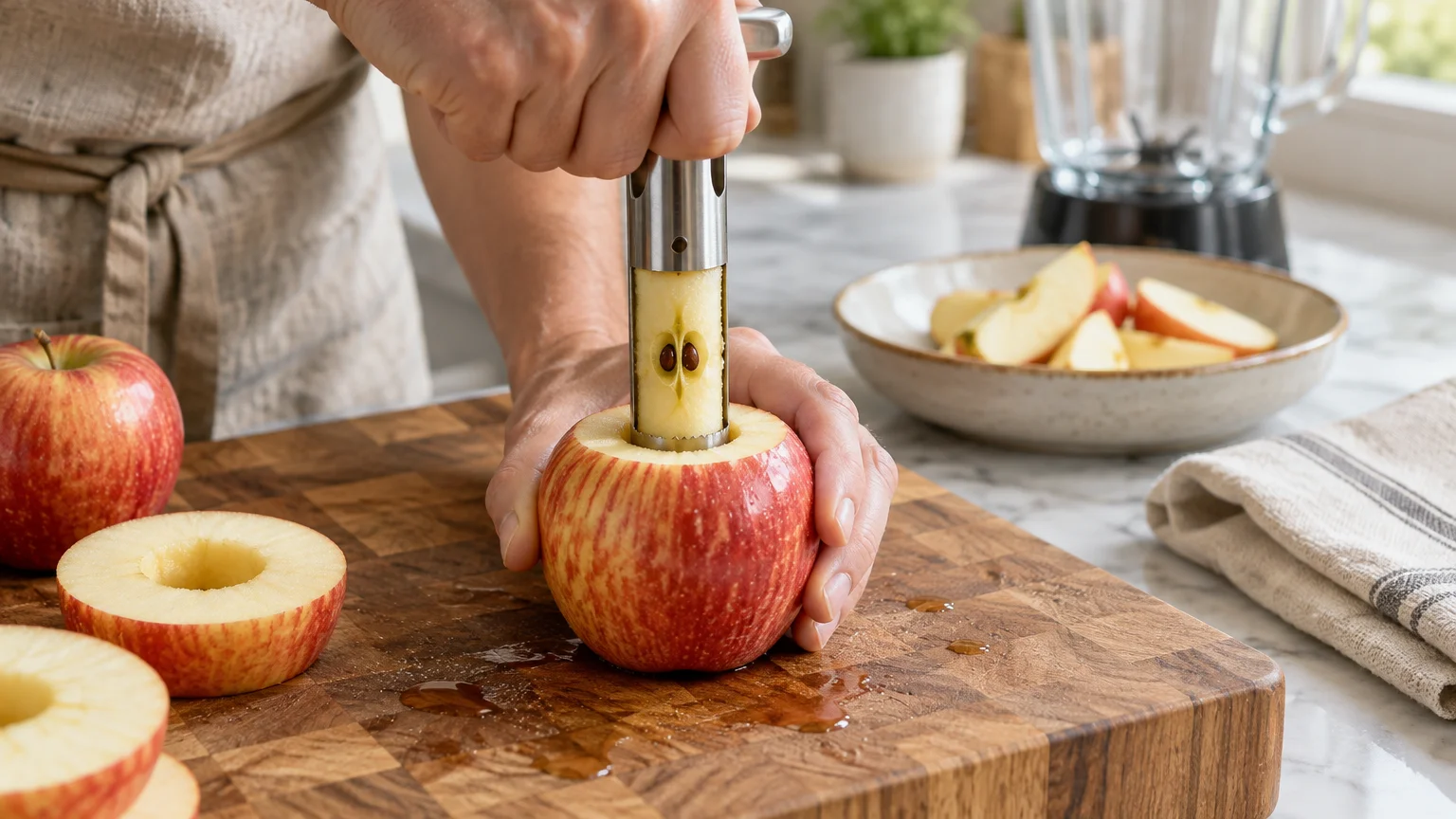
Practical Steps and Safe Fruit Preparation
Safeguarding your health does not require giving up delicious, nutrient-dense apples. Adopting simple, practical kitchen habits ensures you enjoy every bite while eliminating choking, digestive, and chemical hazards.
Use a circular stainless steel apple corer to remove the center of the fruit in one smooth motion. Pressing the cylindrical blade through the stem end extracts the seeds and fibrous carpel cleanly.
If you do not own a corer, slice the apple into four even quarters with a paring knife. Make a simple diagonal V-shaped cut across the center of each wedge to carve away the core completely.
Always inspect prepared apple wedges before serving them to older adults with dysphagia or young family members. Slicing fruit into thin, bite-sized crescents makes chewing easier and ensures no rogue seeds remain attached.
Never toss whole, uncut apples into high-speed countertop blenders or masticating juicers. Blending blades crush the seed coats instantly, releasing amygdalin and creating free hydrogen cyanide in your morning drink.
Take thirty seconds to core and chop your fruit before adding it to smoothie blenders. This small preparation step preserves all the beneficial vitamins and fibers while keeping your beverage entirely toxin-free.
For seniors experiencing significant chewing fatigue or dry mouth, consider peeling and lightly steaming fresh apple slices. Gently cooked apples retain their dietary fiber and polyphenols while becoming much easier to swallow safely.
Unsweetened natural applesauce provides another wonderful alternative for older adults managing swallowing difficulties. Commercial applesauce undergoes industrial coring and fine pureeing, guaranteeing a smooth texture free from hard, irritating seed fragments.
If you accidentally swallow two or three unbroken seeds while eating, remain calm and take a sip of water. Whole seeds cannot release cyanide and will pass through your digestive system without causing harm.
If someone intentionally chews a large quantity of apple cores and displays dizziness or confusion, act quickly. Call the national Poison Help line at 1-800-222-1222 or access guidance online at poison.org immediately.
Frequently Asked Questions About Apple Seeds
Many people hold persistent questions regarding the safety of fruit seeds and potential toxic exposure. Here are clear, evidence-based answers to the most common concerns regarding apple seeds.
Are apple seeds poisonous if you swallow them whole?
No, swallowing whole apple seeds will not cause chemical poisoning or toxic symptoms. The dense, woody outer coat protects the internal amygdalin from exposure to human stomach acid and digestive enzymes.
Because the seed coat remains unbroken, the chemical reactions that release hydrogen cyanide never occur. The intact seed travels through your intestines and exits harmlessly in your stool.
What happens if I accidentally chew one or two apple seeds?
Accidentally chewing one or two apple seeds will not cause harm or noticeable illness. While crushing the seed releases trace amounts of amygdalin, the total cyanide yield remains microscopic.
Your liver uses the rhodanese enzyme to convert small amounts of cyanide into harmless thiocyanate rapidly. Your kidneys then filter thiocyanate from your bloodstream and excrete it safely through normal urination.
Can blending whole apples in smoothies be dangerous?
Blending whole apples with their cores pulverizes the tough seed coats, releasing amygdalin directly into your drink. While a single smoothie will not cause fatal poisoning, it introduces unnecessary chemical toxins into your system.
Laboratory testing confirms that raw health smoothies made with whole seeds can reach cyanide concentrations of 341 micrograms per liter. You should always core your apples before blending to keep your beverages pure and safe.
How many apple seeds would cause lethal poisoning?
Acute lethal cyanide toxicity in humans requires consuming between 0.5 and 3.5 milligrams per kilogram of body weight. For a typical 70-kilogram adult, this lethal threshold equals 50 to 250 milligrams of total cyanide.
Reaching this dangerous level requires thoroughly chewing and ingesting between 150 and several thousand seeds at once. That equals consuming roughly 18 to 20 whole apple cores consecutively in a single sitting.
Are older adults at higher risk from swallowing apple seeds?
Yes, older adults face elevated risks from mechanical choking, airway aspiration, and localized digestive irritation. Age-related dysphagia makes it easier for small, smooth seeds to slip accidentally into the trachea.
Furthermore, natural reductions in liver blood flow and kidney filtration slow the metabolic clearance of absorbed compounds. Removing seeds before serving fruit protects seniors from both respiratory hazards and digestive discomfort.
Do apple seed toxins build up in your body over time?
Cyanide does not accumulate indefinitely in human tissues like heavy metals or fat-soluble environmental pollutants do. Your liver continuously metabolizes low-level cyanide into thiocyanate, which your kidneys eliminate through daily urinary output.
However, chronic daily exposure to elevated cyanogenic glycosides places continuous, unnecessary metabolic stress on your liver and kidneys. Coring your fruit consistently prevents chronic toxin exposure and keeps your vital organs unburdened.
Empowering Habits for Lifelong Fruit Enjoyment
Fresh apples remain an outstanding nutritional cornerstone that supports cardiovascular health, digestive regularity, and active longevity. Their abundant fiber, essential vitamins, and protective antioxidants provide valuable defense against chronic age-related conditions.
While the seeds inside the core contain amygdalin, you do not need to fear casual, accidental ingestion. Acute dangers arise only from chewing massive quantities of seeds, blending whole cores, or choking on slippery pips.
By taking a few moments to core and slice your apples, you eliminate every potential hazard effortlessly. Simple kitchen diligence lets you and your family enjoy all the wonderful benefits of fresh fruit with total peace of mind.
This article is intended for informational and educational purposes only and is not a substitute for professional medical advice, diagnosis, or treatment. Always consult with a qualified healthcare provider regarding any health concerns or before making any decisions related to your health or treatment.