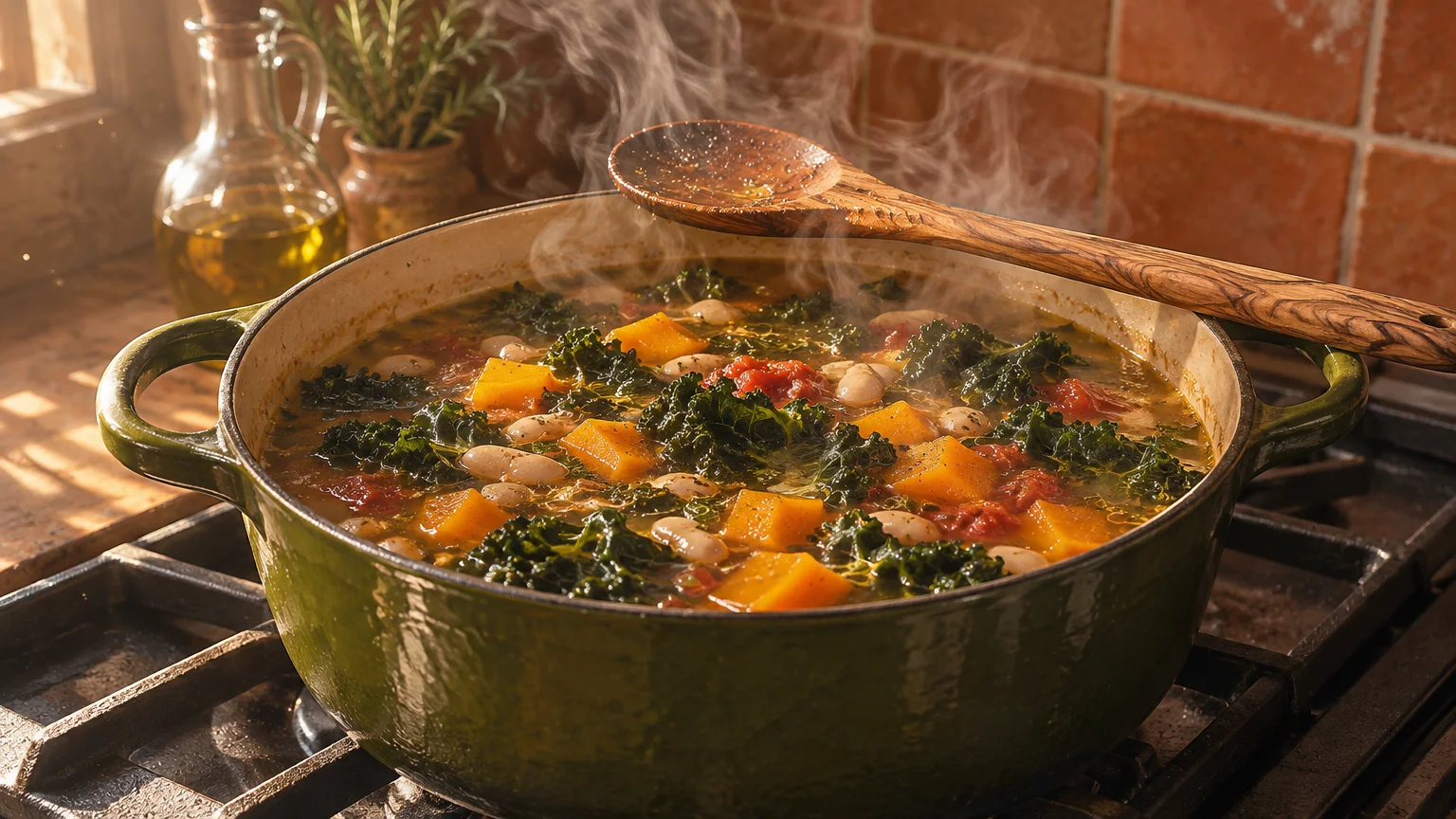
A steaming bowl of homemade soup can do more than chase away a chill; it can actively help lower your blood pressure. Choosing the right soups for blood pressure delivers potassium, fiber, and comforting warmth without the heavy sodium found in canned varieties.
High blood pressure becomes more common after 60, yet everyday meals offer a powerful way to protect your heart. By swapping salty store-bought broths for nutrient-dense ingredients, you turn lunch or dinner into gentle cardiovascular care.
These six dietitian soup recommendations pair rich flavor with proven heart-healthy nutrition so you can eat well and feel your best.
Why Heart-Healthy Soups Matter for Blood Pressure After 60
As you age, blood vessels naturally lose some elasticity, making it harder for blood to flow smoothly without extra pressure against artery walls. This gradual stiffness helps explain why 1 in 2 U.S. adults now meets the criteria for hypertension.
According to a January 2026 report from the American College of Cardiology, high blood pressure served as a primary or contributing cause in roughly 664,000 U.S. deaths in 2023. Globally, the World Health Organization estimated in September 2025 that 1.4 billion adults aged 30 to 79 had hypertension in 2024, with only 23% keeping it under control.
Even more striking, February 2026 data published in JAMA showed that 79% of U.S. adults with hypertension have readings above the treatment goal of 130/80 mmHg. Moreover, 61% are not taking blood pressure medication at all.
Your daily habits play a central role in closing that gap. The August 2025 American Heart Association and American College of Cardiology High Blood Pressure Guideline defines normal blood pressure as below 120/80 mmHg and sets a universal treatment target below 130/80 mmHg for most adults.
Lifestyle adjustments form the foundation of care at every blood pressure stage, from elevated readings of 120 to 129 systolic up through Stage 2 hypertension at 140/90 mmHg or higher. What you ladle into your soup bowl directly influences two minerals that govern blood vessel tension: sodium and potassium.
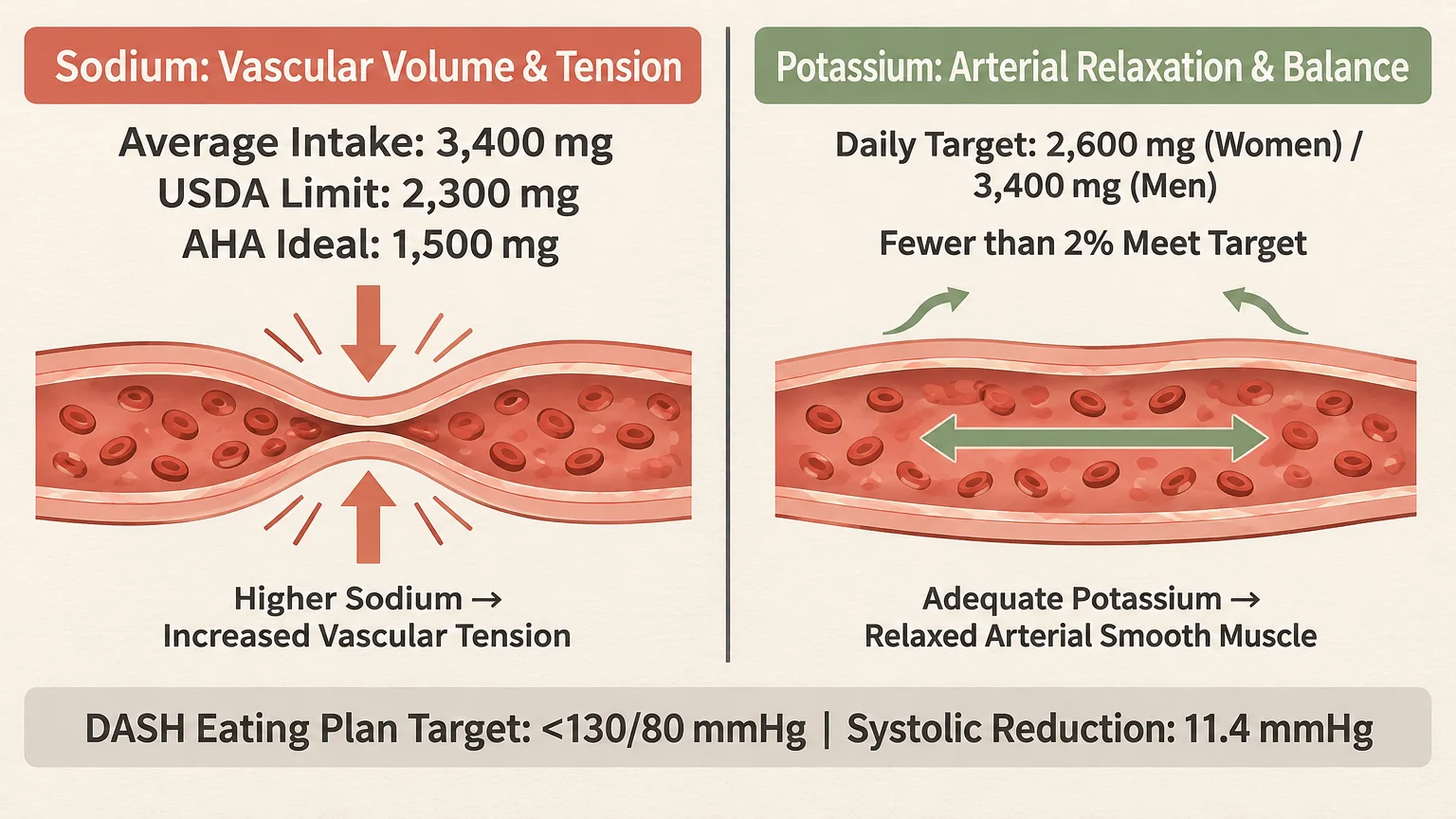
Too much sodium pulls extra water into your bloodstream, increasing blood volume and forcing your heart to work harder. The Dietary Guidelines for Americans, 2025–2030, released in January 2026 by the USDA and the Department of Health and Human Services, advise keeping sodium under 2,300 mg per day—about 1 teaspoon of table salt.
For stronger cardiovascular protection, the American Heart Association recommends an ideal upper limit of 1,500 mg of sodium per day. Yet Americans consume an average of roughly 3,400 mg daily, with 90% exceeding recommended levels.
Potassium works in the opposite direction by helping your kidneys flush out excess sodium and relaxing the smooth muscle inside blood vessel walls. Although the American Heart Association advises 2,600 mg of potassium daily for most women and 3,400 mg for most men, fewer than 2% of U.S. adults meet that target.
This is where heart healthy soups shine as practical dash diet foods. In clinical trials funded by the National Heart, Lung, and Blood Institute, the Dietary Approaches to Stop Hypertension (DASH) eating plan began lowering blood pressure within about two weeks.
Those trials showed an average systolic reduction of 11.4 mmHg in adults with hypertension. Pairing the DASH eating plan with a 1,500 mg daily sodium limit lowered blood pressure by 11.5/5.7 mmHg in hypertensive participants.
Well-crafted homemade soups naturally mirror DASH targets, which emphasize 4 to 5 servings of vegetables daily, 6 to 8 servings of mostly whole grains, and 4 to 5 weekly servings of beans, nuts, and seeds. Every spoonful delivers hydrating broth, soluble fiber, and blood-vessel-friendly minerals in a form that is gentle on digestion.
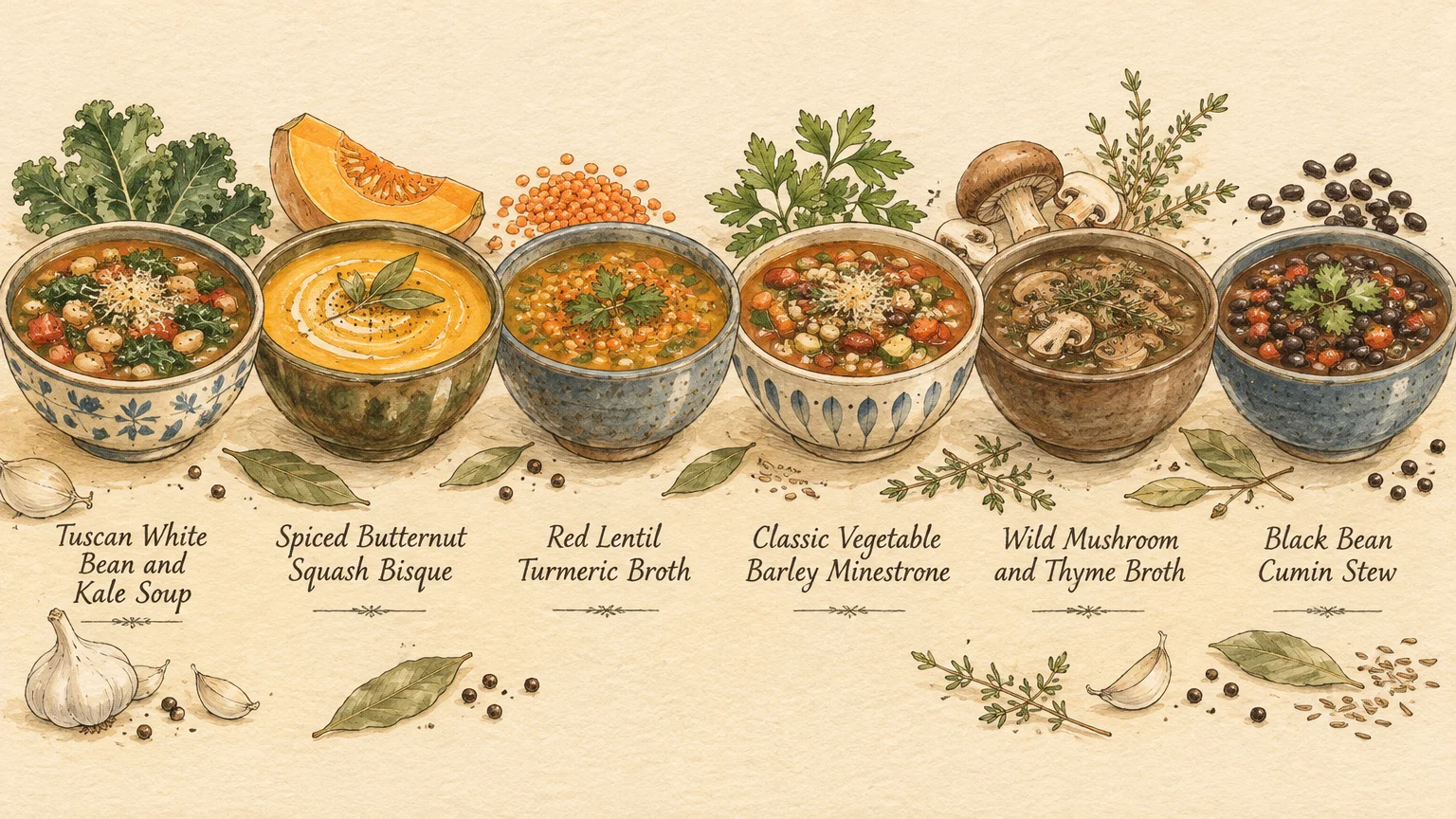
6 Dietitian-Recommended Soups for Blood Pressure
Building low sodium soup recipes does not mean settling for watery broth or bland vegetables. Each of the six bowls below layers herbs, aromatics, acidity, and potassium-rich whole foods so you never miss the salt shaker.
1. Tuscan White Bean, Spinach, and Tomato Soup
Cannellini beans, wilted spinach, and crushed tomatoes create a velvety Mediterranean bowl packed with potassium and plant protein. Tomatoes and leafy greens like spinach supply substantial potassium, while beans add soluble fiber that supports healthier cholesterol and vessel function.
Start by sauteing diced onion, celery, carrots, and four cloves of minced garlic in extra-virgin olive oil until fragrant. Stir in fresh rosemary, thyme, cracked black pepper, and no-salt-added crushed tomatoes before simmering with low-sodium vegetable broth.
If you use canned white beans for convenience, empty them into a colander and rinse thoroughly under cool running water. Nutrition research shows that draining and rinsing canned beans removes up to 40% to 41% of their sodium content.
Mash a small scoop of beans against the pot wall to thicken the broth naturally without heavy cream. Fold in two large handfuls of baby spinach right before serving so the leaves stay bright and tender.
2. Roasted Beet, Carrot, and Ginger Soup
Earthy beets bring natural dietary nitrates to your bowl, making this vibrant soup a standout ally for relaxing stiff arteries. Your body converts dietary nitrates from beets into nitric oxide, a compound that signals blood vessels to widen.
A 2022 meta-analysis of seven randomized controlled trials in adults with hypertension found that nitrate-rich beetroot juice lowered clinical systolic blood pressure by an average of 4.95 mmHg. An earlier 2018 meta-analysis covering 41 dietary nitrate trials reported average reductions of 3.12 mmHg systolic and 1.43 mmHg diastolic.
Roasting peeled beets and carrots at 400 degrees Fahrenheit concentrates their natural sweetness before you blend them with fresh grated ginger, sauteed shallots, and unsalted vegetable stock. Ginger adds a warm, peppery bite that wakes up your taste buds without a pinch of salt.
Finish each bowl with a swirl of plain low-fat Greek yogurt and chopped chives. That dollop provides a serving of low-fat dairy in line with DASH recommendations while softening the earthy flavor of the beets.
3. Sweet Potato, Black Bean, and Kale Chili-Style Soup
A single medium sweet potato supplies more than 500 mg of potassium, giving this hearty soup an immediate mineral advantage. Paired with black beans and dark leafy kale, it delivers steady energy and impressive fiber in every serving.
Most U.S. adults eat only 15 to 16 grams of dietary fiber per day, falling well short of the 25 to 38 grams recommended for optimal health. Combining legumes, root vegetables, and sturdy greens in one pot makes closing that fiber gap effortless.
Cube sweet potatoes into bite-sized pieces and simmer them with rinsed black beans, diced bell peppers, onions, smoked paprika, cumin, and oregano. Using pure ground spices instead of pre-mixed chili packets keeps hidden sodium and anti-caking additives out of your meal.
Add shredded kale during the final ten minutes so it softens without turning mushy. A squeeze of fresh lime juice right before eating brightens the smoky spices and mimics the flavor lift you normally get from salt.
4. Creamy Lentil, Mushroom, and Barley Soup
Savory mushrooms give this comforting bowl deep umami flavor, which tricks your palate into feeling satisfied with very little sodium. Whole-grain pearl barley adds chewy texture and contributes toward the DASH goal of 6 to 8 daily grain servings.
Brown or green lentils cook quickly without soaking and offer magnesium, potassium, and cholesterol-lowering fiber. Simmering cremini or shiitake mushrooms with thyme, garlic, and a splash of balsamic vinegar creates a rich, beefy aroma using purely plant-based ingredients.
Skip salted bouillon cubes, which can pack hundreds of milligrams of sodium into a single teaspoon. Instead, use unsalted mushroom or vegetable stock and let the vegetables simmer low and slow for thirty-five minutes.
To give the broth a luscious texture without butter or cream, blend roughly one cup of the cooked soup and stir it back into the pot. You get a satisfying, stick-to-your-ribs dinner that keeps saturated fat low.
5. Mediterranean Chickpea, Zucchini, and Lemon Herb Soup
Fresh lemon juice is one of a dietitian’s favorite secrets for cutting salt because acidity stimulates the same taste receptors on your tongue. This light, golden broth feels refreshing year-round and comes together in about thirty minutes.
Saute leeks, zucchini, and yellow squash in olive oil until lightly caramelized, then add rinsed chickpeas, turmeric, garlic, and very-low-sodium broth. Turmeric imparts a warm hue and gentle earthiness that pairs seamlessly with citrus.
Once the vegetables are tender, remove the pot from the heat and stir in plenty of fresh dill, flat-leaf parsley, and the juice and zest of a whole lemon. Waiting until the end preserves the bright aroma of the herbs and prevents the citrus from turning bitter.
Serve this soup alongside a slice of whole-grain toast rubbed with fresh garlic. You gain extra whole grains and healthy monounsaturated fats without relying on salty crackers.
6. Roasted Red Pepper, Tomato, and White Fish Chowder
If you enjoy seafood, swapping salty bacon-laden clam chowder for a tomato-and-pepper fish chowder transforms a classic comfort food into a heart-smart meal. Lean white fish such as cod or haddock provides high-quality protein with minimal saturated fat.
Start by blending jarred no-salt-added roasted red peppers with unsalted diced tomatoes, sauteed fennel, and garlic to form a silky, naturally sweet base. Pour in low-fat milk or unsweetened fortified soy milk alongside unsalted seafood or vegetable stock.
Gently poach bite-sized chunks of fish directly in the warm broth for five to seven minutes until the fish flakes easily. Be sure the fish reaches a safe internal temperature of 145 degrees Fahrenheit before turning off the heat.
Garnish with fresh basil and cracked black pepper. You get a restaurant-worthy chowder rich in lycopene, potassium, and lean protein for a fraction of the sodium found in deli soups.
The Hidden Sodium Trap vs. Potassium-Rich Benefits
Even health-conscious shoppers often feel surprised when they read the nutrition panel on packaged soup. More than 70% of dietary sodium in the United States comes from processed, packaged, and restaurant foods, while only 6% is added during home cooking and 5% at the table.
In fact, the American Heart Association lists soup among the top contributors of sodium in the American diet. Looking at figures from the USDA National Nutrient Database shows why canned choices can derail your blood pressure goals in a single lunch.
One cup of ready-to-serve chunky canned chicken soup contains 867 mg of sodium, and one cup of canned beef and vegetable soup packs 815 mg. Condensed varieties run even higher; just half a cup of condensed cream of mushroom soup as packaged contains 871 mg of sodium.
Single-serving microwavable soup bowls can reach a staggering 1,550 mg of sodium, according to the Center for Science in the Public Interest. That single convenience cup exceeds the entire 1,500 mg daily ideal limit advised by the American Heart Association.
Industry reductions have moved slowly despite federal encouragement. Although the FDA issued voluntary sodium reduction targets in 2021 and drafted Phase II soup targets in August 2024, a July 2026 Johns Hopkins study presented at NUTRITION 2026 found no measurable sodium decline in newly launched packaged foods, including wet and dry soups.
Fortunately, federal rules around front-of-package claims are tightening to help you spot better choices. Finalized in December 2024 with mandatory compliance by February 2028, the updated FDA healthy claim rule requires qualifying packaged soups to provide real vegetables, beans, or whole grains while staying under strict sodium caps.
Until every label catches up, making your own heart healthy soups puts you in complete control. Swapping a 900 mg canned bowl for a 150 mg homemade serving immediately saves roughly 750 mg of sodium at one meal.
Over a week, that simple habit relieves fluid retention, eases morning ankle puffiness, and helps steady blood pressure readings. At the same time, boosting potassium through beans, spinach, beets, and sweet potatoes helps blunt the effect of any sodium you eat later in the day.
You may also notice steadier afternoon energy and better digestion. Because homemade soups pack substantially more fiber and water than ultra-processed lunches, they keep you full for hours without heavy blood sugar swings.
How to Easily Add Low-Sodium Soups to Your Weekly Routine
Preparing low sodium soup recipes regularly does not require spending your entire Sunday chopping vegetables. A few smart grocery habits and time-saving kitchen shortcuts keep wholesome bowls ready whenever hunger strikes.
Master Sodium Labels at the Grocery Store
When you buy canned tomatoes, beans, or boxed broth as soup starters, ignore marketing buzzwords on the front and inspect the Nutrition Facts label. Federal definitions set exact sodium boundaries per labeled serving.
Products labeled sodium-free or salt-free contain less than 5 mg per serving, while very low sodium items contain 35 mg or less. A low sodium label means 140 mg or less per serving—always check how many servings are inside the can or carton.
Be cautious with reduced sodium labels, which only guarantee at least 25% less sodium than the standard version. If a regular broth starts at 900 mg per cup, the reduced version still delivers around 675 mg.
Instead, reach for cartons marked unsalted or no salt added whenever possible. Keep in mind that unsalted products may still contain small amounts of naturally occurring sodium from vegetables or dairy, though far less than seasoned broths.
Build Flavor Without the Salt Shaker
Stock your spice rack with salt-free flavor builders so homemade pots taste rich from the first spoonful. Aromatics such as onions, leeks, garlic, celery, and shallots create a savory foundation when cooked slowly in olive oil.
Dried herbs like thyme, bay leaves, oregano, and smoked paprika infuse broth while it simmers. Bright finishers—fresh lemon juice, red wine vinegar, chopped parsley, or scallions—added right at the table bring flavors into sharp focus.
Consider making a simple batch of no-salt vegetable scraps broth once a month or buying unsalted boxed stock on sale. Frozen vegetables like spinach, diced peppers, and corn also save prep time while retaining the same vitamins and potassium as fresh produce.
Follow Essential Food Safety Rules for Homemade Soups
Cooking big batches of soup for the week is one of the best ways for seniors to eat well with less daily effort, provided you handle leftovers safely. If you add lean poultry or meat to your vegetable soups, use a food thermometer to verify safe internal temperatures.
According to the USDA Food Safety and Inspection Service and the Centers for Disease Control and Prevention, poultry must reach 165 degrees Fahrenheit, ground meats 160 degrees Fahrenheit, and finfish or whole cuts of beef, pork, and lamb 145 degrees Fahrenheit.
Once your meal is ready, pay close attention to cooling times. Bacteria multiply rapidly in the temperature danger zone between 40 and 140 degrees Fahrenheit.
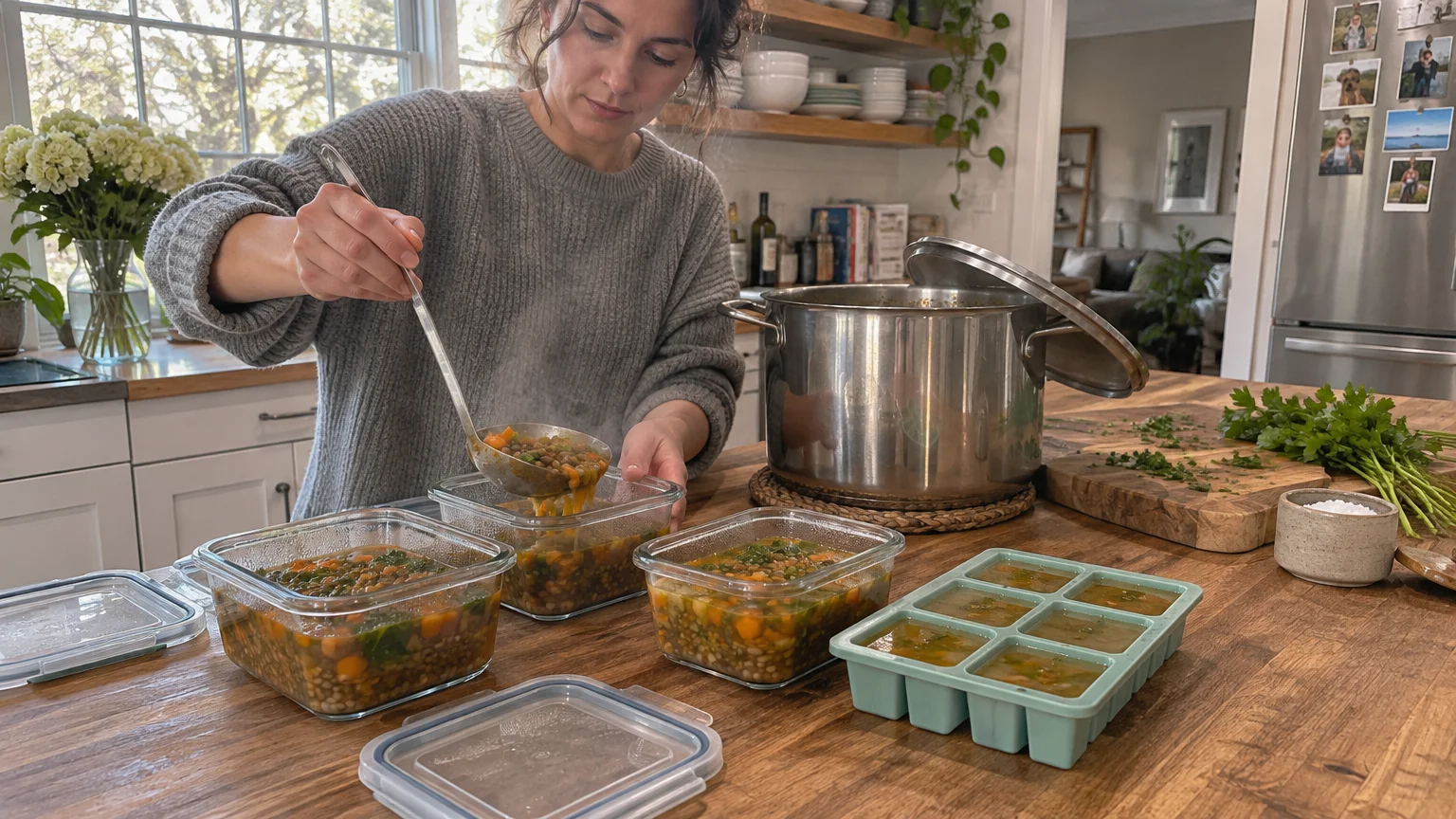
Never leave a giant stockpot sitting on the stove all evening to cool down. Divide hot leftover soup into shallow containers and refrigerate or freeze it within two hours of cooking—or within one hour if your kitchen is warmer than 90 degrees Fahrenheit.
Store refrigerated soup at 40 degrees Fahrenheit or below and enjoy it within three to four days. For longer convenience, freeze single-serving portions at 0 degrees Fahrenheit, where they keep their best quality for two to three months.
When you pull a container from the fridge or freezer for lunch, reheat the soup thoroughly until it reaches an internal temperature of at least 165 degrees Fahrenheit. Stirring halfway through heating ensures cold spots do not linger in thick bean or chowder bases.
Create a Simple Weekly Rhythm
Choose one day each week—such as Sunday afternoon or Wednesday morning—to simmer a six-serving pot of soup. Enjoy one warm bowl for dinner that night, keep two portions in the refrigerator for easy weekday lunches, and freeze the remaining three servings.
By rotating between two different recipes each fortnight, you quickly build a freezer library of ready-to-heat dash diet foods. On busy evenings or cold afternoons, nutritious comfort takes only five minutes on the stovetop.
What to Consider: Medications, Kidney Health, and Medical Guidance
While potassium-rich vegetables and legumes benefit most people trying to lower blood pressure, individual health conditions always come first. Certain medical situations require closer supervision before you dramatically increase your potassium intake.
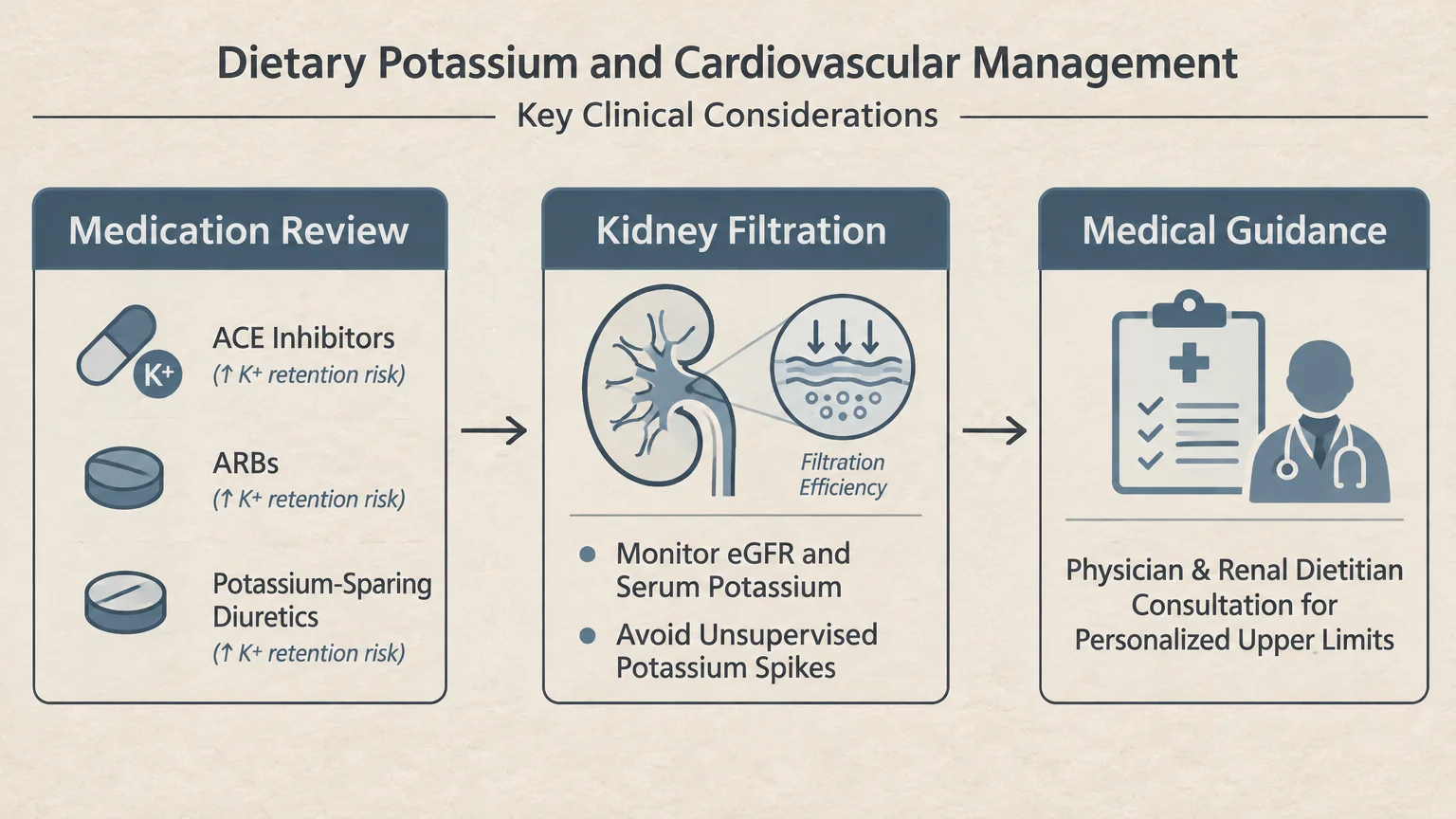
Healthy kidneys efficiently filter extra potassium out of your bloodstream through urine. However, if you live with chronic kidney disease, impaired kidneys may struggle to clear excess potassium, allowing levels in the blood to climb to dangerous heights.
Several common prescriptions can also alter how your body handles potassium. Medications such as ACE inhibitors, angiotensin receptor blockers (ARBs), and potassium-sparing diuretics cause your body to retain more potassium than usual.
The August 2025 blood pressure guideline notes that potassium-based salt substitutes can help prevent or treat hypertension for many adults. Even so, the American Heart Association specifically advises people with chronic kidney disease or those on potassium-altering drugs to consult a clinician before using potassium salt substitutes or adopting high-potassium eating plans.
Notice how your body responds as you shift toward low-sodium, whole-food meals. If your blood pressure drops significantly from dietary changes while you take prescription antihypertensives, symptoms like lightheadedness when standing up warrant a prompt conversation with your physician.
Working alongside a registered dietitian nutritionist can take the guesswork out of balancing your meals with your lab results. You can find credentialed nutrition experts through the Academy of Nutrition and Dietetics, or explore free heart-healthy meal guides at the National Institutes of Health.
Frequently Asked Questions About Soups for Blood Pressure
Can eating soup really lower my blood pressure?
Yes, when the soup replaces high-sodium processed meals and supplies potassium, magnesium, and fiber from vegetables, beans, and whole grains. Research on the DASH eating plan shows that shifting toward these ingredients while curbing sodium can begin lowering blood pressure within roughly two weeks.
How much sodium should one bowl of heart-healthy soup contain?
Aim for roughly 140 mg to 300 mg of sodium per generous homemade bowl, leaving plenty of room within a 1,500 mg to 2,300 mg daily budget. Checking for low-sodium labels—defined as 140 mg or less per serving—keeps commercial ingredients aligned with your goals.
Are frozen vegetables just as good as fresh for homemade soup?
Frozen vegetables are picked at peak ripeness and flash-frozen, preserving potassium, vitamins, and fiber remarkably well. Just inspect the ingredient list to confirm the bag contains plain vegetables without added cheese sauces or seasoned salt blends.
Can I use canned beans in low-sodium soup recipes?
Canned beans work wonderfully when you want dinner on the table fast, especially if you buy no-salt-added cans. Even with regular canned beans, draining the liquid and rinsing them thoroughly under running water washes away up to 40% to 41% of the sodium.
Are potassium-based salt substitutes safe to use in homemade soup?
Potassium chloride salt substitutes can help lower blood pressure for adults with normal kidney function. However, you should speak with your doctor or pharmacist first if you have kidney disease or take blood pressure medications that affect potassium levels.
Warm Up Your Week With One Simple Pot
Lowering your blood pressure does not require joyless dieting or complicated culinary skills; it starts with smarter everyday choices in your kitchen. Replacing salty canned meals with potassium-rich, fiber-packed homemade soups supports healthier blood vessels while keeping mealtime comforting and satisfying.
Pick just one of the six recipes above to try this week, and rinse a can of beans or swap in fresh lemon and herbs instead of reaching for table salt. Portion any extras into shallow containers within two hours so safe, ready-to-heat bowls wait in your fridge or freezer.
Keep tracking your blood pressure readings at home and share your favorite nutritious soup routines with your doctor at your next checkup. Small, steady changes in your bowl today build stronger cardiovascular health for the years ahead.
This article is for informational purposes only. Consult with a healthcare provider before making significant changes to your diet, exercise routine, or supplement regimen.