Winter poses distinct physiological challenges for older adults, from sudden blood pressure spikes to heightened infection risks. Scheduling targeted winter health checks protects your vitality and prevents seasonal complications from escalating into serious medical emergencies.
Cold temperatures constrict blood vessels, reduce natural mobility, and accelerate the transmission of airborne respiratory pathogens. Taking charge of your seasonal clinical care helps you maintain your independence and comfort throughout the colder months.
By prioritizing essential screenings and updated immunizations, you can navigate winter weather with confidence and resilience. Here is your definitive clinical guide to the nine winter health checks worth booking today.
Understanding the Basics of Seasonal Clinical Screenings
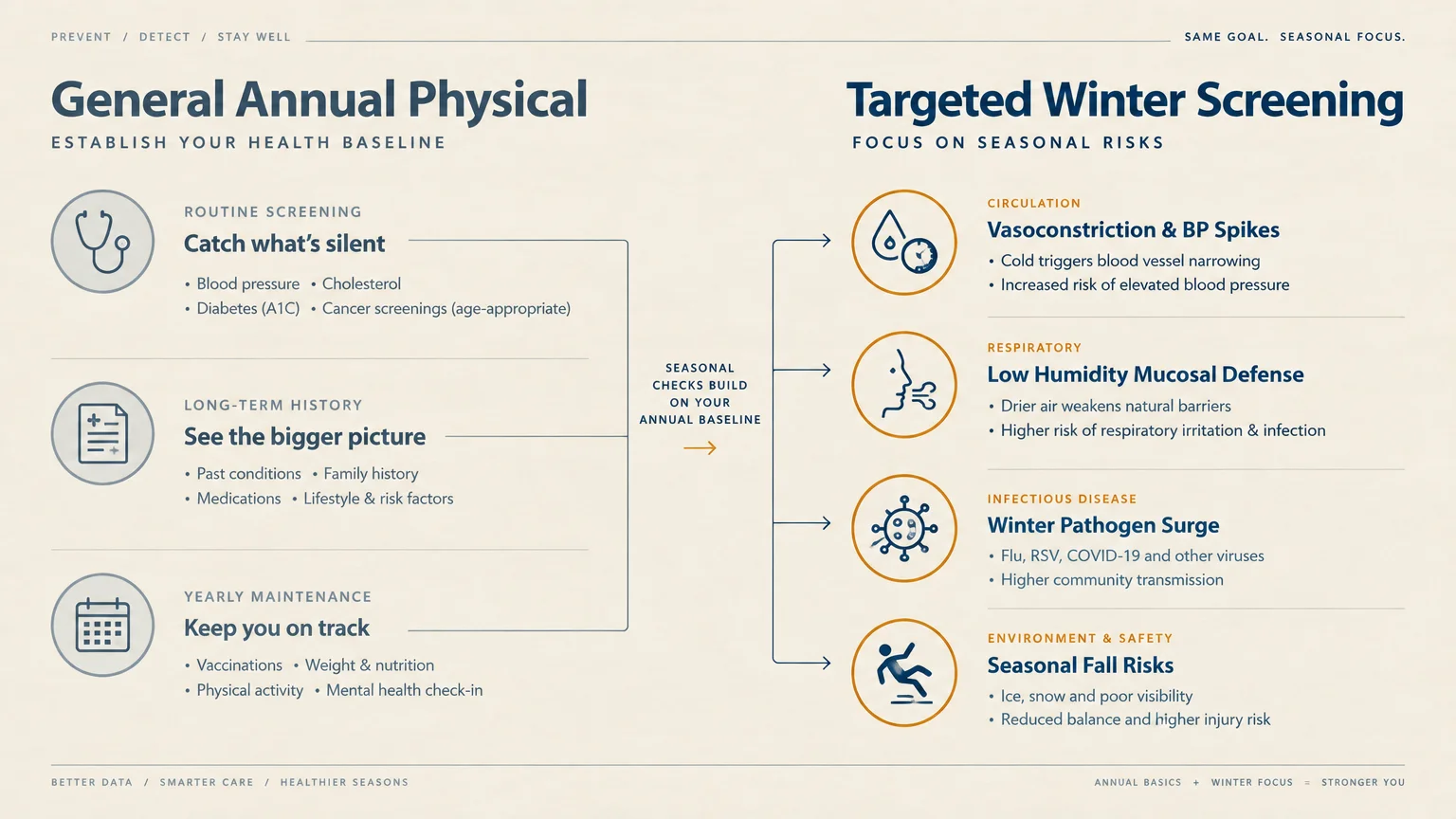
Seasonal health checks represent proactive, targeted medical assessments designed to address environmental shifts. Rather than replacing your general annual physical, these visits focus specifically on cold-weather vulnerabilities.
Winter alters how your body regulates internal heat, manages circulation, and fights respiratory infections. Environmental stressors like icy sidewalks and low humidity create distinct hazards that do not exist during warmer months.
A seasonal checkup allows your healthcare provider to evaluate your baseline metrics under winter conditions. Identifying early cardiovascular strain or respiratory vulnerabilities enables timely interventions before severe symptoms develop.
These consultations also allow you to align preventive health plans with current clinical guidelines. Timely clinical reviews keep your preventive care strategy relevant and highly effective.
Key Physiological Considerations for Seniors in Winter
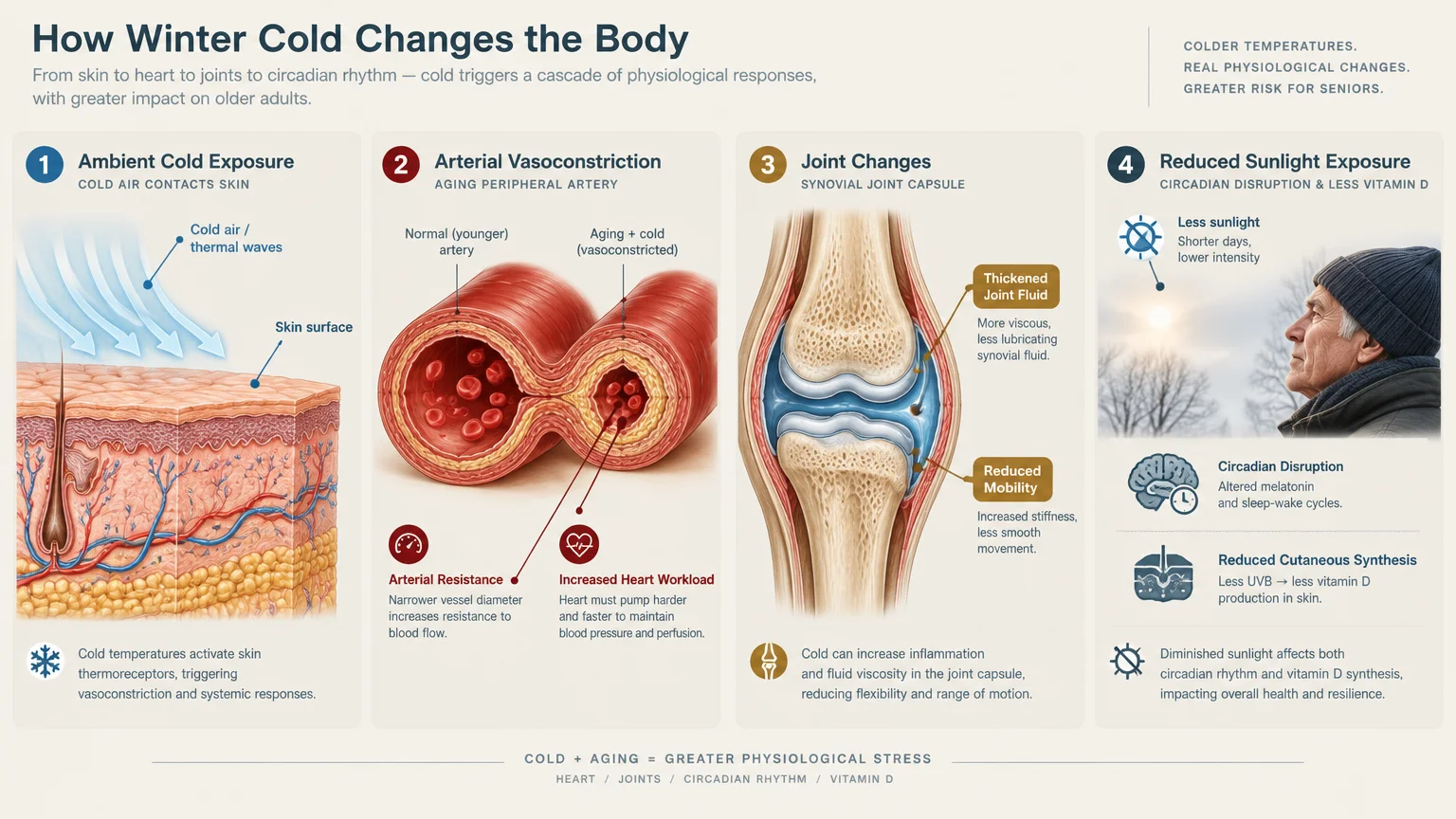
Aging bodies respond differently to cold environments due to natural shifts in physiological reserve. Blood vessels lose elasticity over time, which amplifies the body’s natural vasoconstriction response when temperatures drop.
When peripheral arteries narrow to conserve central heat, your heart must pump harder against increased resistance. This mechanism frequently drives systemic blood pressure upward during December, January, and February.
The immune system also undergoes immunosenescence, a gradual reduction in immune responsiveness associated with advancing age. This change makes seniors more susceptible to severe complications from common seasonal respiratory pathogens.
Reduced winter daylight disrupts circadian rhythms, impairing sleep quality and daily energy levels. Less sunlight also halts natural cutaneous vitamin D synthesis, which can influence musculoskeletal strength and fall resilience.
Joint fluid thickens in colder temperatures, aggravating arthritis symptoms and reducing joint mobility. Stiff joints combined with winter footwear and slippery walkways substantially elevate your baseline risk of traumatic falls.
Understanding these biological mechanisms empowers you to approach winter health proactively. Targeted medical reviews provide protective strategies specifically tailored to your body’s seasonal needs.
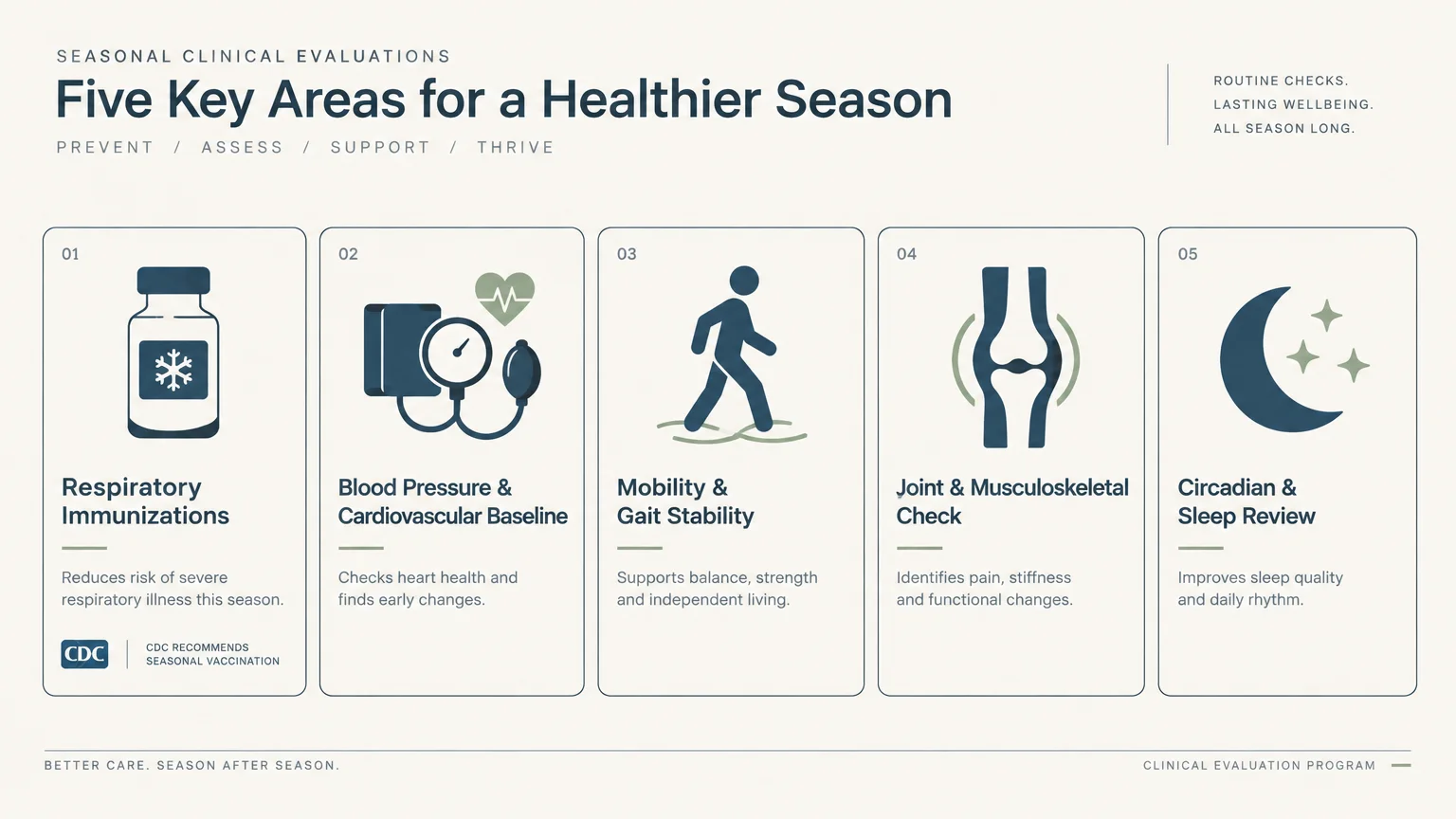
Nine Essential Winter Health Checks Worth Scheduling
Clinicians recommend scheduling targeted evaluations early in the season to establish strong defenses against cold-weather risks. The following nine evaluations offer comprehensive protection for older adults throughout the winter months.
1. Updated Respiratory Immunization Evaluation
Seasonal respiratory infections surge during winter, placing substantial stress on older immune systems. Scheduling a dedicated vaccine review ensures your body maintains protective antibody levels against circulating viral strains.
Influenza vaccination remains a vital cornerstone of annual winter wellness. Health authorities at the CDC recommend routine annual influenza vaccination for everyone aged six months and older.
For the 2026–2027 season, all seasonal flu vaccines distributed across the United States are trivalent. This trivalent design targets three specific strains: two influenza A viruses and one influenza B/Victoria lineage virus.
If you are aged 65 or older, clinical guidelines preferentially recommend enhanced vaccines over standard-dose injections. These options include Fluzone High-Dose, Flublok Recombinant, or Fluad Adjuvanted formulations.
Older adults also have access to an approved mRNA flu vaccine, Moderna’s mFLUSIVA, for the 2026–2027 season. Clinical studies demonstrated that this mRNA formulation prevented roughly 27% more flu cases in adults aged 50 and older compared to traditional vaccines.
Your appointment should also address updated protection against COVID-19. Clinical guidance recommends the 2026–2027 COVID-19 vaccine, formulated to target the monovalent JN.1 lineage XFG variant, for all adults aged 18 and older.
Protection against Respiratory Syncytial Virus (RSV) represents another critical component of respiratory defense. Each year, an estimated 110,000 to 180,000 adults aged 50 and older require hospitalization due to severe RSV complications.
Guidelines advise a single, one-time dose of an FDA-licensed RSV vaccine (Arexvy, Abrysvo, or mResvia) for all adults aged 75 and older. Adults aged 50 to 74 who live with chronic medical conditions like heart or lung disease also qualify for this shot.
If you already received an RSV vaccine in a previous season, current clinical protocols indicate that you do not need another dose. Your clinician can confirm your immunization history during your visit.
Finally, review your status regarding pneumococcal pneumonia vaccination during this consultation. The recommended age for routine pneumococcal vaccination with PCV15, PCV20, or PCV21 is now lowered to all adults aged 50 and older.
2. Cardiovascular Function and Blood Pressure Review
Cardiovascular events peak predictably during the coldest weeks of the year. Cold ambient air stimulates the sympathetic nervous system, narrowing peripheral blood vessels to preserve core body temperature.
This physiological reaction forces your heart to work harder, frequently elevating resting systolic and diastolic blood pressure. A dedicated cardiovascular check allows your physician to analyze your winter blood pressure patterns.
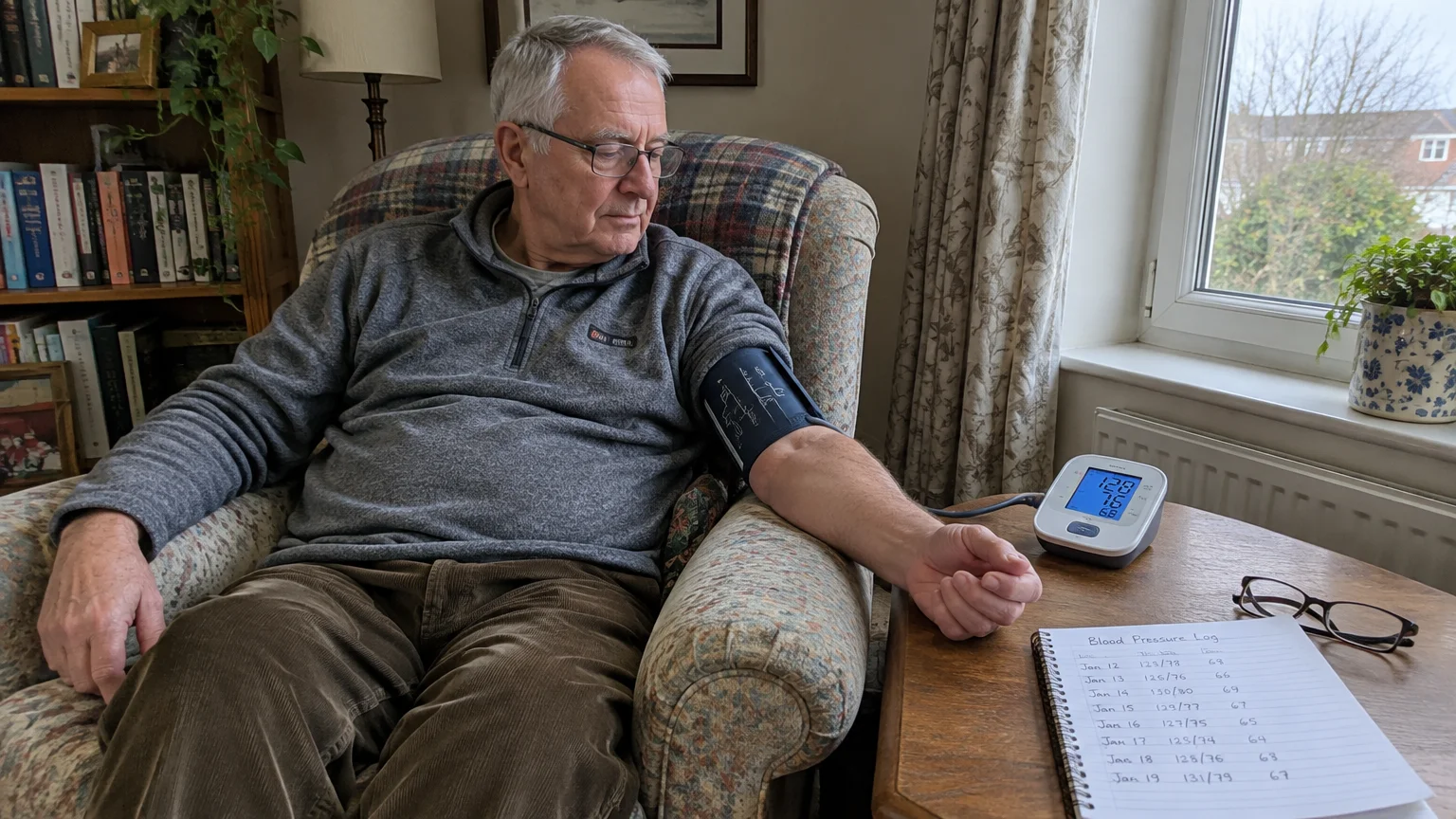
Bring a two-week log of home blood pressure readings taken in the morning and evening to this appointment. Your doctor can assess whether your current antihypertensive regimen maintains adequate control in colder weather.
Physicians frequently adjust medication dosages during winter to prevent dangerous morning blood pressure spikes. Proactive dosage optimization shields your vascular system against sudden strain and related cardiac complications.
3. Fall Risk, Gait Stability, and Mobility Assessment
Winter conditions drastically amplify fall hazards due to ice, wet leaves, and bulky outerwear that restricts natural movement. A structured clinical fall risk evaluation identifies balance deficits before an accidental slip occurs.
During this assessment, your provider observes your walking speed, postural stability, and joint range of motion. Standardized tests, such as the Timed Up and Go assessment, provide objective data regarding your functional mobility.
Your clinician can identify whether inner ear imbalances, proprioceptive deficits, or muscle weakness impair your balance. They can then refer you to physical therapy for targeted vestibular and stability conditioning.
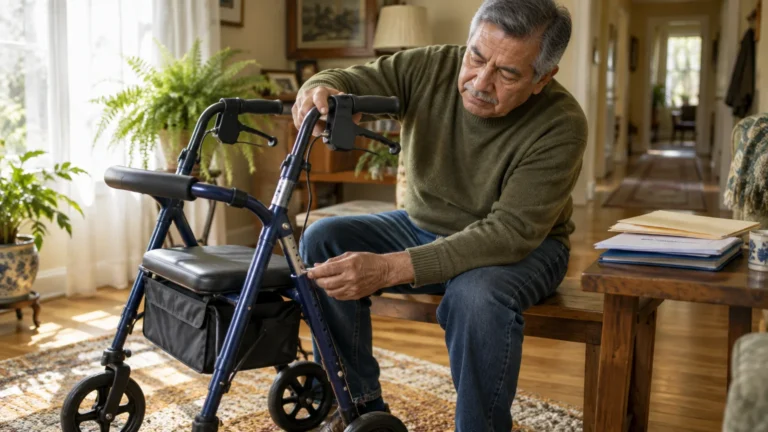
This appointment also provides an opportunity to evaluate your winter footwear and mobility aids. Your provider can confirm that your walking devices feature appropriate rubber treads and ice-grip attachments.
4. Comprehensive Medication and Supplement Audit
Winter often introduces new over-the-counter medications that create unexpected pharmacological interactions. A comprehensive medication audit ensures your prescription regimen remains safe and effective through the season.
Gather all your prescription bottles, over-the-counter remedies, herbal products, and dietary supplements into a bag for your visit. Your physician or pharmacist will review every item for potential drug-drug interactions.
Over-the-counter decongestants, commonly taken for winter colds, can severely elevate blood pressure and counteract heart medications. Antihistamines frequently cause sedation and cognitive clouding, compounding your baseline risk of experiencing a fall.
Your clinician will also check for drugs that induce orthostatic hypotension, a sudden blood pressure drop upon standing. Adjusting these prescriptions helps prevent sudden lightheadedness when rising from your chair or bed.
5. Dermatologic Evaluation and Extremity Check
Dry indoor heating and frigid outdoor winds strip the skin of its essential lipid barrier. For older adults, severe skin xerosis, or extreme dryness, can rapidly progress to painful cracking and secondary infections.
A winter dermatologic check focuses heavily on your lower legs, heels, and extremities. Clinicians inspect the skin for fissures that could allow environmental bacteria to trigger serious conditions like cellulitis.
If you live with diabetes, this visit includes an essential comprehensive diabetic foot exam. Your clinician tests peripheral nerve sensation and monitors microvascular arterial blood flow to your toes.
Reduced blood circulation impairs your ability to detect cold-induced tissue damage or pressure injuries. Your provider will prescribe barrier creams, therapeutic emollients, or specialized socks to maintain skin integrity all winter.
6. Low-Light Vision and Contrast Sensitivity Exam
Winter brings shortened daylight hours, heavy cloud cover, and harsh glare from snow and ice. These low-contrast environmental conditions severely challenge your visual perception and depth awareness.
Scheduling a comprehensive winter eye examination allows your optometrist or ophthalmologist to measure your contrast sensitivity. Standard eye charts measure visual acuity, but low-contrast testing measures your ability to distinguish objects from similar backgrounds.
Your eye care specialist will evaluate your eyes for common progressive conditions like cataracts, glaucoma, and macular degeneration. Cataracts scatter low winter light, creating debilitating glare from oncoming vehicle headlights during evening drives.
Updating your prescription lenses improves depth perception when stepping off curbs or identifying icy patches on walkways. Your provider can also recommend anti-reflective lens coatings tailored specifically for night driving and dim conditions.
7. Mental Health, Mood, and Cognitive Screening
Decreased exposure to natural sunlight alters neurotransmitter balance, frequently triggering Seasonal Affective Disorder (SAD). Older adults often experience seasonal mood shifts as apathy, fatigue, or uncharacteristic withdrawal rather than overt sadness.
A dedicated mental health screening provides a structured space to discuss changes in your sleep, appetite, and emotional energy. Your provider uses validated screening questionnaires to assess depressive symptoms accurately and objectively.
Because severe depression can closely mimic mild cognitive impairment in older adults, clinical differentiation remains essential. Clinicians refer to this reversible, depression-induced cognitive slowing as pseudodementia.
Identifying seasonal mood shifts allows your provider to prescribe targeted treatments promptly. Evidence-based interventions include supervised bright light phototherapy, psychotherapy, or temporary adjustments to antidepressant medications.
8. Bone Mineral Density and Vitamin D Strategy
Maintaining strong bones provides essential protection against catastrophic fractures should an unexpected winter fall happen. Bone density evaluations assess your baseline skeletal strength and determine your personal fracture risk score.
Your winter consultation should also address your body’s vitamin D status through evidence-based protocols. Many patients assume they need routine blood panels, but clinical recommendations have shifted significantly.
Current Endocrine Society Clinical Practice Guidelines advise against routine 25(OH)D blood testing in generally healthy adults without specific medical indications. Routine universal blood screening panels do not offer measurable clinical benefits for the broader population.
Instead of ordering universal blood tests, the Endocrine Society recommends empiric daily vitamin D supplementation above standard dietary intakes specifically for adults aged 75 and older. This targeted daily supplementation lowers overall mortality risk in this demographic.
Empiric supplementation is also recommended for children, pregnant individuals, and adults diagnosed with prediabetes. Your clinician will establish the appropriate daily dosage for your age, metabolic health, and bone density profile.
9. Preventive Benefits and End-of-Year Laboratory Review
Scheduling preventive care late in the calendar year ensures you maximize your available health benefits and flexible accounts. Many preventive screenings carry zero out-of-pocket copayments under Medicare and private health insurance plans.
If you utilize a calendar-year Health Flexible Spending Account (FSA), unspent funds generally expire on December 31, 2026. Scheduling your routine preventive laboratory work and specialized screenings before year’s end avoids forfeiting accumulated money.
For plans allowing rollovers into 2027, the IRS maximum carryover limit stands at $680. Plans that offer an extended grace period instead give you until March 15, 2027, to spend remaining balances.
Keep in mind that IRS regulations dictate an expense counts on the date you receive medical care, not when you book or pay for it. Booking your appointments promptly ensures your clinical services qualify under current plan rules.
Your provider can pair this administrative review with basic annual blood work, including kidney function, liver enzymes, and fasting lipid panels. Completing these tests gives your healthcare team a comprehensive clinical picture heading into the new year.
Benefits and Potential Risks of Seasonal Screenings
Engaging in proactive winter health evaluations delivers substantial clinical benefits for older adults and their family caregivers. Timely screenings identify silent health concerns, such as escalating blood pressure, before they trigger hospital visits.
Reviewing immunizations and medications minimizes the risk of contracting severe respiratory illnesses and suffering preventable adverse drug events. Routine checks also foster strong communication between you and your healthcare team.
However, scheduling multiple appointments also involves practical trade-offs that require thoughtful management. Visiting crowded clinics during peak viral transmission season exposes vulnerable seniors to airborne pathogens in waiting rooms.
Over-screening can also lead to clinical cascades, where incidental findings prompt unnecessary, anxiety-inducing follow-up diagnostic procedures. Requesting unindicated blood tests can generate out-of-pocket expenses without providing actionable medical value.
You can mitigate these potential downsides by coordinating your medical visits efficiently. Request back-to-back appointments, utilize early morning slots when waiting rooms are less crowded, and wear a high-filtration mask inside clinical facilities.
Leveraging telehealth services for medication reviews or mood assessments provides another excellent way to reduce physical exposure. Discuss with your doctor’s office which consultations require in-person examinations and which can occur virtually.
What the Experts and Clinical Guidelines Recommend
Leading medical institutions emphasize that preventive care must remain personalized, evidence-based, and proactive. The NIH highlights that seasonal health maintenance substantially lowers emergency department utilization among older demographics.
Specialists at the Mayo Clinic emphasize that cardiovascular vigilance represents a primary winter priority for aging adults. They urge patients to monitor home blood pressure numbers and refrain from sudden strenuous cold-weather exertion like heavy shoveling.
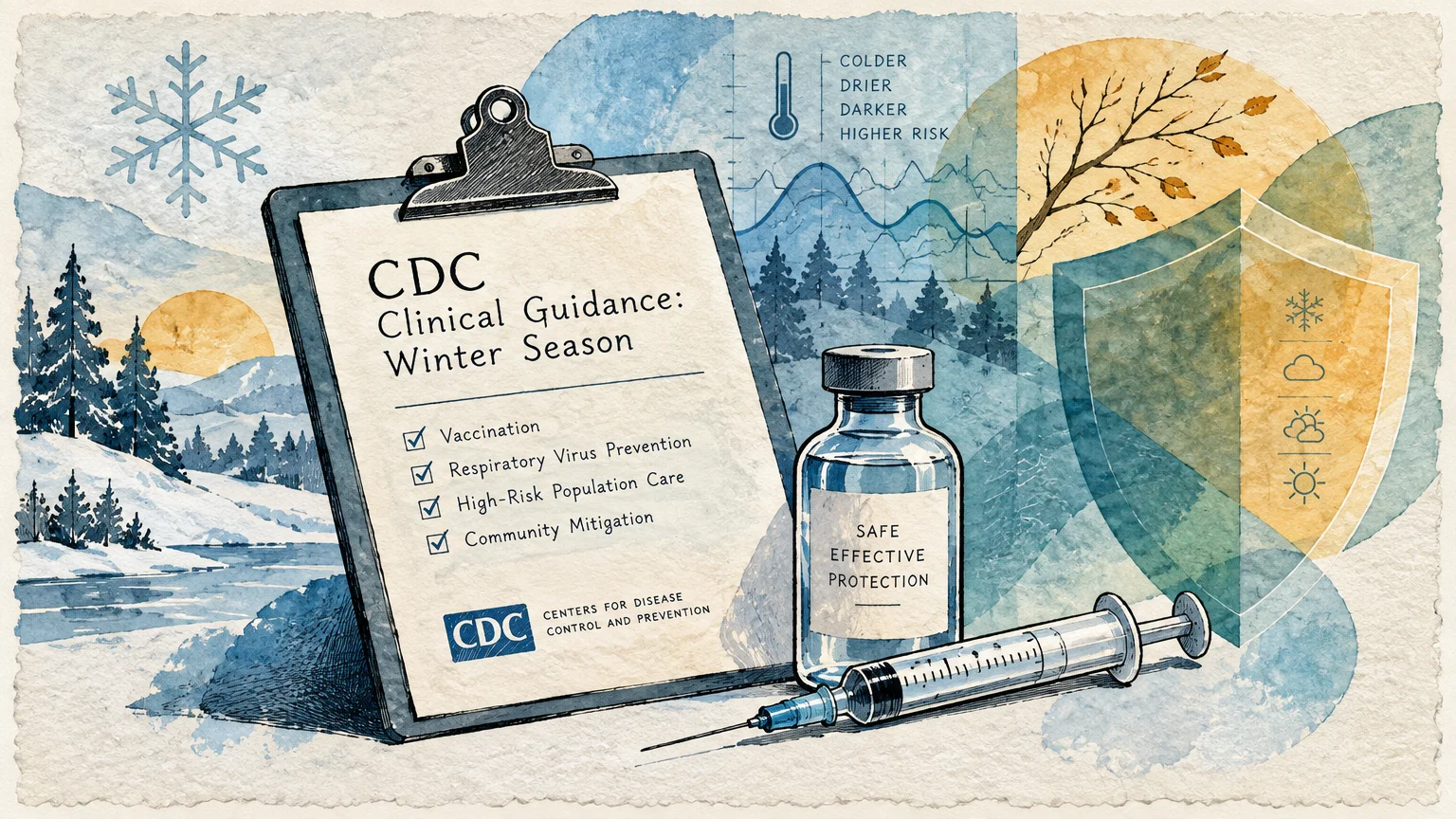
The CDC continuously updates respiratory immunization schedules to reflect shifting viral genetics and clinical efficacy data. Following their age-based recommendations ensures that seniors receive optimal immunological protection throughout the winter months.
Professional societies also advise patients to avoid unproven diagnostic tests and unnecessary screening panels. Following validated clinical practice guidelines protects your physical well-being while sparing you from redundant medical procedures.

Actionable Steps for Preparing Your Appointments
Preparing thoroughly for your winter health visits ensures that you and your clinician cover all vital topics efficiently. Organizing your personal health information ahead of time maximizes the value of your scheduled clinical time.
Compile a detailed record of your symptoms, noting when they began and what triggers or relieves them. If you monitor your blood pressure or blood glucose at home, bring your logbook or device to your visit.
Place all current prescription medications, over-the-counter supplements, and topicals into a single container. Having the original manufacturer bottles allows your provider to verify precise dosages, strengths, and administration schedules.
Draft a prioritized list of three or four key questions to ask your physician during the consultation. Clear questions keep the appointment focused on your most pressing health priorities and seasonal goals.
Ask your doctor specifically whether your current blood pressure targets remain appropriate for colder weather. Inquire whether your immunization history aligns with current trivalent flu, updated COVID-19, RSV, and pneumococcal recommendations.
Request clear guidance on safe physical exercise routines that you can maintain indoors when winter storms prevent outdoor walking. Confirm how your clinical team prefers to handle urgent non-emergency questions through patient portal messaging.
Consider inviting a trusted family member or care partner to accompany you to your clinical consultations. An extra set of ears helps record medical instructions accurately and ensures all treatment recommendations are clearly understood.
Frequently Asked Questions
Can I receive my flu shot, COVID-19 vaccine, and RSV immunization during the same visit?
Yes, clinicians can safely administer these seasonal vaccines during the same appointment at different anatomical injection sites. Receiving your vaccines simultaneously provides rapid, comprehensive protection without requiring multiple trips to the clinic.
Mild temporary side effects, such as localized arm soreness, fatigue, or low-grade fever, can occur after multiple injections. If you prefer to space your shots, schedule them a few weeks apart early in the autumn or winter season.
Why does blood pressure rise during colder winter weather?
Low outdoor temperatures stimulate cold receptors in your skin, prompting your autonomic nervous system to narrow peripheral arteries. This physiological constriction diverts blood toward your vital internal organs to prevent core heat loss.
Because your heart must pump circulating blood through narrower vascular channels, systemic vascular resistance climbs. This natural physiological mechanism frequently causes measurable increases in both systolic and diastolic blood pressure readings.
Should I ask my doctor for a routine vitamin D blood test this winter?
Current clinical practice guidelines from the Endocrine Society advise against universal, routine vitamin D blood testing in healthy adults. Routine testing rarely changes clinical outcomes for individuals without specific bone disorders or absorption syndromes.
Instead of routine screening panels, guidelines recommend empiric daily vitamin D supplementation for adults aged 75 and older to lower mortality risk. Speak with your physician about the ideal daily supplemental dosage for your age and general health.
How do I know if I qualify for the updated pneumonia vaccine?
Clinical guidelines now recommend routine pneumococcal conjugate vaccination for all adults aged 50 and older who have not previously received one. This updated threshold ensures individuals develop robust antibacterial immunity earlier in life.
Adults aged 19 to 49 with specific chronic medical conditions, such as asthma or diabetes, also meet eligibility criteria. Your doctor can review your prior vaccination records to determine whether you require PCV15, PCV20, or PCV21.
What happens if I cannot spend my remaining FSA funds before December 31?
Under standard calendar-year Health FSA rules, unspent funds forfeit to your employer plan after December 31, 2026. However, your specific employer may offer either a rollover option or a temporary spending grace period.
Plans that permit rollovers allow up to $680 of unused 2026 funds to carry forward into your 2027 plan year. Plans with grace periods grant until March 15, 2027, to incur eligible healthcare expenses using prior-year funds.
Moving Forward with Winter Wellness
Winter brings real physiological shifts that warrant focused clinical attention, but these challenges remain entirely manageable with proactive care. Taking decisive steps now protects your vitality, cardiovascular stability, and physical resilience throughout the cold season.
Review the nine clinical checks outlined above and identify which evaluations you have not completed recently. Contact your primary care provider today to schedule your essential winter screenings, immunizations, and annual health reviews.
This article is intended for informational and educational purposes only and is not a substitute for professional medical advice, diagnosis, or treatment. Always consult with a qualified healthcare provider regarding any health concerns or before making any decisions related to your health or treatment.