Choosing the right kitchen techniques protects vital vitamins and minerals that your body requires for daily energy. When you cook fresh ingredients properly, you maximize their nutritional value without sacrificing flavor or texture.
Many traditional preparation habits inadvertently leach essential compounds into discarded water or destroy heat-sensitive nutrients entirely. Adopting smarter culinary methods ensures that every meal delivers optimal nourishment directly to your cells.
Learning how temperature, moisture, and cooking duration interact allows you to protect your long-term vitality while enjoying delicious meals. Healthy cooking techniques keep your favorite vegetables, grains, and proteins nutrient-dense and satisfying.
Understanding the Basics of Nutrient Retention
Food science reveals that cooking can either destroy fragile micronutrients or unlock them for better digestion. Understanding this balance helps you choose the best ways to cook vegetables and proteins.
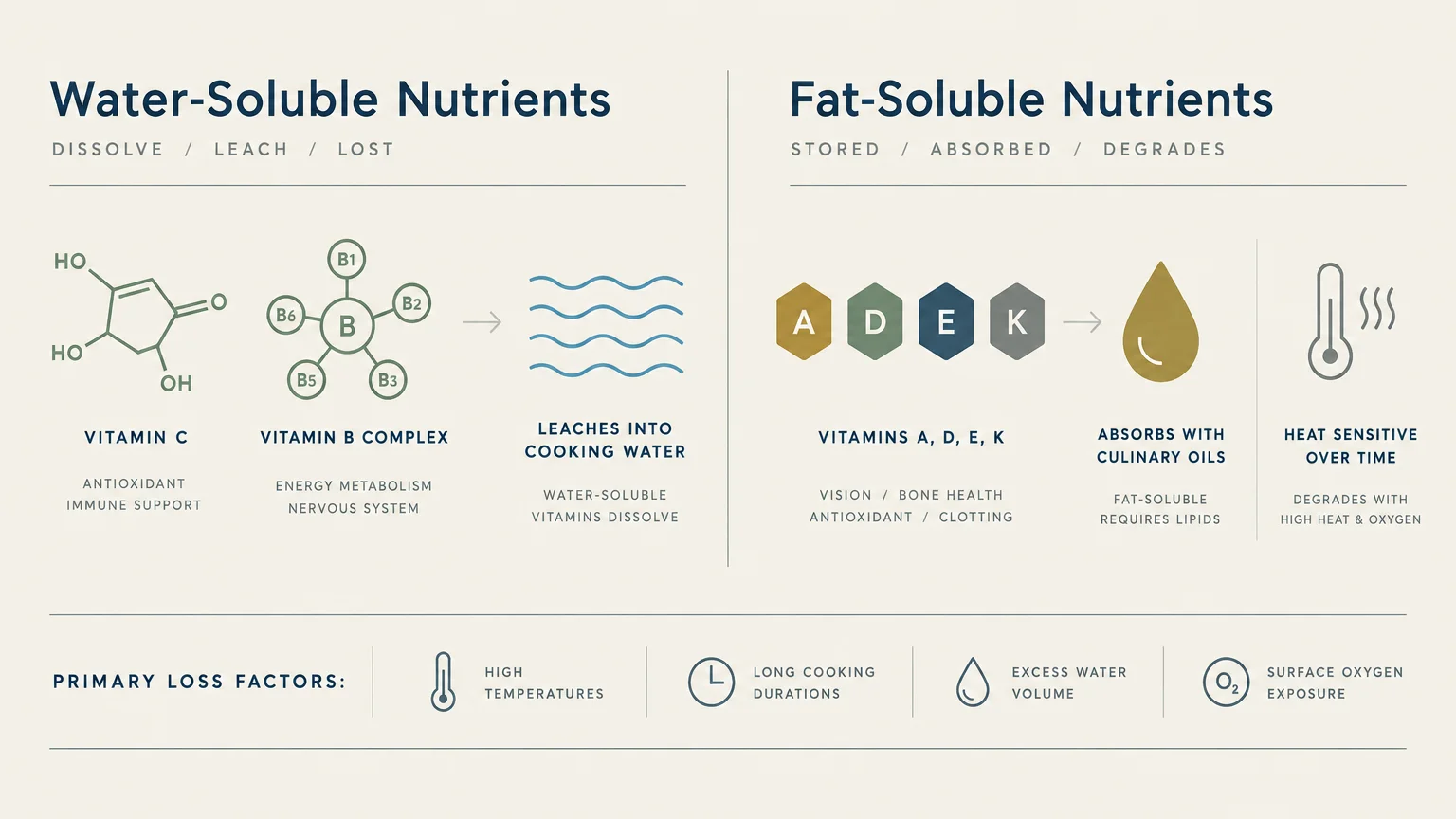
Micronutrients generally fall into two broad classifications: water-soluble and fat-soluble compounds. Each category responds differently when exposed to heat, moisture, and ambient air during meal preparation.
Water-soluble vitamins, including vitamin C and the complex B vitamins, dissolve easily in hot liquids. If you boil these foods in deep water and drain the pot, those vital compounds disappear down the drain.
Fat-soluble vitamins, such as vitamins A, D, E, and K, remain stable in water but degrade under prolonged dry heat. However, your body absorbs them far better when you pair them with moderate amounts of culinary oils.
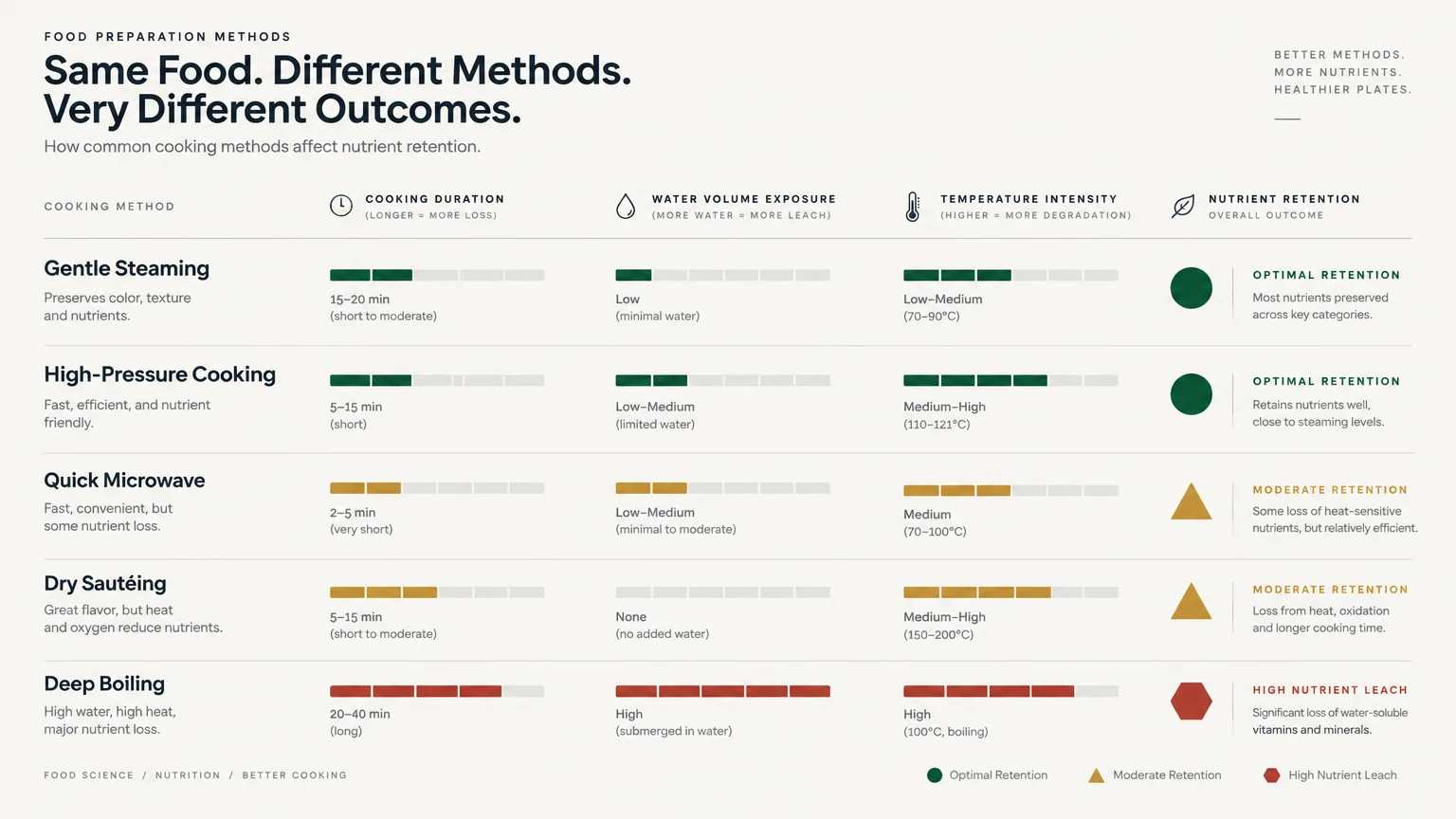
Nutrient loss cooking occurs primarily through four environmental mechanisms: high temperatures, long cooking durations, excess water volume, and surface exposure to oxygen. Minimizing these factors preserves the natural integrity of your food.
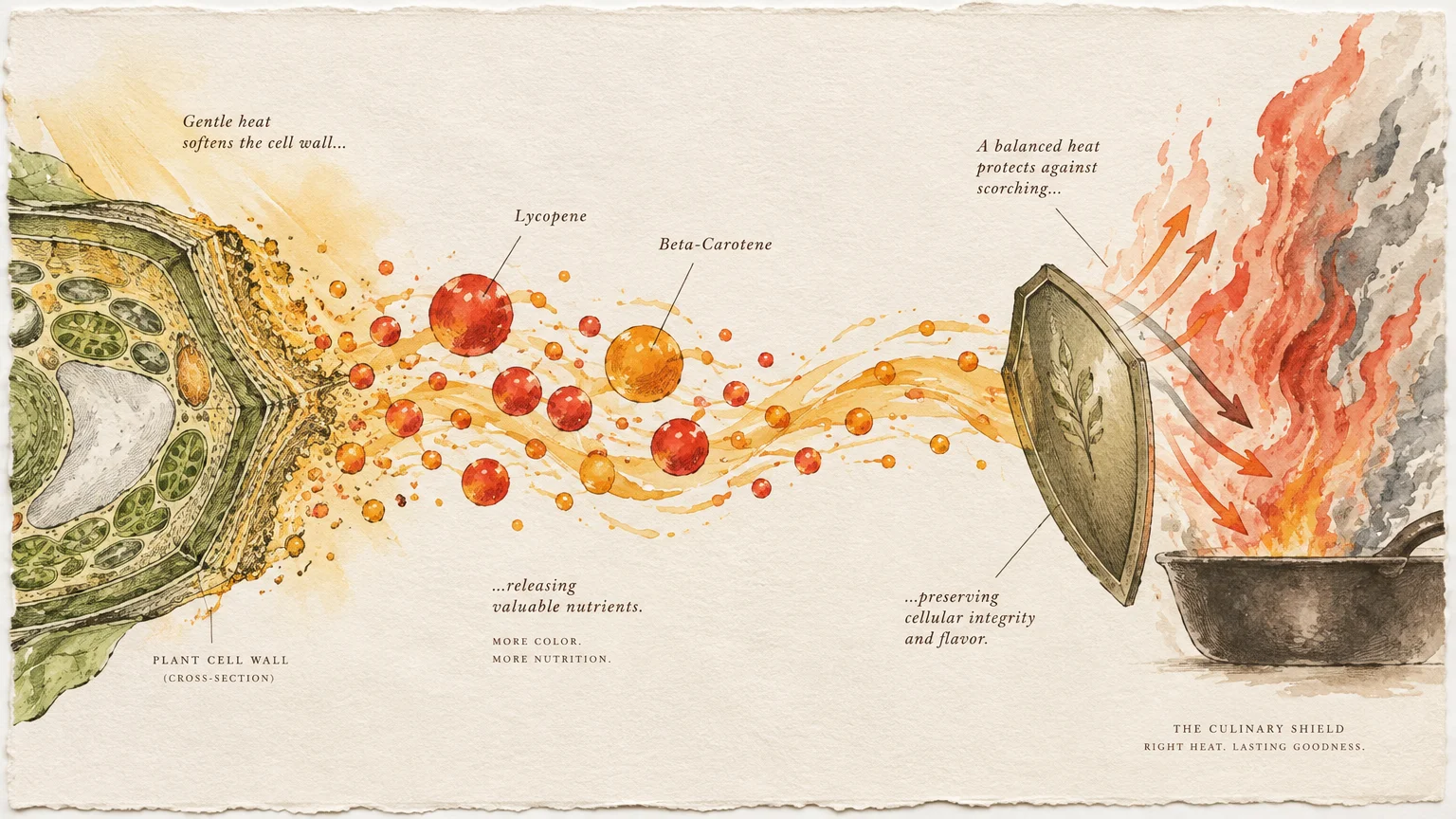
Heat can also break down rigid plant cell walls, which releases powerful antioxidants like lycopene and beta-carotene. Smart cooking techniques strike the right balance between softening plant structures and preserving delicate vitamins.
Key Considerations for Seniors
Your body experiences natural physiological shifts after age sixty that influence how you process dietary micronutrients. Maximizing the nutrient density of every bite becomes essential when your overall appetite naturally declines.
Aging stomachs often produce less gastric acid, a condition that impairs the natural breakdown of whole foods. Properly softened foods ease digestive strain while keeping fragile compounds intact for intestinal absorption.
Dental changes, sensitive gums, or missing teeth often tempt older adults to boil vegetables until they are completely mushy. Unfortunately, severe overcooking strips away essential nutrients that support your cognitive and cardiovascular systems.
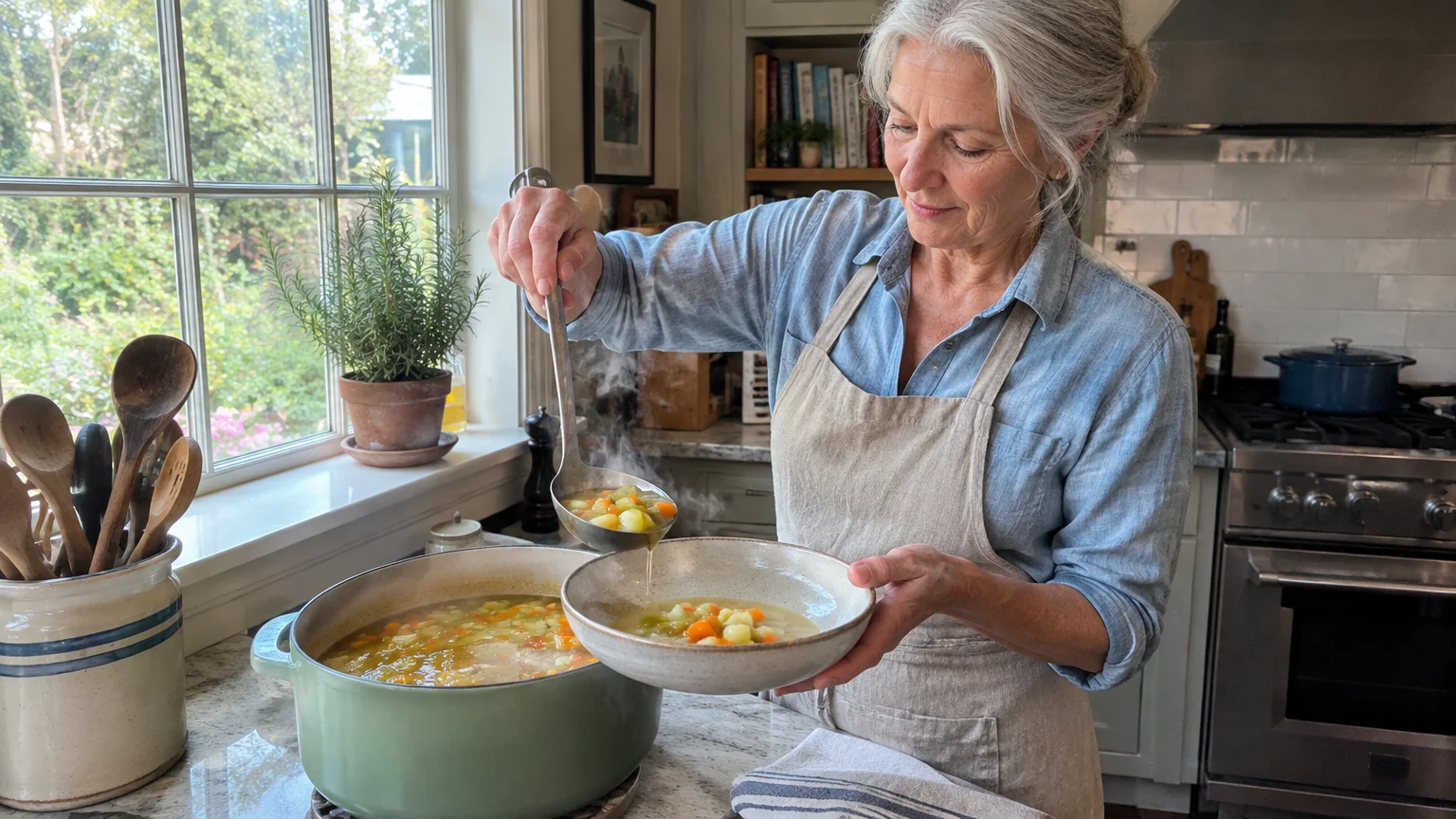
You can preserve soft textures without sacrificing nutrition by choosing moisture-retaining techniques like gentle steaming or pressure cooking. These methods break down tough cellulose fibers while locking vital micronutrients inside the food.
Senior health also relies heavily on maintaining steady hydration and supporting healthy kidney filtration. Preparing nutrient-rich broths and moist dishes provides both essential trace minerals and gentle fluid intake throughout your day.
Immune function gradually changes as the years advance, making older adults more vulnerable to foodborne illnesses. Your cooking methods must achieve high enough internal temperatures to destroy harmful bacteria without scorching valuable phytonutrients.
Benefits and Potential Risks
Refining your daily food preparation habits yields noticeable improvements in daily stamina, immune resilience, and digestive comfort. Absorbing intact vitamins and antioxidants helps your body counteract cellular oxidation and chronic inflammation.
Intact dietary fibers support your gut microbiome, which directly regulates metabolic health and emotional well-being. Proper cooking ensures these fibers remain pliable enough to soothe your digestive tract rather than causing painful irritation.
However, improper technique brings measurable risks that you must manage carefully in your home kitchen. Undercooking dense legumes or fibrous root vegetables can cause severe bloating, gas, and poor absorption in sensitive digestive systems.
Conversely, high-heat methods like open-flame charring create harmful chemical compounds known as advanced glycation end-products. These inflammatory compounds place unnecessary stress on your vascular system and accelerate cellular aging.
Over-reliance on added fats during cooking can also add excessive calories and oxidized oils to your daily diet. Striking a careful balance ensures that your meals promote longevity without burdening your cardiovascular health.
11 Cooking Methods That Preserve Nutrients
1. Gentle Steaming
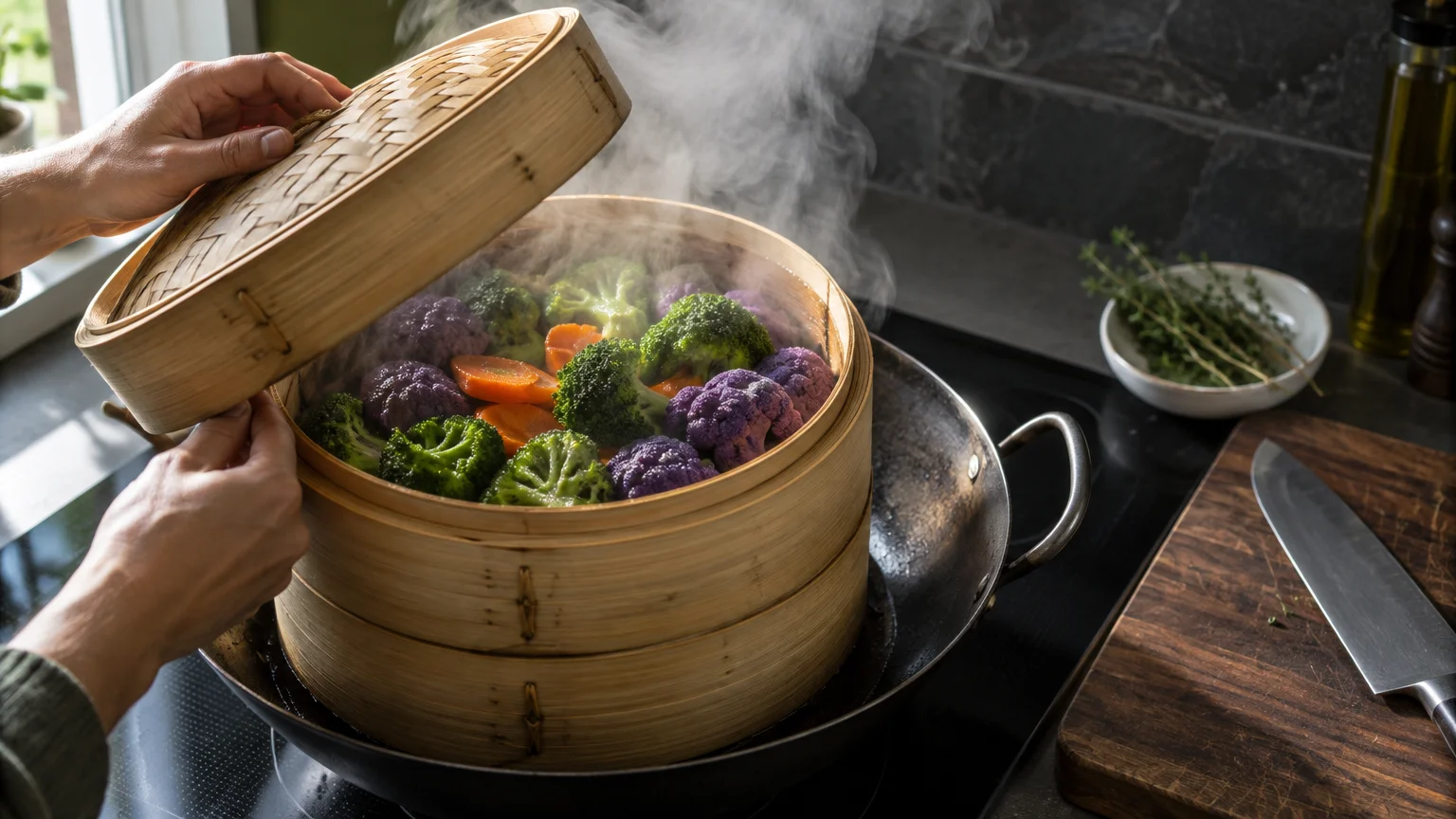
Steaming vegetables stands among the most dependable healthy cooking techniques for preserving fragile water-soluble vitamins. Because your food suspends above boiling liquid rather than soaking within it, precious compounds remain undisturbed inside plant cells.
Broccoli, spinach, carrots, and asparagus retain their bright green chlorophyll and crisp textures under brief steam exposure. The steam quickly softens outer plant walls, allowing your body to absorb carotenoids and polyphenols effortlessly.
Keep your steaming basket tightly covered to trap the heat and reduce the total cooking time significantly. Aim for a tender-crisp bite; if a vegetable turns drab olive green, you have steamed it past its nutritional peak.
You can also season the steaming water with aromatic herbs, garlic, or citrus peels to infuse subtle flavor. This approach enhances taste naturally without relying on heavy salt or inflammatory saturated fats.
2. Rapid Microwaving
Many home cooks misunderstand microwaves, yet scientific research proves they excel at preserving delicate micronutrients. Microwaves heat water molecules directly within food, creating short cooking cycles that prevent heat-induced nutritional degradation.
Because microwaving requires almost no added cooking liquid, water-soluble vitamins cannot leach out and escape into the drain. A tablespoon of water placed in a covered glass dish creates an efficient, self-contained steaming chamber.
Leafy greens, squash cubes, and sliced peppers cook in mere minutes while retaining high levels of ascorbic acid. Use microwave-safe ceramic or glass containers to avoid chemical contamination from heating pliable plastics.
Stir your ingredients halfway through the heating cycle to eliminate cool pockets and ensure uniform thermal distribution. This quick adjustment preserves food safety while avoiding localized overheating that destroys heat-sensitive enzymes.
3. Quick Sautéing and Stir-Frying
Sautéing and wok stir-frying cook bite-sized ingredients rapidly over medium-high heat with a modest splash of healthy oil. The brief contact time shields core nutrients from extended thermal breakdown.
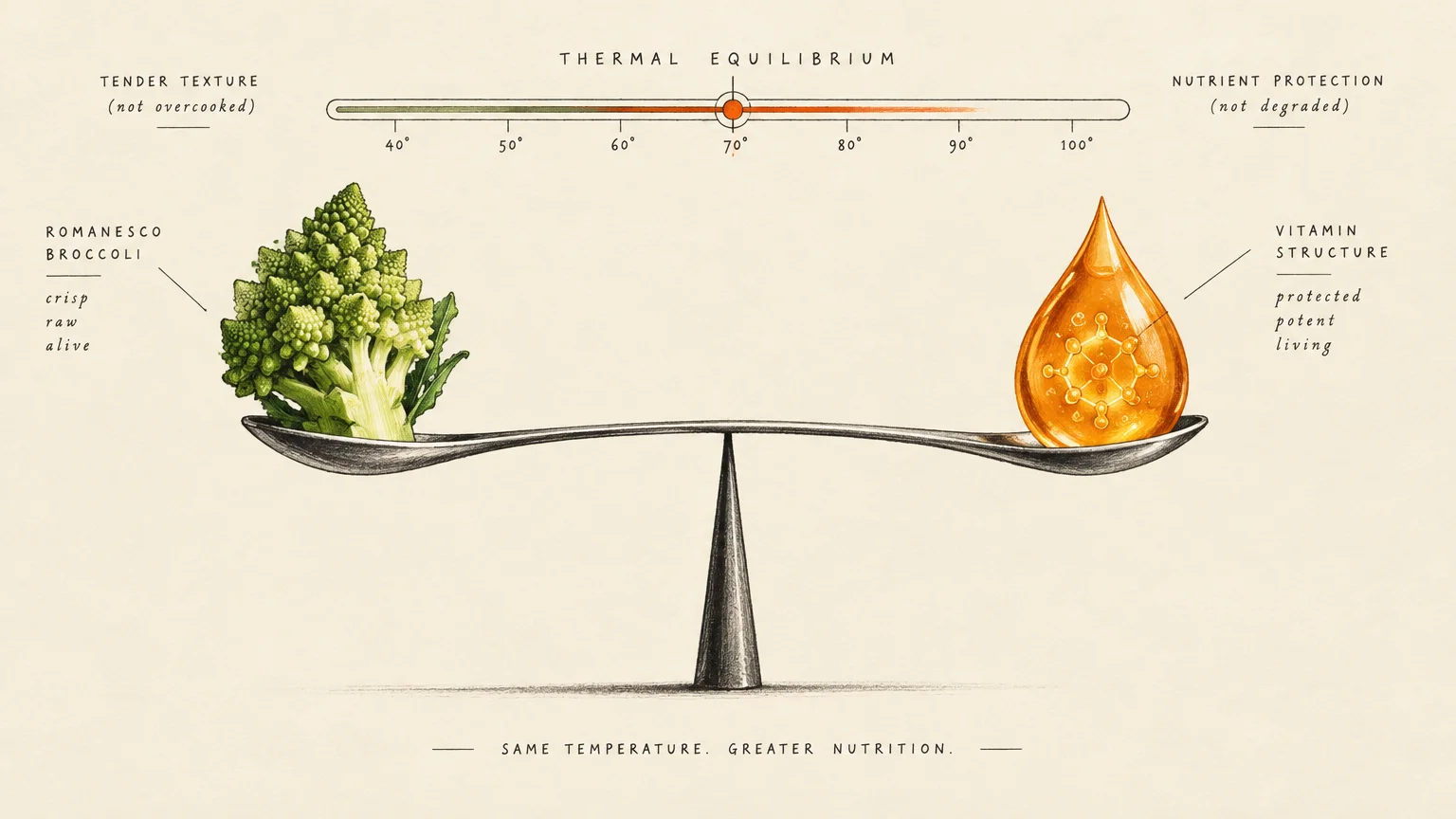
The small amount of culinary fat actually improves your body’s uptake of fat-soluble vitamins like A, E, and K. Lycopene in sliced tomatoes and beta-carotene in sliced bell peppers absorb far better when accompanied by extra virgin olive oil.
Cut all ingredients into uniform, thin slices so they cook thoroughly within two to four active minutes. Keep the food moving across the pan continuously to prevent burning or surface scorching.
Choose cooking oils with suitable smoke points, such as avocado oil or refined olive oil, to avoid creating harmful free radicals. Remove the pan from heat immediately once the vegetables reach a vibrant, tender-crisp stage.
4. Modern Pressure Cooking
Modern electric pressure cookers have transformed healthy home cooking by reducing total kitchen preparation time by more than half. Trapping steam raises internal pressure and water boiling points, cooking food rapidly in an oxygen-deprived environment.
The lack of atmospheric oxygen within a sealed pressure cooker prevents oxidative breakdown of fragile vitamins. Even though internal temperatures rise above normal boiling thresholds, the dramatic reduction in cooking duration preserves overall nutritional density.
Tough root vegetables, dense legumes, and hearty whole grains soften completely without losing their underlying trace minerals. Furthermore, pressure cooking breaks down lectins and phytates, which naturally enhances mineral bioavailability for your digestive system.
When your cooking cycle finishes, use the liquid remaining in the pot as a nutrient-packed base for pan sauces. Any vitamins that escaped into the moisture return directly to your dinner plate.
5. Precision Sous-Vide Cooking
Sous-vide cooking involves vacuum-sealing raw ingredients in food-grade pouches and submerging them in a precisely controlled water bath. This method guarantees that temperatures never exceed your exact programmed threshold.
Because the ingredients remain hermetically sealed inside the pouch, zero moisture, aromatic juices, or water-soluble vitamins can escape. Delicate proteins retain their natural moisture, while plant foods cook evenly without cellular rupture.
This gentle, low-temperature technique preserves fragile omega-3 fatty acids in salmon fillets and prevents protein cross-linking in lean poultry. Your meals remain exceptionally tender, making them easy to chew and digest for mature adults.
Be sure to purchase certified food-safe, BPA-free vacuum bags specifically manufactured for heated culinary water baths. Maintaining water temperatures above food safety minimums ensures microbial safety throughout longer cooking durations.
6. Moderate Oven Roasting
Roasting root vegetables, squash, and brassicas caramelizes natural sugars and produces deeply satisfying, savory flavors. When you set your oven to moderate temperatures around 350 to 375 degrees Fahrenheit, you protect underlying micronutrients.
Dry heat roasting eliminates water-leaching issues completely, keeping water-soluble compounds locked within the crisping vegetable exterior. A light coating of heart-healthy oil shields the exterior from drying out while aiding carotenoid absorption.
Avoid high-temperature blasting that chars vegetable edges, as blackened surfaces contain bitter, inflammatory carbon compounds. Instead, roast slowly until a fork easily pierces the thickest parts of your sweet potatoes or cauliflower florets.
Spread your vegetable pieces evenly across a wide baking sheet rather than piling them in dense layers. Good air circulation promotes even cooking and prevents excess moisture pooling, which can make roasted foods turn soggy.
7. Indirect Heat Grilling
Grilling outdoors provides wonderful smoky flavor, but direct contact with licking flames can generate undesirable heterocyclic amines. Utilizing indirect heat grilling shields your meats and vegetables from harsh burning while preserving essential proteins and vitamins.
Position your charcoal or gas burners on one side of the grill and place your food on the opposite side. Closing the lid creates a convection oven effect that cooks food thoroughly without charring the exterior surface.
Thick slices of zucchini, eggplant, portobello mushrooms, and lean poultry thrive under this gentle, smoky warmth. Marinating ingredients beforehand in lemon juice, garlic, and fresh herbs creates an antioxidant shield that further prevents thermal oxidation.
Use a digital probe thermometer to verify safe internal meat temperatures without leaving the food on the grill too long. Removing proteins the moment they reach target temperatures preserves succulent juices and intact amino acids.
8. Convection Air Frying
Countertop air fryers circulate intensely hot air rapidly around your food, mimicking deep frying with only a light oil mist. This modern technique creates a crispy, golden crust while preserving the tender, nutrient-dense interior.
Deep frying submerges ingredients in boiling oil, which degrades heat-sensitive vitamins and saturates the food with oxidized lipids. Air frying slashes total fat intake while shielding core nutrients through drastically shortened cooking durations.
Starchy tubers, Brussels sprouts, and lean fish fillets develop fantastic textures that satisfy crunchy cravings without irritating digestion. The rapid airflow quickly crisps the outer cell layer, sealing moisture and water-soluble vitamins firmly inside.
Shake the air fryer basket halfway through the cooking cycle to ensure even heat penetration across every ingredient. Keep cooking times brief to avoid over-drying delicate produce or burning the surface seasoning.
9. Broth-Retaining Poaching
Poaching gently submerges delicate proteins and soft vegetables into simmering liquid kept just below the boiling point. Because boiling bubbles never agitate the ingredients, fragile textures remain intact without tearing or drying out.
While water-soluble vitamins naturally seep into the surrounding hot liquid, you preserve those nutrients by serving the cooking broth. Transform that aromatic poaching liquor into a restorative soup base, pan reduction, or light dipping broth.
Boneless chicken breasts, mild white fish, and peeled orchard fruits become wonderfully succulent when poached gently. Adding sliced ginger, peppercorns, leeks, and bay leaves imparts deep aroma without adding processed sodium or heavy fats.
Monitor your liquid closely with a kitchen thermometer to keep the temperature hovering steadily around 160 to 180 degrees. Gentle poaching keeps protein fibers relaxed and tender, making them remarkably gentle on senior digestion.
10. Whole-Liquid Slow Cooking
Electric slow cookers provide a low-stress method for preparing wholesome meals with minimal daily kitchen effort. Because the closed appliance collects all condensing steam, not a single drop of vitamin-rich moisture escapes into the air.
As vegetables, beans, and lean meats simmer together over several hours, leached vitamins integrate seamlessly into the surrounding broth. Eating the entire stew or soup ensures you ingest all the dissolved minerals and micronutrients.
Low, steady heat breaks down rigid collagen in tough cuts of meat, converting it into gelatin that supports joint health. This extended tenderizing process makes hearty dishes effortlessly chewable for older adults who struggle with dense proteins.
Add tender, heat-sensitive leafy greens like baby spinach or fresh herbs during the final ten minutes of cooking. This simple step preserves their vibrant green color, vitamin C, and delicate floral aromas.
11. Acid-Cured and Raw Marination
Not every healthy preparation method requires traditional thermal heat from a stove or oven burner. Marinating delicate vegetables or fresh seafood in acidic citrus juices or raw vinegars gently breaks down plant and animal tissues.
Known culinarily as cold curing or maceration, this approach prevents heat from destroying temperature-sensitive enzymes and ascorbic acid. Thinly shaved fennel, shredded cabbage, ribbons of zucchini, and sliced cucumbers soften beautifully in a tangy vinaigrette.
The addition of healthy oils to your acidic marinade accelerates the absorption of essential fat-soluble plant compounds. Furthermore, acidic marinades support natural stomach digestion by pre-softening fibrous raw vegetables before they reach your gastrointestinal tract.
Always maintain cold refrigeration throughout the entire marinating process to prevent opportunistic bacterial growth on your ingredients. Discard any marinade that has contacted raw animal proteins unless you boil it thoroughly before consumption.
What the Experts Say About Culinary Nutrition
Leading medical and dietary institutions emphasize that your preparation techniques matter just as much as your grocery choices. The National Institutes of Health supports research demonstrating that minimal water exposure and short cooking times maximize antioxidant retention.
Clinical guidelines from the Mayo Clinic emphasize steaming and microwaving as superior everyday methods for retaining water-soluble vitamins in fresh produce. Their nutritional specialists caution against discarding cooking waters, recommending instead that cooks repurpose those liquids into gravies or soups.
Epidemiological studies consistently connect higher intake of intact dietary antioxidants with reduced risks of age-related cardiovascular decline and neurodegeneration. When you cook vegetables lightly, you preserve polyphenols that scavenge damaging free radicals throughout your vascular system.
At the same time, the Centers for Disease Control and Prevention highlights the critical necessity of achieving safe minimum internal cooking temperatures. Striking an informed balance between preserving delicate nutrients and destroying harmful pathogens protects vulnerable mature immune systems.
Major global wellness authorities at the World Health Organization advocate for diets rich in varied, minimally processed whole plant foods. They confirm that gentle culinary preparation optimizes nutrient density across all life stages, particularly for aging populations.
Practical Steps and Actionable Advice for Your Kitchen
Adopting healthy cooking techniques does not require expensive culinary school training or elaborate kitchen appliances. Small, intentional adjustments to your daily meal preparation routine make an enormous difference in nutritional preservation.
Cut Ingredients Into Uniform Sizes
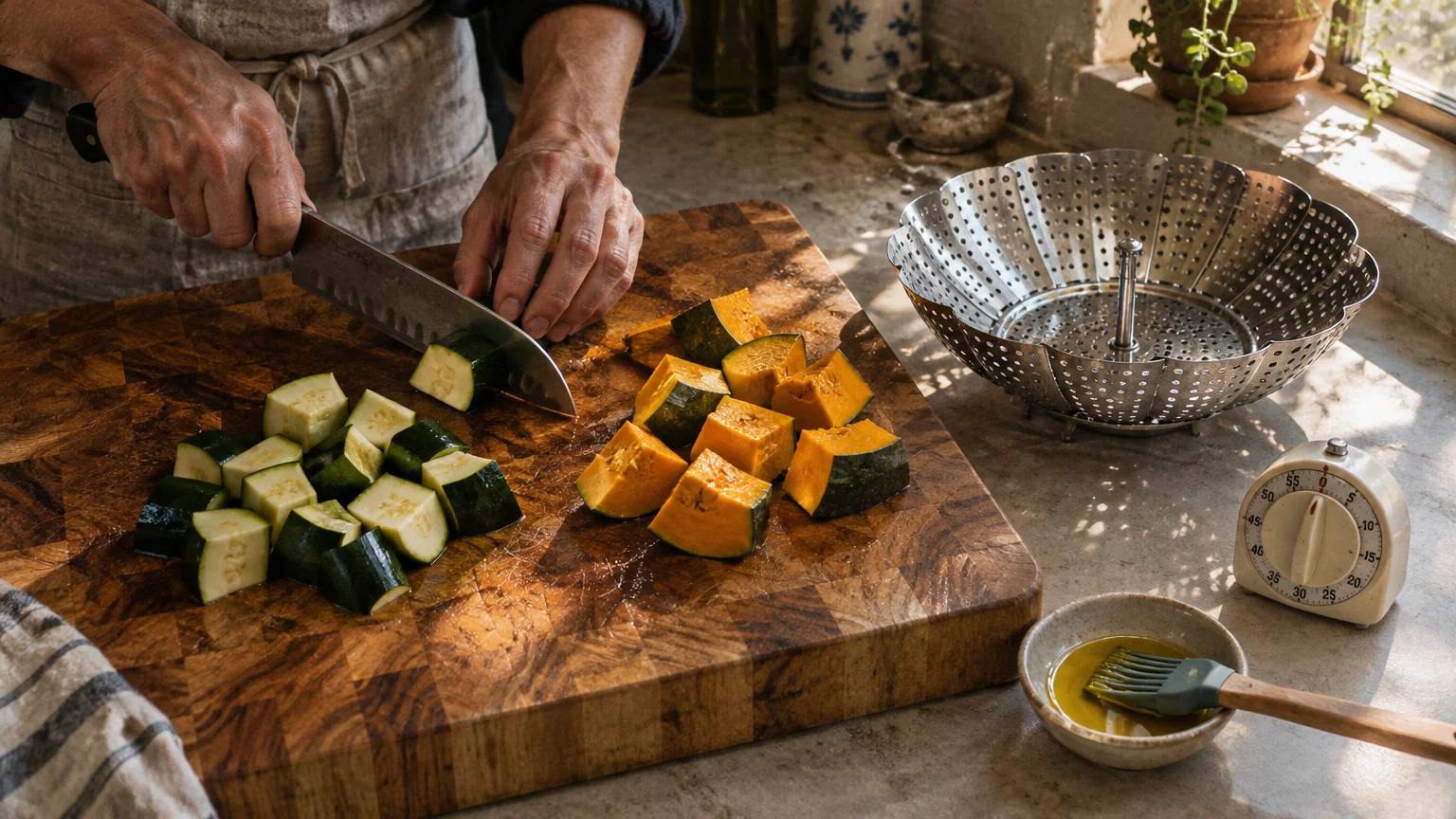
Slice vegetables and lean proteins into evenly sized pieces so they cook at an identical rate. Uniformity prevents smaller pieces from overcooking and shedding their nutrients while larger chunks remain unpleasantly raw.
Use a sharp chef’s knife or a safe mandoline slicer with protective guards to achieve consistent cuts without hand strain. Clean, sharp cuts also minimize cell wall bruising, keeping fragile juices locked inside the produce.
Keep Edible Peels Intact
Leave nutrient-dense skins on produce like apples, carrots, potatoes, and cucumbers whenever possible. The outer peel houses concentrated deposits of dietary fiber, minerals, and protective antioxidants that shield the flesh underneath.
Scrub root vegetables thoroughly with a natural vegetable brush under cold running water instead of using a peeler. This quick step cleans away soil while keeping essential minerals and trace elements firmly on your plate.
Conserve and Repurpose Cooking Liquids
Never dump your nutrient-infused steaming water or poaching liquid down the kitchen drain. Pour those flavorful liquids into ice cube trays or glass jars to enrich future sauces, grains, and braises.
Use this vitamin-rich liquid to cook brown rice, quinoa, or whole-grain pasta for your next family meal. The grains will absorb the dissolved potassium, folates, and flavor directly as they simmer and expand.
Pair Veggies with Healthy Fats
Drizzle steamed or roasted vegetables with a small teaspoon of extra virgin olive oil or avocado oil. Healthy lipids unlock fat-soluble vitamins, making carotenes and vitamins A, D, E, and K instantly bioavailable to your body.
Adding crushed walnuts, toasted pumpkin seeds, or sliced avocado provides both beneficial fats and natural crunch to soft vegetables. These whole-food fats enhance nutrient uptake while supporting heart health and stable blood sugar levels.
Embrace the Tender-Crisp Standard
Remove vegetables from heat while they still display vibrant colors and offer a slight, gentle resistance when chewed. If your vegetables lose their vibrant hues or collapse completely, thermal heat has degraded their nutritional value.
Test doneness by inserting the tip of a paring knife into the thickest part of the vegetable stem. When the blade penetrates with slight resistance, turn off the heat immediately to prevent residual carryover cooking.
Cover Your Cookware Tightly
Always place a tight-fitting lid on your pots and pans when steaming, boiling, or braising food. Trapping steam speeds up the entire cooking process and limits prolonged nutrient exposure to room oxygen.
Using glass lids allows you to monitor cooking progress visually without lifting the cover and releasing precious steam. Maintaining steady vapor pressure cuts total kitchen time and keeps your food wonderfully moist and nutrient-dense.
Frequently Asked Questions
Does boiling vegetables remove all their vitamins?
Boiling does not destroy every single nutrient, but it leaches substantial amounts of water-soluble vitamins into the surrounding pot water. Minerals and fat-soluble vitamins largely survive, though drinking the cooking broth recaptures the lost nutrients.
If you prefer boiling vegetables for easier chewing, use minimal water and turn that enriched liquid into a soothing soup. This simple adjustment ensures no leached micronutrients go to waste.
Is microwaving food dangerous or destructive to nutrients?
Microwaving remains one of the healthiest cooking methods available because its rapid cooking cycle minimizes total thermal exposure. It uses minimal moisture, which actually shields water-soluble vitamins better than standard stovetop boiling.
Always cook food in certified microwave-safe glass or ceramic cookware rather than disposable plastic containers. This mindful practice eliminates concerns regarding chemical leaching into your freshly prepared meals.
Are raw vegetables always healthier than cooked ones?
Raw vegetables provide plentiful vitamin C, but cooking breaks down tough cell walls to liberate antioxidants like lycopene and beta-carotene. A balanced diet incorporating both raw salads and gently cooked vegetables provides the broadest nutritional benefits.
Older adults with sensitive digestion often tolerate lightly steamed vegetables far better than dense raw crudités. Cooking softens insoluble plant fibers, preventing abdominal cramping, gas, and digestive discomfort.
Does freezing produce destroy its nutritional value?
Flash-frozen vegetables are harvested at peak ripeness and frozen immediately, locking in micronutrients that fresh produce often loses during transit. Steaming or microwaving frozen vegetables directly from the bag delivers outstanding nutritional density.
Avoid thawing frozen vegetables on the counter before cooking, as prolonged thawing causes moisture and vitamin loss. Add frozen vegetables directly to your hot steamer basket or microwave dish for the best culinary results.
Which cooking oils best protect antioxidants during high heat?
Oils with high smoke points and stable monounsaturated fats, such as avocado oil and refined olive oil, perform best. These choices resist oxidation under heat, shielding your food from harmful free radicals during sautéing or roasting.
Save delicate, unrefined oils like extra virgin olive oil or toasted sesame oil for finishing dishes after removing heat. This strategy protects fragile aromatic compounds while infusing maximum flavor into your meals.
How can seniors with dentures eat nutrient-dense vegetables safely?
Pressure cooking and moist slow cooking tenderize dense root vegetables and hearty legumes without stripping their underlying vitamins. You can also puree gently steamed vegetables into velvety, nutrient-rich soups that require zero strenuous chewing.
Blended soups retain every milligram of dissolved fiber and minerals while remaining completely gentle on sensitive gums. Adding a dash of olive oil or Greek yogurt creates a creamy, satisfying texture without heavy cream.
Moving Forward with Smarter Cooking
Transforming your daily relationship with food starts with understanding how simple temperature and moisture choices impact your health. By choosing steaming, microwaving, quick sautéing, or slow simmering, you ensure your body receives optimal nutrition from every meal.
Nourishing your body through thoughtful food preparation supports enduring vitality, sharper cognitive clarity, and robust digestive well-being as you age. Implement these gentle culinary techniques today to protect the vital nutrients your body needs to thrive.
Take time to experiment with varied cooking styles and vibrant seasonal produce in your home kitchen this week. Delicious, wholesome meals will reward your efforts with sustained energy and comforting culinary satisfaction every day.
Medical Disclaimer
This article is intended for informational and educational purposes only and is not a substitute for professional medical advice, diagnosis, or treatment. Always consult with a qualified healthcare provider regarding any health concerns or before making any decisions related to your health or treatment.