Properly prepared garlic elevates everyday meals while delivering potent cardiovascular and immune benefits. Avoiding a few common culinary missteps ensures you unlock maximum flavor without burning your cloves or losing essential nutrients.
For older adults, cooking garlic correctly can also protect sensitive digestive systems and support natural blood pressure management. Simple adjustments to your prep routine transform bitter dishes into rich, aromatic culinary successes.
Mastering these basic food science techniques allows you to harness every ounce of flavor while safeguarding your health in the kitchen.
Understanding the Culinary and Biological Basics of Garlic
Garlic belongs to the allium family, sharing close botanical kinship with onions, leeks, shallots, and chives. Cultivated for thousands of years, this pungent bulb serves as both a culinary cornerstone and a traditional remedy across global cultures.
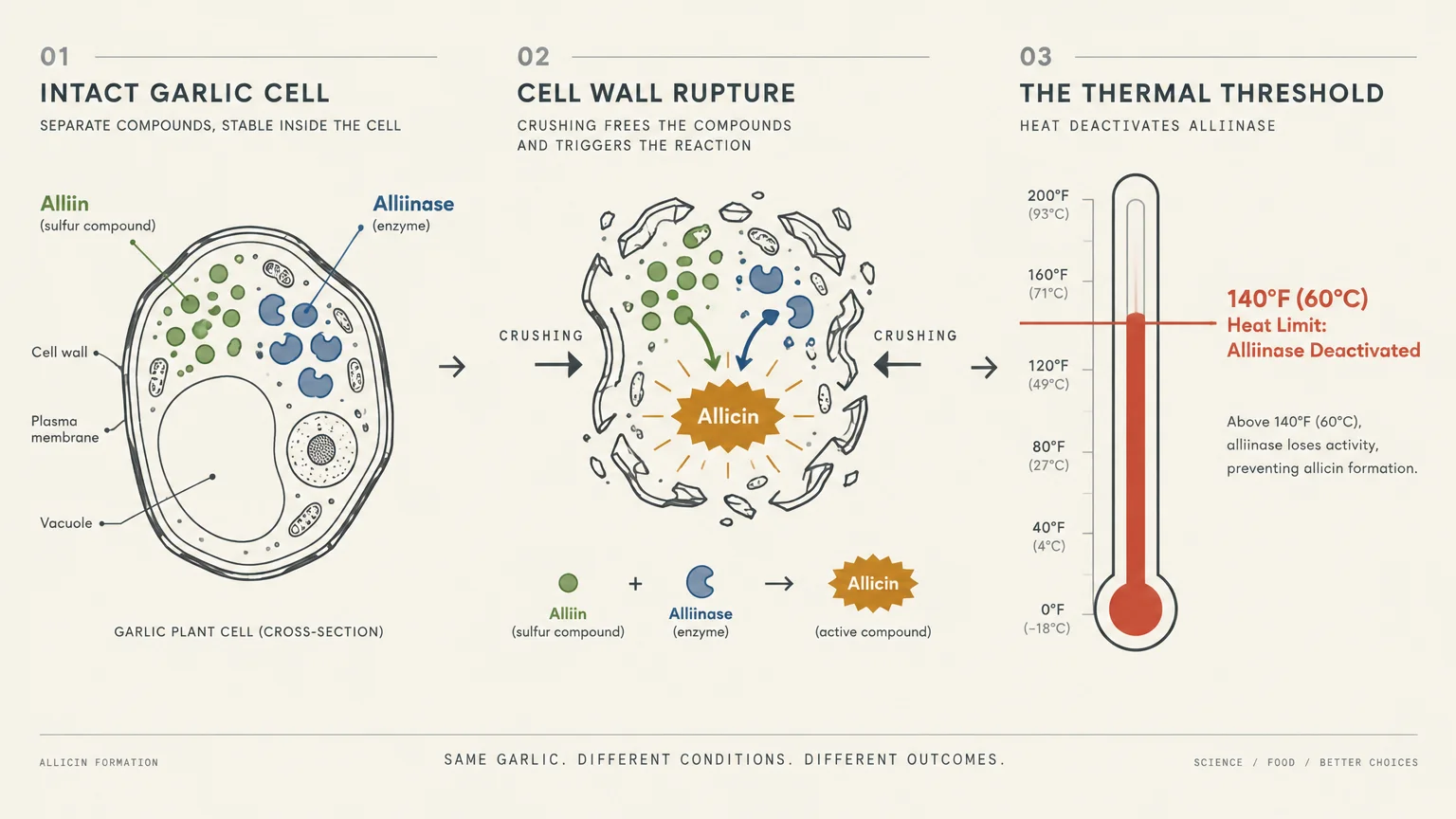
Inside an intact, unpeeled garlic clove, two essential chemical components remain separated within microscopic plant cells. One is a stable amino acid called alliin; the other is a specialized protein enzyme named alliinase.
When you crush, mince, slice, or chew a raw clove, you rupture those cellular walls. This physical damage allows alliin and alliinase to combine instantly in an enzymatic reaction.
This rapid biochemical process produces allicin, the volatile, organosulfur compound responsible for garlic’s signature aroma and fiery bite. Allicin also accounts for the majority of garlic’s celebrated health-promoting properties.
However, allicin is an exceptionally delicate and fleeting substance. Heat above 140 degrees Fahrenheit deactivates the alliinase enzyme before it can synthesize allicin, stopping its formation entirely.
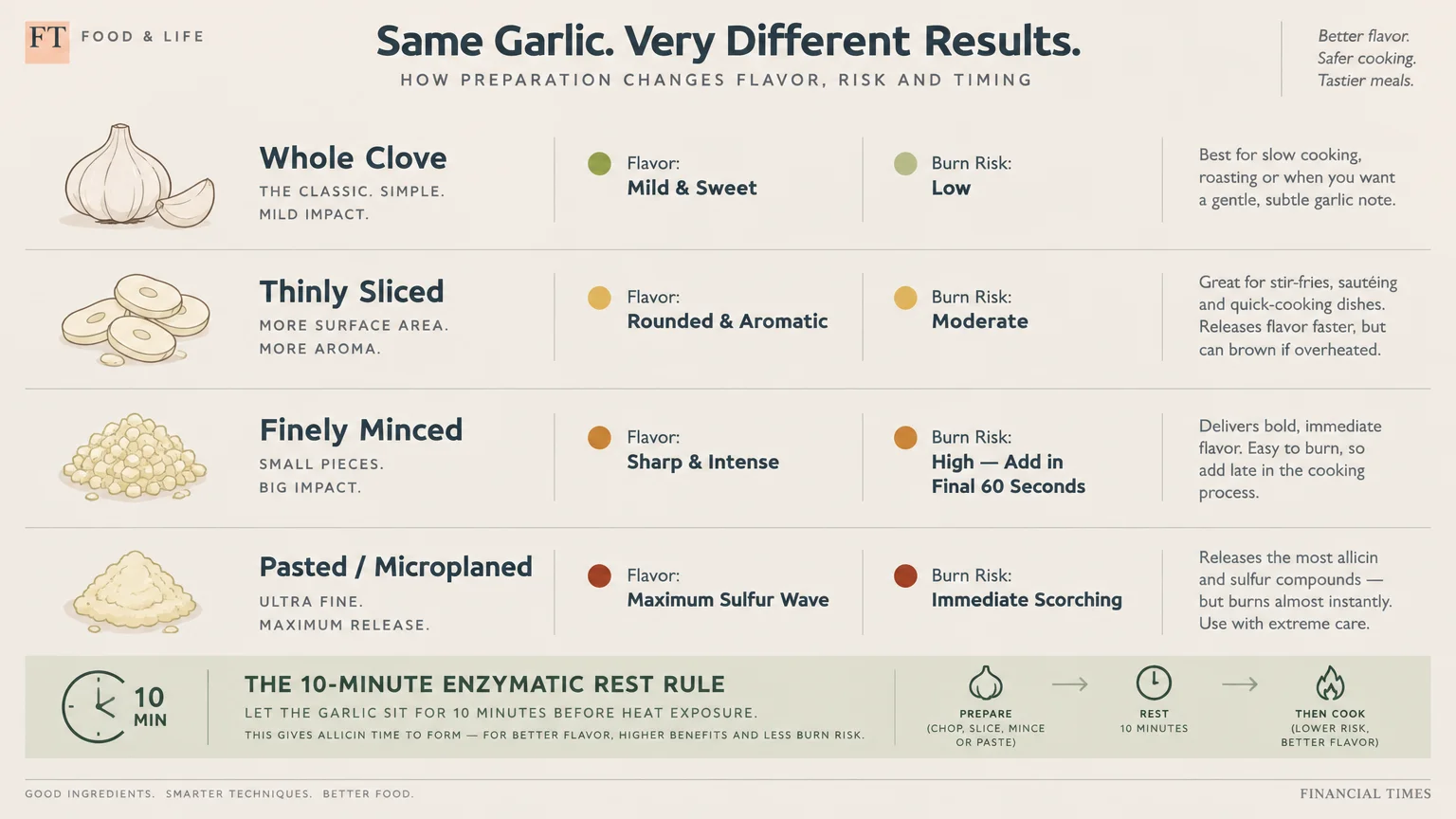
The mechanical cut you choose directly determines how much allicin your garlic produces. Whole, gently crushed cloves release mild, rounded flavors because many cellular membranes stay intact.
Conversely, grating or pressing garlic into a fine paste completely obliterates cell walls. This intensive disruption produces an intense wave of sulfur compounds that can overpower delicate ingredients.
Cooking heat also alters garlic’s natural sugars, which comprise roughly one-third of the bulb’s dry weight. Prolonged gentle heat caramelizes these sugars into sweet, mellow notes reminiscent of roasted chestnuts.
Because garlic contains minimal internal water alongside concentrated sugars, it transitions from golden and tender to scorched within moments. Managing heat and moisture is the defining secret of successful garlic cooking.
Key Garlic Considerations for Adults Over Sixty
As your body matures, physiological changes influence how you digest potent aromatics and process active plant compounds. Paying attention to these subtle bodily shifts helps you enjoy garlic without discomfort.
Gastric acid secretion naturally shifts with age, while the lower esophageal sphincter muscle may lose baseline tone. Consequently, raw or poorly cooked garlic can trigger heartburn, acid reflux, or persistent upper abdominal distress.
Thoroughly cooking garlic breaks down aggressive sulfur compounds and softens rigid plant fibers. This thermal breakdown makes favorite family dishes far gentler on delicate stomach linings.
Cardiovascular health represents another primary consideration for older adults managing chronic wellness goals. Garlic contains bioactive molecules that exert mild antiplatelet effects, helping to keep blood flowing smoothly.
If you take prescription anticoagulants like warfarin or maintain a daily aspirin regimen, high garlic intake requires medical mindfulness. Excessive culinary extracts or raw cloves could compound blood-thinning medications and elevate bruising tendencies.
Consulting your physician about dietary habits ensures you enjoy fragrant meals without compromising your pharmacological safety. Moderation remains the gold standard when pairing therapeutic foods with daily prescriptions.
Garlic also provides an invaluable culinary tool for managing hypertension and reducing sodium intake. Many older adults must restrict table salt to protect cardiovascular function, reduce fluid retention, and preserve kidney health.
Fresh garlic activates both gustatory and olfactory sensory pathways simultaneously. This sensory stimulation tricks the palate into perceiving rich, savory satisfaction without requiring extra dashes from the salt shaker.
Finally, physical dexterity often shifts over time as osteoarthritis or reduced hand grip affects kitchen routines. Peeling stubborn, paper-thin skins and mincing tiny cloves can cause painful joint strain in fingers and wrists.
Adopting ergonomic kitchen techniques and adaptive prep tools restores ease and safety to cooking. Preparing fresh meals should nourish your body without demanding uncomfortable physical labor.
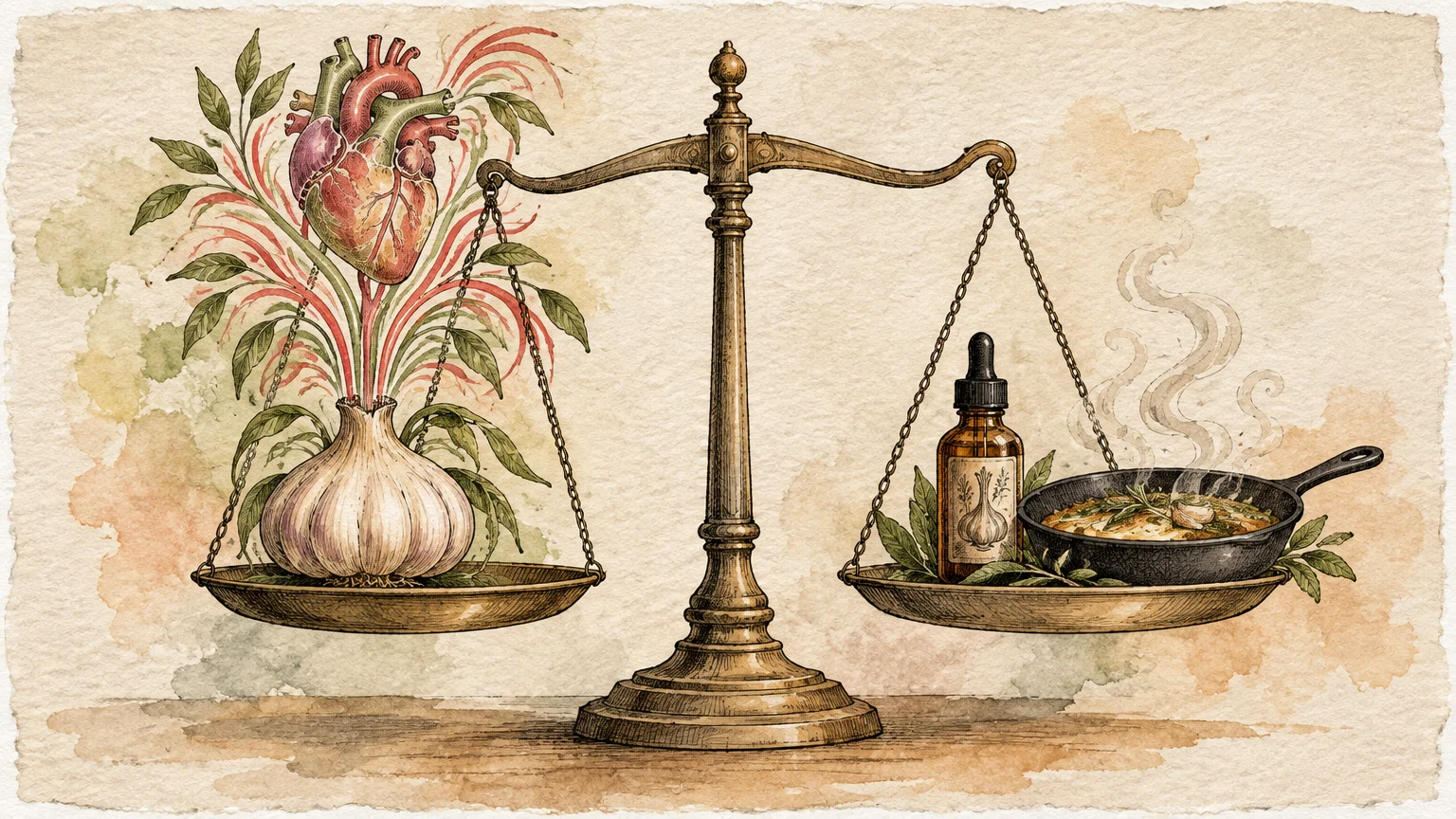
Health Benefits and Potential Culinary Risks
Incorporating fresh garlic into your weekly dietary patterns offers substantial, evidence-based rewards for long-term vitality. Regular consumption supports healthy arterial elasticity and encourages optimal systemic circulation.
Bioactive sulfur compounds stimulate endothelial tissues to generate nitric oxide, a natural signaling gas. Nitric oxide prompts tight blood vessels to dilate, supporting healthy blood pressure readings over time.
Furthermore, garlic delivers a concentrated spectrum of protective dietary antioxidants. These micronutrients scavenge circulating free radicals, taming oxidative stress and supporting cellular resilience throughout aging tissues.
Garlic’s natural antimicrobial properties have earned widespread praise across culinary traditions for centuries. Modern nutritional research continues to validate its role in supporting seasonal immune defenses.
Despite these profound wellness advantages, kitchen preparation carries distinct food safety risks that demand respect. Because garlic bulbs grow underground, raw cloves frequently carry dormant microscopic spores of Clostridium botulinum.
When you submerge fresh, raw garlic in cooking oil, you inadvertently construct a hazard. The oil seals out atmospheric oxygen, creating an anaerobic, moisture-rich environment where dormant botulism spores thrive.
If stored at room temperature, these bacteria multiply rapidly and secrete potent neurotoxins that cause severe paralytic illness. Botulinum toxins carry no sour scent, off-putting color, or strange taste, making contaminated oils undetectable.
Gastrointestinal tolerance presents another notable consideration for older adults with sensitive digestive tracts. Garlic contains high concentrations of fructans, which are fermentable oligosaccharides belonging to the FODMAP carbohydrate family.
If you live with irritable bowel syndrome or sluggish intestinal motility, fructans often resist complete upper digestion. Colonic bacteria ferment these fibers rapidly, generating excessive gas, uncomfortable abdominal distension, and cramping.
Learning how to extract delicious garlic essence into cooking oils while discarding indigestible fructans solves this problem. This simple adaptation allows sensitive eaters to savor rich garlic aromatics without digestive complaints.
What the Health and Culinary Experts Say
Major medical institutions recognize garlic as a potent dietary component with measurable physiological properties. The National Institutes of Health supports ongoing research evaluating garlic’s role in blood pressure regulation and lipid balance.
Clinical reviews synthesize findings showing that preserving allicin through careful food prep directly impacts cardiovascular efficacy. Science confirms that culinary technique dictates whether beneficial compounds survive into your dinner bowl.
Specialists at the Mayo Clinic routinely advise patients regarding culinary herbs and surgical safety. Because garlic influences natural clotting mechanisms, surgeons frequently recommend moderating high-dose garlic consumption two weeks prior to scheduled operations.
Maintaining open communication with your healthcare team prevents unexpected bleeding complications during routine surgical procedures. Culinary moderation protects you both inside and outside the clinical setting.
Regarding food safety, the Centers for Disease Control and Prevention publishes explicit guidelines on botanical oil infusions. Federal safety standards emphasize that unacidified mixtures of fresh garlic immersed in oil must remain strictly refrigerated.
Public health authorities instruct home cooks to discard fresh garlic-and-oil infusions after four days of refrigeration. Commercial oil manufacturers avoid this risk entirely by using commercial-grade acidifying agents that prevent bacterial germination.
Culinary professionals echo these food safety guidelines while highlighting strict temperature management in the skillet. Master chefs emphasize that gentle, controlled heat coax sweet complexity from garlic without creating acrid bitterness.
Culinary consensus emphasizes that patient, intentional prep work yields far better flavor than aggressive stovetop heat. Treating this humble bulb with care rewards both your palate and your cardiovascular system.
The 7 Common Garlic Mistakes and How to Fix Them
Mistake 1: Throwing Garlic into the Pan First
Countless traditional recipes instruct home cooks to begin by heating oil and tossing in chopped garlic. Doing this alongside slow-cooking vegetables creates an immediate culinary disaster.
Onions, carrots, and celery contain high water content and require eight to ten minutes to soften and caramelize. In stark contrast, finely minced garlic contains minimal internal water and high natural sugar concentrations.
When dropped into hot cooking fat alone, minced garlic scorches in less than sixty seconds. The delicate sugars burn, turning the cloves dark brown and releasing bitter chemical compounds into your skillet.
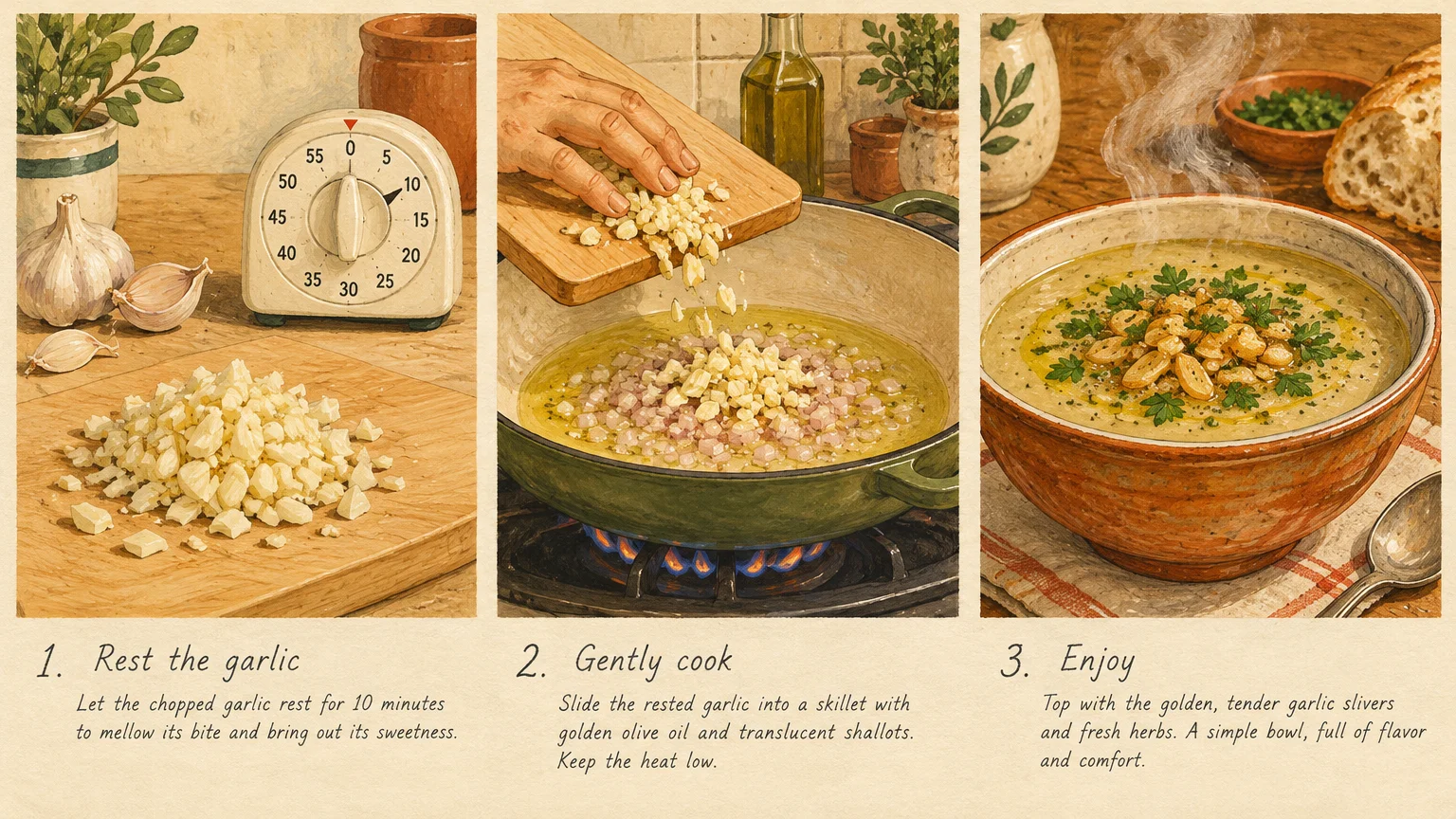
To avoid this common mistake, always sweat your moisture-rich vegetables first until they turn soft and translucent. Introduce your minced garlic during the final thirty to sixty seconds of sauteing.
Stir constantly until the garlic turns fragrant and pale blonde, then immediately pour in your recipe’s liquid base. Broth, crushed tomatoes, or a splash of wine halts the browning process instantly and preserves delicate sweetness.
Mistake 2: Cooking Chopped Garlic Immediately Without Resting
Rushing chopped garlic straight from your cutting board into a sizzling pan deprives you of vital health benefits. Heat acts as an immediate off-switch for garlic’s primary health-promoting chemistry.
Intact cloves contain no measurable allicin; they hold only precursor molecules waiting to interact. Ruptured cell walls require atmospheric oxygen and dedicated time for the alliinase enzyme to convert alliin into active allicin.
Exposing freshly cut garlic to pan heat above 140 degrees Fahrenheit instantly denatures the heat-sensitive alliinase enzyme. Once that enzyme is destroyed, allicin synthesis halts permanently, drastically reducing garlic’s therapeutic cardiovascular value.
You can effortlessly solve this problem by adopting the ten-minute rule in your daily meal preparation. Mince, slice, or press your garlic cloves first thing before tackling any other dinner prep.
Let the prepared garlic sit undisturbed on your cutting board at room temperature for ten full minutes. This brief window allows complete allicin synthesis to occur, locking in beneficial compounds that survive subsequent cooking heat.
Mistake 3: Storing Garlic Bulbs in the Refrigerator
Many home cooks unpack their weekly groceries and instinctively place fresh garlic heads inside the refrigerator crisper drawer. Unfortunately, cold and damp environments work against garlic’s natural preservation biology.
A typical home refrigerator maintains cold temperatures and elevated humidity levels that mimic autumn soil conditions. These environmental signals trick the dormant bulb into believing it has been planted underground for winter.
Consequently, refrigerated bulbs begin sprouting pale green shoots from their centers within a couple of weeks. These bitter green germ stems deplete the clove’s natural sugars, leaving the surrounding flesh hollow, rubbery, and flavorless.
Moreover, trapped moisture inside refrigerator drawers promotes fungal proliferation, causing fuzzy mold to develop beneath the papery skins. Moldy cloves spoil rapidly and present respiratory risks for sensitive older adults.
Instead, store whole, intact garlic heads in a cool, dark, dry pantry with ample air circulation. A wire mesh basket, an open paper bag, or a ventilated terracotta garlic keeper works wonderfully on your counter.
Keep your garlic away from heat-generating appliances, direct sunlight, and moisture-releasing produce like potatoes. Stored correctly in ambient, dry air, whole garlic bulbs remain firm, aromatic, and fresh for months.
Mistake 4: Relying Exclusively on Pre-Minced Jarred Garlic
Jars of pre-minced garlic swimming in clear liquid offer tempting convenience after an exhausting day. However, this commercial shortcut compromises both the flavor profile of your cooking and its nutritional integrity.
Commercial food processors preserve jarred garlic by packing it in water blended with citric acid or phosphoric acid. This chemical acidification lowers the mixture’s pH to prevent microbial spoilage and botulism growth during retail transport.
Unfortunately, that heavy acid bath bleaches out garlic’s vibrant, natural sulfur notes and damages cellular structure. The resulting paste tastes noticeably sour, flat, and metallic, lacking the nuanced aromatic warmth of fresh cloves.
Additionally, volatile allicin breaks down rapidly when suspended in liquid for weeks on supermarket shelves. By the time you unscrew the lid at home, virtually none of garlic’s heart-healthy allicin remains active.
If arthritis makes peeling and chopping fresh cloves difficult, look for whole peeled cloves in the refrigerated produce section. These preservative-free fresh cloves deliver authentic flavor while sparing your joints the strain of peeling paper skins.
You can also use a rocker press or a small electric mini-chopper to mince fresh cloves without manual joint stress. Your dinner will taste dramatically fresher, and your cardiovascular system will reap authentic rewards.
Mistake 5: Leaving Homemade Garlic-Infused Oil at Room Temperature
Drizzling garlic-infused olive oil over roasted vegetables, whole grains, and crusty bread transforms simple meals into culinary treats. However, making and storing these infusions casually at home creates a genuine biological safety hazard.
Garlic bulbs grow nestled in outdoor soils naturally populated by endospores of Clostridium botulinum. When you submerge fresh, raw cloves into cooking oil, the oil creates an impermeable, airless barrier.
This anaerobic pocket, combined with the clove’s internal moisture, creates the exact breeding ground botulism spores require. Kept on a warm kitchen counter, dormant spores awaken, multiply, and generate dangerous, odorless paralytic neurotoxins.
Never leave homemade garlic-infused oils sitting in ambient countertop cruets, decorative jars, or pantry cupboards. Food safety protocols require chilling all unacidified homemade garlic oils inside your refrigerator immediately after preparation.
Label the container with the date and discard any remaining oil after four days of refrigeration without exception. If you want a long-term supply, freeze the oil in covered ice cube trays for convenient single-serving portions.
Commercial infused oils remain safe at room temperature because industrial manufacturers treat them with laboratory-measured acidifying agents. Respecting these scientific distinctions keeps your culinary experiments safe and your family healthy.
Mistake 6: Using the Wrong Cut for Your Specific Cooking Technique
Approaching garlic with a one-size-fits-all chopping technique frequently leads to uneven cooking and unbalanced flavor profiles. The physical geometry of your cut dictates how rapidly sulfur compounds release and how quickly garlic scorches.
Very fine minces, microplane purees, and pressed garlic expose massive surface area to cooking heat and fat. This cut generates immediate pungency and cooks through in seconds, making it ideal for quick pan sauces and dressings.
However, throwing finely minced garlic into a slow-simmering stew or long-baked casserole is a distinct culinary mistake. Prolonged cooking breaks down delicate minced particles completely, muddying the sauce while losing bright, distinct top notes.
Conversely, whole or gently bruised cloves release mellow, sweet flavors slowly and resist scorching under prolonged heat. Lightly crushed cloves are perfect for flavoring braises, simmering marinara sauces, and infusing warm roasting oils.
Sliced garlic cloves offer a middle ground, providing visible texture and moderate flavor release without immediate burning risks. Garlic slices shine in flash-sauteed leafy greens, skillet pasta dishes, and quick vegetable stir-fries.
Always align your cutting style with the total cooking time and heat intensity of your recipe. Matching your knife work to your heat source produces harmonious flavors and prevents scorched aromatics.
Mistake 7: Burning Garlic and Trying to Mask the Acrid Flavor
Even seasoned home cooks experience a momentary distraction at the stove that allows golden garlic to scorch. When pale garlic edges suddenly turn dark brown or black, panic often leads to poor kitchen decisions.
Many home cooks attempt to rescue scorched garlic by pouring in cream, dumping in brown sugar, or splashing extra wine. Unfortunately, burnt garlic produces intensely bitter pyrazines and acrid sulfur compounds that saturate cooking oils instantly.
These bitter molecules permeate every droplet of cooking fat and cling aggressively to the surfaces of your cookware. No amount of sweet sugar, rich dairy fat, or bright acid can neutralize or mask scorched garlic bitterness.
Proceeding with the recipe after burning your garlic inevitably ruins expensive meats, fresh vegetables, and costly stocks added afterward. The entire meal will carry a harsh, smoky, medicinal aftertaste that overpowers every other ingredient.
When your garlic burns, take a deep breath, turn off the burner, and accept the momentary setback with grace. Discard the scorched aromatics immediately and wipe your skillet thoroughly with clean paper towels.
Wash the pan if oil residue remains, add fresh cooking fat, and begin your aromatic base anew. Sacrificing two minutes and two cents of garlic preserves the culinary integrity and delicious flavor of your dinner.
Practical Steps for Mastering Garlic in Your Everyday Cooking
Elevating your everyday kitchen habits does not require culinary school training or complicated professional equipment. Small, strategic adjustments to your food prep routine deliver dramatic improvements in flavor, comfort, and nutrition.
Equip your kitchen with practical, joint-friendly tools designed to eliminate manual peeling strain and repetitive wrist fatigue. Flexible silicone garlic peeler tubes remove stubborn papery skins within seconds through gentle palm rolling.
Stainless steel rocker presses let you use downward body weight rather than tight pinch grip strength to crush cloves. These adaptive tools keep cooking accessible and pain-free, even on days when arthritis flares.
If you experience frequent digestive sensitivity or heartburn from garlic, experiment with gentle kitchen mellowing techniques. Soaking freshly minced raw garlic in acidic liquids—like freshly squeezed lemon juice or vinegar—moderates harsh pungency within minutes.
The acid gradually tames the alliinase enzyme, creating a rounded, smooth flavor that works beautifully in homemade dressings. This simple chemical trick yields deep flavor while dramatically reducing after-dinner gastrointestinal burn.
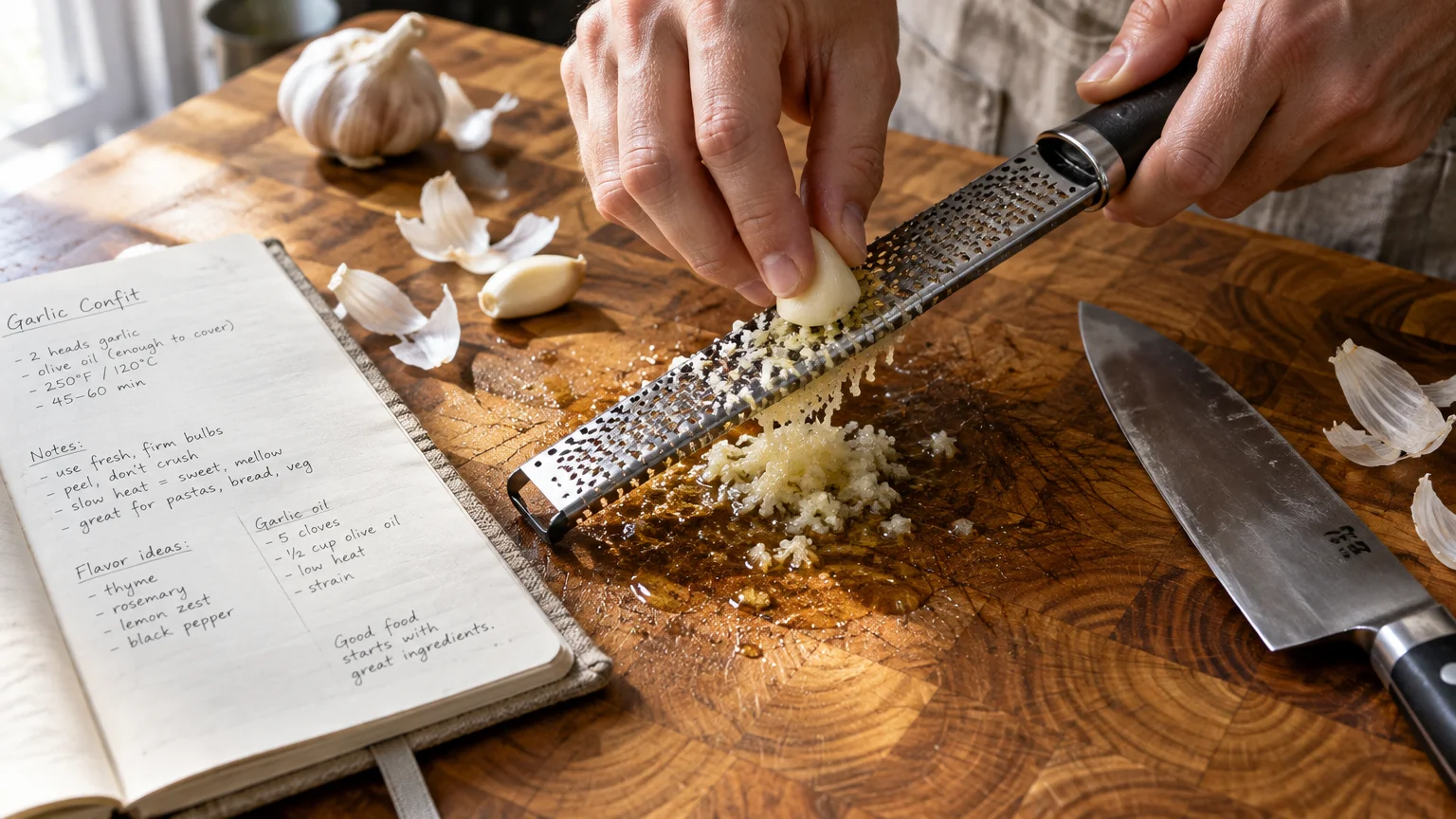
Another smart strategy for sensitive digestions involves making quick, gut-friendly garlic cooking oil on your stovetop right before dining. Gently warm two crushed cloves in olive oil over low heat for five minutes, then lift out the solids.
Because digestive fructans dissolve solely in water and never in fat, aromatic oils absorb flavor while leaving irritating sugars behind. You enjoy authentic garlic essence without experiencing bloating, abdominal distension, or uncomfortable intestinal gas.
Consider roasting whole, unpeeled heads of garlic in your oven whenever you prepare baked chicken or roasted vegetables. Slice off the top quarter-inch of the head, drizzle with olive oil, wrap in foil, and bake until soft.
Roasting caramelizes natural sugars into a spreadable, golden paste that tastes remarkably sweet, nutty, and mild. This creamy paste spreads like butter across whole-grain toast and digests smoothly without triggering uncomfortable reflux.
Frequently Asked Questions About Cooking with Garlic
Can you safely eat garlic that has sprouted green stems?
Sprouted garlic is completely safe to eat and contains no dangerous biological toxins or poisonous compounds. However, that interior green sprout carries an aggressively bitter, grassy flavor that can easily dominate delicate sauces.
Slice the sprouted clove in half lengthwise using a paring knife and flick out the green stem with the blade. You can then cook with the remaining white clove flesh without imparting lingering bitterness to your meal.
How do you remove stubborn garlic odors from your hands after prep?
Garlic’s persistent hand odor stems from sulfur molecules that bind tenaciously to natural proteins in your skin. Washing hands with standard bath soap often proves ineffective because soap fails to break those chemical bonds.
Instead, rub your wet hands firmly against a clean stainless steel surface—such as your kitchen faucet—under cold running water. The sulfur molecules bind chemically to the chromium in stainless steel, transferring the scent away from your skin instantly.
Does commercial garlic powder offer the same cardiovascular benefits as fresh cloves?
Garlic powder serves as a convenient dry seasoning that provides rich, savory umami depth to spice rubs and roasted dishes. However, industrial manufacturing processes dehydrate garlic using elevated heat levels that permanently deactivate sensitive alliinase enzymes.
While dehydrated garlic powder retains stable trace minerals and dietary antioxidants, it contains virtually zero active, bioavailable allicin. Rely on fresh, properly rested cloves whenever your primary culinary goal centers on supporting cardiovascular vitality.
How can older adults with sensitive stomachs tolerate garlic better?
Transitioning from raw garlic preparations to slow-cooked, thermally transformed dishes significantly improves upper gastrointestinal tolerance. Thorough cooking breaks down abrasive sulfur molecules and softens plant cellulose, dramatically reducing heartburn and acid reflux triggers.
Utilizing strained garlic-infused cooking oils eliminates fermentable fructans entirely, protecting individuals living with irritable bowel syndrome from gas and bloating. Sipping warm peppermint or ginger tea following garlic-rich meals provides additional digestive comfort.
What should you do if your garlic turns bright blue or green during cooking?
Watching garlic cloves turn vivid turquoise, emerald green, or sky blue during meal prep can feel alarming. This colorful transformation occurs when natural sulfur compounds react with trace amino acids under mildly acidic cooking conditions.
This biochemical reaction is entirely harmless, non-toxic, and does not alter the food’s flavor, texture, or safety. Your blue garlic remains delicious to eat and safe to serve to your family without hesitation.
Does freezing garlic ruin its culinary flavor or texture?
Freezing whole, peeled garlic cloves is an outstanding method for preserving peak freshness without resorting to preservative-laden commercial jars. Freezing arrests enzyme activity and preserves natural aromatics without requiring artificial acid baths or chemical preservatives.
Arrange peeled cloves in a single layer on a parchment-lined baking sheet and freeze until rock solid. Transfer the frozen cloves into an airtight freezer container, grating them directly into hot skillets without thawing.
Empowering Your Kitchen Routine
Mastering garlic in the home kitchen does not demand complicated culinary techniques or hours of tedious knife work. Small, thoughtful adjustments to your timing, temperature control, and storage habits completely transform your cooking results.
Allowing chopped cloves to rest on your cutting board unlocks potent cardiovascular benefits that nourish your body. Meanwhile, adding garlic during the final minute of sauteing protects delicate natural sugars from scorching into bitterness.
These simple, science-backed habits protect your digestive comfort, enhance heart health, and maximize delicious aroma in every dish. Approach your stove with newfound culinary confidence, knowing that great health and mouthwatering flavor begin with mindful preparation.
This article is intended for informational and educational purposes only and is not a substitute for professional medical advice, diagnosis, or treatment. Always consult with a qualified healthcare provider regarding any health concerns or before making any decisions related to your health or treatment.