
Scheduling your routine Medicare screenings before December 31 protects both your physical health and your personal finances. If you have already met your annual deductible, late autumn provides an ideal window to access essential evaluations without added costs.
Medicare covers numerous preventive tests at zero cost, yet subtle billing technicalities can easily confuse unsuspecting beneficiaries. Knowing which examinations to book today ensures you maximize your earned entitlements before annual coverage limits reset.
This comprehensive guide details ten vital health screenings, explains key coverage rules, and helps you navigate year-end scheduling with total clarity.
Understanding Medicare Preventive Care and Year-End Timing
Medicare Part B covers a broad array of preventive services designed to catch serious illnesses early. These services include laboratory blood tests, radiological scans, and annual wellness consultations.
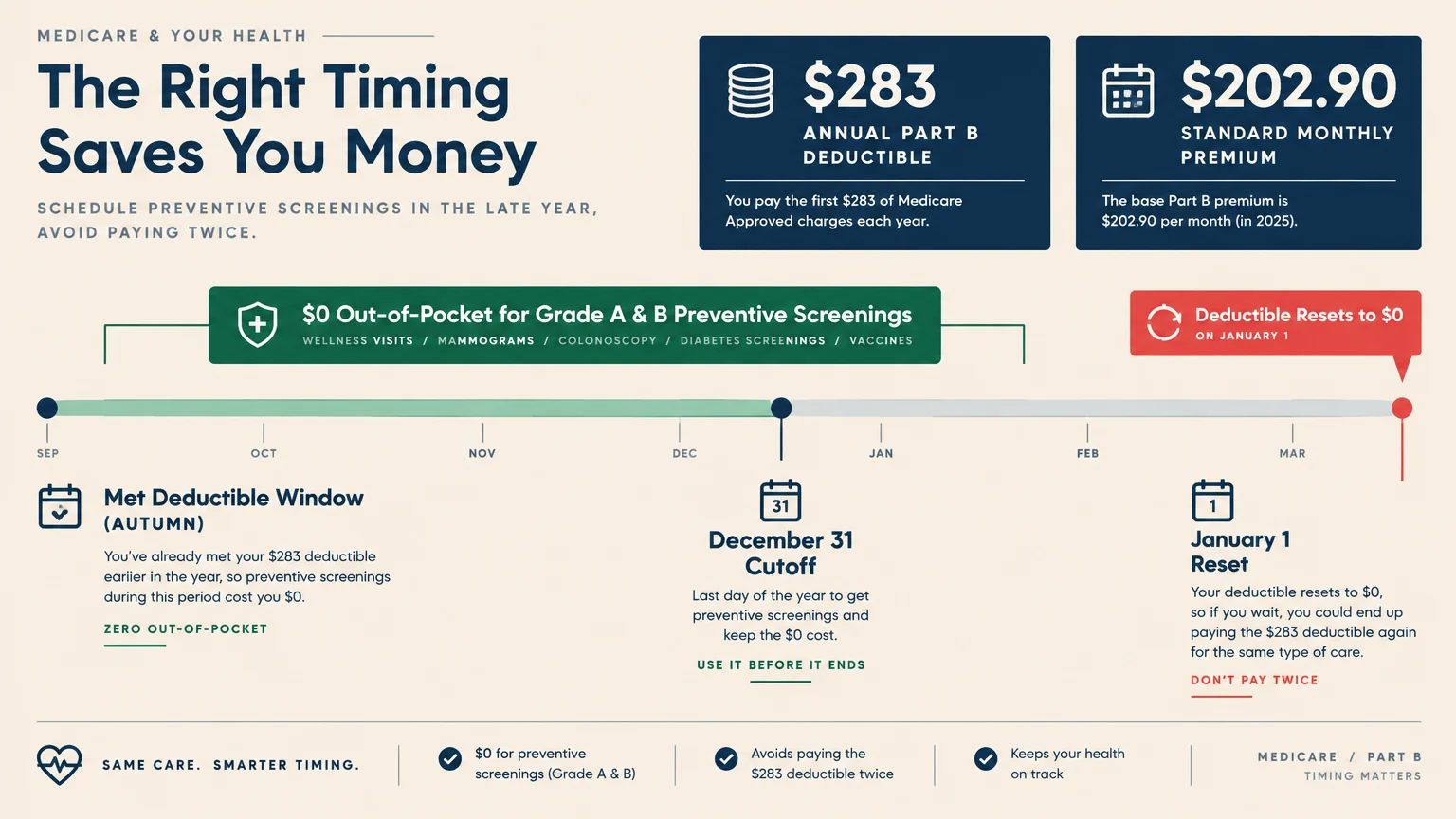
The federal government sets the Medicare Part B annual deductible at $283 for 2026. Beneficiaries also pay a standard monthly premium of $202.90.
Your Part B deductible automatically resets to zero on January 1 every calendar year. Any medical expenses you pay toward that threshold disappear once the new year begins.
If you have already met your $283 deductible this year, your timing is advantageous. Scheduling services with cost-sharing before December 31 prevents you from paying out of pocket again in January.
Under Original Medicare and Medicare Advantage, preventive screenings with a Grade A or B recommendation from independent task forces cost you nothing. You pay $0 out of pocket as long as your provider accepts assignment.
The official Medicare platform outlines these preventive rights clearly. However, you must understand how federal regulators structure these benefits to avoid unexpected charges.

Key Considerations for Older Adults
Aging naturally alters your body and elevates the statistical risk for chronic cardiovascular, metabolic, and oncological conditions. Timely medical screenings help identify these asymptomatic shifts before they produce debilitating physical damage.
However, you must manage your appointment calendar carefully because Medicare enforces strict scheduling intervals. For many annual services, Medicare defines a year as at least eleven full months since your last visit.
If you attended an annual screening on November 15 of last year, you cannot schedule it on November 10 this year. Booking even five days too early can cause Medicare to deny your claim entirely.
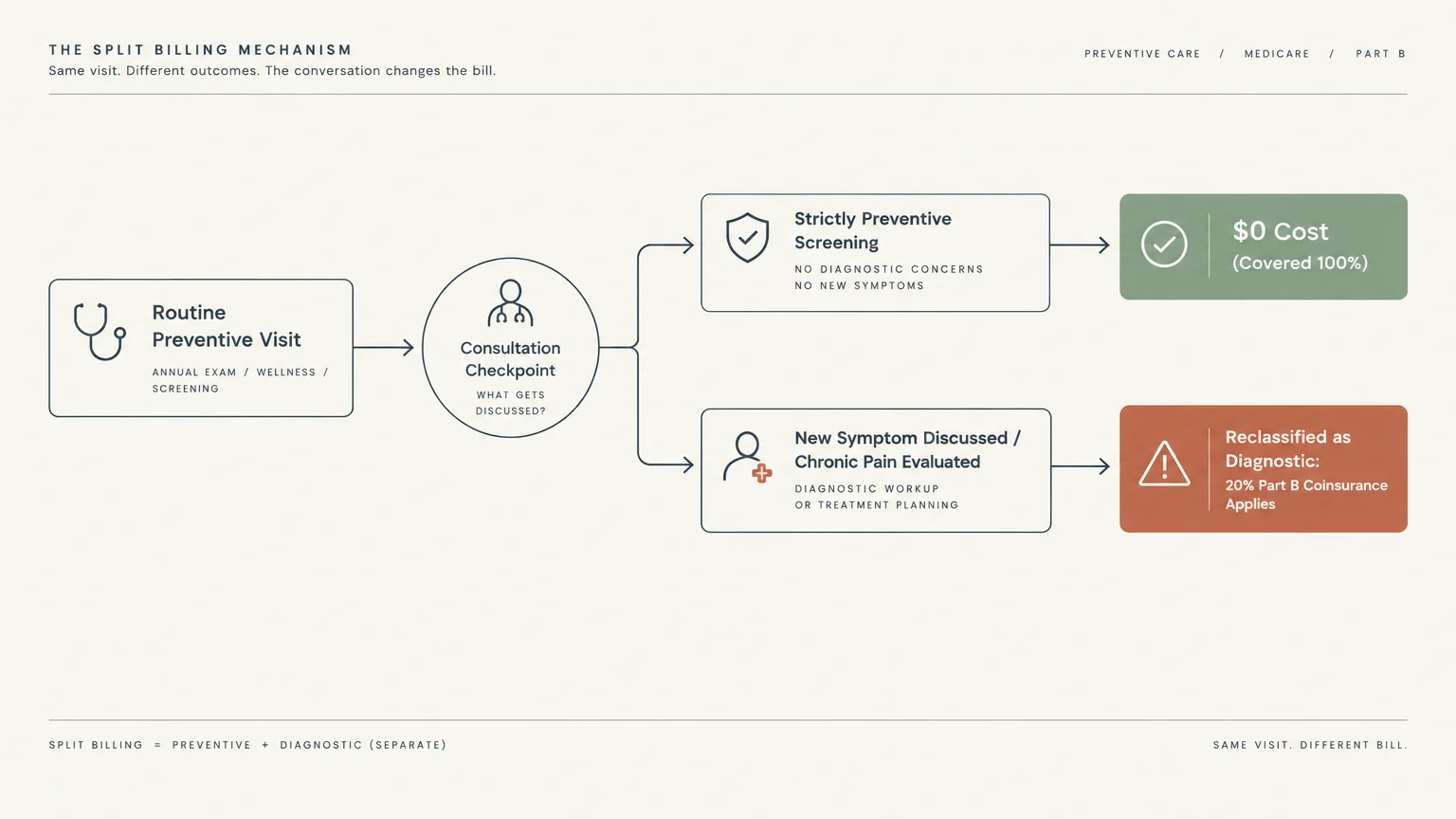
You must also recognize the common diagnostic billing trap. A routine screening visit remains completely free only while it focuses strictly on standard preventive assessments.
If you mention a new symptom or ask about a chronic ache, your doctor must document a diagnostic evaluation. This clinical note reclassifies the billing code and triggers the standard twenty percent Part B coinsurance.
Furthermore, you must ensure your physicians accept Medicare assignment. In Medicare Advantage plans, your chosen medical facility must belong to your plan’s active network.
Benefits and Potential Financial Risks of Year-End Screenings
The primary advantage of scheduling preventive screenings is early clinical intervention. Identifying cellular dysplasia or high arterial pressure early prevents catastrophic emergencies and invasive surgical procedures down the road.
Completing these health visits also establishes a continuous clinical record. Doctors evaluate these trending vitals over multiple years to detect subtle physiological changes.
Nevertheless, patients occasionally encounter unexpected financial hurdles during preventive appointments. Split billing represents one of the most frustrating surprises for older adults.
Split billing occurs when an appointment includes both a zero-dollar preventive service and a separate fee-bearing diagnostic procedure. For example, certain blood tests carry no copay, while the accompanying physical exam requires cost-sharing.
False positive screening results also present emotional and financial stress. A suspicious finding often leads to follow-up diagnostic scans that require you to pay standard coinsurance.
Understanding these subtle coverage distinctions allows you to prepare your questions in advance. You can advocate for your health while protecting your retirement savings from surprise medical bills.

10 Essential Medicare Screenings to Schedule Before Year-End
1. Annual Wellness Visit
Medicare covers an Annual Wellness Visit at $0 out of pocket once every twelve months. You become eligible for this planning conference after holding Medicare Part B for longer than twelve months.
If you are in your first year of Part B coverage, you receive the Initial Preventive Physical Examination instead. People frequently refer to that initial appointment as the Welcome to Medicare visit.
You must remember that the Annual Wellness Visit is not an intensive, head-to-toe physical examination. It is a comprehensive preventive consultation where your physician designs a personalized health plan.
During this visit, your provider reviews your medical history, updates your active medication list, and measures basic vitals. Clinicians also perform an essential cognitive assessment to detect early signs of memory impairment.
To keep this visit completely free, do not bring up new aches, injuries, or medication adjustments. Schedule a separate clinical consultation to address specific physical symptoms or illnesses.
2. Colorectal Cancer Screenings
Medicare provides robust coverage for colorectal cancer screenings to detect malignant tumors and precancerous polyps. Beneficiaries age forty-five and older can access routine screening colonoscopies at zero cost.
Medicare covers a screening colonoscopy once every 120 months for individuals at average risk. If you carry a high clinical risk for colon cancer, Medicare covers the procedure every twenty-four months.
Average-risk adults between forty-five and eighty-five can also choose non-invasive stool DNA tests, such as Cologuard, once every three years. If an at-home stool test returns an abnormal result, Medicare covers your follow-up colonoscopy at $0.
A crucial cost rule applies if your gastroenterologist finds and removes a polyp during your routine screening colonoscopy. The federal government completely waives your Part B deductible for this procedure.
Under current CMS phased-reduction regulations, you pay a reduced fifteen percent coinsurance for polyp removal in 2026. This coinsurance rate drops to ten percent in 2027 before reaching zero percent in 2030.
3. Screening Mammograms
Breast cancer remains highly treatable when doctors catch suspicious tissue changes in early stages. Medicare Part B covers routine screening mammograms at $0 for all eligible women.
Female beneficiaries age forty and older can receive a screening mammogram once every twelve full months. Medicare also covers a single baseline mammogram for women between the ages of thirty-five and thirty-nine.
Medicare covers standard two-dimensional mammography as well as advanced three-dimensional digital breast tomosynthesis. Both technologies carry zero out-of-pocket costs when performed as routine preventive screenings.
Make sure your imaging provider bills the scan as a screening rather than a diagnostic evaluation. Diagnostic mammograms investigate existing lumps or pain and require standard Part B cost-sharing.
4. Cardiovascular Disease Screenings
Cardiovascular disease stands as the leading cause of mortality among aging adults across the United States. Medicare covers comprehensive blood tests to monitor your cardiovascular health at zero cost.
This benefit covers lipid panels that measure total cholesterol, high-density lipoproteins, and triglyceride levels. Part B enrollees without symptoms of heart disease can access these laboratory tests once every five years.
Medicare also covers one cardiovascular behavioral therapy visit each year at $0. During this session, your primary care physician discusses nutritional strategies and exercise routines to reduce your blood pressure.
Scheduling these lipid panels late in the year ensures your doctor has current laboratory data. Your physician uses these numbers to adjust preventative cardiovascular strategies before the winter holidays.
5. Diabetes Screening and Prevention
Uncontrolled blood glucose levels cause extensive damage to kidneys, blood vessels, and ocular systems over time. Medicare covers diabetes screenings at $0 for individuals presenting specific risk factors.
You qualify for these laboratory evaluations if you have elevated blood pressure, abnormal lipid levels, or obesity. Beneficiaries with a clinical history of elevated fasting glucose also qualify for free screenings.
Medicare covers fasting blood glucose checks and glycated hemoglobin HbA1c tests up to two times per calendar year. If your lab results show prediabetes, you can also join the Medicare Diabetes Prevention Program at zero cost.
The prevention program provides structured lifestyle coaching, nutritional guidance, and physical activity strategies. Taking advantage of these benefits before year-end helps you manage your glycemic health effectively.
6. Bone Mass Measurements
Osteoporosis silently weakens skeletal integrity, dramatically increasing your risk of debilitating hip and spinal fractures. Medicare Part B covers bone mass measurement scans at $0 to detect low bone density early.
Medicare covers dual-energy X-ray absorptiometry, commonly known as a DEXA scan, once every twenty-four months. Clinicians can order scans more frequently if your medical situation makes monitoring medically necessary.
Qualified individuals include estrogen-deficient women at clinical risk, individuals taking long-term glucocorticoid medications, and people with vertebral abnormalities. Patients diagnosed with primary hyperparathyroidism also qualify for covered scans.
A DEXA scan takes only fifteen minutes and involves minimal radiation exposure. Scheduling this painless test confirms whether you need bone-strengthening medications or specialized physical therapy.
7. Low-Dose CT Lung Cancer Screening
Lung cancer causes more deaths annually than any other malignancy, yet early-stage detection dramatically improves survival. Medicare covers an annual low-dose computed tomography scan at $0 for qualified individuals.
To qualify, you must be between fifty and seventy-seven years old and show no signs of lung cancer. You must also be a current smoker or someone who quit within the past fifteen years.
Medicare requires a tobacco smoking history of at least twenty pack-years. A pack-year equals smoking one pack of cigarettes per day for one full year.
Before your initial scan, Medicare requires a formal shared decision-making visit with your healthcare provider. Booking this discussion before year-end allows you to complete your imaging scan without delay.
8. Annual Depression Screening
Mental health directly influences physical longevity, yet emotional distress often goes unnoticed in older adults. Medicare covers one dedicated depression screening once every twelve months at $0.
The screening must take place in a primary care setting that provides appropriate clinical follow-up and treatment referrals. The assessment typically takes less than fifteen minutes to complete.
Your clinician administers a standardized questionnaire to evaluate your mood, energy levels, and emotional well-being. This tool helps identify clinical depression, situational anxiety, or emotional exhaustion.
Winter months often intensify seasonal affective issues and social isolation among older individuals. Completing this confidential screening before the holidays connect you with vital mental healthcare resources.
9. Prostate Cancer Screening
Prostate cancer represents a significant health risk for aging men, but regular screenings identify cellular changes early. Medicare covers annual prostate cancer screenings for men beginning the day after their fiftieth birthday.
Medicare provides a digital rectal examination and a prostate-specific antigen blood test once every twelve months. However, you must pay attention to how Medicare bills these two separate evaluations.
The laboratory PSA blood test costs you $0 out of pocket under Part B rules. Conversely, Medicare does not classify the digital rectal exam as a fully covered preventive service.
The digital rectal exam requires your standard twenty percent Part B coinsurance after meeting your $283 deductible. If you have already met your deductible this year, schedule this exam before December 31 to minimize your out-of-pocket costs.
10. Glaucoma Screening and Abdominal Aortic Aneurysm Checks
Vision loss from glaucoma develops gradually without noticeable discomfort, earning it a reputation as a silent sight thief. Medicare covers an annual glaucoma screening for beneficiaries facing elevated clinical risks.
Eligible groups include individuals with diabetes, people with a family history of glaucoma, African Americans age fifty and older, and Hispanic Americans age sixty-five and older. An eye doctor licensed in your state must perform the exam.
Glaucoma screenings carry standard cost-sharing under Original Medicare. You must pay twenty percent of the Medicare-approved amount after satisfying your $283 Part B deductible.
Alternatively, Medicare covers a one-time screening ultrasound for an abdominal aortic aneurysm at $0. This lifetime benefit applies to men aged sixty-five to seventy-five who smoked at least one hundred cigarettes, or anyone with a family history of aneurysms.
Scheduling these crucial diagnostic evaluations in late autumn allows you to utilize your satisfied deductible effectively. You preserve your vision and detect dangerous arterial enlargements before complications arise.

What Medical Experts and Research Say
Leading health authorities emphasize that proactive screening reduces long-term mortality and prevents premature disability. The Centers for Disease Control and Prevention notes that regular screenings identify chronic conditions before symptoms appear.
According to researchers at the National Institutes of Health, routine colorectal screenings reduce mortality rates significantly across diverse demographics. Catching precancerous adenomas allows gastroenterologists to remove abnormal cells before malignant transformation occurs.
Specialists at the Mayo Clinic stress the clinical value of assessing cardiovascular lipid markers every few years. Consistent tracking allows physicians to initiate preventive statin therapy before arterial plaque destabilizes.
Federal health agencies continually refine screening guidelines to balance clinical benefits against potential diagnostic risks. Following these evidence-based recommendations ensures you receive timely medical interventions without undergoing unnecessary procedures.

Practical Steps to Schedule and Protect Your Wallet
Begin by logging into your official online account on the Medicare portal. Review your historical claims to determine the exact calendar dates of your previous preventive appointments.
Call your primary care physician’s office immediately, because clinical appointment slots fill quickly during the final months of the year. Clearly state that you are scheduling an Annual Wellness Visit or a preventive screening.
Provide the medical receptionist with the specific billing code if possible. For example, mention healthcare common procedure coding system code G0438 for an initial wellness visit or G0439 for subsequent visits.
Confirm that your healthcare provider accepts Medicare assignment before arriving at the clinic. Accepting assignment guarantees the provider agrees to accept the Medicare-approved amount as payment in full.
If you have new symptoms or medication questions, write them down on a separate sheet of paper. Tell the clinic staff that you want to schedule a distinct problem-focused appointment to address those concerns.
Separating your preventive screening from your diagnostic evaluation prevents unexpected billing surprises. This deliberate approach protects your healthcare budget while ensuring each medical issue receives dedicated clinical attention.
Frequently Asked Questions About Medicare Screenings
Can I receive an Annual Wellness Visit and a comprehensive physical on the same day?
You can receive both services during a single clinic visit, but you will likely incur out-of-pocket costs. Medicare covers the Annual Wellness Visit at $0, but Original Medicare does not cover routine physical exams.
Your physician must bill the physical examination as a separate service. That non-covered portion requires you to pay out of pocket unless you carry secondary coverage.
What happens if my doctor finds a polyp during my colonoscopy in 2026?
Your Part B deductible remains completely waived even when the specialist removes tissue or polyps during a screening colonoscopy. However, the procedure converts from a pure screening into a screening with therapeutic intervention.
Under Medicare guidelines for 2026, you must pay a reduced fifteen percent coinsurance for the polyp removal. This coinsurance rate is lower than the standard twenty percent coinsurance required for purely diagnostic procedures.
How does the Medicare deductible reset affect my appointments?
The Part B deductible resets to $283 on January 1. If you undergo tests requiring coinsurance in January, you must pay that full deductible before Medicare contributes.
If you have already met your deductible for the current year, scheduling those same tests before December 31 saves you money. You pay only the twenty percent coinsurance without paying the deductible again.
Can I use home stool tests instead of a screening colonoscopy?
Medicare covers multi-target stool DNA laboratory tests once every three years for average-risk beneficiaries aged forty-five to eighty-five. These convenient home test kits carry a zero-dollar copayment.
If your stool test reveals abnormal biomarkers or blood, you must undergo a follow-up colonoscopy. Fortunately, Medicare covers that follow-up screening colonoscopy at $0 as well.
Why did I receive a medical bill after my free screening appointment?
You probably received a bill because your physician addressed a specific illness or managed a chronic complaint during the visit. Discussing symptoms converts a portion of your free preventive appointment into a fee-bearing diagnostic consultation.
You may also receive a bill if the clinical laboratory or imaging facility does not accept Medicare assignment. Always confirm assignment rules with every provider before receiving care.
Summary and Proactive Next Steps
Medicare provides exceptional preventive care benefits designed to safeguard your physical independence throughout your retirement years. Utilizing these covered evaluations catches dangerous conditions long before they produce irreversible harm.
Take charge of your healthcare calendar today by auditing your completed screenings and identifying any overlooked examinations. Booking these essential visits before December 31 ensures you maximize your earned entitlements while keeping medical expenses predictable.
This article is intended for informational and educational purposes only and is not a substitute for professional medical advice, diagnosis, or treatment. Always consult with a qualified healthcare provider regarding any health concerns or before making any decisions related to your health or treatment.