
The evening meals you choose directly determine how soundly you rest through the night. When you eat certain stimulating or heavy foods before bedtime, you disrupt your body’s natural sleep rhythms and trigger frequent nighttime awakenings.
For adults over 60, slower digestion and changing metabolism make nighttime nutrition even more influential. Identifying and removing disruptive items from your evening plate can quickly restore your energy and protect your long-term health.
Learning how specific ingredients affect your brain chemistry and digestive tract allows you to make strategic dietary adjustments. You can easily protect your sleep quality by avoiding these common evening culprits.
Understanding the Basics of Sleep and Nutrition
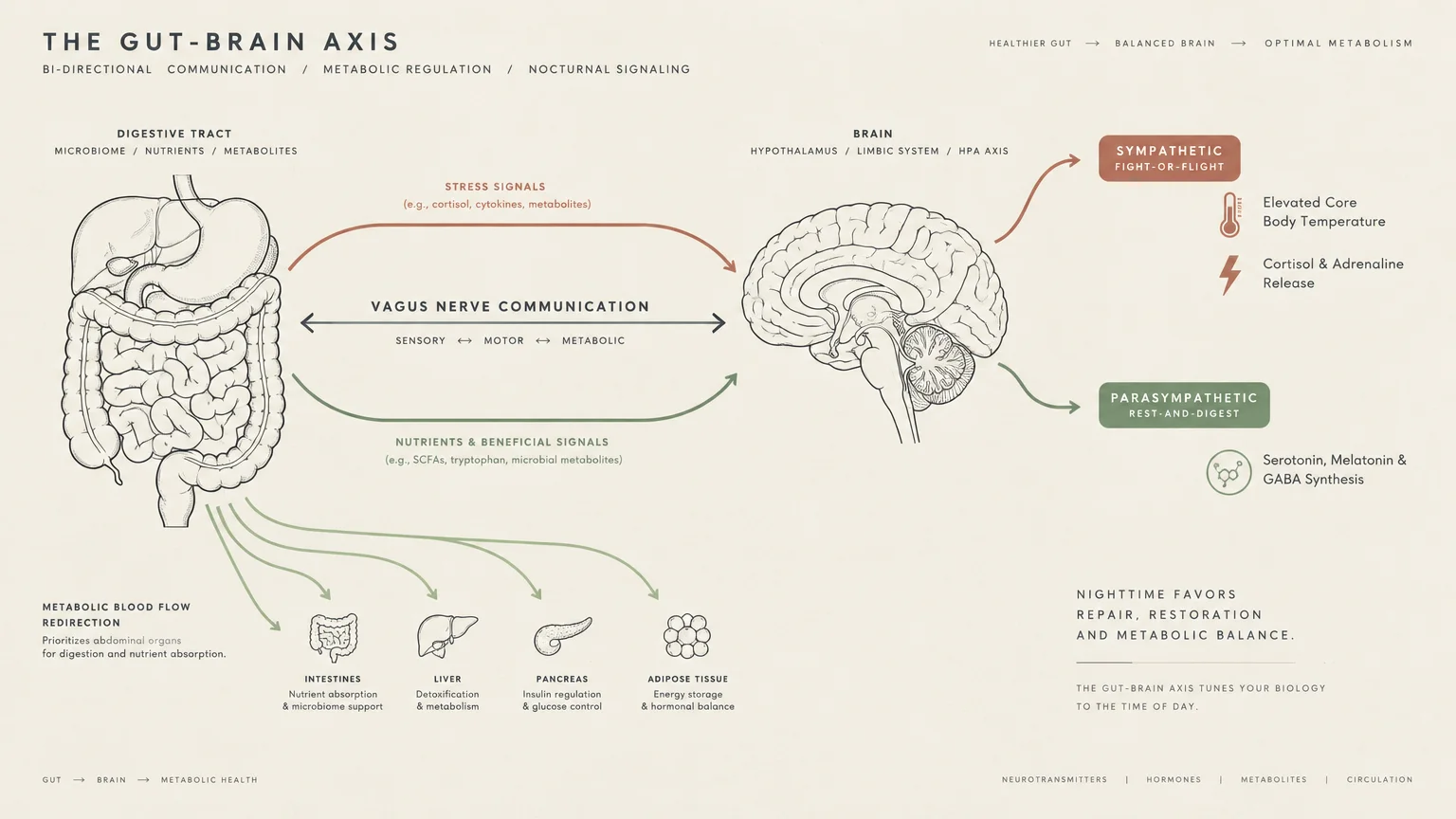
Your digestive tract and your central nervous system communicate continuously through the vagus nerve and bloodstream. The foods you eat supply biochemical building blocks that either support deep slumber or stimulate ongoing mental alertness.
Neurotransmitters such as serotonin, melatonin, and gamma-aminobutyric acid regulate your internal biological clock. While certain foods encourage the synthesis of these calming compounds, other dietary items trigger excitatory pathways that keep your mind vigilant.
Digestion also demands significant physical energy and shifts substantial blood flow toward your abdominal organs. When your stomach works hard to process complex foods, your internal metabolic furnace remains active late into the night.
A natural decline in core body temperature is essential to signal your brain that sleep should commence. Consuming dense meals shortly before bed prevents this cooling process, making it difficult to fall asleep quickly.
The autonomic nervous system must also transition into a parasympathetic state, often called rest and digest mode. Heavy or chemical-laden foods stimulate the sympathetic fight-or-flight branch instead, increasing nocturnal heart rate and muscle tension.
Nutrient breakdown also determines the stability of your blood glucose levels while you sleep. Rapid spikes followed by sudden drops prompt your adrenal system to release stress hormones like cortisol and adrenaline.
These stress hormones jar you awake, preventing you from completing continuous sleep cycles. Understanding this fundamental biological connection empowers you to choose evening meals that protect your rest.

Key Considerations for Older Adults
Aging changes how your body digests nutrients and manages restorative sleep cycles. After sixty, stomach acid secretion naturally declines, which noticeably slows your ability to break down proteins and fats.
Because food lingers in your digestive tract longer, nighttime fullness and bloating become far more common. When you lie down with food in your stomach, stomach acid easily migrates into your esophagus.
The lower esophageal sphincter also loses muscular tone over time, weakening the barrier between stomach and throat. This anatomical change makes seniors particularly vulnerable to nighttime acid reflux and persistent coughing fits.
Your sleep architecture shifts significantly as the decades pass. You naturally spend less time in deep, restorative slow-wave sleep and more time in lighter stages that are easily disrupted by digestive discomfort.
Kidney efficiency and bladder capacity also change with age, altering nighttime fluid management. Eating high-sodium meals or drinking diuretic beverages late in the evening forces you out of bed for repeated bathroom trips.
Furthermore, natural melatonin production decreases with age, making your sleep-wake schedule more fragile. Disruptive dietary ingredients can easily overwhelm your weakened natural sleep signals, leaving you awake for hours.
Many older adults also take prescription medications for cardiovascular health, joint discomfort, or blood sugar management. Certain foods interact with these medications or exacerbate gastrointestinal sensitivity, compounding your sleep challenges.
Recognizing these age-related vulnerabilities helps you tailor your dinner menu to support your current physiology. Thoughtful adjustments prevent unnecessary discomfort and protect your sleep quality.
7 Foods That Can Interfere With Sleep
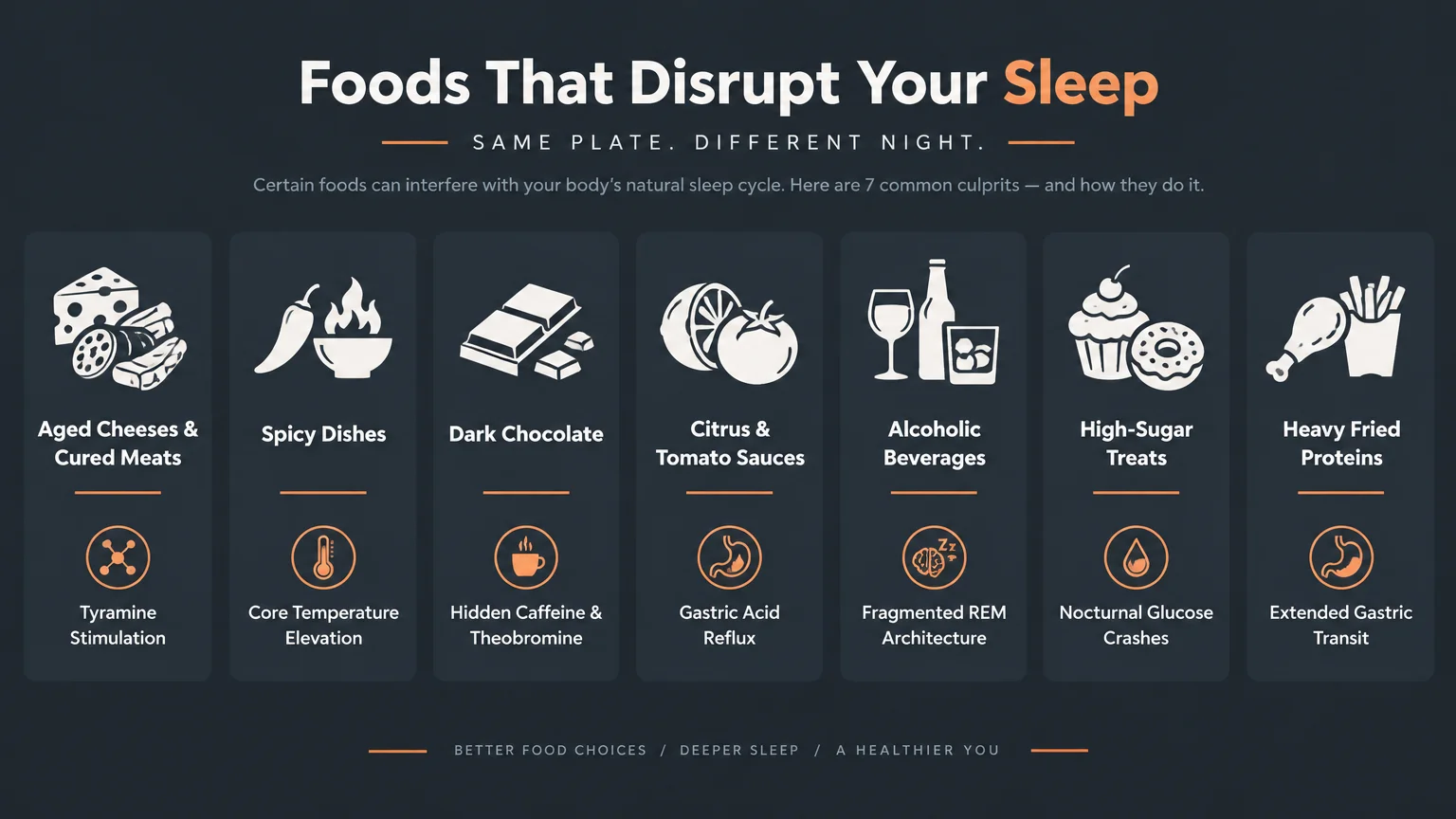
Selecting an ideal evening menu requires knowing which specific foods create nighttime physiological turbulence. The following seven foods frequently disrupt sleep by overstimulating your nervous system, straining digestion, or provoking painful reflux.
Caffeinated Beverages and Dark Chocolate
Caffeine stands as the most recognized sleep disruptor, yet many people underestimate how long it remains active. It works by blocking adenosine receptors in your brain, preventing the natural accumulation of sleep pressure.
Adenosine builds gradually during your waking hours to generate drowsiness by nightfall. When caffeine occupies those receptors, your brain remains artificially alert, even when your body desperately needs rest.
While coffee is an obvious culprit, caffeine hides in black tea, green tea, sodas, and energy drinks. Even specialty waters and protein bars sometimes contain added caffeine extracts that keep you awake.
Dark chocolate also presents a double threat to sound sleep because it contains both caffeine and theobromine. Theobromine increases heart rate and promotes mental alertness, making an evening chocolate dessert counterproductive.
The aging liver metabolizes caffeine much slower than a younger liver does. As a result, a caffeinated beverage enjoyed in the mid-afternoon can continue circulating in your system at bedtime.
This lingering stimulant flattens your sleep architecture, suppressing both deep slow-wave rest and rapid eye movement sleep. Even if you manage to fall asleep, your rest remains superficial and non-restorative.
Switch to naturally caffeine-free herbal teas such as chamomile, peppermint, or rooibos after midday. This simple adjustment ensures your brain can respond to natural tiredness when bedtime arrives.
Aged Cheeses and Cured Meats
Evening charcuterie boards featuring aged cheddar, gouda, salami, and prosciutto may seem like sophisticated snacks, but they actively undermine sleep. These foods accumulate substantial concentrations of tyramine as they age and ferment.
Tyramine is an amino acid that triggers your adrenal system to release norepinephrine into your bloodstream. Norepinephrine acts as a powerful central nervous system stimulant, raising your heart rate and boosting brain alertness.
Consuming tyramine shortly before bed essentially switches your brain into high gear when it should be powering down. This biochemical excitation can keep your thoughts racing and prevent you from drifting off.
The longer a protein-rich food ages, the higher its tyramine content climbs. Fermented sausages, blue cheese, parmesan, and smoked fish all carry heavy loads of this stimulating compound.
In addition to tyramine, cured meats contain heavy amounts of sodium and preservative nitrates. Excessive sodium dehydrates your cells and triggers intense nighttime thirst, waking you up repeatedly to seek water.
If you enjoy cheese in the evening, opt for fresh varieties like cottage cheese, ricotta, or fresh mozzarella. These unaged options contain negligible tyramine levels and provide calming calcium that supports sleep.
Save aged cheeses and cured meats for daytime gatherings where the stimulating effects will not interfere with your rest. Your cardiovascular system and your brain will remain far calmer at night.
Spicy Foods and Hot Peppers
Spicy dishes flavored with hot peppers, cayenne, chili powder, and pungent curries create multiple physiological obstacles to restorative sleep. Capsaicin, the chemical responsible for pepper heat, irritates the delicate mucous lining of your stomach.
This irritation frequently causes indigestion, abdominal cramping, and severe heartburn. When you lie flat, stomach acid flows backward into your esophagus, creating a burning sensation that prevents comfortable rest.
Capsaicin also influences your internal thermoregulation through a distinct metabolic reaction. It temporarily raises your core body temperature, working directly against the natural cooling process your brain requires to initiate slumber.
Research reveals that elevated core body temperature during the first hours of sleep significantly increases wakefulness. You spend more time tossing, turning, and sweating instead of entering deep slow-wave sleep.
Spicy meals can also trigger nighttime sinus congestion and throat irritation. Breathing difficulties force you to breathe through your mouth, which dries your airway and worsens snoring.
If you enjoy spicy culinary traditions, consume those dishes for lunch rather than dinner. This provides several hours for your stomach to process the capsaicin and for your body temperature to normalize.
For dinner, flavor your meals with soothing herbs such as rosemary, dill, thyme, and parsley. These fragrant seasonings provide fantastic flavor without inflaming your stomach or disrupting your temperature regulation.
High-Fat and Fried Foods
Fried chicken, french fries, fatty cuts of red meat, and heavy cream sauces impose an enormous digestive burden on your system. Dietary fats require extensive mechanical and chemical breakdown compared to other nutrients.
Fat slows gastric emptying, which means dense meals remain churning in your stomach for hours after you finish eating. This prolonged digestive activity keeps your internal metabolism working when your organs should be resting.
High-fat meals also stimulate the release of cholecystokinin, a digestive hormone that relaxes your lower esophageal sphincter. A relaxed valve permits acidic gastric juices to leak into your esophagus, provoking persistent heartburn.
Because fat digestion requires significant bile production from your liver and gallbladder, late-night rich meals can cause upper abdominal cramping. This dull ache keeps you in light, restless sleep stages.
Furthermore, heavy meals draw large volumes of blood toward your digestive tract for hours. This altered circulation pattern can leave your extremities cold and disrupt your general cardiovascular relaxation during sleep.
Select lean proteins like baked cod, skinless chicken breast, or lentils paired with steamed vegetables for dinner. These lighter meals digest smoothly and allow your body to dedicate its nighttime energy to cellular restoration.
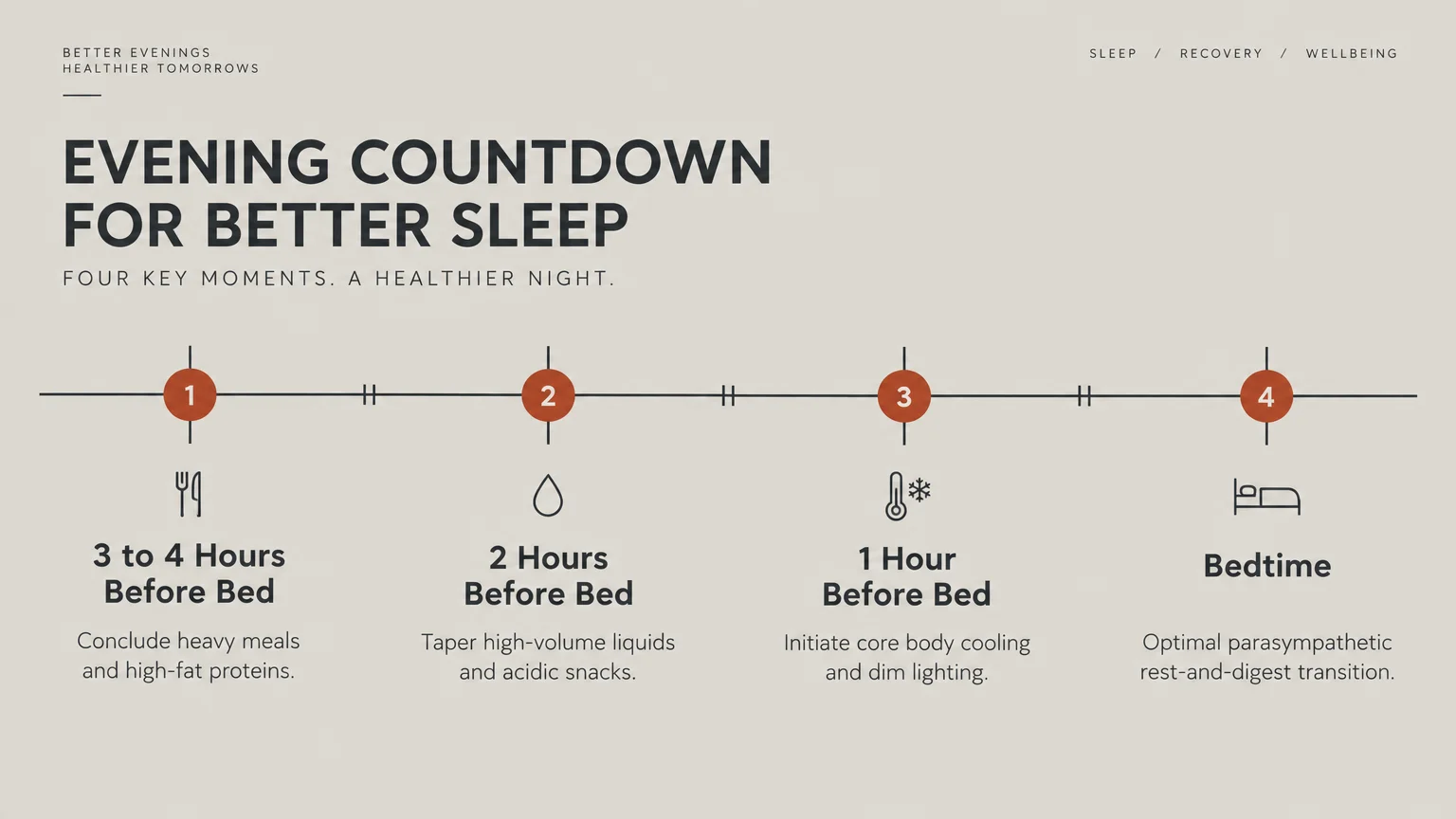
If you do indulge in a richer meal, finish eating at least four hours before heading to bed. This generous window allows your stomach to clear most of the fat before you lie flat.
Sugary Treats and Refined Carbohydrates
Eating cookies, ice cream, cakes, or white bread shortly before bed triggers an intense metabolic roller coaster. These refined carbohydrates break down rapidly into simple sugars, causing a sharp spike in your blood glucose.
In response to this glucose spike, your pancreas secretes a substantial surge of insulin to clear sugar from your bloodstream. This rapid hormonal response frequently causes your blood sugar to crash below baseline during the night.
Nocturnal hypoglycemia triggers an emergency survival response from your adrenal glands. Your body releases cortisol and adrenaline to stimulate the liver into releasing stored glucose back into circulation.
Adrenaline and cortisol are potent wakefulness hormones that immediately increase your heart rate and raise your blood pressure. You wake up suddenly, often feeling anxious, alert, or covered in a cold sweat.
Diets high in refined sugar also alter gut bacteria that produce sleep-supporting neurotransmitters like serotonin. Over time, chronic evening sugar consumption degrades your overall sleep architecture and shortens your deep sleep stages.
If you desire a sweet taste after dinner, enjoy a small cup of fresh blueberries or sliced kiwi. These fruits provide gentle natural sweetness alongside dietary fiber that slows sugar absorption and prevents nighttime glucose crashes.
Pairing a small portion of fruit with a few walnuts adds healthy fats and melatonin, stabilizing your blood sugar until morning. This mindful choice satisfies your palate while protecting your sleep continuity.
Acidic Citrus Fruits and Tomato Products
Oranges, grapefruits, lemons, marinara sauces, and tomato soups deliver exceptional nutrients, but their intense natural acidity poses nighttime problems. Highly acidic foods irritate the lining of your stomach and trigger excess gastric secretions.
When you recline to sleep, gravity can no longer keep those caustic juices safely settled in your stomach basin. Acid travels upward into your esophagus, causing painful burning sensations or insidious silent reflux.
Silent reflux occurs when acidic mist travels past your esophagus into your vocal cords and airway without causing obvious chest burning. It often manifests as a chronic nocturnal cough, throat tickle, or hoarseness.
You may wake up repeatedly to clear your throat without ever realizing that dinner caused the problem. This chronic irritation fragments your sleep architecture and prevents your brain from resting soundly.
Furthermore, acidic foods and juices can irritate your bladder wall, especially as you age. An irritated bladder contracts prematurely, forcing you out of bed to urinate multiple times throughout the night.
Relocate citrus fruits, tomato sauces, and vinaigrette dressings to daytime meals where your upright posture aids digestion. Your body can process the healthy nutrients efficiently without disturbing your nighttime rest.
For dinner, choose low-acid vegetables such as steamed zucchini, carrots, spinach, and sweet potatoes. These gentle options provide abundant vitamins and antioxidants without irritating your digestive lining or bladder.
Alcohol and Evening Nightcaps
Many people reach for a glass of wine or a nightcap believing it serves as an effective sleep aid. While alcohol acts as a sedative initially, it severely damages the quality of your rest.
Alcohol enhances GABA activity in the brain, which helps you fall asleep faster during the first half of the night. However, your liver quickly metabolizes the alcohol, triggering a sharp rebound stimulation.
This rebound effect fragments your sleep during the second half of the night, causing frequent awakenings and vivid dreams. You spend much less time in restorative rapid eye movement sleep, which is critical for memory.
Alcohol also relaxes the muscles of your throat and tongue, causing your upper airway to narrow significantly. This muscle relaxation intensifies snoring and dramatically worsens obstructive sleep apnea episodes.
Additionally, alcohol suppresses antidiuretic hormone secretion, which forces your kidneys to produce excessive urine. Waking up repeatedly to empty your bladder shatters your sleep continuity and leaves you dehydrated.
Older adults are especially vulnerable to these disruptive effects because their bodies contain less water to dilute alcohol. Even a modest drink produces higher blood alcohol concentrations and lingers longer in older systems.
Eliminate evening nightcaps and replace them with warm water with a slice of fresh cucumber or herbal infusions. You will wake up feeling truly refreshed, clear-headed, and energized for the day ahead.

Benefits and Potential Risks of Dietary Adjustments
Making strategic adjustments to your evening plate produces profound improvements in your overall health and well-being. Eliminating disruptive foods leads to deeper, uninterrupted sleep cycles that leave you feeling refreshed each morning.
Better sleep quality strengthens your immune system, sharpens your cognitive memory, and helps regulate blood pressure. You will also experience dramatic reductions in nighttime acid reflux, morning indigestion, and chronic daytime fatigue.
Reducing late-night stimulants and heavy meals also allows your heart rate to slow appropriately during slumber. This nocturnal cardiovascular dipping gives your blood vessels a vital window to rest and recover.
However, you must approach dietary changes thoughtfully to avoid potential health pitfalls. Overly restrictive evening eating can lead to inadequate calorie or protein intake, which threatens muscle mass in older adults.
Going to bed ravenously hungry can also stimulate cortisol production and prevent you from falling asleep. Severe hunger causes mental restlessness and midnight awakenings, producing the exact sleep disruption you sought to cure.
Eliminating entire food categories without suitable nutrient replacements can create vitamin and mineral deficiencies over time. For example, abruptly cutting out dairy without finding alternative calcium sources can undermine your bone density.
Balance remains the cornerstone of any sustainable health improvement. Focus on replacing disruptive ingredients with nutrient-dense, gentle alternatives rather than depriving your body of essential evening nourishment.
Listen closely to your body signals as you make these nutritional modifications. Gradual, deliberate improvements create lasting benefits without unnecessary physical stress or lifestyle deprivation.

What the Health Experts Recommend
Leading medical organizations consistently emphasize the undeniable link between dietary timing, food choices, and restorative sleep quality. Clinical researchers stress that meal composition directly impacts internal circadian clocks within peripheral organs.
According to research published by the National Institutes of Health, digestive organs follow distinct circadian rhythms that synchronize with your brain. Eating heavy or stimulating foods late at night desynchronizes these internal clocks, impairing metabolic efficiency and sleep depth.
Sleep specialists at the Mayo Clinic recommend finishing dinner at least three hours before lying down. They highlight that maintaining this digestive window reduces gastroesophageal reflux and prevents nocturnal gastrointestinal distress.
Public health guidelines from the Centers for Disease Control and Prevention designate sufficient sleep as a primary pillar of cardiovascular and metabolic wellness. Their experts urge older adults to maintain consistent meal times and moderate evening stimulant consumption.
The American Academy of Sleep Medicine also recommends limiting evening fluid intake, particularly beverages containing alcohol or caffeine. This simple behavioral modification significantly reduces sleep-disrupting nighttime bathroom visits.
Medical consensus suggests maintaining an honest dialogue with your physician regarding your sleep habits and diet. Your doctor can identify whether your sleep difficulties stem from food choices, prescription side effects, or a sleep disorder.
Relying on evidence-based medical guidance ensures that your dietary adjustments support your long-term health. Grounding your lifestyle changes in clinical science delivers the safest and most reliable path to better rest.
Practical Steps and Actionable Bedtime Strategies
Implementing meaningful lifestyle changes does not require drastic sacrifices or confusing rules. You can take immediate, practical steps starting tonight to optimize your evening plate for sound, restorative sleep.
Schedule your evening meal for at least three hours before your planned bedtime. This buffer ensures your stomach clears its contents, cooling your core body temperature and protecting your esophagus from reflux.
Transform lunch into your primary meal of the day, when your digestive fire is most capable. Keep your evening dinner light, balanced, and composed of soft, easily digested foods.
Establish a strict afternoon cutoff for all caffeinated drinks, ending coffee, tea, and soda consumption after lunch. This window allows your liver to clear stimulants before your brain begins preparing for rest.
Build a soothing evening beverage ritual by sipping warm chamomile, valerian root, or lemon balm tea after dinner. These botanical infusions gently calm your central nervous system without causing nocturnal fluid overload.
If you feel genuine hunger before bed, eat a tiny, sleep-supportive snack like half a banana or a tablespoon of pumpkin seeds. These foods offer magnesium and gentle carbohydrates that promote muscle relaxation without straining digestion.
Elevate the head of your bed by several inches if you experience persistent nighttime heartburn. Using a wedge pillow or bed risers uses gravity to keep stomach juices safely contained while you sleep.
Maintain a simple food and sleep journal for two weeks to identify personal dietary triggers. Note what you ate for dinner, the meal timing, and how rested you felt the following morning.
Review your medication schedule with your doctor or pharmacist to determine if any prescriptions disrupt sleep. Some blood pressure medications or diuretics work best when taken in the morning rather than the evening.
Make one gentle dietary adjustment at a time rather than changing your entire lifestyle overnight. Incremental changes are easier to sustain and allow you to see exactly which food swaps improve your rest.
Frequently Asked Questions About Diet and Sleep
How many hours before bed should I stop eating?
Most medical professionals recommend finishing your last meal two to three hours before sleeping. This pause gives your stomach sufficient time to break down food and move it into the small intestine.
By allowing digestion to finish before you lie down, you prevent acid reflux and keep your body temperature cool.
Can decaffeinated coffee still disrupt my sleep?
Decaffeinated coffee still contains small amounts of residual caffeine that can affect sensitive individuals. If your body metabolizes stimulants slowly, drinking several decaf cups in the evening can delay sleep onset.
Choose naturally caffeine-free herbal teas in the evening to eliminate any risk of accidental stimulation.
What should I eat if I wake up hungry in the middle of the night?
If nighttime hunger wakes you, choose a small snack with complex carbohydrates and protein, like two whole-grain crackers with cottage cheese. This light combination satisfies hunger without overwhelming your digestive organs.
Avoid sweet snacks or large portions that spike your blood sugar and trigger subsequent awakenings.
Why does acid reflux worsen when I lie down after dinner?
When you stand or sit upright, gravity keeps digestive acid and breaking food securely inside your stomach. When you lie flat, stomach acid flows unimpeded across your lower esophageal sphincter into your throat.
Waiting three hours after dinner before reclining prevents this backward flow and protects your delicate esophagus.
Does drinking warm milk actually help seniors fall asleep?
Warm milk contains tryptophan, an essential amino acid your brain uses to produce serotonin and melatonin. The soothing ritual of sipping a warm beverage also produces psychological relaxation that eases the transition to sleep.
However, skip warm milk if you have lactose intolerance, as digestive cramping will counteract any sleep benefits.
Can drinking water right before bed harm my sleep quality?
Drinking large quantities of water right before turning out the lights overfills your bladder during the night. You will likely wake up multiple times to use the bathroom, which breaks your restorative sleep cycles.
Hydrate consistently throughout the daytime hours, and limit fluid intake to small sips during the two hours before bed.
Taking Charge of Your Nighttime Rest
Achieving deep, rejuvenating sleep is not a matter of luck; it depends on the deliberate choices you make each day. The foods you consume in the evening directly shape your nighttime physiology and sleep quality.
By steering clear of stimulating, heavy, and acidic foods, you give your body the peaceful environment it needs to restore itself. Slower digestion and changing sleep patterns make these dietary adjustments especially valuable for adults over sixty.
Prioritizing light dinners, gentle herbs, and consistent meal timing allows you to wake up energized and clear-headed. Your cardiovascular health, cognitive memory, and daily vitality will reflect the benefits of sound, uninterrupted sleep.
Start by identifying one disruptive food on your current dinner plate and replacing it with a sleep-friendly alternative tonight. Small, mindful adjustments will quickly transform your evenings and restore the restful sleep you deserve.
Disclaimer: This article is intended for informational and educational purposes only and is not a substitute for professional medical advice, diagnosis, or treatment. Always consult with a qualified healthcare provider regarding any health concerns or before making any decisions related to your health or treatment.