Recognizing the early warning signs of low oxygen levels empowers you to protect your brain, heart, and mobility as you age. When your cells receive adequate oxygen, your energy remains stable and your cognitive focus stays sharp. However, age-related changes in lung elasticity and cardiovascular efficiency often compromise this vital delivery system. Ignoring subtle respiratory health concerns—like mild confusion or a rapid heart rate during light activities—can lead to severe complications. By understanding exactly how your body signals a deficit, you can seek timely medical intervention and explore targeted therapies. Learning to read these biological cues ensures you maintain independence, vitality, and overall physical resilience.
Understanding the Basics: The 9 Warning Signs of Low Oxygen
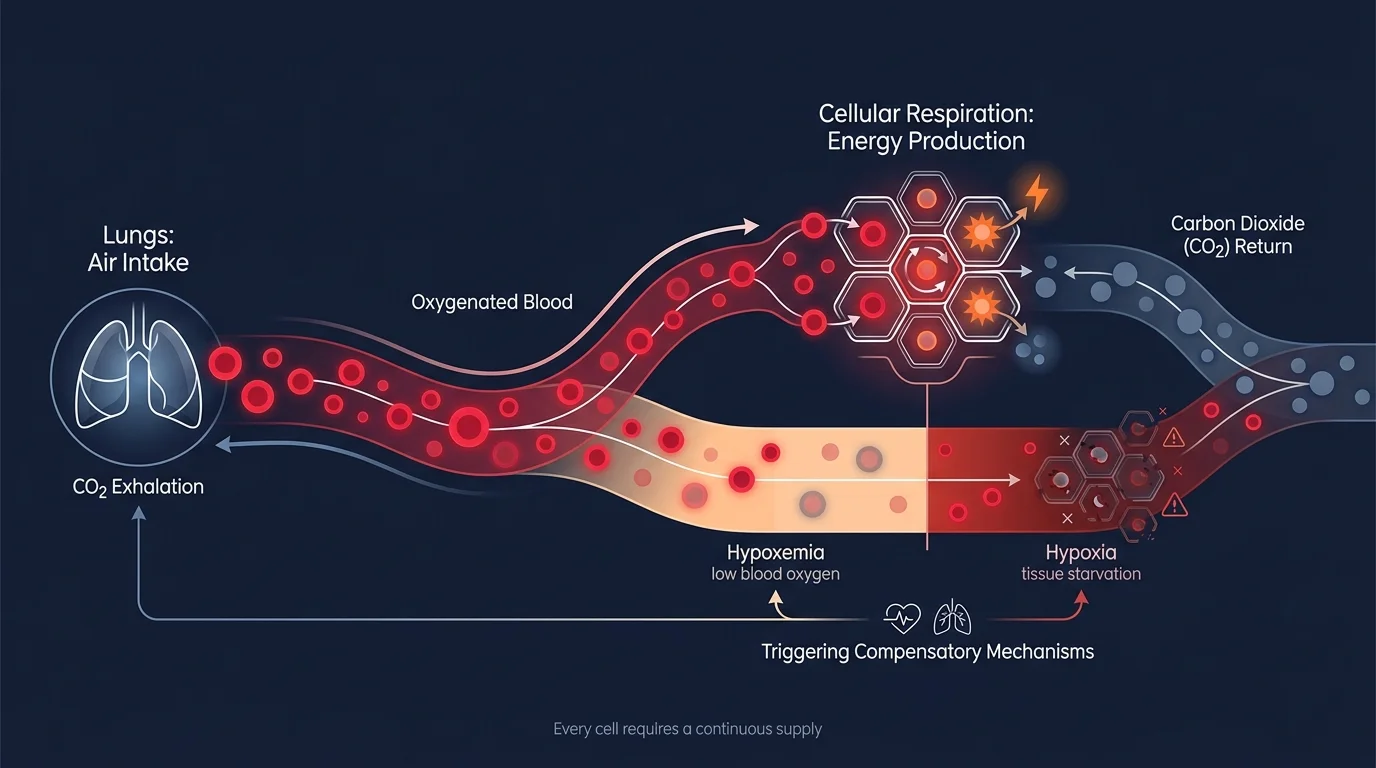
To fully grasp why oxygen support matters, you must first understand how your body relies on this essential element. Every single cell in your body requires a continuous supply of oxygen to produce energy, a process known as cellular respiration. When the level of oxygen in your blood falls below normal, a condition medically referred to as hypoxemia, your organs cannot function at their optimal capacity. Over time, persistent hypoxemia leads to hypoxia, where the actual tissues become oxygen-starved. Your body possesses highly sensitive receptors that monitor these levels. When a deficit occurs, your nervous system triggers a series of compensatory mechanisms designed to pull more air into your lungs and push more blood through your veins. Understanding these physiological alarms allows you to address the root cause before permanent damage occurs. Keep a close watch for the following nine signs that indicate your body is struggling to maintain adequate oxygen saturation.
Unexplained Shortness of Breath
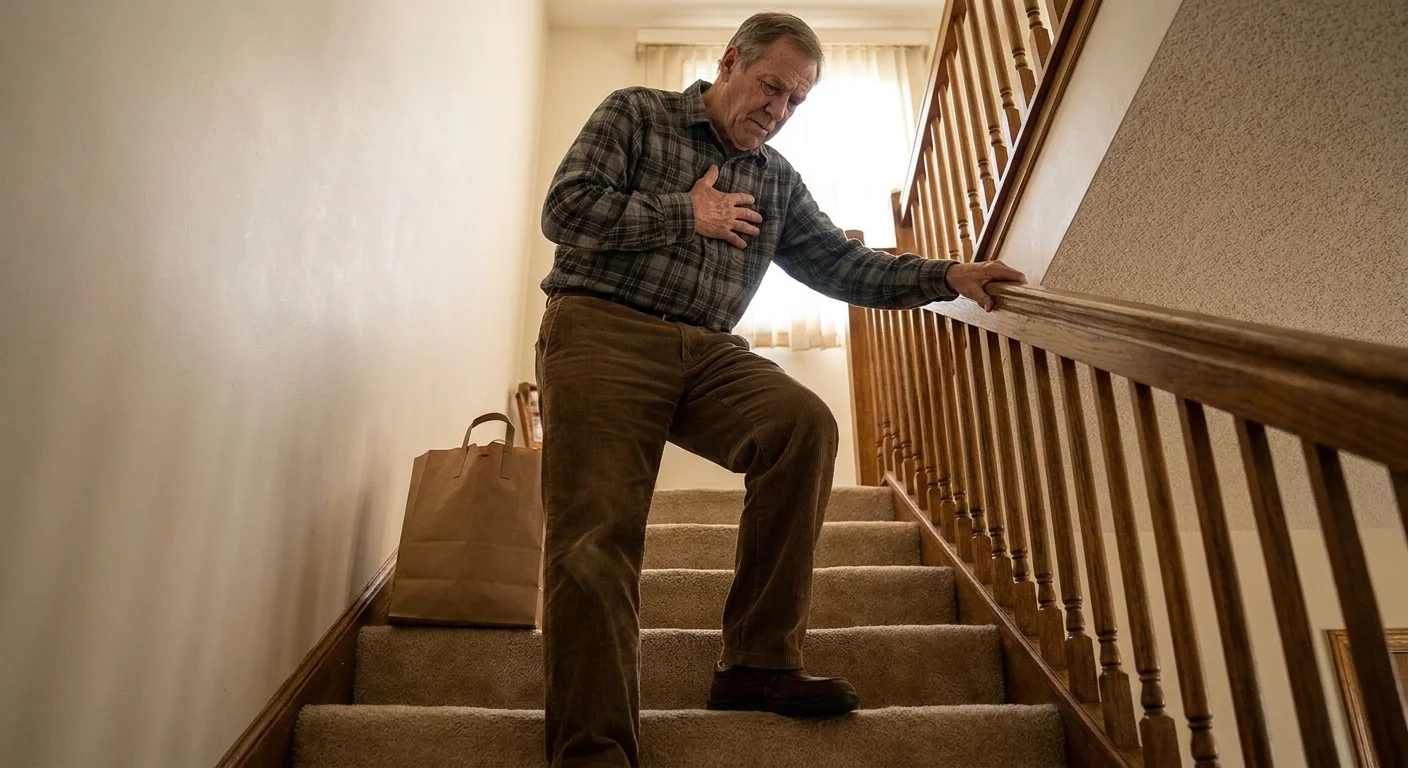
Experiencing sudden or gradual breathlessness during routine activities serves as one of the most direct oxygen level symptoms. You might find yourself panting heavily after simply walking down the hallway, carrying a small bag of groceries, or even sitting completely still. This sensation, medically known as dyspnea, occurs because your brain detects elevated carbon dioxide levels and lowered oxygen levels in your bloodstream. In response, your brain commands your respiratory muscles to work significantly harder to correct the imbalance. You should never dismiss persistent shortness of breath as a normal part of getting older; it remains a primary indicator that your cardiopulmonary system requires evaluation and potential support.
Persistent Fatigue and Weakness
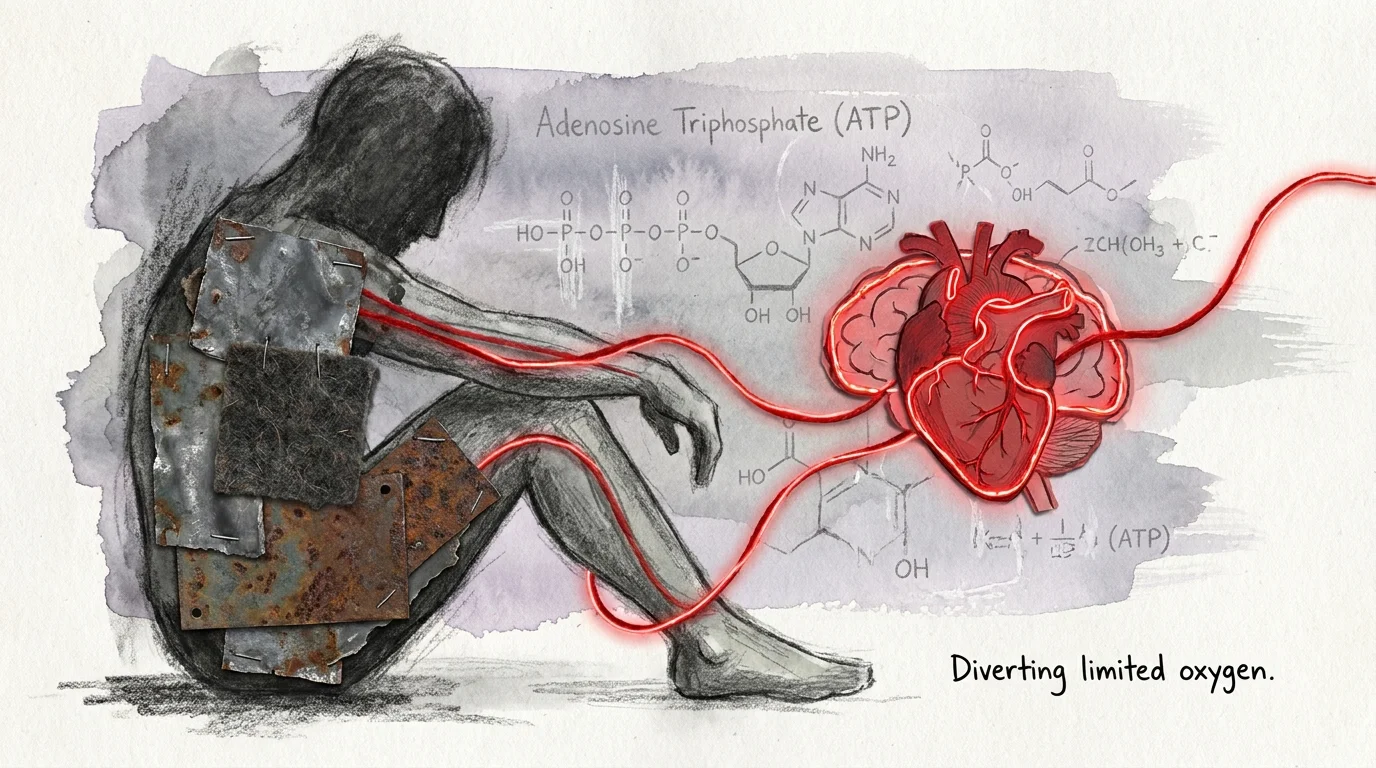
General tiredness happens to everyone, but the fatigue associated with low oxygen feels profoundly different. When your cells lack the oxygen required to generate adenosine triphosphate—the primary energy carrier in your body—you experience a heavy, inescapable exhaustion. You may wake up feeling completely drained despite getting a full night of sleep. Simple tasks like showering or getting dressed can feel like monumental undertakings. This profound weakness occurs because your body actively diverts the limited oxygen available away from your skeletal muscles and redirects it toward your most vital organs, such as your brain and heart. If your limbs frequently feel like lead and your stamina drops unexpectedly, your oxygen levels might be the culprit.
Cognitive Fog and Confusion
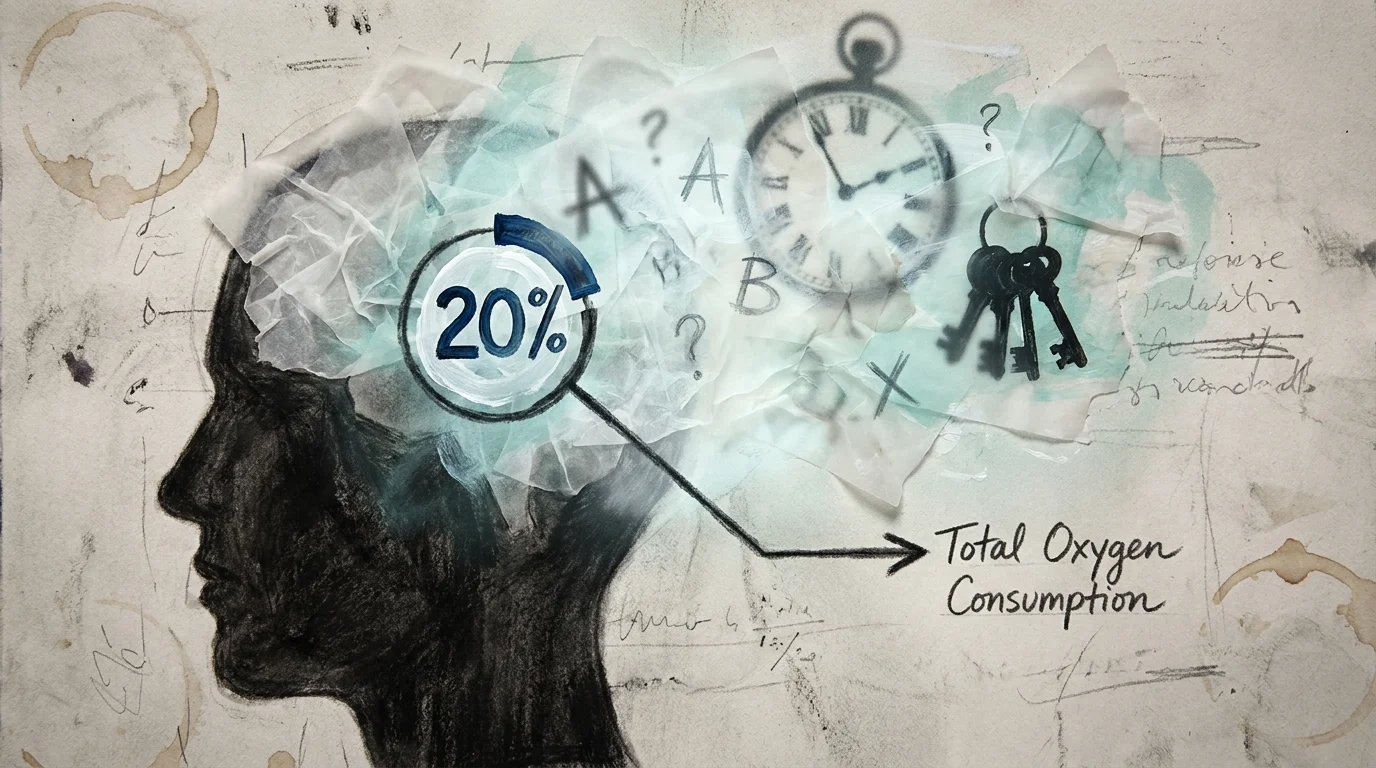
Your brain consumes roughly twenty percent of your body’s total oxygen supply, making it incredibly sensitive to even minor fluctuations in saturation. When oxygen levels dip, you may experience difficulty concentrating, memory lapses, or a generalized sense of mental fogginess. Family members might notice that you seem unusually disoriented, struggle to find the right words during conversations, or exhibit sudden changes in mood and personality. Because these cognitive changes mimic the early stages of dementia or age-related memory decline, healthcare providers and loved ones sometimes misinterpret them. Ensuring optimal oxygen delivery remains crucial for preserving your mental acuity and safeguarding your neurological health.

Rapid Heart Rate
Your heart and lungs operate as a closely partnered team. If your lungs fail to deliver enough oxygen to your bloodstream, your heart attempts to compensate by pumping faster. This rapid heart rate, known as tachycardia, represents an emergency response; your body is trying to distribute the diminished oxygen supply more rapidly to keep your tissues alive. You might feel your heart racing, fluttering, or pounding in your chest even when you are resting comfortably in a chair. Chronic tachycardia places an immense strain on your cardiovascular system, increasing your risk of arrhythmias and heart failure over time. Monitoring your resting heart rate provides valuable insight into your respiratory efficiency.

Chronic Morning Headaches
Waking up with a dull, throbbing headache several days a week often points directly to nighttime oxygen deprivation. During sleep, your breathing naturally slows down. If you suffer from underlying respiratory conditions or sleep apnea, your breathing may become so shallow or irregular that carbon dioxide builds up in your bloodstream. Elevated carbon dioxide causes the blood vessels in your brain to dilate, which creates pressure and results in a painful morning headache. These headaches typically fade after you have been awake and breathing normally for a few hours. Reporting this specific pattern to your doctor can expedite a proper diagnosis and lead to nighttime oxygen interventions.
Bluish Tint in Lips or Nails
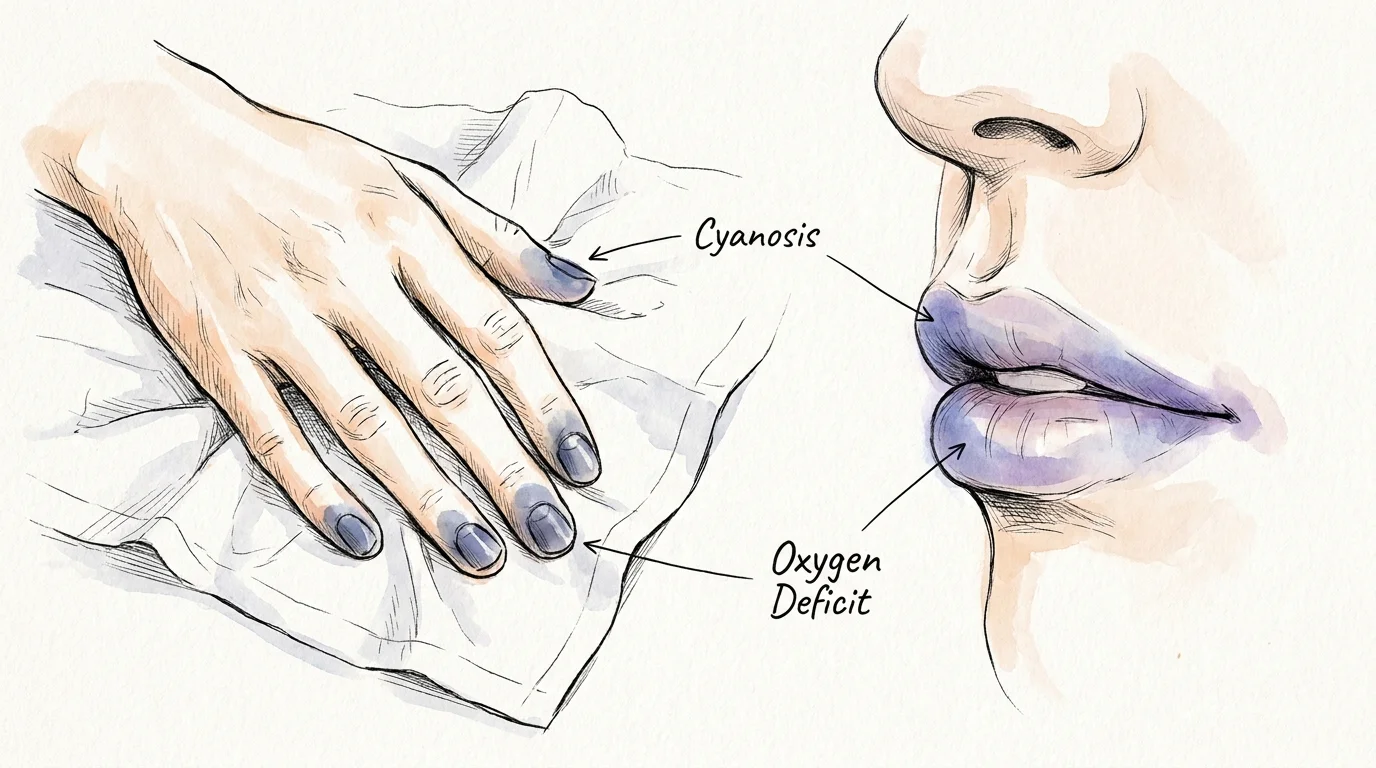
A bluish or purplish discoloration of your skin, lips, or fingernail beds serves as a severe and immediate warning sign of oxygen deprivation. This condition, called cyanosis, occurs when the hemoglobin in your red blood cells is entirely depleted of oxygen. Oxygen-rich blood appears bright red, giving healthy skin a pinkish undertone. Conversely, deoxygenated blood turns a dark bluish-red, which reflects through the skin as a blue tint. Cyanosis indicates a significant and potentially life-threatening drop in oxygen saturation. If you or a loved one ever observe this visual cue, you must seek emergency medical assistance without hesitation.

Restlessness and Insomnia
Struggling to fall asleep or frequently waking up in a state of agitation can also indicate compromised oxygen levels. When your blood oxygen drops dangerously low during the night, your brain initiates a primal survival reflex to wake you up so you will take a deep breath. You might wake up gasping, choking, or feeling a sudden surge of adrenaline. This constant interruption prevents you from reaching the deep, restorative stages of sleep, leaving you restless and agitated. Chronic sleep deprivation further weakens your immune system and exacerbates existing health issues, creating a dangerous cycle of poor health and respiratory distress.
Dizziness or Lightheadedness
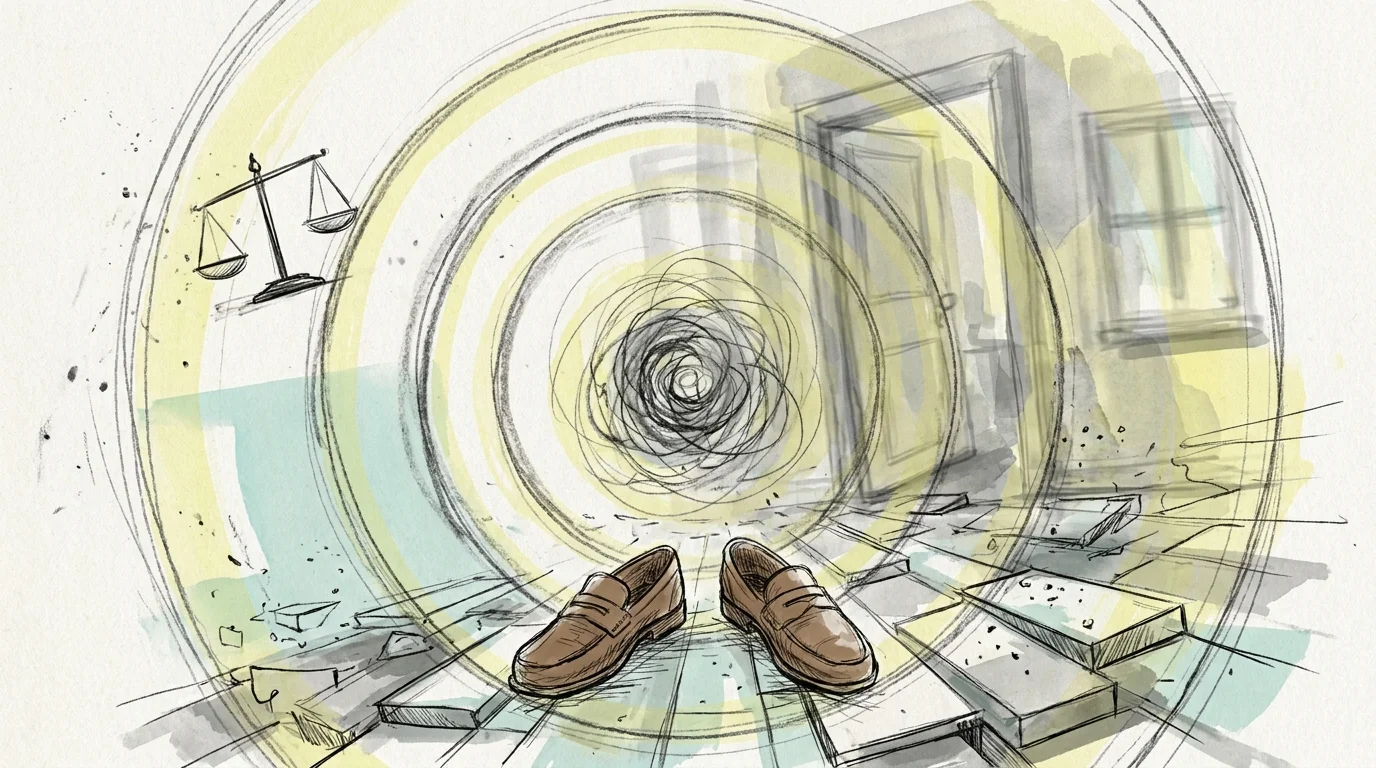
Feeling unsteady on your feet, dizzy, or on the verge of fainting suggests that your brain is not receiving the steady flow of oxygen it requires to maintain balance and spatial awareness. The vestibular system in your inner ear, which controls your sense of balance, relies heavily on continuous oxygenation. When oxygen levels plummet, you may experience a spinning sensation or sudden lightheadedness when standing up. For older adults, this symptom poses a severe risk of falls, bone fractures, and loss of independence. Addressing the underlying respiratory deficit helps stabilize your equilibrium and keeps you safely on your feet.

Fluid Retention in Ankles
Swelling in your lower extremities, particularly your ankles and feet, might seem unrelated to your lungs, but the connection remains deeply intertwined. Chronic low oxygen levels increase the pressure in the blood vessels inside your lungs. To push blood through these high-pressure vessels, the right side of your heart must work exceptionally hard. Over time, this strain can lead to right-sided heart failure, a condition known as cor pulmonale. When the right side of the heart fails to pump efficiently, blood backs up in the venous system, forcing fluid into the surrounding tissues of your legs. Unexplained swelling always warrants a comprehensive cardiovascular and pulmonary evaluation.

Key Considerations for Seniors
As you age, your body undergoes natural physiological changes that alter how you process and utilize oxygen. The muscles that assist in breathing, particularly the diaphragm, gradually lose their strength and mass. Furthermore, lung tissue naturally loses its youthful elasticity; the tiny air sacs called alveoli, where the actual exchange of oxygen and carbon dioxide takes place, can become enlarged and less efficient. These structural shifts mean that an older adult typically possesses a lower baseline lung capacity compared to a younger person. Because your respiratory margin of error narrows over the decades, you must remain hyper-vigilant about protecting your lung function.
Additionally, seniors frequently manage multiple overlapping health conditions, known as comorbidities, which complicate respiratory health. You might be dealing with mild heart disease, arthritis that limits your physical activity, or chronic obstructive pulmonary disease. When you combine reduced cardiovascular pumping efficiency with diminished lung capacity, your entire oxygen delivery network becomes highly vulnerable to stress. A minor respiratory infection that a young person might easily brush off can severely drop an older adult’s oxygen saturation, necessitating immediate medical intervention. Understanding this heightened vulnerability empowers you to act swiftly when symptoms arise.
Another major consideration involves the subjective perception of aging. Many seniors mistakenly attribute breathlessness, fatigue, and mental fog simply to getting older. This dangerous misconception delays critical medical care. While you cannot stop the clock, profound exhaustion and gasping for air are never normal or acceptable aspects of aging. You must actively advocate for your health by tracking your symptoms and presenting them clearly to your healthcare team. Differentiating between normal age-related slowing down and pathological oxygen deprivation ensures you receive the therapies necessary to maintain a high quality of life.
Benefits and Potential Risks
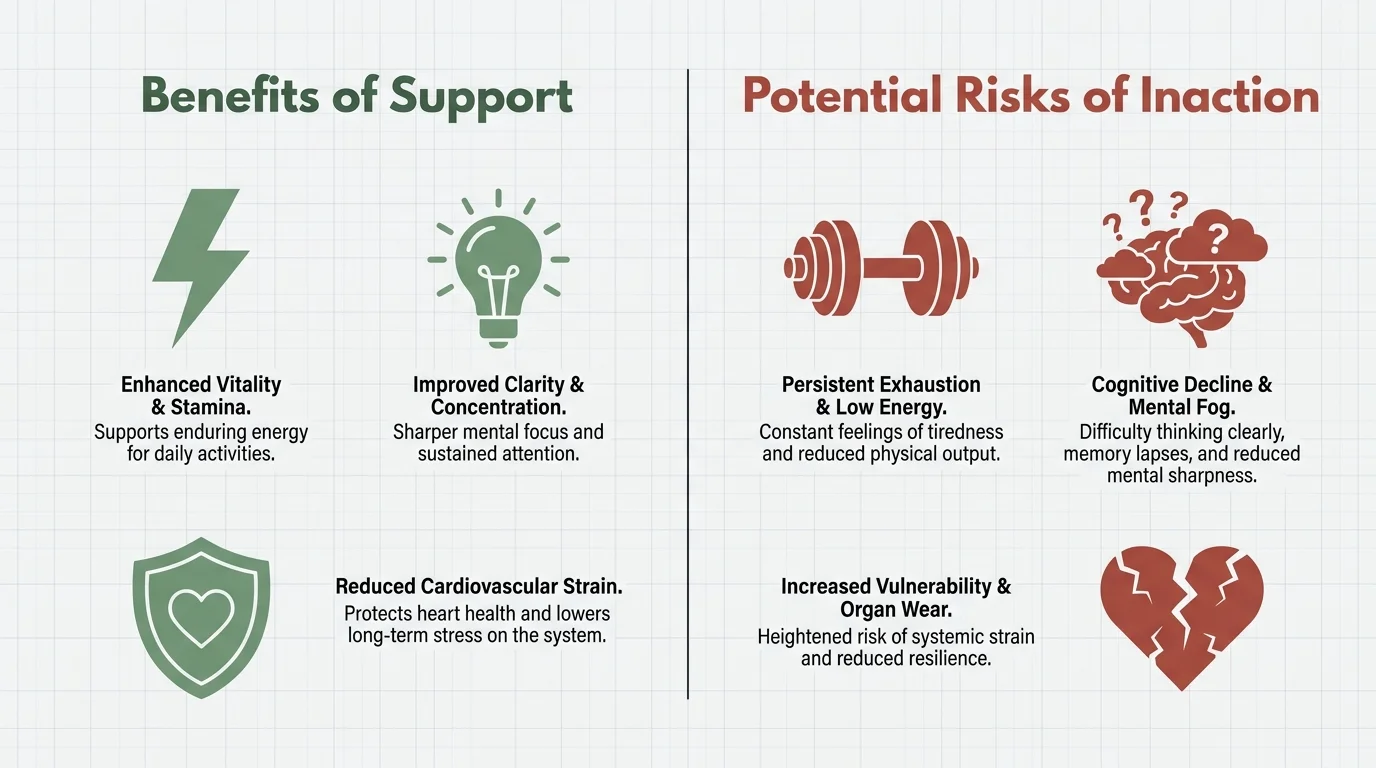
Recognizing the signs of low oxygen and seeking targeted support offers life-changing benefits for your overall well-being. Proper oxygen therapy or pulmonary rehabilitation significantly improves your physical stamina, allowing you to walk further, engage in hobbies, and participate in family events without crippling fatigue. Elevating your blood oxygen to healthy levels also protects your cognitive function, clearing away mental fog and improving your mood. Furthermore, maintaining adequate oxygenation reduces the workload on your heart, which lowers your risk of developing heart failure or experiencing dangerous cardiac arrhythmias. For many seniors, adequate respiratory support is the key to preserving independence and avoiding institutionalized care.
Despite these profound benefits, you must also understand the potential risks associated with supplemental oxygen use and respiratory interventions. Oxygen is classified as a prescription medication, meaning you should never self-medicate or borrow equipment without medical supervision. Delivering too much oxygen into your system can lead to oxygen toxicity, a dangerous condition that damages lung tissue and suppresses your natural drive to breathe. This risk proves especially high for individuals living with certain types of chronic obstructive pulmonary disease, as their bodies rely on specific carbon dioxide levels to regulate respiration.
There are also practical and physical risks associated with the equipment used for oxygen support. Long tubing poses a significant tripping hazard in the home, increasing the risk of falls for individuals with mobility issues. Furthermore, concentrated oxygen accelerates combustion, creating a severe fire hazard. You must never smoke, use open flames, or operate spark-producing appliances near an oxygen concentrator or tank. Additionally, continuous use of nasal cannulas can lead to dry, irritated, or bleeding nasal passages. By working closely with your healthcare provider and respiratory therapist, you can effectively manage these risks while reaping the vast benefits of restored oxygen levels.

What the Experts Say
Leading health organizations consistently emphasize the importance of monitoring blood oxygen levels, particularly for older adults with underlying health conditions. The National Institutes of Health stresses that chronic hypoxemia significantly accelerates physical decline and increases mortality rates among seniors. Their clinical guidelines recommend that individuals experiencing persistent shortness of breath undergo comprehensive pulmonary function testing. These tests provide objective data regarding lung capacity and gas exchange efficiency, allowing physicians to craft highly personalized treatment plans before symptoms become unmanageable.
According to experts at the Mayo Clinic, a normal blood oxygen saturation level typically ranges between 95 and 100 percent. However, they note that individuals with chronic lung diseases may have a lower target range deemed acceptable by their physician. The Mayo Clinic strongly advises patients to seek emergency care if their oxygen saturation consistently drops below 92 percent or if they experience sudden, severe breathlessness accompanied by chest pain. Their research highlights that early intervention with supplemental oxygen or non-invasive ventilation devices can dramatically reduce hospital readmission rates for respiratory distress.
Furthermore, global health authorities like the World Health Organization continually campaign for better awareness of chronic respiratory diseases. They highlight that indoor air pollution, a history of tobacco use, and occupational exposure to dust or chemicals remain primary drivers of lung dysfunction. The consensus among these major medical institutions is clear: proactive monitoring, aggressive lifestyle modifications, and timely medical intervention represent the most effective strategies for managing oxygen deficits. You should view your respiratory health as a dynamic system that requires active, daily management rather than passive acceptance of decline.

Practical Steps and Actionable Advice
Taking control of your respiratory health begins with gathering accurate data about your body’s performance. Consider purchasing a reliable pulse oximeter from your local pharmacy or medical supply store. This small, non-invasive device clips onto your fingertip and measures your heart rate and oxygen saturation within seconds. Check your levels at different times of the day—such as when you wake up, after walking around the house, and before bed. Keep a written log of these readings along with any symptoms you experience. Sharing this detailed record with your physician provides an invaluable baseline and helps them identify dangerous fluctuations that might otherwise go unnoticed.
Incorporate targeted breathing exercises into your daily routine to maximize your existing lung capacity. Pursed-lip breathing serves as an incredibly effective technique for controlling shortness of breath and increasing the amount of oxygen that reaches your bloodstream. To practice this, breathe in deeply through your nose for two seconds, then pucker your lips as if you are about to blow out a candle. Exhale slowly and gently through your pursed lips for four seconds. This technique creates a slight back-pressure in your airways, keeping your air sacs open longer and facilitating better gas exchange. Practice this exercise daily until it becomes your natural response to physical exertion.
Optimize your home environment to support clean, effortless breathing. Poor indoor air quality acts as a constant irritant to your delicate lung tissues, exacerbating inflammation and restricting airflow. Invest in a high-quality HEPA air purifier for your bedroom and primary living spaces to filter out dust, pet dander, and airborne allergens. Ensure your home remains properly ventilated, and consider using a humidifier during dry winter months to prevent your nasal passages and airways from drying out. Avoid strong chemical cleaning products, synthetic air fresheners, and entirely eliminate exposure to secondhand smoke in your living environment.
Engage in appropriate, physician-approved physical activity to build your cardiovascular endurance. While it might seem counterintuitive to exercise when you feel short of breath, a sedentary lifestyle actually causes your respiratory muscles to atrophy rapidly. Gentle aerobic activities, such as water aerobics, stationary cycling, or walking on a level surface, force your heart and lungs to work efficiently. As your physical conditioning improves, your body becomes more adept at extracting and utilizing the oxygen circulating in your blood. Always start slowly, listen to your body’s signals, and stop immediately if you feel dizzy or experience chest pain.
Finally, initiate a direct conversation with your primary care physician about your respiratory concerns. Do not wait for your annual check-up if you are experiencing the warning signs discussed earlier. Ask your doctor specific questions: “Would I benefit from a formal pulmonary function test?” or “Should I be evaluated for sleep apnea?” If your doctor determines that you need supplemental oxygen, work closely with a respiratory therapist to understand how to operate the equipment safely and comfortably. By taking these proactive, practical steps, you build a robust defense against cellular oxygen deprivation.
Frequently Asked Questions
Can dehydration affect my oxygen levels?
Yes, chronic dehydration significantly impacts your cardiovascular efficiency and oxygen delivery. Blood consists largely of water; when you become dehydrated, your blood volume decreases and becomes thicker. This increased viscosity forces your heart to work harder to pump blood through your vessels, thereby slowing the delivery of oxygen to your peripheral tissues. Maintaining proper daily hydration ensures your blood flows smoothly, optimizing the transport of oxygen from your lungs to your cells.
What is a normal pulse oximeter reading for seniors?
For most healthy older adults, a normal pulse oximeter reading falls between 95 and 100 percent. However, if you live with chronic obstructive pulmonary disease or other chronic respiratory conditions, your physician might establish a personalized baseline, sometimes between 88 and 92 percent. You should ask your doctor to define your specific healthy range. Any sudden drop below your established normal baseline warrants immediate medical evaluation.
Is shortness of breath always a sign of low oxygen?
While shortness of breath frequently indicates low oxygen, it can also stem from other medical issues. Anxiety, panic attacks, severe anemia, and sudden drops in blood pressure can all create a sensation of breathlessness without necessarily causing your blood oxygen saturation to plummet. However, because shortness of breath can indicate life-threatening cardiac or pulmonary events, you must always treat it as a serious symptom and consult a healthcare professional to identify the exact cause.
Can I increase my oxygen levels naturally?
You can optimize your body’s ability to process oxygen naturally by implementing specific lifestyle habits. Quitting smoking remains the single most impactful action you can take. Engaging in regular cardiovascular exercise strengthens your heart and respiratory muscles. Practicing diaphragmatic breathing and maintaining good posture helps fully expand your chest cavity. Eating an iron-rich diet also ensures you have enough hemoglobin to transport the oxygen. However, these natural methods cannot replace prescribed oxygen therapy if you suffer from severe clinical hypoxemia.
When should I visit the emergency room for breathing issues?
You should seek immediate emergency medical care if you experience sudden, severe shortness of breath that does not improve with rest. Other critical emergency indicators include a bluish tint to your lips or fingernails, chest pain or pressure, coughing up pink or frothy sputum, and a sudden onset of severe confusion or inability to stay awake. Do not attempt to drive yourself to the hospital; call for emergency medical services immediately so treatment can begin en route.
Conclusion
Safeguarding your respiratory health requires vigilance, knowledge, and a willingness to advocate for your own well-being. The nine warning signs discussed—ranging from unexplained fatigue and cognitive fog to a rapid heart rate and morning headaches—serve as critical biological alarms. Your body uses these symptoms to communicate that its fundamental need for cellular fuel is not being met. By recognizing these subtle and severe cues, you can intervene early, utilizing the diagnostic tools and therapies available to restore your vitality. Never accept persistent breathlessness or exhaustion as an inevitable consequence of aging; instead, take proactive control of your pulmonary health.
Equipping yourself with a simple pulse oximeter, practicing focused breathing exercises, and maintaining an open dialogue with your healthcare provider creates a strong foundation for long-term wellness. Breathing easy should not be a luxury; it is the fundamental right of your physical body. When you support your body’s demand for oxygen, you invest directly in your longevity, your mental clarity, and your physical independence.
This article is intended for informational and educational purposes only and is not a substitute for professional medical advice, diagnosis, or treatment. Always consult with a qualified healthcare provider regarding any health concerns or before making any decisions related to your health or treatment.