

Recognizing the early warning signs of physical decline empowers you to maintain your independence and prevent debilitating falls before they happen. Your ability to move freely directly impacts your physical health, mental well-being, and overall quality of life as you navigate your later years. While you might dismiss occasional stiffness or a slightly slower pace as a natural progression of time, certain shifts in how you walk, stand, or balance require immediate medical attention. Catching these shifts early allows doctors to intervene with targeted physical therapy, medication adjustments, or simple home modifications. When you pay close attention to your daily movement patterns, you proactively protect your long-term autonomy and ensure you can continue enjoying your favorite activities safely.
Understanding the Basics
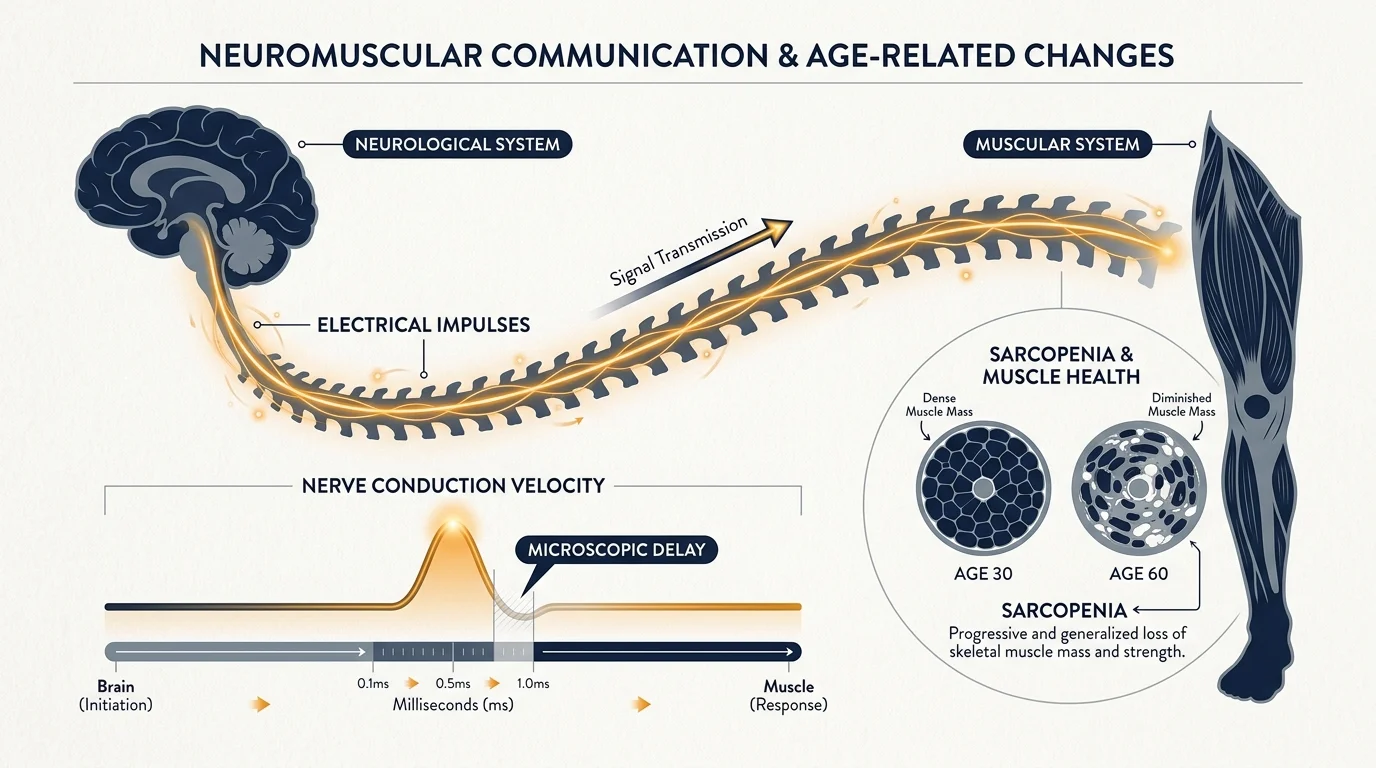
Human mobility relies on a highly complex and synchronized network of bodily systems working in perfect harmony. Your brain, spinal cord, nerves, muscles, bones, and joints must communicate instantly to execute even the simplest movements. When you reach for a cup of coffee or rise from a chair, your neurological system sends rapid electrical impulses to your muscular system, while your vestibular system—located deep inside your inner ear—continuously calibrates your spatial awareness to keep you upright. As you grow older, natural physiological shifts alter how efficiently these systems interact with one another. Addressing mobility issues in seniors begins with understanding exactly how these internal communication networks change over time.
Aging and mobility are deeply interconnected due to a biological process known as sarcopenia, which is the age-related loss of skeletal muscle mass and strength. Sarcopenia often begins in your thirties but accelerates significantly after the age of sixty, stripping away the critical muscular support that keeps your joints stable and your movements fluid. Concurrently, your nervous system experiences a gradual decrease in nerve conduction velocity, meaning the signals traveling between your brain and your limbs take slightly longer to arrive. This microscopic delay impacts your reaction time, making it much harder to catch yourself if you stumble or lose your footing on uneven terrain.
Mobility extends far beyond the simple act of walking from one room to another; it encompasses your ability to seamlessly change physical positions, maintain a steady center of gravity, and navigate a world filled with obstacles. Healthy mobility allows you to safely transfer out of a bathtub, reach high shelves without swaying, and quickly pivot when a pet unexpectedly crosses your path. When you begin noticing senior movement changes, you are essentially witnessing early disruptions in your body’s musculoskeletal or neurological networks. Treating these shifts as vital communication from your body rather than inevitable symptoms of old age allows you to take decisive, corrective action.
Recognizing these subtle alterations early provides a distinct medical advantage. Doctors and physical therapists possess an extensive array of diagnostic tools and therapeutic interventions that can halt or even reverse functional decline. Through targeted strength conditioning, balance recalibration exercises, and joint support strategies, healthcare providers help older adults rebuild their physical resilience. You do not have to accept a shrinking world or a loss of autonomy; by deeply understanding the mechanics of your own movement, you position yourself to live actively, securely, and confidently.
Key Considerations for Seniors
As you monitor your physical health, you must differentiate between benign soreness from a busy afternoon and structural changes that compromise your safety. Ignoring subtle shifts in how your body navigates physical space significantly increases your vulnerability to severe injuries. The following seven mobility changes serve as critical indicators that your body requires immediate professional assessment and targeted intervention.
1. Struggling to Stand Up from a Seated Position
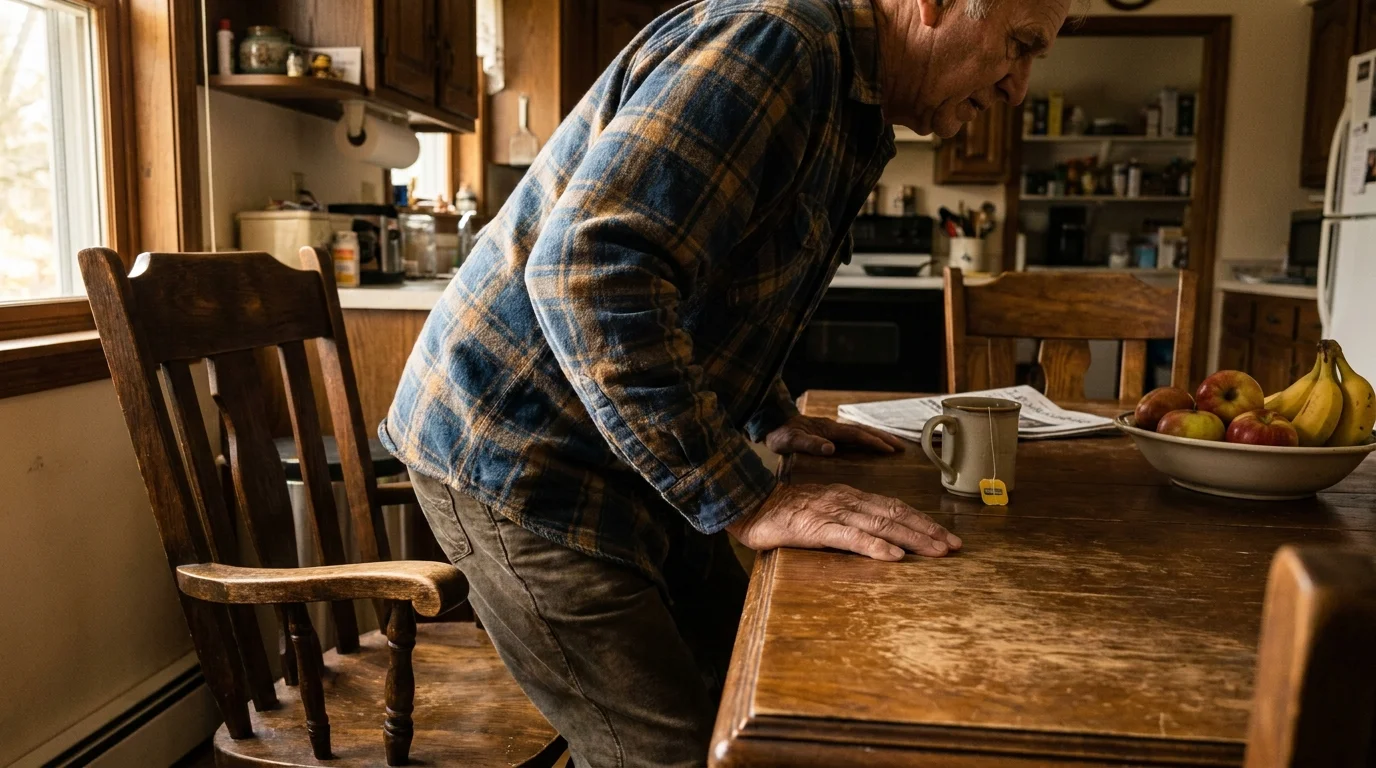
Rising from a low chair or a soft sofa should require minimal effort from your upper body. If you find yourself consistently relying on your hands, armrests, or surrounding furniture to push your weight upward, you are demonstrating a significant loss of lower-body functional strength. The quadriceps and gluteal muscles serve as the primary engines for this vertical propulsion. When these specific muscle groups weaken due to inactivity or age-related atrophy, standing becomes a laborious, unsteady task. This difficulty—often referred to as a poor sit-to-stand transition—is one of the most reliable predictors of future fall risk. Physicians view the inability to stand up smoothly without upper-body assistance as a major red flag that warrants an immediate strength-building protocol.
2. Adopting a Shuffling Walk or Altered Gait
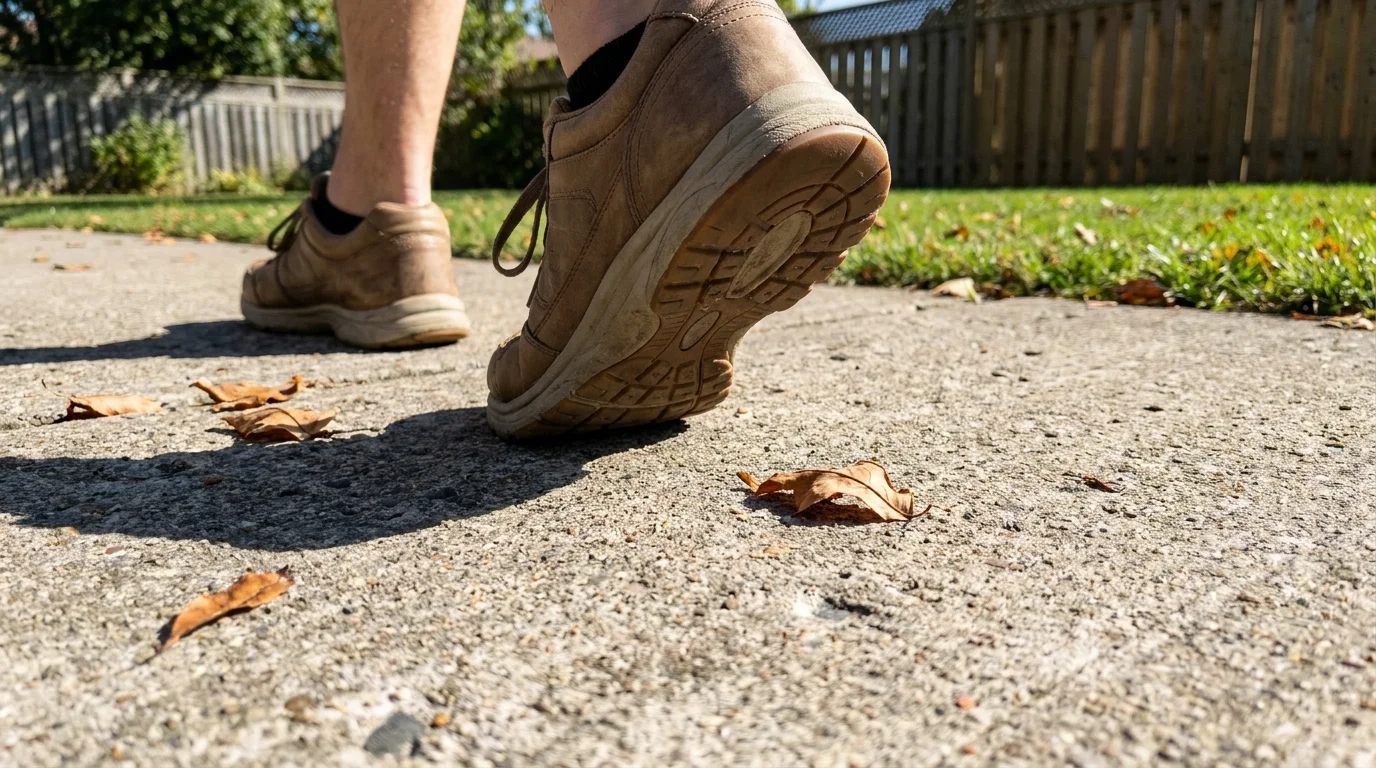
A healthy walking pattern, or gait, involves a clear heel-to-toe strike with adequate foot clearance above the ground. If you or your loved ones notice a transition toward a shuffling walk—where the feet barely lift off the floor—you must take this change seriously. Shuffling often develops as a subconscious compensation strategy; the brain senses instability and attempts to keep both feet in contact with the ground for as long as possible to prevent a fall. However, this altered gait dramatically increases the likelihood of tripping over minor floor transitions, such as area rugs, door thresholds, or uneven sidewalks. Shuffling can also indicate underlying neurological conditions, nerve damage in the extremities, or severe joint deterioration that requires prompt medical diagnosis.
3. Sudden or Unexplained Loss of Balance
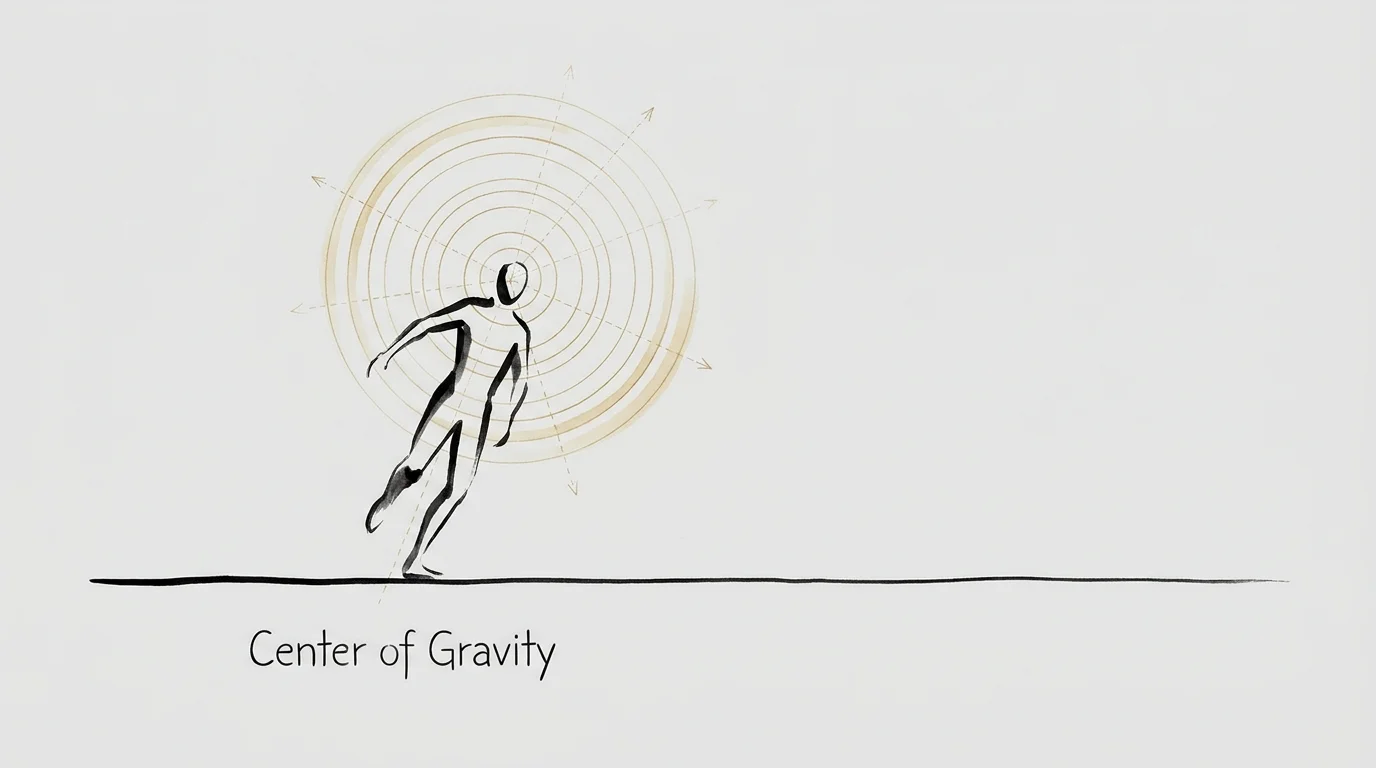
Maintaining equilibrium requires precise coordination between your visual input, your inner ear, and the sensory receptors located throughout your joints and muscles. Unexplained episodes of dizziness, swaying when standing still, or feeling unsteady when turning your head quickly are crucial balance and mobility warning signs. These sensations often stem from vestibular disorders, blood pressure fluctuations upon standing, or side effects from newly prescribed medications. Because a sudden loss of balance provides almost no time to react, it frequently results in immediate and dangerous falls. You must report any feelings of vertigo or spatial disorientation to your doctor, as these symptoms rarely resolve on their own and directly threaten your daily safety.
4. Chronic Stiffness in Weight-Bearing Joints
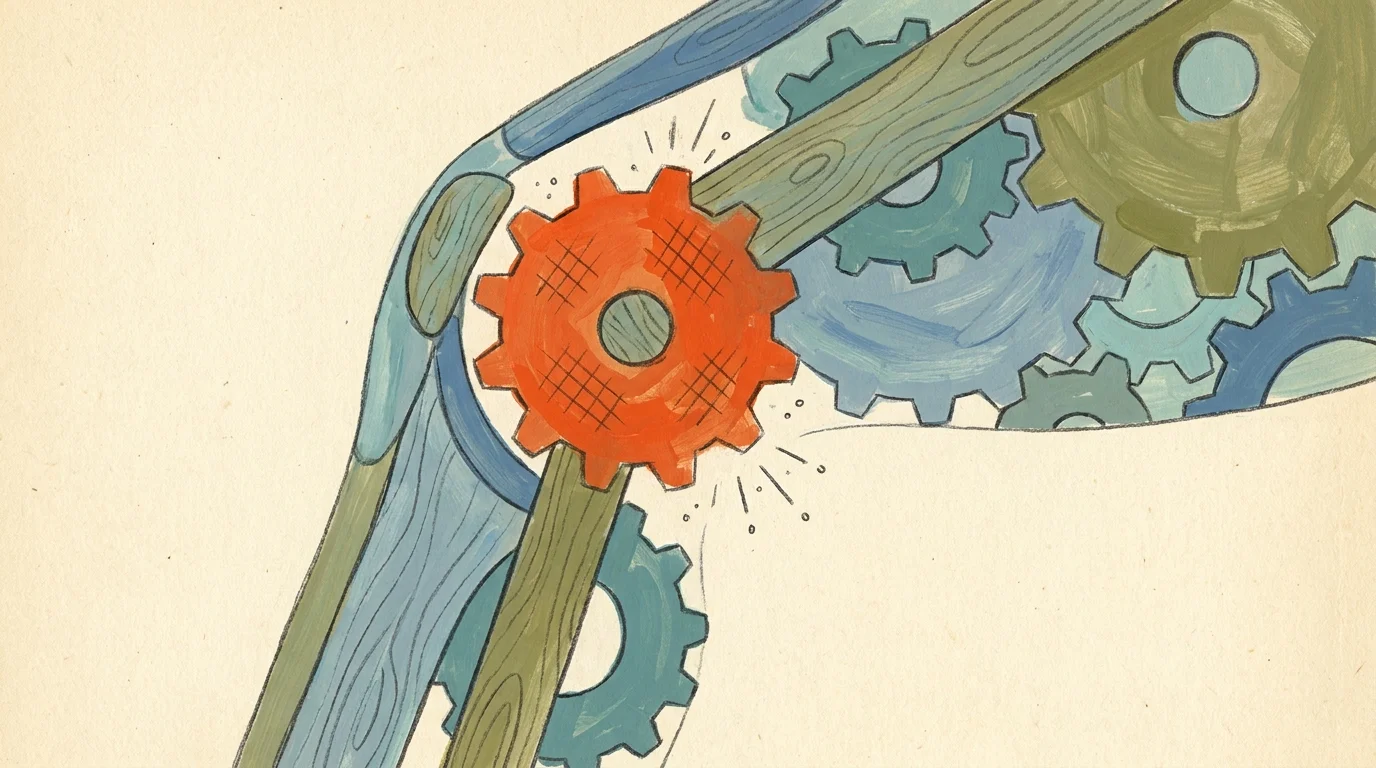
While experiencing mild stiffness upon waking is a common phenomenon, severe or chronic rigidity in your knees, hips, or ankles severely restricts your mechanical range of motion. Joint movement concerns frequently stem from osteoarthritis, a condition where the protective cartilage cushioning the ends of your bones gradually wears away. When this protective layer degrades, the resulting bone-on-bone friction causes intense inflammation, pain, and structural immobility. Chronic joint pain creates a dangerous cycle: the pain discourages physical activity, the resulting inactivity leads to profound muscle weakness, and the weakened muscles leave the affected joints even more vulnerable to damage. Early intervention with anti-inflammatory protocols and joint-specific physical therapy can break this destructive cycle.
5. Struggling to Navigate Stairs Smoothly
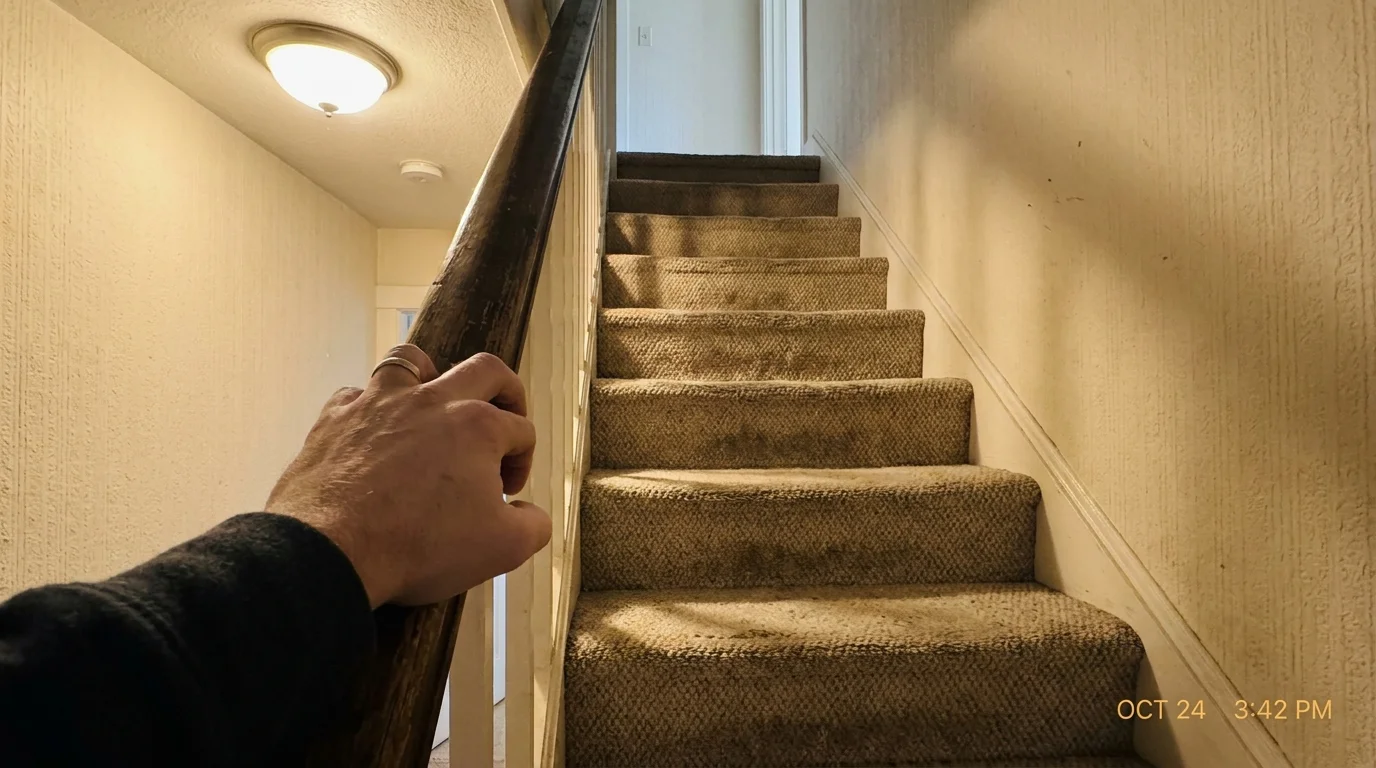
Climbing and descending stairs demands immense muscular strength, exceptional joint stability, and precise depth perception. If you begin dreading staircases, gripping the handrail with intense force, or taking stairs one step at a time by constantly leading with your stronger leg, your mobility is demonstrably declining. Descending stairs often presents a greater challenge than climbing because it requires eccentric muscle contractions—meaning your muscles must lengthen while simultaneously bearing your entire body weight. Pain during this downward movement frequently points to patellofemoral issues or meniscal degradation in the knee. Modifying how you handle stairs indicates a loss of confidence in your physical capabilities and highlights a pressing need for lower-extremity rehabilitation.
6. Experiencing Foot Drop or Unintentional Dragging
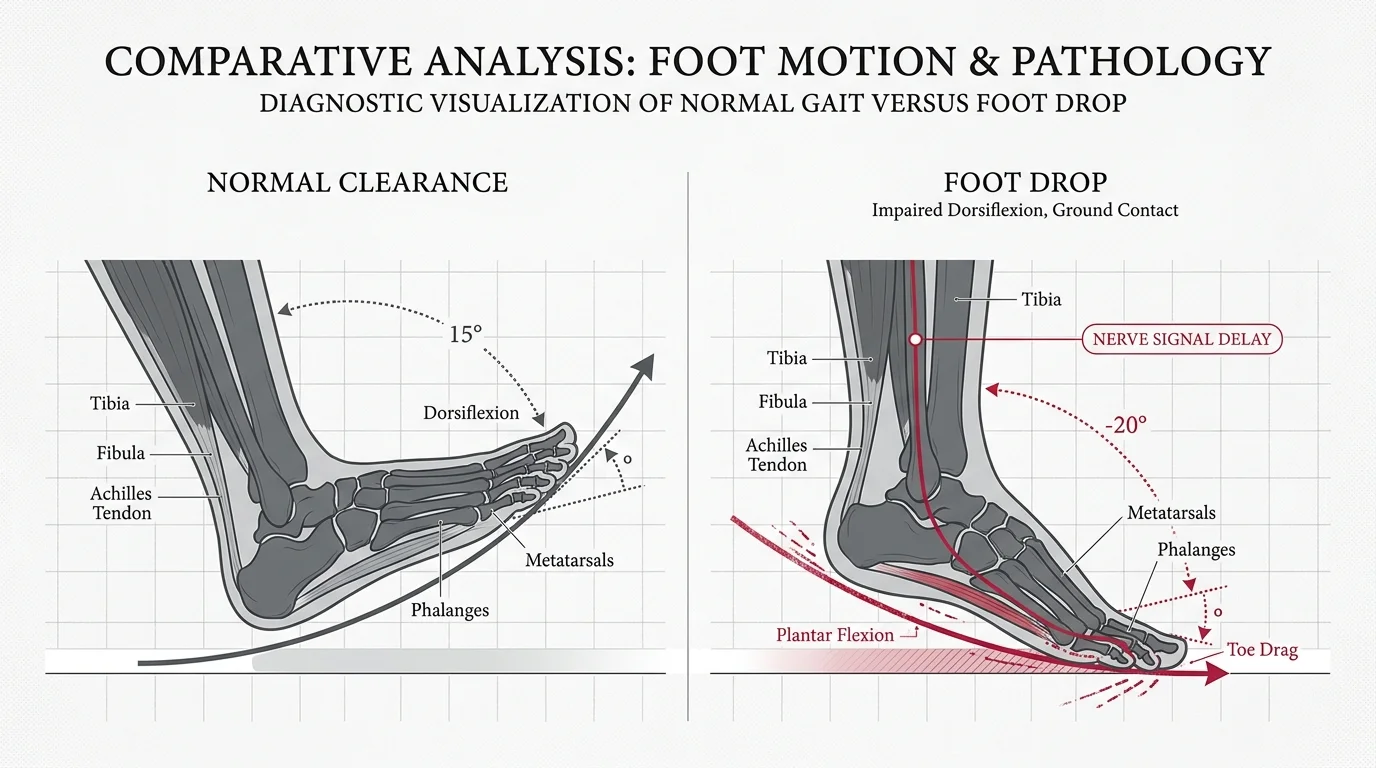
Foot drop occurs when you lose the ability to consciously lift the front part of your foot toward your shin as you take a step forward. This condition often results in a distinct, audible slapping sound when the foot hits the ground, or it forces you to adopt a high-stepping walk to prevent your toes from catching on the floor. Unlike general muscle fatigue, foot drop strongly suggests a specific nerve compression issue, such as damage to the peroneal nerve in the leg or nerve root compression in the lumbar spine. Because foot drop alters the entire biomechanics of your stride, ignoring it can lead to severe hip and lower back complications, alongside an exceptionally high risk of tripping over flat surfaces.
7. Developing a Paralyzing Fear of Falling
Psychological shifts influence your physical reality in profound ways. Developing an intense, lingering fear of falling often triggers a phenomenon known as the shrinking world effect. Older adults who fear losing their balance tend to subconsciously restrict their daily routines, avoiding social outings, outdoor walks, or even certain rooms within their own homes. This profound anxiety drives a sedentary lifestyle that rapidly accelerates muscle atrophy and cardiovascular decline. Ultimately, the fear of falling becomes a self-fulfilling prophecy; by avoiding the physical activity necessary to maintain strength and balance, you actively increase your physical vulnerability. Addressing this fear through supervised mobility training and psychological support is essential for reclaiming a vibrant, active life.
Benefits and Potential Risks
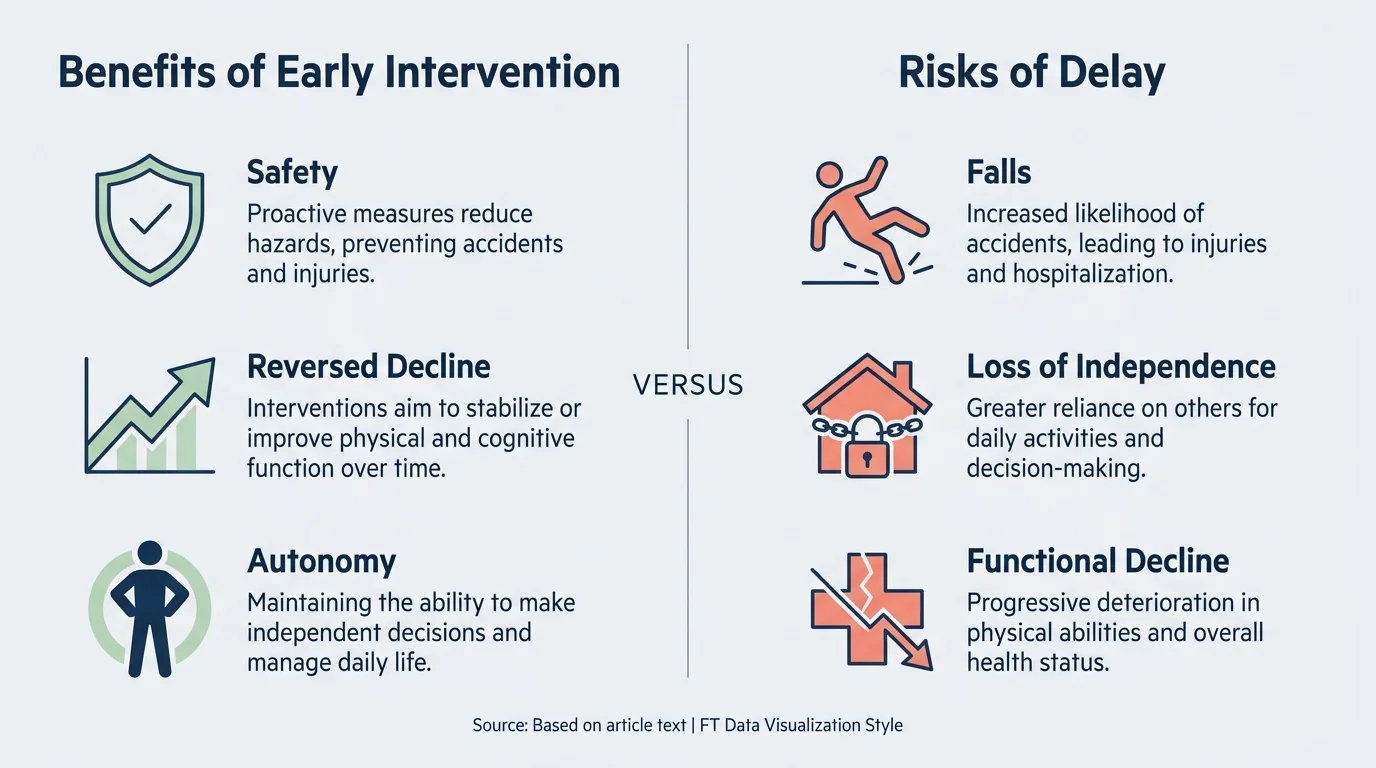
Taking a proactive stance against senior movement changes yields immense benefits that ripple throughout every aspect of your life. When you immediately report physical struggles to your healthcare team, you unlock access to customized physical therapy, targeted pain management, and specialized medical equipment. Early intervention preserves your muscular reserves, stabilizes your bone density, and drastically reduces your risk of sustaining a catastrophic injury. Furthermore, maintaining robust mobility directly correlates with better cardiovascular health, improved digestion, and enhanced cognitive function. By staying active and moving confidently, you preserve your social connections, continue enjoying your hobbies, and retain the powerful sense of dignity that accompanies personal independence.
Conversely, the risks associated with ignoring these crucial physical changes are severe and often irreversible. Many older adults mask their mobility struggles out of pride or a fear of losing their autonomy, hoping the issues will simply resolve with time. Unfortunately, untreated mechanical or neurological deficits invariably worsen. A minor shuffling habit can quickly escalate into a devastating fall, leading to bone fractures, traumatic brain injuries, and extended hospitalizations. The recovery process from a major fall often involves prolonged bed rest, which triggers rapid, severe muscle wasting and dramatically increases the risk of pneumonia or blood clots. Choosing to ignore early warning signs transforms highly manageable conditions into life-altering medical emergencies that strip away the very independence you are trying to protect.
Ultimately, navigating the balance between acknowledging physical limitations and striving for physical improvement requires absolute honesty with yourself and your medical providers. You must weigh the temporary discomfort of medical examinations and physical rehabilitation against the profound long-term risk of permanent disability. Empowering yourself with knowledge and seeking out professional guidance transforms the aging process from a period of passive decline into an era of managed, vibrant health. Early action remains your most potent defense against the unpredictable nature of physical aging.
What the Experts Say
Leading public health organizations consistently emphasize that physical decline is not an absolute certainty of aging, but rather a complex condition that requires active management. The Centers for Disease Control and Prevention repeatedly warns that falls represent the leading cause of both fatal and nonfatal injuries among older adults. They stress that proactive screening for gait disturbances, strength deficits, and environmental hazards can drastically reduce these grim statistics. Their research highlights that an older adult falls every single second of the day, underscoring the critical need for immediate intervention the moment functional changes become apparent.
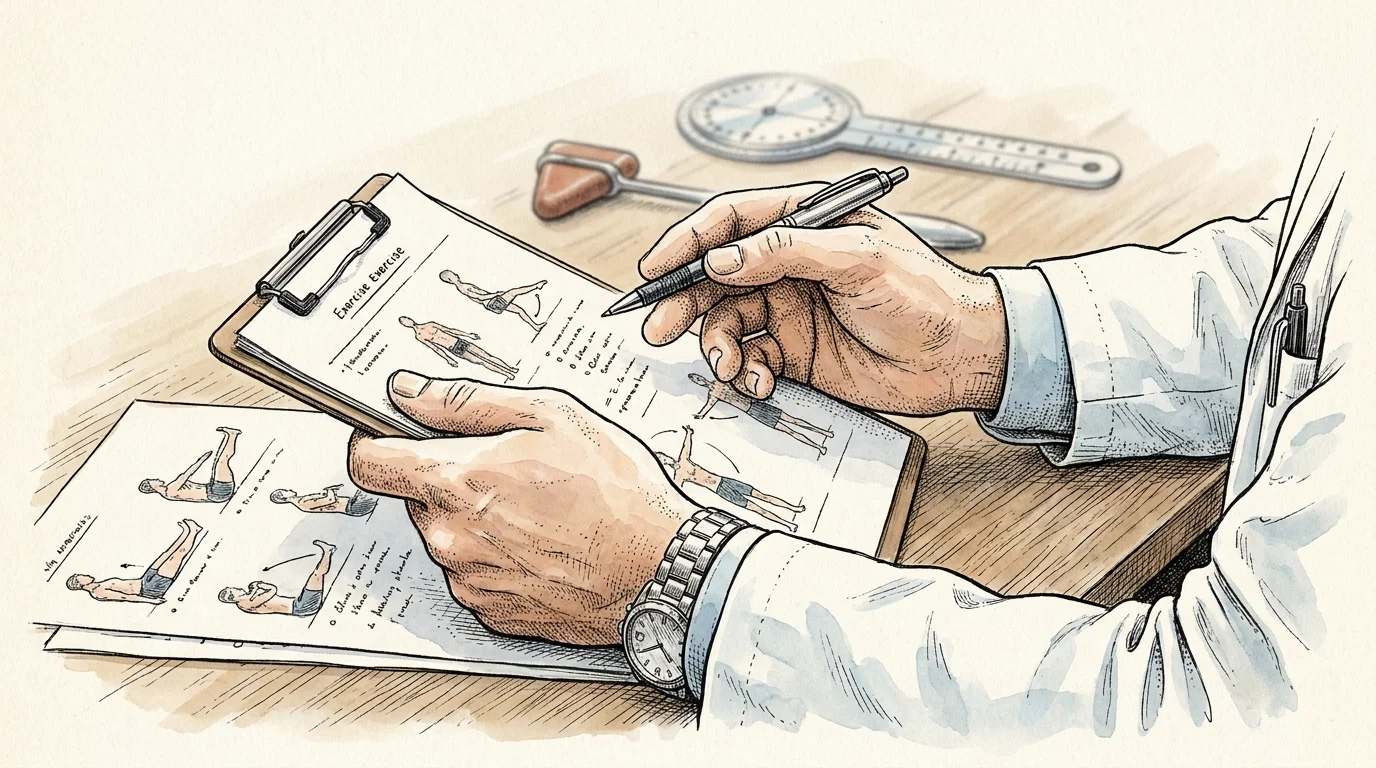
Furthermore, experts at the National Institutes of Health conduct extensive research on sarcopenia and skeletal muscle health. Their clinical guidelines suggest that resistance training and optimized protein intake are non-negotiable elements for preserving independent function in later life. The institute advocates for routine functional assessments—such as timing how long it takes a patient to stand up, walk three meters, and sit back down—to objectively measure physical decline. Their consensus indicates that catching early neurological or muscular deficits through these simple tests dramatically improves long-term patient prognoses and reduces the burden on the healthcare system.
Specialists from the Mayo Clinic also provide comprehensive perspectives on joint preservation and balance optimization. They point out that untreated joint pain often leads to compensatory movement patterns that inevitably damage surrounding, healthy joints. Their specialists advocate for a multidisciplinary approach, combining physical therapy, dietary adjustments, and medication optimization to address the root causes of instability. The unified message across the global medical community is unequivocally clear: you must aggressively report, investigate, and treat early signs of physical instability to secure your health and autonomy.
Practical Steps and Actionable Advice
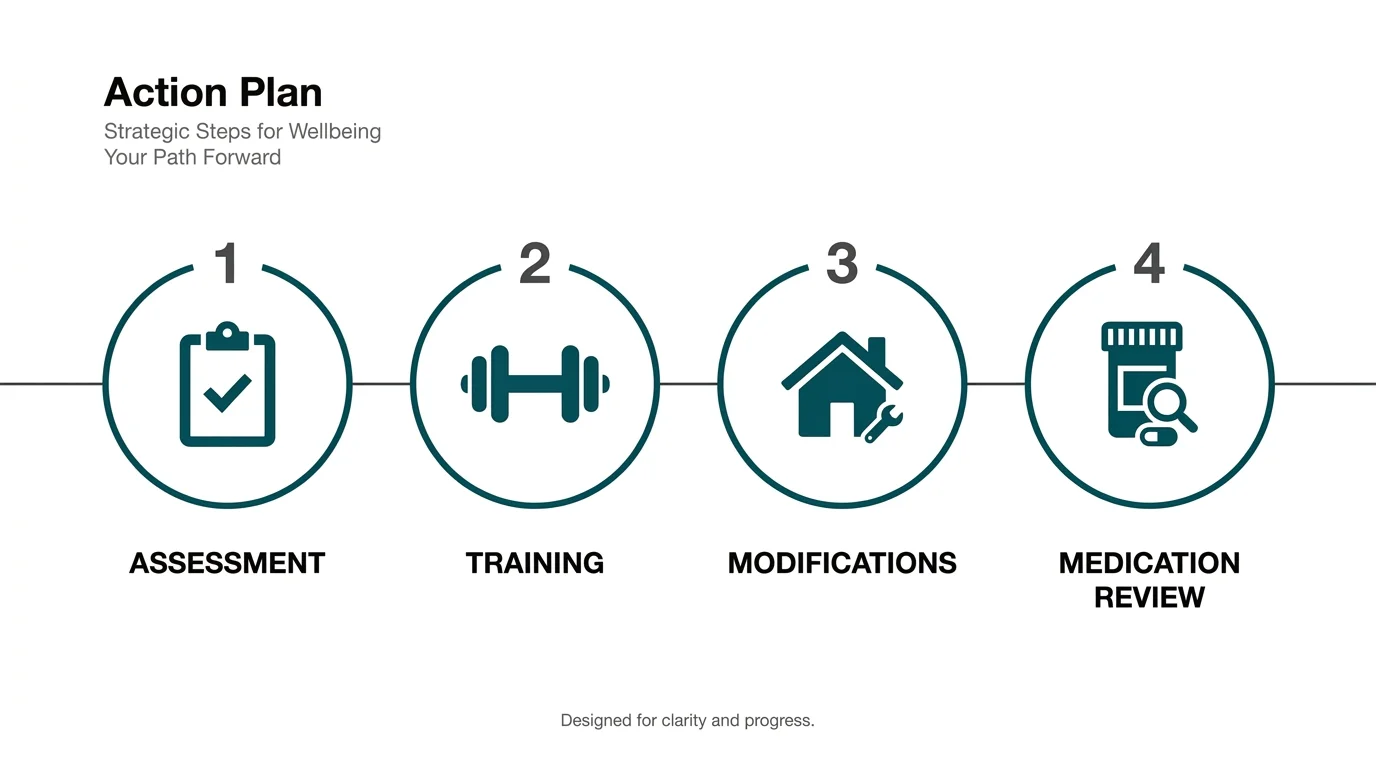
Knowledge holds immense value only when translated into decisive action. If you recognize any of the seven warning signs discussed above, you must take immediate steps to evaluate and fortify your physical condition. These practical strategies empower you to take control of your environment, optimize your physical health, and build a resilient foundation for your future.
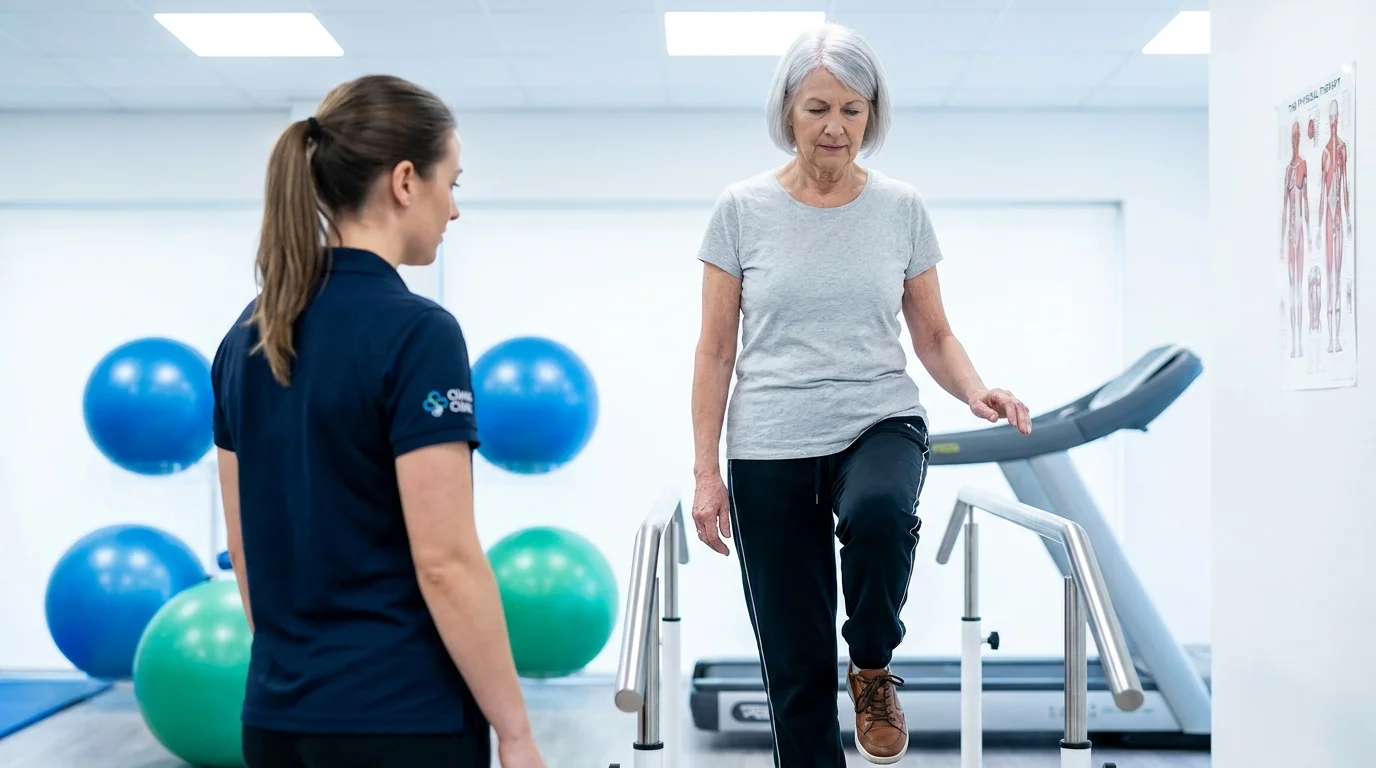
Schedule a Comprehensive Functional Assessment
Your first action should be booking an appointment with your primary care physician or a specialized geriatrician for a thorough physical evaluation. Request specific tests that measure your bone density, assess your vitamin D levels, and evaluate your neurological reflexes. Be completely transparent about any falls, stumbles, or near-misses you have experienced over the past year. Your doctor can prescribe physical therapy or refer you to an orthopedic specialist who can accurately diagnose underlying structural concerns and build a roadmap for your physical recovery.

Commit to Targeted Strength and Balance Training
General walking is excellent for cardiovascular health, but it is not enough to rebuild lost muscle mass or recalibrate a failing balance system. You must engage in targeted resistance exercises and stability drills under the guidance of a certified physical therapist. Focus on exercises that strengthen your core, glutes, and quadriceps—such as supervised sit-to-stands, heel raises, and leg extensions. Incorporate balance-specific movements like tandem standing or gentle Tai Chi, which heavily focus on weight shifting and spatial awareness, training your brain to react swiftly to sudden postural changes.
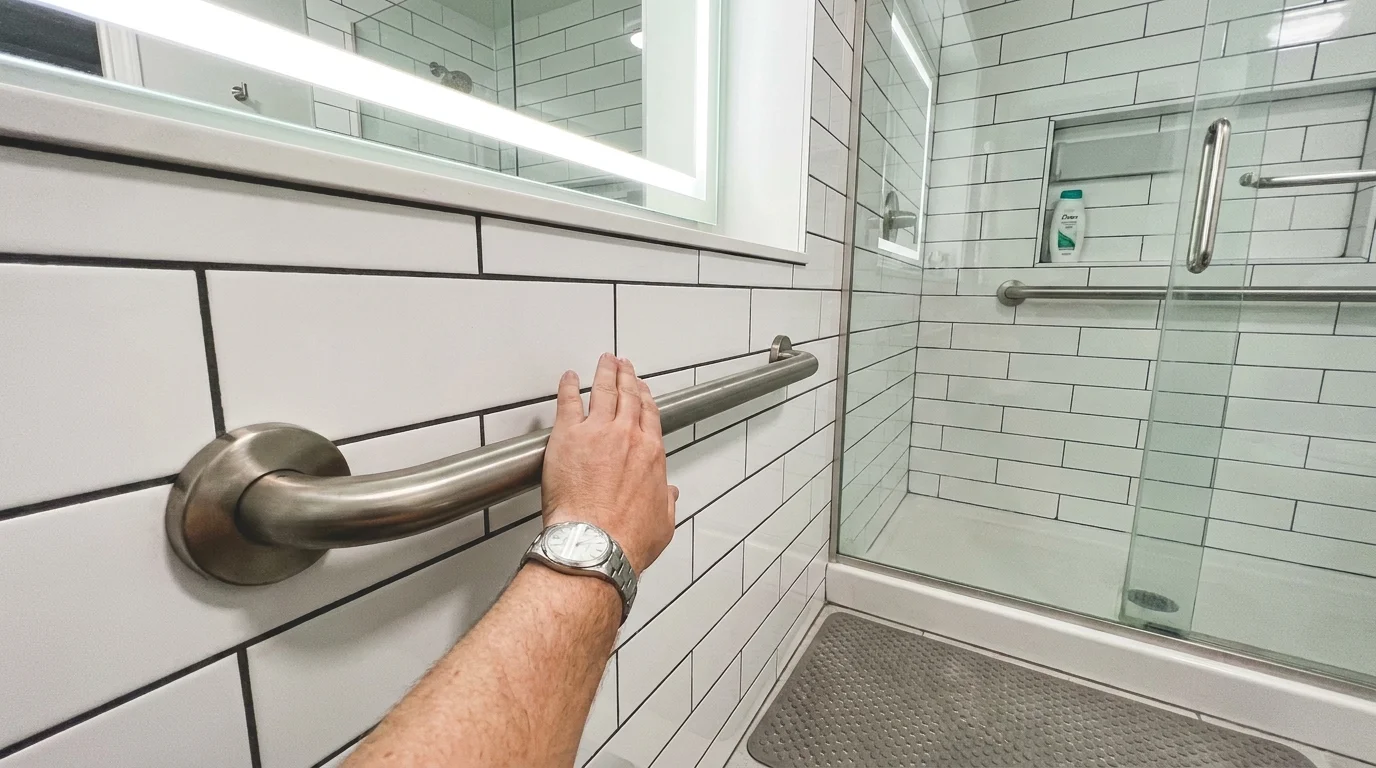
Modify Your Home Environment to Prevent Accidents
Your home should serve as a safe sanctuary, not an obstacle course. Conduct a rigorous audit of your living space to eliminate common tripping hazards. Remove all loose throw rugs, secure errant electrical cords against the wall, and ensure every room features bright, easily accessible lighting. Install sturdy grab bars in high-risk areas like the shower and near the toilet. Consider replacing low, soft sofas with firmer chairs equipped with solid armrests to make standing significantly easier and safer.
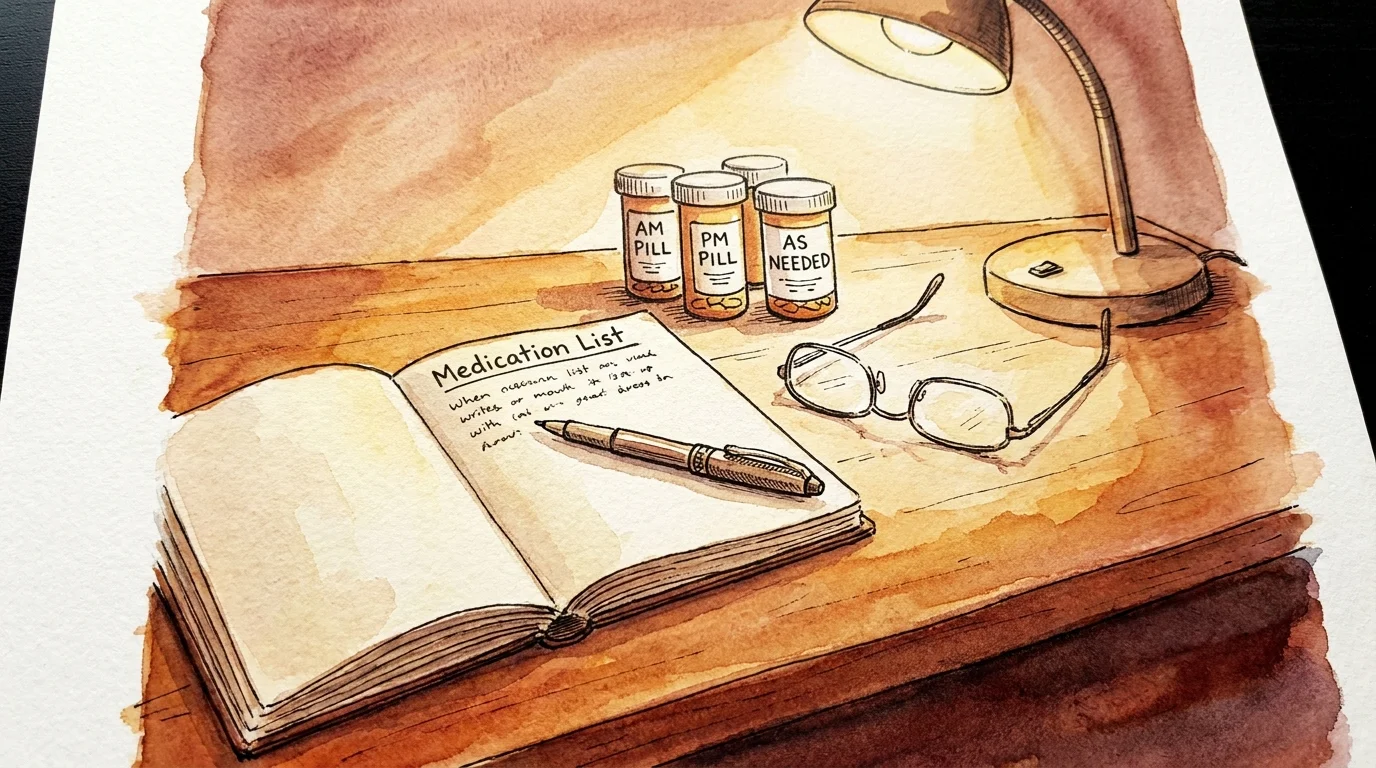
Conduct a Thorough Medication Review
Many older adults take multiple prescription and over-the-counter medications, creating a high risk for adverse drug interactions. Side effects like dizziness, drowsiness, blurred vision, and sudden blood pressure drops are major culprits behind unexplained mobility issues. Bring all your medication bottles to your doctor or pharmacist for a comprehensive review. They can identify complex interactions, adjust dosages, or switch you to alternative medications that do not compromise your balance or cognitive clarity.
FAQ
What are the most common causes of mobility issues in seniors?
The most frequent drivers of physical decline include progressive muscle loss (sarcopenia), joint degradation from osteoarthritis, and neurological impairments that slow down reaction times. Additionally, chronic cardiovascular conditions that cause fatigue or poor circulation in the legs heavily influence how easily an older adult can move. Poor vision, inner ear disorders, and the side effects of complex medication regimens also play massive roles in compromising daily stability and coordination.
Can physical therapy actually reverse senior movement changes?
Yes, physical therapy stands out as one of the most highly effective interventions for reversing functional decline. A skilled therapist identifies exactly which muscle groups are weak and designs a customized program to safely rebuild that specific strength. Through repetitive, guided exercises, therapy improves joint flexibility, corrects compensatory walking patterns, and physically rewires the brain’s approach to balance, often restoring abilities that older adults assumed were lost permanently.
Are balance and mobility warning signs just a normal part of aging?
While mild slowing of pace and minor decreases in absolute strength are normal parts of aging, profound instability, shuffling, inability to stand, and severe joint pain are absolutely not normal. These are pathological signs indicating that a specific biological system is failing or actively degrading. Dismissing these critical symptoms as inevitable aging prevents you from receiving treatments that could easily resolve the issue and drastically improve your safety.
How do joint movement concerns affect daily life?
Chronic joint pain restricts your range of motion, making basic tasks like tying shoes, reaching high cabinets, or stepping into a bathtub incredibly painful and dangerous. This physical restriction quickly leads to social isolation, as you may begin turning down invitations to events that require prolonged walking or standing. Over time, the inability to move freely breeds emotional frustration, heightens the risk of clinical depression, and completely erodes your functional independence.
When should you see a doctor about mobility issues?
You should contact your healthcare provider immediately if you experience an unexplained fall, a sudden onset of dizziness when standing, or noticeable foot dragging. Do not wait for an annual checkup if you suddenly find yourself unable to climb stairs without severe pain or if you feel consistently terrified of losing your balance. Early medical intervention prevents minor mechanical problems from evolving into catastrophic, life-altering injuries.
Conclusion
Safeguarding your physical independence requires sharp vigilance, honest self-assessment, and a willingness to seek professional expertise. By paying close attention to how you stand, walk, and navigate your daily environment, you transform yourself from a passive observer of aging into an active participant in your health journey. Acknowledging a shuffle, addressing chronic joint stiffness, and confronting a fear of falling are not signs of defeat—they are vital, empowering steps toward reclaiming your vitality. Through customized physical therapy, strategic home modifications, and consistent medical oversight, you possess the power to stabilize your body and continue embracing life with absolute confidence.
This article is intended for informational and educational purposes only and is not a substitute for professional medical advice, diagnosis, or treatment. Always consult with a qualified healthcare provider regarding any health concerns or before making any decisions related to your health or treatment.





ayYd4bh NpV1 6yzmOIV KhuT5Jv a03j sE33IcP