What are you looking for?

Search through our content to find what you need

15 Foods That Spike Blood Sugar Faster Than You Think – Ranked

Discover the top 15 hidden high-glycemic foods that cause dangerous blood sugar spikes and learn actionable strategies to protect your metabolic health.

Managing your blood sugar effectively begins by identifying the stealthy dietary culprits that cause dangerous spikes. Many everyday foods you consider safe secretly release rapid surges of glucose into your bloodstream, destabilizing your energy and threatening your long-term metabolic health. As an adult over sixty, your body processes carbohydrates less efficiently, making you highly susceptible to these hidden glycemic traps. Learning to recognize and swap out these high-glycemic foods allows you to protect your cardiovascular system, preserve your energy levels, and dramatically lower your risk of developing diabetes. This guide reveals the top metabolic offenders and provides you with the exact strategies you need to stabilize your blood glucose for good.
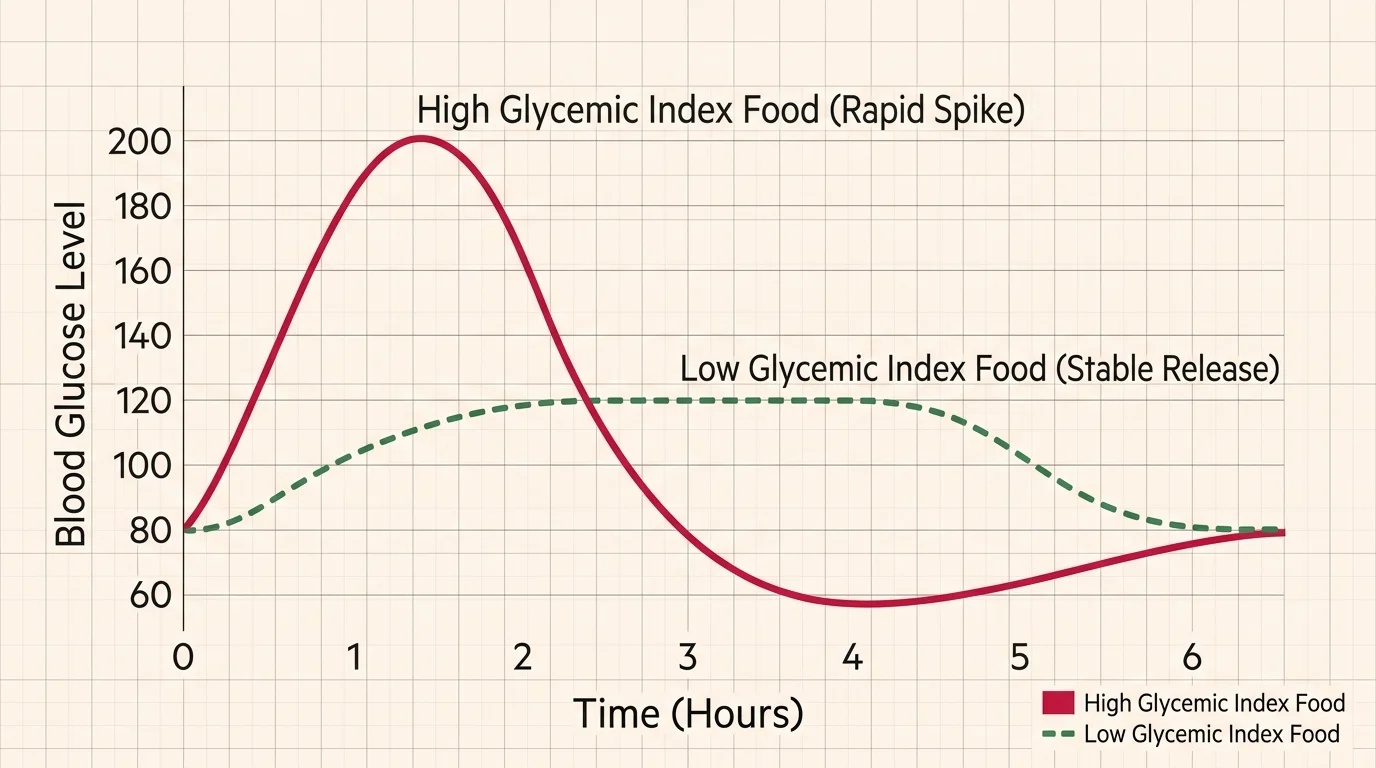
A line graph comparing the sharp, high curve of a high-glycemic spike with the low, steady curve of a low-glycemic food over time.
This chart compares the rapid blood sugar spike of high glycemic foods to stable, low glycemic options.

Understanding the Basics of Blood Sugar and Glycemic Index

Your digestive system breaks down carbohydrates into glucose, which enters your bloodstream to energize your cells. When this process occurs too quickly, your blood sugar levels skyrocket. In response, your pancreas pumps out excess insulin to forcefully clear the glucose. Over time, these dramatic spikes exhaust your vital organs and cause your body to become highly resistant to insulin, paving the way for chronic disease.

Scientists use the Glycemic Index to measure how rapidly foods raise blood glucose. Foods with high scores digest immediately and flood your system with sugar. You must also consider the Glycemic Load, which factors in your actual portion sizes. Consuming meals with high glycemic loads traps your body in a dangerous state of metabolic stress. Understanding these metrics helps you make informed choices to keep your glucose levels steady.


A clean horizontal infographic layout showing a progression of foods that cause rapid blood sugar spikes, including watermelon, rice cakes,
Watermelon, rice cakes, pineapple, oatmeal, and baked potatoes can surprisingly spike your blood sugar levels.

15 Foods That Spike Blood Sugar Faster Than You Think – Ranked

Not all carbohydrates behave identically inside your body. The following fifteen foods digest rapidly and cause unexpected glucose surges. We ranked these popular foods starting from mildly surprising to the most severe blood sugar offenders.

15. Watermelon

Watermelon boasts a surprisingly high glycemic index score. The natural sugars present in this summer fruit break down almost immediately. Because watermelon contains minimal fiber to slow down absorption, eating a large portion on an empty stomach sends a rapid wave of glucose straight into your bloodstream. Always pair it with healthy fats, like almonds, to buffer the sudden metabolic impact.

14. Rice Cakes

Many embrace rice cakes as a low-calorie snack alternative. Unfortunately, the manufacturing process puffs the rice and strips away its structural fiber, leaving behind a highly refined starch. When you eat a plain rice cake, your saliva immediately converts that starch into pure sugar, guaranteeing a rapid blood glucose spike. If you eat them, top them with peanut butter to add protective proteins.

13. Pineapple

Pineapple offers beneficial digestive enzymes, but it carries a hefty dose of fast-acting natural sugar. Canned pineapple poses an even greater threat, especially when packed in heavy syrup. Fresh pineapple elevates your glucose levels significantly faster than apples or berries. Enjoy this tropical fruit in strict moderation, preferably as a small dessert following a high-protein dinner rather than eating it alone.

12. Instant Oatmeal

Steel-cut oats provide excellent soluble fiber, but instant oats present a vastly different metabolic profile. Manufacturers heavily process and pre-cook instant oats, destroying their protective fibrous outer layer. Furthermore, commercial instant oatmeal packets contain heavy doses of added sugar or artificial flavors. Eating this highly refined grain leads to a sharp spike in your morning blood sugar, followed by a debilitating energy crash.

11. Baked White Potatoes

You might view a baked potato as a wholesome dinner staple. However, baking a white potato gelatinizes its starches, transforming them into a highly digestible carbohydrate bomb. Your body breaks down a fluffy baked potato almost as fast as pure table sugar. To minimize this effect, boil your potatoes, cool them overnight, and eat them cold. This creates resistant starch that digests slower.

10. Sports Drinks

Companies aggressively market sports drinks as essential recovery tools. Unless you are engaging in intense physical labor, these beverages do more harm than good. They contain massive amounts of liquid sugar designed for instant cellular absorption. Drinking them casually floods your liver with unnecessary fructose, forcing an aggressive insulin response that ultimately leaves you feeling deeply fatigued and completely drained just an hour later.

9. Flavored Yogurt

Plain yogurt provides an excellent combination of protein and healthy probiotics. Unfortunately, food manufacturers load flavored yogurts with staggering amounts of fruit purées and cane sugar. A single cup of strawberry yogurt often harbors more added sugar than a standard chocolate bar. The naturally occurring dairy lactose already contributes to your carbohydrates, making the added refined sugars a recipe for a drastic blood sugar surge.

8. Pretzels

Pretzels often fly under the radar as a healthy snack because they lack heavy frying oils. In reality, pretzels consist almost entirely of refined white flour. They lack the fiber, protein, and healthy fats necessary to slow down gastric emptying. The moment a pretzel hits your stomach, it breaks down into simple sugars, causing a sharp vertical climb in your blood glucose and spiking your insulin.

7. Dried Dates and Raisins

Dehydrating fresh fruit removes the water and concentrates the natural sugars into small, densely sweet packages. Dates and raisins boast incredibly high glycemic loads. Because they are so small, you can easily consume dozens in a single sitting without realizing the massive amount of sugar you just ingested. Treat dried fruit strictly as an occasional garnish rather than a primary snack to prevent unwanted surges.

6. Commercial Fruit Juice

Drinking a glass of orange juice delivers all the natural fruit sugar with none of the protective fiber. When you eat a whole orange, the physical structure slows down digestion. When you drink the juice, you bypass your body’s natural digestive speed bumps. The liquid sugar travels straight to your liver, triggering rapid fat storage and intense blood sugar volatility. Replace juices with whole, unblended fruits.

5. White Bread

The industrial milling process strips away the nutrient-rich bran and germ, leaving behind nothing but easily digestible endosperm. Whether you eat a sandwich bun or a dinner roll, you consume a highly processed carbohydrate that behaves exactly like sugar inside your digestive tract. White bread forces your pancreas to work overtime. Switching to genuinely whole-grain or authentic sourdough bread significantly reduces these daily post-meal spikes.

4. Commercial Bagels

Bagels pose a dual threat to your metabolic health: they consist of highly refined white flour, and they represent a massive portion size. A single deli bagel often equates to eating five slices of standard white bread. The dense nature means you ingest a heavily concentrated amount of fast-acting starch. Consuming a plain bagel guarantees a massive influx of glucose and lingering afternoon brain fog.

3. Refined Breakfast Cereals

Wandering down the cereal aisle exposes you to products explicitly engineered to trigger a sugar rush. Even cereals marketed as healthy heavily rely on sugar or honey. Manufacturers extrude and toast these grains until they lose all their natural fiber structure. Pouring milk over a bowl of refined flakes creates a rapidly digesting meal that initiates a violent blood sugar spike the moment you finish breakfast.

2. Pancakes with Artificial Syrup

A classic stack of diner pancakes represents a perfect storm of metabolic disruption. The pancakes rely on bleached white flour, but the real danger comes from the syrup. Most commercial pancake syrups consist entirely of high-fructose corn syrup and artificial caramel coloring. This combination of liquid corn syrup poured over refined starch delivers a devastating blow to your daily blood glucose control and impairs insulin sensitivity.

1. Sugary Sodas and Sweet Tea

At the top of our list sits liquid sugar in its absolute most concentrated form. Regular colas and heavily sweetened iced teas deliver massive payloads of high-fructose corn syrup directly into your digestive system. Liquid sugars fail to trigger your brain’s satiety signals, meaning you effortlessly consume hundreds of empty calories. Drinking regular soda causes the most violent, immediate blood sugar spikes imaginable, directly driving metabolic dysfunction.

An active senior man in his late 60s looking thoughtfully at a cookbook in a sun-drenched, realistic home kitchen.
A senior man holding a mug reads a cookbook to find healthy recipes for blood sugar control.

Key Considerations for Seniors

As you enter your sixties, your body undergoes natural physiological shifts that fundamentally alter how you metabolize food. One of the most significant changes involves a gradual decrease in muscle mass, commonly known as sarcopenia. Because your muscle tissues serve as the primary storage repositories for excess glucose, having less muscle means more sugar remains trapped circulating in your bloodstream after a large meal. This biological reality makes strict portion control increasingly vital.

Aging also diminishes the overall efficiency of your pancreas, meaning your body might not produce insulin as swiftly as it once did in your youth. Furthermore, your cells naturally develop a mild, age-related resistance to insulin over time. Combining these unavoidable metabolic slowdowns with a diet heavy in fast-acting carbohydrates creates a perilous environment for your cardiovascular health. Older adults must remain exceptionally vigilant to protect their vital organs from glucose-induced inflammation and preserve their long-term independence.

An ink and watercolor illustration of a brass balance scale in perfect equilibrium, holding a red apple on one side.
A red apple and a glass of water balance on a scale, symbolizing the equilibrium of glycemic control.

Benefits and Potential Risks of Glycemic Control

Taking proactive steps to manage your daily blood sugar provides extraordinary health benefits. By avoiding rapid glucose spikes, you protect the delicate inner lining of your blood vessels from inflammatory damage, significantly reducing your risk of heart attacks. Stable blood sugar also vigorously protects your cognitive function; many neurologists now refer to Alzheimer’s disease as type 3 diabetes due to the destructive impact of excess glucose on aging brain tissue. Maintaining steady glucose levels also ensures you experience consistent energy.

However, you must approach blood sugar management with a sense of practical balance. Attempting to eliminate all carbohydrates from your diet too abruptly can lead to unintended risks, such as severe fatigue, painful muscle cramps, and dangerous drops in blood sugar. Extreme carbohydrate restriction might also deprive your digestive system of essential dietary fiber, leading to severe constipation. The ultimate goal involves making sustainable, moderate adjustments rather than adopting extreme, highly restrictive diets that you cannot maintain.

A gouache illustration of a doctor's desk featuring a stethoscope, a warm mug of tea, and an open journal displaying a steady wave line.
A friendly doctor sits at her desk with a stethoscope and a blood sugar tracking chart.

What the Experts Say About Blood Sugar Management

Leading medical organizations consistently emphasize the absolute importance of choosing complex carbohydrates over highly refined alternatives. The National Institute of Diabetes and Digestive and Kidney Diseases strongly advises older adults to build their meals around fibrous vegetables, whole grains, and lean proteins to support long-term metabolic health. Clinical researchers continually note that replacing simple sugars with high-fiber foods drastically improves your cellular insulin response over time.

Similarly, experts at the World Health Organization suggest that drastically limiting your intake of free sugars remains crucial for preventing chronic metabolic diseases. Emerging nutritional science also demonstrates that the sequence in which you eat matters significantly. Eating your fibrous vegetables and proteins first, and saving your complex carbohydrates for the very end of the meal, can flatten your subsequent blood sugar spike by a remarkable margin. Experts view your daily diet as a powerful medical intervention.

A close-up photo of hands arranging raw almonds next to fresh watermelon slices on a ceramic plate.
Balance sweet watermelon slices with a handful of almonds to keep your blood sugar stable.

Practical Steps and Actionable Advice

Read ingredient labels meticulously. Food manufacturers deliberately hide refined sugars under dozens of different technical names. Scan every nutrition label for high-fructose corn syrup, dextrose, maltose, and maltodextrin before placing items in your grocery cart.

Always pair carbohydrates with protein and fat. When you consume a carbohydrate-heavy food, add a handful of walnuts, a slice of sharp cheese, or a scoop of Greek yogurt. These dense macronutrients significantly slow down the speed of gastric emptying.

Take a brisk walk after your meals. Engaging in light physical activity for just ten to fifteen minutes after dinner forces your muscles to absorb excess glucose from your bloodstream without requiring additional insulin from your heavily taxed pancreas.

Prioritize whole, unprocessed foods. Whenever possible, eat foods in their natural state. Choose a whole apple instead of apple sauce, and select whole oats over the instant packets to retain the natural dietary fiber.

Frequently Asked Questions

Does the cooking method affect blood sugar spikes?

Yes, how you prepare your food changes its internal molecular structure. Boiling, mashing, or heavily processing foods generally breaks down the protective structural fibers, making the carbohydrates digest much faster and spiking your glucose levels.

Can I still eat fruits if they contain natural sugar?

Absolutely. Whole fruits provide essential vitamins, minerals, and structural fiber that slow down sugar absorption. You just need to monitor your overall portion sizes and actively avoid juicing them or eating them entirely dried.

Why do I feel immediately hungry after eating high-carbohydrate meals?

When you consume highly refined carbohydrates, your body releases a massive, immediate surge of insulin. This insulin clears the sugar so rapidly that your blood glucose actually crashes below normal levels, triggering intense physiological hunger pangs.

What is the difference between Glycemic Index and Glycemic Load?

The Glycemic Index simply measures how fast a specific food converts to glucose in a laboratory setting. The Glycemic Load offers a more realistic measurement by factoring in the actual portion size you eat during a normal meal.

Summary and Next Steps

Stabilizing your blood sugar does not require you to completely abandon all the foods you love; it simply requires you to make smarter, more informed choices about how and when you consume them. By intentionally limiting your intake of these fifteen highly refined carbohydrates, you give your pancreas a much-needed rest and protect your blood vessels from chronic inflammation. Take control of your kitchen today, swap out the hidden sugars, and reclaim your metabolic vitality for the decades ahead.

Disclaimer: This article is intended for informational and educational purposes only and is not a substitute for professional medical advice, diagnosis, or treatment. Always consult with a qualified healthcare provider regarding any health concerns or before making any decisions related to your health or treatment.

Leave a Reply

Your email address will not be published. Required fields are marked *