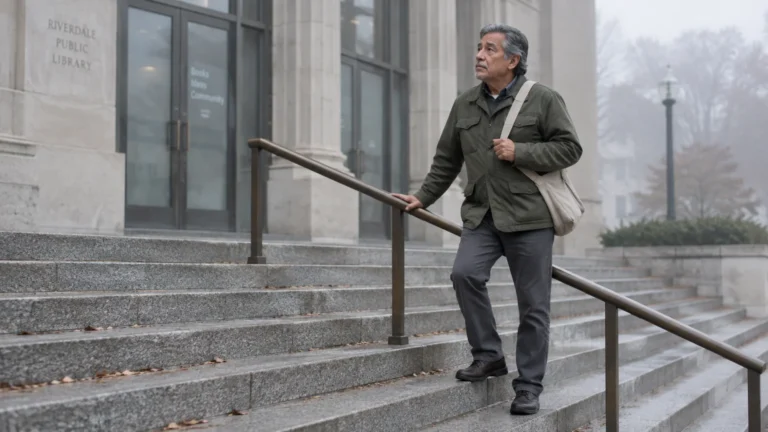
Recognizing the early warning signs of spinal stenosis allows you to preserve your mobility and independence well into your golden years. When the spaces within your spine narrow, pressure builds on the nerves traveling through your lower back and neck, causing symptoms you might wrongly attribute to standard joint wear and tear. You do not have to accept severe leg cramps, persistent numbness, or a hunched posture as inevitable consequences of growing older. By identifying these overlooked red flags, you can pursue targeted treatments that alleviate nerve compression and restore your daily comfort. Ignoring these structural changes only accelerates nerve damage, making early intervention critical for your long-term physical activity and overall quality of life.
9 Signs of Spinal Stenosis That Seniors Often Dismiss as Normal Aging
This article is for general information and is not a substitute for professional medical advice. Talk to a qualified health provider about your situation.