Practical Steps and Actionable Advice
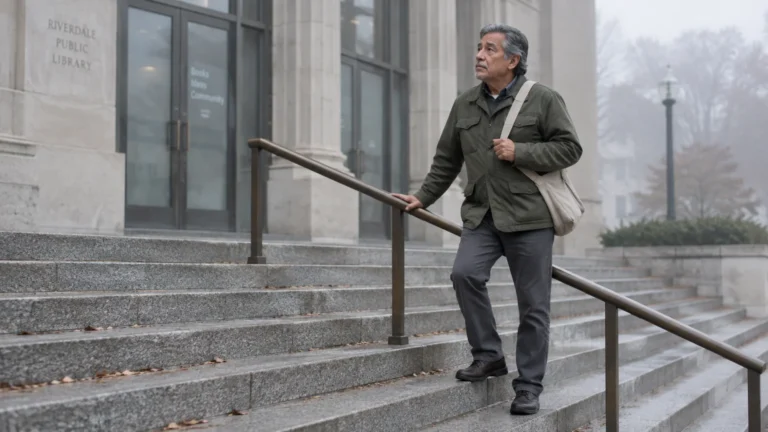
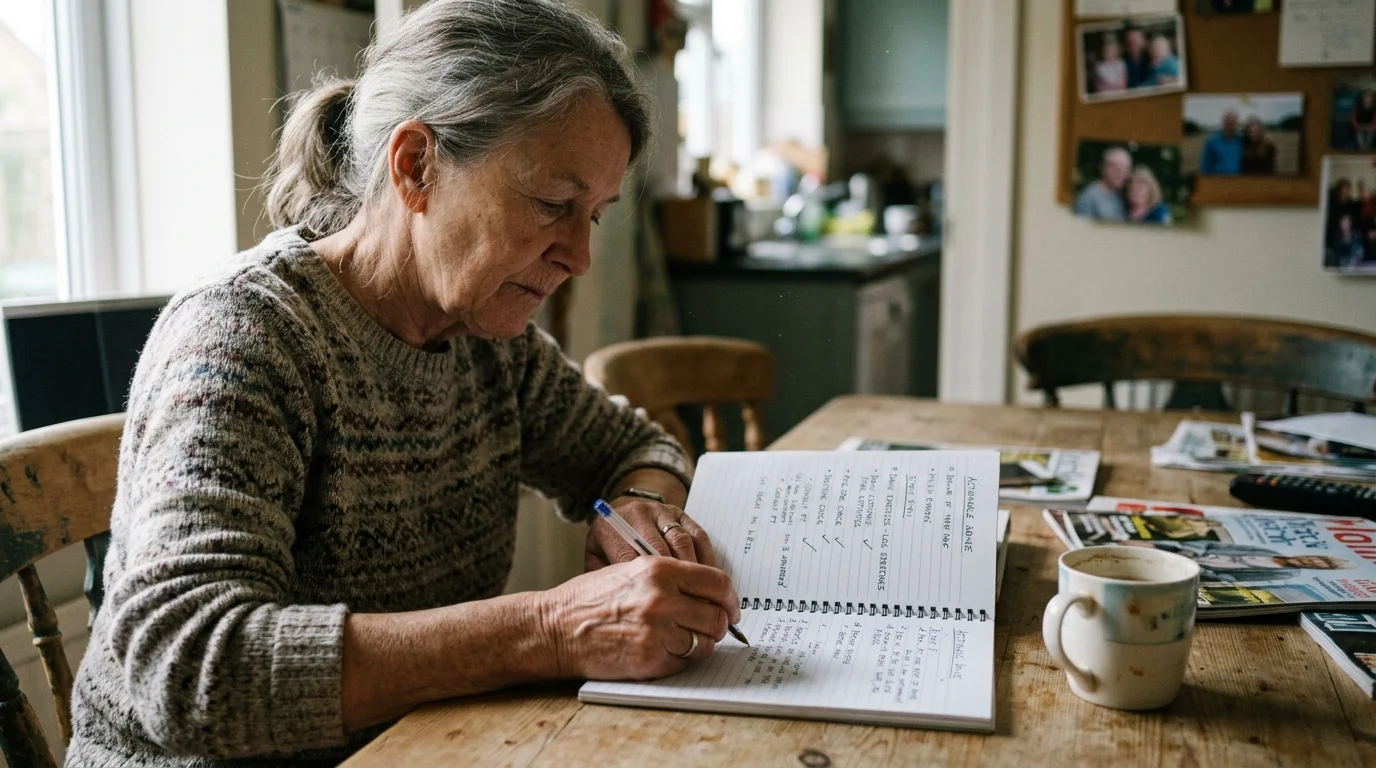
Taking control of your spinal health requires a proactive approach that extends far beyond popping a painkiller and hoping for the best. The first actionable step you must take involves keeping a highly detailed symptom journal. Document exactly when your pain occurs, what physical activities trigger it, and what positional changes bring you temporary relief. Note whether leaning over your grocery cart helps, or if walking down a steep hill makes your leg cramping worse. This specific information provides your doctor with critical diagnostic clues that simply cannot be captured in a brief office visit.
Once you have tracked your symptoms for a few weeks, schedule a comprehensive evaluation with a spine specialist or a board-certified neurologist. Do not settle for a vague diagnosis of general arthritis. Ask direct questions about the diameter of your spinal canal and request specific imaging, such as an MRI or a CT scan, if your symptoms include nerve-related numbness or muscle weakness. You must advocate fiercely for your own diagnostic clarity to ensure you receive the correct treatment protocol.
In the realm of lifestyle modifications, prioritize low-impact aerobic exercises that do not place excessive compressive loads on your aging spine. Stationary cycling and water aerobics offer excellent cardiovascular workouts while keeping your spine in a comfortable, slightly flexed position. Furthermore, consult with a licensed physical therapist who can design a customized regimen to strengthen your abdominal and lower back muscles. A strong muscular corset acts as a natural biological brace, supporting your vertebrae and heavily reducing the mechanical burden on your narrowed spinal canal.
Finally, evaluate your daily ergonomics to protect your spine. Invest in supportive footwear with proper shock absorption to reduce the impact traveling up your legs and into your lower back. Adjust your favorite sitting chairs to ensure your knees rest slightly higher than your hips, which naturally flattens your lower spine and relieves nerve pressure. By making these calculated physical adjustments, you create an environment that supports your spinal longevity and daily comfort.