What the Experts Say
Leading medical authorities universally emphasize the importance of differentiating spinal stenosis from routine age-related decline. Researchers from top-tier institutions continually highlight that degenerative changes in the spine are incredibly common, but they do not automatically condemn you to a life of pain. According to extensive imaging data, many older adults possess narrowed spinal canals on MRI scans but experience absolutely no symptoms. Therefore, experts stress that doctors must treat the patient, not just the scan. You can access broad educational resources on age-related joint and bone health directly at the National Institutes of Health homepage.
Similarly, orthopedic specialists and neurologists point out that early intervention fundamentally changes patient outcomes. Global health organizations advocate for maintaining mobility as the ultimate cornerstone of healthy aging, noting that unaddressed spinal conditions rapidly accelerate physical deconditioning. You can explore their global initiatives on healthy aging by visiting the World Health Organization.
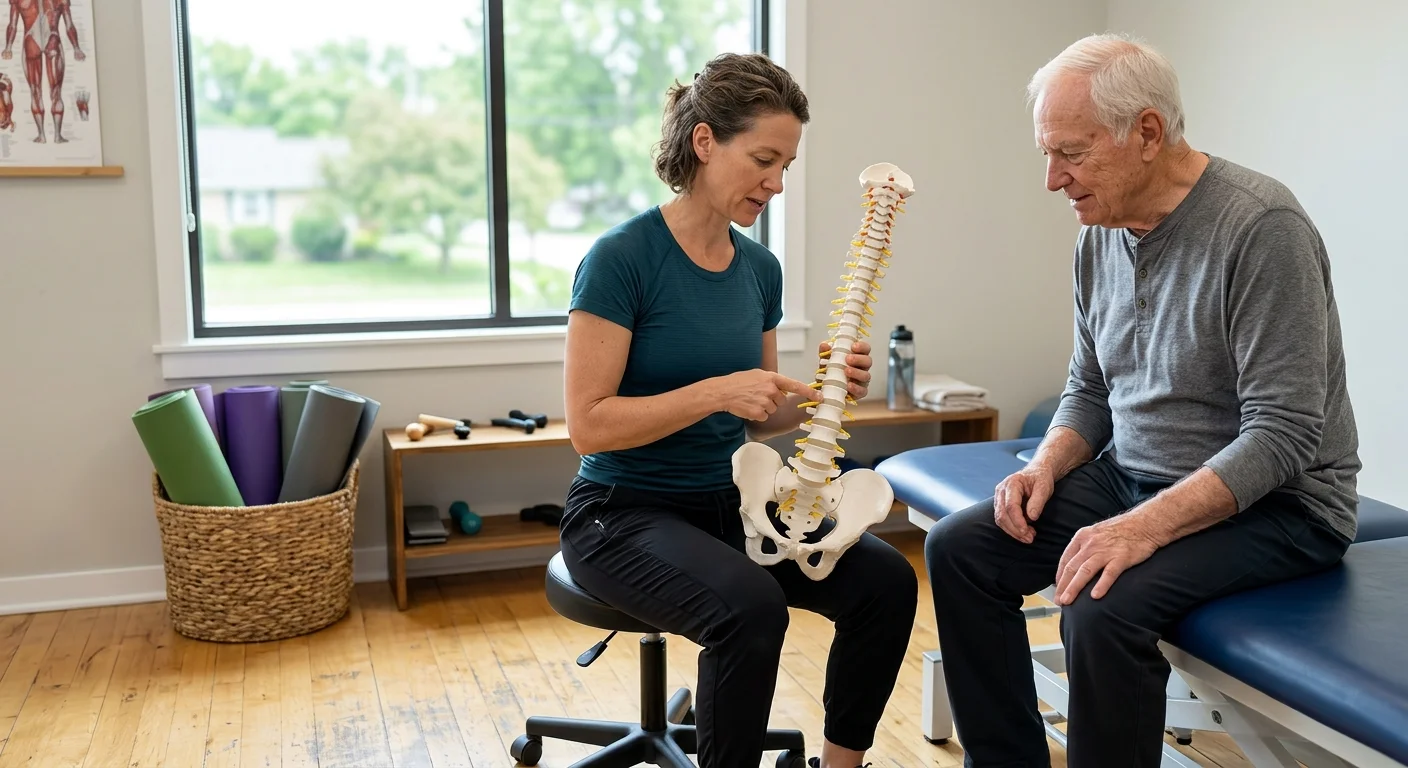
Experts from leading research hospitals routinely warn against the dangers of ignoring progressive neurological deficits. While they strongly advocate for conservative treatments like targeted physical therapy and weight management as the first line of defense, they universally agree that signs of muscle weakness or bowel dysfunction require swift surgical evaluation. The consensus remains perfectly clear: your spine will naturally change as you age, but persistent pain, numbness, and mobility loss are abnormal signals requiring professional medical intervention. For further insights into chronic disease management and aging, you can review the public resources available at the Centers for Disease Control and Prevention and the Mayo Clinic.