Benefits and Potential Risks
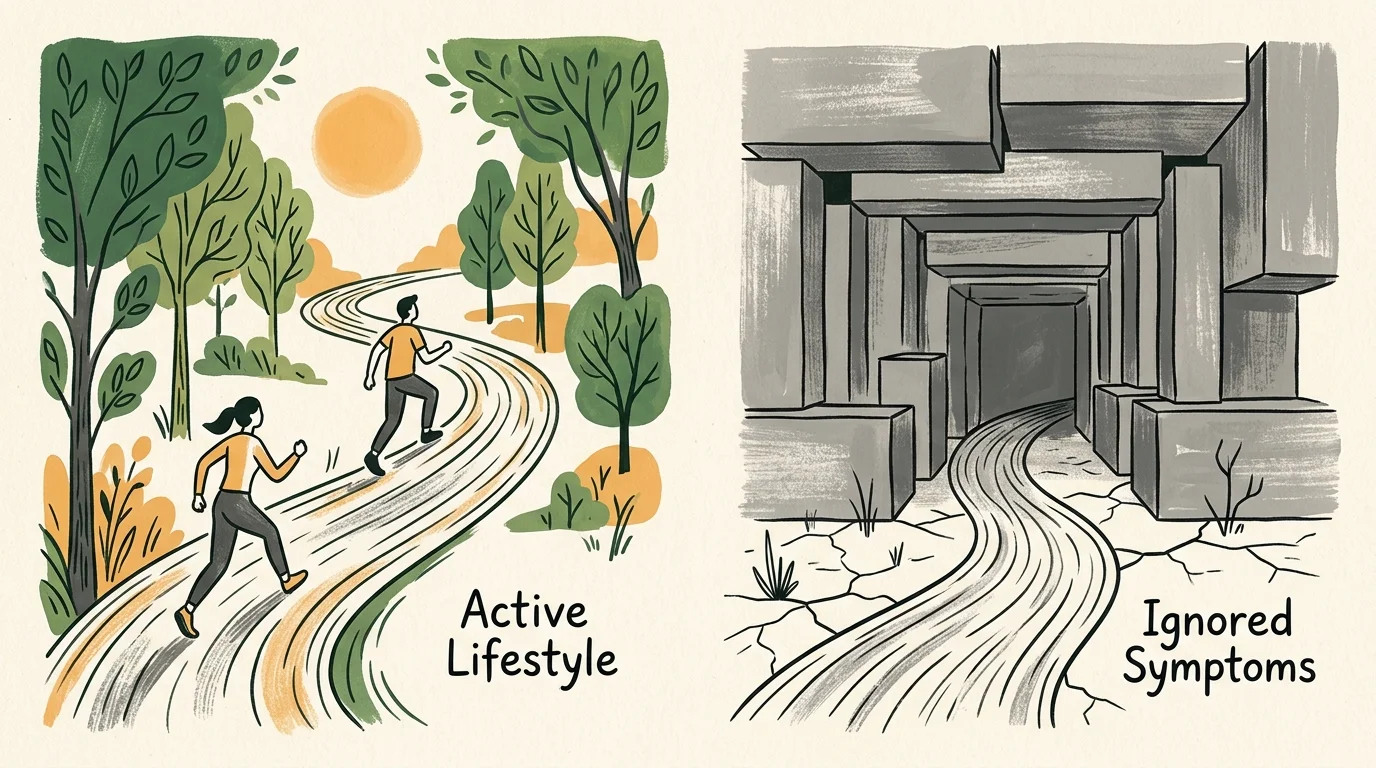
Acknowledging the early signs of spinal stenosis offers profound advantages for your long-term independence, but navigating the treatment landscape requires a careful evaluation of potential risks. The most significant benefit of an early diagnosis lies in your ability to pursue conservative, non-invasive therapies before your nerve damage becomes irreversible. By identifying the root cause of your pain, you can implement targeted physical therapy routines that strengthen your core, stabilize your lumbar region, and improve your overall flexibility. These proactive measures not only alleviate your immediate discomfort but also halt the progression of mobility loss, keeping you active and engaged in your local community.
Furthermore, proper medical management prevents the cascade of secondary health issues that stem from chronic inactivity. When you treat your spinal stenosis, you regain the ability to walk and exercise. This activity subsequently protects your cardiovascular health, helps manage your blood sugar levels, and wards off the depression frequently associated with chronic pain. You reclaim your agency over your aging process, transitioning from a passive sufferer to an active participant in your wellness journey.
Despite these clear benefits, you must remain vigilant about the potential risks associated with various treatment modalities. Relying heavily on over-the-counter nonsteroidal anti-inflammatory drugs to mask your spinal pain can compromise your kidney function; doing so may also elevate your blood pressure and cause severe gastrointestinal bleeding over time. Likewise, prescription pain medications carry significant risks of dependency and cognitive impairment, particularly for older adults whose metabolism processes drugs much more slowly.
If your physician recommends epidural steroid injections, you must weigh the temporary pain relief against the potential downsides. Repeated injections can weaken your spinal ligaments, elevate your blood sugar levels, and temporarily suppress your immune system. Finally, while decompressive spine surgery can provide miraculous relief for severe cases, it carries inherent surgical risks, including infection, blood clots, and adverse reactions to general anesthesia. You and your healthcare provider must engage in a thorough risk-benefit analysis, ensuring that your chosen intervention aligns perfectly with your overall health status and personal goals.