
Taking a daily vitamin D supplement does far more than strengthen your bones; it actively alters how your body processes glucose. If you track your blood sugar closely, this vital nutrient could serve as a valuable ally in your daily routine.
Clinical evidence demonstrates that adequate vitamin D levels improve insulin sensitivity and support the health of your pancreas. For older adults managing fluctuating glucose readings, this everyday habit provides practical metabolic defense.
Understanding the link between vitamin D and blood glucose empowers you to make smarter healthcare choices. Modern research reveals direct biological pathways connecting this sunshine nutrient to your long-term metabolic health.
Understanding the Basics: How Vitamin D Regulates Blood Sugar
Most people consider vitamin D a standard dietary nutrient, but your body actually treats it as a secosteroid hormone. Once activated, it circulates through your bloodstream and influences hundreds of cellular receptors across vital organs.
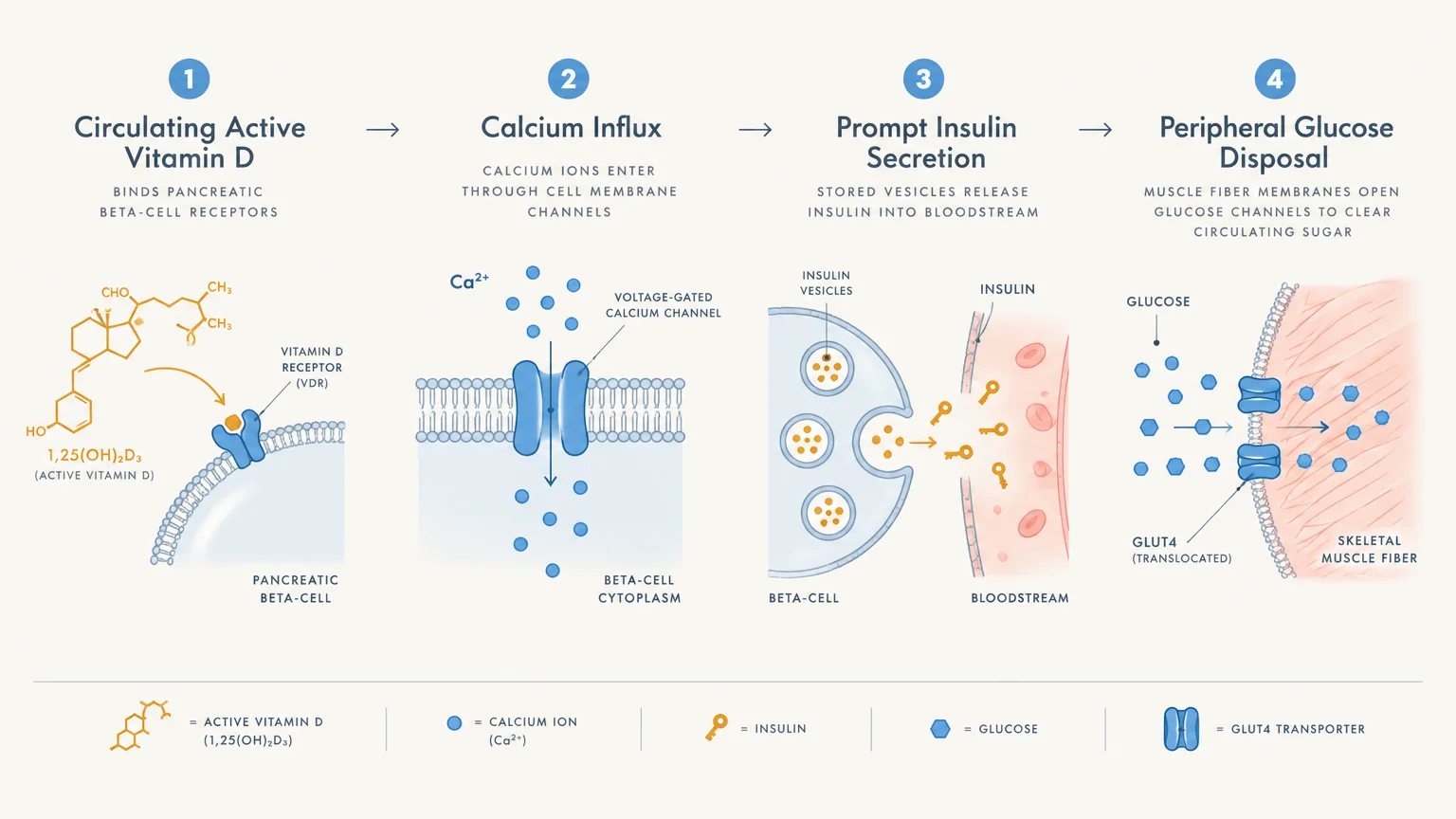
Your pancreas contains dedicated vitamin D receptors that directly affect how you manage glucose. Specialized beta cells inside your pancreas rely on these receptors to produce and release insulin efficiently throughout the day.
Insulin acts as a biochemical key that unlocks your cells so glucose can leave your bloodstream and provide energy. Without sufficient active vitamin D, your beta cells struggle to release insulin promptly when blood sugar rises after meals.
Vitamin D also regulates calcium movement within cellular walls. Because calcium influx triggers the physical release of insulin from pancreatic stores, adequate vitamin D directly facilitates timely insulin secretion.
Beyond the pancreas, your skeletal muscle tissue and liver cells require vitamin D to maintain their responsiveness. These peripheral tissues absorb the vast majority of circulating glucose after you eat breakfast, lunch, or dinner.
When cells become resistant to insulin, glucose remains trapped in your bloodstream and drives your daily numbers upward. Vitamin D enhances cellular sensitivity, helping your muscle fibers absorb circulating glucose with far less metabolic resistance.
Chronic low-grade inflammation also degrades your body’s ability to clear sugar from the blood. Prolonged inflammatory responses disrupt delicate insulin signaling pathways and gradually exhaust your pancreatic reserves.
Vitamin D acts as a natural immunomodulator by dampening inflammatory proteins called cytokines. By reducing systemic inflammation, daily vitamin D preserves your beta cells and shields your metabolic system from premature decline.

Key Considerations for Seniors: Aging, Metabolism, and Dosing
Aging fundamentally alters how your body manufactures and uses essential nutrients. Understanding these physiological shifts helps you tailor your daily routine for maximum blood sugar stability.
Your skin contains a natural compound that converts sunlight into vitamin D3 precursors. However, aging skin produces significantly less precursor material than younger skin when exposed to identical amounts of sunlight.
Older adults also spend more time indoors, which further reduces natural cutaneous vitamin D synthesis. Relying entirely on sunlight becomes increasingly impractical as you celebrate more birthdays.
Once your body absorbs or creates vitamin D, your liver and kidneys must chemically transform it into its active hormonal form. Natural age-related declines in kidney function slow this conversion process, leaving less active hormone available for glucose control.
Metabolic rate also slows as you age, often leading to gradual loss of lean muscle mass. Because muscle tissue serves as your primary glucose disposal engine, age-related muscle loss naturally elevates your risk of insulin resistance.
Digestive changes further complicate nutrient absorption in your sixties, seventies, and beyond. Reduced stomach acid and diminished bile production make it harder for your intestines to extract fat-soluble vitamins from food alone.
How you schedule your vitamin intake matters just as much as the quantity you swallow. Clinical specialists strongly discourage seniors from taking massive, infrequent bolus doses—such as monthly or quarterly megadoses.
Infrequent megadoses trigger sharp spikes in blood concentration followed by steep drops, which destabilize metabolic pathways. Experts recommend daily lower-dose supplementation instead, ensuring your cells receive a steady, dependable supply of this vital nutrient.
What the Clinical Research Proves: Breakthrough Diabetes Studies
The scale of blood sugar dysregulation among older Americans has reached historic levels. According to public health data from the Centers for Disease Control and Prevention, more than two in five American adults live with prediabetes.
Prediabetes represents a critical metabolic warning zone that affects approximately 115 million Americans. Doctors diagnose prediabetes when your fasting blood glucose measures between 100 and 125 mg/dL, or your HbA1c reaches 5.7% to 6.4%.
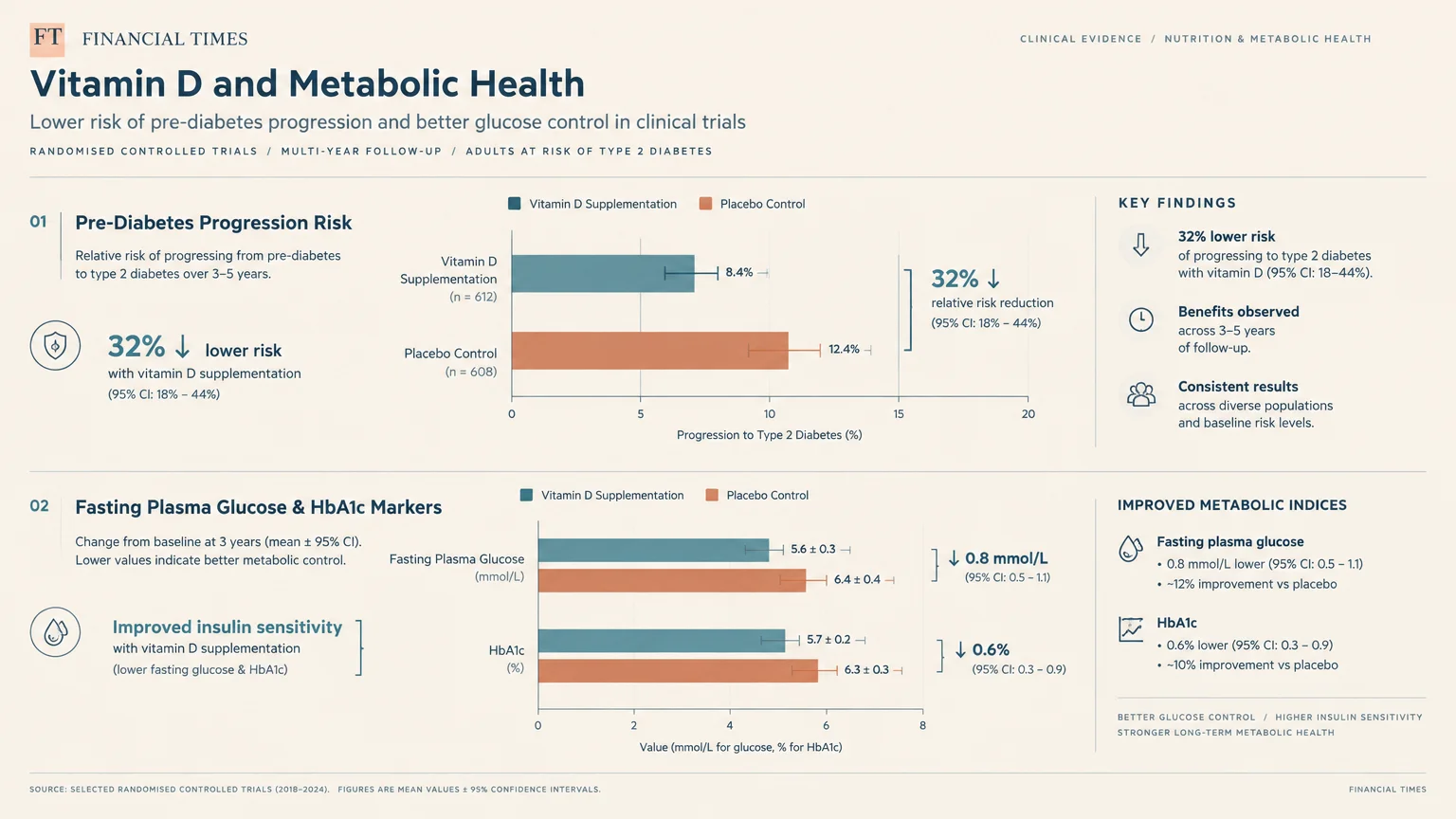
Rigorous clinical research demonstrates that vitamin D can directly alter the trajectory of this condition. A landmark meta-analysis published in the Annals of Internal Medicine in February 2023 evaluated 4,190 adults across three major randomized clinical trials.
The researchers discovered that daily vitamin D supplementation reduced the overall risk of progressing from prediabetes to type 2 diabetes by 15%. This finding confirmed that targeted nutritional therapy delivers measurable metabolic protection.
Even more striking, participants who maintained blood serum levels of at least 50 ng/mL (125 nmol/L) experienced a 76% risk reduction compared to those maintaining levels between 20 and 29 ng/mL.
A comprehensive meta-analysis published in the Journal of the Endocrine Society in March 2025 examined ten randomized controlled trials involving 4,478 participants with prediabetes. The researchers analyzed trials administering an average daily dose of 4,300 IU.
This analysis revealed that daily vitamin D increased the likelihood of regressing back to normal glucose regulation by 27%. In concrete terms, 18.5% of the vitamin D group achieved normal blood sugar, compared to only 14.0% in the placebo group.
Recent genetic research sheds even more light on who benefits most from daily supplementation. In April 2026, researchers from Tufts University published a secondary analysis of the nationwide D2d clinical trial in JAMA Network Open.
The researchers evaluated over 2,000 adults taking 4,000 IU of vitamin D daily. They found that supplementation reduced the risk of developing diabetes by 19% among individuals carrying AC or CC variations of the vitamin D receptor gene.
Conversely, participants possessing the AA genetic variation—roughly 30% of the study cohort—did not experience this protective effect. This groundbreaking discovery demonstrates how your individual genetic profile shapes your metabolic response to nutritional therapy.
What the Experts Recommend: Navigating Clinical Practice Guidelines
Medical organizations have updated their clinical recommendations to reflect these breakthrough scientific findings. Staying informed about these evolving standards helps you navigate supplement aisles with complete confidence.
In June 2024, the Endocrine Society published a major clinical practice guideline update in The Journal of Clinical Endocrinology & Metabolism. This landmark document replaced their previous guidelines from 2011.
The updated guideline specifically recommends empiric vitamin D supplementation for adults diagnosed with high-risk prediabetes. Empiric therapy means starting supplementation at doses above standard daily allowances without requiring an initial blood test.
The panel established this recommendation because the metabolic benefits of delaying or preventing type 2 diabetes vastly outweigh the minimal risks of daily supplementation. This guidance marks a major endorsement of targeted nutritional intervention.
However, the Endocrine Society established distinct boundaries for the general population. They advise against routine blood testing or high-dose supplementation for generally healthy adults under age 75 who do not have prediabetes or bone disorders.
For healthy individuals without metabolic complications, standard daily allowances remain the gold standard. When supplementation is indicated for adults aged 50 and older, the society firmly recommends daily lower doses over large intermittent boluses.
Federal health agencies offer clear intake baselines for daily wellness. According to dietary guidance from the National Institutes of Health, the Recommended Dietary Allowance (RDA) is 600 IU (15 mcg) daily for adults aged 19 to 70.
For adults over 70, the standard daily recommendation increases to 800 IU (20 mcg) to protect skeletal integrity. The established Tolerable Upper Intake Level (UL) for all adults stands at 4,000 IU (100 mcg) per day.
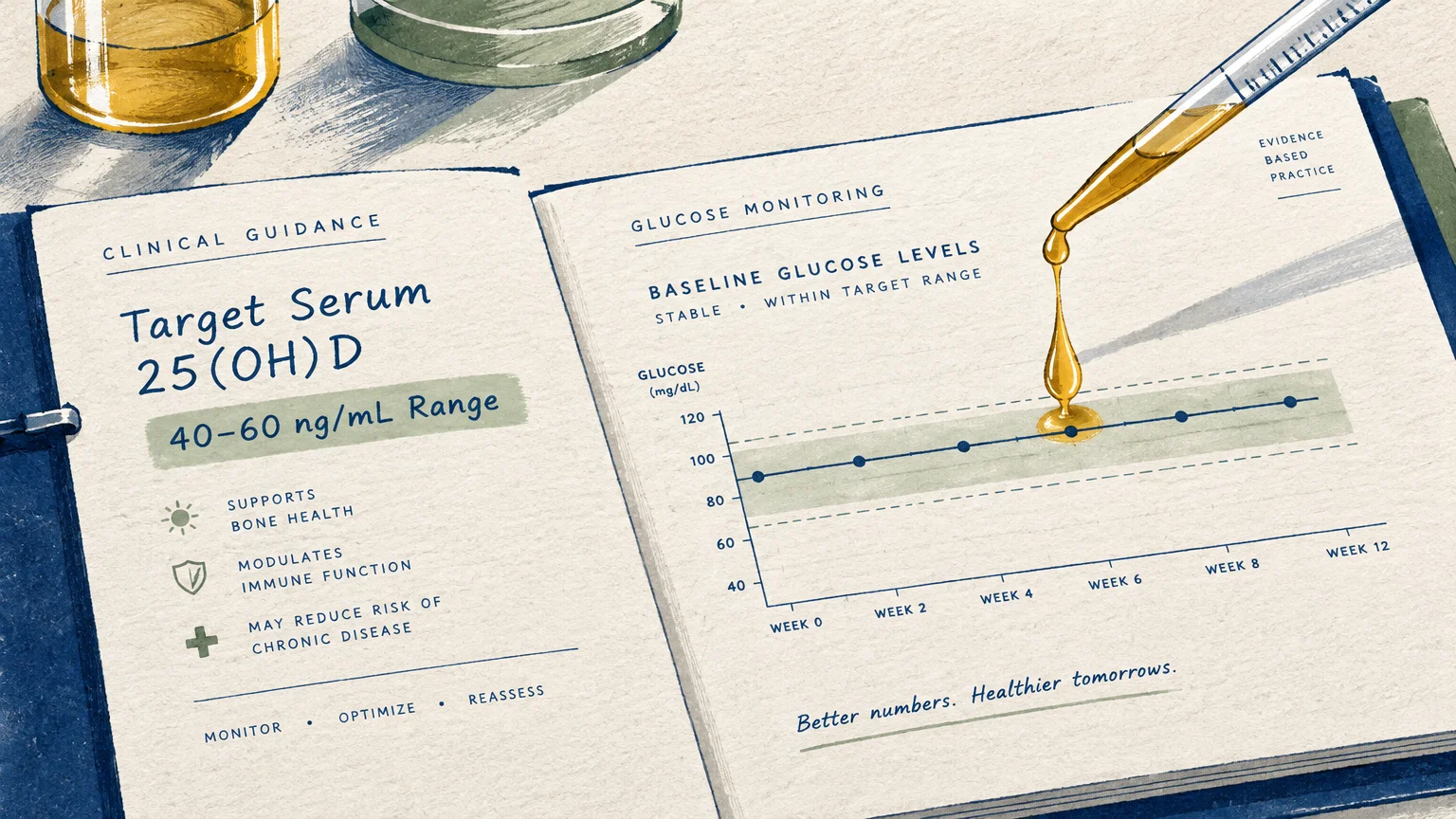
Blood testing measures your circulating 25-hydroxyvitamin D to determine biological status. The NIH defines levels below 12 ng/mL (30 nmol/L) as deficient, while levels of 20 ng/mL (50 nmol/L) or higher remain adequate for general health.
Clinical laboratories flag blood levels above 50 ng/mL (125 nmol/L) as potentially excessive. Working alongside your physician ensures you maintain a balanced blood concentration that supports glucose management without approaching toxic thresholds.
Balancing Benefits and Potential Risks for Older Adults
While vitamin D delivers substantial benefits for glucose regulation, responsible supplementation requires a clear understanding of potential safety hazards. High doses affect mineral balance and interact with common prescription drugs.
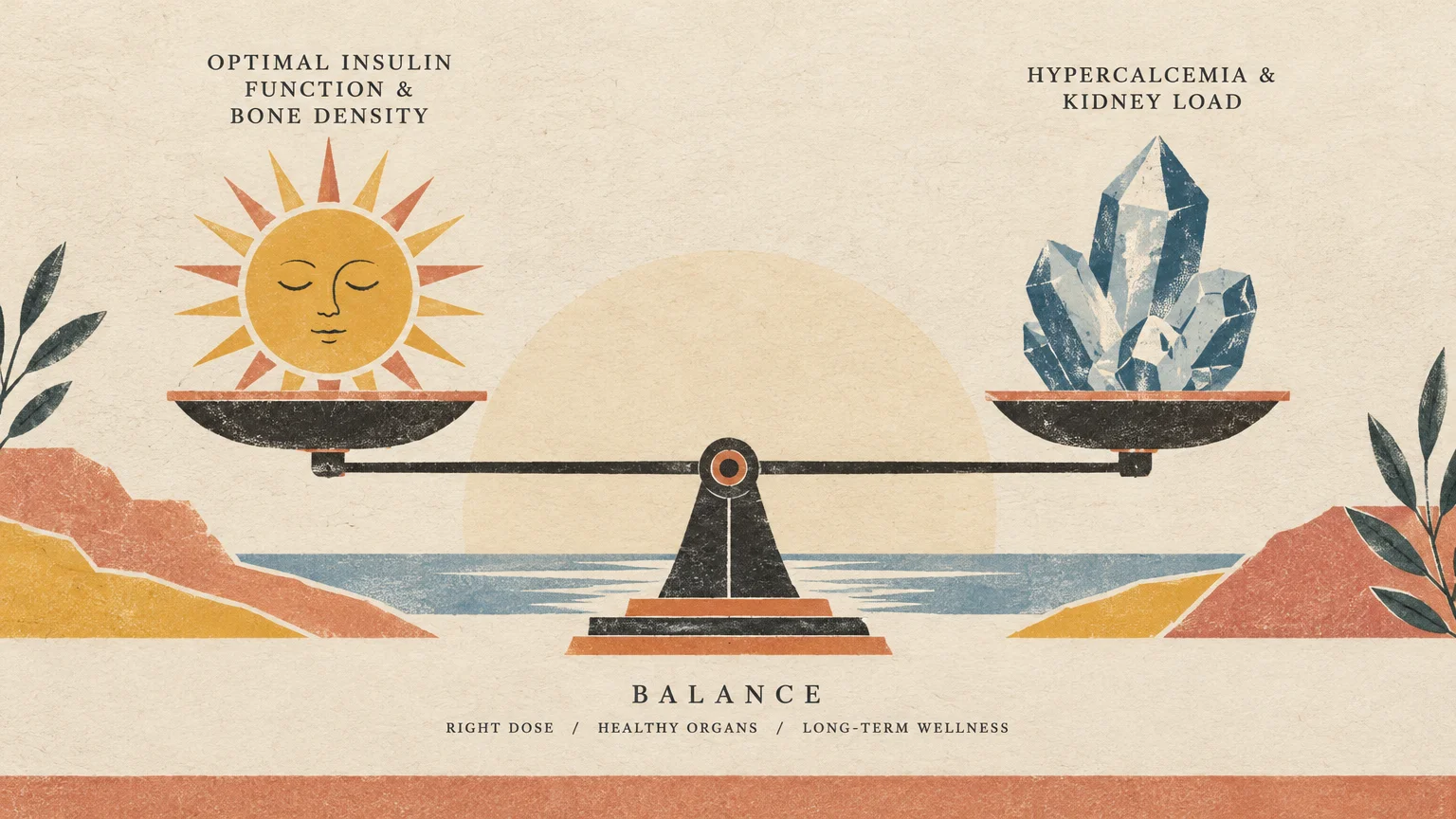
The primary hazard associated with excessive vitamin D consumption is hypercalcemia, an abnormal accumulation of calcium in your bloodstream. Because vitamin D maximizes intestinal calcium absorption, extreme intakes push calcium to dangerous levels.
Hypercalcemia places substantial strain on aging kidneys and accelerates the formation of painful kidney stones. Over time, surplus calcium can deposit within arterial walls, stiffening blood vessels and stressing your cardiovascular system.
Early warning signs of hypercalcemia include persistent nausea, unexpected confusion, excessive thirst, and unusually frequent urination. If you notice these symptoms while taking high-dose supplements, notify your healthcare provider immediately.
Prescription medication interactions also demand careful attention from older adults. Thiazide diuretics, frequently prescribed for hypertension, decrease the amount of calcium your kidneys excrete through urine.
Combining high doses of vitamin D with thiazide diuretics substantially amplifies your risk of developing hypercalcemia. Your doctor must monitor your serum calcium levels closely whenever you combine these therapies.
Cardiac medications like digoxin also carry heightened risks when paired with improper vitamin D supplementation. Elevated blood calcium levels significantly increase the likelihood of digoxin toxicity, which can trigger life-threatening heart arrhythmias.
Conversely, certain common medications reduce your body’s ability to utilize vitamin D effectively. Systemic corticosteroids used for arthritis impair vitamin D metabolism and reduce calcium absorption through the intestinal wall.
Weight-loss medications and cholesterol-binding resins can also interfere with your intestines’ ability to absorb fat-soluble vitamins. Taking your supplements several hours apart from these medications preserves their bioavailability.
Staying within the safe upper intake level of 4,000 IU daily shields most older adults from adverse complications. Personalized oversight from a medical professional ensures your daily regimen safely supports your metabolic goals.

Practical Steps: How to Optimize Your Daily Regimen
Translating scientific research into daily habits requires an organized, step-by-step strategy. These practical actions will help you optimize your vitamin D intake to support healthy blood sugar control.
Check Your Metabolic Numbers
Review your most recent laboratory panel to determine where your blood sugar currently stands. Request an HbA1c test and a fasting plasma glucose test during your next regular checkup.
If your fasting glucose falls between 100 and 125 mg/dL, you meet the criteria for prediabetes. Establishing this baseline clarifies whether you qualify for targeted vitamin D therapy under modern clinical guidelines.
Ask your doctor if checking your 25-hydroxyvitamin D level makes sense based on your health history. Knowing your starting baseline allows your provider to select the most effective daily dose for your body.
Select the Right Form and Dosage
Always choose vitamin D3 (cholecalciferol) rather than vitamin D2 (ergocalciferol) when purchasing supplements. Research confirms that D3 raises and sustains circulating blood levels far more effectively than D2.
Avoid massive monthly or biweekly prescription pills unless specifically directed by your physician for acute deficiency. Daily dosing between 1,000 IU and 4,000 IU provides the steady cellular support needed for metabolic stability.
Verify quality by selecting brands verified by independent testing seals like USP or NSF International. These certifications guarantee that the capsule contains the precise dosage stated on the product label.
Take Your Dose With Healthy Fats
Vitamin D is entirely fat-soluble, meaning your digestive tract requires dietary lipids to absorb it efficiently. Swallowing your pill on an empty stomach drastically cuts the amount of active nutrient entering your bloodstream.
Pair your daily supplement with a meal containing heart-healthy fats like extra virgin olive oil, avocado, or walnuts. Consuming your dose alongside morning eggs or lunch salad dressing maximizes intestinal uptake.
Consistent daily timing builds an effortless habit and keeps circulating blood levels remarkably steady. Choose whichever meal you eat most regularly as your dedicated supplementation window.
Coordinate With Your Care Team
Bring your supplement bottles to your next primary care visit or cardiology appointment. Transparency prevents accidental drug-nutrient conflicts and allows your physician to update your official medical chart.
Ask your pharmacist to review your complete medication profile for potential absorption interferences. A pharmacist can recommend the ideal time separation between your supplements and daily prescription medications.
Schedule follow-up laboratory work every six to twelve months to assess your metabolic progress. Monitoring both your HbA1c and calcium levels ensures your daily regimen remains completely safe and effective.
Combine Supplements With Muscle-Building Movement
No supplement replaces the potent metabolic benefits of regular physical activity. Muscle contractions pull glucose out of your bloodstream through non-insulin pathways, instantly reducing the workload on your pancreas.
Incorporate gentle resistance exercises using light dumbbells, resistance bands, or your own body weight twice weekly. Preserving skeletal muscle mass directly enhances the glucose-lowering benefits of your vitamin D regimen.
Take a brisk ten-minute walk immediately following your largest meal of the day. This simple post-meal habit blunts blood sugar spikes and works synergistically with your improved insulin sensitivity.
Frequently Asked Questions About Daily Vitamin D and Blood Sugar
Can taking daily vitamin D cure established type 2 diabetes?
Vitamin D cannot cure established type 2 diabetes, nor should you view it as a standalone treatment. Chronic diabetes involves extensive beta-cell dysfunction and structural metabolic changes that require comprehensive clinical management.
However, adequate vitamin D improves background insulin sensitivity and reduces systemic inflammation in individuals with diabetes. It works best as a supportive therapy alongside prescribed medications, wholesome nutrition, and exercise.
What is the best time of day to take vitamin D for blood sugar?
The time on the clock matters far less than what you eat when you swallow the capsule. Because vitamin D requires dietary fat for absorption, take it with your largest or most fat-rich meal.
Many people find that taking vitamin D with breakfast or lunch prevents sleep disruptions. Some individuals report mild alertness when taking vitamin D, making morning or midday intake ideal.
Can I stop taking metformin if I start taking vitamin D every day?
You should never alter, reduce, or discontinue prescribed glucose-lowering medications without explicit guidance from your prescribing doctor. Vitamin D supports metabolic pathways, but it does not replace pharmaceuticals like metformin.
Halting prescribed medications can trigger dangerous blood sugar spikes and accelerate long-term vascular complications. Discuss your supplementation plans with your doctor, who may adjust medications if your lab markers improve.
How long does it take for vitamin D to improve blood sugar readings?
Vitamin D works gradually by rebuilding cellular reserves and reducing chronic tissue inflammation over several months. You should not expect to see dramatic shifts on your daily glucometer within forty-eight hours.
Clinical trials typically measure noticeable improvements in insulin sensitivity and HbA1c after twelve to twenty-four weeks of daily supplementation. Consistency over several months remains essential for achieving tangible metabolic benefits.
Why did guidelines change regarding routine vitamin D blood testing?
The Endocrine Society updated its guidelines because widespread blood testing in healthy adults drove high healthcare costs without improving clinical outcomes. Most healthy individuals thrive simply by meeting standard daily dietary intake recommendations.
Testing remains highly valuable for individuals with high-risk prediabetes, osteoporosis, malabsorption syndromes, or chronic kidney disease. Limiting tests to high-risk groups directs clinical resources toward patients who benefit most from personalized monitoring.
Can taking too much vitamin D cause blood sugar to spike?
Vitamin D does not directly raise blood sugar levels, but extreme toxicity can indirectly destabilize your metabolism. Excessive intakes that trigger severe hypercalcemia disrupt cellular fluid balance and stress your kidneys.
Severe physiological stress and dehydration elevate stress hormones like cortisol, which temporarily drive blood glucose higher. Staying within the safe upper limit of 4,000 IU daily prevents these rare toxic reactions.
Moving Forward With Confidence
Managing your blood sugar as you age requires a proactive, evidence-based approach to daily wellness. Modern clinical research confirms that vitamin D acts as a powerful hormonal regulator of insulin secretion and cellular sensitivity.
For the millions of older adults navigating prediabetes, daily lower-dose supplementation offers an accessible, scientifically validated defense against disease progression. Maintaining optimal nutrient status helps preserve your pancreatic function and stabilizes your daily readings.
Empower yourself by discussing your HbA1c and vitamin D status with your personal physician. By pairing targeted daily supplementation with regular physical movement and wholesome food choices, you take charge of your long-term metabolic health.
This article is intended for informational and educational purposes only and is not a substitute for professional medical advice, diagnosis, or treatment. Always consult with a qualified healthcare provider regarding any health concerns or before making any decisions related to your health or treatment.