Skip to content

9 Signs of Spinal Stenosis That Seniors Often Dismiss as Normal Aging

This article is for general information and is not a substitute for professional medical advice. Talk to a qualified health provider about your situation.

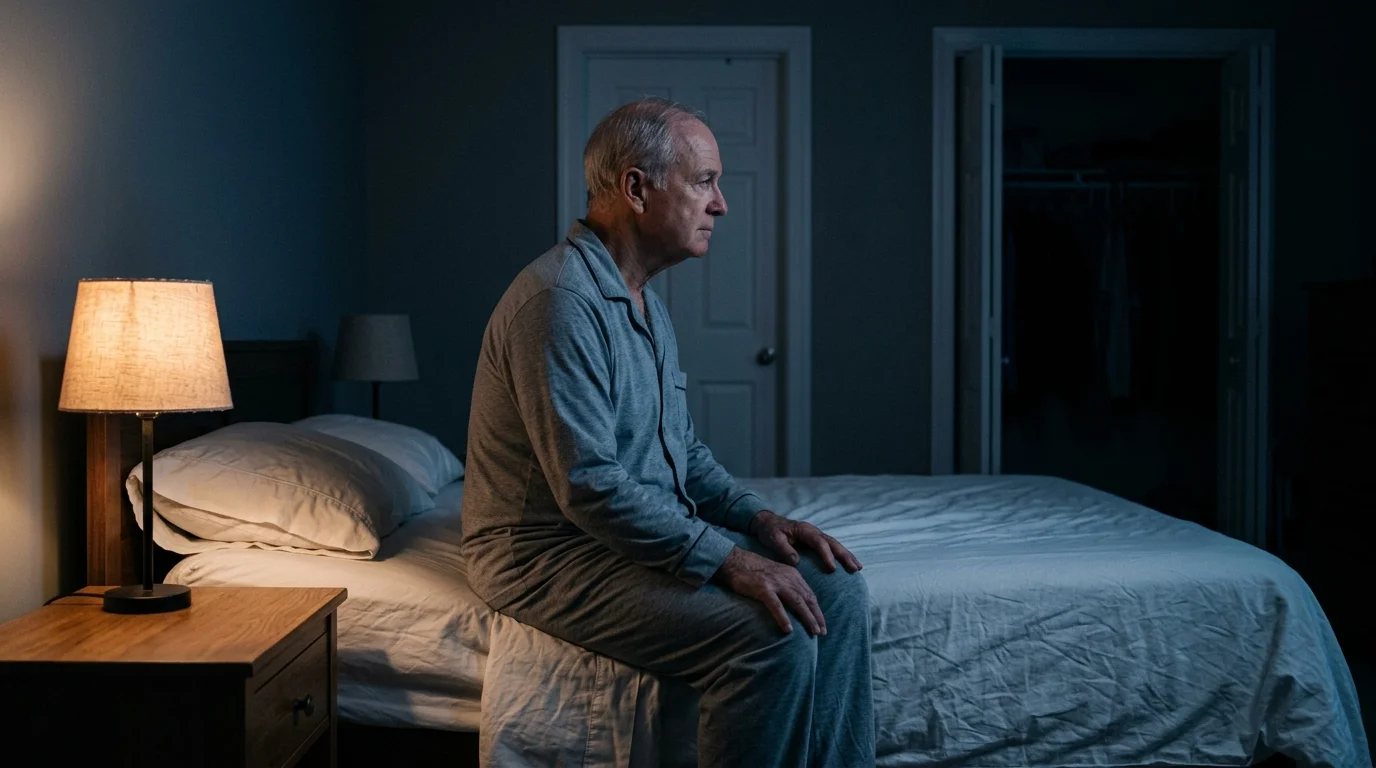
An older man in gray pajamas sits on the edge of a bed in a dimly lit bedroom beside a small lamp.
Lying flat on your back extends the spine, tightening the spinal canal and exacerbating painful nerve compression overnight.

Sign 9: Pain That Disrupts Your Sleep

Tossing and turning throughout the night may seem like a standard grievance for seniors. However, when you cannot find a comfortable sleeping position because your legs ache or your back throbs, spinal stenosis might be the underlying cause. Lying flat on your back extends your spine, which tightens the spinal canal and exacerbates nerve compression. If you find yourself curling into a fetal position to sleep, your body is once again attempting to manually open those narrowed spinal spaces to achieve nocturnal relief.


Leave a Comment

Your email address will not be published. Required fields are marked *

Get the latest wellness insights

Practical health, nutrition and lifestyle reporting — in your inbox every week.

No spam. Unsubscribe at any time.