
Your ability to press your own body weight off the floor reveals vital clues about your overall health and functional independence. This fundamental movement measures upper-body muscular endurance, joint stability, and core strength as you age.
Fitness benchmarks offer clear targets to help you accurately evaluate your current physical conditioning against clinical standards. Knowing where you stand allows you to build physical resilience safely and effectively.
Discover the official standards for your age group, the cardiovascular science behind the test, and how to protect your joints while staying active.
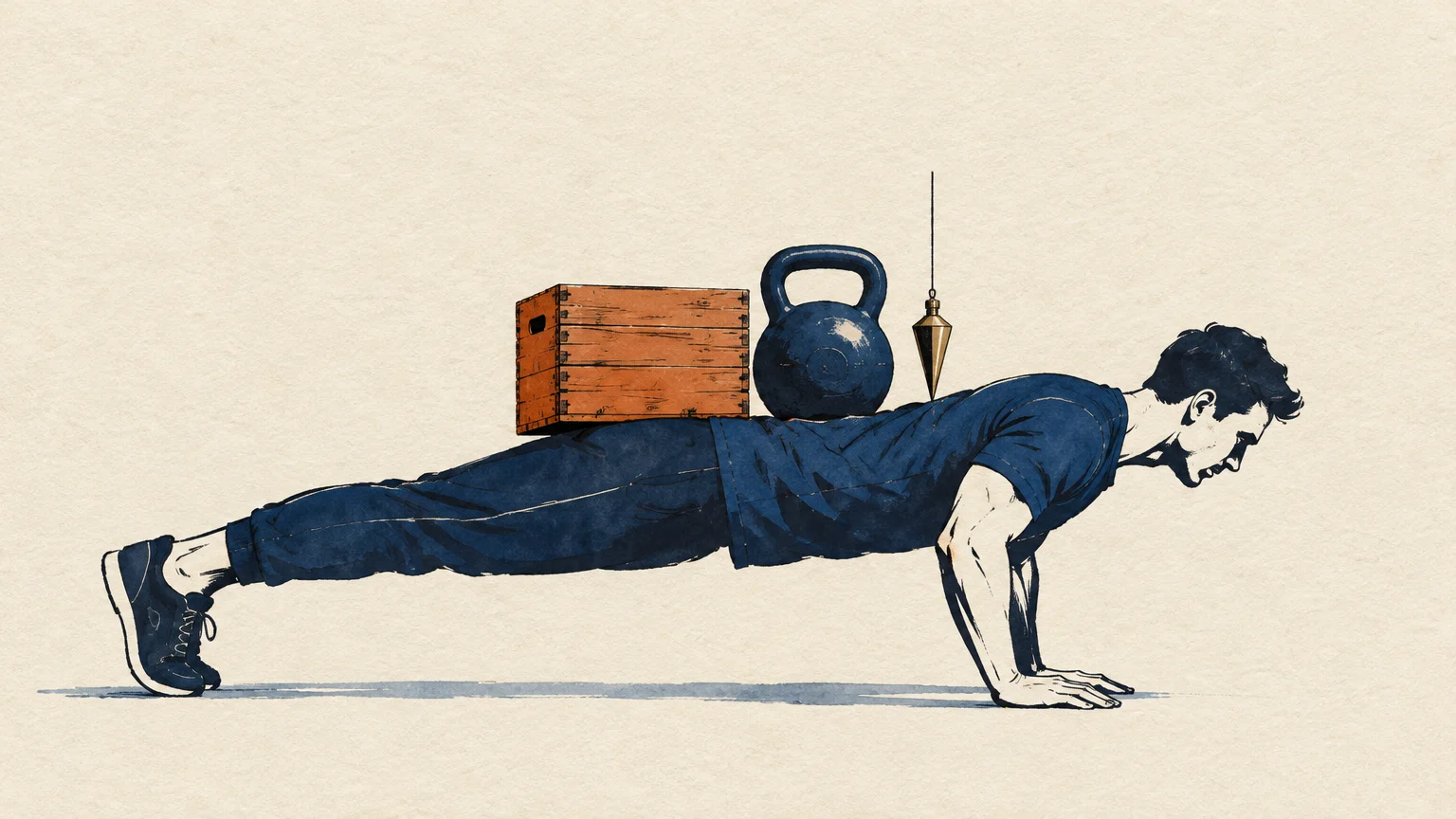
Understanding the Pushup as a Functional Health Marker
Many people view the pushup merely as a basic calisthenic drill for military recruits. In clinical settings, however, physicians frequently view it as a reliable window into your overall physical vitality.
The movement requires your neuromuscular system to coordinate multiple large muscle groups while supporting roughly two-thirds of your body weight. Because of this demand, your performance reflects functional stamina rather than isolated muscle size.
Pushups demand integrated core stability alongside active upper-body strength. When you press away from the ground, your abdominal muscles and lower back work continuously to maintain a rigid, protected spine.
This compound engagement makes the exercise uniquely practical for evaluating physical capability. A strong pushup performance suggests that your body can handle the unexpected physical demands of everyday life.
Unlike seated machine exercises at a gym, bodyweight movements force your stabilizing muscles to fire constantly. This functional activation reinforces the natural movement patterns you rely on when lifting objects or catching your balance.

Muscular Biomechanics and Core Integration
Executing a proper pushup recruits several major muscle groups across your chest, arms, and torso. The primary driver of this pushing action is the pectoralis major muscle across your chest.
Assisting your chest are the anterior deltoids at the front of your shoulders and the triceps brachii along your arms. These muscles work in unison to extend your elbows and press your torso upward.
Simultaneously, your core musculature acts as a living bridge between your upper body and lower extremities. The rectus abdominis and transversus abdominis engage deeply to prevent your hips from sagging toward the floor.
Your gluteal muscles and quadriceps also remain contracted throughout the movement. This total-body tension ensures that your body moves as a unified lever rather than a disconnected chain of joints.
Furthermore, the serratus anterior muscles along your ribcage actively stabilize your shoulder blades. Proper stabilization protects your rotator cuff tendons from impingement and chronic wear during each repetition.
Mayo Clinic Muscular Strength Standards for Men
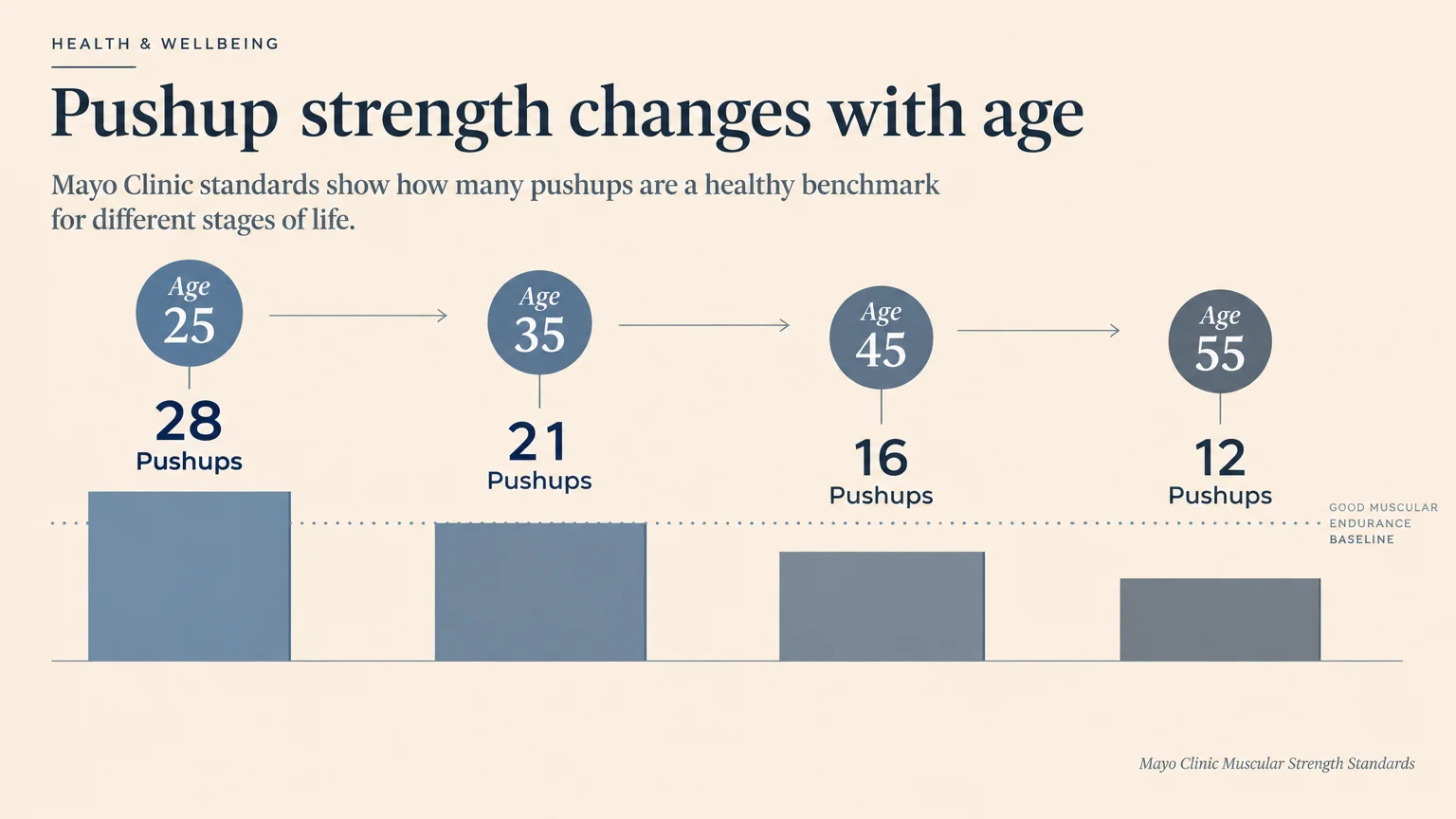
The Mayo Clinic provides established baseline fitness targets for men across various life stages. These benchmarks evaluate continuous pushups performed with strict form until you require rest.
For a young man at age 25, the Mayo Clinic identifies a target of 28 consecutive pushups as an indicator of good physical conditioning. This standard reflects peak muscular recovery and optimal joint elasticity.
As natural physiological changes occur, the target adjusts to 21 pushups for men at age 35. This benchmark accounts for subtle shifts in metabolic rate and tissue recovery capacity.
By age 45, the benchmark target for a good fitness level becomes 16 pushups. Maintaining this number demonstrates strong preservation of functional muscle mass through middle age.
When men reach age 55, the Mayo Clinic fitness standard targets 12 pushups. Reaching this milestone confirms that you have retained protective upper-body strength and joint integrity.
For men at age 65, the target standard is 10 consecutive pushups. Achieving 10 full repetitions at this stage places you in a favorable tier of mobility and functional independence.
These numbers do not represent impossible hurdles; rather, they serve as practical reference points. You can use these targets to guide your routine and measure long-term progress.
American College of Sports Medicine Age Norms
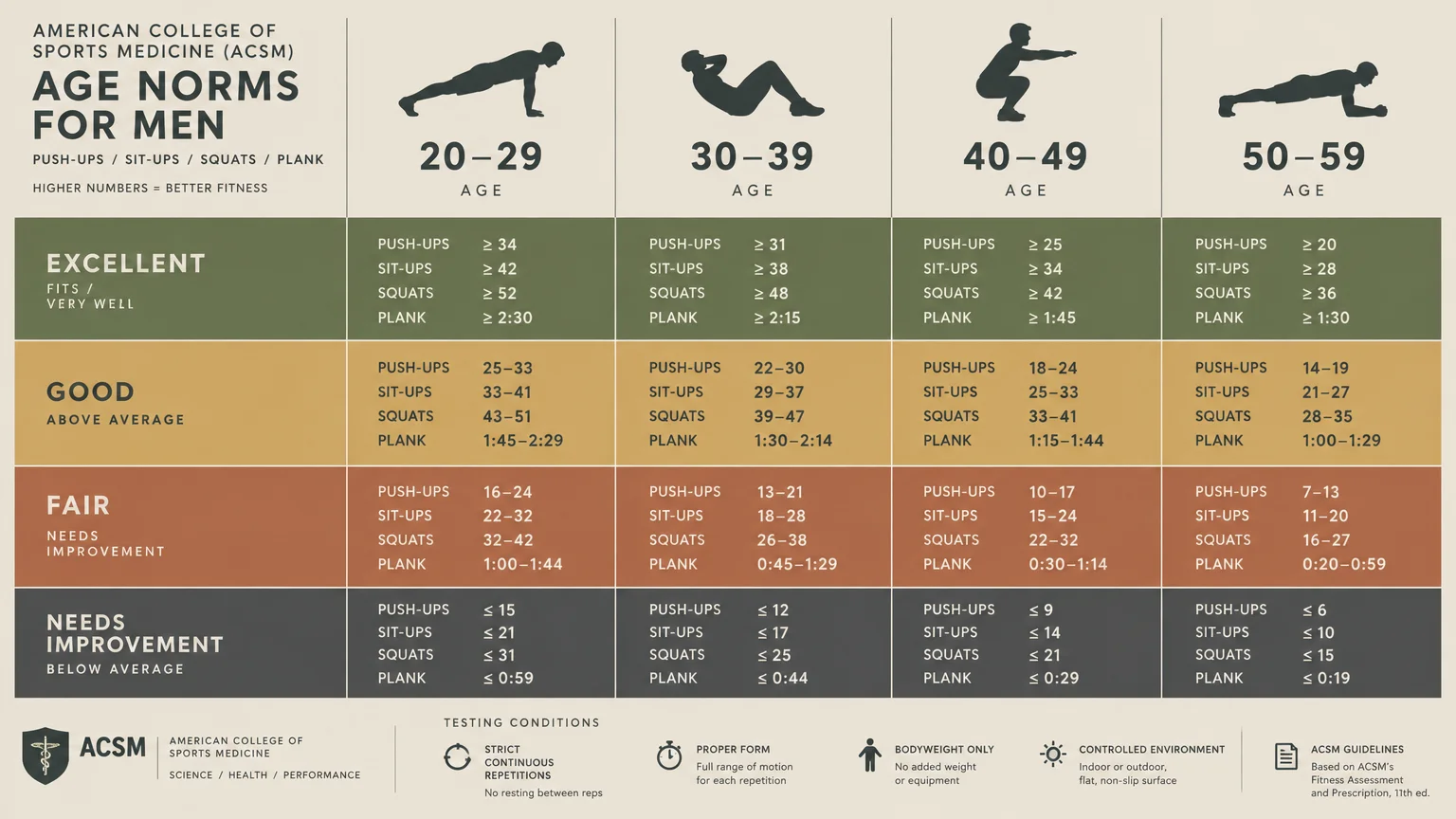
The American College of Sports Medicine offers comprehensive percentile rankings based on maximum pushups performed to muscle failure. These classifications help men contextualize their performance against a broader peer population.
Fitness Standards for Men Ages 20 to 29
In the 20 to 29 age bracket, completing 22 to 27 repetitions places a man in the Fair category, representing the 20th to 35th percentile. This range indicates adequate baseline strength with significant room for growth.
Men who complete 29 to 37 repetitions earn a Good rating, aligning with the 40th to 60th percentile. This performance reflects consistent physical conditioning and above-average muscular endurance.
Achieving 39 or more pushups elevates a man into the Excellent to Superior tier, spanning the 65th to 99th percentile. Reaching this level requires dedicated athletic training and exceptional upper-body power.
Fitness Standards for Men Ages 30 to 39
For men in their thirties, completing 17 to 21 pushups corresponds to a Fair fitness ranking. This benchmark reflects typical physical capacity for men balancing career and family commitments.
A total of 24 to 30 repetitions achieves a Good classification within this demographic. This range demonstrates that a man has maintained disciplined fitness habits despite a demanding schedule.
Men who perform 31 or more pushups reach the Excellent to Superior tier, showcasing outstanding muscular conditioning. Such high capacity reflects superb stamina and resilient connective tissues.
Fitness Standards for Men Ages 40 to 49
During your forties, completing 11 to 16 repetitions establishes a Fair level of physical conditioning. This tier indicates that your muscular endurance remains functional for daily activities.
Reaching 18 to 24 pushups secures a Good rating for men in this age group. Achieving this target shows strong resistance against the gradual loss of muscle mass that often begins in midlife.
Completing 25 or more repetitions earns an Excellent to Superior distinction, representing elite upper-body stamina. Men in this category maintain physical capabilities that rival individuals much younger than themselves.
Fitness Standards for Men Ages 50 to 59
For men navigating their fifties, completing 9 to 11 repetitions reflects a Fair fitness tier. This range demonstrates that you are actively combating the initial stages of natural age-related strength decline.
Performing 13 to 19 continuous pushups earns a Good rating among men aged 50 to 59. This accomplishment highlights consistent strength training and strong cardiovascular support.
Pushing beyond 20 repetitions places you in the Excellent to Superior category for this cohort. Performing at this level provides powerful protection against functional decline and joint stiffness.
Fitness Standards for Men Ages 60 and Older
For men aged 60 and older, performing 6 to 9 repetitions falls into the Fair category. Achieving this baseline confirms that you retain sufficient pushing strength to protect your physical autonomy.
Completing 10 to 18 repetitions qualifies as a Good level of physical fitness for older men. Reaching this standard places you well ahead of the average curve for your age demographic.
Men who can execute 20 or more pushups reach the Excellent to Superior tier, exhibiting extraordinary strength. Maintaining this level of fitness dramatically enhances longevity and vitality.
Cardiovascular Health and Pushup Capacity
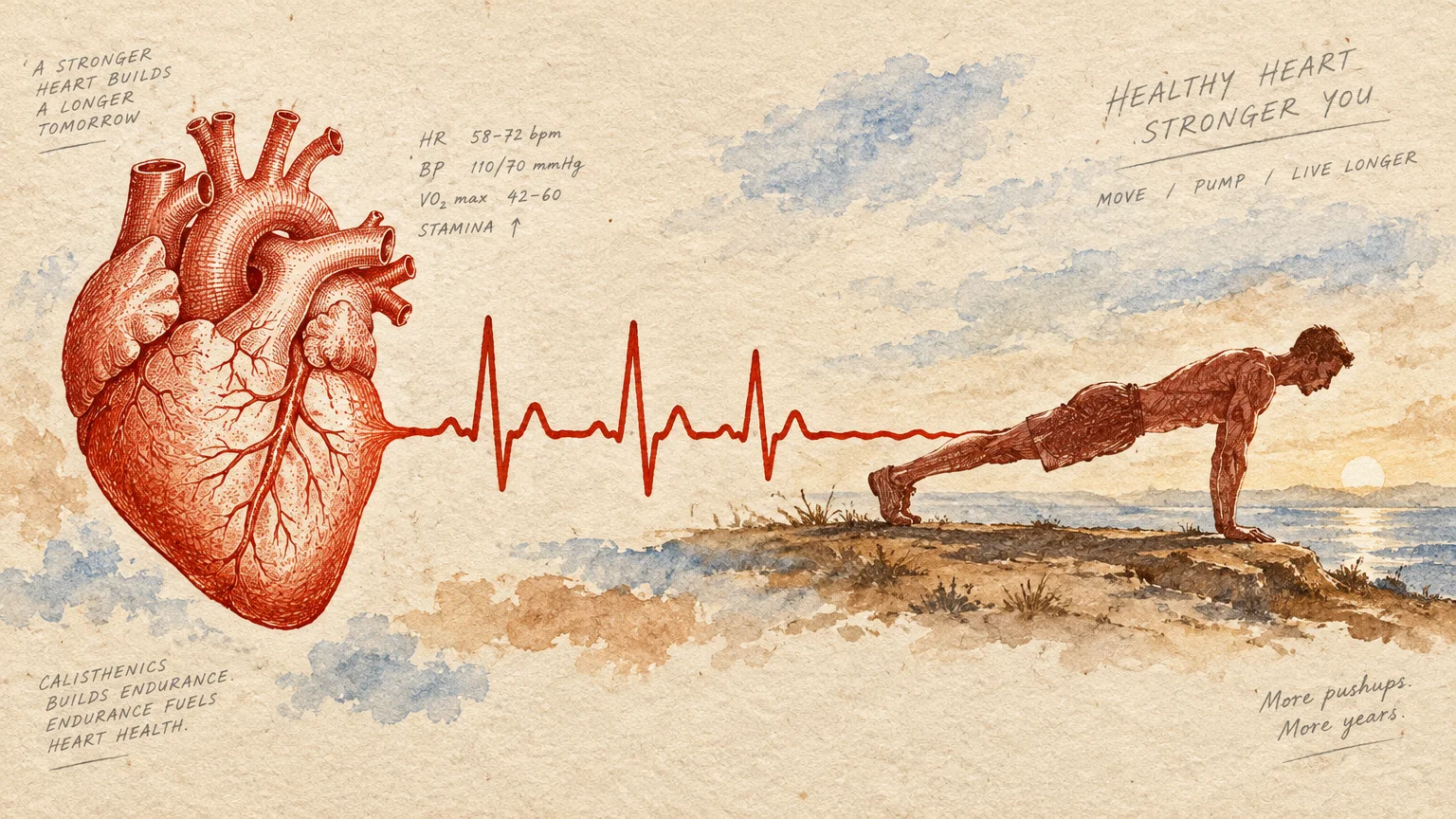
Muscular fitness correlates strongly with cardiovascular resilience, as confirmed by landmark clinical research. Upper-body endurance reflects broader systemic vascular function and aerobic capacity.
A pivotal study conducted by the Harvard T.H. Chan School of Public Health examined this relationship in depth. The research team published their findings on February 15, 2019, in JAMA Network Open.
Researchers tracked 1,104 active male firefighters over a 10-year period from 2000 to 2010. The participant cohort had a mean age of 39.6 and a mean body mass index of 28.7.
During their baseline physical examinations, participants completed pushups timed to a metronome set at 80 beats per minute. Investigators then monitored the cohort for major cardiovascular disease events over the following decade.
The results revealed a striking correlation between pushup capacity and heart health. Men able to complete more than 40 consecutive pushups experienced a 96% lower risk of cardiovascular disease events compared to those completing fewer than 10.
These cardiovascular events included severe outcomes such as coronary artery disease diagnoses and heart failure incidents. Pushup capacity demonstrated an immediate, measurable association with long-term cardiac outcomes.
The data also highlighted an important intermediate threshold for everyday fitness. Men who could perform 11 or more pushups experienced a significantly lower 10-year risk of heart problems compared to men completing 10 or fewer.
Throughout the 10-year follow-up, researchers documented a total of 37 cardiovascular disease-related outcomes. Notably, 36 of those 37 adverse outcomes occurred in men who completed 40 or fewer pushups during baseline testing.
The authors concluded that simple pushup capacity served as a stronger predictor of cardiovascular disease risk than submaximal treadmill exercise tests. This discovery emphasizes how functional resistance testing complements traditional medical screening.

Key Considerations for Men Over Sixty
As you celebrate your sixtieth birthday and beyond, your body undergoes natural physiological changes that alter how you build and maintain muscle. Understanding these shifts allows you to train effectively while avoiding preventable setbacks.
Age-related muscle loss, clinically known as sarcopenia, accelerates after midlife. Without regular resistance training, you naturally lose contractile muscle fibers and neuromuscular signaling efficiency.
Connective tissues also change as you age. Tendons and ligaments lose a portion of their natural moisture and elasticity, making them more vulnerable to chronic strain and sudden irritation.
Your cartilage surfaces inside the shoulder joints, elbows, and wrists may also show signs of wear. For this reason, joint alignment and controlled motion become far more important than high repetition numbers.
Spinal stability requires conscious attention as well. Weakness in the deep abdominal wall can cause your lumbar spine to hyper-extend, placing unwanted compression on your lower vertebrae.
Recovery cycles lengthen as you grow older. Your muscle tissues require more rest between vigorous sessions to repair micro-tears and replenish glycogen stores.
By prioritizing joint preservation over personal records, you can safely continue building upper-body strength. Smart adjustments ensure that resistance training enhances your vitality rather than causing joint pain.
Benefits and Potential Risks for Older Adults
Engaging in regular pushup training offers immense functional benefits that directly support your daily lifestyle. Chief among these advantages is the preservation of physical independence.
If you experience an accidental fall, upper-body pressing strength allows you to push yourself up from the floor safely. This singular capability can prevent prolonged periods of immobilization after a minor stumble.
Pushups also stimulate bone mineral density across your wrists, forearms, and shoulders. The axial loading forces prompt bone cells to reinforce their structural matrix, helping you resist fractures.
Additionally, the exercise enhances insulin sensitivity and metabolic health. Working large muscle groups helps your body clear glucose from the bloodstream efficiently, supporting healthy metabolic regulation.
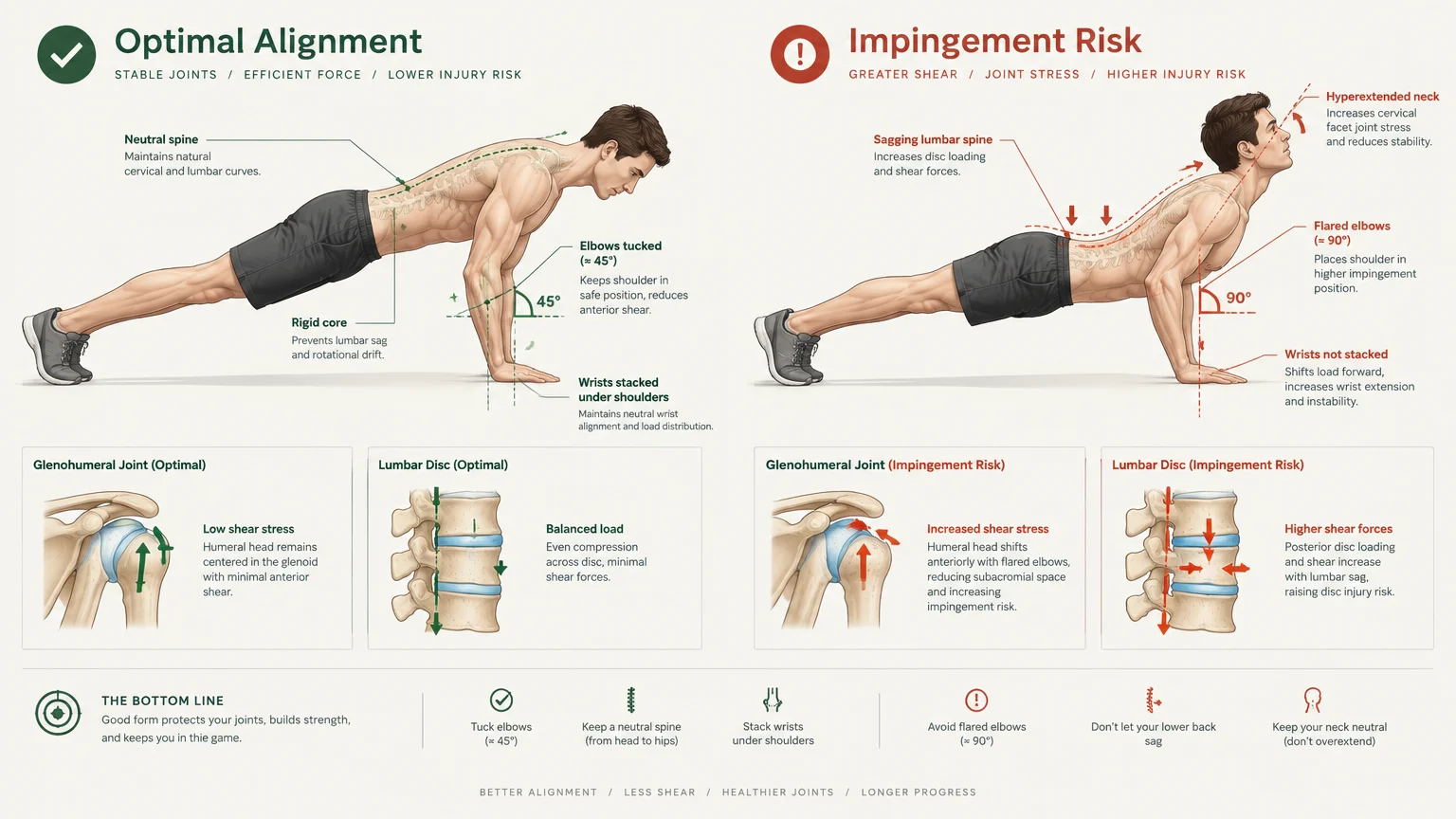
Despite these significant benefits, you must remain aware of potential orthopedic and systemic risks. Excessive enthusiasm without proper preparation can lead to acute injuries or chronic inflammation.
Shoulder impingement represents a common pitfall when elbows flare out too wide during pressing. This mechanical error pinches the supraspinatus tendon of your rotator cuff against your acromion bone.
Wrist hyperextension also poses a risk for individuals with pre-existing arthritis or carpal tunnel irritation. Pressing flat palms directly into a hard floor can aggravate delicate carpal joints.
Furthermore, holding your breath during exertion triggers the Valsalva maneuver. This action causes a sudden spike in intrathoracic pressure and blood pressure, which poses hazards for men with hypertension.
What the Leading Health Experts Say
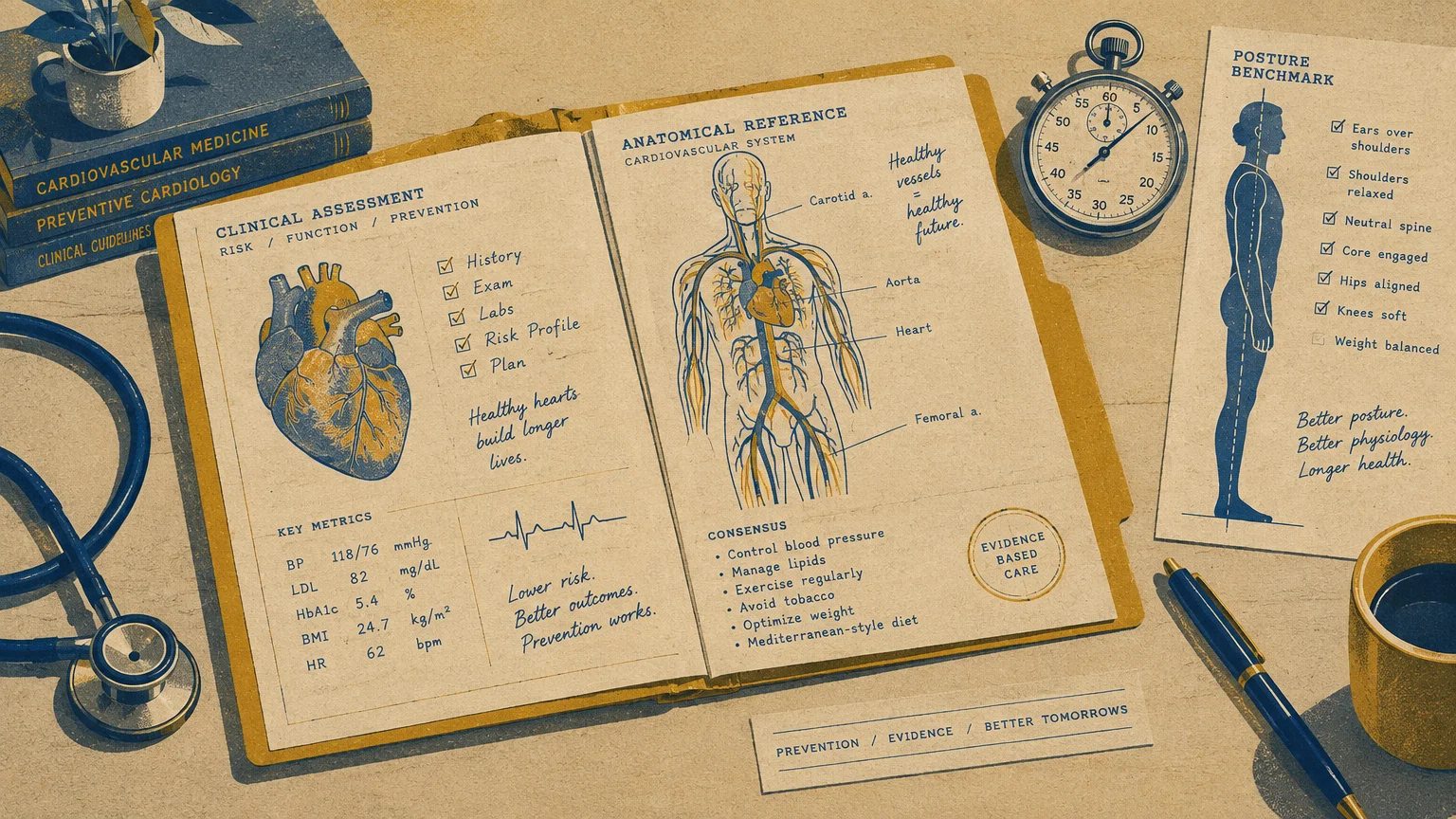
Leading health authorities, including the National Institutes of Health, strongly advocate for consistent muscle-strengthening exercise across all stages of older adulthood. Physical activity guidelines recommend targeting major muscle groups regularly.
The Centers for Disease Control and Prevention similarly emphasizes that functional strength training reduces the risk of serious fall-related injuries. Maintaining upper-body push strength preserves your ability to navigate home environments securely.
Clinical physical therapists emphasize that strict movement quality should always supersede raw repetition counts. Performing a few immaculate repetitions delivers far more therapeutic value than struggling through sloppy repetitions with compromised posture.
Medical consensus also cautions against sudden spikes in exercise volume or intensity. Starting slowly and progressively increasing resistance allows connective tissues to adapt alongside your muscular system.
Experts agree that functional bodyweight training provides an accessible alternative to expensive fitness equipment. Because pushups require no specialized machinery, you can perform them consistently in the comfort of your home.
Safe Testing Protocol for Men at Home
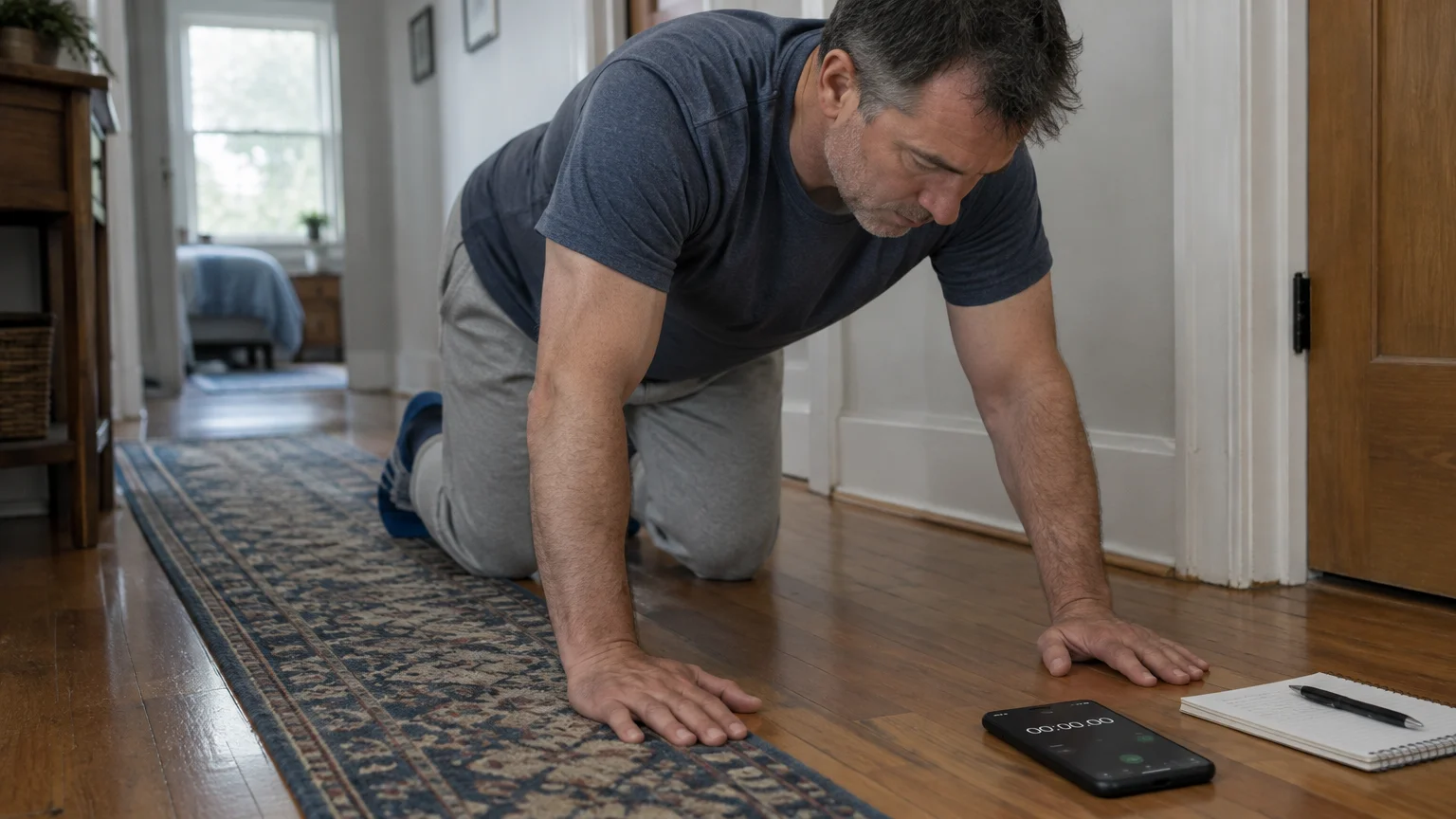
Before attempting any baseline pushup test, you must prepare your body with a gentle warm-up. Spend several minutes performing shoulder circles, gentle torso twists, and arm swings to increase tissue temperature.
Choose a non-slip surface, such as an exercise mat or carpeted floor, to ensure firm footing. Clear away any nearby household obstacles to establish an open, safe workout space.
Assume a plank position with your hands slightly wider than shoulder-width apart. Keep your feet separated a few inches apart to assist with lateral balance and core stability.
Maintain a straight line from your head through your hips down to your heels. Avoid tilting your head forward or allowing your lower back to sag toward the floor.
Lower your chest toward the floor until your elbows bend to approximately ninety degrees. Pause briefly, then exhale smoothly as you press back up to the starting position.
Count only the repetitions completed with continuous movement and strict alignment. Stop your test immediately if your form breaks down or if you experience sharp joint discomfort.
Step-by-Step Pushup Regressions and Progressions
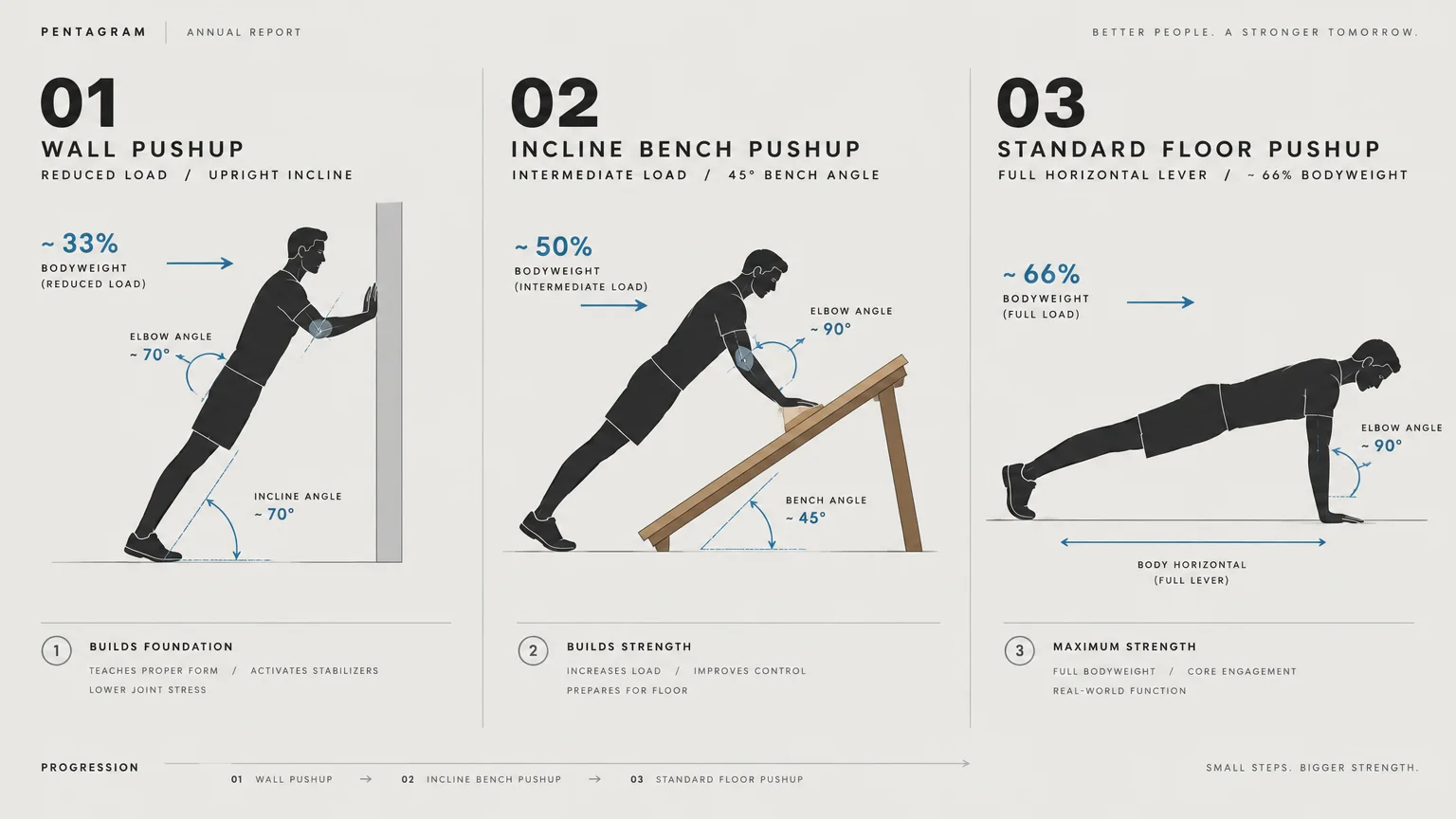
If you cannot perform a standard floor pushup today, you should never feel discouraged. Modifying the movement angle reduces the percentage of body weight you must lift while training identical movement patterns.
The Wall Pushup
The wall pushup serves as the ideal starting point for beginners or men rehabilitating painful joints. Stand facing a sturdy wall an arm’s length away with your palms flat against the surface at chest height.
Bend your elbows to bring your chest toward the wall while keeping your body in a rigid plank. Press firmly away until your arms extend fully, repeating until you feel mild muscular fatigue.
The Kitchen Counter Pushup
Once wall pushups feel effortless, advance your training to a sturdy kitchen counter or heavy tabletop. This moderate incline increases the gravitational load on your chest and arms while remaining gentle on your spine.
Place your hands on the counter edge, step your feet back, and engage your core muscles tightly. Lower your chest toward the counter rim and press back up with smooth control.
The Incline Bench Pushup
As your strength develops, transition to a lower elevation, such as a sturdy workout bench or low furniture. The reduced angle requires your upper body to support a greater portion of your body weight.
Maintain strict core tension and prevent your neck from straining forward during each repetition. Practice this variation consistently until you can perform multiple comfortable sets with clean technique.
The Modified Knee Pushup
Knee pushups provide a practical floor alternative before transitioning to full toe pushups. Rest your knees on a soft padded mat and walk your hands forward into a modified plank posture.
Lower your chest smoothly to the floor while keeping your hips aligned with your shoulders. Avoid sticking your hips backward into a seated position during the descent.
The Standard Floor Pushup
When you have built adequate shoulder stability and core endurance, return to the classic floor pushup. Perform each repetition slowly, controlling the descent before pressing upward with authority.
This controlled tempo eliminates bouncing and momentum, ensuring your muscles handle the complete workload safely. Focus on consistent breathing throughout each repetition to avoid dangerous blood pressure spikes.
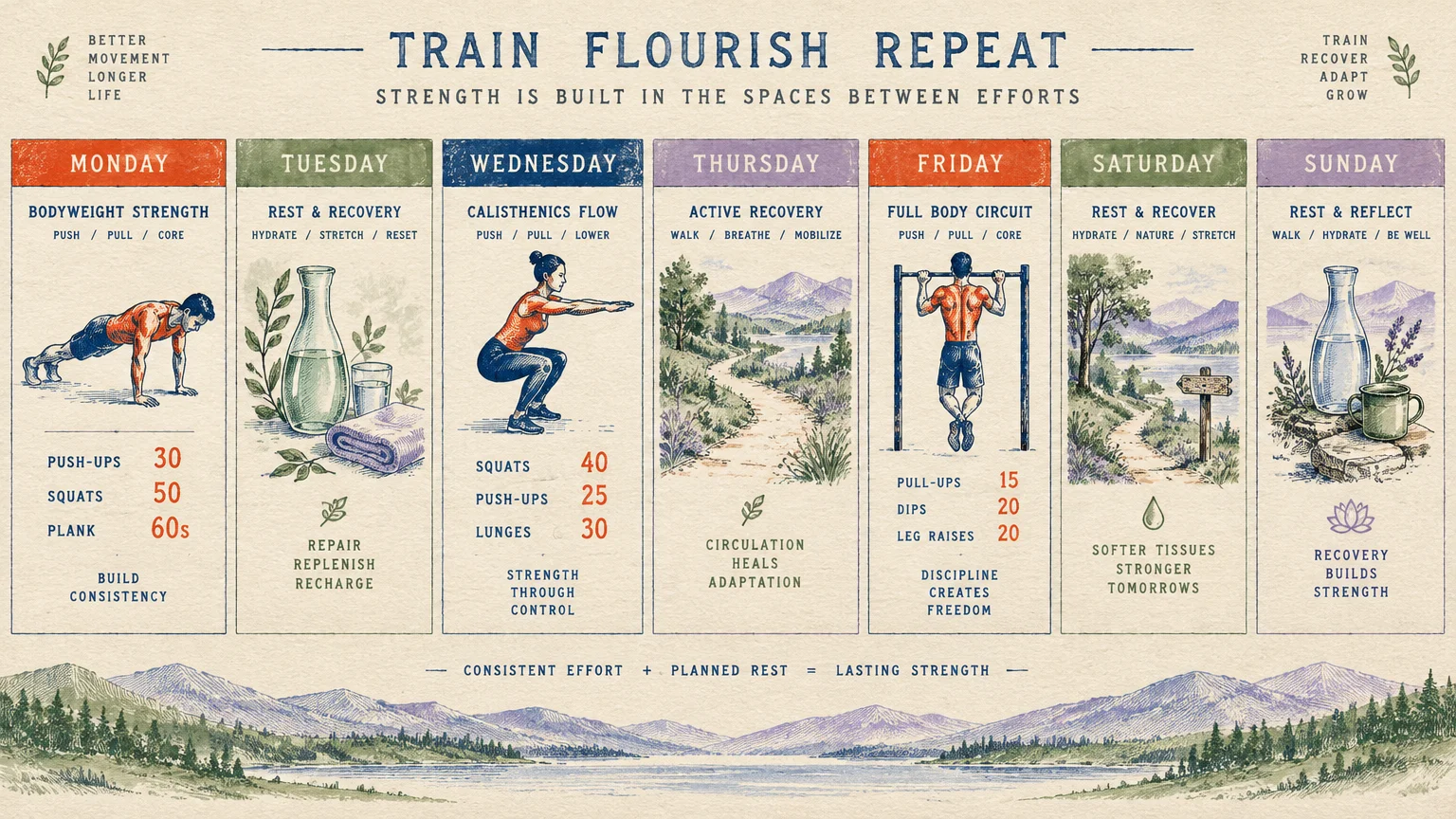
Building a Sustainable Weekly Strength Routine
Consistency produces far greater long-term health benefits than occasional bouts of extreme exertion. Aim to practice your chosen pushup variation two or three days each week on non-consecutive days.
A non-consecutive schedule allows your connective tissues and muscle fibers adequate time to recover. This restorative window promotes cellular repair and reduces chronic inflammation around your joints.
Structure your training sessions around two to three sets of submaximal repetitions. Submaximal training means stopping each set a couple of repetitions before reaching absolute muscular failure.
Stopping short of total exhaustion preserves your motor control and prevents poor movement form. This cautious approach minimizes joint strain while still stimulating robust muscular adaptations.
Pair your pushing exercises with pulling movements to maintain balanced shoulder mechanics. Movements such as seated resistance band rows help offset forward shoulder posture and support spinal health.

Questions to Discuss with Your Healthcare Provider
Before initiating a new resistance training regimen, schedule a conversation with your primary care physician. Preparing specific questions ensures you receive personalized guidance tailored to your medical history.
Ask your doctor whether your current blood pressure control permits bodyweight resistance training. Understanding your cardiovascular boundaries helps you train with complete peace of mind.
Inquire whether any existing orthopedic conditions, such as rotator cuff wear or arthritis, require specific exercise modifications. Your physician can recommend tailored precautions to protect vulnerable joints.
Discuss your bone density status, especially if you have risk factors for osteoporosis. Knowing your bone health helps you select the safest bodyweight loading angles for your wrists.
Frequently Asked Questions
Can wall pushups build adequate upper-body strength?
Yes, wall pushups effectively strengthen your chest, shoulders, and triceps while protecting sensitive joints. They provide an outstanding training stimulus for beginners, individuals recovering from injury, or older adults.
As wall pushups become easier, you can steadily increase resistance by stepping your feet farther back. This simple adjustment alters the biomechanical lever without requiring heavy external weights.
How often should an older man perform pushups each week?
Practicing pushups two to three times per week provides optimal results for most older men. This frequency stimulates muscle protein synthesis while allowing necessary time for tissue recovery between sessions.
Avoid performing high-intensity pushups every single day. Daily heavy pressing can irritate the shoulder bursa and lead to chronic rotator cuff tendonitis over time.
What should you do if your wrists hurt during pushups?
Wrist discomfort often stems from limited extension mobility when pressing flat palms against the floor. You can relieve this strain by performing pushups using pushup handles or hex dumbbells.
Gripping handles allows your wrists to remain in a neutral, straight alignment throughout the movement. Alternatively, performing pushups on your knuckles or using an elevated incline surface reduces joint pressure.
Does doing pushups elevate blood pressure dangerously?
Pushups can cause temporary spikes in blood pressure if you hold your breath during exertion. This involuntary breath-holding creates intense intra-abdominal pressure that taxes your cardiovascular system.
To keep your blood pressure stable, maintain continuous, rhythmic breathing during every repetition. Inhale smoothly as you lower your body toward the floor, and exhale fully as you press upward.
How do you safely recover from post-exercise muscle soreness?
Experiencing mild muscle stiffness a day or two after exercise is a normal response known as delayed onset muscle soreness. You can ease recovery by taking gentle daily walks to boost circulation.
Ensure you consume adequate dietary protein and stay properly hydrated to facilitate muscular repair. If soreness persists for several days or feels sharp, rest until your tissues recover fully.
Empowering Your Strength Journey
Your pushup capacity offers a dependable reflection of your physical endurance, functional vitality, and cardiovascular resilience. Meeting or working toward clinical standards protects your independence as you navigate each decade of life.
Remember that physical benchmarks are meant to guide your path rather than discourage your efforts. Every progression, from wall presses to floor pushups, builds meaningful muscular strength and bone density.
Prioritize strict form, protect your joint health, and celebrate small, consistent improvements along the way. By honoring your body and training intelligently, you cultivate strength that enhances your life for years to come.
This article is intended for informational and educational purposes only and is not a substitute for professional medical advice, diagnosis, or treatment. Always consult with a qualified healthcare provider regarding any health concerns or before making any decisions related to your health or treatment.